What Chinese Internet Name Culture Reveals About Digital Identity
Imagine having not one name, but five. A birth name your parents chose. A childhood nickname only your grandmother uses. A professional alias. A poetic pen name. And a screen name that shifts with your mood. For hundreds of millions of Chinese internet users, this is not imagination. It is everyday digital life.
Chinese internet name culture spans far more than picking a clever username. It encompasses pseudonyms on Weibo, display names on WeChat, gaming handles, forum identities, and livestreaming personas. Each name is a deliberate act of self-presentation, shaped by platform norms, community expectations, and a naming philosophy that stretches back millennia. What makes this ecosystem especially fascinating is the tension at its core: China's government-mandated real name registration requires users to verify their legal identity, yet a thriving creative pseudonym culture flourishes on top of that verification layer.
What Makes Chinese Internet Naming Unique
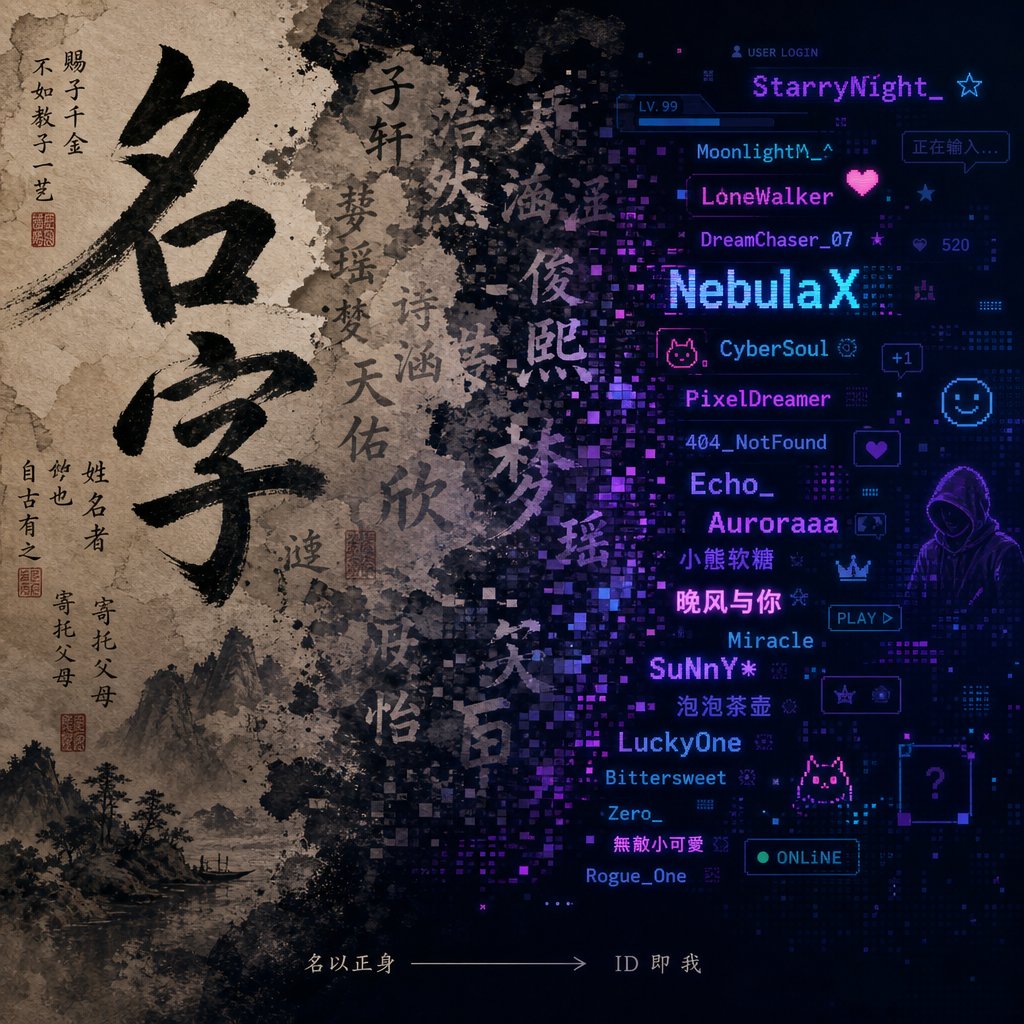
This duality has deep roots. Since at least the Zhou Dynasty (1046 BCE - 256 BCE), as recorded in the Book of Rites, a person carried multiple names across their lifetime. A personal name (ming, 名) was given at birth. A courtesy name (zi, 字) arrived at adulthood, becoming the primary form of public address. And literary names (hao, 号) could be adopted freely throughout life to mark achievements, career changes, or creative pursuits. The Song Dynasty poet Su Shi, for instance, wrote under the hao "Dongpo Jushi" (Resident of the Eastern Slope), a direct reference to his personal circumstances.
This tradition of context-dependent naming maps directly onto modern digital identity in China. A user's real name sits in a government database. Their WeChat display name signals closeness to friends. Their Weibo handle builds a public brand. Their gaming tag expresses fantasy. The concept is not fragmented identity but layered identity, each name serving a distinct social function.
Why Online Names Matter in Chinese Digital Life
Online names in China do far more than label an account. They signal which generation you belong to, what subcultures you inhabit, and how much aesthetic taste you possess. A poetic four-character handle suggests literary refinement. An absurdist self-deprecating name marks you as Gen Z. A Japanese-inflected username places you in anime fandom circles. You'll notice that choosing the wrong name for a platform is a social misstep, not just a stylistic one.
In Chinese digital life, a name is never just a name. It is a performance of face (面子), a carefully calibrated signal that tells your community who you aspire to be, which tribes you belong to, and how seriously you take yourself.
This interplay between state-verified real name systems and vibrant creative expression creates something unique to the Chinese internet. Platforms like Weibo have even required top influencers to display their legal names publicly, forcing a collision between private identity and public persona that sparked widespread debate. The result is a naming culture where authenticity and invention coexist in constant, productive tension, one that only makes sense when you understand the centuries of tradition behind it.

Historical Roots of Chinese Online Naming Traditions
That layered identity system did not appear out of nowhere when the internet arrived in China. It was already centuries old. Classical scholars routinely maintained multiple names for different social contexts, and this practice created a cultural muscle memory that Chinese internet users flexed naturally when digital platforms asked them to "choose a username."
Consider the poet Tao Yuanming (陶渊明), who called himself Wuliu Xiansheng (五柳先生), or "Mr. Five Willows," after the trees near his home. The scholar Ouyang Xiu styled himself "The Hermit of Six Ones" (六一居士) to represent his collection of books, inscriptions, a lute, a board game, a pot of wine, and himself. These were not random labels. They were curated self-portraits, miniature narratives compressed into a few characters. When early Chinese internet users sat down at a forum registration page in the late 1990s, they drew on this exact instinct.
From Courtesy Names to Screen Names
The courtesy name tradition in Chinese culture created something Western naming conventions never developed: a social expectation that different relationships warrant different names. Your birth name (名, ming) was intimate, used only by elders and family. Your courtesy name (字, zi) was the public-facing identity peers used to show respect. And your literary alias (号, hao) was entirely self-chosen, a creative expression of personality or aspiration.
Sounds familiar? It should. This maps almost perfectly onto how Chinese users manage their digital ID today. A government-verified legal name sits in the backend. A WeChat display name functions like a modern zi, visible to your social circle. And platform handles, gaming tags, and forum aliases serve as the digital hao, spaces for creative self-invention. The cultural precedent for context-dependent naming means Chinese users never experienced the Western discomfort of "which name is the real you?" All of them are real. They simply serve different audiences.
Wuxia Novels and Pop Culture Influences
When China's first generation of internet users needed inspiration for screen names, many turned to wuxia fiction. The martial arts novels of Jin Yong (Louis Cha) offered a ready-made vocabulary of poetic, nature-inspired names that evoked character traits and moral qualities. Names like Feng Qingyang (风清扬, "wind blows light and brisk") or Linghu Chong (令狐冲) carried layers of meaning, personality, and aesthetic beauty in just two or three characters.
This wuxia influence on internet names extended far beyond personal forums. Alibaba turned it into corporate policy. Employees are asked to adopt nicknames during onboarding, originally drawn from Jin Yong's novels. Jack Ma himself goes by Feng Qingyang. Chief Risk Officer Shao Xiaofei chose "Guo Jing," the loyal hero of Legends of the Condor Heroes, reflecting his two decades as a police officer. As engineer Richard Xu told TechNode, "Picking a nickname gives one the opportunity to redefine one's self — to be the person you want to be."
The practice grew beyond kung fu references as Alibaba expanded. Employees now draw from animation, internet slang, and wordplay. Java developers name themselves "Jiawa" (加瓦), a phonetic pun on their programming language. Others adopt names of company products like Cainiao or Huabei. The system flattens hierarchy since even executives are addressed by pet names rather than titles. It is, in essence, the ancient hao tradition repackaged for a modern tech corporation, proof that Chinese naming traditions online did not merely survive the digital transition. They thrived in it.
Yet tradition only tells part of the story. The modern Chinese internet also operates under a regulatory framework that would seem to contradict all this creative freedom, one where every user's legal identity is verified before they ever type a single character of their chosen name.
Real Name Registration and the Pseudonym Paradox
A regulatory framework that verifies every user's legal identity yet allows millions to interact under poetic aliases, absurdist jokes, and anime references. That contradiction is not a bug in the system. It is the system. Understanding how real name authentication coexists with creative pseudonyms is essential to grasping why Chinese internet name culture operates the way it does.
China's approach separates identity into two distinct layers: a backend verification tied to a citizen's legal credentials, and a frontend display name visible to the public. The result is a digital environment where the state can trace any account back to an individual, while that individual's online community may never learn their birth name at all.
How Real Name Registration Actually Works
The process begins with a China ID, specifically the 18-digit national identification number (居民身份证号码) issued to every citizen. When you register on a major platform like WeChat, Weibo, Douyin, or a gaming service, you link your account to a mobile phone number. That phone number is itself tied to your personal ID through your telecom provider, which verifies your identity using facial recognition matched against your government-issued photo during SIM card registration.
This chain of verification means every social media post, every game session, and every livestream can theoretically be traced back to a real person. China's Cybersecurity Law, which took effect on June 1, 2017, formalized this requirement. It mandates that network operators providing information publication or instant messaging services must require users to provide verifiable identity information. If a user fails to do so, the platform cannot grant access.
In practice, the real name authentication certificate number verification happens once, at registration. After that initial checkpoint, users choose whatever display name they want. A gamer verifies their identity with their national ID, then enters Honor of Kings as "Moonlit Sword Immortal." A Bilibili viewer submits their credentials during the bilibili register process, then comments under a handle referencing an obscure anime character. The verification is invisible to other users. It exists purely as a backend layer between the platform, the telecom provider, and the government.
The Paradox of Verified Anonymity
This architecture creates what researchers call "back-end real-name identification," a system where only the government and platform operators can access a user's true identity, while other users see only the chosen pseudonym. A study published in Humanities and Social Sciences Communications distinguishes this clearly from "front-end real-name identification," where a user's legal name is visible to everyone. In China's model, the digital ID functions like a passport checked at the airport gate. Once you are through, you move freely under whatever name you prefer.
The dynamic this produces is genuinely unique. Imagine a Weibo user with 200,000 followers known only as "A Cat Who Reads Philosophy" (读哲学的猫). Their audience engages with this persona, this carefully constructed identity. Behind the scenes, the platform holds their legal name, ID number, and phone number. The government can request that information if needed. But in the daily social life of the platform, the persona is the identity that matters.
This is not full anonymity. Users know they can be identified. That awareness shapes behavior, creating what one research team described as a "chilling effect" on certain types of expression, particularly bold financial predictions or politically sensitive commentary. Yet for the vast majority of social interactions, creative naming, community building, and identity play, the system functions as a permission structure. You have verified who you are. Now you are free to become whoever you want to be online.
The tension deepened in late 2023 when major platforms including Weibo, WeChat, Douyin, Kuaishou, and Bilibili announced measures pushing accounts with over 500,000 followers to display their real names on profile pages. This was not a blanket legal mandate but a platform-led initiative responding to regulatory pressure from the Cyberspace Administration of China. Crucially, it remains a voluntary opt-in feature. Creators who decline face restrictions on traffic and revenue rather than account suspension. As Annie Lab's investigation confirmed, there is no law in China requiring content creators to publicly display their real names or faces. The backend verification is mandatory. The frontend reveal is not.
Here is how the real name requirements break down across major platforms:
| Platform | Identity Document Required | Publicly Displayed Name | Real Name Visibility |
|---|---|---|---|
| National ID + phone number + facial recognition | User-chosen display name (changeable) | Hidden from other users | |
| National ID + phone number | Unique handle + display name | Optional for accounts with 500K+ followers | |
| Douyin | National ID + phone number | User-chosen short name | Optional for accounts with 500K+ followers |
| Bilibili | National ID + phone number (required for commenting/posting) | User-chosen handle (otaku-influenced) | Optional for accounts with 500K+ followers; shown only in mobile app |
| Gaming platforms (Honor of Kings, Genshin Impact) | National ID + facial recognition (for minors, anti-addiction checks) | In-game character name (fully creative) | Never shown to other players |
Notice the pattern. Every platform demands the same backend credential: a China ID linked through a verified phone number. But what other users actually see ranges from completely creative pseudonyms to, at most, an optional real-name label that only appears if the creator consents. The gaming column is especially telling. China's anti-addiction system for minors requires rigorous identity checks, including periodic facial recognition scans, yet the in-game name remains entirely the player's invention. Verification and creative expression run on parallel tracks that rarely intersect publicly.
This two-layer architecture explains why Chinese internet name culture can be simultaneously one of the most regulated and one of the most creatively expressive naming ecosystems online. The state's need for accountability is satisfied at the infrastructure level. The user's desire for self-invention is satisfied at the interface level. Both coexist, and the creative energy poured into choosing the perfect display name, the perfect handle, the perfect persona, is arguably amplified by the knowledge that this chosen name is the only identity your community will ever know you by.
That freedom, of course, plays out very differently depending on which platform you are using. A gaming tag follows different rules than a Bilibili handle, and both differ sharply from a Zhihu display name. The platform itself shapes what kind of name you choose and what that name signals to others.
Platform-Specific Naming Conventions Across Chinese Apps
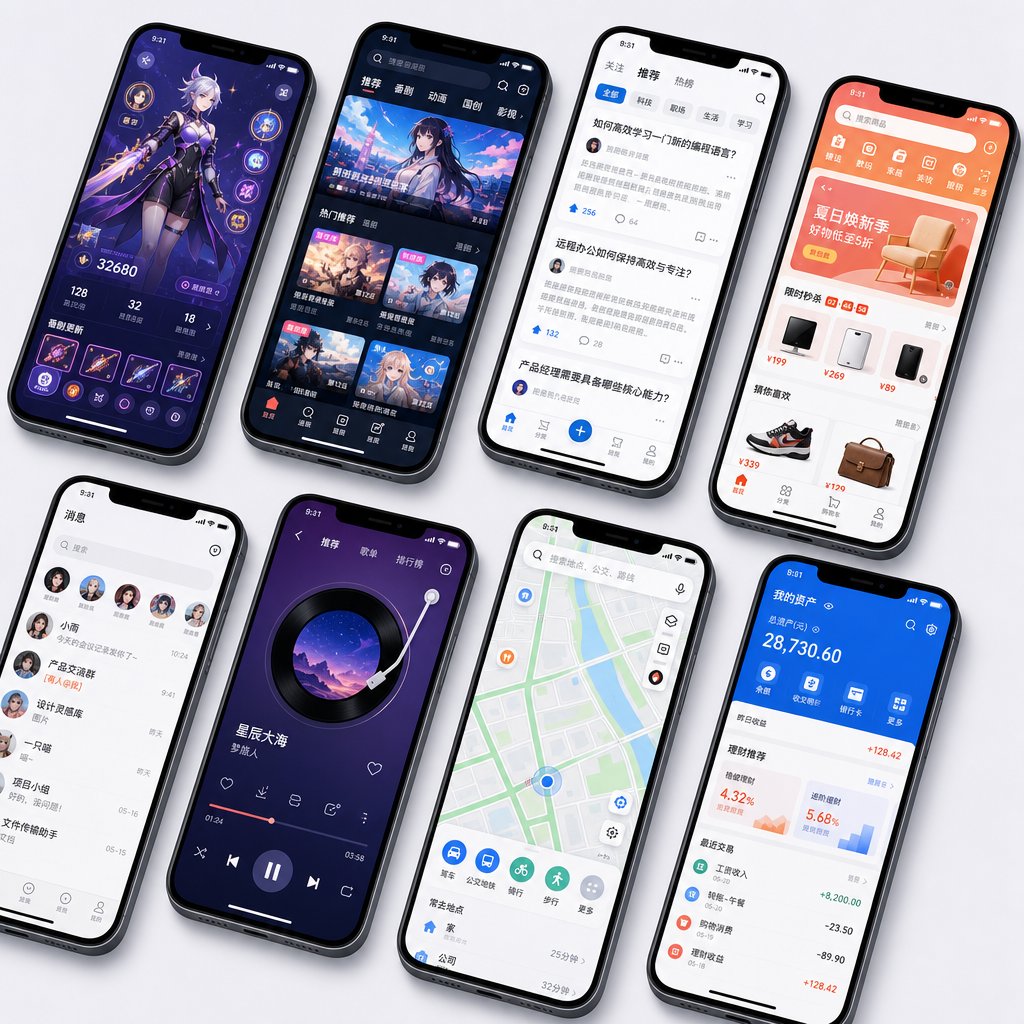
Each Chinese platform is its own micro-culture with unwritten rules about what a "good" name looks like. A handle that earns respect on Zhihu might get you mocked on Douyin. A gaming tag that feels epic in Honor of Kings would seem absurd as a WeChat display name. The platform shapes the name, and the name signals whether you belong.
This fragmentation happens because each app attracts a different demographic, enforces different technical constraints, and cultivates a different community ethos. The identity verification layer is nearly identical across all of them, but what users build on top of that layer diverges wildly.
Gaming Platforms and Identity Verification
Gaming is where the gap between verified identity and creative persona is widest. A Chinese ID for games is non-negotiable. Every major title operating in China requires players to submit their national identification number before they can even reach the character creation screen. Tencent pioneered this approach with Honor of Kings, verifying players against China's public security database to enforce playtime restrictions on minors. The system checks your real name, your age, and in some cases triggers periodic facial recognition scans to confirm the person holding the phone matches the registered ID.
Yet once that china ID for games checkpoint is cleared, players enter a naming space with almost no creative limits. Honor of Kings players adopt names drawn from classical poetry, internet memes, or deliberately provocative humor. You will find handles like "Wind Knows My Sorrow" (风知我愁) sitting in the same match lobby as "Your Dad Is Carrying You" (你爸带你飞). Genshin Impact players, who skew younger and more internationally connected, lean toward Japanese-influenced names, romanized puns, or references to in-game lore.
The naming creativity in games is amplified by a simple psychological dynamic: your in-game name is the only thing teammates and opponents see. There is no profile photo, no bio, no post history. The name carries the entire weight of first impression. Players treat it accordingly, cycling through names to match their current mood, rank, or the character they are maining that season. Some games allow name changes for a small fee, creating a culture of fluid identity that mirrors the ancient hao tradition of adopting new literary names at different life stages.
Bilibili and ACG Community Naming
Bilibili occupies a unique position in Chinese internet name culture. The bilibili register process requires real name verification, including uploading a photo of your ID and even a selfie holding that ID to prove you are the person pictured. Beyond registration, users must pass a 40-question membership test covering platform culture and community etiquette before they can comment or interact. This rigorous vetting creates a community that takes its identity seriously.
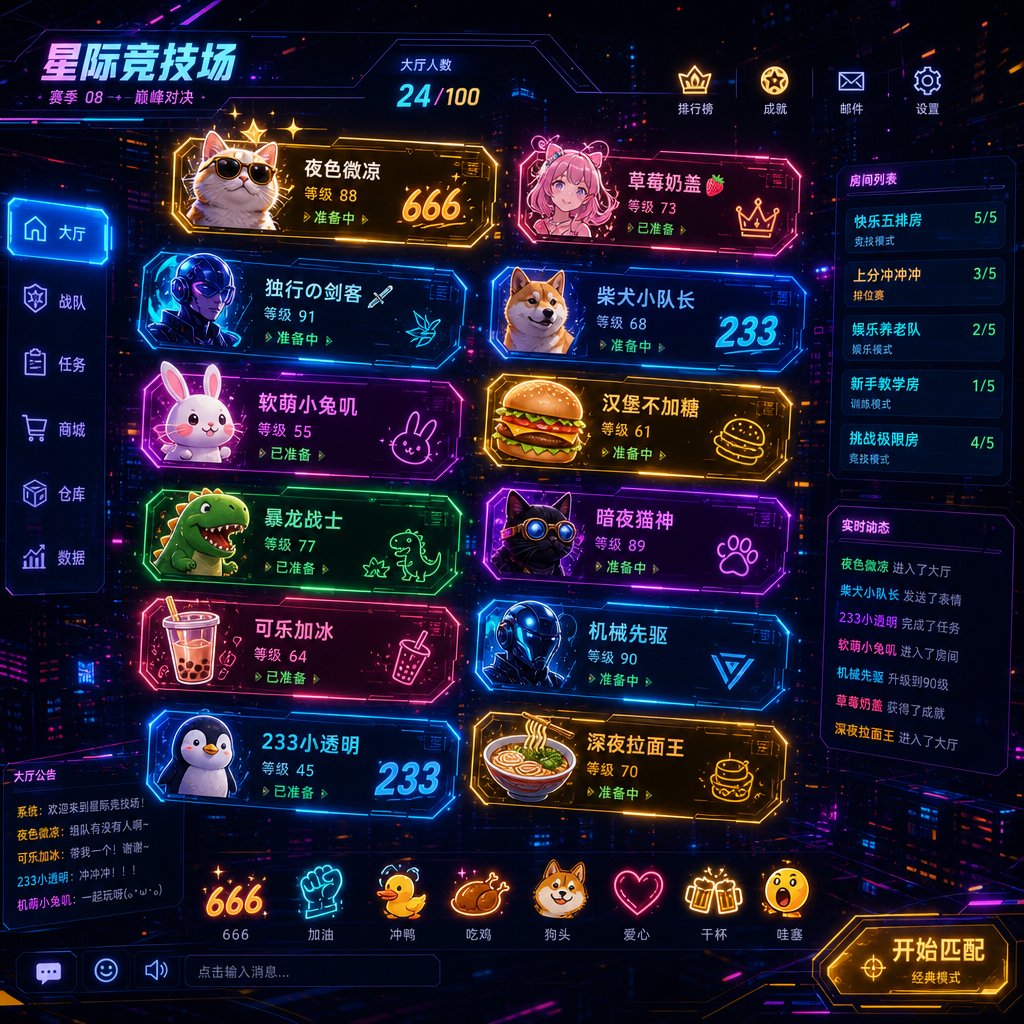
With 336 million monthly active users and an average age of 24, Bilibili's user base skews young and deeply embedded in ACG (anime, comics, gaming) culture. The naming conventions reflect this. Handles frequently incorporate Japanese loanwords, character names from anime series, or numerical codes that function as insider shorthand. The number 233, for instance, originates from a specific emoticon on an older forum and signals laughter. Users weave these codes into their names as community markers.
You will also notice Bilibili names that blend Chinese and Japanese linguistic elements, creating hybrid identities that would feel out of place on any other platform. A handle might combine a Japanese honorific with a Chinese internet slang term, or reference an obscure anime character using a phonetic Chinese approximation. These names are not random. They are membership cards, signaling to other users: I speak this community's language.
The contrast with other platforms is stark. Here is how naming conventions break down across the major Chinese apps:
- QQ: Numerical IDs assigned at registration (shorter numbers are status symbols traded for real money) plus user-chosen nicknames that can include emoji, special characters, and colored text. Early QQ culture favored dramatic, melancholic names influenced by Taiwanese pop lyrics.
- WeChat: Display names are fully user-controlled and changeable at any time. Uniquely, your contacts can assign you a custom label that overrides your chosen name on their screen, creating a system where your identity is partially defined by others.
- Weibo: Requires a unique handle (like a Twitter @name) that cannot be duplicated, plus a separate display name. Power users treat the handle as a personal brand asset. Short, memorable handles are highly valued.
- Douyin: Favors short, punchy names optimized for discoverability. Livestreamers and content creators choose names that are easy to say aloud since viewers often search by voice. Humor and self-deprecation perform well here.
- Bilibili: Otaku-influenced handles drawing from anime, gaming, and Japanese internet culture. Numerical codes, fandom references, and deliberately obscure allusions signal community belonging over broad accessibility.
Notice how each platform's technical architecture shapes naming behavior. QQ's assigned numerical IDs created scarcity and a secondary market. WeChat's contact-renaming feature means your "real" display name matters less than what your friends decide to call you. Weibo's uniqueness requirement turns handle selection into a competitive land grab. Douyin's voice-search optimization pushes names toward phonetic clarity. And Bilibili's membership test ensures that by the time someone chooses a name, they already understand the community's cultural vocabulary well enough to pick one that fits.
These platform-specific conventions are not static. They evolve as user demographics shift and new features launch. But the underlying principle remains consistent: your name must speak the language of the platform you are on. The linguistic creativity users bring to that challenge, the puns, the decomposed characters, the layered references, deserves its own closer look.
The Linguistic Creativity Behind Chinese Internet Names
Mandarin Chinese is a tonal language with roughly 400 base syllables. Multiply those by four tones (plus a neutral tone), and you still end up with far fewer distinct sounds than English. The result? Massive homophony. A single pronunciation like "shi" maps to dozens of characters: 是 (is), 十 (ten), 石 (stone), 诗 (poetry), 狮 (lion), 尸 (corpse). For everyday communication, this density creates ambiguity. For creative chinese screen names, it creates a playground.
Chinese internet slang names exploit this linguistic richness in ways that alphabetic languages simply cannot replicate. The naming creativity goes far beyond inserting a trending slang term into a handle. It involves layered wordplay, visual tricks with character structure, and literary allusions compressed into two or three characters. Understanding these mechanisms reveals why Chinese usernames often carry meanings invisible to outsiders.
Homophones and Pinyin Wordplay in Names
Imagine choosing a username that reads as one thing to a casual observer but suggests something entirely different to anyone who sounds it out. That is the core trick behind pinyin wordplay usernames. Because tones distinguish meaning in spoken Chinese but are invisible in typed pinyin, a name written in characters can be a phonetic stand-in for a completely different phrase.
Take the joke name 王尼玛 (Wang Nima). On the surface, it looks like a standard three-character name. Read aloud, it is a homophone for a common expletive. The characters themselves are innocent. The sound is not. This gap between written innocence and phonetic meaning is the engine driving countless chinese character puns online.
The technique works at multiple levels:
- Tone switching: The syllable "ma" alone yields 妈 (mom, tone 1), 麻 (numb, tone 2), 马 (horse, tone 3), and 骂 (scold, tone 4). A name using one character implicitly evokes all its tonal neighbors.
- Cross-character homophones: 李多鱼 (Li Duoyu, "Li Many Fish") sounds playful and absurd, but "duoyu" also echoes 多余 (superfluous), adding a layer of self-deprecating humor.
- Pinyin abbreviations as identity markers: Compressed pinyin initials like YYDS (永远的神, "eternal god"), XSWL (笑死我了, "laughing to death"), or DBQ (对不起, "sorry") appear in usernames as insider shorthand. If you recognize the abbreviation, you are part of the community. If you do not, the name looks like random letters.
This phonetic layering means a single username can operate on multiple frequencies simultaneously. Casual viewers see a name. Insiders hear the pun. And the creator gets to enjoy the ambiguity.
Character Decomposition and Visual Naming
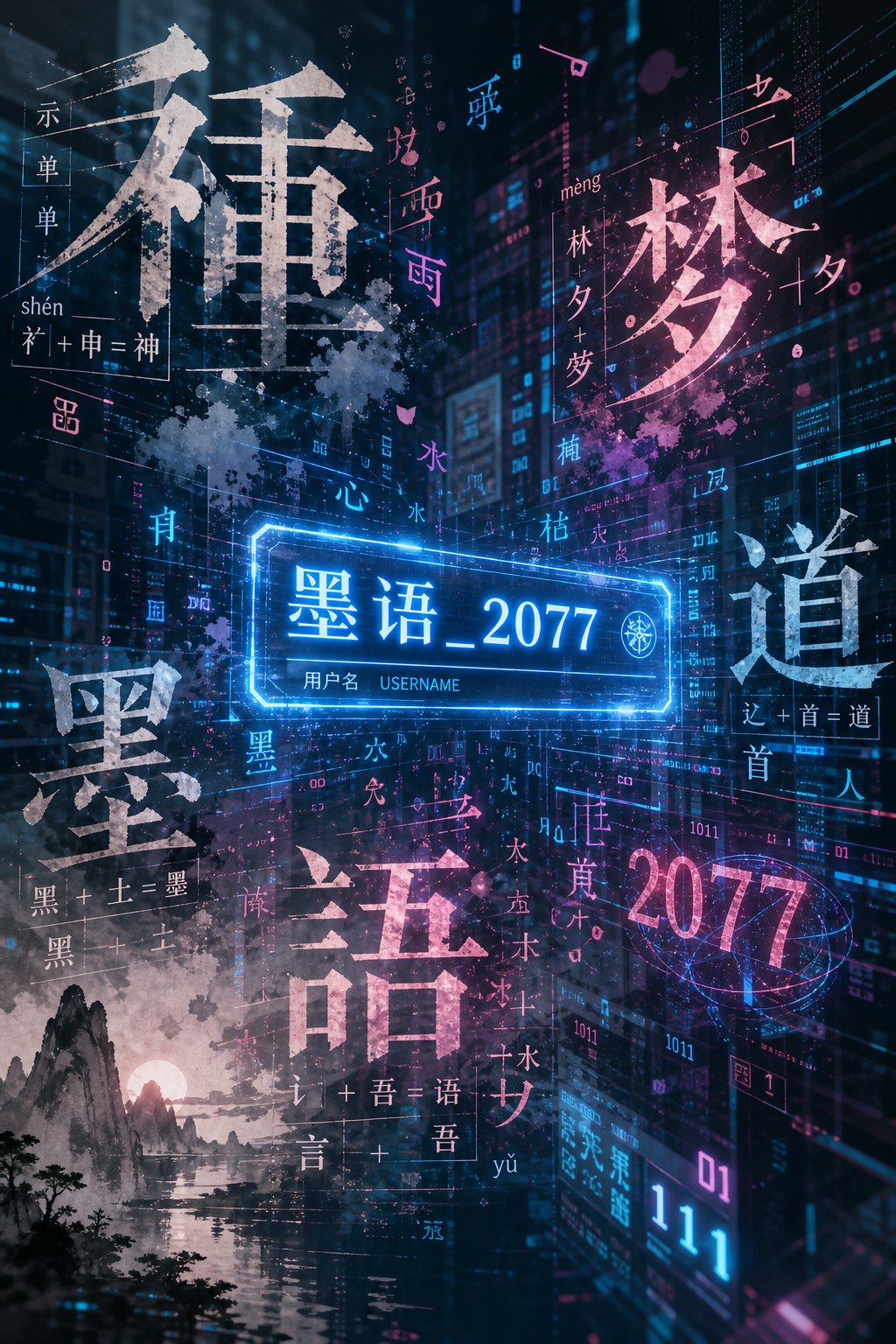
Chinese characters are not monolithic symbols. They are built from components: radicals, phonetic elements, and structural pieces that can be separated, recombined, or referenced individually. Creative users exploit this modularity to build names that work visually as well as linguistically.
The character 好 (hao, "good") is composed of 女 (woman) and 子 (child). A user might split it into a name like "女子" and let viewers mentally reassemble the meaning. The character 森 (sen, "forest") is literally three 木 (mu, "tree") stacked together. Referencing "三木" (three trees) as a username creates a visual riddle that resolves into "forest" for anyone who knows the character's structure.
Beyond decomposition, classical poetry and four-character idioms (成语, chengyu) serve as an enormous reservoir of naming material. A handle like 浮生若梦 ("life is like a dream") instantly signals literary taste. It is a direct quote from Li Bai, one of China's most celebrated Tang Dynasty poets. Similarly, 卧薪尝胆 ("sleeping on brushwood and tasting gall") references a famous historical story of perseverance, compressing an entire narrative into four characters.
These literary allusions function as cultural passwords. If you recognize the source, you understand the persona the user is constructing. If you do not, the name still sounds elegant. Either way, it works.
Ranking these strategies by how frequently they appear across Chinese platforms gives a clear picture of what drives naming creativity:
- Homophone puns and tonal wordplay — The most widespread technique, used across all platforms from gaming to Weibo. Low barrier to entry, high potential for humor.
- Internet slang and meme references — Names built from trending phrases (like 咸鱼, "salted fish" for a lazy person, or 社恐, "social anxiety") that mark generational belonging.
- Classical poetry and chengyu allusions — Especially popular on literary platforms like Douban and among older users who want to signal education and taste.
- Pinyin abbreviations and alphanumeric codes — Compressed identity markers (233, YYDS, dbq) favored by Gen Z and ACG communities for their insider exclusivity.
- Character decomposition and radical play — The most niche technique, appreciated by users with strong character literacy who enjoy visual-linguistic puzzles.
- Japanese loanwords and hybrid constructions — Concentrated on Bilibili and gaming platforms, blending kanji readings with Chinese internet slang.
What ties all these strategies together is a shared principle: density. The best Chinese internet names pack maximum meaning into minimum characters. A two-character handle can simultaneously reference a Tang poem, sound like a modern pun, and visually suggest a third meaning through its radical structure. That compression is only possible because of how the Chinese writing system works, where each character is a bundle of sound, meaning, and visual form operating in parallel.
These linguistic tools do not exist in a vacuum, though. How they get deployed depends heavily on who is using them. A user who came of age on QQ forums in 2003 reaches for different references than someone who joined Douyin in 2022. The generational divide in naming style is just as revealing as the linguistic mechanics themselves.
Generational Shifts in Chinese Online Naming Styles
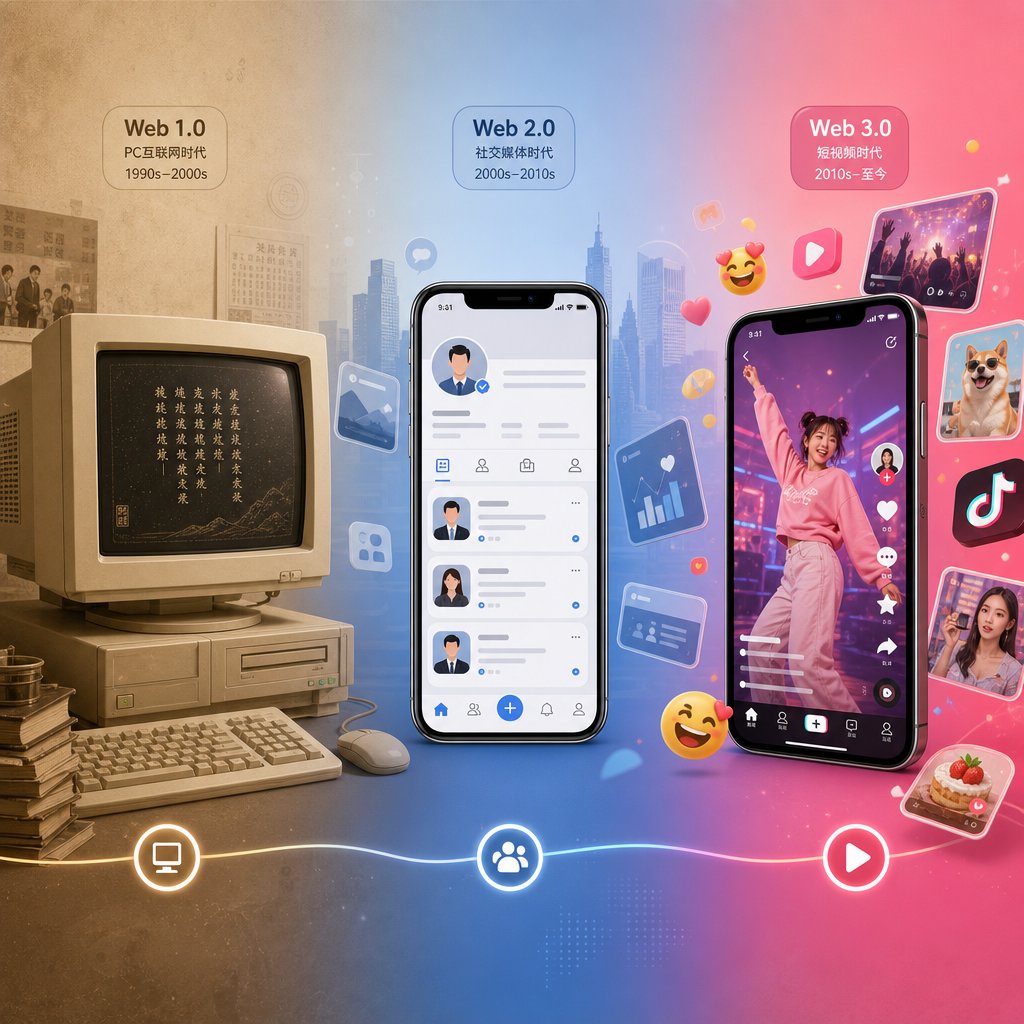
A user who registered their first QQ account in 2001 and a teenager picking a Douyin handle today inhabit the same internet in name only. The platforms are different, the cultural references are different, and the entire philosophy of what a name should do has shifted. Tracing that evolution across three generational cohorts reveals how Chinese internet name culture functions as a living record of each era's dominant aesthetics, anxieties, and aspirations.
QQ-Era Pioneers and Early Forum Culture
China's first-generation netizens came online in the late 1990s and early 2000s, when internet access was expensive, slow, and thrilling. As The World of Chinese documented, a 486 computer cost over 9,000 yuan in 1995 while the average annual salary was around 5,500 yuan. Internet cafes charged 12 to 15 yuan per hour. The people who made it online were disproportionately educated, tech-curious, and steeped in literary culture.
Their naming choices reflected this. BBS forums and early chat rooms filled with handles drawn from wuxia novels, classical poetry, and philosophical allusions. Names like "Lonely Swordsman at World's End" (天涯独行客) or "Autumn Water Without Dust" (秋水无尘) were not ironic. They were sincere expressions of the romantic anonymity these users felt in a brand-new digital frontier. The internet was a jianghu, a martial arts world where you could reinvent yourself completely.
QQ username culture history adds another layer. When Tencent launched QQ in 1999, each account received a numerical ID. Shorter numbers meant earlier registration, and scarcity created value. Five-digit and six-digit QQ numbers became status symbols, traded on secondary markets for hundreds or even thousands of yuan. A user with a low QQ number was an elder of the internet, a pioneer whose numerical ID proved they had been there from the beginning. By the time QQ reached 14.5 million users in 2000, those early short-number accounts had already become digital collectibles.
Beyond the numerical ID, QQ nicknames themselves leaned dramatic and melancholic, heavily influenced by Taiwanese pop ballads and Hong Kong cinema. Names like "Tears in the Rain" (雨中的泪) or "Lonely Smoke in the Desert" (大漠孤烟) were standard fare. Emotional intensity was the aesthetic currency of the era.
Weibo Millennials and Douyin Gen Z
When Sina Weibo launched in 2009, China's internet population had already exceeded 250 million and ranked first in the world. The platform introduced something QQ forums never demanded: a unique, searchable handle tied to a public profile. Suddenly, your name was not just a persona. It was a brand.
Millennials on Weibo developed naming strategies oriented toward professional visibility and personal branding. Handles became real-name-adjacent, incorporating actual surnames combined with a memorable descriptor, or using clean, professional-sounding phrases that could double as a business card. A freelance designer might register as "Designer_LinMo" rather than "Moonlit Wanderer." The shift reflected a generation that saw social media as a career tool, not just a playground. With real chinese id and name verification already mandatory in the background, millennials chose to lean into recognizability rather than hide behind elaborate pseudonyms.
Douyin naming trends tell a completely different story. Chinese Gen Z online names reject the polished personal-brand logic entirely. Where millennials optimized for professionalism, Gen Z optimizes for humor, relatability, and deliberate absurdity. Scroll through Douyin and you will find handles like "I Haven't Eaten Yet Today" (今天还没吃饭), "Professional Couch Potato" (专业躺平选手), or "Mom Said I'm Handsome" (我妈说我帅). These names are anti-aspirational by design. They signal that the user does not take themselves too seriously, a value that resonates deeply with a generation raised on meme culture and collective self-deprecation.
The shift also reflects platform mechanics. Douyin's algorithm-driven discovery means your name needs to be instantly memorable in a three-second scroll. Absurdist humor stops the thumb. A poetic four-character classical allusion does not. Gen Z users intuitively understand this, crafting names that function as micro-jokes, conversation starters, or relatable complaints that make strangers feel like friends.
Here is how these generational naming philosophies compare side by side:
| Characteristic | Early Adopters (late 1990s - 2000s) | Millennials (2009 - 2018) | Gen Z (2018 - present) |
|---|---|---|---|
| Preferred Platforms | BBS forums, QQ, early chat rooms | Weibo, WeChat, Zhihu | Douyin, Bilibili, Xiaohongshu |
| Naming Style | Poetic, dramatic, literary | Professional, brand-conscious, clean | Absurdist, self-deprecating, meme-driven |
| Cultural Influences | Wuxia novels, classical poetry, Taiwanese pop, Hong Kong cinema | Career culture, KOL economy, personal branding trends | Meme culture, anime, internet slang, collective irony |
| Attitude Toward Real Name | Strongly anonymous; real identity fully hidden | Semi-visible; real-name-adjacent handles for credibility | Indifferent; real name verified in backend but irrelevant to persona |
| Name Function | Escape and reinvention | Reputation and discoverability | Humor and social bonding |
What this table reveals is not just a shift in taste but a shift in what names are for. Early adopters used names to escape into a fantasy self. Millennials used names to build a public self. Gen Z uses names to disarm, to connect through shared absurdity rather than aspiration. Each generation's approach makes perfect sense given the platforms they grew up on and the social dynamics those platforms rewarded.
These generational patterns are broad strokes, though. Within each cohort, naming conventions splinter further along subcultural lines. A Gen Z user on Bilibili names themselves very differently from a Gen Z user on Xiaohongshu, and both differ from someone building a following on Zhihu. The platform shapes the generation, but the subculture shapes the individual.
Subculture Naming Codes Across Chinese Internet Communities
A Bilibili user named "三次元难民" (Refugee from the 3D World) and a Zhihu user named "量化策略研究员老王" (Quant Strategy Researcher Lao Wang) might be the same person. Same generation, same city, maybe even the same afternoon. But the names they choose for each platform speak entirely different languages because each community has developed its own naming grammar, its own signals for who belongs and who does not.
Subcultures do not just influence what people talk about online. They dictate how people name themselves. And in Chinese internet spaces, where your chosen handle is often the only thing strangers see before deciding whether to engage, naming conventions function as tribal markers. Pick the right name and you are instantly legible to your community. Pick the wrong one and you out yourself as a tourist.
Fandom and ACG Community Names
Bilibili username conventions are arguably the most codified of any Chinese platform. The ACG (anime, comics, gaming) community that dominates Bilibili has built a naming vocabulary that draws heavily from Japanese internet culture, numerical shorthand, and fandom-specific references that require genuine cultural literacy to decode.
Consider how numerical codes work as chinese fandom names meaning something specific only to insiders. The number 233 originates from emoticon #233 on the old Mop forum, a laughing face, and has become shorthand for laughter itself. Users weave it into handles like "233酱" (233-chan, mixing the number with a Japanese honorific) or "日常233" (Daily 233, meaning "I laugh every day"). The number 555 mimics the sound of crying (呜呜呜, wu wu wu). The number 666 signals admiration (from 溜, liu, meaning "smooth" or "skilled"). A name packed with these codes reads like gibberish to outsiders but communicates personality and community fluency to fellow members.
Japanese loanwords appear constantly in Bilibili handles. Terms like 萌 (moe, cuteness), 厨 (a suffix meaning obsessive fan, from the Japanese "chu"), and 推し (oshi, meaning a favorite idol or character) get folded into Chinese usernames. A handle like "初音厨一枚" (One Hatsune Miku Obsessive) or "永远推翠星" (Forever Oshi-ing Suisei) immediately places the user within specific fandom circles. The naming logic here is not about sounding clever to a general audience. It is about being recognized by the right fifty people in a comment section of thousands.
Fandom naming also creates layered identity through character references. A user named after a specific anime character is not just expressing preference. They are declaring allegiance, inviting conversation, and sometimes signaling which ship (romantic pairing) they support. In highly active fandoms, even the format of the name carries meaning. Placing a character name before a slash versus after it can indicate which half of a pairing you favor.
Zhihu Intellectuals and Douban Literati
Zhihu naming culture operates on completely different principles. As China's closest equivalent to Quora, Zhihu rewards expertise and authority. The naming conventions reflect this. Handles tend toward the semi-professional: real surnames paired with field descriptors, credential-signaling phrases, or clean two-to-four-character names that sound like they could appear on a business card or academic paper.
You will find names like "前端架构师张三" (Frontend Architect Zhang San), "十年产品经理" (Ten-Year Product Manager), or "法律人小李" (Legal Professional Xiao Li). These names sacrifice creativity for credibility. On a platform where your answer might be read by millions, your handle needs to answer an implicit question before anyone reads a word you have written: why should I trust you? A whimsical anime reference would undermine that trust. A professional descriptor builds it.
The douban username aesthetic could not be more different. Douban, China's platform for book reviews, film criticism, indie music, and literary discussion, cultivates a naming culture steeped in melancholy, poetry, and deliberate obscurity. Handles here read like fragments of unfinished novels: "未完成的雨季" (The Unfinished Rainy Season), "南方以南" (South of the South), "废墟上的猫" (Cat on the Ruins). The names are atmospheric rather than informational. They signal taste, sensitivity, and a certain romantic detachment from the commercial internet.
Douban users often draw from indie song lyrics, foreign literature in translation, or philosophical fragments. A name referencing Borges or Tarkovsky places you in a specific intellectual tribe. The platform's slower pace and text-heavy interface reward names that invite contemplation rather than instant recognition. Where Bilibili names are membership cards, Douban names are mood boards.
Beyond these major communities, other subcultures follow their own naming logics entirely:
- Tech communities (GitHub China, CSDN, V2EX): Favor English-language handles, often combining a developer's actual initial with a tech term or open-source project reference. Lowercase, minimal, functional. Names like "xiao_dev" or "rustacean_wang" signal global orientation and technical identity.
- E-commerce sellers (Taobao, Pinduoduo): Store names prioritize searchability and trust. Patterns include category keywords plus emotional reassurance: "小熊母婴优选" (Little Bear Mother-Baby Premium Selection) or "老张正宗牛肉干" (Old Zhang's Authentic Beef Jerky). The name is a storefront sign, not a personal identity.
- Livestreaming personalities (Douyin Live, Kuaishou): Names must be speakable, memorable in three seconds, and personality-forward. Successful streamers use rhythmic two-or-three-character names that audiences can chant in comments: "疯狂小杨哥" (Crazy Little Yang Brother), "大狼狗郑建鹏" (Big Wolf Dog Zheng Jianpeng). Phonetic punch matters more than literary depth.
- Xiaohongshu lifestyle creators: Names blend aspiration with approachability. Patterns include "city + aesthetic descriptor" like "上海的Chloe" (Shanghai's Chloe) or "profession + cute suffix" like "设计师小鹿" (Designer Little Deer). The goal is to feel like a stylish friend, not a distant celebrity.
- Underground music and art scenes (Netease Cloud Music, Bandcamp China): Deliberately obscure, often using archaic characters, dialect words, or untranslatable references. Names function as gatekeeping devices. If you have to ask what it means, the community is not for you.
What emerges from this fragmentation is a picture of Chinese internet naming as a system of parallel dialects. Each subculture speaks its own naming language, with its own vocabulary, grammar, and status markers. A single user might maintain five accounts across five platforms, each name perfectly calibrated to its community's expectations. The names are not contradictions. They are translations of the same person into different cultural registers.
This subcultural specificity is precisely what makes Chinese internet naming so difficult for outsiders to parse. A Western observer might see a collection of random characters and numbers. But within each community, those names are doing sophisticated social work: establishing credibility, signaling taste, declaring allegiance, and drawing boundaries between insiders and everyone else. That gap in legibility, between what a name means inside its community and how it reads from outside, points to a deeper question about how Chinese and Western digital cultures approach the very concept of online identity.
How Chinese Internet Naming Differs From Western Username Culture
That gap in legibility is not just a language barrier. It reflects a fundamentally different philosophy about what an online name is supposed to do. When you compare chinese vs western usernames side by side, the difference is not surface-level. It runs all the way down to competing cultural assumptions about identity itself.
Identity Performance vs Identity Consistency
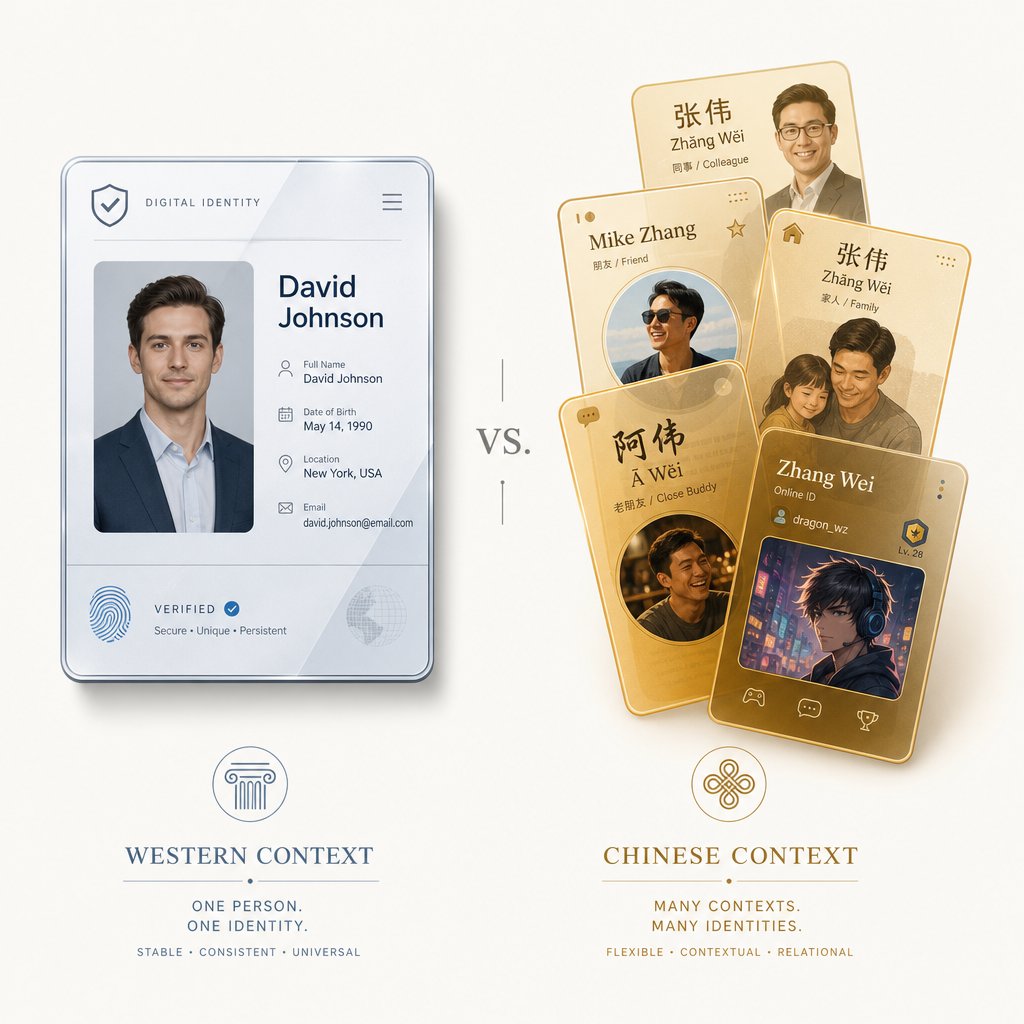
Western platforms have spent two decades pushing users toward a single, consistent identity. Facebook's real-name policy, launched in 2004 and enforced aggressively ever since, rests on the premise that authenticity means using one name everywhere. As the Yale Journal of International Affairs documented, Facebook's official stance treats fake accounts as threats to "the integrity of our whole system." Google tried the same approach with Google+ in 2011. LinkedIn built its entire value proposition on real professional identity. The underlying logic is Western individualism: you have one true self, and your name should reflect it consistently across contexts.
Chinese digital culture starts from the opposite assumption. Context-dependent naming is not deception. It is social sophistication. As marketing strategist Tom Doctoroff observed, Western online identities tend to be "unconstructed and spontaneous" while Chinese users invest heavily in curating distinct personas for different audiences. The famous 2014 Oscar group selfie "just happened" and was shared unedited. In Chinese digital culture, sharing an unpolished image is almost unthinkable. Every presentation is deliberate, every name a conscious choice calibrated to its audience.
This difference is rooted in something deeper than platform design. In Confucian social structures, identity has always been relational. You are not one fixed self but a node in a web of relationships, each demanding a different face. The digital identity east vs west divide maps onto this: Western culture asks "who are you really?" Chinese culture asks "who are you to this particular audience, in this particular context?" Multiple names are not fragmentation. They are fluency.
What Chinese Naming Culture Teaches About Digital Identity
Step back from the specifics and several larger insights emerge. First, naming as cultural continuity. The courtesy-name-to-screen-name pipeline is not a metaphor. It is a direct inheritance. Chinese users did not need Silicon Valley to teach them about managing multiple identities online. They had been doing it for two thousand years.
Second, the coexistence of state verification with creative expression. China's system proves that backend accountability and frontend creativity are not mutually exclusive. The government knows who you are. Your community knows you as whoever you choose to be. Both layers function simultaneously without collapsing into each other.
Third, linguistic richness enables naming creativity that alphabetic languages cannot replicate. When every character bundles sound, meaning, and visual form, a two-character name can operate on three levels at once. English usernames work in one dimension: the word. Chinese online name meaning culture works in at least three: phonetic, semantic, and structural. That density is not a quirk. It is a creative advantage baked into the writing system itself.
Chinese internet name culture represents a unique solution to the universal tension between authenticity and self-invention online. Where Western platforms force users to choose one or the other, the Chinese model demonstrates that verified identity and creative persona can coexist, that being known to the state and unknown to your audience is not a contradiction but a design choice with deep cultural roots.
Looking ahead, these naming traditions are not static. New platforms continue to reshape the rules. AI-generated content is creating questions about whether a persona needs a human behind it at all. Cross-border platforms like TikTok carry Chinese naming aesthetics to global audiences who encounter numerical codes and character puns without context. And as younger generations grow up natively multilingual online, the boundaries between Chinese and Western naming conventions are beginning to blur at the edges, with users code-switching between naming systems the way earlier generations code-switched between courtesy names and literary aliases.
What remains constant is the underlying principle: in Chinese digital life, a name is never just a label. It is a creative act, a social signal, and a cultural inheritance all compressed into a handful of characters. Understanding that is the key to reading not just what Chinese internet users call themselves, but why.
Frequently Asked Questions About Chinese Internet Name Culture
1. Why do Chinese internet users have different names on different platforms?
Chinese culture has a centuries-old tradition of context-dependent naming. Just as classical scholars maintained a birth name, a courtesy name for peers, and a literary alias for creative pursuits, modern users adopt distinct handles for each platform. A WeChat display name signals closeness to friends, a Weibo handle builds a public brand, and a gaming tag expresses fantasy. This is not seen as fragmented identity but as social fluency, with each name serving a specific audience and purpose within its community.
2. How does China's real name registration work for social media and gaming?
China's real name system operates as a backend verification layer. Users link their accounts to a mobile phone number, which is itself tied to their 18-digit national ID through their telecom provider via facial recognition. This verification happens once at registration. After that checkpoint, users choose whatever creative display name they want. Other users never see the legal identity. The government and platform can trace accounts back to individuals, but the public-facing persona remains entirely user-created.
3. What naming styles are popular among Chinese Gen Z users online?
Chinese Gen Z users on platforms like Douyin and Bilibili favor absurdist humor, self-deprecating phrases, and meme-driven handles. Common patterns include everyday complaints turned into names (like 'I Haven't Eaten Yet Today'), anti-aspirational labels (like 'Professional Couch Potato'), and internet slang abbreviations. This contrasts sharply with older generations who preferred poetic literary names or professional brand-conscious handles. Gen Z names prioritize humor and social bonding over aspiration or mystery.
4. How do Chinese characters enable unique wordplay in usernames?
Mandarin's tonal system and massive homophony create naming possibilities impossible in alphabetic languages. A single pinyin syllable maps to dozens of characters, so names can read innocently in written form while sounding like puns or hidden meanings when spoken aloud. Users also decompose characters into their radical components to create visual riddles, reference classical poetry in compressed four-character idioms, and blend pinyin abbreviations with numerical codes. A two-character handle can simultaneously operate on phonetic, semantic, and structural levels.
5. Do Chinese platforms require users to show their real names publicly?
No. Backend real name verification is mandatory across all major Chinese platforms, but public display of legal names is not required by law. In late 2023, platforms like Weibo and Douyin introduced optional measures encouraging accounts with over 500,000 followers to show real names on their profiles. However, this remains voluntary. Creators who decline may face traffic restrictions but not account suspension. For regular users, the creative pseudonym is the only identity visible to other people on the platform.