What the Ox Zodiac Means for Naming Your Son
Imagine choosing a name that carries centuries of cultural meaning, one that quietly signals your son's inner character before he even speaks a word. In Chinese naming tradition, the zodiac animal governing a child's birth year isn't just a fun fact. It's a foundational layer that shapes which characters parents select, which radicals they favor, and which qualities they hope to cultivate through the name itself.
Why the Ox Sign Shapes Your Son's Name
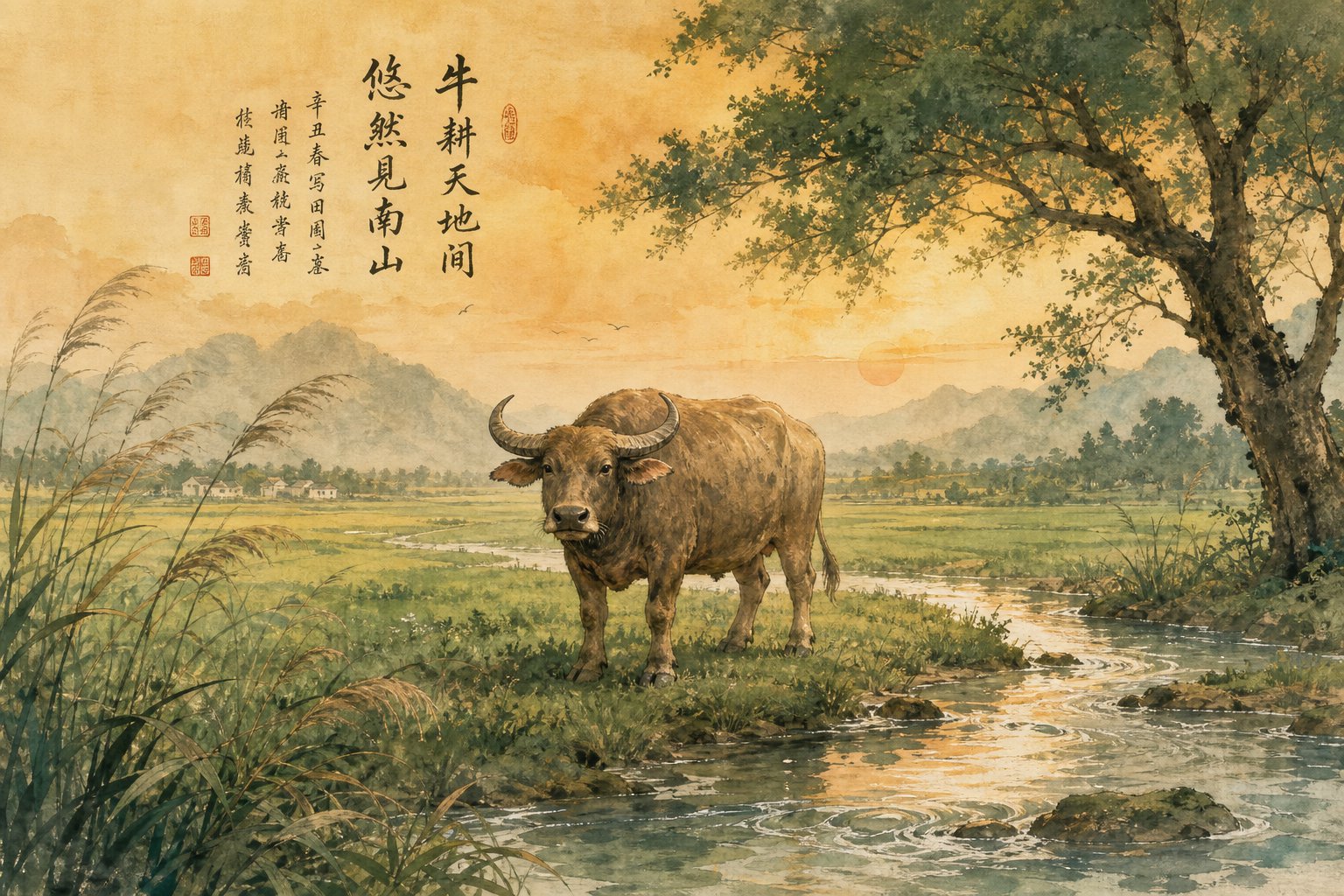
The Ox holds the second position in the 12-year Chinese zodiac cycle, and its personality profile reads like a blueprint for choosing chinese boy names and meanings that resonate with depth. People born under this sign are known for being diligent, strong, reliable, patient, and determined. They're the steady anchors in any group, rarely flashy but deeply respected for their perseverance and quiet courage.
Core Ox traits that guide naming: diligence, strength, reliability, patience, determination, and gentle courage that rises when needed most.
These aren't abstract qualities. Each one translates directly into specific Chinese characters that parents can embed in a chinese name for boy. A name built around strength might use characters containing the power radical. One emphasizing patience could draw on water-related characters that suggest steady flow. The goal is alignment: matching the energy of the zodiac sign with the aspirational meaning of the name so they reinforce each other rather than pulling in opposite directions.
For modern diaspora families, this matters even if you don't read Chinese fluently. Understanding which traits the Ox represents helps you evaluate name suggestions from relatives, online generators, or naming consultants. You'll know whether a proposed chinese baby boy names option genuinely honors the Ox spirit or simply sounds pleasant without deeper cultural grounding.
When the Year of the Ox Actually Begins
Here's where many parents get tripped up. The Year of the Ox follows the Lunar New Year calendar, not the Gregorian January 1 date. This means a baby born in late January or early February might actually fall under the previous zodiac year depending on when the Lunar New Year begins that cycle.
The most recent Year of the Ox ran from February 12, 2021 through January 31, 2022 (Metal Ox), and the next one arrives January 31, 2033 through February 18, 2034 (Water Ox). If your son was born on January 25, 2021, for example, he's technically a Rat-year baby, not an Ox. That distinction changes which radicals and elements are considered auspicious for his name.
When searching for chinese names for boys tied to the Ox, always confirm the exact Lunar New Year start date for your child's birth year. A simple calendar check prevents building an entire name around the wrong zodiac energy. This is especially important for chinese boy names selected with radical harmony in mind, since the radical system ties directly to the animal sign's symbolic needs.
With the Ox's core identity established and the calendar boundaries clear, the real craft begins: understanding which specific character components, called radicals, carry auspicious energy for Ox-year boys and which ones work against the sign's nature.
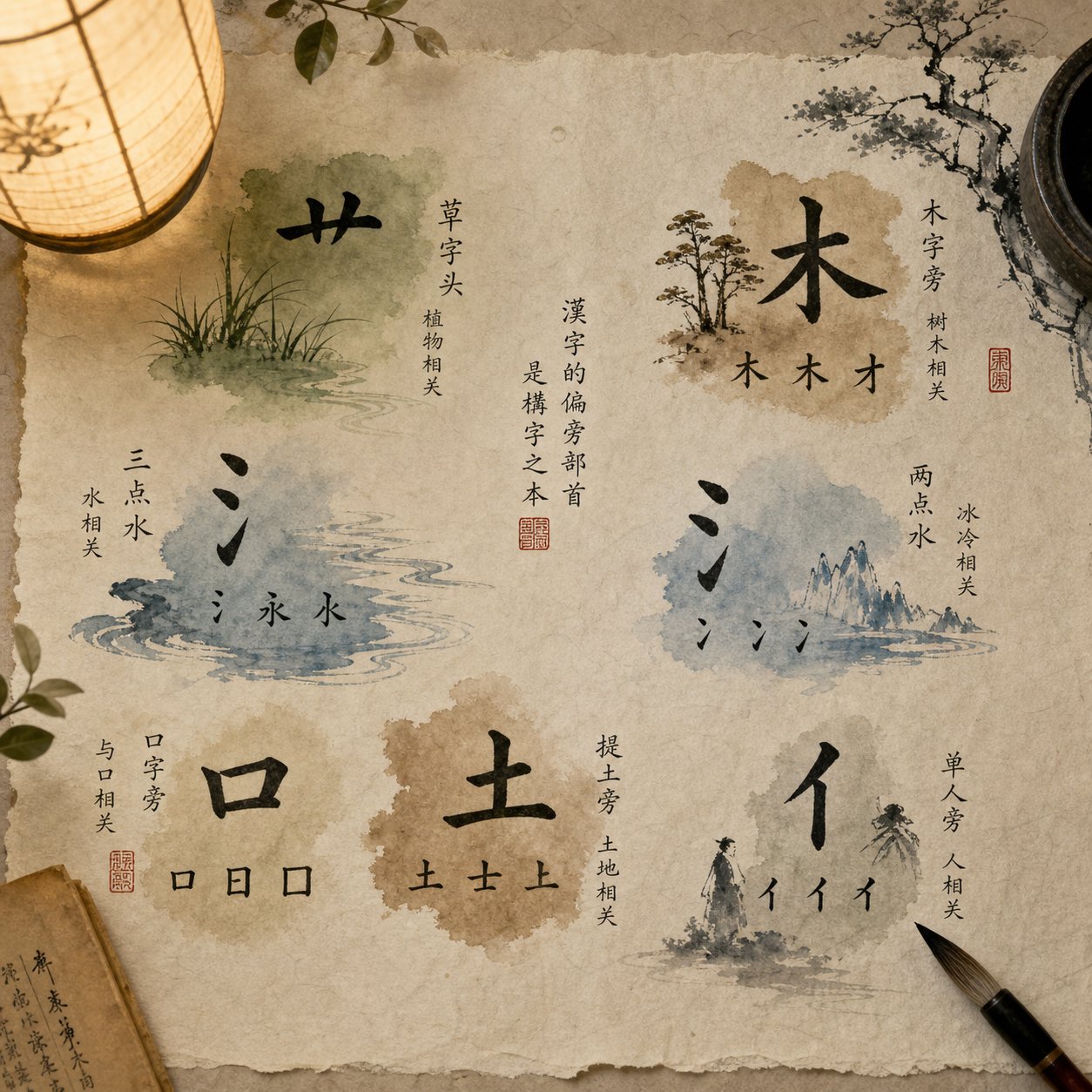
The Radical System Behind Ox-Year Boy Names
Choosing chinese boy names with meaning isn't a matter of picking one lucky trick and calling it done. Traditional Chinese naming actually weaves three frameworks together into a single coherent system: zodiac-compatible radicals, the Five Elements (Wu Xing), and stroke count balance. Think of them as three lenses layered over the same decision. The radical system tells you which character components align with the Ox's nature. The Five Elements confirm whether a character's elemental energy supports or drains the Ox's Earth foundation. Stroke count fine-tunes the aesthetic and numerological harmony of the full name. When all three agree, you get a name that feels right on paper, sounds right spoken aloud, and carries auspicious weight in tradition.
For this section, radicals take center stage because they're the most visual and accessible entry point, especially for diaspora parents exploring boy names in chinese for the first time.
Auspicious Radicals That Strengthen Ox-Year Names
Radicals are the building blocks inside Chinese characters. Each one carries symbolic meaning, and certain radicals resonate powerfully with the Ox's lifestyle and needs. The logic is straightforward: the Ox is a grazing animal that thrives on grasslands, needs water for sustenance, and seeks shelter among trees. Characters containing radicals tied to these elements signal nourishment, protection, and steady growth for an Ox-year child.
| Radical | Symbolic Connection to the Ox | Example Characters (Pinyin) | Meaning |
|---|---|---|---|
| 艹 (grass) | The Ox feeds on grass; signals plentiful nourishment and a rich inner world | 芮 (ruì), 苏 (sū), 英 (yīng), 茂 (mào) | Lush, revive, heroic, flourishing |
| 氵 (water) | Water sustains the Ox; represents flow, adaptability, and life force | 泽 (zé), 涵 (hán), 清 (qīng), 淳 (chún) | Marsh/grace, contain, clear, pure |
| 木 (wood/tree) | Trees provide shelter and shade; symbolizes growth and protection | 林 (lín), 柏 (bǎi), 桐 (tóng), 榛 (zhēn) | Forest, cypress, paulownia, hazel |
| 宀 (roof) | The Ox resting under a roof; implies stability, career security, and comfort | 宏 (hóng), 安 (ān), 宝 (bǎo), 宾 (bīn) | Grand, peaceful, treasure, guest |
| 田 (field) | The Ox ploughing or grazing in the field; represents purpose and diligence | 畴 (chóu), 界 (jiè), 甫 (fǔ), 男 (nán) | Farmland, boundary, begin, male |
| 禾 (grain) | Grain and cereal are food the Ox loves; signals abundance and no worry about livelihood | 秉 (bǐng), 程 (chéng), 稷 (jì), 科 (kē) | Grasp, journey, millet, branch of study |
You'll notice these radicals all connect back to the Ox's natural environment. A chinese name for boy with meaning like 泽宏 (zé hóng) combines water nourishment with the shelter radical, doubling the auspicious resonance. Similarly, 秉芮 (bǐng ruì) pairs grain abundance with grass vitality. The key is selecting characters where the radical's symbolism and the character's standalone meaning both serve the child well.
Beyond these core radicals, characters containing 辶 (movement, resembling a snake) and 酉 (rooster-related) are also considered favorable. The reasoning comes from Ba Zi principles: the earthly branches of Snake (巳), Rooster (酉), and Ox (丑) form a San He or Three-Harmony relationship, one of the most powerful auspicious combinations in Chinese metaphysics. Characters like 建 (jiàn, to build), 连 (lián, to connect), and 鸿 (hóng, great swan) carry this hidden benefit.
Characters and Radicals to Avoid
The flip side matters just as much. Certain radicals clash with the Ox's nature, and using them can introduce conflicting energy into a name. Here's what to steer clear of when selecting chinese boy names with characters for an Ox-year son:
| Radical to Avoid | Reason | Example Characters to Skip | Alternative Direction |
|---|---|---|---|
| 马 (horse) | Horse and Ox form a "harmful" relationship (午 and 丑 clash); can signal health or relationship friction | 骏 (jùn), 骅 (huá), 腾 (téng) | Use 宏 (hóng) or 鸿 (hóng) for grandeur instead |
| 王/玉 (king/jade) | The Ox is not a king; proximity to royalty historically meant being offered as sacrifice | 珍 (zhēn), 玲 (líng), 瑞 (ruì) | Use 宝 (bǎo, treasure with roof radical) for preciousness |
| 羊 (sheep/goat) | Ox and Goat directly conflict (丑 and 未 opposition); one of the most serious clashes | 祥 (xiáng), 善 (shàn), 美 (měi) | Use 安 (ān) or 泰 (tài) for peace and auspiciousness |
| 心/忄 (heart) | Heart radical implies meat; the Ox is herbivorous, so this signals deprivation and lost spirit | 志 (zhì), 恒 (héng), 慧 (huì) | Use 涵 (hán, to contain) for depth of character |
| 日 (sun) | The Ox labors under the sun; this radical implies hardship and toil without rest | 晨 (chén), 旭 (xù), 晶 (jīng) | Use 明 alternatives like 铭 (míng, engrave) with metal radical |
| 山 (mountain) | Mountainous terrain makes it hard for the Ox to find food; implies obstacles and wasted effort | 峰 (fēng), 崇 (chóng), 岳 (yuè) | Use 田 (tián) or 原 (yuán) for open, fertile ground |
A common mistake when researching chinese boys names and meaning is falling in love with a character's surface meaning while overlooking its radical composition. 志 (zhì) means "ambition," which sounds perfect for a strong boy. But its heart radical works against an Ox-year child. A better route to the same aspirational energy? Consider 致 (zhì, to achieve) or 秉 (bǐng, to uphold), which carry similar drive without the conflicting radical.
The clothing-related radicals (衣, 糸, 彡) also deserve caution. Historically, when an ox was dressed in decorative cloth, it was being prepared for ceremonial sacrifice. Characters like 彬 (bīn), 裕 (yù), or 彩 (cǎi) carry this undertone for Ox-year individuals, suggesting a life of giving to others with little return.
Understanding which radicals to embrace and which to sidestep gives you a practical filter for evaluating any chinese names for boys with meaning you encounter. But radicals alone don't complete the picture. The elemental energy each character carries, rooted in the Five Elements cycle, adds another layer that can either amplify or undercut your radical choices.
Five Elements and How They Empower Ox-Born Boys
Radicals tell you which character components look favorable on paper. But every Chinese character also carries an elemental signature rooted in the Wu Xing system: Wood, Fire, Earth, Metal, and Water. These five elements interact in cycles of production and destruction, and knowing where the Ox sits in that cycle helps you pick chinese names boy options that genuinely strengthen your son's energetic foundation rather than working against it.
Which Elements Strengthen an Ox-Year Boy
The Ox belongs to the Earth element. Think of it as the Ox's core energetic identity: stable, grounding, nourishing. The question becomes, which elements feed Earth and keep it healthy? In the Wu Xing productive cycle, two elements directly support Earth:
- Fire produces Earth — Fire burns and creates ash, which becomes soil. Fire-element characters add warmth, passion, and vitality to an Earth-based Ox child. However, Fire should be used sparingly since the Ox already carries strong Earth energy and too much Fire can create excess.
- Earth supports Metal — Metal is found within the earth, so Earth and Metal share a natural parent-child bond. Metal-element characters bring clarity, discipline, and inner strength that complement the Ox's steady nature without overwhelming it.
- Metal produces Water — When metal cools, condensation forms. Water-element characters introduce adaptability, wisdom, and flow, softening the Ox's occasional stubbornness while keeping the productive cycle intact.
- Water nourishes Wood — And Wood, in turn, keeps Earth from becoming too rigid. A touch of Water energy in a chinese name for boys born in the Ox year adds intellectual depth and emotional fluidity.
The most recommended elemental pairings for Ox-year boys are Metal and Water. Metal resonates with the Ox's disciplined character, while Water ensures the child won't become too fixed or inflexible. Together, they create a balanced energetic profile that honors the Ox's Earth foundation without letting it stagnate.
Selecting Characters by Elemental Energy
How do you know which element a character carries? Sometimes it's obvious from the radical. Characters with the metal radical (钅) like 铭 (míng, to engrave), 锐 (ruì, sharp), and 钧 (jūn, equal/weight) carry clear Metal energy. Characters with the water radical (氵) like 泽 (zé, grace), 涵 (hán, to contain), and 淳 (chún, pure) channel Water energy directly.
Other times, the elemental association comes from the character's meaning rather than its visual radical. For example, 鑫 (xīn, prosperous) is strongly Metal despite its complexity, and 霖 (lín, continuous rain) carries deep Water energy. When choosing boy chinese names with elemental intent, look at both the radical and the semantic meaning to confirm alignment.
Here are strong options organized by element:
- Metal characters: 铭 (míng, engrave/remember), 锋 (fēng, sharp edge), 钧 (jūn, ancient unit of weight), 鑫 (xīn, abundance of gold)
- Water characters: 泽 (zé, marsh/benevolence), 涵 (hán, contain/cultivate), 淳 (chún, honest/pure), 霖 (lín, timely rain)
A chinese name boy like 铭泽 (míng zé) pairs Metal's precision with Water's generosity, creating a name that means something like "engraved grace" while keeping the elemental cycle flowing productively for an Ox-year child.
There's a deeper layer worth knowing about. The Ba Zi system (Eight Characters) calculates your child's specific elemental balance based on the exact birth date and hour, not just the year. Two Ox-year boys born months apart may have different missing elements. One might need more Water; another might actually need Wood. Ba Zi uses four pillars — year, month, day, and hour — each with its own heavenly stem and earthly branch, producing a unique elemental fingerprint. While a full Ba Zi reading requires a specialist or reliable calculator, simply knowing that this layer exists helps you understand why two chinese names for boy babies born in the same Ox year might call for different elemental strategies.
For most families, starting with Metal and Water characters as your default elemental direction for chinese names boys is a solid foundation. If you later consult a Ba Zi practitioner and discover your son's chart has a specific deficiency, you can refine from there. The zodiac-level guidance gets you 80% of the way; Ba Zi fine-tunes the remaining 20%.
With radicals and elements now working together as a unified filter, the next step is seeing these principles in action through actual name recommendations, starting with names built around the Ox's most defining qualities: strength, resilience, and quiet determination.

Strength and Resilience Names for Ox-Year Boys
Strength isn't just about raw power in Chinese naming philosophy. For Ox-year boys, it's the quiet, load-bearing kind: the ability to endure, to persist through difficulty, and to remain steady when everything around shifts. The strongest chinese boy names meaning strong pair that inner fortitude with radicals and elements that feed the Ox's nature rather than fighting it.
What follows are curated strong chinese boy names organized by style, each one vetted against the radical and elemental principles covered earlier. Every entry includes the character breakdown, tonal pinyin, meaning layers, and a specific note on why it works for an Ox-year son.
Classical Strength Names With Deep Roots
These names draw from literary tradition, philosophy, and historical resonance. They carry weight because generations of Chinese speakers recognize the cultural references embedded in them. If you're looking for powerful chinese boy names with scholarly depth, this is where to start.
| Chinese Characters | Pinyin | Individual Character Meanings | Combined Meaning | Ox Auspiciousness Note |
|---|---|---|---|---|
| 浩然 | Hao ran | 浩 (vast, expansive) + 然 (righteous, so) | Vast righteousness; an upright spirit that fills heaven and earth | 浩 contains the water radical (氵), directly nourishing the Ox. From Mencius's concept of 浩然之气, a spirit of supreme moral courage. |
| 鸿毅 | Hong yi | 鸿 (great swan, grand) + 毅 (resolute, unwavering) | Grand perseverance; determination on a magnificent scale | 鸿 carries the water radical (氵) and connects to the San He (Three Harmony) relationship through its association with expansive movement. |
| 秉坚 | Bing jian | 秉 (to uphold, to grasp) + 坚 (firm, solid) | Upholds firmness; one who holds fast to principles | 秉 contains the grain radical (禾), signaling the Ox will always have sustenance. 坚 carries the earth radical (土), reinforcing the Ox's native Earth element. |
| 宏毅 | Hong yi | 宏 (grand, magnificent) + 毅 (resolute) | Grand resolve; large-scale determination | 宏 contains the roof radical (宀), giving the Ox shelter, security, and a place to rest after labor. A powerful chinese names for boy choice rooted in classical usage. |
| 建涵 | Jian han | 建 (to build, establish) + 涵 (to contain, cultivate) | Builds depth; one who constructs inner richness | 建 carries the 辶 radical (San He connection with Snake), while 涵 has the water radical (氵). Double auspicious alignment. |
You'll notice these classical options tend toward two-character combinations where one character carries the aspirational meaning and the other anchors the Ox-friendly radical. That pairing strategy is intentional. It lets you honor tradition while keeping the name's energetic foundation solid.
Modern Names That Convey Resilience
Not every family wants a name that sounds like it belongs in a Tang Dynasty poem. Among popular chinese boy names in recent years, there's a clear trend toward combinations that feel fresh while still carrying meaningful weight. These modern chinese boy names balance contemporary appeal with zodiac-aware character selection.
| Chinese Characters | Pinyin | Individual Character Meanings | Combined Meaning | Ox Auspiciousness Note |
|---|---|---|---|---|
| 铭毅 | Ming yi | 铭 (to engrave, remember) + 毅 (resolute) | Engraved resolve; determination carved into one's character | 铭 carries the metal radical (钅), channeling Metal element energy that directly supports the Ox's Earth foundation in the productive cycle. |
| 泽强 | Ze qiang | 泽 (grace, marsh, benevolence) + 强 (strong, powerful) | Graceful strength; power tempered by generosity | 泽 contains the water radical (氵), sustaining the Ox. A name that means strong without sacrificing warmth. |
| 锋达 | Feng da | 锋 (sharp edge, vanguard) + 达 (to achieve, reach) | Sharp achiever; one who cuts through obstacles to reach goals | 锋 has the metal radical (钅) for elemental support, and 达 contains the 辶 radical connecting to the San He trio. Among cool chinese boy names, this one projects forward momentum. |
| 涵力 | Han li | 涵 (to contain, cultivate) + 力 (power, strength) | Contained power; strength held in reserve | 涵 carries the water radical (氵), adding depth and adaptability. The combination suggests chinese boy names that mean strong through restraint rather than aggression. |
| 林坚 | Lin jian | 林 (forest, abundant) + 坚 (firm, unyielding) | Forest firmness; resilience rooted like deep trees | 林 contains the wood radical (木), providing shelter for the Ox. "Lin" also works naturally in English-speaking environments, making it ideal for diaspora families. |
For families living outside China, names like 林坚 (Lin Jian), 泽强 (Ze Qiang), and 铭毅 (Ming Yi) offer pinyin that English speakers can pronounce without much difficulty. The single-syllable surname plus two-syllable given name pattern also mirrors the rhythm of English names, helping your son move between cultural contexts without friction.
Whether you lean classical or modern, the thread connecting all these powerful chinese boy names is intentionality. Each character was chosen not just because it sounds strong, but because its internal structure actively supports an Ox-year child's energetic blueprint. Strength in a name isn't about volume. It's about alignment.
Of course, the Ox's character runs deeper than raw determination. Its connection to the land, to steady growth, and to the rhythms of the natural world opens an entirely different palette of naming possibilities, one where earth, water, and living things take center stage.
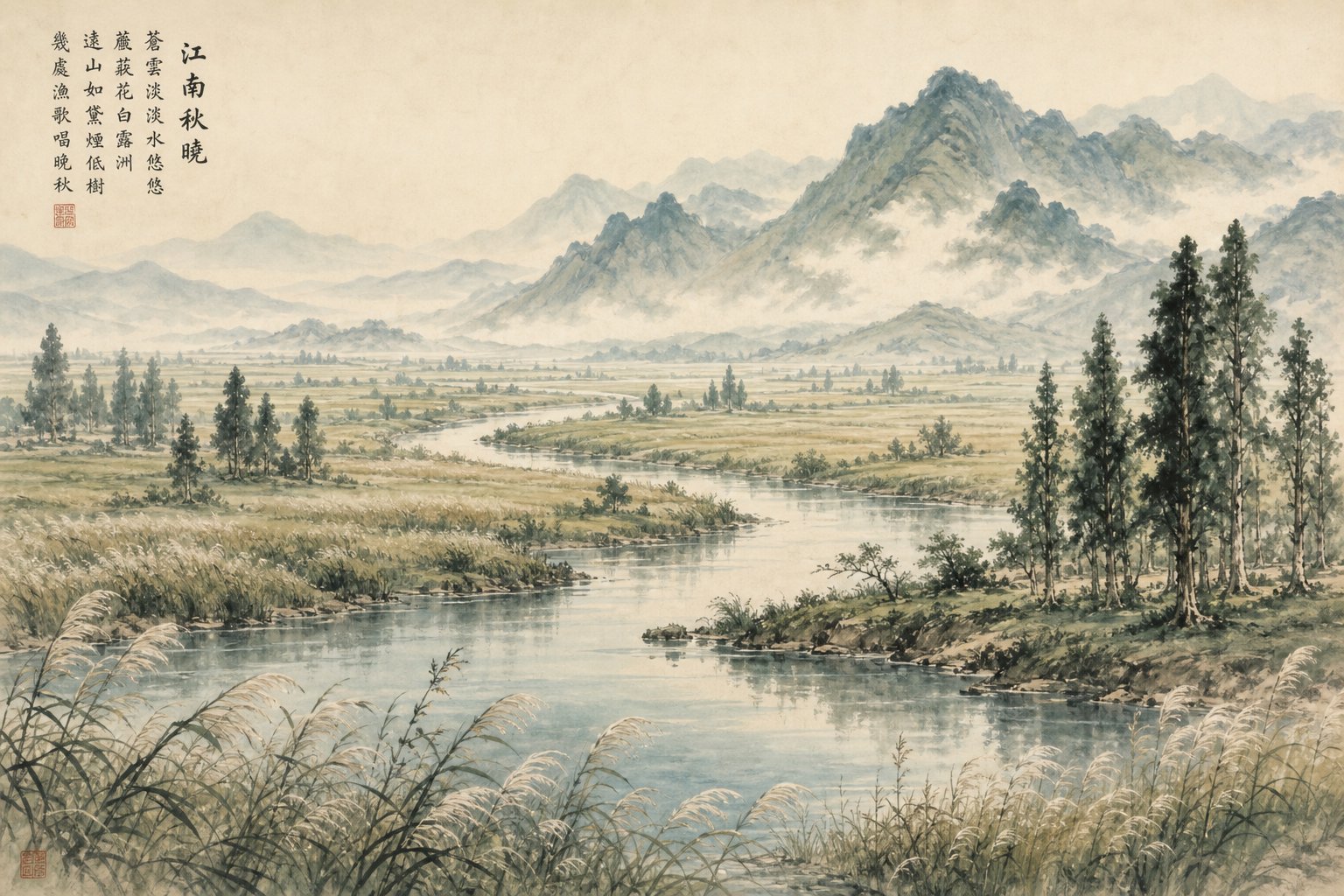
Nature and Earth Names That Honor the Ox Spirit
The Ox doesn't roam mountain peaks or soar through skies. It walks open fields, drinks from rivers, and rests beneath trees. That grounded relationship with the natural world gives parents a rich palette of beautiful chinese boy names drawn from landscapes, water, and living growth. These aren't abstract virtues. They're sensory, rooted, and alive.
When you choose a nature-themed name for an Ox-year son, you're honoring the animal's deepest identity: a creature that thrives when connected to fertile ground and flowing water. Many traditional chinese boy names in this category also happen to carry the exact radicals (grass, water, wood, field) that strengthen an Ox child's energetic foundation.
Earth and Mountain Names Rooted in Stability
A quick note: while the mountain radical (山) can imply hardship for Ox-year babies, earth and field radicals carry pure stability. The names below use ground-level imagery — open plains, cultivated soil, steady terrain — rather than steep peaks. Think of the Ox in its element: flat, fertile, and full of possibility.
| Chinese Characters | Pinyin | Meaning | Why It Suits Ox-Year Boys |
|---|---|---|---|
| 坤宇 | Kun yu | 坤 (earth, receptive force) + 宇 (universe, eaves) | 坤 is pure Earth energy from the I Ching, representing nurturing ground. 宇 contains the roof radical (宀), giving the Ox shelter. Together: "the earth that holds the universe." |
| 田丰 | Tian feng | 田 (field) + 丰 (abundant, lush) | 田 is the field radical itself — the Ox's natural domain. 丰 suggests harvest and plenty. A rare chinese boy names option with ancient agricultural resonance. |
| 程远 | Cheng yuan | 程 (journey, process) + 远 (far, distant) | 程 contains the grain radical (禾), ensuring the Ox never lacks nourishment. Combined meaning: "a long journey ahead" — steady progress, not rushed ambition. |
| 安泰 | An tai | 安 (peace, stability) + 泰 (grand peace, prosperity) | 安 carries the roof radical (宀) for shelter. 泰 contains the water radical (氵) at its base. Double grounding: peaceful shelter with flowing abundance beneath. |
For diaspora families, 坤宇 (Kun Yu) and 安泰 (An Tai) both offer clean two-syllable sounds that English speakers handle comfortably. "Kun" rhymes with "soon," and "An" mirrors the common English name. These work as given names without requiring anglicization.
Water and Growth Names for Nourishment
Water and wood radicals signal life flowing toward the Ox rather than away from it. In Chinese plant symbolism, trees like pine and cypress represent endurance across seasons, while water characters evoke depth and wisdom. The names below channel that living energy.
| Chinese Characters | Pinyin | Meaning | Why It Suits Ox-Year Boys |
|---|---|---|---|
| 泽林 | Ze lin | 泽 (marsh, grace, benevolence) + 林 (forest) | Water radical (氵) plus wood radical (木) — nourishment and shelter in one name. 泽 suggests generosity that flows outward; 林 implies community and abundance. |
| 柏涵 | Bai han | 柏 (cypress tree) + 涵 (to contain, cultivate) | 柏 carries the wood radical (木) and symbolizes evergreen resilience. 涵 adds the water radical (氵). A unique chinese name for boy that reads as "the cypress that holds deep waters." |
| 茂泽 | Mao ze | 茂 (flourishing, lush) + 泽 (grace, moisture) | 茂 contains the grass radical (艹), directly feeding the Ox. Combined with 泽's water radical, this name means "lush grace" — growth sustained by generosity. |
| 淳林 | Chun lin | 淳 (pure, honest) + 林 (forest) | Water radical (氵) paired with wood radical (木). 淳 carries Water elemental energy meaning purity and sincerity. The forest adds depth and community. |
| 芮泽 | Rui ze | 芮 (small, lush growth at water's edge) + 泽 (marsh, blessing) | Grass radical (艹) plus water radical (氵). 芮 specifically describes plants growing where land meets water — the Ox's ideal habitat. Among unique chinese boy names, this one is uncommon yet deeply auspicious. |
A few pronunciation notes for families abroad: 柏涵 (Bai Han) sounds close to English "bye hahn" and carries a gentle rhythm. 泽林 (Ze Lin) works beautifully cross-culturally since "Lin" is already familiar in English contexts, and "Ze" is a short, clean syllable. These ancient chinese boy names feel timeless without sounding inaccessible.
You might also notice that 月 (yue, moon) appears in some naming discussions. While chinese boy names that mean moon carry poetic beauty — the moon reflecting calm light over still water — the character 月 doubles as the "flesh/meat" radical in many compounds, which conflicts with the Ox's herbivorous nature. If lunar imagery appeals to you, consider 明 alternatives that evoke brightness without the radical complication, or pair 朗 (lang, bright and clear like moonlight) with an auspicious radical character.
Nature names ground your son's identity in something tangible and enduring. But the Ox's patient labor also yields intellectual fruit. For families who value scholarship and future prosperity, an entirely different set of characters captures that aspirational energy while still honoring radical harmony.
Scholarly and Prosperity Names for Ox-Year Boys
The Ox doesn't just endure. It produces. Centuries of Chinese culture link the Ox to the scholar who studies late into the night and the farmer whose patience yields a full harvest. That connection between sustained effort and eventual reward makes scholarship and prosperity themes a natural fit for Ox-year naming. The names below carry literary elegance or financial aspiration while staying aligned with auspicious radicals and supportive elements.
Scholarly Names Inspired by Literature and Learning
For families who value intellectual depth, these names draw on characters associated with wisdom, writing, and philosophical insight. Each one has been checked against the radical principles from earlier sections to confirm Ox-year compatibility.
| Chinese Characters | Pinyin | Individual Character Meanings | Combined Meaning | Ox Auspiciousness Note |
|---|---|---|---|---|
| 涵博 | Han bo | 涵 (to contain, cultivate) + 博 (extensive, knowledgeable) | Cultivated breadth; deep learning held within | 涵 carries the water radical (氵), sustaining the Ox. 博 implies vast knowledge — the scholarly reward of patient study. |
| 泽哲 | Ze zhe | 泽 (grace, benevolence) + 哲 (wise, philosophical) | Graceful wisdom; insight paired with generosity | 泽 contains the water radical (氵) for nourishment. 哲 is a classic wisdom character from Confucian tradition, reflecting the Ox's thoughtful nature. |
| 铭哲 | Ming zhe | 铭 (to engrave, inscribe) + 哲 (wise) | Engraved wisdom; lessons permanently remembered | 铭 has the metal radical (钅), channeling Metal energy that supports the Ox's Earth foundation. A popular chinese american boy names choice for its clean sound. |
| 宏文 | Hong wen | 宏 (grand, magnificent) + 文 (literature, culture) | Grand literary achievement; expansive cultural depth | 宏 contains the roof radical (宀), providing the Ox shelter and security. 文 signals scholarly refinement without conflicting radicals. |
| 秉文 | Bing wen | 秉 (to uphold, grasp) + 文 (literature, writing) | Upholds literary tradition; one who carries knowledge forward | 秉 contains the grain radical (禾), ensuring abundance. The combination echoes classical Chinese phrases about preserving scholarly heritage. |
Prosperity Names for a Bright Future
Prosperity in Chinese naming isn't about flashing wealth. It's about the steady accumulation that comes from years of honest work — exactly the Ox's story. These names signal a bright future built on solid ground.
| Chinese Characters | Pinyin | Individual Character Meanings | Combined Meaning | Ox Auspiciousness Note |
|---|---|---|---|---|
| 鑫泽 | Xin ze | 鑫 (triple gold, prosperous) + 泽 (grace, blessing) | Abundant prosperity flowing with grace | 鑫 is strongly Metal-element, supporting Earth. 泽 adds the water radical (氵). Together: wealth that nourishes rather than hoards. |
| 锦程 | Jin cheng | 锦 (brocade, splendid) + 程 (journey, process) | A splendid journey; a life path woven with beauty | 锦 carries the metal radical (钅) for elemental support. 程 contains the grain radical (禾), feeding the Ox along its path. Among common chinese american boy names, this pairing feels both aspirational and grounded. |
| 泽丰 | Ze feng | 泽 (marsh, benevolence) + 丰 (abundant, harvest) | Generous abundance; blessings that overflow | Water radical (氵) in 泽 sustains the Ox. 丰 directly references harvest — the Ox's labor bearing fruit. |
| 宏达 | Hong da | 宏 (grand) + 达 (to achieve, to reach) | Grand achievement; reaching magnificent goals | 宏 has the roof radical (宀) for shelter. 达 contains the 辶 radical, connecting to the San He trio (Snake-Rooster-Ox harmony). |
For Chinese-American families navigating two cultural worlds, certain names from these lists naturally bridge the gap. When searching for chinese boy names that sound english, pay attention to which pinyin syllables already exist in English phonology.
- Han (涵) — sounds identical to the English name "Han" and works seamlessly in both languages
- Ming (铭) — familiar to English speakers and easy to pronounce without tonal coaching
- Jin (锦) — short, crisp, and recognizable; works as both a given name and nickname
- Bo (博) — mirrors the English name "Bo" while carrying scholarly weight in Chinese
- Kai (凯) — already popular in Western naming; means "triumph" in Chinese
These chinese american names boy options let your son introduce himself confidently in any setting without needing to switch between a "Chinese name" and an "English name." That dual fluency matters. When a name works in both languages, it becomes a bridge rather than a boundary.
If you're exploring chinese english names boy possibilities, the prosperity names above offer particularly strong crossover potential. 锦程 (Jin Cheng) gives you "Jin" as an easy English-friendly first name while the full Chinese name carries deep meaning. Similarly, 泽哲 (Ze Zhe) shortens naturally to "Ze" in casual English contexts.
Scholarship and prosperity names give your Ox-year son a narrative of earned success — not luck, but the kind of reward that follows sustained, principled effort. Still, even the most meaningful characters can fall flat if they clash tonally with the family surname or create visual imbalance on paper. The art of combining characters into a harmonious full name requires its own set of principles.
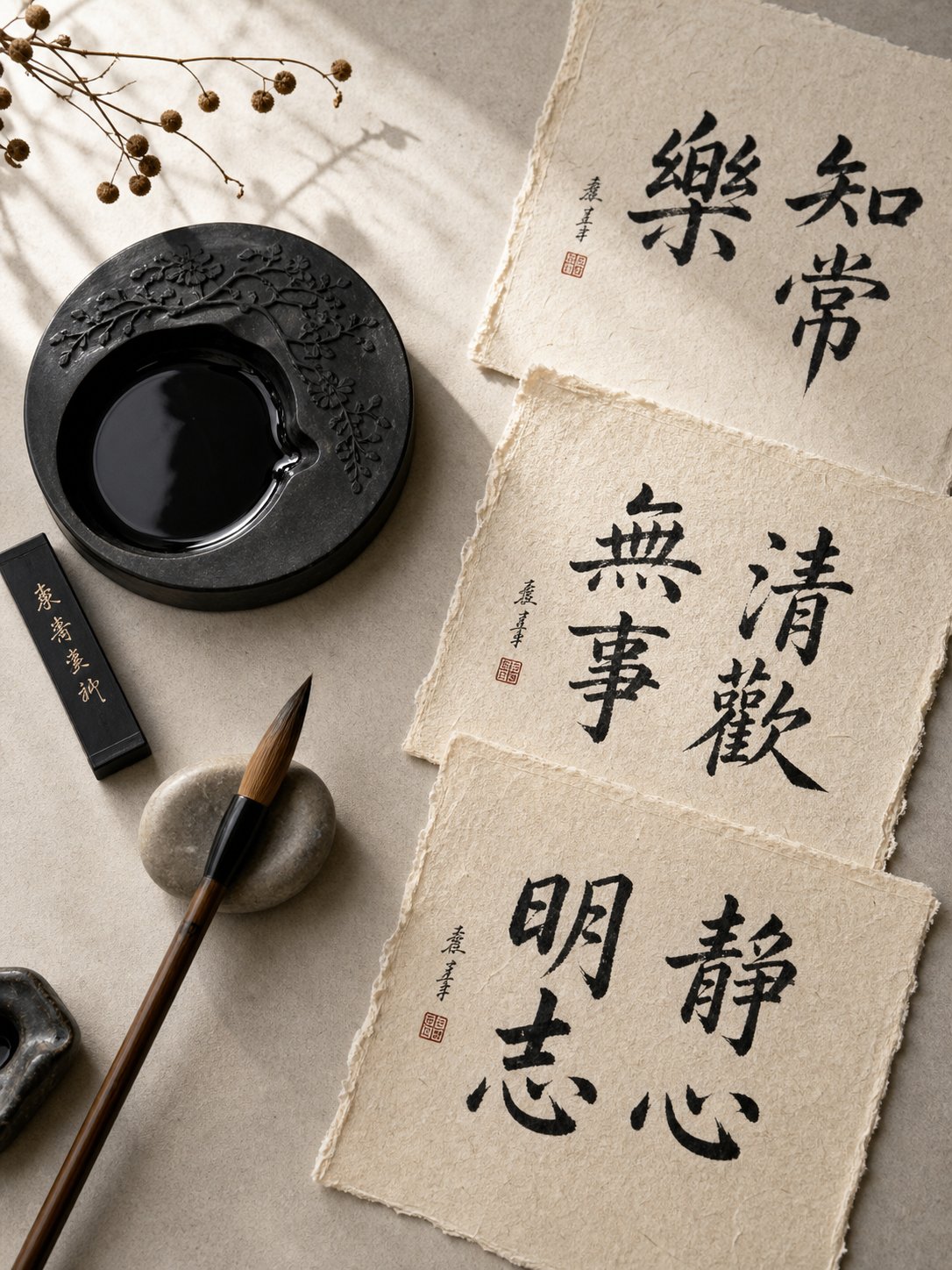
How to Combine Characters Into a Harmonious Full Name
You've identified auspicious radicals, confirmed elemental alignment, and narrowed down characters that carry the right meaning. But here's where many parents stall: two individually perfect characters can sound clumsy or look unbalanced when placed side by side. A Chinese name isn't a list of good qualities stapled together. It's a composed phrase where sound, visual weight, and meaning must flow as a single unit from surname through given name.
Tonal Harmony Between Surname and Given Name
Mandarin has four tones plus a neutral tone, and the way these tones sequence across a full name determines whether it sounds musical or monotonous. The core rule? Avoid stacking the same tone across all syllables. A name where every character sits in the fourth tone (falling) sounds abrupt and harsh. Three consecutive first-tone (flat) characters feel droning and flat.
Imagine the surname 王 (Wang, second tone). Pairing it with 宏毅 (Hong Yi, second tone + fourth tone) creates a pleasing rise-rise-fall pattern. But pairing 王 with 涵林 (Han Lin, both second tone) produces Wang-Han-Lin: three consecutive rising tones that blur together when spoken quickly.
Here's a practical comparison using characters from earlier sections:
| Surname | Given Name | Tonal Pattern | Verdict |
|---|---|---|---|
| 李 (Li, third tone) | 铭泽 (Ming Ze, second + second) | fall-rise, rise, rise | Awkward — two rising tones after the dipping third tone creates a monotonous tail |
| 李 (Li, third tone) | 铭毅 (Ming Yi, second + fourth) | fall-rise, rise, fall | Harmonious — the tones alternate, creating a wave-like rhythm |
| 陈 (Chen, second tone) | 泽泽 (Ze Ze, second + second) | rise, rise, rise | Flat — identical tones across all three syllables sound repetitive |
| 陈 (Chen, second tone) | 泽丰 (Ze Feng, second + first) | rise, rise, flat | Acceptable — the shift to first tone at the end provides a gentle landing |
When evaluating chinese first names for boy options, say the full name aloud five times quickly. If you stumble or the syllables merge, the tonal pattern likely needs adjustment. Your ear catches problems that analysis on paper misses.
Among common chinese boy last names like 王 (Wang), 李 (Li), 张 (Zhang), and 刘 (Liu), each carries a fixed tone that constrains your given name choices differently. A fourth-tone surname like 赵 (Zhao) pairs beautifully with a first-tone opening character like 安 (An) because the sharp fall meets a steady plateau. A second-tone surname like 陈 (Chen) benefits from a fourth-tone first character like 毅 (Yi) to create contrast.
Balancing Stroke Count and Visual Weight
Chinese names aren't just spoken. They're written, printed on documents, carved into seals, and displayed in calligraphy. A name that looks visually lopsided — one character with 4 strokes next to another with 23 — creates an awkward imbalance on paper. The four dimensions of a Chinese name include form alongside sound, meaning, and element, and visual weight is a core part of that form dimension.
A good target: keep the stroke count difference between your two given-name characters within 5-8 strokes. Characters in the 7-12 stroke range tend to look substantial without becoming visually dense.
Consider these pairings:
- 力 (li, 2 strokes) + 鑫 (xin, 24 strokes) — Extreme imbalance. 力 looks like a footnote next to 鑫's triple-gold complexity. Avoid this combination even though both characters carry strong meanings.
- 铭 (ming, 11 strokes) + 毅 (yi, 15 strokes) — Comfortable balance. Both characters have enough visual density to feel matched, with only a 4-stroke difference.
- 泽 (ze, 8 strokes) + 林 (lin, 8 strokes) — Perfect symmetry. Equal stroke counts create a calm, balanced visual impression.
For chinese first names for boys that will appear on official documents in both simplified and traditional characters, check the stroke count in both systems. Some characters gain significant strokes in traditional form. 泽 jumps from 8 strokes (simplified) to 16 strokes (traditional 澤), which could shift your visual balance depending on which system your family uses.
Regional Naming Conventions to Consider
The way chinese boy first names are constructed varies meaningfully across Chinese-speaking regions, and understanding these differences helps you make informed choices, especially if family members from different regions will weigh in.
Mainland China uses simplified characters and tends toward two-character given names (making a three-character full name). Single-character given names were common in the 1960s-80s but have fallen out of favor due to duplication issues. The government's household registration system accepts most characters but occasionally restricts extremely rare ones.
Taiwan uses traditional (unsimplified) characters exclusively. Naming culture here leans slightly more toward classical literary references and generational characters (where siblings or cousins share one character). Stroke count analysis is taken particularly seriously in Taiwanese naming practice.
Hong Kong presents a unique situation. Names are registered in traditional characters but daily life operates in Cantonese, not Mandarin. A name that sounds harmonious in Mandarin tones might clash in Cantonese's six-tone system. If your family speaks Cantonese, test the tonal flow in both pronunciations. Hong Kong families also commonly assign an English first name alongside the Chinese name on birth certificates.
Diaspora communities face the most complex decisions. Chinese last names for boys in overseas contexts often get romanized differently depending on family origin: 陈 becomes "Chen" from Mandarin, "Chan" from Cantonese, or "Tan" from Hokkien. When selecting chinese first names boy options, consider how the pinyin romanization will look paired with your family's established surname spelling. 泽铭 romanized as "Zeming" reads differently next to "Chen" versus "Tan."
A practical tip: if your family uses a romanized surname that English speakers already recognize (like Lin, Chen, or Wang), you have more freedom with the given name's romanization. But if your surname romanization is less intuitive to English speakers, choosing a given name with familiar phonetics — like 安 (An), 凯 (Kai), or 博 (Bo) — helps the full name flow in everyday Western contexts.
Meaning coherence ties all of this together. Your two given-name characters should tell a micro-story or paint a single image rather than pulling in unrelated directions. 铭毅 (engraved resolve) works because both characters point toward inner strength made permanent. 泽林 (graceful forest) works because water nourishing trees is a coherent natural image. But pairing 铭 (engrave) with 林 (forest) creates 铭林 — "engraved forest" — which feels semantically disconnected. Neither character is wrong individually, but together they don't compose a unified thought.
When you've found a combination where the tones alternate pleasingly, the stroke counts feel balanced on paper, and the meaning reads as a single coherent idea rather than two unrelated words, you've built a harmonious full name. The final step is verification: confirming that your chosen name holds up under practical scrutiny before it becomes permanent.
Verifying and Finalizing Your Ox-Year Name Choice
A name that looks perfect on paper can still stumble in practice. Maybe the stroke count throws off the numerological structure. Maybe it sounds like an unfortunate word in Cantonese. Maybe your child will spend a lifetime spelling it for confused receptionists. Before you commit a chinese boy name to a birth certificate, run it through a structured verification process that catches problems while changes are still easy.
Step-by-Step Name Verification Process
Think of this as a pre-flight checklist. Each step confirms a different dimension of the name's quality, from metaphysical alignment to everyday usability. Work through them in order since later steps build on earlier confirmations.
- Confirm radical compatibility with the Ox sign. Review each character in the given name and identify its radical. Cross-reference against the auspicious radicals (grass, water, wood, roof, field, grain) and the avoidance list (horse, king/jade, sheep, heart, sun, mountain). If a character contains a conflicting radical, decide whether the overall name's strength justifies keeping it or whether a swap is needed.
- Calculate stroke count using the Kangxi Dictionary standard. This is where many parents make errors. The Kangxi Dictionary (康熙字典) assigns stroke counts that sometimes differ from modern simplified writing. For example, 王 appears to have 4 strokes but counts as 5 in the Kangxi system. Look up each character individually rather than counting by hand. The stroke counts feed into the Five Structures (五格) calculation: Heaven Structure (天格), Earth Structure (地格), Person Structure (人格), Outer Structure (外格), and Total Structure (总格). Each structure should land on an auspicious number.
- Check elemental balance across the full name. Identify the elemental energy of each character (Metal, Water, Wood, Fire, or Earth) based on its radical and semantic meaning. For Ox-year boys, you want Metal and Water energy present to support the Ox's Earth foundation. The Three Talents (三才) structure expresses the relationship between the name's elements as a sequence. A strong combination like Water-Metal-Earth keeps the productive cycle flowing without destructive clashes.
- Verify the Five Structures produce auspicious numbers. Add the surname strokes to the first given-name character strokes for the Person Structure. Add both given-name character strokes for the Earth Structure. Each resulting number carries a traditional interpretation — some are considered smooth and fortunate, others signal obstacles. Online 五格 calculators can automate this, but confirm they use Kangxi stroke counts rather than simplified counts.
- Test tonal flow by speaking the full name aloud. Say the surname plus given name at normal conversational speed, ten times. Listen for tongue-tripping combinations, monotonous tone stacking, or syllables that blur together. Ask someone unfamiliar with the name to repeat it back after hearing it once. If they consistently mishear a syllable, the phonetic clarity needs work.
- Cross-check for unintended meanings in other dialects. A name that sounds dignified in Mandarin might carry embarrassing or negative connotations in Cantonese, Hokkien, or Shanghainese. If your extended family speaks a dialect other than Mandarin, ask a native speaker to evaluate the name in that pronunciation system. This single step prevents years of awkward family gatherings.
Among common chinese boy names that parents settle on, the ones that endure without regret are those that survived all six checks rather than just the first two or three.
Testing Your Chosen Name in Real-World Contexts
Metaphysical alignment matters, but so does daily life. Good chinese boy names work in the classroom, on a resume, across international borders, and in casual introductions. Here are practical tests that go beyond traditional analysis:
- The email test: Write the pinyin romanization as it would appear in an email address or on a passport. Does it look clean? Is it easily searchable? Names with common romanizations (like "Chen Ming") may face duplication issues, while unusual ones stand out but might confuse systems that expect Western name formats.
- The nickname test: What will friends naturally shorten the name to? If the given name is 铭毅 (Ming Yi), classmates might call him "Ming" — does that standalone syllable still feel strong? Good chinese names for boys hold up even when abbreviated.
- The international pronunciation test: Ask an English-speaking friend to read the pinyin cold, without coaching. If they produce something reasonably close to the intended sound, the name travels well. If they mangle it beyond recognition, consider whether that friction matters for your family's context.
- The written balance test: Write the full name in both simplified and traditional characters. Check that it looks visually proportionate in whichever system your family uses for formal documents. Also write it in pinyin romanization and assess whether the letter combinations look natural in a Western typographic context.
- The meaning longevity test: Imagine your son at age 8, 18, 35, and 60. Does the name's meaning suit all life stages? Some popular chinese names for boys sound adorable for a child but feel lightweight for a professional adult. The best chinese boys names carry meanings that mature alongside the person.
If a name passes both the structural verification and the real-world usability tests, you can feel confident in your choice. But what if you're uncertain about the Ba Zi analysis or the Five Structures calculation? This is where professional consultation enters the picture.
A qualified naming consultant brings expertise that goes beyond what any checklist can offer. They analyze your child's complete birth chart — year, month, day, and hour — to identify which specific elements the chart needs to restore balance. As practitioners note, blindly adding a missing element doesn't always help. If a chart lacks Water but introducing Water would collapse the chart's structure, a skilled consultant redirects toward a better solution. That nuance requires years of study to navigate correctly.
Consider professional help if: your child was born at an unusual hour that might shift elemental balance significantly, your family has generational naming requirements (字辈) that constrain character choices, or you've narrowed down to two finalist names and can't determine which better serves the chart. A good consultant provides a personalized report, explains their reasoning, and respects your preferences as parents rather than dictating a single answer.
For families who prefer independent research, reliable 五格 calculators and Kangxi stroke-count dictionaries are available online. Cross-reference at least two sources for stroke counts since errors propagate quickly through the Five Structures math. And remember: the common chinese names for boys you see on popularity lists became common precisely because they passed these same tests for thousands of families before yours.
Whether you verify independently or consult a specialist, the goal remains the same: a chinese boys name that honors the Ox's steady spirit, aligns with your son's elemental blueprint, sounds beautiful spoken aloud, and serves him well from his first day through his entire life. The radical harmony approach gives you a framework. The final choice is yours to make with confidence.
Frequently Asked Questions About Chinese Boy Names for Year of the Ox
1. What radicals are considered auspicious for Ox-year boy names?
The most auspicious radicals for Ox-year boys connect to the animal's natural environment. The grass radical (艹) represents nourishment since the Ox grazes on grasslands. The water radical (氵) symbolizes sustenance and life force. The wood radical (木) offers shelter and growth. The roof radical (宀) signals stability and security. The field radical (田) reflects the Ox's working domain, and the grain radical (禾) ensures abundance. Characters containing the movement radical (辶) and rooster-related components (酉) also benefit from the San He Three-Harmony relationship between Snake, Rooster, and Ox in Chinese metaphysics.
2. Which Chinese characters should I avoid in an Ox-year boy's name?
Several radicals clash with the Ox's nature and should be avoided. The horse radical (马) creates a harmful zodiac relationship. The king or jade radical (王/玉) historically implied the Ox being prepared for sacrifice. The sheep radical (羊) directly opposes the Ox in the zodiac cycle. The heart radical (心/忄) suggests meat, conflicting with the Ox's herbivorous nature. The sun radical (日) implies endless labor under harsh conditions, and the mountain radical (山) represents difficult terrain where the Ox struggles to find food. Clothing-related radicals (衣, 糸, 彡) also carry sacrificial undertones for Ox-year individuals.
3. What Five Elements work best for Chinese boy names born in the Year of the Ox?
The Ox belongs to the Earth element, so the most supportive elemental energies are Metal and Water. Metal resonates with the Ox's disciplined character and is produced by Earth in the Wu Xing productive cycle. Water adds adaptability and intellectual depth, softening potential stubbornness. Characters with the metal radical (钅) like 铭 (ming, engrave) or 锋 (feng, sharp edge) channel Metal energy directly. Water radical (氵) characters like 泽 (ze, grace) or 涵 (han, cultivate) provide Water energy. For a more personalized approach, a Ba Zi reading based on the exact birth date and hour can reveal which specific element your child's chart needs most.
4. How do I make a Chinese boy name work in English-speaking countries?
Focus on pinyin syllables that already exist in English phonology. Names like Han (涵), Ming (铭), Jin (锦), Bo (博), and Kai (凯) sound natural to English speakers without tonal coaching. Test the romanized name by asking an English-speaking friend to read it cold. Consider how the pinyin pairs with your romanized surname, since different dialect romanizations (Chen vs. Chan vs. Tan) create different rhythms. Single-syllable given names or names where at least one syllable mirrors a familiar English sound tend to travel best across cultural contexts while preserving full Chinese meaning.
5. When does the Year of the Ox actually start and end?
The Year of the Ox follows the Lunar New Year calendar, not the Gregorian January 1 date. The most recent Ox year ran from February 12, 2021 through January 31, 2022 (Metal Ox). The next Ox year begins January 31, 2033 and ends February 18, 2034 (Water Ox). Babies born in late January or early February must check the exact Lunar New Year start date for their birth year, as they may fall under the previous zodiac animal. This distinction directly affects which radicals and elements are considered auspicious for naming purposes.