Chinese name order and first name last name basics
Ever filled out a form and wondered where to put the family name. Or met someone and were unsure which part to say first. Understanding Chinese first and last names will save you from awkward moments and paperwork errors.
Chinese Name Order Explained
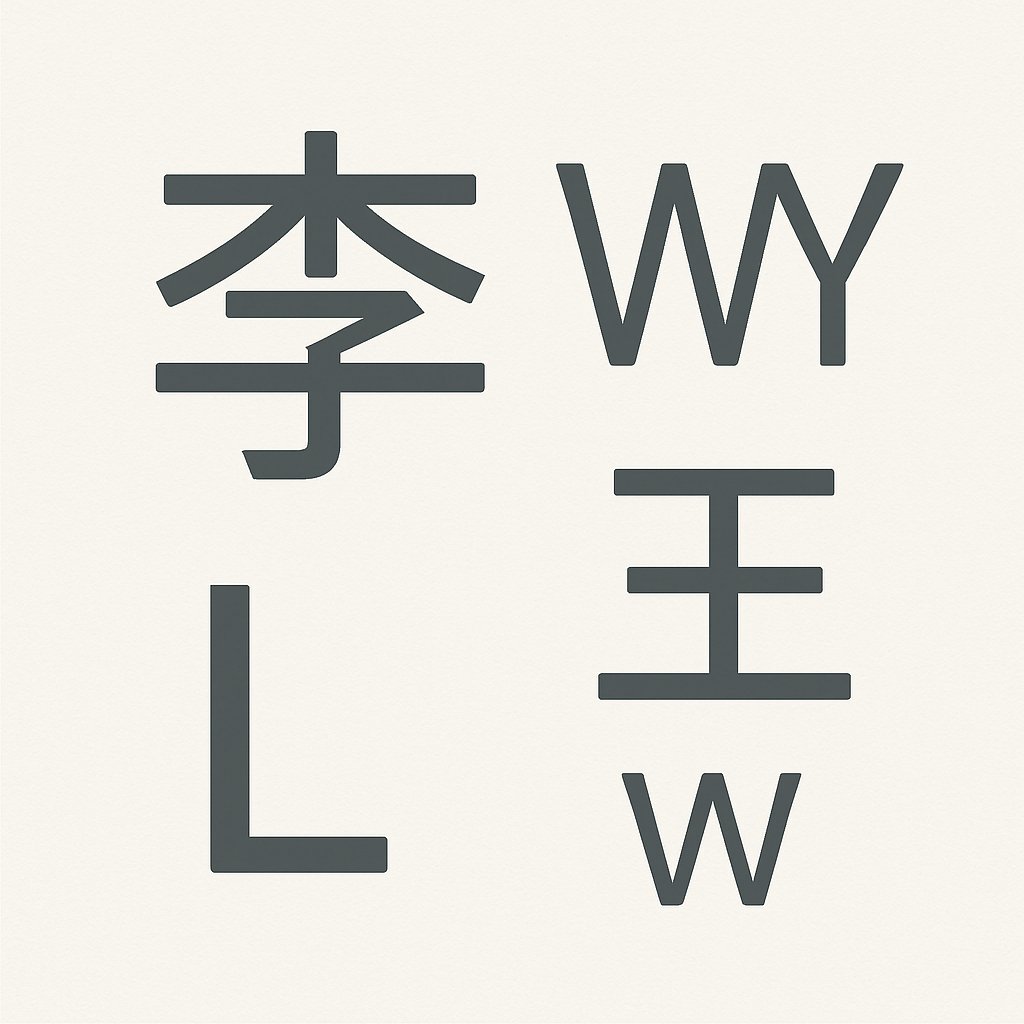
In most cases, the family name comes first, followed by the given name. Think FamilyName GivenName. Many family names are one syllable, and given names are one or sometimes two syllables. This convention is standard across Mandarin speakers, though regional spellings vary due to different romanization systems across Mainland, Taiwan, and Hong Kong.
For context, Mainland uses pinyin for Mandarin, while Hong Kong and Macau often reflect Cantonese pronunciations in spelling. These differences explain why the same characters can appear as Wang, Wong, or Ong in English.
First Name Versus Family Name in Real Life
In professional settings, you will usually address someone by their family name, such as Mr Chen or Ms Li. Using a given name signals familiarity and is typically reserved for close relationships. If you are uncertain which part is the surname, ask politely.
Some people, especially in diaspora contexts, present their names in Western order to match local expectations. You will notice this on business cards or resumes. When in doubt, confirm the preferred order and pronunciation.
When To Reverse Name Order for Western Forms
Western systems often expect first name last name. Follow the fields exactly, but keep consistency with your legal spelling. Later in this guide we will share templates for forms, business cards, and email signatures so you can stay accurate without losing cultural nuance.
In formal Chinese contexts, keep FamilyName GivenName; on Western forms, follow the form’s specified order and label fields clearly.
- Mixing up first and last order, especially on passports or visas.
- Breaking a two character given name into two separate given names.
- Switching romanization systems mid document or across profiles.
- Assuming the spelling must match Mandarin when a family uses a Cantonese or Hokkien form.
Key terms you will see in this guide. Family name or surname. Given name. Generation name. The generation name, when used, marks a person’s cohort within a lineage and has declined in many places, but it still appears in some families and records.
Why this matters. You communicate respect, avoid form rejections, and choose authentic names for fictional or real world use. As you read lists of common chinese names or study chinese family names, keep chinese name order in mind. Up next, we will cover pronunciation, then cross regional differences and practical document templates.
Pronounce and spell Mandarin names with confidence
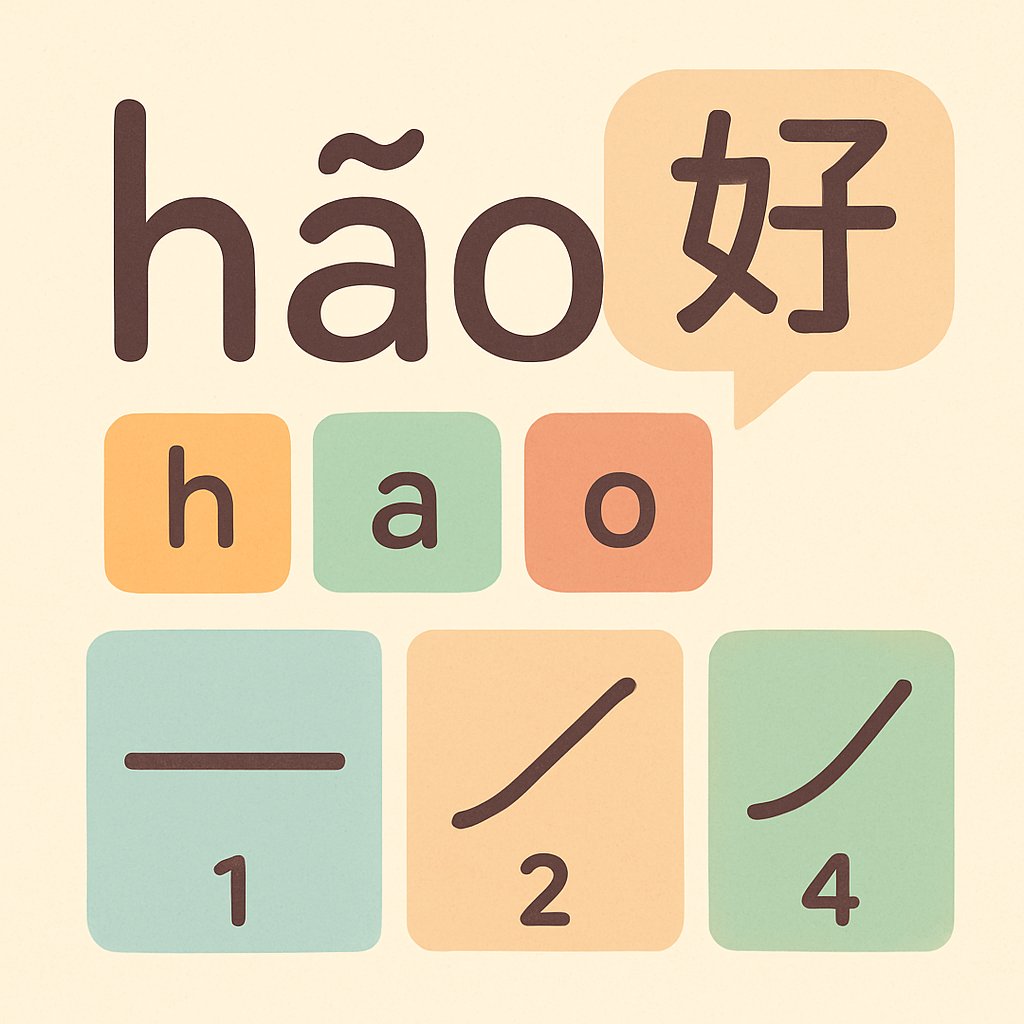
Sounds complex? When you see a new name on a badge or form, pinyin gives you a repeatable way to say it. In mandarin chinese, pinyin combines an initial and a final, then adds tone. The system uses five tones, and pronunciation is built as initials + finals + tones. If you have heard people say mandarin alphabet, they usually mean this pinyin chart of syllables. For clarity, pair pinyin with the chinese character on first mention whenever possible.
Mastering Mandarin Tones in Names
Tones change meaning, so they matter for names. When teaching or learning, you’ll notice first tone is commonly used to introduce syllables before moving on to full tone practice, which helps you hear contrasts clearly, as noted in pinyin training resources. Write tones on vowels in running text when the goal is clarity for readers new to pinyin.
Decoding j q x zh ch sh and ü
Those three letters j q x do not match English j ch sh. They are new sounds you form with the tongue tip down behind the lower front teeth. Try these cues from a trusted pronunciation guide: x is its own sound you can say while smiling; q feels like adding a light t in front of x; j uses the same tongue position without the strong puff. Practice with xi, qi, ji, then move on to xue, xuan, xun. Also remember this spelling rule in pinyin: every time you see ju, qu, xu, that u is actually the ü vowel written as u for convenience. See the step by step breakdown with examples in AllSet Learning’s explanation of j q x j, q, and x sounds.
You will also meet zh, ch, and sh in pinyin. They belong to their own sound group in pinyin charts and are not identical to the lookalike English spellings, so consult a chart and model audio when in doubt. If you are comparing mandarin chinese vs cantonese spellings, note that the same surname may appear quite different because the romanization reflects a different spoken variety.
Use pinyin with tone marks in educational text; use the legal romanization (usually without tone marks) in forms.
Adding IPA for Clarity
For hard names, add IPA in parentheses on first mention. Curious about the pronunciation of zhang? In Mandarin it is written Zhāng and pronounced IPA /tʂɐŋ˥/; in Cantonese romanization you will often see Cheung. See the overview of this surname’s forms and tone in its entry Zhang (surname). For x, the IPA is [ɕ] before front vowels and [ɕy˧˥] in xu, as shown in detailed pinyin charts.
| Surname spelling | Standard pinyin | IPA | Notes |
|---|---|---|---|
| Zhang | Zhāng | /tʂɐŋ˥/ | Cantonese romanization often Cheung; tone is high level in Mandarin. |
| Xu | Xu | [ɕy˧˥] | Tone depends on the specific chinese character; keep the legally recorded spelling. |
| Qian | Qian | [tɕʰjɛn˧˥] | Tone varies by character; IPA here shows the base syllable sound. |
- Treating a two character given name as two separate given names.
- Dropping tone marks in educational contexts and losing meaning contrasts.
- Misreading Zhang as Z-ang.
- Mixing mandarin chinese vs cantonese spellings for the same person in one document.
- Writing ju or xu with a true u sound when it is the ü vowel in pinyin spelling.
Once you can decode pinyin and say these sounds, you are ready to explore where surnames come from and why some are everywhere, which we cover next.
Understand the roots and reach of Chinese surnames
Ever wonder why the same few surnames keep appearing. In China, a small set of lineages covers most people. The top 100 surnames are shared by over 85% of the population, a pattern shaped by ancient clan systems, imperial bestowals, and migration waves. Knowing the stories behind common chinese last names makes forms and introductions far easier.
Where the Big Five Surnames Come From
Meet the five you will see everywhere in lists of the most common chinese surnames, along with simple origins drawn from classical history.
- Wang – means "king" and signals royal heritage. Very common nationally.
- Li – the li last name comes from "plum" and became the Tang imperial surname.
- Zhang – means "to stretch or expand," with roots in a military term.
- Liu – the Han dynasty imperial surname; the character originally carried a martial sense.
- Chen – traces to the ancient State of Chen and means "to display or exhibit."
These are single-character surnames in Chinese, cataloged since early anthologies like the Hundred Family Names. They sit at the core of chinese surnames and meanings used today.
Compound Surnames and Regional Rarity
Not all chinese last names are single-character. Compound surnames such as Ouyang and Sima persist from historical titles and lineages. They are rarer but carry strong literary or official associations, and their two-part form should be kept intact in any document.
Why Frequency Varies by Region
Distribution reflects history. Adoption by non-Han groups, imperial grants, and large migrations spread certain surnames widely. Regional speech also shapes spellings in English. Mainland families usually follow standard pinyin, while Cantonese, Hokkien, or older systems yield variants that became permanent in diaspora records.
| Surname | Meaning/Origin summary | Common Mainland Pinyin | Common Cantonese Romanizations | Hokkien/Minnan Variants | Common Diaspora Spellings |
|---|---|---|---|---|---|
| Wang | Means "king"; royal heritage | Wang | Wong | Ong | Wong |
| Li | "Plum"; Tang imperial surname | Li | Lei | — | Lee |
| Zhang | "To stretch or expand"; military term | Zhang | Cheung, Cheong | Teo, Teoh | Chang |
| Liu | Han imperial surname; martial sense | Liu | Lau | — | Louie, Liew, Lowe |
| Chen | From State of Chen; "to display" | Chen | Chan | Tan | Tan, Chan |
| Huang | "Yellow"; southern prominence | Huang | Wong | Oei | Wong, Ng, Oei |
| Wu | Named after the State of Wu | Wu | Ng, Eng | — | Woo |
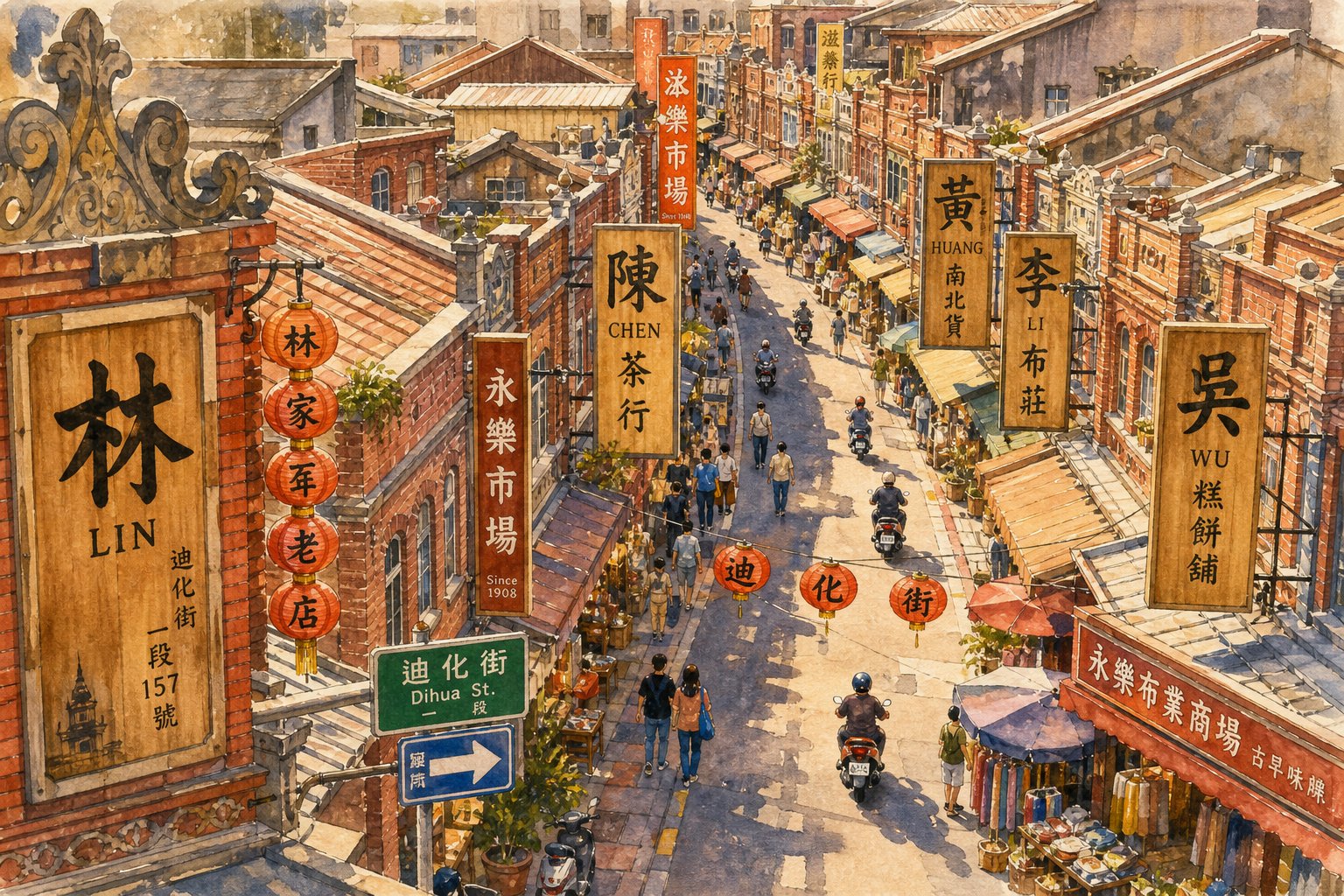
| Lin | "Forest"; frequent in the south | Lin | Lam | Lim | Lim |
| Luo | "To net or collect"; southern usage | Luo | Lo, Law | Loke, Low | Lo, Low |
| Ouyang | Compound surname; literary prestige | Ouyang | Au Yeung, Ao Yang | — | Ouyang |
- Surname meanings are historical tags, not the same as given-name semantics.
- Do not split two-character compound surnames into two separate last names.
- Honor existing legal spellings across documents; do not switch systems midstream.
- Variant spellings in English reflect region and time; treat them as correct for that lineage.
Next, we will map Mainland pinyin versus Taiwan and Hong Kong spellings, why diaspora forms persist, and when not to change a legal name.
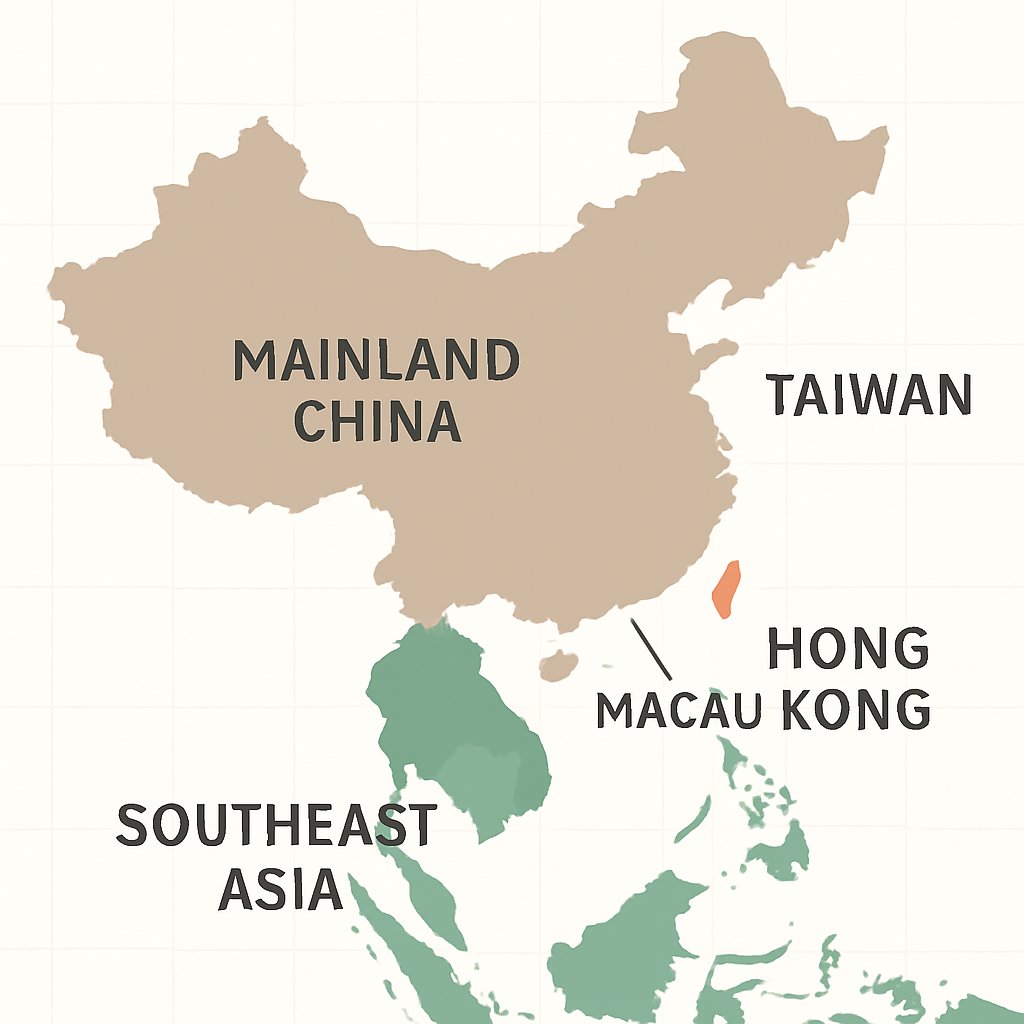
Regional rules for Taiwanese surnames, Hong Kong styles, and diaspora
Why does the same person appear as Chen, Chan, or Tan on different documents? Because order and romanization shift by region. Knowing these patterns helps you read and record chinese first and last names without guesswork.
Mainland Pinyin Versus Taiwan and Hong Kong Spellings
Mainland China generally writes names in Hanyu Pinyin as FamilyName GivenName with no hyphen inside the given name. By contrast, Taiwan commonly joins the two syllables of a given name with a hyphen and lowercases the second part, as in Xiao-lin. Taiwan has also allowed multiple systems historically, and Hanyu Pinyin is not required for personal names. Two-syllable family names are written solid, and in PRC contexts hyphens appear mainly when combining spouses’ surnames. See the detailed discussion of these conventions in Taiwan and China naming styles at pinyin.info: Taiwan vs China name style.
In Hong Kong and Macau, spellings typically reflect Cantonese pronunciations. Hong Kong does not use the Guangdong Cantonese Transliteration Scheme; instead, schemes such as the Hong Kong Government style, Yale, ILE, and Jyutping are popular, which is why Chan or Wong appear so often on local IDs. For background, see the overview of Cantonese romanization usage in Hong Kong on Wikipedia: Cantonese romanization context.
| Region | Name Order Convention | Typical Romanization System(s) | Example Surname Variants | Notes on Legal Consistency |
|---|---|---|---|---|
| Mainland China | FamilyName GivenName; no hyphen inside given name | Hanyu Pinyin | Chen, Huang, Lin | Two-syllable family names written solid; hyphen mainly for married double surnames |
| Taiwan | FamilyName Given-Name; hyphen with lowercase second syllable | Hanyu Pinyin, Wade–Giles, Tongyong; personal choice permitted | Chen Xiao-lin, Lin Yu-ting | Keep the hyphen style on IDs and forms for taiwan last names |
| Hong Kong–Macau | FamilyName GivenName | Cantonese-based systems such as Hong Kong Gov., Yale, ILE, Jyutping | Chen → Chan; Huang → Wong | Use the locally recorded Cantonese spelling across documents |
| Singapore–Malaysia | Surname plus Chinese given name; English given name may appear | Dialect transliterations like Hokkien, Teochew, Hakka, Cantonese | Chen → Tan, Chin, Chan; Huang → Wong, Ng, Ooi; Lin → Lim; Zhang → Tjong/Chong | Spellings reflect dialect and colonial orthography and are often inherited |
| Indonesia–Philippines–East Timor | Surname plus Chinese given name; Western given names common | Hokkien/Hakka with Dutch, Spanish, or Portuguese influence | Tjong, Khouw, Sin, Lay | Forms are rooted in local history and records |
Why Diaspora Spellings Persist
In Southeast Asia, people often transliterate their names in the family dialect rather than Mandarin. This produces stable legacy spellings such as Chen → Tan or Chan, and Huang → Wong, Ng, or Ooi. Variants like Tjong versus Chong and Khouw versus Khor or Khaw reflect how Dutch, British, Spanish, or Portuguese orthography intersected with Hokkien, Hakka, Teochew, or Cantonese. You will also see English given names placed alongside the Chinese name, as in Lee Kuan Yew.
Practical note. You will often encounter the lee surname in Singapore and Malaysia, and the ng last name can represent certain Teochew spellings of Huang. Treat these as correct legacy forms rather than errors.
When Not to Change a Legal Name
- Respect a person’s self-chosen or inherited spelling, whether it is pinyin, Taiwanese hyphen style, or a dialect form.
- Keep the same romanization across passports, visas, resumes, and profiles. Do not switch systems midstream.
- If spellings differ from how you say the name, ask how to pronounce it and include the Chinese characters on first mention when possible.
- Do not remove the hyphen in Taiwanese given names, and do not insert a hyphen into Mainland given names.
- For chinese american names, follow the legal spelling on the person’s ID and add characters or pinyin for clarity where allowed.
- Compound surnames should remain intact. Do not split them or rearrange their order.
If you work with taiwanese surnames or taiwanese last names on forms, these rules prevent mix-ups and show cultural care. Next, we turn to how given names are built and what they mean, so you can choose and interpret them with confidence.
How Chinese given names carry meaning and style
Choosing a given name for a child or character sounds complex. Imagine weaving values, wishes, and sound into one or two characters. In Chinese naming, that is exactly what happens, and it all starts with the meaning held by the characters themselves rather than the pinyin sound.
Semantics that shape given names
You will notice clear patterns in Chinese names and meanings. Parents often select characters that speak to virtue, aspiration, beauty, or harmony.
- Virtue names: 德 dé virtue, 仁 rén benevolence, 义 yì righteousness.
- Aspirations and strength: 志 zhì ambition, 强 qiáng strong. Example two character given name: 志强 Zhìqiáng, as in 李志强 Lǐ Zhìqiáng.
- Nature and beauty: 美 měi beautiful, 花 huā flower, 兰 lán orchid. You will see these in common chinese girl names like 王美玲 Wáng Měilíng and 赵玉兰 Zhào Yùlán.
- Clarity, culture, peace: 明 míng bright, 文 wén culture, 安 ān peace.
- Longevity and luck: 长 cháng long, 岁 suì years, and zodiac inspired choices such as 龙 lóng dragon for a dragon year baby.
For chinese first names female, families often lean toward feminine chinese names built from beauty or nature characters like 美 měi or 兰 lán. For chinese first names male, parents may choose characters that signal aspiration or vigor, such as 志 zhì or 勇 yǒng brave and 涛 tāo wave.
Meaning lives in the characters; romanization is a bridge for readers.
One-character versus two-character patterns
Given names can be one or two characters. Both are authentic.
- One character: 婷 Tíng graceful is a compact choice that reads elegantly with many surnames.
- Two characters: 志强 Zhìqiáng pairs aspiration with strength; 王美玲 Wáng Měilíng blends beauty with a delicate sound; 陈德胜 Chén Déshèng combines virtue and victory.
When shortlisting chinese girl names or chinese male names, test how the tones and syllables flow after the family name. Consider how often the characters appear in everyday life, the stroke aesthetics, and whether non native speakers can pronounce the pinyin reasonably for international contexts. If you compare options for common chinese girl names, remember the most important element is the character meaning, not a sound alike in another language.
Generation names then and now
Many families use a shared generation name, a fixed character that siblings and cousins of the same cohort all carry. It often sits between the surname and the individual character. For example, 李国强 Lǐ Guóqiáng and 李国伟 Lǐ Guówěi share 国 Guó as their generation name, while the last character differs. Classic sequences can be planned in ancestral poems or recorded in clan books. Common generation choices include Jun, Wei, and Hua in modern lines. Usage is not mandatory today, but it remains a living way to honor lineage in many families.
- Keep the generation character consistent across same generation siblings and cousins if your family follows this custom.
- Avoid extremely rare or non standard characters that may be hard to input or print on IDs Chinese name technical notes.
With meanings, character choice, and structure in mind, you are ready for the next step, where we map crosswalks for romanizing names and show how to keep a single spelling consistent across documents.
Crosswalks and consistency for romanizing names
Ever try to convert a colleague’s Hanzi to Latin letters and wonder which spelling to pick. The key is a clear crosswalk and one stable choice. Remember, you are not translating meanings but expressing sounds in Roman letters, a process called romanization.
One name many spellings
Mainland practice uses Hanyu Pinyin and treats the surname and given name as two separate words, with compound surnames kept intact. Cantonese-speaking regions use Cantonese-based spellings, and some legacy or local variants persist, so the same Hanzi can look different in English IFLA guidance on Mainland, Hong Kong, and Macao naming. Use the table as a quick crosswalk when converting chinese names into english.
| Hanzi | Mandarin pinyin (add tone marks as needed) | IPA | Cantonese romanization(s) | Hokkien/Minnan spellings | Common English/Diaspora variants |
|---|---|---|---|---|---|
| 李 | Li | — | Lee | varies by dialect | Li, Lee |
| 林 | Lin | — | Lam | varies by dialect | Lin, Lam |
| 王 | Wang | — | Wong, Vong | varies by dialect | Wang, Wong |
| 吳/吴 | Wu | — | Ng | varies by dialect | Wu, Ng |
| 歐陽/欧阳 | Ouyang | — | Au-Yeung | varies by dialect | O’Young, Ouyang |
| 謝/谢 | Xie | — | Tse | varies by dialect | Hsieh, Tse |
Choose, document, and stick to a standard
Sounds complex. Use these decision rules to stay consistent across IDs, resumes, and bios, and to clarify chinese name meaning where appropriate.
- If a passport or national ID exists, use that romanization in all official contexts.
- If no legal spelling exists, choose standard Pinyin for Mandarin or the appropriate regional system for Cantonese or other dialects.
- Record the choice in a style note and apply it everywhere—on submissions, profiles, and signage.
- Avoid mixing systems for the same person. Do not switch between Pinyin and Cantonese on one CV.
- Include the full name in native alphabet on first mention when allowed, then add pinyin. This mirrors citation best practice to show original characters plus transliteration Include characters and transliteration.
Legal documents govern the authoritative spelling; educational texts can add pinyin with tones for clarity.
Tip. If you need the characters, ask the person to supply them or use online chinese character input with their guidance. Pairing Hanzi with pinyin supports a clear chinese name interpretation, and you can add a brief gloss for readers such as name in chinese meaning.
When to honor a legacy spelling
Respect established forms like Lee, Ng, or Au-Yeung when they appear on IDs or publications. In Cantonese and diaspora contexts, these are correct, historical spellings, not errors. For stage names or an english to chinese name used publicly, keep the legal spelling for documents and show the name in chinese in parentheses for clarity. Next, we will apply these rules to real-world templates for forms, documents, and signatures.
Templates for forms, documents, and signatures
Filling a passport form or sending a formal email and stuck on name order. Use these copy friendly patterns to keep accuracy and respect, even when a system forces first name last name chinese fields.
Western forms without losing accuracy
- Passports and visas
- Last Name or Surname field: enter your family name exactly as on your ID.
- First or Given Name field: enter the entire given name. Do not split a two syllable given name across First and Middle.
- Middle Name field: leave blank unless your legal documents contain a separate middle name.
- Optional note line if allowed: add full name in Chinese and pinyin in parentheses.
- University or journal submission
- Author line: Romanized Full Name as on your ID.
- First footnote or bio: Romanized Full Name, then Hanzi and pinyin in parentheses if permitted.
- Online forms with fixed fields
- If a site has fields labeled Last Name Chinese or Surname in Chinese, put the characters there and keep the Latin spelling in the standard Last Name field.
- When fields are unclear, add a short note in comments such as Family name is Chen, given name is Wei.
If a form has First Name and Last Name fields only, put the family name in Last Name and the entire given name in First Name; keep the legal romanization exactly as in your ID.
Remember that in Chinese contexts, the family name comes first and people are addressed by surname, for example Mr Chen or Ms Li.
Business cards and CVs that travel well
- Two sided business card
- Front: Romanized Full Name, title, company, contact details.
- Back: Hanzi full name, title, company, local contact conventions.
- Note: many professionals choose dual sided or single sided cards and may keep the company name or address in English.
- Resume or CV header
- Line 1: Romanized Full Name.
- Line 2: Hanzi full name if relevant to the role or region.
- Line 3: Pinyin in parentheses for clarity.
- Keep one spelling across all pages to avoid confusion about the last name in Chinese.
Email signatures and respectful closings
- Signature template
- Romanized Full Name
- Hanzi full name
- (Pinyin with tone marks)
- Job Title, Company
- Phone | Email | Address
- Polite closings in Chinese business emails
- Use a formal greeting and titles, then close with the standard phrase written as pinyin if needed, for example Ci zhi, Jing li.
- For a refresher on how to write chinese email format, including greetings, titles, and the spacing of closings, see this guide on email format in chinese: Formal emails in Chinese.
Use these patterns whenever a platform forces first name last name for chinese order, and label fields clearly. Next, explore tools that help you brainstorm authentic options and document spellings consistently.

Choose tools that respect culture and context
Stuck picking a tool for a name that feels authentic. Imagine you need a pen name for a game, a character, or a professional profile. The right chinese name generator should reflect real naming logic, not random syllables. It should respect family-name-first order, show characters, and make pronunciation clear. Remember, Chinese names carry cultural meaning in the characters themselves, not just the sound.
What to expect from a quality generator
- Shows Hanzi characters with meanings so you can judge cultural fit.
- Supports gender filters and can output a chinese names list female and chinese names male when you need targeted ideas.
- Provides pinyin and tone cues to help you pronounce and later document the name correctly.
- Lets you search by themes such as virtue, nature, aspiration, or style.
- Offers export options you can paste into bios, with characters and romanization in one place.
- Clarifies that a tool is for brainstorming and that official spellings should follow your legal documents.
Personalization and cultural authenticity
Meaning matters. Strong tools let you choose characters that express values like wisdom, peace, or vitality and balance them with sound and tone flow. This mirrors how families select characters by semantics and aesthetics in real life. If you are looking for a chinese ai name to fit a lore rich game or a social handle, you will want suggestions that pair authentic character meanings with readable pinyin.
The CNG Chinese Name Generator emphasizes personalized, culturally grounded Mandarin options that blend tradition with modern needs like gaming and social profiles, including male and female choices and meaning driven filters. This is the kind of mandarin name generator that helps you go from the question what is my chinese name to a short list you can assess against meaning, tone, and style.
| Tool category | What it does well | Data sources or logic | Personalization | Pronunciation and format support | Best for |
|---|---|---|---|---|---|
| CNG Chinese Name Generator | Generates culturally resonant Mandarin names for social, gaming, and creative use | Blends naming traditions with modern technology to surface meaningful characters | Filters for gender, meaning, and style; guides you from idea to short list | Shows pinyin guidance to help you learn tone and spelling conventions | Brainstorming authentic options before finalizing characters on documents |
| Typical random generators | Fast, simple, lots of outputs with one click | Often lists of popular syllables or characters with minimal context | Basic gender toggle; limited control over meaning or tone | May show pinyin; character meanings often shallow or missing | Quick inspiration when you only need placeholders |
| Manual dictionaries and guides | Deep dives on character semantics and usage | Reference entries, cultural notes, and semantic categories | Fully custom, but requires time and language familiarity | You add pinyin and tones yourself; high accuracy if done carefully | Scholarly work, naming with detailed cultural intent |
Pros/Cons of CNG Chinese Name Generator
- Pros: Culturally informed suggestions, male and female filters, meaning first approach, strong for social and creative contexts.
- Cons: As with any tool, you must still verify characters and legal romanization before formal use.
Pros/Cons of typical random generators
- Pros: Instant ideas when you are stuck.
- Cons: May ignore character meanings, tone, or real world name order, which can lead to inauthentic picks.
Pros/Cons of manual dictionaries
- Pros: Maximum control and cultural precision.
- Cons: Time intensive, and you need to handle pronunciation and formatting yourself.
When to use a tool versus manual research
- Use a generator to brainstorm quickly, explore themes, and narrow options. It is ideal when you want ideas for my chinese name or need a shortlist fast.
- Switch to manual research when finalizing characters for print, books, or legal contexts. Double check meanings, stroke forms, and pinyin tones.
- For official documents, keep the legal romanization stable and add characters on first mention as allowed. Tools help you test options but do not override IDs.
- If you need a chinese names list female or chinese names male for a casting call or worldbuilding, use a tool to gather options, then vet each character for meaning and tone.
Choose a tool to spark ideas, then verify characters and spellings so your choice fits real world naming practice. In the next section, we will wrap up with a simple plan you can follow from first idea to consistent, document ready spelling.
Apply best practices with confidence and clarity
Still worried about mixing up fields or order on a form? Use this closing checklist to apply Chinese naming conventions without stress. If you need a quick chinese name definition, think surname first and given name second, with meaning carried by the characters. For diaspora contexts and Western forms, confirm a person’s preferred order and spelling.
Your three-step plan for accuracy
- Confirm the legal spelling or choose a standard. If a passport or national ID exists, use that romanization. When collecting ID information, provide both the Pinyin name and the full name in Chinese characters, and keep the character order intact as recommended in ID handling best practices.
- Pair characters with pinyin and, if helpful, IPA. On first mention, show Hanzi, then pinyin with tone marks in parentheses for teaching or onboarding. This makes pronunciation and meaning clear across teams.
- Apply one spelling everywhere. Keep the same romanization across resumes, visas, publications, and profiles. Reverse the display order only when a Western form demands first name last name fields, and label fields clearly.
Meaning is in the characters; documents require a single, stable romanization.
Consistency across documents and profiles
- Use one system per person. Do not mix Pinyin and Cantonese spellings for the same name.
- Keep two-character given names together. Do not split them into separate given and middle names.
- Respect inherited spellings. Legacy forms like Lee or Ng are valid for many lineages and should remain unchanged if they are the legal form.
- Match display names. Align your LinkedIn, CV, and email signature with the same spelling, and add characters on first mention where allowed.
- Mind hyphens. If a given name is hyphenated in official records, preserve it; do not add a hyphen where none exists.
- Be careful with popularity lists. The most popular chinese names change by decade, so do not assume a top list equals the right cultural fit for your context.
When to seek expert verification
- Cross-jurisdiction use. You have to reconcile a Mainland Pinyin spelling with a Hong Kong or Taiwan form.
- Rare characters. The name includes uncommon Hanzi or variant glyphs that may cause input or printing issues.
- Meaning-sensitive contexts. You need a precise chinese name definition for a book, film credit, or museum label.
- High-visibility choices. You are publishing lists of common chinese first names or common chinese surnames and want to avoid mixing systems.
- Brainstorming to short list. Use a culturally minded tool, such as the CNG Chinese Name Generator, to explore character combinations and styles, then finalize characters and legal romanization per the steps above CNG Chinese Name Generator.
Imagine you are naming a character now. Start with meaning in Hanzi, check tone flow after the surname, pick one romanization, and keep it everywhere. Whether you lean toward typical chinese names or creative pairings, prioritize clarity, respect, and consistency.
- Family name comes first in Chinese contexts; follow form labels on Western documents.
- Show Hanzi on first mention, then pinyin. Add IPA only when it helps readers.
- Choose one romanization and use it across all platforms and IDs.
- Do not split two-character given names or compound surnames.
- Trend lists of the most popular chinese names are helpful references, but the best choice is the one whose characters match your intent.
FAQs about Chinese first and last names
1. Which comes first in Chinese names, the family or the given name?
The family name comes first, followed by the given name. Keep this order in Chinese contexts. On Western forms, place the family name in the Last Name field and the full given name in the First Name field. If you are unsure which part is the surname, ask politely or include the Chinese characters on first mention for clarity.
2. How should I fill out Western forms if my given name has two characters?
Enter your family name in the Last Name field and the entire two‑character given name in the First Name field. Do not split the given name across First and Middle unless your legal documents do so. Use the exact romanization shown on your passport or ID, and add the Chinese characters in any dedicated "surname in Chinese" or "name in Chinese" field if available.
3. What are the most common Chinese surnames and what do they mean?
You will frequently see Wang (king), Li (plum), Zhang (to stretch/expand), Liu (a historic imperial surname), and Chen (from the ancient State of Chen). These are single‑character surnames with roots in classical history. Variants like Lee or Wong reflect regional romanization, not different surnames.
4. Why do spellings differ between Mainland China, Taiwan, Hong Kong, and Southeast Asia?
Mainland China uses Hanyu Pinyin. Taiwan often hyphenates two‑syllable given names and historically used multiple systems. Hong Kong and Macau use Cantonese‑based spellings, so Chen becomes Chan and Huang becomes Wong. In Southeast Asia, legacy dialect spellings persist, which is why the Lee surname and the Ng last name are common. For taiwan last names, keep the hyphen if it appears on official records.
5. How can I pick or generate a culturally accurate Chinese name?
Start with characters and their meanings, then check tone flow after the family name. Consider one‑ vs two‑character patterns and any generation name in your family. For brainstorming, a culturally minded tool like the CNG Chinese Name Generator can surface male and female options by meaning and style. Finalize by verifying characters and keeping one legal romanization across documents.