Do Chinese People Have Middle Names?
Wondering how do Chinese names work when you see three words like Xi Jinping? Sounds complex? It is simpler than it looks.
TLDR Do Chinese people have middle names
Most Chinese names do not include a Western-style middle name; the structure is family name first, then a one- or two-syllable given name.
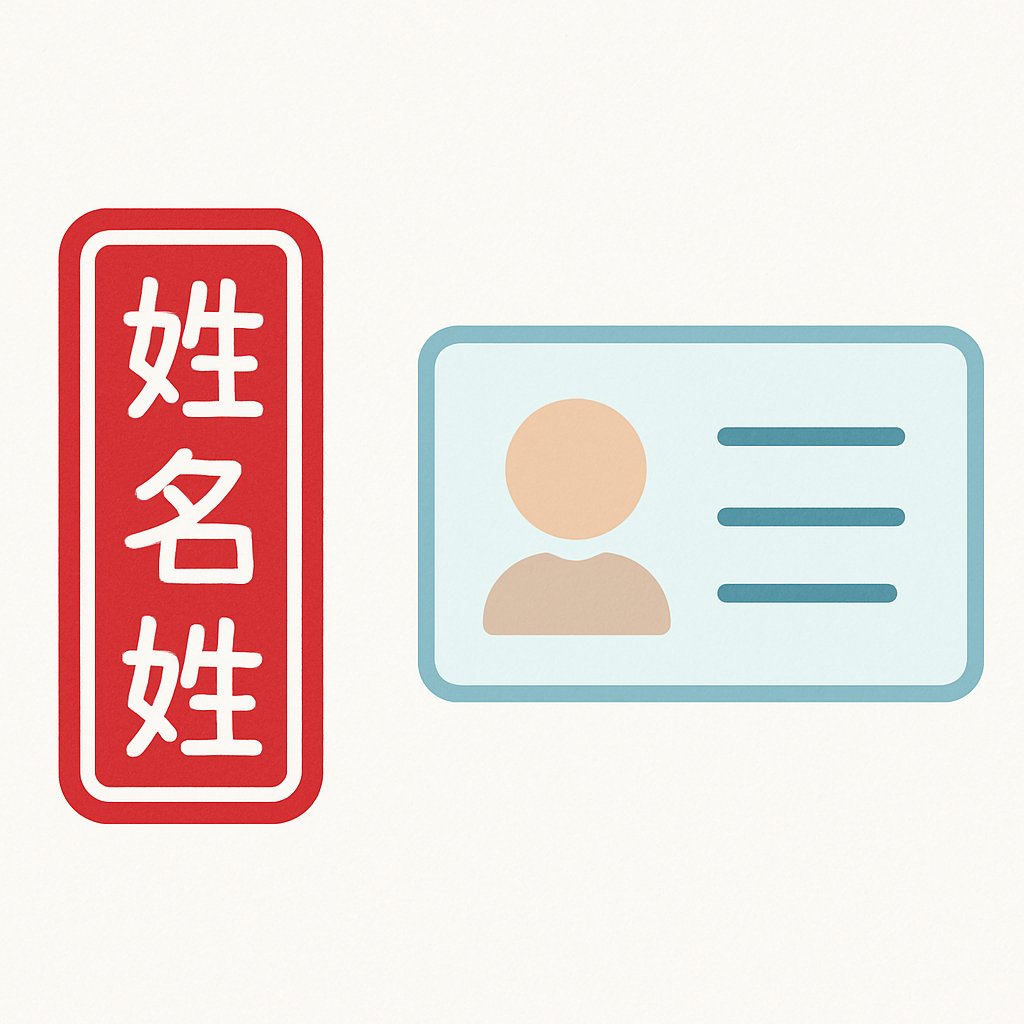
In Western naming, a middle name is a separate element between first and last. In Chinese naming conventions, there is no inherent middle slot. The basic pattern is family name followed by the entire given name. Media style guidance also presents Chinese names as family name, given name, for example Xi Jinping, which helps explain why a two-syllable given name is not a first-plus-middle split Asia Media Centre.
Chinese names versus Western middle names
- Family name or surname (xing): This is the Chinese last name, placed first. Most Chinese surnames are single syllable.
- Given name (ming): One or two syllables that function together as a single given name. Two syllables do not create a middle name.
- Generation name (zibei): In some families, one character of the given name marks a person’s generation in the lineage, but it is still part of the given name, not a middle name.
- Courtesy name (zi): A traditional adult name used historically in formal contexts, not on modern IDs, and distinct from the legal given name, per the same source above.
- English names: In some regions, a legal English given name may appear alongside the Chinese given name on documents, such as Hong Kong identity cards Wikipedia: Chinese name. That English name is separate from the Chinese structure.
If you are scanning common Chinese names and see three words, you’ll notice the first is typically the surname and the last two syllables together are the single given name. This is the core of Chinese naming conventions.
Quick examples from public figures
Real names make it clearer:
- Xi Jinping: Xi is the surname; Jinping is a two-syllable given name. There is no middle name.
- Yao Ming: Yao is the surname; Ming is a one-syllable given name.
Myth bust: The second syllable of a Chinese given name is not a middle name.
So, do Chinese people have middle names? In practice, no. Chinese names are built as family name plus given name. When Western forms force a middle field, that field does not reflect how Chinese given names work or how Chinese given names are intended to be read.
Map Chinese first name last name to Western forms
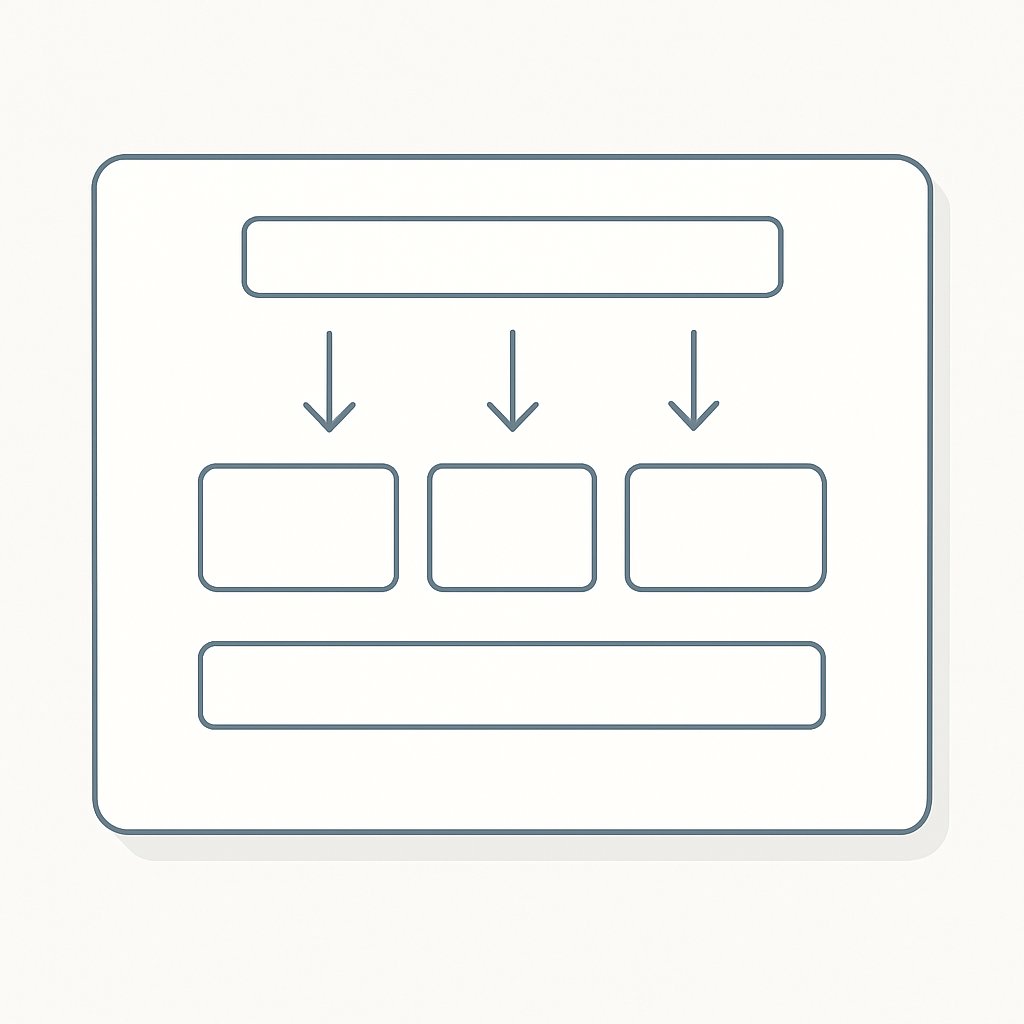
Filling out First Middle Last fields for a Chinese name can feel tricky. Good news. The mapping is simple once you know the structure. In Chinese, the family name comes first and the given name follows, and there is no inherent middle name. On Western forms, treat Last/Family as the surname in Chinese and First/Given as the entire given name. If a Middle field exists, leave it blank unless an official document explicitly lists a separate middle element. When in doubt, copy the name exactly as it appears on the passport or visa, a best practice echoed in U.S. government guidance to use the passport name as the authoritative source Study in the States.
How to fill First Middle Last correctly
Here is how to handle the first name and last name for Chinese names on Western forms. The mapping below shows Chinese order, Western order, and exactly what to type in each field.
| Chinese order | Western order | First/Given | Middle | Last/Family | Notes |
|---|---|---|---|---|---|
| Xi Jinping | Jinping Xi | Jinping | [blank] | Xi | Two syllables form one given name |
| Yao Ming | Ming Yao | Ming | [blank] | Yao | Single-syllable given name |
| Wang Xiaoming | Xiaoming Wang | Xiaoming | [blank] | Wang | Do not split into Xiao + Ming |
| Li Na | Na Li | Na | [blank] | Li | Common two-part full name |
| Ouyang Zhenhua | Zhenhua Ouyang | Zhenhua | [blank] | Ouyang | Compound surname, do not split |
| Chen Meiling | Meiling Chen | Meiling | [blank] | Chen | Two-syllable given name as one unit |
Tip. If a form labels fields as first name Chinese or last name Chinese, enter the full given name in First and the family name in Last exactly as shown on your passport. That way, your entry matches official records without guessing at a chinese name translation.
Two-syllable given names are not middle names
Imagine seeing Wang Xiaoming and thinking Xiao is the first name and Ming is the middle name. It is not. For Chinese first and last names, the given name can be one or two syllables, but both syllables together are the single chinese name first name. On Western forms, put the whole given name in the First field and leave Middle empty unless your legal documents show a separate middle element.
Common form-field pitfalls to avoid
- Splitting a two-syllable given name across First and Middle. Example. Do not enter First Xiao, Middle Ming for Xiaoming.
- Reversing the order. Remember, identify the surname in Chinese and map it to Last. Example. Xi goes in Last, not First.
- Adding punctuation or hyphens that do not appear on your passport or visa.
- Translating meanings. A chinese name translation to English words is not used on legal forms. Use the passport spelling instead.
- Inconsistency across systems. Keep the same First and Last on airline, school, banking, and immigration records by copying the document spelling.
With the mapping clear, the next step is understanding why different romanization systems and spacing can make a two-syllable given name look like a first plus middle, which we cover next.
Romanization systems and the middle name illusion
Ever wondered why the same Chinese name looks different once it is written with English letters? When chinese names into english are romanized, systems like Pinyin, Wade-Giles, and Cantonese romanizations handle spaces, hyphens, and letters differently. That visual change can trick readers into seeing a first name plus a middle name, even though it is still a single given name.
Why romanization affects perceived first and middle names
Romanization writes sounds with Latin letters. In Pinyin, a two-syllable given name is typically written together. In Wade-Giles, the very same given name may appear with a hyphen. For example, Wu Gongfu in Pinyin versus Wu Gong-fu in Wade-Giles. It is one given name in both cases, not a first-plus-middle split Asia for Educators. When filling forms, keep that hyphen with the First name field rather than creating a Middle name.
Pinyin, Wade-Giles, and Cantonese at a glance
In English contexts, the common default today is Hanyu Pinyin without tone marks. Older or non-Pinyin spellings, especially in Taiwan, Hong Kong, and Macau, often keep hyphens or different letter choices. Examples include Kwok Fu-shing and Tsai Ing-wen, and Pinyin may use an apostrophe to separate syllables such as Xi'an.
| System | Example spelling (Chinese order) | First | Middle | Last | What this means |
|---|---|---|---|---|---|
| Pinyin | Wu Gongfu | Gongfu | [blank] | Wu | Two syllables form one given name |
| Wade-Giles | Wu Gong-fu | Gong-fu | [blank] | Wu | Hyphen is punctuation, not a middle name |
| Cantonese romanization | Kwok Fu-shing | Fu-shing | [blank] | Kwok | Hyphenation is common in non-Pinyin spellings |
Spacing, hyphens, and apostrophes you will see
- Pinyin usually writes a two-syllable given name together without a space or hyphen. That visual unit is still one given name.
- Non-Pinyin systems often hyphenate the two syllables of the given name. Keep the hyphen in the First field on forms.
- Pinyin may use an apostrophe to prevent misreading across syllables, for example Xi'an. Apostrophes can appear in names and should not be removed if they are on your official documents.
- Romanization reflects sound, not a chinese names english translation. It does not change mandarin name meaning.
Quick pronunciation tips so you do not invent a middle name
- Xu is one syllable. The x has no exact English equivalent and the u here is the ü sound. Avoid saying it like zoo.
- Hyphens in names help with the pronunciation of chinese names in some systems. They do not signal a separate middle name.
- When you pronounce chinese names, follow the official spelling for the correct syllable split. For translating chinese names into meanings, you need the original characters, not just letters.
Because regions use different systems, the exact spelling on passports and IDs can vary. Next, we will look at regional practices and why you should copy the document name exactly on legal forms.
Regional naming on passports and IDs for Chinese full names
Booking a flight or opening a bank account abroad and not sure how to enter your name? You’ll notice names appear differently by region, yet the core rule stays the same. Chinese full names do not include a Western-style middle name. Always copy the document spelling exactly.
Mainland Taiwan Hong Kong differences you will notice
| Region or document | How the name appears | Name order on document | What to enter on First Middle Last |
|---|---|---|---|
| Mainland China passport | Data page shows the name in Simplified Chinese and English on the same passport page. | Shown on the English line of the biodata page | Map the China family name to Last. Put the entire given name in First. Leave Middle blank unless your document shows a separate element. |
| Taiwan passport | Passport records one Chinese name and one foreign name. The foreign name uses the Roman alphabet and is formed from Mandarin pronunciation. Order is surname before first name. | Surname before first name on the foreign name line | For Taiwanese surnames and Taiwanese last names, put the surname in Last and the remaining foreign name in First. Leave Middle blank. |
| Hong Kong Identity Card | The front displays Name in English and Name in Chinese. The English name format is typically the surname before given names, separated by a comma. | English line often shows SURNAME, Given names | Enter the surname as Last and the full given names as First. Leave Middle blank. |
| Other regions and overseas Chinese | Practice varies by passport authority and local ID formats | Follow the exact document line | Use the precise spelling, spacing, and punctuation from your passport or ID. Consult the issuing authority’s guidance when in doubt. |
Key takeaway: match airline, visa, school, and banking entries to your passport or ID name exactly.
Use your passport spelling everywhere
- Airline bookings. Copy the English line from the travel document, character for character.
- Visa and immigration forms. Use the document’s family and given names fields as your source.
- Banks and schools. Keep the same First and Last across systems to avoid verification delays.
These steps apply to common names in China and to rare ones alike.
When Western order appears on documents
- Mainland example. If your passport shows family name Liu and given name Xiaoming, enter First Xiaoming, Middle [blank], Last Liu. This preserves the china family name in the Last field.
- Taiwan example. If your passport’s foreign name is CHEN Meiling, enter First Meiling, Middle [blank], Last Chen. This aligns with rules for taiwanese surnames on the foreign name line.
- Hong Kong example. If an ID shows CHAI, Wun Ching, enter First Wun Ching, Middle [blank], Last Chai. The comma does not create a middle name.
Whether it is family name Liu, family name Chen, or any other surname, the principle does not change. Map the surname to Last, place the entire given name in First, and do not invent a middle name. Next, we will cover generation names, courtesy names, and compound surnames so you can handle special cases with confidence.
Generation names, Chinese courtesy name, and other special cases
Ever see an extra character in a Chinese name and assume it is a middle name? Sounds complex? These special cases are real, but they do not create a Western-style middle name. Here is how to recognize them and enter names correctly on forms.
Generation names and family traditions
In some families, one of the two characters in the given name is a generation marker shared by siblings or cousins of the same generation. It signals lineage, not a separate name part. It remains part of the single given name, so it is not a middle name. See this overview of Chinese naming customs for context on generation names and how they fit within the full name structure FamilySearch Chinese Naming Customs.
- What to look for. Relatives of the same generation often share one repeated character in their given names.
- On forms. Put the entire given name in First and leave Middle blank unless your ID lists a separate element.
- For genealogy. Generation names can help map relationships when researching Chinese family names and meanings.
Bottom line. A generation name is a design feature of traditional Chinese names, not a middle name.
Courtesy names in history versus legal names
A courtesy name, sometimes called a style name, was historically adopted in adulthood and used in formal society. Artists and writers might also use an art name. These belong to traditional and ancient Chinese names in texts and biographies, not to modern legal IDs, and they should not be entered as middle names on Western forms. The same FamilySearch guide explains courtesy names and art names within the broader naming system.
- Where you see them. Classical literature, historical records, and biographies.
- Modern paperwork. Use only the legal surname and given name from your document.
- Form tip. Do not move a courtesy name into the Middle field unless your legal ID explicitly includes it.
Compound surnames, minorities, and adoptees
Some Chinese surnames are compound, meaning the family name has more than one character, such as Ouyang, Shangguan, Sima, Zhuge, Situ, Xiahou, Huangfu, and Huyan. Many of these surnames trace to historical titles, places, or offices, which is a useful clue when exploring Chinese surname meanings. Non-Han groups also have multi-character surnames recorded in Chinese, alongside Han compound surnames.
| Chinese order | First | Middle | Last | Notes |
|---|---|---|---|---|
| Ouyang Zhenhua | Zhenhua | [blank] | Ouyang | Compound surname goes in Last as one unit |
| Zhuge Liang | Liang | [blank] | Zhuge | Do not split Zhuge into two parts |
| Sima Qian | Qian | [blank] | Sima | Keep the whole surname in the Last field |
| Shangguan Wan'er | Wan'er | [blank] | Shangguan | Apostrophes stay with the First field if present on the document |
| Huangfu Song | Song | [blank] | Huangfu | Compound surname, not a middle name |
You may also see longer legal names when ethnic languages are transliterated into Chinese or when romanizing those names into English. That length still does not imply a middle name.
- Compound surnames. Treat Ouyang, Zhuge, Sima, and similar as the complete Last name. Never move part of them into Middle.
- Minority and long names. Copy the document exactly. Multi-character surnames are common across groups and do not create a middle name.
- English given names on IDs. If your jurisdiction lists an English given name alongside the Chinese given name, put both in the First field if they appear together on the document, and leave Middle blank unless the document shows one.
- Adoptees or multicultural cases. Use the legal document as the single source of truth. If you have a Western-style middle name legally, enter it as Middle. If not, leave Middle empty. This prevents rewriting the given name or misreading Chinese family names and meanings.
Now that you can spot generation markers, courtesy names, and compound surnames, let us put it into action with step-by-step entries for airline, visa, school, and banking forms next.

Step by step forms guide to avoid accidental middle names
Booking a flight, completing a visa, or opening a bank account? Sounds complex? The simplest way to avoid creating a middle name in Chinese by mistake is to copy your passport exactly. Put the entire given name in the First field, map the family name to Last, and leave Middle blank if you do not have one. This keeps you from inventing chinese middle names on Western forms.
Airline and visa forms without middle names
Airline tickets
- Open your passport and use the exact spelling that appears on the document for your booking. Airlines require the ticket name to match the travel document exactly.
- Last or Family field. Enter the family name from your passport.
- First or Given field. Enter your entire given name from the passport.
- Middle field. Leave blank if you do not have a separate middle name on your ID.
- If a system shows first and middle names combined without a space, this formatting is normal and does not affect travel as long as the spelling matches the passport.
- See any spelling error? Contact the ticketing provider immediately. Some airlines limit name changes and fees may apply.
U.S. visa DS-160
- In Surnames, enter your passport surname. In Given Names, enter your given name exactly as in the passport.
- For applicants from China, write your full name in Chinese characters in the Full Name in Native Alphabet field and provide telecodes as requested.
- If your passport has no last name, follow the DS-160 instruction to put the given name into the Last field and write FNU in Given Names.
- Do not translate meanings into English words. Use the passport spelling only.
School and banking forms best practices
Imagine opening a student record or bank account. You’ll notice they often ask for a passport copy. For example, a U.S. university requires a valid passport copy to issue the I-20 for student visas NMSU ISSS. Keep every form consistent with the passport.
- Use your passport name as the single source of truth across school and bank systems.
- When a form has First, Middle, Last, map surname chinese to Last and place your entire given name in First. Leave Middle blank unless your legal ID lists one.
- If a website forces a Middle value and you do not have one, ask the registrar or bank how they want you to proceed.
Copy-ready templates you can use
Use these patterns to avoid creating a middle name in Chinese entries. Replace with your own details and always copy your passport spelling.
| Chinese order example | First | Middle | Last | Notes |
|---|---|---|---|---|
| Liu Xiaoming | Xiaoming | [blank] | Liu | Two-syllable given name is one First name |
| Li Na | Na | [blank] | Li | One-syllable given name |
| Wu Gong-fu | Gong-fu | [blank] | Wu | Keep hyphen if it appears on your ID |
| Ouyang Zhenhua | Zhenhua | [blank] | Ouyang | Compound surname stays intact in Last |
- Airline ticket example. First Xiaoming, Middle [blank], Last Liu.
- DS-160 example. Surnames Liu; Given Names Xiaoming; Full Name in Native Alphabet [your Chinese characters].
- Bank or school form. First Na, Middle [blank], Last Li.
Next, see how English names, optional Western-style middle name for Chinese families abroad, and nicknames fit alongside your legal name without causing confusion.
English names optional middle names and nicknames
Go by Daniel Li at work but Li Xiaoming on your passport? You are not alone. Many Chinese and overseas Chinese use a social English name alongside a Chinese legal name. Here is how English names, optional Western middle names, and nicknames fit in without creating a new middle name.
English names and optional middle names
In multicultural settings, especially among Chinese American names, it is common to adopt an English given name for everyday use. In some places, a legal English given name may even appear on identity documents, for example on certain Hong Kong IDs where an English given name can be shown with the Chinese name. Elsewhere, an English name is often social only and does not appear on the passport.
Thinking about adding a Western-style middle name? That is a personal choice, not a traditional element of Chinese names. In jurisdictions like the United States, adding or changing a middle name generally requires a formal process, such as via court order or during marriage or divorce, followed by updating records with agencies and banks. In short, asian middle names are optional personal additions, not part of the native structure.
Chinese nicknames and terms of endearment
At home and among friends, chinese nicknames are affectionate and informal. Parents often use small-name styles for kids, and trends include food or cute-object nicknames. Couples commonly use chinese terms of endearment such as qin'ai de for darling and baobei for baby. You will also hear the prefix Xiao for a diminutive and A- before a syllable in some southern varieties. These are social habits, not legal names, and they do not create a middle name on forms. If you are exploring chinese nicknames for children, remember they stay off official IDs.
Keeping legal documents consistent
- Do keep your legal name exactly as on the passport across airline, visa, school, and banking systems.
- Do use your English name socially or at work, but do not insert it as a Middle name unless it is legally recorded.
- Do formalize a Western-style middle name only if you want it on IDs, then update records per the legal process noted above.
- Do not split a two syllable Chinese given name into First and Middle on forms.
- Do not rely on an english to chinese name or tools that turn english names into chinese for legal paperwork. Use the passport spelling.
Next, want to explore authentic given name structure and meanings so you never mistake a second syllable for a middle name? The following section walks you through a practical way to learn and apply them.

Explore Chinese names with meaning using a china names generator
Want a hands-on way to learn name structure without inventing a middle name? If you have wondered do Chinese people have middle names, a learning-first generator can show how a two-syllable given name works as one unit.
Generate authentic Chinese names with meaning
The CNG Chinese Name Generator blends tradition with modern tech to help you explore chinese names with meaning. According to its overview, it uses an AI-driven approach, offers options for male and female names, and lets you personalize by desired meanings and styles, making it useful for social media, gaming, and creative projects where cultural fit matters.
- Explore chinese names and meanings tailored to themes you select.
- Personalize by traits like virtue, nature, or aspiration to learn chinese name meanings in context.
- Use it as a thoughtful chinese name converter for screen names and character creation.
- Writers and world-builders can study patterns to craft respectful, believable naming systems.
- Reinforce the idea that a two-syllable given name is one unit, not a middle name.
Learn how characters combine for depth
Chinese names are chosen for meaning, not just sound. You will notice how names in Chinese and meanings often pair concepts to express a parent’s hope or a character’s identity. This helps you see why splitting a two-syllable given name into first plus middle would be incorrect.
- Virtue + quality, for example courage plus brightness.
- Nature + aspiration, such as spring plus flourishing.
- Time or season + virtue to mark an era or ideal.
If you came looking for an english to chinese name converter, treat generators as learning tools. They surface chinese names and meanings, but official forms still rely on your legal documents.
From inspiration to correct form entries
- Generate options, then pick a full name you like. Remember, the given name may be one or two syllables but remains a single given name.
- For everyday use online, keep the spelling consistent across platforms. A chinese name converter is for creativity, not paperwork.
- For legal forms, always use the exact passport spelling and leave Middle blank unless your ID lists one.
Tip: Enjoy exploring meanings, but never add a middle name on legal forms.
Up next, a quick checklist to lock in the no-middle-name rule and keep every form consistent.
Key takeaways and a simple path to get names right
Want a quick wrap-up you can apply today? Here is the short version that keeps your forms clean and consistent.
In Chinese naming, there is no Western-style middle name.
Key takeaways you can apply today
The structure is simple. A Chinese surname comes first, followed by a given name that can be one or two syllables, and those two syllables form one given name. Compound surnames stay intact. Romanization may change spacing or hyphens, but not the structure. If you are unsure about a chinese name definition, think in terms of surname plus given name. This holds across common chinese full names and less common ones alike.
Consistency across all your documents
On Western forms, map the chinese surname to the Last field and put the entire given name in First. Leave Middle blank unless your legal ID shows a separate middle element. Copy the passport spelling, including capitalization, spaces, hyphens, or apostrophes. This applies whether your surname is a common chinese last name like Li or Wang, or any other name. There is no most common chinese name exception that changes the rule. If you explore chinese last names and meanings, remember meanings do not go on legal forms.
Learn meanings without creating a middle name
Curious about how characters combine and why a two-syllable given name is one unit? Try the learning-first CNG Chinese Name Generator to study structure and meaning for creative or social use. Use it to explore patterns and avoid splitting a single given name into a middle name on forms. For paperwork, always follow your passport.
- Identify the family name first, then the full given name. This fits chinese family names of every type.
- Enter Last = surname, First = entire given name. Leave Middle blank unless your ID lists one.
- Copy the passport spelling exactly, including hyphens and apostrophes.
- Keep the same name across airline, visa, school, and bank records.
- Do not translate meanings into English on forms.
- Keep compound surnames intact in the Last field.
- If you legally add a Western middle name, update records; otherwise do not invent one.
Chinese naming FAQs
1. Are there middle names in Chinese?
No. A Chinese name is a family name followed by a one or two syllable given name. There is no separate middle name. On Western forms, put the surname in Last and the entire given name in First, leaving Middle blank unless a legal document explicitly lists one.
2. Do Chinese people use full names?
Yes, using the full name is common in many settings. Because most Chinese names have only two or three syllables, saying the full name (surname plus given name) feels natural and does not imply a middle name.
3. How do I enter a Chinese name into First, Middle, Last fields?
Use this rule: Last or Family = the Chinese surname. First or Given = the entire given name, even if it has two syllables. Middle = leave blank unless your ID includes a distinct middle element. Keep any hyphens or apostrophes that appear on your passport, and keep compound surnames like Ouyang intact in the Last field.
4. Why do some Chinese names look like first plus middle in English?
Romanization systems and personal choices about spacing or hyphens can create that illusion. In Pinyin, a two syllable given name is often written together; in other systems it may be hyphenated. Either way, those two syllables form one given name, not first and middle.
5. Can Chinese or overseas Chinese add a Western-style middle name?
It is optional and not traditional. If you legally add a middle name in your jurisdiction, enter it in the Middle field. Otherwise, leave Middle blank. For learning name structure and meanings without creating a middle name on forms, try a learning-first tool such as the CNG Chinese Name Generator, and still follow your passport for legal paperwork.