Understanding Chinese Nicknames for Daughters
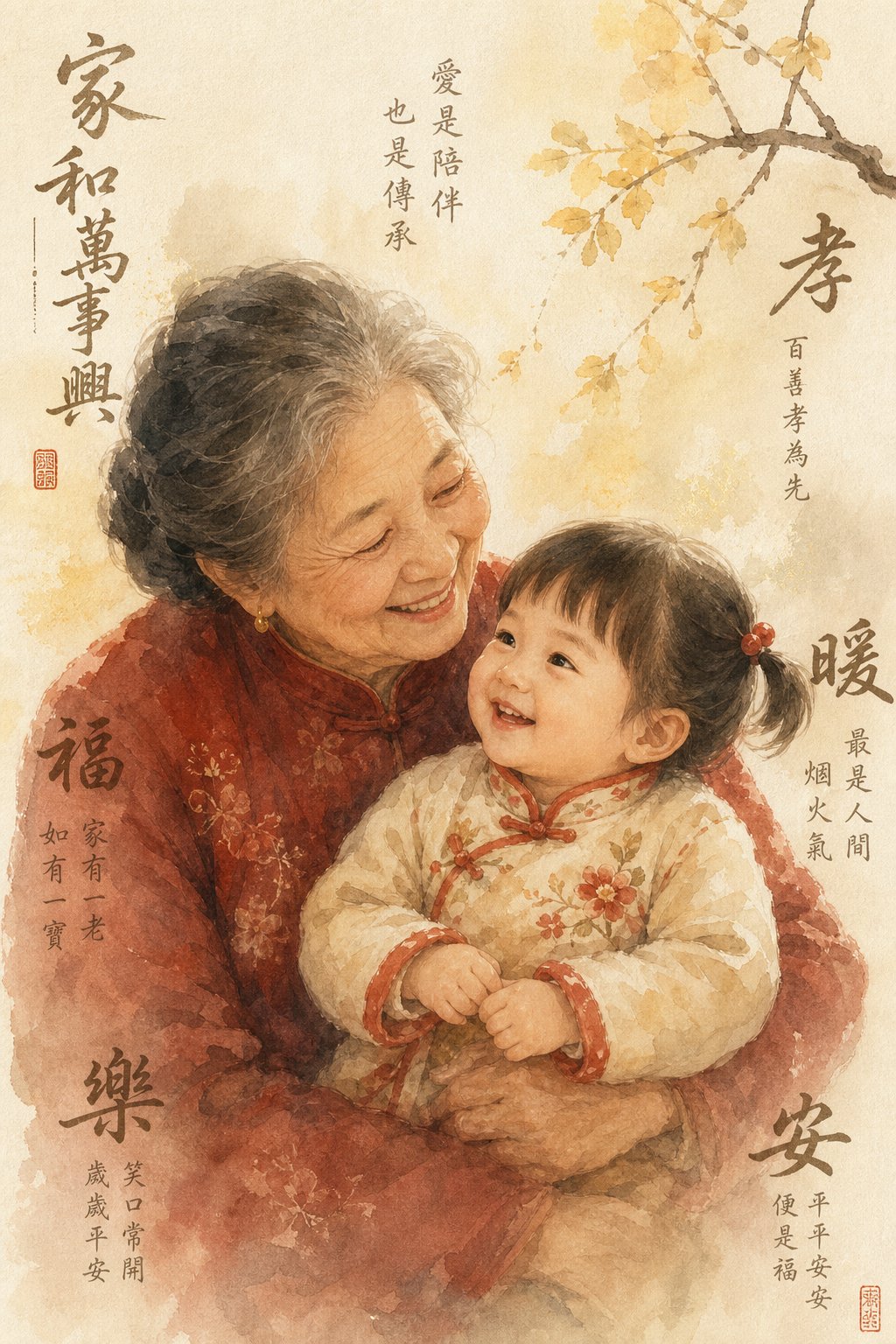
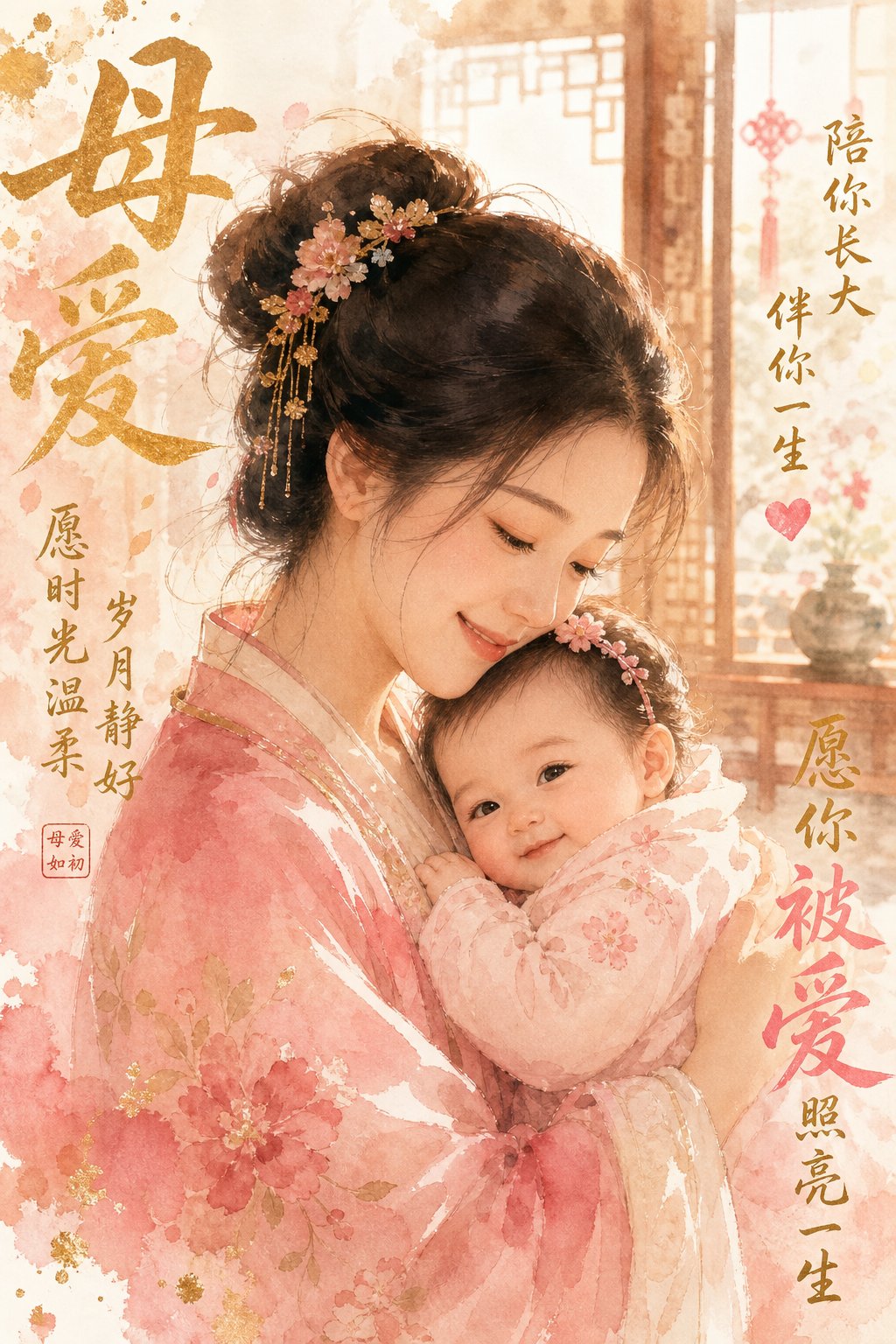
When a daughter is born into a Chinese family, she doesn't just receive one name. She receives a layered identity built through language, hope, and generations of tradition. Chinese nicknames for daughter go far deeper than casual pet names. They carry emotional weight, cultural meaning, and sometimes even spiritual protection.
If you've ever wondered "do chinese people have middle names," the answer reveals something fascinating. Rather than middle names in the Western sense, Chinese families operate a multi-tier naming system where nicknames function as intimate, family-only identifiers that exist alongside a child's formal registered name.
Why Chinese Daughter Nicknames Are a Cultural Art Form
Chinese nicknames are deliberate acts of love. Parents, grandparents, and extended family each select or create chinese terms of endearment that reflect their unique bond with the daughter. These aren't throwaway labels. They're verbal expressions of a family's wishes for their girl's future, her personality, or the joy she brings.
A Chinese daughter's nickname is not what you call her. It is how you hold her close with language when your arms cannot reach her.
Historically, a daughter chinese families cherished might receive a humble or even unflattering nickname. As China Daily notes, children were sometimes given derogatory-sounding names as a form of protection, rooted in the belief that evil spirits would overlook a child with an unimpressive name. This tradition shaped how families approached nicknames for girls specifically.
The Difference Between 大名 and 小名 for Daughters
Chinese naming works on three distinct tiers, each serving a different purpose in a daughter's life:
- 大名 (daming) / 学名 (xueming) - The formal registered name, often chosen by grandparents or even fortune tellers. This is the name used in school, legal documents, and professional life. Think of it as her public identity.
- 乳名 (ruming) - The "milk name," given at birth or within the first month. Traditionally, a baby was not formally named until she was thirty days old, when a naming ceremony confirmed her survival. The milk name belongs to this intimate early period.
- 小名 (xiaoming) - The pet name or nickname used by close family throughout daily life. Unlike a chinese courtesy name, which historically marked adulthood and social standing, the xiaoming stays personal and private.
For daughters, these tiers carry particular nuance. The formal name might express elegance or virtue. The milk name might be playfully humble. The pet name often evolves as she grows, adapting to her personality in ways a fixed legal name never could.
The real art lies in how these chinese nicknames are constructed, and the linguistic patterns behind them reveal just as much cultural meaning as the names themselves.
How Chinese Daughter Nicknames Are Formed
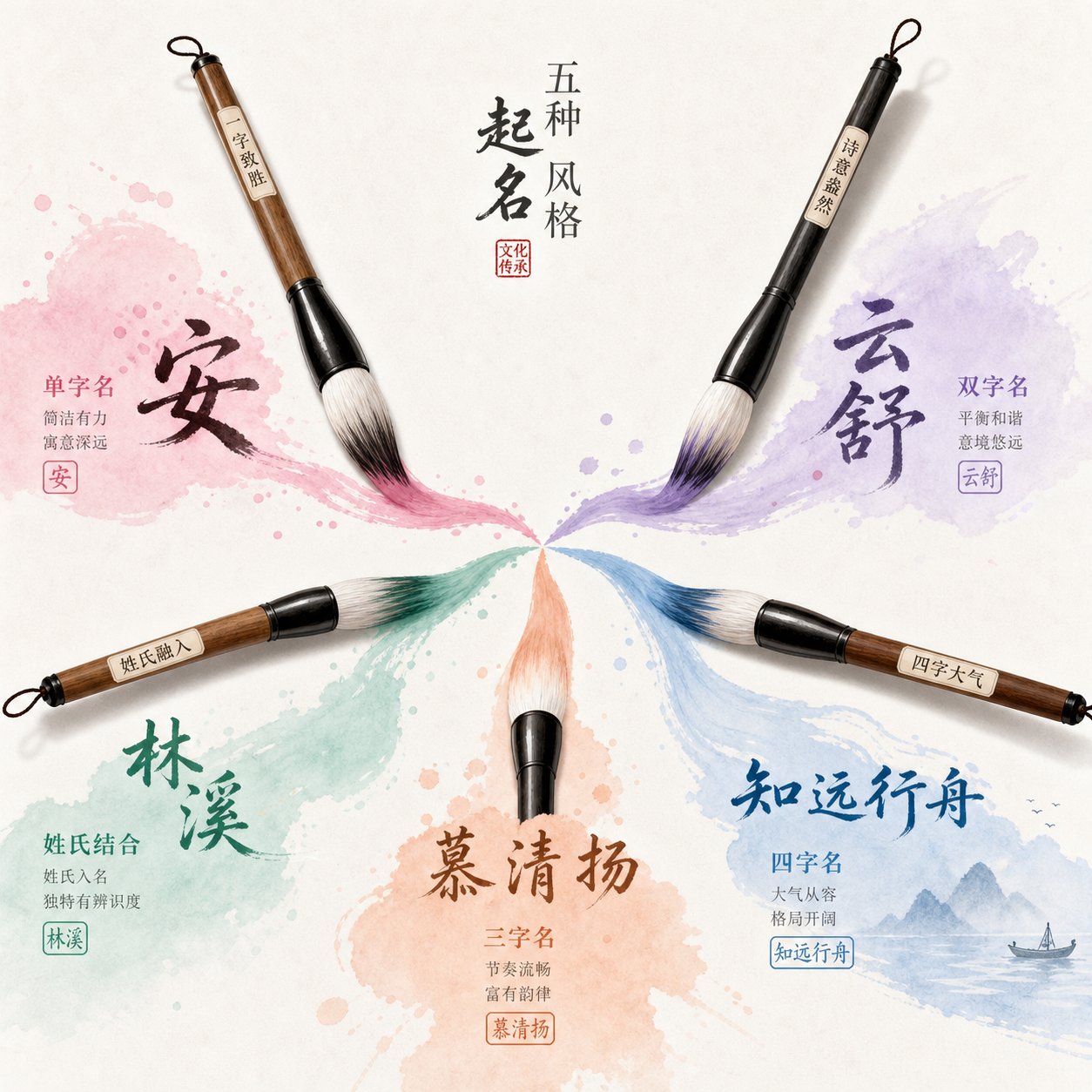
Every language has its own mechanics for creating affection through sound. In Mandarin, nicknames in chinese follow specific structural formulas that have been refined over centuries. These aren't random. Each pattern produces a distinct emotional texture, and parents instinctively choose the one that feels right for their daughter.
Five core formation methods account for the vast majority of daughter nicknames you'll encounter. Understanding these patterns helps you appreciate why certain names sound tender, playful, or protective, and it gives you the tools to create one yourself.
| Formation Method | Pattern | Example Nickname | Pinyin | Literal Meaning | Emotional Connotation |
|---|---|---|---|---|---|
| Reduplication (叠字) | Character + Character | 甜甜 | Tiantian | Sweet-sweet | Sugary affection, warmth |
| 小 + Character | 小 + Noun/Adj | 小花 | Xiaohua | Little flower | Delicate, cherished |
| 阿 + Character | 阿 + Name/Trait | 阿宝 | A Bao | Ah-treasure | Familiar, down-to-earth love |
| 儿 Suffix | Character + 儿 | 喜儿 | Xi'er | Happy child | Soft, lyrical tenderness |
| Food/Nature Diminutive | 小 + Food/Nature word | 小草莓 | Xiao Caomei | Little strawberry | Cute, modern playfulness |
Each of these patterns works differently in conversation, and each carries a slightly different emotional register when a parent calls their daughter.
Reduplication Names That Sound Sweet and Feminine
Reduplication, or 叠字 (dieizi), is the most popular method for creating a nickname in Mandarin. You take a single character and double it. The repetition creates a musical, lilting quality that naturally sounds affectionate in Chinese phonology.
Consider how this works character by character:
- 甜甜 (Tiantian) - 甜 means "sweet." Doubled, it becomes an endearment that wraps the daughter in sugary warmth. A parent might say: "甜甜,过来让妈妈抱抱" (Tiantian, come let mama hold you).
- 萌萌 (Mengmeng) - 萌 means "cute" or "sprouting." The reduplication emphasizes adorableness. Imagine a father saying: "萌萌今天乖不乖?" (Was Mengmeng good today?)
- 乐乐 (Lele) - 乐 means "happy" or "cheerful." A baby who smiles often might earn this name, as Yoyo Chinese explains, parents sometimes choose nicknames based on a baby's early personality traits.
You'll notice that reduplication names often use the second tone or a neutral tone on the repeated character, which gives them a bouncy, sing-song quality. This is why they feel inherently childlike and warm. For daughters specifically, parents tend to choose characters associated with beauty (美美), gentleness (柔柔), or joy (欢欢).
Prefix Patterns Using 小 and 阿 for Daughters
The 小 (xiao, "little") prefix is perhaps the most intuitive nick name in chinese formation. Place 小 before virtually any noun, adjective, or name character, and you instantly create a diminutive that signals affection.
Common examples for daughters include:
- 小花 (Xiaohua) - "Little flower." A classic that evokes delicacy and natural beauty.
- 小虎 (Xiaohu) - "Little tiger." Used for spirited, energetic daughters who show boldness.
- 小鱼 (Xiaoyu) - "Little fish." Often chosen for daughters born under water signs or who love bath time.
A mother calling across the house might say: "小花,吃饭了!" (Xiaohua, time to eat!) The 小 prefix keeps the tone casual and intimate, signaling that this is family space, not the outside world.
The 阿 (a) prefix works differently. It originates from southern Chinese dialects, particularly Cantonese and Hokkien, and carries a more colloquial, earthy warmth. While 小 feels universally cute, 阿 feels like home, like the sound of a grandmother's voice.
- 阿宝 (A Bao) - "Ah-treasure." Deeply familiar, often used by grandparents.
- 阿妹 (A Mei) - "Ah-little sister." Common in southern families for the youngest daughter.
In natural conversation, a grandfather might say: "阿宝,来爷爷这里" (A Bao, come to grandpa). The 阿 prefix signals generational closeness and regional identity simultaneously.
The 儿 Suffix and Why It Softens Nicknames
Adding 儿 (er) to the end of a word is a hallmark of northern Mandarin, especially Beijing dialect. In nickname mandarin usage, this suffix does something subtle but powerful: it rounds off the final consonant, making the name flow like a gentle exhale rather than a crisp stop.
For daughters, the 儿 suffix creates names that feel lyrical and tender:
- 喜儿 (Xi'er) - "Happy child." The 儿 transforms a simple adjective into something that sounds like a lullaby.
- 花儿 (Huar) - "Little flower." Different from 小花 in that it sounds more poetic, less casual.
- 妞儿 (Niur) - "Little girl." A classic Beijing-style endearment specifically for daughters.
Picture a father reading a bedtime story: "妞儿,今天讲什么故事?" (Niur, what story shall we tell tonight?) The 儿 suffix wraps the name in softness, almost like verbal swaddling.
The fifth pattern, diminutive food and nature names, blends the 小 prefix with playful imagery. Names like 小汤圆 (Little Tangyuan, a glutinous rice ball), 小樱桃 (Little Cherry), or 小蘑菇 (Little Mushroom) reflect a modern trend where parents draw from everyday objects that feel round, soft, and comforting. These multi-syllable nicknames break from traditional two-character patterns, signaling a generational shift in how families express love through language.
What makes all five patterns work is their shared underlying logic: they miniaturize, soften, or repeat, turning ordinary words into vessels of intimacy. The pattern a family chooses often reveals their regional roots, their generation, and the specific shade of love they want their daughter to hear every time her name is called.
Traditional Chinese Nicknames for Daughters With Meanings
Patterns give you the mechanics, but tradition gives you the soul. Many of the most beloved chinese nicknames for children have survived centuries not because they follow clever linguistic formulas, but because they carry emotional weight that transcends generations. Some of these names sound sweet. Others sound deliberately plain, even ugly. Both categories exist for deeply intentional reasons.
Protective Humble Nicknames and Their Superstitious Origins
Imagine believing that the more beautiful your daughter's name, the more likely malevolent spirits would notice her and steal her away. That was the operating logic behind 贱名 (jianming), or "humble names," a tradition rooted in ancient Chinese folk belief.
The reasoning worked like this: evil spirits and jealous gods were thought to target children who seemed too precious or too loved. By giving a daughter a lowly, unattractive-sounding nickname, parents essentially disguised her value. A child called "dog's leftovers" or "stinky egg" wouldn't attract supernatural attention because she appeared worthless on the surface.
As Yoyo Chinese notes, back in ancient China when infant mortality rates were high, parents gave their kids humble nicknames like 狗剩 (gou sheng, "dog's leftovers") or 臭蛋 (chou dan, "stinky egg") so that evil spirits "wouldn't care to pay attention to a child who is so lowly."
For daughters specifically, humble nicknames took slightly different forms. While boys might be called 狗蛋 (dog egg) or 铁柱 (iron pillar), girls received names like:
- 丫头 (Yatou) - Pinyin: ya tou. Literal meaning: "forked head," referring to the Y-shaped hairstyle of servant girls. Emotional meaning: a rough, affectionate way to say "little girl" while downplaying her importance to watching spirits. Typically used by: parents and grandparents, especially in northern China. Gender: exclusively feminine.
- 招弟 (Zhaodi) - Pinyin: zhao di. Literal meaning: "beckoning a younger brother." Emotional meaning: historically reflected the hope that a daughter would be followed by a son. Typically used by: grandparents in traditional families. Gender: exclusively feminine, though now considered outdated and culturally sensitive.
These protective names have largely faded from use among younger parents, but they reveal something important about chinese terms of affection: love doesn't always sound pretty. Sometimes it disguises itself as indifference to keep what matters most safe.
Classic Endearment Nicknames Grandparents Still Use
Beyond the superstitious humble names, a rich collection of traditional terms of endearment in chinese has remained in active use across generations. These are the nicknames you'll still hear grandparents calling their granddaughters in parks across Beijing, Shanghai, and Chengdu. Each one carries a distinct emotional flavor.
- 丫丫 (Yaya) - Pinyin: ya ya. Literal meaning: reduplication of 丫, meaning "fork" or "girl." Emotional meaning: playful, bouncy affection for a young daughter. Who uses it: parents and grandparents alike. Gender: specifically feminine. The character 丫 historically referred to young girls, making this a daughter-exclusive nickname with deep roots.
- 妞妞 (Niuniu) - Pinyin: niu niu. Literal meaning: reduplication of 妞, meaning "girl" or "lass." Emotional meaning: warm, folksy love with a northern Chinese flavor. Who uses it: grandparents and parents, especially common in northern dialects. Gender: exclusively feminine. The character 妞 contains the female radical 女, making its gendered meaning unmistakable.
- 宝贝 (Baobei) - Pinyin: bao bei. Literal meaning: "treasure" or "precious one." Emotional meaning: deep, unconditional love. The most universal chinese endearment for a child. Who uses it: everyone, from parents to aunts to grandparents. Gender: gender-neutral. Both sons and daughters are called 宝贝, because preciousness has no gender in Chinese family culture.
- 囡囡 (Nannnan) - Pinyin: nan nan. Literal meaning: the character 囡 places 女 (female) inside 囗 (enclosure), literally depicting a girl held safe within walls. Emotional meaning: protected, sheltered, deeply cherished. Who uses it: primarily in southern China, especially Shanghai and Jiangnan regions. Gender: specifically feminine. This is one of the few nicknames where the character itself visually represents a daughter being kept safe.
- 乖乖 (Guaiguai) - Pinyin: guai guai. Literal meaning: "well-behaved, obedient." Emotional meaning: gentle praise wrapped in affection, a name that rewards good behavior while expressing love. Who uses it: parents and grandparents across all regions. Gender: gender-neutral, though more frequently used for daughters due to traditional expectations of feminine gentleness.
You'll notice a pattern in which nicknames are gendered and which are not. Names containing characters with the 女 radical (妞, 囡) or referencing female-specific imagery (丫) are exclusively for daughters. Names built on universal qualities like preciousness (宝贝) or good behavior (乖乖) cross gender lines freely. This distinction reflects a cultural logic: femininity is marked linguistically when the name celebrates girlhood itself, but left unmarked when the name celebrates a quality any child might embody.
These traditional nicknames persist because they do something modern inventions struggle to replicate. They connect a daughter to every girl who carried the same name before her, creating a thread of belonging that stretches back through family history. That continuity matters, even as younger parents increasingly reach for something new.
Modern Chinese Nicknames for Daughters Today
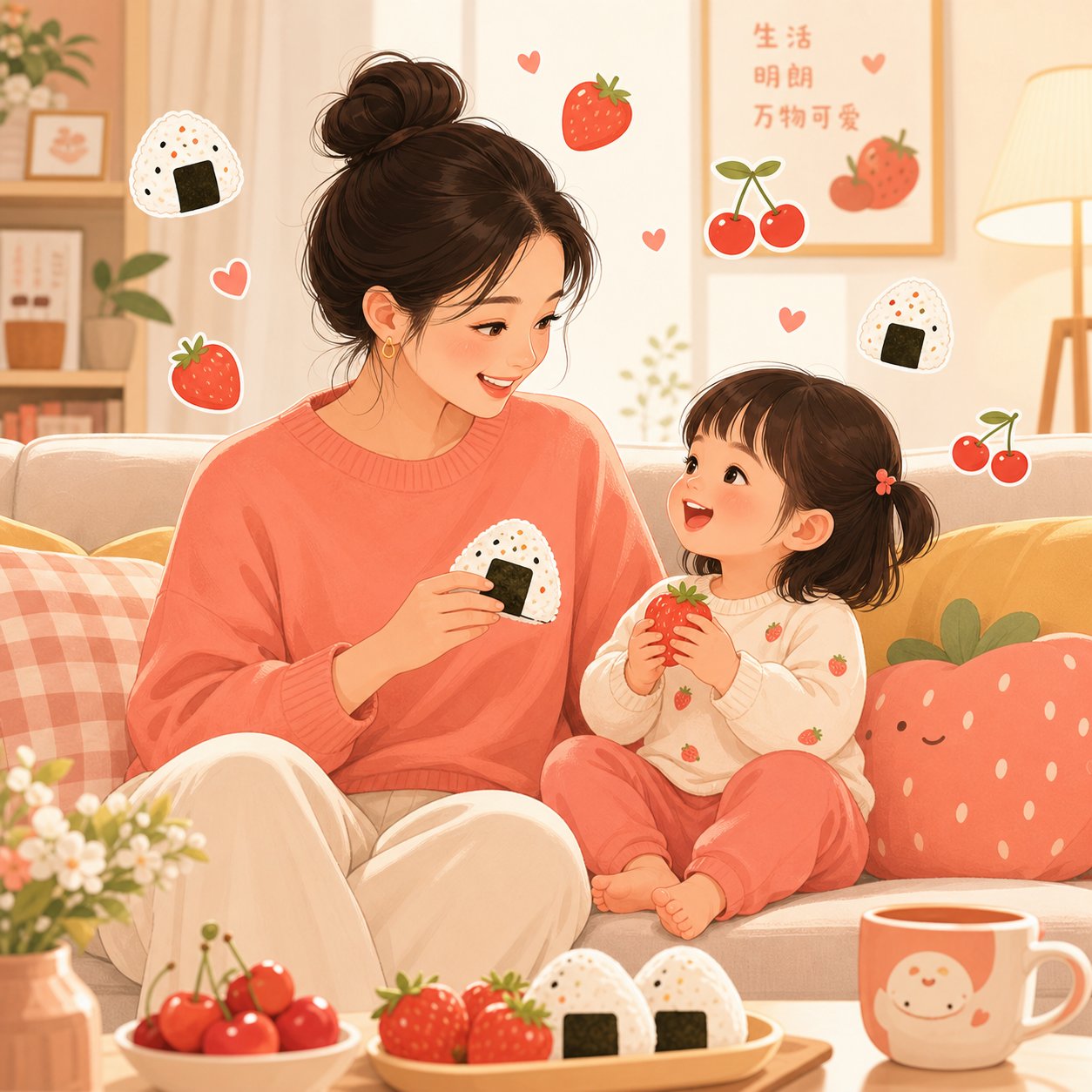
Continuity is powerful, but every generation eventually wants to leave its own fingerprint on tradition. Millennial and Gen-Z Chinese parents still adore the reduplication patterns and 小 prefixes their own parents used, yet the content they pour into those structures looks dramatically different. Where grandparents reached for virtue and protection, today's young parents reach for cuteness, whimsy, and personal expression.
The shift isn't random. It reflects broader cultural changes: smaller family sizes meaning each daughter receives more creative attention, social media making naming choices visible and shareable, and a generation of parents who grew up consuming global pop culture alongside Chinese traditions. The result is a wave of cute chinese names that feel fresh while still sounding unmistakably Chinese.
Food and Nature Themed Nicknames Trending Among Young Parents
Scroll through any Chinese parenting forum or Xiaohongshu (Little Red Book) post, and you'll notice something immediately: food is everywhere. Young parents have embraced edible nicknames with genuine enthusiasm, choosing chinese pet names that evoke roundness, softness, and sweetness rather than abstract virtues.
Why food? Because food nicknames feel tactile and warm. They conjure images of something small, plump, and delicious, which is exactly how new parents see their baby daughters. The most popular categories include:
- 糖糖 (Tangtang) - "Sugar-sugar." A reduplication name built on sweetness itself. Parents use it for daughters who seem to brighten every room.
- 果果 (Guoguo) - "Fruit-fruit." Suggests something natural, healthy, and ripe with potential.
- 小汤圆 (Xiao Tangyuan) - "Little glutinous rice ball." This three-syllable nickname breaks traditional two-character patterns. Tangyuan are round, white, and associated with family reunion, making this choice layered with meaning beyond mere cuteness.
- 小樱桃 (Xiao Yingtao) - "Little cherry." Evokes something tiny, red, and precious.
- 奶糖 (Naitang) - "Milk candy." Soft, creamy, and irresistibly sweet.
Nature-inspired nicknames follow similar logic. Names like 小鹿 (Xiao Lu, "little deer") appeal to parents who want something graceful and gentle. 小兔子 (Xiao Tuzi, "little bunny") works for daughters with big eyes or a shy temperament. These animal-inspired choices feel playful in cute mandarin conversation: imagine a mother saying "小兔子,别跑太快" (Little bunny, don't run too fast) at the playground.
The food and nature trend also shows up in how parents choose chinese display names on social media platforms like WeChat, where a mother might set her profile name as "糖糖妈妈" (Tangtang's Mom), publicly claiming her daughter's nickname as part of her own identity.
How Pop Culture Shapes Modern Daughter Nicknames
Celebrity baby names carry enormous influence in Chinese naming culture. When actress Zhao Wei named her daughter 小四月 (Xiao Siyue, "Little April") and actor Yang Mi's daughter became known as 小糯米 (Xiao Nuomi, "Little Sticky Rice"), these choices rippled through an entire generation of parents. The message was clear: cool chinese nicknames don't need to sound traditional or carry heavy philosophical meaning. They can be light, playful, and personal.
Other pop culture influences shaping modern choices include:
- Anime and cartoon characters - Names like 小丸子 (Xiao Wanzi, from the beloved anime "Chibi Maruko-chan") or references to characters from popular shows.
- K-drama and C-drama influence - Daughters nicknamed after fictional heroines whose qualities parents admire.
- English-Chinese hybrid nicknames - Combinations like 小Coco, 小Luna, or mixing an English name with Chinese structure. These hybrids are especially common among urban, internationally-minded families who want their daughter's nickname to work across languages.
Social media accelerates these trends. Parents share their daughter's nickname on Douyin (Chinese TikTok) or Weibo, and appealing choices spread rapidly. Some parents even test potential nicknames as chinese usernames on parenting forums before committing, gauging reactions from other parents in real time.
Generational Differences in Naming Daughters
The contrast between what grandparents choose and what millennial parents prefer reveals a genuine cultural shift in how families express love for daughters. It's not that one generation loves more deeply. They simply speak that love in different vocabularies.
| Category | Traditional Example | Modern Example | Cultural Shift |
|---|---|---|---|
| Expressing sweetness | 乖乖 (Guaiguai) - "obedient one" | 糖糖 (Tangtang) - "sugar" | From praising behavior to celebrating sensory delight |
| Showing preciousness | 宝贝 (Baobei) - "treasure" | 小汤圆 (Xiao Tangyuan) - "little rice ball" | From abstract value to tangible, playful imagery |
| Feminine identity | 妞妞 (Niuniu) - "little lass" | 小鹿 (Xiao Lu) - "little deer" | From gendered labels to personality-based metaphors |
| Protection and hope | 招弟 (Zhaodi) - "beckoning brother" | 果果 (Guoguo) - "fruit" | From family-line anxiety to celebrating the daughter herself |
| Cultural reference | 囡囡 (Nannan) - "sheltered girl" | 小丸子 (Xiao Wanzi) - anime character | From folk tradition to global pop culture |
Notice the direction of every shift: away from duty, obedience, and family hierarchy, toward individuality, sensory pleasure, and the daughter's own personality. Grandparents who call their granddaughter 囡囡 are wrapping her in centuries of protective tradition. Parents who call that same girl 小草莓 (Little Strawberry) are celebrating her as a source of daily joy. Neither is wrong. They're simply different dialects of love.
This generational gap sometimes creates gentle family tension. A grandmother might find 小汤圆 too casual, too lacking in gravitas. A young mother might find 妞妞 too old-fashioned, too tied to gender expectations she wants her daughter to outgrow. In many families, the compromise is simple: the daughter carries both. Grandma calls her 囡囡 at home. Mom calls her 糖糖 at the playground. The daughter learns early that love sounds different depending on who's speaking it.
What both generations share, though, is a sensitivity to timing. A nickname that delights a toddler may mortify a teenager. The question isn't just what to call her now, but what she'll still want to hear at fifteen, at twenty-five, at forty.
How Daughter Nicknames Evolve Through Life Stages
A chinese nickname chosen at birth carries a specific weight: it holds the smallness of a newborn, the softness of first weeks, the overwhelming tenderness of early parenthood. But daughters grow. Their personalities sharpen. Their self-awareness deepens. And the name that made a three-month-old giggle might make a thirteen-year-old cringe in front of her classmates.
The best pet names in chinese aren't static. They shift, adapt, and sometimes retire gracefully as a daughter moves through life. Understanding this evolution helps parents choose names with longevity built in, or at least know when to let a beloved nickname transition into something new.
Baby and Toddler Nicknames From Birth to Age Three
The earliest stage belongs to the 乳名 (ruming), or "milk name." This is the most uninhibited period of naming. Parents feel free to be maximally cute, maximally silly, because the audience is a baby who responds to tone rather than meaning. A chinese toddler doesn't know that 小肉肉 (Xiao Rourou, "little chubby") refers to her arm rolls. She just hears warmth.
During this phase, nicknames tend to be physical and sensory. Parents name what they see and feel: roundness, softness, the smell of milk, the sound of laughter. Grandparents use this window freely too, often calling the baby by traditional endearments like 囡囡 or 宝贝 without any self-consciousness.
Settings don't matter yet. Parents use the milk name everywhere, at home, in the grocery store, at the pediatrician's office. There's no public-private divide because the child hasn't developed social awareness.
School-Age Nicknames That Grow With Your Daughter
Around age five or six, something shifts. A daughter starts school. She hears other children's names. She develops preferences. This is when many families naturally transition from baby-stage nicknames to something slightly more mature, or when the daughter herself begins negotiating what she wants to be called.
How do you say sweetheart in chinese to a school-age daughter without making her feel babied? Many parents shift from physical nicknames (小胖, "little chubby") to personality-based ones (聪聪, Congcong, "clever-clever") or simply shorten the milk name into something less diminutive. The 小 prefix often survives this transition because it scales well. 小鱼 (Little Fish) still sounds natural at age eight in a way that 肉肉 (Chubby) might not.
Context splits during this stage. At home, the nickname remains. In public, especially around school friends, parents learn to read their daughter's cues. Some girls proudly share their family nickname. Others develop a visible wince when mom calls them 糖糖 within earshot of classmates.
Nicknames Daughters Carry Into Adulthood
The nicknames that survive into adulthood share a common trait: they're emotionally resonant without being infantilizing. A grown woman might still feel warmth when her father calls her 丫头 (Yatou, "girl") because it carries decades of shared history. But she'd likely resist being called 小肉肉 at a family dinner with her partner present.
Here's how the typical evolution unfolds across a daughter's lifetime:
- Birth to 3 years (乳名 stage): Maximum cuteness. Physical, food-based, or sound-based nicknames dominate. Used by everyone, everywhere. Examples: 小汤圆, 肉肉, 萌萌.
- Ages 3 to 6 (toddler transition): Nicknames begin reflecting personality rather than appearance. Grandparents may keep the original; parents start adapting. Examples: 乐乐, 果果, 小兔子.
- Ages 6 to 12 (school years): Public and private usage diverges. Daughters develop opinions. Nicknames either earn permanence or get quietly retired. Examples: 聪聪, 小鹿, reduplication of the formal name's last character.
- Ages 12 to 18 (teenage years): Many daughters reject overtly cute nicknames. Parents who insist may face resistance. Survivors tend to be short, dignified, or so deeply embedded they feel like a second name. Examples: 宝贝 (used privately), 丫头, the formal name's reduplication.
- Adulthood (18+): The nickname becomes a marker of intimacy rather than identity. It resurfaces in emotional moments, phone calls home, holidays, or when a parent wants to express something words can't quite reach. The daughter who once resisted it may find herself missing it.
The emotional arc here is worth noting. Parents start by naming freely, almost recklessly, because a baby can't object. They gradually cede control as their daughter claims ownership of her own identity. And eventually, if the nickname was chosen well, it transforms from something given to something shared, a private language between parent and child that no one else fully understands.
This evolution also means that choosing a nickname isn't a one-time decision. It's an ongoing conversation between who your daughter is now and who she's becoming. The families who navigate this most gracefully tend to hold their nicknames loosely, ready to adapt when the moment calls for it, especially when that daughter is growing up between two cultures.
Cross-Cultural Daughter Nicknames for Bilingual Families
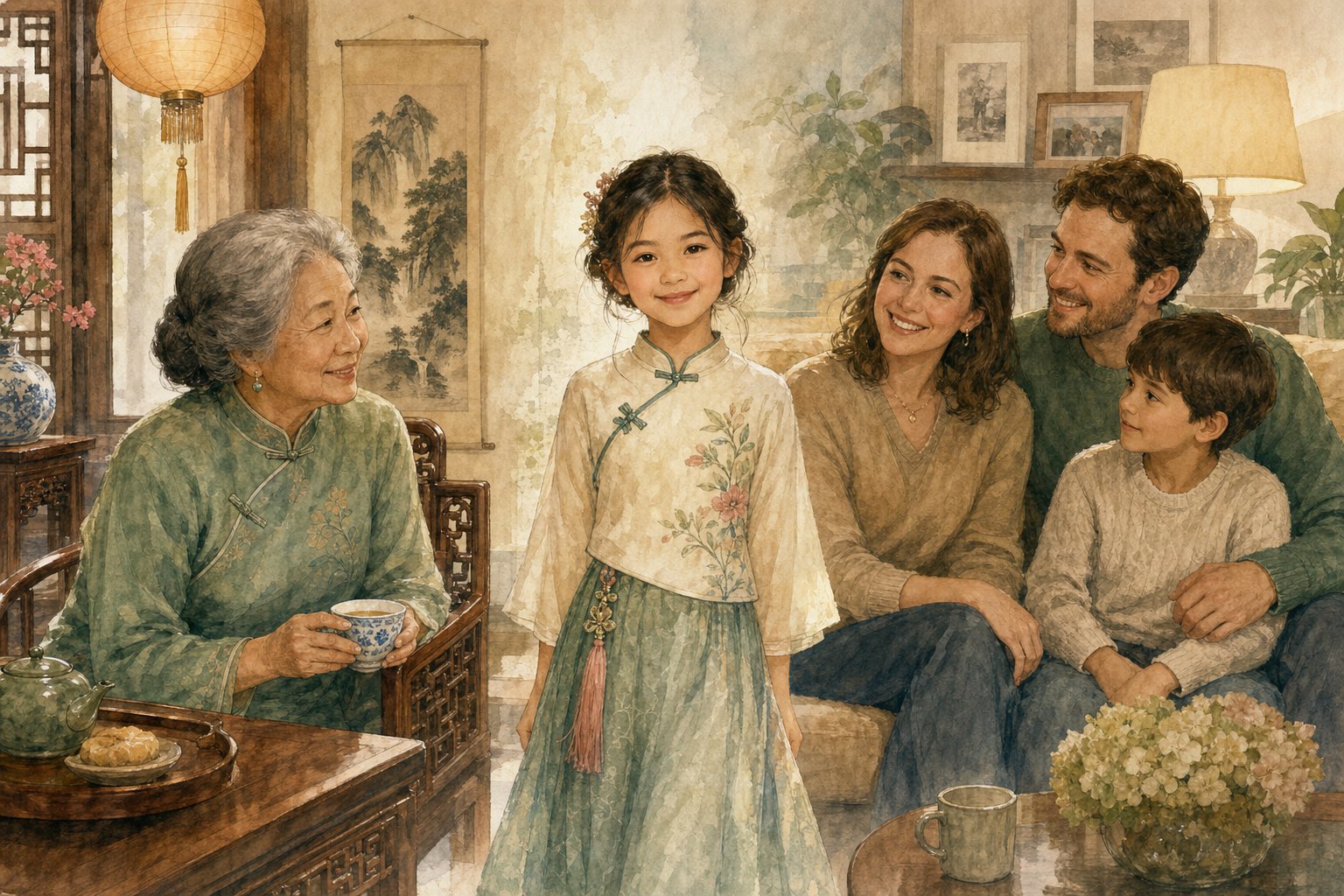
Growing up between two languages means a daughter hears herself differently depending on who's speaking. At grandma's house, she's 宝贝. At school, she's Bella. For diaspora and Chinese-American families, choosing a nickname chinese relatives and English-speaking family members can both use comfortably isn't just a phonetic puzzle. It's an identity decision that shapes how a daughter experiences belonging in both worlds.
The good news: many chinese nicknames in english contexts work beautifully without modification. The key is understanding which sounds travel well across languages and which ones create friction.
Bilingual Nicknames That Bridge Two Cultures
The strongest cross-cultural nicknames share a few traits. They use sounds that exist in both Mandarin and English. They're short enough to feel natural in fast conversation. And they carry meaning in Chinese while sounding like a plausible name or word in English.
Phonetic overlap is your best friend here. Mandarin sounds like "mei," "li," "an," and "lu" map easily onto English ears. Sounds involving "x" (as in 小), "q" (as in 琴), or "zh" (as in 珠) tend to trip up non-Mandarin speakers and often get mispronounced in ways that strip the nickname of its warmth.
For families where one parent doesn't speak Mandarin, or where grandparents on one side are English-only, the nickname in chinese that you choose at home ideally shouldn't require a linguistics lesson every time someone new hears it. A name your daughter has to constantly correct or explain can become a source of frustration rather than pride, especially during the self-conscious teenage years.
Identity matters here too. A daughter who hears her Chinese nickname used confidently by both sides of her family receives a quiet message: this part of you belongs everywhere, not just in Chinese spaces. That sense of wholeness is worth the extra thought during selection.
Nicknames Non-Chinese Family Members Can Pronounce
The following asian nicknames work well in bilingual households because their sounds exist naturally in English phonology. You won't need to teach anyone new tongue positions or tonal distinctions for these to land correctly:
- Mei Mei (美美 or 妹妹) - Pinyin: mei mei. English approximation: "may-may." Means "beautiful" or "little sister." English speakers hear it as a playful doubled sound, similar to familiar names like Mimi.
- An An (安安) - Pinyin: an an. English approximation: "ahn-ahn." Means "peaceful." Simple, clean, and impossible to mispronounce in any language.
- Lulu (露露 or 璐璐) - Pinyin: lu lu. English approximation: "loo-loo." Means "dew" or "precious jade." Already sounds like an English nickname, making it seamless at school and at home.
- Nana (娜娜) - Pinyin: na na. English approximation: "nah-nah." Means "graceful." Works perfectly in English contexts, though be aware it also means "grandmother" in some English-speaking families.
- Lily / Li Li (丽丽) - Pinyin: li li. English approximation: "lee-lee." Means "beautiful." Doubles as a recognizable English flower name, giving your daughter a built-in bridge between cultures.
- Momo (默默 or 茉茉) - Pinyin: mo mo. English approximation: "moh-moh." Means "quiet" or "jasmine." Sounds modern and friendly in both languages.
- Tao Tao (桃桃) - Pinyin: tao tao. English approximation: "tow-tow" (rhymes with "now"). Means "peach." The sound feels bouncy and fun to English speakers without losing its Chinese meaning.
A practical tip: test your chosen nickname chinese style by asking an English-speaking friend to read it cold from pinyin. If they get close enough that your daughter would recognize it, you've found a keeper. If they produce something unrecognizable, consider whether that gap will bother your family over years of use.
For bicultural families navigating this choice, the nickname doesn't need to be perfect in both languages. It needs to feel like love in both. A daughter who hears 安安 from her Chinese grandmother and "Ahn-Ahn" from her American grandfather is hearing the same affection in two accents, and that's exactly the point.
The cultural connection a nickname preserves goes beyond pronunciation. When your daughter knows her name means "peaceful" or "precious jade," she carries a piece of Chinese philosophy with her regardless of which language she's thinking in. That meaning becomes part of her story, something she can explain to friends, write about in school essays, or simply hold privately as proof that she belongs to something larger than one language alone.
Of course, choosing a name that sounds right is only half the equation. Equally important is avoiding one that sounds wrong, and Chinese naming is full of hidden pitfalls that can turn a well-intentioned choice into an embarrassing mistake.
Naming Taboos and Pitfalls to Avoid
Chinese is a tonal language with an enormous number of homophones, which means a nickname that looks charming on paper can sound unfortunate out loud. Add regional dialects into the mix, and the potential for accidental awkwardness multiplies. Before you commit to a name, it's worth running it through a few filters that Chinese families have relied on for generations.
Homophones and Hidden Meanings to Watch For
Mandarin has roughly 400 syllables spread across four tones. That density means many unrelated characters share identical or near-identical pronunciations. A nickname built on one meaning can accidentally echo another, and listeners will hear both whether you intended it or not.
The most critical sounds to avoid overlap with:
- 死 (si, death) - Any nickname where the dominant syllable is "si" in the wrong tone risks this association. Even partial overlap makes older relatives uncomfortable.
- 苦 (ku, bitterness/suffering) - Characters that sound like hardship carry bad luck in naming contexts.
- 失 (shi, loss) - Sounds suggesting losing or failing are considered inauspicious for a child's future.
- 霉 (mei, mold/bad luck) - Dangerously close to 美 (mei, beautiful) in some regional pronunciations, which is why tonal precision matters.
The table below shows how well-intentioned choices can go sideways:
| Nickname | Intended Meaning | Problematic Interpretation | Recommendation |
|---|---|---|---|
| 思思 (Sisi) | "Thoughtful" (思 = to think) | Sounds like 死死 (die-die) to some ears, especially in dialects where tones flatten | Use with caution; pair with a clearly positive second character if concerned |
| 梅梅 (Meimei) | "Plum blossom" (梅 = plum) | In some southern dialects, sounds identical to 霉霉 (moldy/unlucky) | Test pronunciation in your family's home dialect before committing |
| 凡凡 (Fanfan) | "Extraordinary" (非凡) | 凡 alone means "ordinary" or "mundane," which contradicts the intended aspiration | Consider 非凡 as a phrase rather than reduplicating 凡 |
| 琪琪 (Qiqi) | "Jade-like beauty" | In Cantonese, sounds close to 乞乞 (beggar) | Safe in Mandarin-only families; verify if Cantonese-speaking relatives will use it |
Regional Dialect Pitfalls in Nickname Selection
A nickname that sparkles in Mandarin might land flat or worse in Cantonese, Hokkien, Shanghainese, or Sichuanese. This matters because grandparents, aunts, and uncles often speak dialect at home even when the parents default to Mandarin.
Consider 琪琪 (Qiqi) again. In standard Mandarin, it sounds elegant and feminine. But a Cantonese-speaking grandmother pronouncing those same characters hears something uncomfortably close to begging. Similarly, 诗诗 (Shishi, "poetry") works beautifully in Mandarin but in certain Wu dialects can echo words for "corpse."
The practical screening step is simple: say the nickname out loud in every dialect your family actively speaks. Ask the oldest relative in each dialect group whether it sounds right to their ear. They'll catch associations that Mandarin-only speakers miss entirely.
Nicknames That May Embarrass Older Daughters
Some pitfalls aren't linguistic at all. They're developmental. A nickname that's adorable for a baby can become a source of social pain for a teenager, and what seems like a funny chinese name at the baby shower might feel like a burden at age fourteen.
Names referencing physical traits are the biggest offenders. 小胖 (Xiao Pang, "little chubby") celebrates baby rolls at six months but can feel cruel at twelve. 肉肉 (Rourou, "meaty") follows the same trajectory. Even 丑丑 (Chouchou, "ugly-ugly"), rooted in the protective humble-name tradition, can sting once a daughter becomes self-aware enough to understand the literal meaning.
Parents sometimes search for funny chinese nicknames or browse lists of asian nicknames funny enough to make relatives laugh. Humor has its place in naming, but consider the shelf life. A name that gets a chuckle from adults puts the daughter in on the joke only as long as she finds it funny too. Once she doesn't, it stops being playful and starts being something she endures.
This is also worth noting when it comes to chinese stereotype names that reduce a daughter to a single trait or cultural cliché. Names that lean on outdated tropes, whether about appearance, obedience, or gender roles, can feel reductive as a girl develops her own identity. The goal is a nickname she'll want to answer to, not one she'll spend years trying to outgrow.
A quick vetting checklist before you finalize any choice:
- Say it in every dialect your family uses. Does it sound clean in all of them?
- Imagine your daughter at fifteen hearing this name in front of friends. Does she smile or flinch?
- Search the name online. Do results return anything embarrassing, or do people find it listed among funny chinese names for the wrong reasons?
- Ask an older relative and a younger one. If both approve, you're likely safe.
Avoiding pitfalls isn't about being overly cautious. It's about giving your daughter a name that ages as gracefully as she does. With the danger zones mapped, the real fun begins: choosing from the full palette of beautiful, meaningful options that will serve her well from cradle to adulthood.
Ready-to-Use Chinese Daughter Nicknames by Theme
You've seen the patterns, the history, the pitfalls. Here's where it all comes together. The following curated lists organize cute chinese nicknames by the emotion you want your daughter to hear every time you call her name. Bookmark this section. Come back to it when she's born, when she starts walking, when she needs a name that fits who she's becoming.
Each nickname below has been vetted for tonal clarity, dialect safety, and age longevity, the three filters that matter most for a name she won't outgrow.
Nicknames Expressing Beauty and Grace
These chinese words of endearment celebrate a daughter's elegance, whether you see it in her features, her movements, or simply the way she exists in the world.
| Nickname | Pinyin | Meaning | Emotional Tone | Suggested Age Range |
|---|---|---|---|---|
| 婉儿 (Wan'er) | wan er | Graceful child | Poetic, refined tenderness | All ages |
| 美美 (Meimei) | mei mei | Beautiful-beautiful | Warm admiration | Birth to teen years |
| 小月 (Xiao Yue) | xiao yue | Little moon | Gentle, luminous | All ages |
| 瑶瑶 (Yaoyao) | yao yao | Precious jade | Rare, treasured beauty | All ages |
| 小溪 (Xiao Xi) | xiao xi | Little stream | Clear, flowing grace | All ages |
A father might say: "婉儿, 你今天真漂亮" (Wan'er, you look so lovely today). Notice how 婉儿 works at age three and at age thirty because it references character rather than baby cuteness. That's the longevity sweet spot.
Nicknames Celebrating Intelligence and Strength
For parents who want their daughter's nickname to carry aspiration, these choices embed confidence into daily conversation. Every time you call her name, you're quietly telling her what you believe she's capable of.
| Nickname | Pinyin | Meaning | Emotional Tone | Suggested Age Range |
|---|---|---|---|---|
| 睿睿 (Ruirui) | rui rui | Wise-wise | Proud, aspirational | Toddler through adulthood |
| 小毅 (Xiao Yi) | xiao yi | Little perseverance | Quiet strength | All ages |
| 聪聪 (Congcong) | cong cong | Clever-clever | Playful pride | Ages 3 to 15 |
| 小星 (Xiao Xing) | xiao xing | Little star | Bright, guiding | All ages |
| 卓卓 (Zhuozhuo) | zhuo zhuo | Outstanding-outstanding | Bold confidence | All ages |
Imagine a mother encouraging her daughter before a school presentation: "聪聪, 你一定行的" (Congcong, you've absolutely got this). The nickname itself becomes a small act of faith repeated daily. As LingoAce notes, modern parents increasingly choose characters like 毅 (perseverance) and 卓 (outstanding) for daughters, reflecting a cultural shift toward names that celebrate resilience alongside femininity.
Nicknames Conveying Sweetness and Preciousness
Sometimes you just want a name that says sweet in chinese, something that wraps your daughter in warmth without needing to carry philosophical weight. These choices feel like verbal hugs.
| Nickname | Pinyin | Meaning | Emotional Tone | Suggested Age Range |
|---|---|---|---|---|
| 甜甜 (Tiantian) | tian tian | Sweet-sweet | Pure sugary affection | Birth to early teens |
| 蜜蜜 (Mimi) | mi mi | Honey-honey | Warm, golden closeness | Birth to age 10 |
| 小宝 (Xiao Bao) | xiao bao | Little treasure | Unconditional preciousness | All ages |
| 安安 (An'an) | an an | Peaceful-peaceful | Calm, grounding love | All ages |
| 暖暖 (Nuannuan) | nuan nuan | Warm-warm | Cozy, comforting | All ages |
| 欣欣 (Xinxin) | xin xin | Thriving-thriving | Joyful vitality | All ages |
A grandmother settling her granddaughter for a nap might whisper: "暖暖, 睡吧, 奶奶在这里" (Nuannuan, sleep now, grandma is here). The reduplication creates a rhythm that soothes, almost like a lullaby built into the name itself.
You'll notice that nicknames marked "all ages" share a common quality: they reference something timeless. Warmth, peace, moonlight, jade, perseverance. These concepts don't expire when baby fat disappears. A daughter called 小宝 at two months still feels the same tenderness in that name at twenty-two, because being someone's treasure has no age limit.
The names with narrower age ranges, like 蜜蜜 or 聪聪, aren't flawed choices. They're simply better suited to specific seasons of childhood. If you choose one of these, hold it lightly. Enjoy it fully during the years it fits, and let it evolve naturally when your daughter signals she's ready for something that matches who she's growing into.
Whichever theme resonates, the real test is simple: say the name out loud. Say it softly, the way you'd whisper it at bedtime. Say it loudly, the way you'd call her in from the yard. If it feels like love in both volumes, you've found the one.
Frequently Asked Questions About Chinese Nicknames for Daughters
1. What is the difference between 小名 and 乳名 for a Chinese daughter?
Both are informal names used within the family, but they serve different stages. A 乳名 (ruming) or 'milk name' is given at birth or within the first month, often before the formal naming ceremony at thirty days old. It belongs to the earliest, most intimate period of a baby's life. A 小名 (xiaoming) is the broader pet name used by close family throughout daily life and can evolve as the daughter grows. In practice, many families use these terms interchangeably, but traditionally the milk name is the original baby nickname while the pet name may shift over time to reflect the child's developing personality.
2. What are popular modern Chinese nicknames for baby girls?
Millennial and Gen-Z Chinese parents favor food-based and nature-inspired nicknames that feel tactile and playful. Trending choices include 糖糖 (Tangtang, 'sugar'), 果果 (Guoguo, 'fruit'), 小汤圆 (Xiao Tangyuan, 'little rice ball'), 小鹿 (Xiao Lu, 'little deer'), and 小兔子 (Xiao Tuzi, 'little bunny'). Celebrity influence also drives trends, with names like 小糯米 (Little Sticky Rice) gaining popularity after famous parents used them publicly. These modern nicknames prioritize cuteness and sensory imagery over the traditional emphasis on virtue or protection.
3. How do you choose a Chinese nickname that works in English too?
Focus on sounds that exist naturally in both Mandarin and English phonology. Names like 安安 (An'an, 'peaceful'), 露露 (Lulu, 'dew'), 美美 (Meimei, 'beautiful'), and 桃桃 (Taotao, 'peach') use vowels and consonants familiar to English speakers. Avoid nicknames with Mandarin-specific sounds like 'x,' 'q,' or 'zh' that non-Chinese speakers struggle to pronounce. A practical test is asking an English-speaking friend to read the pinyin cold. If they produce something close enough for your daughter to recognize, the name bridges both cultures effectively.
4. Why do some Chinese families give daughters ugly or humble nicknames?
This tradition, called 贱名 (jianming) or 'humble naming,' stems from ancient folk belief that evil spirits targeted children who seemed too precious or beloved. By giving a daughter a lowly or unattractive-sounding nickname, parents believed they could disguise her value and protect her from supernatural harm. In an era of high infant mortality, this was a form of spiritual insurance. While the practice has largely faded among younger parents, it explains why some older generations still use rough-sounding endearments like 丫头 (Yatou, 'forked head') as expressions of deep, protective love.
5. At what age should you stop using a baby nickname for your daughter?
There is no fixed age, but most Chinese daughters begin developing opinions about their nicknames around age six when they start school and gain social awareness. Physical nicknames like 小胖 (Little Chubby) or 肉肉 (Meaty) tend to expire earliest, often becoming uncomfortable by age ten or twelve. Nicknames referencing timeless qualities like 安安 (Peaceful), 小宝 (Little Treasure), or 暖暖 (Warm) can last into adulthood because they reference character rather than appearance. The key is reading your daughter's cues and holding the nickname loosely, ready to adapt when she signals she has outgrown it.