Understanding Chinese Stage Names and Their Cultural Weight
When a Western pop star picks a stage name, it usually comes down to branding. Something catchy, something memorable, something that looks good on a marquee. In Chinese culture, the process runs far deeper. A Chinese stage name, known as 艺名 (yìmíng), literally translates to "art name" or "skill name," and it carries layers of philosophical meaning, aesthetic intention, and social positioning that most English speakers never see.
So what are chinese names in the performing arts context, exactly? At its core, the chinese name definition of yìmíng refers to a professionally adopted identity used by entertainers, musicians, actors, and other performing artists. But reducing it to a simple label misses the point entirely. Chinese naming conventions treat names as living texts, not just identifiers. Each character chosen for a stage name communicates something specific about the artist's aspirations, their artistic lineage, and even their relationship to fortune and fate.
What Are Chinese Stage Names and Why Do They Matter
Imagine choosing a professional identity where every syllable signals your values, your training background, and your hopes for the future. That is the weight a yìmíng carries. Unlike a Western stage name that might simply sound cool or be easier to remember, a Chinese stage name operates within a naming culture with deep historical roots stretching back thousands of years, shaped by Confucianism, Daoism, and folk belief systems.
Chinese naming customs dictate that every character in a name holds three dimensions: the visual form of the character, its pronunciation and tonal quality, and its semantic meaning. When an artist selects or receives a stage name, all three dimensions are weighed carefully. A single mispronounced tone can shift a name's meaning from something auspicious to something embarrassing, and a poorly chosen character can signal disrespect toward senior artists or cultural traditions.
How Stage Names Differ From Birth Names in Chinese Culture
To understand chinese stage name traditions, you need to recognize that Chinese culture has never operated with just one name per person. The traditional system includes a birth name (乳名/rǔmíng), a formal registered name (名/míng), a courtesy name (字/zì), an art name or pseudonym (号/hào), and potentially a pen name (笔名/bǐmíng) or stage name (艺名/yìmíng). Each serves a distinct social function. As one analysis of Chinese naming practices notes, only the registered given name is legally binding, while the others are honorifics or pseudonyms adopted and dropped at will without visiting a government office.
Chinese stage names function as identity declarations within a complex cultural system of naming that includes birth names, courtesy names, and art names. They are read as cultural texts carrying philosophical, aesthetic, and social meaning, not merely as convenient labels for public recognition.
This layered naming system means that when a performer adopts a yìmíng, they are participating in a tradition where names have always been fluid, intentional, and loaded with meaning. The stage name slots into a hierarchy of identities that stretches from infancy to professional life, each layer revealing something different about who a person is and who they aspire to become.
That hierarchy did not appear overnight. It evolved across centuries of scholarly, artistic, and imperial tradition, where alternative names served as markers of intellectual maturity, creative ambition, and social belonging.
Historical Roots in Courtesy Names and Art Names
That hierarchy of names traces its chinese name origin back over two thousand years, to a time when scholars, poets, and officials adopted alternative identities as markers of intellectual growth and creative purpose. Long before any entertainer stepped onto a stage, the practice of carrying multiple names was already woven into the fabric of educated Chinese life. Two categories in particular laid the groundwork for modern stage names: the courtesy name (字/zì) and the art name (号/hào).
Courtesy Names and Their Role as Identity Markers
In ancient chinese names tradition, a person's birth name (名/míng) was given by parents and considered deeply personal. Only close family members, teachers, or the emperor could use it freely. For everyone else, calling someone by their birth name was considered rude or overly intimate. This is where the chinese courtesy name entered the picture.
A courtesy name was bestowed when a young man reached adulthood around age 20, or when a young woman turned 15. Respected elders chose this name, and it typically expanded on or complemented the meaning of the birth name. Once received, the courtesy name became the standard form of address among peers, colleagues, and acquaintances. As research on ancient Chinese naming explains, the birth name expressed self-modesty when used by oneself, while the courtesy name conveyed respect when used by others.
Consider the Tang dynasty poet Li Bai (李白). His birth name was Bai (白), and his courtesy name was Taibai (太白), meaning "great whiteness" or "Venus," the morning star. The courtesy name amplified the meaning embedded in his given name, connecting it to celestial imagery. This pairing of birth name and courtesy name was not decorative. It was a deliberate act of identity construction, a traditional chinese name practice that signaled a person's entry into the adult intellectual world.
Art Names and Pseudonyms as Predecessors to Stage Names
Where the courtesy name was given by elders, the art name (号/hào) was typically self-chosen. This distinction matters. The hào gave individuals creative agency over their own identity, often reflecting where they lived, what they aspired to, or a philosophical stance they embraced. Art names came into vogue during the Tang dynasty and could be changed multiple times throughout a person's life to mark significant transitions.
Su Shi (苏轼), one of the Song dynasty's greatest literary figures, adopted the art name Dongpo Jushi (东坡居士), meaning "Householder of the Eastern Slope." He chose this name during his exile in Huangzhou, where he farmed a plot of land on an eastern hillside. The name was not random. It anchored his identity to a specific moment of hardship and reinvention, transforming a political setback into a creative persona. Other literati followed similar patterns. Tao Yuanming became Wuliu Xiansheng (五柳先生), "Mister Five-Willows," after the trees near his home. Ouyang Xiu styled himself Liuyi Jushi (六一居士), "Householder of the Six Ones," referencing his beloved possessions.
These chinese name origins reveal a clear pattern: names were tools for self-expression, philosophical alignment, and social positioning. The art name, in particular, gave its bearer the freedom to reinvent themselves publicly, exactly the function a modern stage name serves.
You can trace a direct evolutionary line from these ancient practices to today's entertainment industry:
- Birth name (名/míng) - given by parents, private and personal
- Courtesy name (字/zì) - given by elders at adulthood, used in formal social contexts
- Art name (号/hào) - self-chosen or bestowed, reflecting creative identity and life philosophy
- Modern stage name (艺名/yìmíng) - adopted for professional performance, blending personal aspiration with public branding
Each step in this progression gave individuals greater creative control over how the world perceived them. The courtesy name was assigned. The art name was chosen. The modern stage name sits at the end of this lineage, inheriting the cultural expectation that an alternative name should carry meaning, signal artistic intent, and communicate something deeper than mere recognition.
By the time Chinese performing arts formalized in the imperial era, this naming infrastructure was already centuries old. Performers did not need to invent the concept of an artistic identity from scratch. They inherited a ready-made cultural framework where adopting a new name for creative purposes was not only accepted but expected.
Peking Opera and the Birth of Systematic Stage Naming
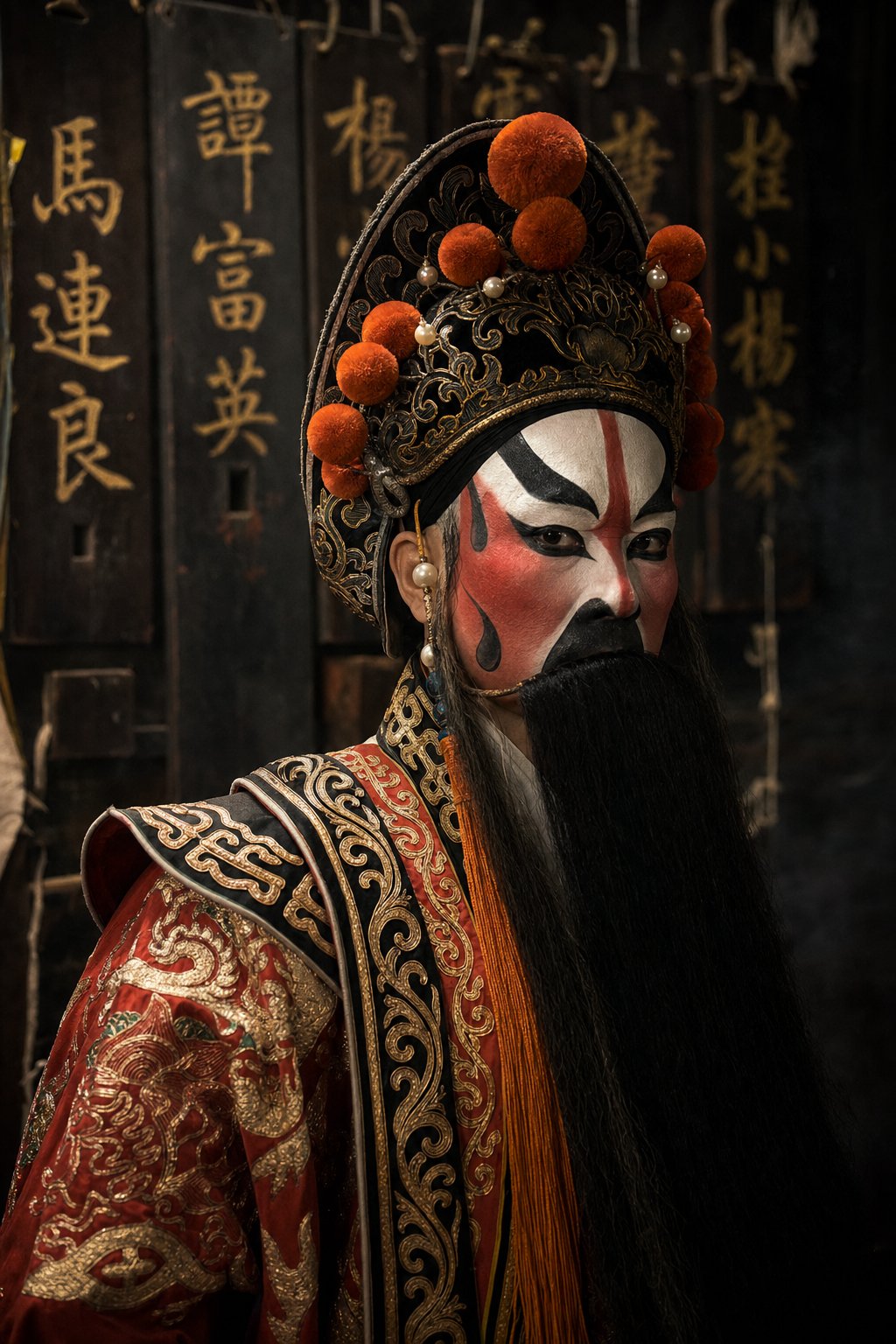
That ready-made framework found its most structured expression inside the training halls and troupes of Peking opera (京剧/jīngjù). While scholars and poets had adopted art names on personal whim, opera performers turned naming into a system, one governed by lineage, hierarchy, and formal ceremony. This was where chinese stage name traditions shifted from individual choice to institutional practice.
Lineage Names and the Master-Student Naming System
Peking opera troupes functioned like extended families. When a child entered training, often as young as seven or eight, they were placed under a master who became a surrogate parent. The master did not just teach technique. They bestowed a stage identity. This identity followed a strict chinese name structure: the performer kept their chinese surname (or received the master's family name in some cases), and a generational character was inserted to mark which cohort of students they belonged to.
Think of it like a family tree, but for artistic lineage rather than blood. Every student trained under the same master shared a common character in their stage name, making their professional "generation" immediately visible to anyone in the opera world. Chinese generational names in opera served the same function they did in traditional clans: they signaled belonging, seniority, and pedigree at a glance.
The Mei family lineage offers the clearest example. Mei Qiaoling (梅巧玲/méi qiǎo líng), the grandfather, performed before the Dowager Cixi during the Qing Dynasty. His son Mei Zhufen continued the tradition. Then came Mei Lanfang (梅兰芳/méi lán fāng), who became the most internationally recognized Peking opera artist of the twentieth century. The Mei chinese last names carried weight not because of their literal meaning (plum blossom) but because of the artistic dynasty they represented. Understanding chinese family names and meanings in this context requires looking beyond dictionary definitions to the performance legacy attached to each character surname.
How Opera Troupes Assigned Generational Characters
Troupe-based naming went beyond individual master-student relationships. Large training academies like the Fuliancheng (富连成) school in Beijing enrolled dozens of students per cohort and assigned each class a shared generational character. A student's stage name immediately told insiders which year they entered training, who their classmates were, and where they ranked in the school's history. The system was rigid. You did not pick your own generational character. It was assigned through formal ceremony, and changing it was considered a serious breach of professional ethics.
Different regional opera traditions developed their own variations on this system. Here is how naming conventions compared across three major forms:
| Opera Tradition | Naming Convention | Key Feature | Example |
|---|---|---|---|
| Peking Opera (京剧) | Master-lineage generational character | Shared character marks training cohort and artistic "family" | Fuliancheng school classes: 喜 (xǐ), 连 (lián), 富 (fù), 盛 (shèng) |
| Kunqu (昆曲) | Troupe-based inherited names | Performers often retained birth names but added honorific titles reflecting role specialization | "Chuanzi" (传字) generation performers of Jiangsu troupes |
| Cantonese Opera (粤剧) | Self-chosen artistic names with poetic flair | Greater individual freedom; cantonese names often incorporated regional dialect wordplay and auspicious imagery | Sit Gok-sin (薛觉先), Mak Bing-wing (麦炳荣) |
You will notice that Cantonese opera allowed more personal creativity in naming, while Peking opera enforced stricter hierarchical rules. Kunqu sat somewhere in between, reflecting its older literary roots. These differences reveal how regional culture shaped even the mechanics of professional identity.
The opera system established something that had never existed before in Chinese performing arts: a standardized, institutionalized approach to stage naming where your name was not just personal expression but a public record of your training, your lineage, and your place in a living artistic tradition. Performing troupes were like big families, and a son following in his father's footsteps was not uncommon. In fact, children of opera performers often had no path outside the art form.
This institutional rigor would not last forever. As cinema arrived in the early twentieth century and new forms of celebrity emerged, the tight grip of lineage-based naming began to loosen, giving way to a very different set of pressures and possibilities.
Stage Names Across Eras From Cinema to Reform
Cinema changed everything. When motion pictures arrived in Shanghai in the 1910s, a new kind of performer emerged, one who needed a public identity built for mass media rather than opera lineage. The rigid master-student naming system could not serve this new world. What followed was a century of dramatic shifts in how Chinese artists named themselves, shaped by politics, ideology, and cultural ambition in equal measure.
Republican-Era Film Stars and Glamorous Reinvention
Shanghai in the 1920s and 1930s was China's Hollywood. Early film stars crafted stage names that blended traditional poetic aesthetics with the glamour of Western cinema culture. These were not lineage markers. They were personal brands designed to evoke beauty, mystery, and modernity.
Consider Butterfly Wu (胡蝶/Hú Dié), known as the "Queen of the Movies." Her stage name literally meant "butterfly," evoking grace and transformation. It was a deliberate departure from the rigid naming conventions of opera. Other famous chinese names from this era followed similar patterns: Ruan Lingyu (阮玲玉), Zhou Xuan (周璇), and Li Xianglan (李香兰) all carried chinese first names chosen for their lyrical beauty and emotional resonance rather than generational hierarchy. These names sounded elegant, photographed well in print, and carried just enough traditional charm to feel authentically Chinese while projecting cosmopolitan sophistication.
The most popular chinese names of this era shared common traits: two-character given names with musical tonal flow, characters evoking nature or precious objects, and a deliberate avoidance of anything too common or plain. Typical chinese names for everyday people would never appear on a movie poster. The Republican-era stage name was aspirational by design.
Communist-Era Restrictions on Artistic Self-Naming
After 1949, the cultural landscape shifted dramatically. The new government viewed glamorous stage names as bourgeois affectation, relics of a decadent capitalist entertainment industry. During the Cultural Revolution (1966-1976), individual artistic identity itself came under attack. As theatre historian Lin Kehuan documents, this was "a decade of turmoil and suffocating suppression, especially for Chinese intellectuals." Performers were expected to serve the people, not cultivate personal celebrity.
Stage names that sounded too elegant, too Western-influenced, or too individualistic were abandoned or forcibly changed. Common chinese names reflecting revolutionary values replaced poetic invention. Artists adopted plain, proletarian-sounding identities or simply used their birth names. The entire concept of artistic self-naming was treated with suspicion. Why would a servant of the people need a special name?
The Post-Reform Entertainment Boom and New Freedoms
When the reform era began in the late 1970s, creative naming slowly returned. Chinese theatre artists, recharged with hope after years of suppression, threw themselves into new forms of expression. The 1980s brought experimental theatre, pop music, and eventually a booming film and television industry that needed stars with memorable identities.
By the 1990s, marketization engulfed almost all aspects of society, including cultural activities. This made it possible for artists to explore freely outside existing institutions. Stage names returned, but with new influences: Hong Kong and Taiwanese pop culture, Japanese idol naming conventions, and eventually Korean entertainment industry practices all left their mark on how mainland Chinese performers chose their public identities.
The following table captures how naming freedom evolved across these three pivotal periods:
| Era | Naming Freedom | Common Patterns | Cultural Drivers |
|---|---|---|---|
| Republican Era (1910s-1940s) | High individual freedom | Poetic, glamorous names blending traditional aesthetics with Western influence | Shanghai cosmopolitanism, cinema culture, commercial star system |
| Communist Era (1949-1976) | Severely restricted | Plain names, revolutionary vocabulary, birth names preferred over artistic personas | Anti-bourgeois ideology, collectivism, Cultural Revolution suppression |
| Post-Reform Era (1980s onward) | Gradually expanding | Diverse styles: single-character names, English-influenced names, agency-assigned identities | Market economy, pop culture imports, digital media, globalization |
Each era did not simply replace the last. Traces of Republican-era elegance still surface in modern chinese first names chosen for performers. Revolutionary-era plainness persists among artists who want to project authenticity. The post-reform period absorbed all previous traditions and added commercial calculation to the mix, creating a naming landscape where artistic aspiration, cultural memory, and market strategy collide.
That collision is no longer left to individual artists or their families. Today, entire teams of professionals manage the process, turning stage name selection into a calculated science driven by data, superstition, and brand strategy in equal parts.
The Modern Industry Machine Behind Stage Name Selection
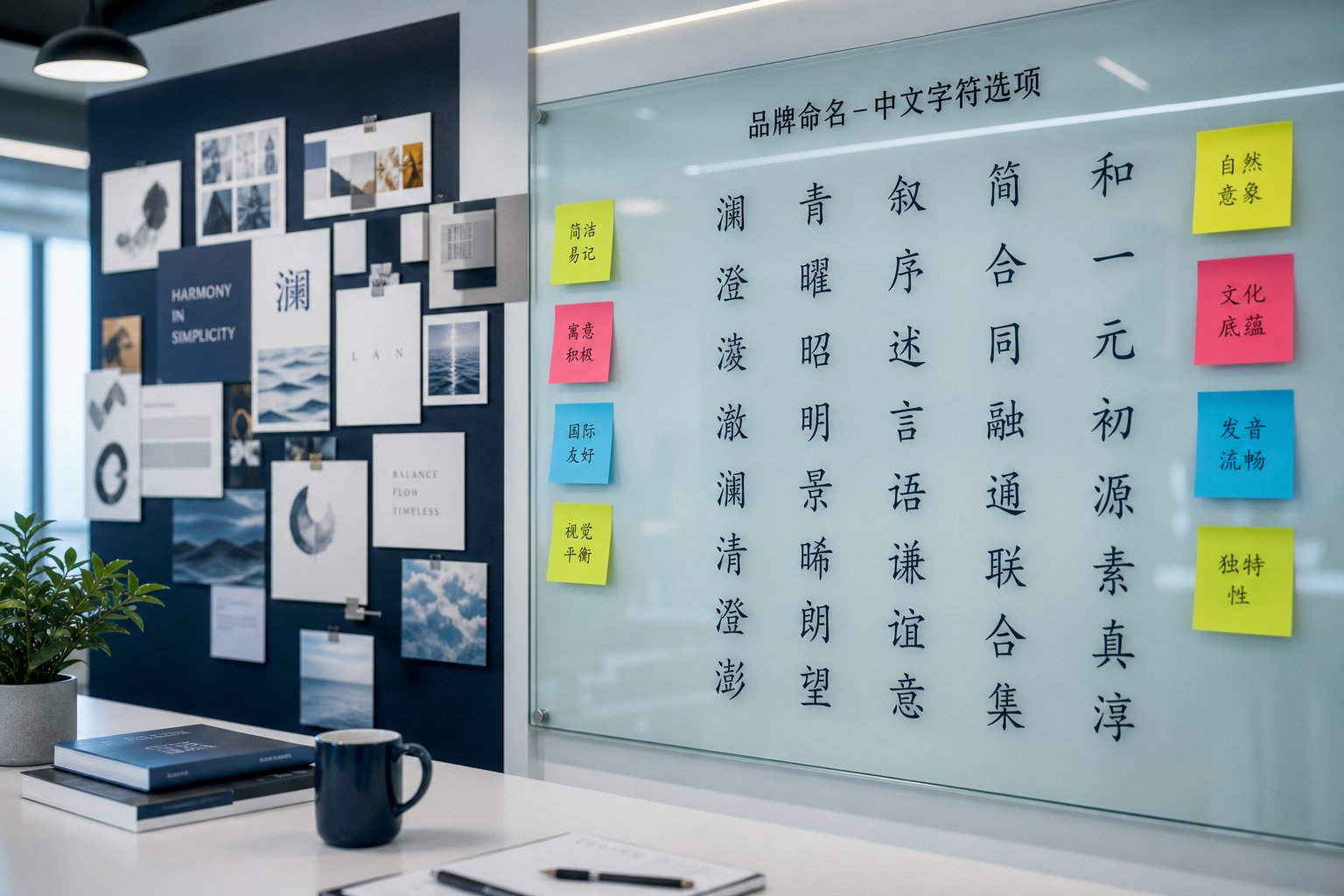
In today's Chinese entertainment landscape, a trainee rarely gets to pick their own name in chinese. That decision belongs to a team: managers, branding consultants, and sometimes even numerology advisors working together to engineer an identity optimized for commercial success. The romantic era of poets choosing their own art names has given way to something far more systematic.
How Entertainment Agencies Select Stage Names for Trainees
Chinese idol training systems, heavily influenced by the K-pop model pioneered by South Korean agencies, treat stage name selection as a strategic branding exercise. When trainees enter companies like Yuehua Entertainment, Wajijiwa, or IQIYI's survival show pipelines, they often receive new identities months before debuting. The process mirrors what happens in Korean entertainment. As documented cases from K-pop show, agency heads and training instructors frequently assign names based on the image they want an artist to project. EXO's Suho received his name to embody "protection" as a leader, while Red Velvet's Joy was named by her instructor to reflect her bright smile. Chinese agencies adopted this top-down approach wholesale.
The K-pop influence also accelerated the rise of single-character and abbreviated stage names in China. Where traditional chinese stage name traditions favored two or three character combinations rich with layered meaning, modern idol culture prizes brevity. A 3 letter chinese name or even a single syllable cuts through the noise of social media feeds. Think of how Chinese rapper GAI (盖) or singer LuHan (鹿晗) function as instantly recognizable brands. Shorter names travel faster across platforms and languages.
Commercial Branding and Phonetic Strategy in Modern Names
Agencies do not simply brainstorm names and characters that sound pleasant. They run candidates through a checklist that would surprise anyone unfamiliar with the industry's rigor. Selecting name chinese characters involves balancing aesthetics, superstition, and digital-age practicality simultaneously.
Here are the key factors modern agencies weigh when finalizing a stage name:
- Memorability - Can fans recall and type the name after hearing it once?
- Character meaning - Does the chinese name interpretation carry positive, aspirational connotations?
- Stroke count - Is the total stroke count numerologically favorable according to traditional analysis?
- Phonetic flow - Do the tones create a pleasing melodic pattern when spoken aloud in Mandarin?
- Digital searchability - Is the name unique enough to dominate search results without competing against common words?
- International accessibility - Can non-Chinese speakers pronounce it without mangling the sounds beyond recognition?
That last point has grown increasingly important. Agencies now think about how a name will function as a Weibo hashtag, a Douyin handle, and an Instagram username simultaneously. Some teams essentially use an internal chinese name converter process, testing how a Chinese name translates phonetically into English, Japanese, and Korean to ensure it does not carry embarrassing meanings in other languages. It is not quite an asian names generator algorithm, but the logic is similarly data-driven: input desired traits, output viable candidates, then filter for cultural and commercial fit.
The result is a stage name that feels personal but is engineered from the ground up. Fans may never know that their favorite idol's name was selected from a shortlist of twenty options, each tested against market research and phonetic analysis. The name feels like destiny. In reality, it is design.
Yet even the most data-savvy agency cannot ignore the deeper cultural forces at play. Behind the spreadsheets and search engine tests, older beliefs about fortune, fate, and cosmic balance still hold enormous sway over which characters make the final cut.
Superstitions and Taboos That Shape Stage Name Choices
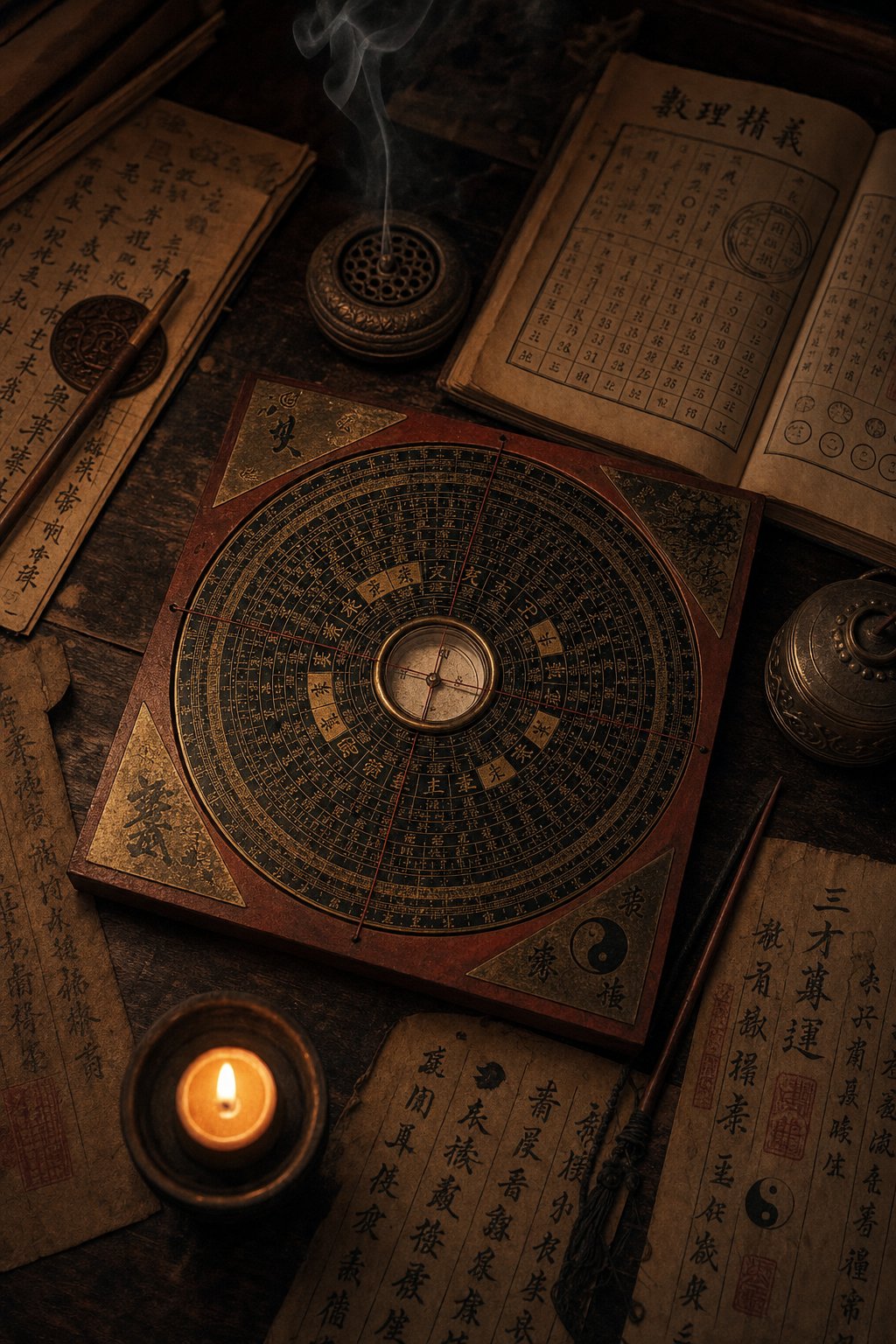
Fortune, fate, and cosmic balance are not abstract concepts in the Chinese entertainment world. They are practical considerations that can make or break a name before it ever reaches the public. Even agencies armed with market data and branding consultants will pause the entire process to consult a naming master or run stroke count calculations. Why? Because in Chinese culture, the meaning of chinese names extends far beyond dictionary definitions. It reaches into numerology, elemental philosophy, and a web of taboos that most outsiders never see.
Stroke Count and Five Elements Theory in Name Selection
Imagine being told that the number of brushstrokes in your name could influence your career trajectory. Sounds extreme? In Chinese naming tradition, stroke count analysis (笔画/bǐhuà) is taken seriously enough that parents pay thousands of yuan to feng shui masters for names with favorable counts. Performers and their teams apply the same logic. Each character in a name has a fixed number of strokes, and the total is evaluated against numerological charts that assign fortune values to specific numbers. Certain totals are considered lucky, others neutral, and some actively harmful to a career.
Then there is the five elements theory, or Wu Xing (五行/wǔxíng). This system divides all things into five dynamic phases: metal (金/jīn), wood (木/mù), water (水/shuǐ), fire (火/huǒ), and earth (土/tǔ). These are not static categories. They interact in cycles of generation and destruction. Water feeds wood, wood fuels fire, fire creates earth, earth bears metal, and metal enriches water. When a naming master evaluates a potential stage name, they consider which element the performer's birth chart lacks or has in excess, then select characters that restore balance.
A performer born with too much fire in their chart might receive a stage name containing water-element characters like Ze (泽, meaning grace or nourishment) or Qing (清, meaning clarity). Someone lacking earth might get a name with An (安, meaning peace) or Kun (坤, representing the receptive earth). The chinese name meaning is not just about what the character says on the surface. It is about what elemental energy it carries beneath. Understanding chinese names and meanings at this level requires recognizing that each character belongs to an elemental family, and the right combination can theoretically harmonize a person's destiny.
Homophones to Avoid and Characters That Bring Fortune
Chinese is a tonal language with an enormous number of homophones, and this creates a minefield for anyone choosing a name. The most famous example: the number four (四/sì) sounds nearly identical to the word for death (死/sǐ). As documented in Chinese cultural taboos, this phonetic overlap makes four so unlucky that buildings skip the fourth floor, phone numbers avoid it, and rent drops for addresses containing it. The same principle applies to stage names. Any character whose pronunciation echoes something negative, morbid, or embarrassing is immediately disqualified.
But homophones cut both ways. Characters that sound like lucky words become highly desirable. The mandarin name meaning of a character matters, but so does what it sounds like when spoken aloud. A name that phonetically echoes prosperity (发/fā), longevity (寿/shòu), or success (成/chéng) carries an extra layer of good fortune simply through sound association.
Beyond phonetics, there is the taboo of 犯讳 (fànhuì), which forbids using characters from a senior artist's name or a political figure's name. If a legendary performer already claims a particular character as part of their identity, a younger artist using that same character is seen as disrespectful, even presumptuous. It signals that you are placing yourself on equal footing with someone who has earned decades of respect. In practice, this means naming teams must cross-reference proposed names against a mental database of established stars and historical figures to avoid accidental offense.
The following table illustrates how these forces play out in actual character selection:
| Character | Pinyin | Meaning | Status | Reason |
|---|---|---|---|---|
| 瑞 | ruì | Auspicious, lucky omen | Highly favorable | Directly signals good fortune; pleasing tonal quality |
| 煜 | yù | To shine, illuminate | Favorable | Fire element; suggests brilliance and visibility |
| 梓 | zǐ | Catalpa tree (valued wood) | Favorable | Wood element; implies being shaped into something beautiful |
| 思 | sī | To think, to miss | Caution needed | Phonetically close to 死 (sǐ, death) in some dialects |
| 散 | sàn | To scatter, break apart | Avoided | Implies dissolution; echoes separation and loss |
| 凡 | fán | Ordinary, mundane | Context-dependent | Some artists embrace it for humility; others avoid it as limiting |
You will notice that names in chinese and meanings are never evaluated in isolation. A character that looks perfect on paper might fail the phonetic test, clash with a senior artist's identity, or belong to the wrong elemental category for a particular performer's birth chart. The process is cumulative. Every layer of analysis must align before a name gets approved.
Some performers take this so seriously that they change their stage names mid-career after a string of bad luck, believing the original name's energy was misaligned. Others consult multiple naming masters and only proceed when all agree. The result is a naming culture where chinese names meaning operates on multiple simultaneous frequencies: visual, phonetic, elemental, numerological, and social. No single factor dominates. All must harmonize.
These internal cultural forces shape how a name functions domestically. But Chinese artists increasingly face a different challenge: making their carefully constructed identities work across languages, cultures, and global fan bases that read names through entirely different frameworks.
Cross-Cultural Naming for Domestic and Global Audiences
A carefully balanced Chinese stage name might resonate perfectly in Mandarin, but what happens when that artist steps onto a global stage? The challenge is real: characters that carry layered meaning in Chinese become opaque symbols to international audiences. Tonal beauty disappears in romanization. And a name optimized for Weibo searchability might be unpronounceable on an English-language talk show. Chinese artists navigating international careers face a fundamental question: how do you translate an identity built on Chinese cultural logic into something that works across languages?
Strategies for Creating International Stage Names
There is no single formula for converting chinese names into english-friendly identities. Artists and their teams choose from several distinct strategies, each with different tradeoffs between cultural authenticity and global accessibility. Some prioritize phonetic continuity, others prioritize meaning, and some abandon the connection entirely in favor of a fresh international brand.
Here are the most common cross-cultural naming approaches used by Chinese performers:
- Phonetic echo - The english name chinese name pairing sounds similar across both languages. Example: singer LuHan (鹿晗) uses his Chinese name's pinyin directly, which happens to be easy for English speakers to pronounce. Jackson Wang (王嘉尔/Wáng Jiā'ěr) chose "Jackson" partly because it shares a rhythmic cadence with his Chinese given name.
- Meaning-based translation - The English name carries the same semantic content as the Chinese original. This is less common for stage names but appears in literary and artistic contexts where the chinese name translation preserves poetic intent across languages.
- Completely separate persona - The artist adopts an English name with no phonetic or semantic link to their Chinese identity. Angelababy (杨颖/Yáng Yǐng) is the most famous example. Her English stage name bears zero connection to her birth name Yang Ying, functioning as an entirely independent brand for international audiences.
- Pinyin-only approach - The artist simply romanizes their Chinese stage name without adopting a Western name at all. Performers like Cai Xukun (蔡徐坤) and Dilireba (迪丽热巴) use pinyin romanization internationally, betting that global fans will learn the original rather than needing a Western substitute.
Each strategy signals something different about how an artist positions themselves. The phonetic echo approach says: my identity is rooted in Chinese culture, but I am making it accessible. The separate persona says: I am building a distinct global brand that does not depend on my domestic identity. The pinyin-only approach says: take me as I am.
When Chinese and English Stage Names Tell Different Stories
The relationship between an artist's Chinese and English identities is not always harmonious. Sometimes the two names project entirely different images. A performer's Chinese stage name might signal humility and classical refinement, while their English name projects edgy modernity. This dual identity is not accidental. It reflects the reality that domestic Chinese audiences and international fans read names through completely different cultural frameworks.
Fan culture in China adds another layer of complexity. Chinese fans engage with stage names as creative material in ways Western audiences rarely do. They build elaborate wordplay from character components, create nickname systems based on name radicals, and use name-based puns as terms of endearment. A stage name's internal structure, its radicals, homophones, and visual symmetry, becomes raw material for fan creativity. When fans dissect a name's characters and invent affectionate variations, they are participating in the same tradition of name-based play that Chinese literati practiced centuries ago.
Stage names also function as genre markers and agency signals within the domestic industry. Fans familiar with naming patterns can often guess which company manages an artist or what musical genre they occupy just from the style of their name. A single-character name might signal hip-hop affiliation. A three-character name with classical imagery might indicate a ballad singer or actor. These codes are invisible to international audiences, who read the same name purely as a label.
The political dimension cannot be ignored either. Chinese screenwriter Wang Hailin claimed in 2022 that the National Radio and Television Administration required Chinese artists to stop using foreign-language names, including names that merely look foreign. Actress La Mu Yang Zi announced she would revert to her birth name Li Jiaqi, and the implication was clear: deriving a chinese name from english name conventions or using English stage names domestically had become politically sensitive. The alleged policy reflected broader tensions around cultural identity and foreign influence in Chinese media.
For artists building careers that span both markets, the challenge of creating a chinese name from english or an english to chinese name equivalent is not just linguistic. It is political, cultural, and strategic. The two identities must coexist without contradicting each other, serving different audiences while still feeling like they belong to the same person. Getting that balance wrong can alienate domestic fans who see Western naming as pretentious, or confuse international audiences who cannot connect the dots between two seemingly unrelated identities.
These cross-cultural tensions highlight something deeper about how chinese stage name traditions function compared to their Western counterparts. The gap is not just about language. It is about fundamentally different assumptions regarding what a name is supposed to do.
How Chinese Stage Names Differ From Western Traditions
When a Western artist picks a stage name, the question is usually simple: does it sound good, and will people remember it? Lady Gaga, The Weeknd, Lana Del Rey. These names are branding exercises. They create mystique, signal genre, and stick in your memory. The underlying logic is commercial. A good Western stage name is a good product name.
Chinese stage names operate on an entirely different plane. They are not just labels. They are layered cultural documents that communicate artistic lineage, philosophical aspiration, generational respect, elemental balance, and social positioning simultaneously. A knowledgeable Chinese audience reads a stage name the way a Western audience might read a resume, extracting information about training, affiliations, and ambitions from just two or three characters.
Chinese stage names are read as cultural texts, not just labels. Where Western stage names ask "is this memorable?" Chinese stage names ask "what does this say about who I am, where I come from, and what cosmic forces support my path?"
Cultural Expectations and Social Signaling in Chinese Stage Names
Understanding how do chinese names work in the entertainment context means recognizing that audiences bring deep cultural literacy to the act of reading a name. When a Chinese viewer encounters a new performer's stage name, they instinctively decode multiple layers. Which characters were chosen? Do they reference classical poetry or modern slang? Is the chinese name order traditional, with the surname first, or does it break convention? Does the name echo a senior artist's identity, suggesting lineage, or does it carve entirely new ground?
Western audiences rarely ask "are chinese names last name first" when encountering asian names in entertainment. But for domestic Chinese audiences, the order of chinese names and the structural choices within them carry immediate social meaning. A performer who uses a single character with no surname signals modernity and K-pop influence. A performer who retains a full three-character name with classical imagery signals rootedness in tradition. These are not neutral choices. They position an artist within a cultural landscape before they sing a single note.
Chinese name conventions also encode respect hierarchies that have no Western equivalent. A younger artist whose name shares characters with a legendary predecessor will face public scrutiny. Fans and industry insiders will ask whether the similarity is intentional homage or accidental disrespect. This kind of social reading simply does not happen in Western entertainment, where two artists sharing a name element carries no cultural weight whatsoever.
Legal and Professional Usage Norms Unique to China
The practical differences extend into legal territory. In most Western countries, a stage name is informal. You can perform under any name you like without changing official documents. In China, the relationship between a stage name and legal identity is more complex because of the hukou (household registration) system, which ties a citizen's access to social services, education, and administrative processes to their registered name and location.
A performer's hukou records their legal birth name, not their stage name. This creates a formal split between public identity and administrative identity that Western artists rarely navigate. Contract disputes, property ownership, and even social media verification all require reconciling the stage name with the hukou-registered identity. Some artists eventually undergo the bureaucratic process of legally changing their registered name to match their stage name, but this is neither simple nor common. The hukou system means that a Chinese stage name exists in a different legal ecosystem than a Western one, carrying practical consequences that go beyond branding.
Chinese name order also matters in professional contexts. Industry contracts, credits, and official communications follow strict conventions about how names appear. The surname-first structure is not optional in formal Chinese usage, and deviating from it in domestic contexts signals either foreign influence or deliberate artistic rebellion. Western entertainment has no equivalent structural expectation.
Looking forward, digital culture and globalization are reshaping these traditions without erasing them. Social media platforms compress names into hashtags and handles, pushing toward brevity. International collaborations demand pronounceability across languages. Younger artists increasingly treat naming as personal branding rather than cosmic alignment. Yet the core cultural values persist. Stroke count still gets checked. Senior artists' characters still get avoided. Elemental balance still matters to families and managers who grew up in a world where names carry fate.
The result is a naming culture in transition: ancient beliefs filtered through modern commerce, traditional respect hierarchies negotiated alongside algorithmic optimization, and a system that remains fundamentally distinct from anything in Western entertainment. Chinese stage names will continue to evolve. But they will never be just labels.
Frequently Asked Questions About Chinese Stage Name Traditions
1. What is a Chinese stage name and how is it different from a birth name?
A Chinese stage name (艺名/yimíng) is a professionally adopted identity used by entertainers that carries philosophical, aesthetic, and social meaning beyond simple branding. Unlike birth names given by parents, stage names sit within a layered naming hierarchy that includes courtesy names and art names. Each character is chosen for its visual form, tonal quality, and semantic meaning, making it a cultural declaration rather than just a convenient label for public recognition.
2. How do Chinese entertainment agencies choose stage names for artists?
Modern Chinese agencies treat stage name selection as a strategic process involving managers, branding consultants, and sometimes numerology advisors. They evaluate candidates against multiple criteria including memorability, character meaning, stroke count favorability, phonetic tonal flow, digital searchability, and international pronounceability. The K-pop training model heavily influenced this systematic approach, with agencies often assigning names months before an artist's debut based on the image they want to project.
3. Why do superstitions and numerology matter in Chinese stage name selection?
Chinese naming culture treats characters as carriers of cosmic energy. Stroke count analysis assigns fortune values to specific numerical totals, while Five Elements theory (Wu Xing) requires balancing metal, wood, water, fire, and earth energies based on a performer's birth chart. Homophones also matter critically because characters sounding like negative words (such as four/si resembling death/si) are avoided, while those echoing prosperity or success are favored. Many performers consult naming masters to ensure all these forces align before finalizing a name.
4. How did Peking opera establish systematic stage naming conventions?
Peking opera transformed stage naming from individual choice into institutional practice through the master-student lineage system. When trainees entered a troupe, they received a generational character from their master's artistic lineage, making their training cohort and professional pedigree immediately visible to insiders. Large academies like Fuliancheng assigned each class a shared character through formal ceremony, creating a standardized system where a performer's name served as a public record of their training, lineage, and place within a living artistic tradition.
5. How do Chinese artists manage stage names for both domestic and international audiences?
Chinese performers use several strategies for cross-cultural naming: phonetic echo (where the English and Chinese names sound similar), meaning-based translation (preserving semantic content across languages), completely separate personas (unrelated English brands), or pinyin-only approaches (romanizing the Chinese name directly). Each strategy signals different positioning. Political sensitivities also play a role, as Chinese authorities have reportedly discouraged foreign-language stage names for domestic use, adding a regulatory dimension to what is already a complex cultural and commercial decision.