What Makes Chinese Startup Naming a Unique Phenomenon
When Coca-Cola became "kekou kele" (delicious happiness) in China, it was a masterclass in localization. But that story gets told constantly. What rarely gets examined is the opposite direction: how Chinese startups choose company names from scratch, working within their own linguistic system to build brands that resonate with over a billion consumers.
This is not an article about Western brands adapting for China. It is about the domestic naming strategies that produced Xiaomi, Pinduoduo, ByteDance, and hundreds of other companies now shaping global markets. The cultural significance of Chinese business naming runs deep, and the patterns that emerge reveal as much about strategy as they do about language itself.
Why Chinese Startup Names Deserve Their Own Analysis
Why are Chinese startup names unique? Consider this: a single Chinese character can carry meaning, sound, visual symbolism, and cultural resonance simultaneously. Founders are not just picking a word. They are selecting a compressed package of associations. A name like Xiaomi (millet) instantly signals accessibility and closeness to everyday life. That kind of layered encoding simply does not happen the same way in English.
The result is a naming ecosystem with its own logic, its own trends, and its own creative constraints. Understanding how Chinese startups choose company names means understanding a system where two or three characters do the work that entire taglines perform in Western branding.
The Linguistic Advantage of Character-Based Naming
Chinese characters allow startups to encode brand personality, aspiration, and memorability in just two or three syllables, each character carrying independent meaning that compounds into something greater than the sum of its parts.
Imagine building a brand name where every syllable is also a standalone concept. That is the Chinese character naming advantage for brands. Each character has its own meaning, its own visual weight on a screen or storefront, and its own tonal quality when spoken aloud. Alphabetic languages string together phonemes that often carry no individual meaning. Chinese founders work with building blocks that already mean something.
This linguistic richness creates a naming environment unlike anything in the West. It also produces identifiable patterns, recurring strategies, and sector-specific conventions that form a clear taxonomy worth mapping out.
How Chinese Business Names Are Structured
That linguistic richness does not exist in a vacuum. Chinese startups operate within a specific structural framework, both linguistic and regulatory, that shapes every naming decision from the first brainstorm to the final registration filing. Understanding the Chinese company name registration structure reveals how creativity and compliance coexist in this ecosystem.
The Anatomy of a Chinese Business Name
At the linguistic level, every character in a Chinese business name carries multiple dimensions of meaning. Founders evaluate characters across several criteria simultaneously:
Character selection goes beyond dictionary definitions. Each character contains a radical, a component that hints at its semantic category. A character with the water radical (氵) might suggest flow or abundance. One with the jade radical (王) can imply value and refinement. Startups choose characters whose radicals subtly reinforce their brand positioning.
Tonal considerations matter because Mandarin has four tones, and a single syllable can mean entirely different things depending on pitch. A name sounding pleasant in one tone might carry negative connotations in another. Founders test how their chosen characters sound when spoken aloud, in conversation, and across regional dialects where tonal patterns shift.
Stroke count symbolism adds another layer. In Chinese numerology, the total stroke count of a name can signal fortune or misfortune. Some founders consult naming specialists who calculate auspicious stroke totals, particularly in sectors like fintech and real estate where trust signals matter.
Visual balance rounds out the equation. Characters with too many strokes look cluttered on mobile screens. Characters that are too simple may lack gravitas. The best startup names strike a visual equilibrium that works on app icons, business cards, and digital storefronts alike.
Regulatory Constraints That Shape Creativity
Beyond linguistics, Chinese business naming regulations and rules impose a formal structure on every registered company. According to the official registration framework, domestic Chinese company names follow a required four-part structure:
- Registered Location (地域) - The geographic jurisdiction where the company is registered, such as a province, city, or county. Larger companies may register at the provincial level, while smaller startups typically register at the city or county level.
- Trade Name (字号) - The freely chosen portion of the name. This is where creative strategy lives. It can range from two to several characters and represents the brand's day-to-day identity.
- Industry Descriptor (行业) - A brief description of the company's field, such as "technology" (科技), "information" (信息), or "e-commerce" (电子商务). This element signals sector positioning.
- Organization Type (组织形式) - The legal entity classification, most commonly 有限公司 (Co., Ltd.) for startups structured as limited liability companies.
So a typical registered name reads something like: Beijing [Trade Name] Technology Co., Ltd. Sounds rigid? It is, structurally. But here is where startups get creative: the trade name component has no prescribed meaning or length requirement. That two-to-four character window becomes the canvas for all the linguistic strategy discussed above.
You will also notice that only nationally-owned state companies can begin their names with "China" (中国). Only foreign-owned entities can place their trade name first and put the location in brackets. These rules mean that the format of a company name itself communicates something about its ownership structure and scale to anyone familiar with the system.
The regulatory framework also prohibits names that violate public order or morality, and China's trademark system operates on a "first-to-file" basis. This means startups must move quickly to secure their chosen trade name before someone else registers it. The constraint drives founders toward distinctive, less obvious character combinations rather than generic aspirational terms that competitors might already hold.
What emerges from these overlapping linguistic and legal pressures is a naming environment that rewards precision. Founders who understand both the creative possibilities of character selection and the structural boundaries of registration produce names that feel effortless but are anything but. The real artistry lies in making a name that satisfies regulators, resonates culturally, and stands out in a market where millions of companies compete for consumer attention.
A Taxonomy of Chinese Startup Naming Patterns
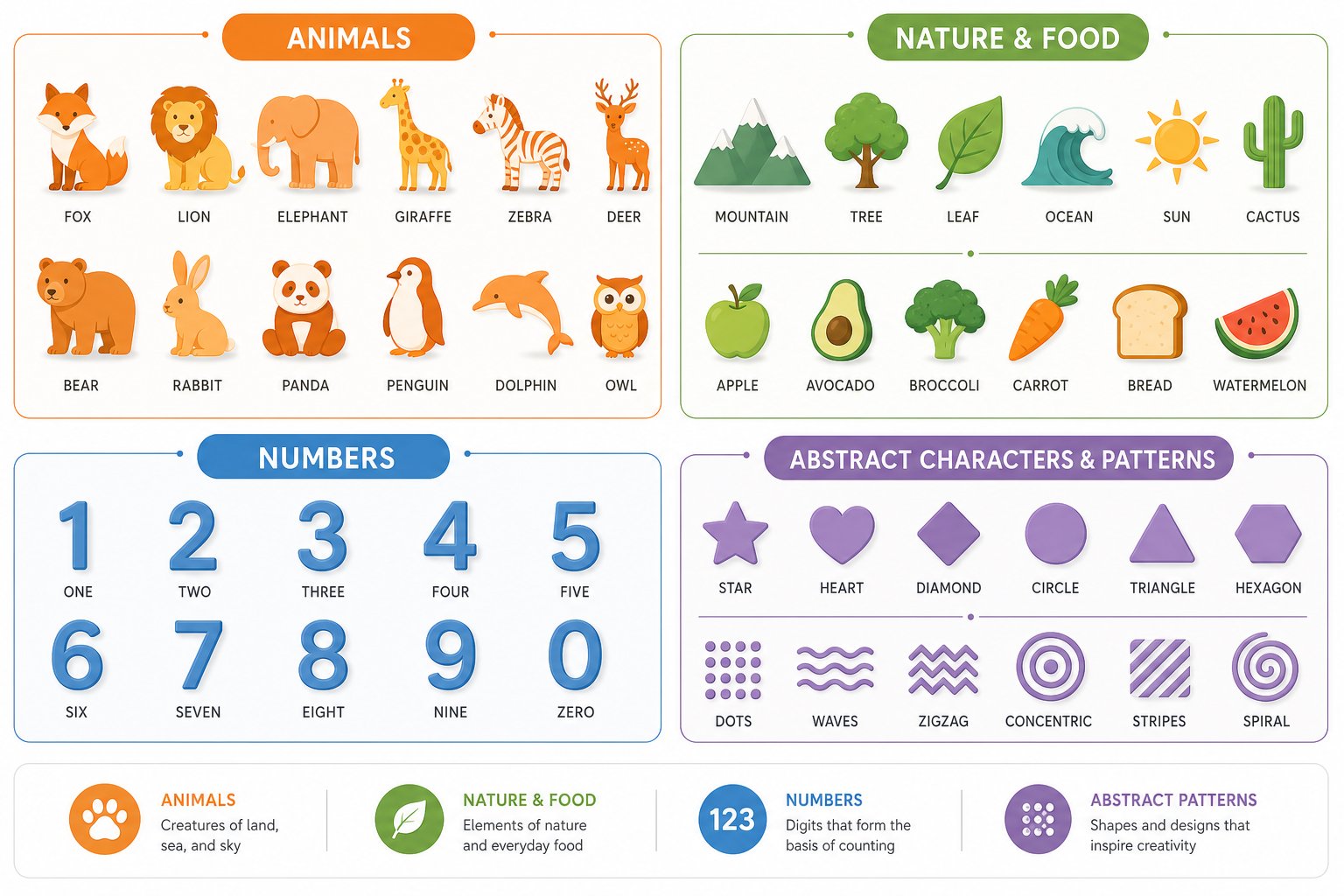
That precision in character selection produces identifiable patterns when you zoom out and look at the ecosystem as a whole. Hundreds of successful Chinese startups have launched over the past two decades, and their naming choices cluster into distinct categories, each with its own strategic logic. Think of it as a Chinese brand naming taxonomy: a map of the creative strategies founders deploy within those linguistic and regulatory constraints.
Animal and Nature-Inspired Names
Animal names in Chinese tech companies are everywhere, and Alibaba's ecosystem alone reads like a zoo. Alibaba Group owns 29 businesses, nearly all branded with animal identities: Tmall (sky cat), Ant Group (ant), Cainiao (rookie bird), Fliggy (flying pig), Xianyu (leisure fish), and Fengniao (hummingbird). Beyond Alibaba, you will find Maoyan (Cat's Eye) in entertainment ticketing and Tuniu (途牛, journey ox) in travel.
Why animals? They are instantly visual, emotionally warm, and easy to remember. As Alibaba's branding demonstrates, each animal encodes a specific philosophy. The ant represents collective power of individuals working together. The flying pig suggests that curiosity can take you anywhere. Animals give startups a shortcut to personality without needing explanation.
Food and nature names follow similar logic. Xiaomi (millet) signals something humble and nourishing. Guazi (melon seeds) evokes casual snacking, fitting for a used-car platform where browsing feels low-pressure. These names borrow the familiarity of everyday objects to make technology feel approachable rather than intimidating.
Numeric and Playful Character Patterns
Why do Chinese startups use numbers in names? Numbers carry phonetic and symbolic weight in Chinese culture. 58.com works because "wu ba" sounds close to "wo ba" (I'll handle it), suggesting helpfulness. 360 implies comprehensive protection, covering all angles. These numeric names are short, memorable, and domain-friendly in an era when good .com addresses were scarce.
Playful character combinations represent another category entirely. Pinduoduo (拼多多) repeats the character "duo" (more) twice, creating a rhythmic, almost childlike sound that sticks in your head. The repetition reinforces the platform's core promise: together, more, more. Didi (滴滴, drip drip) uses onomatopoeia to mimic a car horn. These names prioritize sonic memorability over semantic depth.
English-Hybrid and Invented Compound Names
Some startups skip Chinese-first naming entirely. ByteDance chose an English name that signals technological ambition and global reach from day one. Similarly, companies like SenseTime and OnePlus use English to position themselves as international players rather than domestic-only brands.
Compound character inventions sit at the other end of the spectrum. Startups occasionally combine radicals or repurpose obscure characters to create names that feel fresh yet linguistically grounded. These invented compounds work because they leverage the building-block nature of Chinese characters, assembling familiar components into unfamiliar but intuitive combinations.
| Category | Strategy | Real Examples | Typical Sector |
|---|---|---|---|
| Animal Names | Emotional warmth, instant visual identity, personality encoding | Ant Group, Tmall (Cat), Maoyan (Cat's Eye), Cainiao (Bird) | Fintech, E-commerce, Entertainment |
| Food and Nature | Everyday familiarity, approachability, low-pressure associations | Xiaomi (Millet), Guazi (Melon Seeds), Mogujie (Mushroom Street) | Consumer Tech, Marketplaces |
| Numeric | Phonetic wordplay, brevity, domain availability, cultural symbolism | 58.com, 360, 51job | Classifieds, Security, Recruitment |
| Playful Repetition | Sonic memorability, rhythmic stickiness, childlike appeal | Pinduoduo (More More), Didi (Drip Drip) | E-commerce, Ride-hailing |
| English-Hybrid | Global positioning, tech-forward signaling, international accessibility | ByteDance, SenseTime, OnePlus | AI, Hardware, Global Tech |
| Compound Inventions | Linguistic novelty, radical recombination, distinctiveness | Bilibili, Zhihu (Know Almost) | Content, Social, Knowledge |
These Chinese startup naming patterns and categories are not mutually exclusive. Some companies blend strategies, pairing a playful Chinese name with a separate English brand for international markets. The taxonomy reveals something deeper: each category maps to a specific brand positioning goal. Animal names build warmth. Numbers build efficiency signals. English hybrids build global credibility. The choice of category is itself a strategic declaration about where a startup sees itself heading.
The Strategy Behind Famous Chinese Startup Names
Knowing the categories is one thing. Seeing how specific founders applied these strategies, and why, reveals the real decision-making behind names that now represent hundreds of billions in market value. Each of these companies faced the same blank canvas: a two-to-four character window in a registration form. What they chose, and the reasoning behind it, offers a masterclass in how Chinese tech founders choose startup names.
Decoding Xiaomi, Alibaba, and Pinduoduo
The meaning behind Xiaomi company name is deceptively simple. Xiaomi (小米) literally translates to "millet," a humble grain that has sustained Chinese households for thousands of years. According to WIPO's profile on the company, the name derives from a Chinese meal that the founders ate before officially starting the business: a millet porridge called "Xiaomi Zhou" in Chinese. That origin story is almost too casual, which is exactly the point. Lei Jun wanted a name that felt close to everyday life, accessible rather than aspirational. A grain of millet says: this technology is for everyone, not just the elite.
But there is a second layer. The "MI" in the company's logo stands for "Mobile Internet." It also resembles the Chinese character "心" (heart) rotated 180 degrees. So a single two-character name simultaneously communicates humility, technological focus, and emotional connection. That is the kind of density only character-based naming allows.
Why did Alibaba choose its brand name? Jack Ma has told the story many times: he was in a San Francisco coffee shop and asked a waitress if she knew the name "Alibaba." She did, and she associated it with "Open Sesame" — the magical phrase that unlocks treasure. Ma tested the name with people across multiple countries and found universal recognition. The story of Ali Baba and the Forty Thieves transcends language barriers, giving the company instant global storytelling power. Unlike most Chinese startup names that prioritize domestic resonance, Alibaba was designed from day one to work internationally. The name carries no Chinese characters in its primary brand identity, a deliberate choice that signaled Ma's ambition to build a global trading platform.
Pinduoduo's name meaning and strategy takes a completely different approach. Pin (拼) means "to group together" or "to combine efforts." Duo (多) means "more" or "many." Repeating "duo" twice creates Pinduoduo (拼多多): together, more, more. The repetition is not accidental. It makes the name rhythmically sticky, almost like a chant. You hear it once and it lodges in memory. But the meaning also encodes the platform's entire business model: group buying, where more people joining means more savings for everyone. The name is the value proposition.
Meituan (美团) follows yet another logic. Mei (美) means "beautiful" or "good," and tuan (团) means "group" or "collective." Together: beautiful group, or more colloquially, great deals together. The name signals collective benefit and positive outcomes, fitting for a platform that started as a group-buying service before expanding into food delivery, travel, and local services. It is warm without being playful, professional without being cold.
What Founder-Named Brands Reveal About Strategy
ByteDance's naming strategy for global expansion stands apart from every example above. Founder Zhang Yiming did not choose a Chinese-first name and then adapt it. He helped create an English name that would work globally from the start. Zhang Yiming believes that "Byte" is very technological and "Dance" is very artistic, paying tribute to Apple founder Steve Jobs's philosophy of placing products at the intersection of technology, humanities, and art.
Zhang Yiming chose "ByteDance" because he saw "Byte" as deeply technological and "Dance" as inherently artistic, a deliberate tribute to Steve Jobs's vision of products living at the intersection of technology and the humanities.
That naming philosophy tells you everything about ByteDance's positioning. This was a company that, from its earliest days, rejected the domestic-only playbook. While Pinduoduo leaned into Chinese linguistic rhythm and Xiaomi drew from Chinese food culture, ByteDance signaled that it was building for the world. The company's Chinese name, Zijie Tiaodong (字节跳动), is essentially a direct translation of the English, which reverses the typical pattern where the Chinese name comes first and the English adaptation follows.
Some Chinese brands carry the name of their initiator, a pattern more common in earlier generations of business. But among the tech generation, founder-named brands are rare. Zhang Yiming, Lei Jun, Jack Ma, and Huang Zheng (Pinduoduo's founder) all chose to separate their personal identity from their company identity. This reflects a strategic shift: modern Chinese tech founders build brands meant to outlive their personal involvement. Lei Jun is synonymous with Xiaomi in public perception, but the brand itself carries no trace of his name. It carries millet, humility, and heart.
What connects all these naming decisions is intentionality. None of these names happened by accident or emerged from a random brainstorm. Each one encodes a specific market position: Xiaomi targets accessibility, Alibaba targets global recognition, Pinduoduo targets viral memorability, Meituan targets collective value, and ByteDance targets the intersection of technology and creativity. The name is not just a label. It is the first strategic declaration a startup makes about where it intends to compete and how it wants to be perceived.
These individual stories also reveal something about sector expectations. Consumer-facing platforms lean toward warmth and playfulness. Infrastructure and enterprise companies favor authority and precision. That pattern holds across the broader ecosystem, where naming conventions shift dramatically depending on whether a startup is selling to millions of consumers or to a handful of corporate clients.

Industry-Specific Naming Patterns Across Sectors
That split between consumer warmth and enterprise authority is not just a loose tendency. It is a consistent, observable pattern across the Chinese startup ecosystem. Different industries attract different naming conventions because the psychological job of a name changes depending on who is reading it. A consumer scrolling through an app store responds to different signals than a procurement officer evaluating enterprise software. Chinese founders understand this intuitively, and their character choices reflect it.
Consumer Tech and E-Commerce Naming Conventions
E-commerce naming trends in China lean heavily on marketplace metaphors and sensory familiarity. Think about what a marketplace actually is: a gathering place, a bazaar, a street full of options. Names in this sector encode that energy. Taobao (淘宝) means "searching for treasure," turning online shopping into a treasure hunt. Xianyu (闲鱼, idle fish) suggests casual browsing with no pressure, like a fish drifting through water. Mogujie (蘑菇街, Mushroom Street) evokes a quirky shopping lane you might wander down out of curiosity.
The common thread? These names make commerce feel like discovery rather than transaction. Characters associated with nature, play, and exploration dominate because they lower the psychological barrier to engagement. Nobody feels pressured by a mushroom or a melon seed.
Social media and content platforms follow a parallel logic but emphasize connection and fun over commerce. Douyin (抖音, vibrating sound) captures the kinetic energy of short video. Bilibili borrows its name from a beloved anime character's electric attack sound, instantly signaling its otaku community roots. Zhihu (知乎, know almost) uses a classical Chinese particle to give a knowledge-sharing platform an intellectual yet approachable feel. These names prioritize personality and community identity over utility.
AI, Fintech, and Enterprise Naming Signals
Chinese fintech company naming conventions shift dramatically toward trust, stability, and scale. When people hand over their money, they want reassurance, not playfulness. Ant Group (蚂蚁) is a notable exception that works precisely because it subverts expectations: the ant represents small individuals gaining collective financial power. But most fintech names lean toward characters suggesting prosperity (富), trust (信), safety (安), or union (联). LuFax (陆金所, Lu Jin Suo) combines "land" with "gold" and "place," evoking a solid, grounded repository of wealth.
How Chinese AI startups choose names reveals yet another set of priorities. Intelligence, depth, and cosmic scale dominate this sector's naming vocabulary. SenseTime (商汤) references Shang Tang, an ancient Chinese emperor known for wisdom and just rule, linking artificial intelligence to historical sagacity. Baichuan AI (百川, hundred rivers) draws from a classical idiom about rivers flowing to the sea, suggesting convergence and vastness. DeepSeek (深度求索) directly encodes "deep seeking," positioning the company as an explorer of profound knowledge. Moonshot AI (月之暗面, dark side of the moon) reaches for cosmic mystery and the unknown.
The pattern is clear: AI companies favor characters and concepts that suggest depth, breadth, and intellectual ambition. They want names that feel bigger than any single product, names that gesture toward the scale of what artificial intelligence might become.
Chinese SaaS company naming patterns and enterprise-focused startups take a more restrained approach. Professionalism and reliability matter more than personality here. DingTalk (钉钉, nail nail) uses repetition like Pinduoduo but with a harder edge: a nail is precise, fixed, reliable. Kingdee (金蝶, golden butterfly) balances elegance with the prosperity signal of gold. WPS (金山办公, Jinshan Office) leads with "gold mountain," a name suggesting both value and permanence. These names communicate that the product is serious, dependable, and built to last.
| Sector | Common Naming Themes | Character Preferences | Real Examples |
|---|---|---|---|
| E-Commerce | Discovery, treasure, gathering, casual browsing | 淘 (search), 宝 (treasure), 集 (gather), 街 (street) | Taobao, Xianyu, Mogujie, Guazi |
| Fintech | Trust, stability, prosperity, collective power | 金 (gold), 信 (trust), 安 (safety), 富 (wealth) | Ant Group, LuFax, JD Finance, WeBank |
| Social Media / Content | Connection, sound, play, community identity | 音 (sound), 知 (know), 友 (friend), 乐 (joy) | Douyin, Bilibili, Zhihu, Xiaohongshu |
| AI / Deep Tech | Intelligence, depth, cosmic scale, historical wisdom | 深 (deep), 智 (wisdom), 百 (hundred), 月 (moon) | SenseTime, DeepSeek, Baichuan AI, Moonshot AI |
| Consumer Brands | Lifestyle aspiration, beauty, freshness, personal identity | 美 (beautiful), 新 (new), 优 (excellent), 生 (life) | Meituan, Xiaohongshu, Perfect Diary |
| SaaS / Enterprise | Precision, reliability, professionalism, permanence | 金 (gold), 钉 (nail), 云 (cloud), 通 (connect) | DingTalk, Kingdee, WPS, Yonyou |
What this sector-by-sector breakdown reveals is that naming is not just a branding exercise. It is a positioning declaration. The characters a startup selects tell potential users, investors, and partners exactly which market it is playing in and what kind of relationship it wants to build. A fintech company named like a social media platform would confuse its audience. An AI startup named like a snack brand would undermine its credibility.
This sector alignment also evolves over time. As companies expand beyond their original category, some find their names constraining. Meituan started in group buying but now spans food delivery, hotel booking, and bike-sharing. Its name still works because "beautiful group" is abstract enough to stretch. But a name like Guazi (melon seeds) ties more tightly to its original casual-browsing positioning, making category expansion harder to signal through the brand alone.
Emerging AI startups increasingly push naming conventions toward the philosophical and the vast. Where earlier tech generations chose playful animals or everyday objects, the current wave of AI companies reaches for concepts that suggest limitless potential. This shift mirrors a broader confidence in the sector: these companies are not trying to seem approachable. They are trying to seem inevitable. And that ambition shows up first in the name, long before any product ships.
Domestic Identity vs. Global Expansion in Naming
That confidence does not stay contained within domestic borders. As Chinese startups scale internationally, they face a naming tension that Western companies rarely encounter: maintaining a character-based identity at home while building recognition in markets that cannot read, pronounce, or type Chinese characters. The result is a dual naming system that has become standard practice, but the strategies within it vary dramatically depending on a company's ambitions, sector, and cultural stance.
Dual Naming Strategies for Global Ambitions
Almost every Chinese startup planning international expansion maintains two names: a Chinese name for domestic brand equity and an English (or romanized) name for overseas markets. But how Chinese companies create international brand names is far from uniform. The approach a startup takes reveals its priorities, whether it values phonetic continuity, semantic resonance, or a clean break between identities.
Here are the main approaches startups take when creating international versions of their names:
- Direct translation - Converting the Chinese meaning into English. ByteDance (字节跳动, Zijie Tiaodong) is a near-literal translation where the English came first and the Chinese followed. This approach works when the meaning translates cleanly and carries the same connotations across cultures.
- Phonetic adaptation (pinyin-based) - Using the romanized pronunciation of the Chinese name. Huawei, Xiaomi, and Lenovo (derived from "Le" in its original Chinese name Legend/联想) all retain phonetic links to their Chinese identity. Pinyin vs English names for Chinese startups often comes down to whether the sounds feel natural to foreign ears.
- Completely separate names - Creating an entirely new brand for international markets with no phonetic or semantic connection to the Chinese original. Pinduoduo launched its overseas shopping platform as Temu, a name bearing zero resemblance to its domestic parent brand. This gives maximum flexibility for local positioning but sacrifices brand continuity.
- English-first naming - Choosing an English name from the start and creating the Chinese version as a translation. ByteDance, SenseTime, and OnePlus all took this route, signaling global ambition before they had a single international user.
- Hybrid approaches - Blending phonetic similarity with positive English associations. TikTok works as a standalone English brand while its Chinese counterpart Douyin operates independently, each name optimized for its respective market.
The choice between these strategies often correlates with funding stage and investor expectations. As Bob Chen, an economist at China-based investment firm FG Venture, has noted, whose money a startup is trying to raise often determines how exposed they want to be about their Chinese affiliation. A startup courting Silicon Valley venture capital may register in Singapore and lead with an English name. One focused on domestic Series A funding has no reason to prioritize international naming at all.
Cultural Pride vs. International Accessibility
For years, many Chinese tech companies practiced what industry observers call "China shedding" - downplaying their Chinese origins in overseas markets to avoid regulatory scrutiny and consumer bias. Some hired Western-facing executives, registered entities in Singapore, or chose brand names that obscured their Chinese roots entirely.
That dynamic is shifting. The global success of TikTok, the viral reception of RedNote (Xiaohongshu) among American users, and DeepSeek's breakthrough in AI have collectively reshaped how Chinese founders think about identity abroad. As one Beijing-based AI founder put it: "DeepSeek has shown us that as long as our product is competitive, we should not worry too much about being a Chinese company."
This growing cultural confidence is changing the Chinese startup English name strategy in real time. Rather than hiding behind Western-sounding brands, more founders are leaning into their Chinese identity as a competitive signal. Being Chinese now suggests engineering talent, cost efficiency, and the kind of relentless iteration that produced globally competitive products. Chris Pereira, CEO of communications firm iMpact, observed that conversations with Chinese clients used to begin with "How do we eliminate the Chinese aspect of our image?" Now they ask how to localize operations without erasing identity.
The parallel to Western brands is instructive. Coca-Cola has a Chinese name (Kekoukele). Nobody considers that identity-hiding. It is localization. Chinese companies creating English names or registering overseas entities are doing the same thing in reverse. As Pereira frames it: "It is not to hide their identity, it is to localize their operations."
Still, pragmatism tempers pride. Companies like Manus AI, the general-purpose AI agent startup, reportedly registered a corporate entity in Singapore while raising $75 million from U.S. venture capital. The language-learning app TalkMe operates from Beijing but registered in Singapore to attract foreign capital. These are not contradictions. They reflect a nuanced reality where dual naming for Chinese global brands coexists with dual corporate structures, each optimized for a different audience.
What is emerging is a middle path: startups that are openly Chinese in origin but locally adapted in presentation. They do not disguise where they come from, but they also do not force international users to navigate Chinese characters or pinyin. The name becomes a bridge rather than a barrier, carrying enough of the original identity to feel authentic while remaining accessible to users who will never read a single Chinese character.
This tension between domestic identity and global accessibility is not static. It evolves with geopolitics, consumer sentiment, and competitive dynamics. But the direction is clear: the era of reflexive China-shedding is fading, replaced by a more confident approach where the Chinese origin is acknowledged, sometimes celebrated, and always strategically managed rather than hidden. For founders navigating this landscape, the naming decision has become inseparable from a larger question about how visibly Chinese they want their global brand to be.
That visibility question extends beyond brand perception into practical territory. A name does not just need to work culturally. It needs to work digitally, across platforms, search engines, and app stores that each impose their own constraints on discoverability.
Digital-First Naming for the Chinese Tech Ecosystem
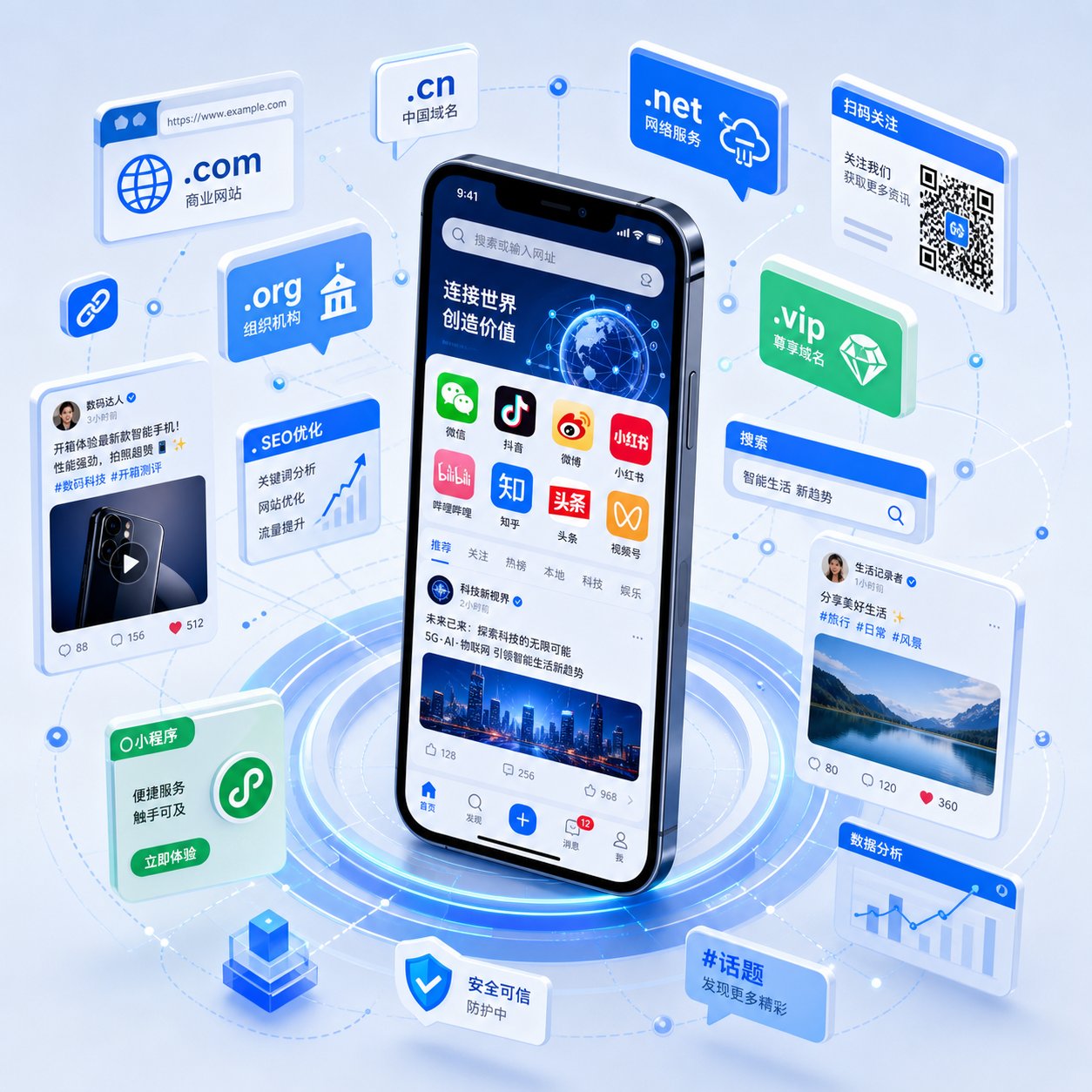
A brilliant two-character name means nothing if users cannot find it online. In China's digital landscape, a startup name must function simultaneously as a search query, a domain, an app store listing, a WeChat handle, and a scannable QR code destination. These are not afterthoughts. For modern Chinese founders, digital discoverability is baked into the naming decision from day one, often before the company even has a product.
Domain and App Store Naming Strategy
Domain availability shapes naming in ways most outsiders underestimate. The Chinese startup domain name strategy has evolved significantly as the regulatory environment has tightened. Since 2022, .cn and .com.cn domains can only be owned by Chinese businesses and citizens, which simplifies things for domestic startups but adds complexity for those with international ambitions. Many Chinese companies now adopt creative alternatives: appending "cn" to a .com domain (turning 123.com into 123cn.com, for example) or using shorter numeric domains that are easy to type on mobile keyboards.
Numeric domains remain popular precisely because they sidestep the pinyin problem. Chinese characters cannot be typed directly into a URL bar, so startups must choose between pinyin spellings (which can be long and ambiguous due to shared romanizations) and numbers or abbreviations (which are short but less meaningful). JD.com secured its two-letter domain for exactly this reason: brevity wins on mobile.
App store optimization for Chinese brand names adds another layer. China's Android ecosystem is fragmented across dozens of app stores, including Huawei AppGallery, Xiaomi GetApps, Tencent MyApp, and others. A name needs to rank well not just on Apple's App Store but across all of these platforms simultaneously. Short names with common search terms embedded naturally tend to outperform longer or more abstract alternatives. Founders evaluate whether their chosen characters overlap with high-volume search queries in their category, essentially treating the name itself as a keyword strategy.
Social Platform Handle Optimization
WeChat naming for Chinese startups is arguably the most consequential digital naming decision in the ecosystem. A WeChat Official Account name is unique and cannot be duplicated, making it a first-come-first-served land grab. WeChat Mini Program names are limited to 30 characters (15 Chinese characters), and the name itself directly influences search ranking within WeChat's internal search engine. Including relevant keywords in the Mini Program name and description accounts for roughly 15% of ranking weight, meaning the name is not just a brand asset but an SEO tool within China's most important super-app.
Douyin (TikTok's Chinese counterpart) and Weibo impose similar constraints. A handle needs to be searchable, hashtagable, and visually recognizable when it appears in a feed of fast-scrolling content. Startups increasingly test name candidates by searching them on these platforms before registration, checking whether the term already carries associations, whether competitors occupy adjacent handles, and whether the characters render clearly at small display sizes.
This pre-launch testing has become more sophisticated. Some founders run informal social media sentiment checks, posting potential names in private WeChat groups or on Weibo to gauge reactions before committing. The feedback loop is fast: does the name feel right when typed? Does it autocomplete helpfully? Does it look good as a profile avatar? These micro-interactions determine whether a name thrives or gets lost in the noise.
Here is a prioritized digital naming checklist for the China market that captures what founders evaluate before finalizing a name:
- WeChat Official Account and Mini Program availability - Check if the exact name is available, since duplicates are not allowed and early registration improves search ranking.
- Domain availability across .com, .cn alternatives, and numeric options - Secure a domain that is short, mobile-friendly, and accessible from within China's DNS infrastructure.
- App store searchability across fragmented Android stores and iOS - Verify that the name contains or aligns with category search terms users actually type.
- Douyin and Weibo handle availability - Ensure the name works as a handle that is searchable, hashtagable, and visually distinct in feeds.
- QR code scannability and visual clarity - Confirm the name renders legibly at small sizes, since QR codes often link to branded landing pages where the name must be instantly recognizable.
- Pinyin disambiguation - Check whether the pinyin romanization of the name collides with other common words or brands, which could dilute search results.
- Social sentiment pre-testing - Run informal checks in target user communities to catch unintended associations or negative connotations before public launch.
What this checklist reveals is that naming in China's digital ecosystem is not a single decision but a system of interlocking constraints. A name that works beautifully as a brand concept can fail if the WeChat handle is taken, the domain is unavailable, or the pinyin spelling collides with a competitor. The most successful startups treat naming as a cross-platform optimization problem, not just a creative exercise.
These digital-first pressures are relatively new. A decade ago, a Chinese startup could choose a name based purely on meaning and sound. The platforms that now mediate every customer interaction did not yet dominate daily life. That shift, from offline-first to platform-first naming, is itself part of a larger cultural evolution in how Chinese founders think about brand identity and what a company name is supposed to do.

Cultural Shifts Driving the Evolution of Startup Names
That evolution from offline-first to platform-first naming is just one thread in a much larger transformation. The way Chinese startups name themselves has changed dramatically across generations, and those changes mirror shifts in national confidence, consumer psychology, and the very idea of what a Chinese company should sound like. How Chinese startup naming trends are changing tells a story that goes far beyond linguistics or marketing tactics. It is a story about identity.
From Corporate Authority to Playful Approachability
Rewind to the 1990s and early 2000s. The dominant naming philosophy among Chinese companies leaned heavily on scale, authority, and institutional gravitas. Names featured characters like 大 (great), 华 (China/magnificent), 国 (nation), 中 (central), and 通 (universal). Think China Telecom (中国电信), China Unicom (中国联通), or Huawei (华为, China achievement). These names projected power and permanence. They said: we are serious, we are large, we are aligned with national ambition.
That made sense for the era. Chinese companies in the 1990s were building credibility from scratch, competing against established Western brands that had decades of consumer trust. A name suggesting institutional weight helped bridge the confidence gap. Consumers needed reassurance that a domestic company could deliver at scale.
The generational shift in Chinese company names becomes obvious when you compare those legacy names to what emerged after 2010. Xiaomi. Pinduoduo. Didi. Bilibili. Xianyu. These names are playful, warm, sometimes deliberately silly. They do not project authority. They project personality. A millet grain, a repeated syllable, a dripping sound, an anime reference, an idle fish. The psychological distance between "China Universal Telecommunications" and "Idle Fish" is enormous, and it happened in roughly fifteen years.
What drove this shift? Several forces converged. Mobile internet brought startups directly into consumers' palms, making approachability more valuable than institutional weight. A younger generation of founders, many born in the 1980s and 1990s, rejected the stiff corporate aesthetics of their parents' era. And consumers themselves changed. Millennials and Gen Z in China respond to brands that feel like peers rather than authorities. A playful name signals that a company understands internet culture, speaks the user's language, and does not take itself too seriously.
The shift also reflects market maturity. When domestic tech companies are already dominant, they no longer need names that compensate for perceived inferiority. Confidence allows lightness. You can name your company after a grain of millet when your products speak for themselves.
Emerging Naming Trends in AI and New Sectors
The newest wave of Chinese startups is pushing naming conventions in yet another direction. Emerging naming trends among Chinese AI startups reveal a vocabulary that is neither corporate-authoritative nor consumer-playful. It is philosophical, vast, and deliberately ambitious.
DeepSeek (深度求索) reaches for intellectual depth. Moonshot AI (月之暗面) invokes cosmic mystery. Baichuan (百川) references classical poetry about rivers converging into oceans. Zhipu AI (智谱) combines wisdom with the idea of a musical score or systematic arrangement. These names do not try to be cute or approachable. They try to be profound. The naming strategy signals that AI is not just another consumer product category. It is a civilizational project.
This philosophical turn reflects cultural confidence in Chinese brand naming at a new level. As Jing Daily has reported, the desirability of "Made in China" is rising, and that pride extends to how companies present themselves linguistically. Rather than adopting English-sounding names or Western naming conventions, AI founders are reaching into classical Chinese literature, ancient philosophy, and traditional idioms for inspiration. The message is clear: Chinese intellectual heritage is not a limitation to overcome. It is a competitive advantage to leverage.
Web3 and blockchain startups in China, though operating in a more constrained regulatory environment, tend toward names suggesting decentralization, networks, and new paradigms. Climate tech ventures favor characters associated with green (绿), new energy (新能源), and renewal. Each emerging sector develops its own naming dialect, but the common thread is a refusal to mimic Western naming patterns. These companies are building naming conventions from Chinese cultural raw materials rather than importing frameworks from Silicon Valley.
Chinese startup naming has evolved from projecting institutional authority to expressing cultural confidence. The shift from names like "China Universal" to names like "Deep Seek" and "Hundred Rivers" reflects a generation of founders who no longer need Western validation to feel legitimate.
This cultural confidence also manifests in how startups handle the domestic-versus-global naming tension discussed earlier. Where previous generations might have chosen a Western-sounding name to appear more international, today's founders increasingly lead with distinctly Chinese names and let the product quality do the convincing. DeepSeek did not rebrand with an English-friendly name before gaining global attention. It kept its Chinese-rooted identity and let its technical achievements speak.
The trajectory is clear. Chinese startup naming has moved through three distinct phases: institutional authority in the 1990s and 2000s, consumer playfulness in the 2010s, and philosophical ambition in the current AI era. Each phase reflects the economic and cultural moment that produced it. And each phase builds on the one before, with today's founders drawing from the full toolkit: they can be playful when targeting consumers, authoritative when targeting enterprise clients, and philosophically vast when building frontier technology.
For anyone watching this space, the naming choices of the next generation of Chinese startups will signal where the country's entrepreneurial energy is flowing. Names are leading indicators. When founders start reaching for characters associated with space, biology, or quantum mechanics, you will know which sectors are attracting the most ambitious talent. The name comes first. The billion-dollar company follows.
Key Principles and Practical Takeaways
Those three phases of naming evolution, from institutional authority to consumer playfulness to philosophical ambition, are not just historical curiosities. They form a practical framework. Whether you are a founder choosing a name, a strategist advising one, or an observer trying to decode what a company's name reveals about its intentions, the patterns explored throughout this article distill into a set of actionable principles.
Core Principles of Effective Chinese Startup Naming
What separates a forgettable name from one that carries a company to billion-dollar status? The best practices for naming a Chinese startup come down to alignment: between characters and category, between sound and strategy, between domestic resonance and global ambition. Here are the Chinese company naming principles for founders distilled from the patterns above:
- Match your naming category to your market position. Animal and food names signal consumer warmth. Numeric names signal efficiency. Classical references signal intellectual depth. English-hybrid names signal global ambition. Choose the category that matches where you are competing, not what sounds clever in isolation.
- Optimize for density, not length. The most successful names pack meaning, sound, and visual identity into two or three characters. Every additional character dilutes memorability. If you cannot explain what your name communicates in one sentence, it is doing too much.
- Test across platforms before committing. A name is not final until you have confirmed WeChat Official Account availability, domain options, app store searchability, and social handle accessibility. Treat naming as a cross-platform system, not a standalone creative exercise.
- Respect tonal and dialectal variation. A name that sounds aspirational in Mandarin might carry unintended meanings in Cantonese, Shanghainese, or Hokkien. Test pronunciation across the dialects your target users actually speak.
- Align your dual-naming strategy with your funding trajectory. If you are raising domestic capital, lead with a strong Chinese name. If international investors are the target, develop your English brand identity early. The sequence matters because it signals intent to the people writing checks.
- Let cultural confidence guide you. The era of disguising Chinese origins behind Western-sounding names is fading. A distinctly Chinese name, backed by a competitive product, now functions as a strength signal rather than a liability.
- Secure trademark registration immediately. China operates on a first-to-file basis, meaning whoever registers first owns the name regardless of who used it first. File before you announce.
Practical Considerations for Founders and Strategists
How to create an effective Chinese brand name is ultimately a question of strategic sequencing. You are not just picking characters that sound nice. You are making a series of interlocking decisions about market positioning, digital infrastructure, legal protection, and cultural identity, all compressed into a two-to-four character window.
For founders building in China, the naming decision deserves the same rigor as product-market fit analysis. The name is your first product. It ships before anything else, and unlike code, it cannot be easily refactored once it enters public consciousness. Xiaomi will always be millet. Pinduoduo will always be together-more-more. That permanence demands upfront investment in getting it right.
For strategists and observers studying the ecosystem, naming choices function as leading indicators. When you see a cluster of startups adopting names with characters like 深 (deep), 智 (wisdom), or 量 (quantum), you are watching capital and talent flow toward those sectors in real time. The naming taxonomy is not just a branding framework. It is a map of where entrepreneurial energy concentrates.
Looking forward, Chinese startup naming will continue influencing global branding practices as more companies expand internationally without shedding their linguistic identity. The playbook that produced Xiaomi, ByteDance, and DeepSeek is not a local curiosity. It is a demonstration that character-based naming, with its density of meaning and cultural resonance, can build brands that compete at global scale. The next generation of founders will inherit that proof, and their naming choices will be bolder for it.
Frequently Asked Questions About Chinese Startup Naming Trends
1. Why do so many Chinese tech companies use animal names?
Animal names provide instant visual identity, emotional warmth, and personality without requiring explanation. Alibaba's ecosystem alone includes nearly 29 animal-branded businesses like Tmall (sky cat), Ant Group, Cainiao (rookie bird), and Fliggy (flying pig). Each animal encodes a specific brand philosophy. For example, the ant represents collective power of small individuals, while the flying pig suggests curiosity-driven exploration. Animals give startups a shortcut to memorable, emotionally resonant branding that works across demographics and translates well into logos and mascots.
2. How do Chinese startups choose between a Chinese name and an English name?
Most Chinese startups planning international expansion maintain dual names, but the approach varies based on ambition and funding strategy. The five main methods include direct translation (ByteDance), phonetic adaptation using pinyin (Huawei, Xiaomi), completely separate names (Pinduoduo launched overseas as Temu), English-first naming with Chinese translation, and hybrid approaches like TikTok/Douyin. The choice often correlates with whose investment capital the startup is pursuing. Companies courting Silicon Valley VCs may lead with English names, while those focused on domestic funding prioritize Chinese brand equity first.
3. What is the required structure for registering a company name in China?
Chinese business name registration follows a mandatory four-part structure: registered location (geographic jurisdiction like province or city), trade name (the freely chosen creative portion, typically two to four characters), industry descriptor (the company's field such as technology or e-commerce), and organization type (legal entity classification, usually Co., Ltd.). Only nationally-owned state companies can begin names with 'China,' and the system operates on a first-to-file basis, meaning whoever registers first owns the name regardless of prior use.
4. How has Chinese startup naming evolved over the past two decades?
Chinese startup naming has moved through three distinct phases. In the 1990s and 2000s, companies favored names projecting institutional authority using characters like 'great,' 'China,' and 'universal' to build credibility against established Western brands. After 2010, mobile-first startups shifted toward playful, approachable names like Xiaomi (millet), Didi (drip drip), and Bilibili, reflecting younger founders and consumers who preferred personality over formality. The current AI era has introduced a third phase of philosophical ambition, with names like DeepSeek and Moonshot AI reaching for intellectual depth and cosmic scale.
5. What digital factors do Chinese startups consider when choosing a name?
Modern Chinese founders treat naming as a cross-platform optimization problem. Key digital considerations include WeChat Official Account and Mini Program availability (duplicates are not allowed), domain accessibility across .com and .cn options, app store searchability across China's fragmented Android ecosystem, Douyin and Weibo handle availability, QR code scannability at small sizes, pinyin disambiguation to avoid search collisions, and social sentiment pre-testing in target communities. A name that works as a brand concept can fail if the WeChat handle is taken or the pinyin spelling collides with competitors.