Understanding Gender Neutral Chinese Names and Why They Matter
Imagine naming a child with a single character that evokes morning light, quiet resilience, and boundless potential, all without signaling whether the bearer is a boy or a girl. Across Chinese-speaking communities from Beijing to Vancouver, more parents are doing exactly that. Gender neutral Chinese names are reshaping one of the world's oldest naming traditions, and the shift is accelerating faster than most people realize.
A large-scale dataset study analyzing over 30 million Chinese individuals found that roughly 4.82% of names in Chinese characters fall into a gender-neutral zone, where between 40% and 60% of bearers are female. That number climbs to 7.66% when names are rendered in Pinyin. These figures point to a meaningful and growing space between traditionally masculine and feminine naming.
What Makes a Chinese Name Gender Neutral
Chinese names follow a surname-plus-given-name structure. The surname comes first and is inherited, while the given name, usually one or two characters, is where personal meaning lives. A name becomes gender neutral when its characters carry associations that don't lean strongly toward either masculinity or femininity.
Consider how this works at the character level. Girl names in Chinese often feature radicals like 女 (female), 艹 (flower/grass), or 王 (jade), appearing in characters such as 婷, 薇, and 琪. Boy names tend to use radicals like 木 (tree), 亻 (person/man), or 钅 (metal). Gender neutral chinese names sidestep these markers entirely, drawing instead on characters tied to nature, light, wisdom, or abstract virtues that belong to no single gender.
A single Chinese character can simultaneously evoke strength and grace, ambition and gentleness, because its meaning emerges from radicals, literary history, and tonal quality working together rather than from a fixed gender category.
How Chinese Naming Differs From Western Unisex Traditions
In English, unisex names like Jordan or Taylor are essentially phonetic labels. Their gender neutrality comes from cultural usage patterns, not from embedded meaning. Chinese names and meanings operate differently. Each character is a semantic unit built from visual components, carrying centuries of poetic and philosophical association. When parents choose unisex chinese names, they are composing meaning from the ground up rather than borrowing a sound that happens to be shared across genders.
This distinction matters because it means gender neutrality in Chinese naming is not accidental. It is a deliberate act of selecting characters whose layered meanings transcend binary associations. The result is a naming system where neutrality feels intentional, culturally rooted, and rich with personal significance.
Understanding this linguistic foundation is essential before exploring how the trend emerged, because the story of gender neutral naming in Chinese culture stretches back further than most people assume, shaped by imperial traditions, political upheaval, and generational change.
A Historical Timeline of Chinese Naming Conventions
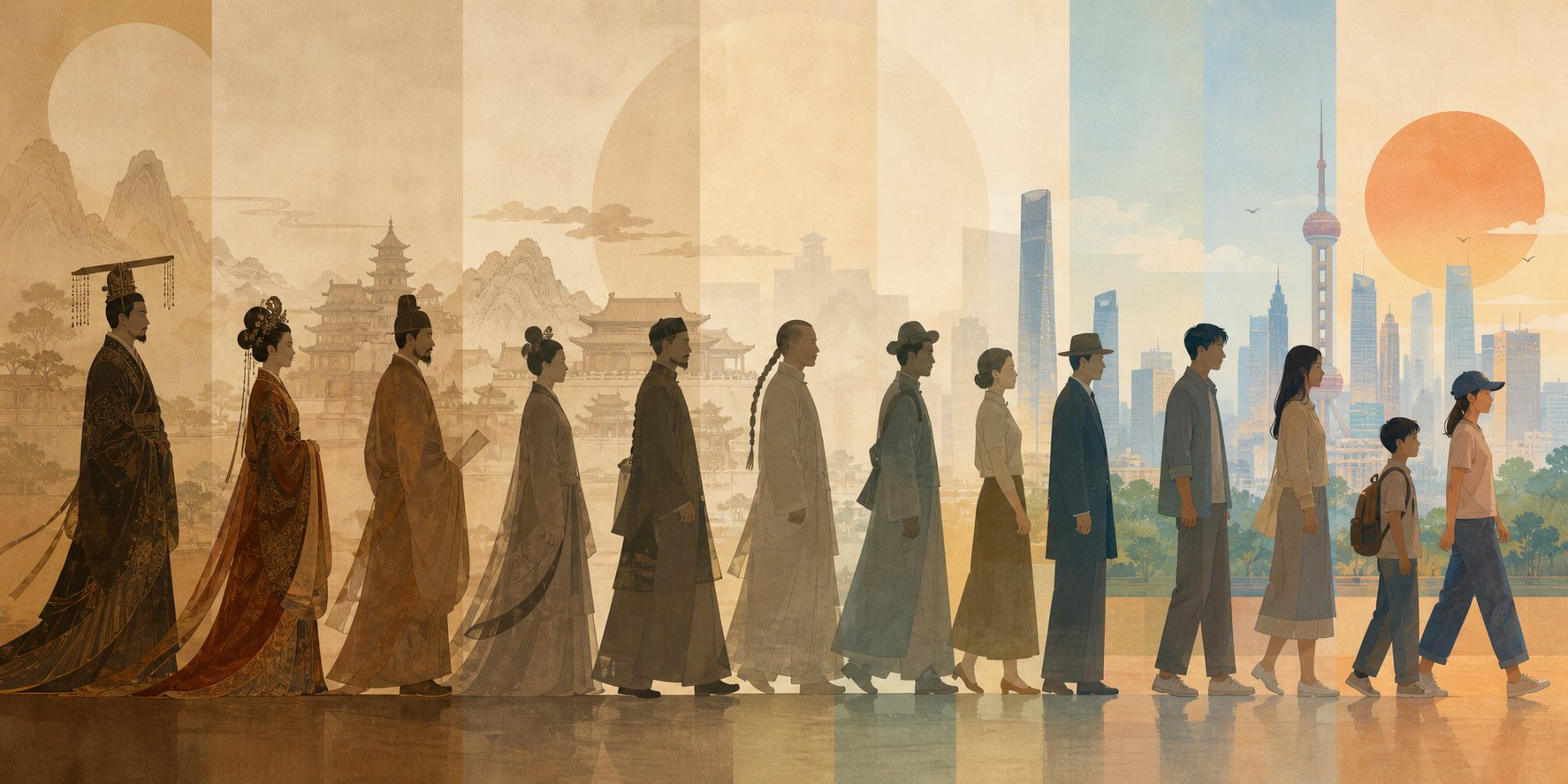
The path from rigidly gendered names to today's gender-neutral choices didn't happen overnight. It unfolded across centuries of political upheaval, social reform, and shifting family structures. Tracing that arc reveals how deeply naming practices are tied to the values of each era, and why the current trend feels less like a break from tradition and more like its natural evolution.
From Imperial Naming Rules to Modern Flexibility
In imperial China, naming was governance. Families followed strict conventions where male chinese first names drew from characters signifying strength, ambition, and Confucian virtue: think 伟 (great), 刚 (firm), or 志 (aspiration). Chinese female given names, by contrast, were expected to reflect beauty, obedience, and domestic grace, pulling from characters like 淑 (gentle), 芳 (fragrant), and 娟 (graceful). These weren't just preferences. They were social expectations reinforced by clan elders and Confucian texts.
Two systems made gendered naming especially rigid during this period:
- Generational characters (字辈): Many families assigned a shared character to all children of the same generation. These characters were predetermined by ancestral poems, and they almost always followed male lineage, effectively excluding daughters from the naming framework entirely.
- Five elements theory (五行): Parents consulted a child's birth chart to determine which element (wood, fire, earth, metal, water) needed balancing. The prescribed characters for each element often carried strong gender coding, with metal and fire characters leaning masculine and water and wood characters leaning feminine.
Together, these systems left little room for ambiguity. Ancient chinese names were designed to place a person within a gendered social hierarchy from the moment of birth.
How the One-Child Policy Reshaped Naming Patterns
The Cultural Revolution (1966-1976) cracked open the first real space for change. Revolutionary names like 红 (red) and 卫 (defend) were given to children regardless of gender, driven by political ideology rather than personal expression. Still, this period planted a seed: it proved that naming conventions could shift rapidly when cultural conditions demanded it.
The one-child policy, implemented in 1979, pushed things further in an unexpected direction. When families could have only one child, daughters suddenly carried the full weight of family aspirations that had traditionally been reserved for sons. Parents began giving girls names with characters like 鹏 (mythical bird of ambition) or 杰 (outstanding), names that would have been considered strictly chinese male names a generation earlier. Research on gendered naming practices in Mandarin Chinese, particularly studies examining metaphoric imagery in Taiwanese names over time, documents this shift clearly. The imagery associated with traditional chinese names for girls, once dominated by flowers and beauty, began incorporating elements of achievement and independence.
This wasn't yet a conscious gender-neutral movement. It was pragmatic. But it normalized the idea that a daughter's name didn't need to announce her gender, and that normalization proved irreversible.
The Generational Shift in Naming Philosophy
You'll notice a clear pattern when comparing how different generations approach naming today:
- Grandparents (born 1940s-1960s): Tend to favor clearly gendered names rooted in five elements theory and generational characters. For them, a name's primary job is to signal family position and gender-appropriate virtue.
- Parents born in the 1980s-90s: Grew up during rapid economic reform. Their own names often reflect parental ambition (many chinese names for girls from this era already lean aspirational), and they're open to softer boundaries but still value recognizability.
- Millennial and Gen-Z parents: Actively seek names that prioritize individuality over gender signaling. They reinterpret five elements theory as aesthetic guidance rather than rigid prescription, choosing characters for their sound, visual beauty, and layered meaning rather than their gendered associations.
This generational progression shows that the rising popularity of gender-neutral names isn't a rejection of tradition. It's a reinterpretation. The same tools, character radicals, tonal harmony, elemental balance, are being used with different intent. Where earlier generations asked "does this name suit a boy or a girl," today's parents increasingly ask "does this name suit this child."
That philosophical shift raises a deeper question: what specific cultural forces are accelerating this change right now, and why does this generation of parents feel empowered to name differently than every generation before them?
Why Gender Neutral Chinese Names Are Rising in Popularity
The philosophical shift from "does this name suit a boy or a girl" to "does this name suit this child" didn't emerge in a vacuum. It's being propelled by a convergence of cultural, economic, and technological forces that are reshaping how Chinese families think about identity itself. Understanding these drivers helps explain why chinese unisex names have moved from occasional curiosity to mainstream preference in less than a generation.
Societal Shifts Driving the Trend
Several forces are working in parallel to make gender-neutral naming feel not just acceptable but aspirational for modern Chinese parents:
- Gender equality movements: As women occupy more leadership roles in Chinese business, academia, and public life, the idea that a name should telegraph gender, and by extension, a predetermined life path, feels increasingly outdated.
- Globalization and cross-cultural exposure: Chinese parents today consume global media, travel internationally, and often work in multinational environments. Exposure to cultures where unisex naming is common normalizes the concept at home.
- Social media influence: Platforms like Weibo and Xiaohongshu create spaces where parents share naming choices publicly, turning gender-neutral names into visible, shareable cultural statements rather than private family decisions.
- Changing family dynamics: With smaller family sizes now the norm even after the end of the one-child policy, each child's name carries less obligation to fulfill gendered family roles and more freedom to express individual potential.
- Rising individualism: Research analyzing Chinese naming data from 1920 to 2005 found that name uniqueness increased sharply after the 1970s, coinciding with China's Reform and Opening-Up Policy. This broader cultural shift toward individual expression creates fertile ground for names that refuse binary categories.
These aren't isolated trends. They reinforce each other. A parent who works in a global company, follows progressive parenting accounts on social media, and values personal expression over conformity is far more likely to choose a name that prioritizes meaning over gender signaling.
What Modern Parents Value in a Name
When you look at which chinese names are popular among new parents today, a clear pattern emerges. Post-1990 generation parents, now the primary cohort naming newborns, are drawing heavily from classical Chinese literature and philosophy rather than from gendered character pools. A Global Times report on recent newborn naming trends found names like "Yanzhou" (inkstone and boat, from a Song Dynasty poem) and "Jincheng" (splendid prospects, from a classical idiom) gaining cross-regional popularity for children of any gender.
Cultural sociologist Xu Shumin described this shift as young parents "reclaiming traditional Chinese culture as a living aesthetic in everyday life." The key insight here is that these parents aren't abandoning tradition. They're reaching deeper into it, past the gendered surface conventions of recent centuries and into the philosophical and poetic roots where characters carry meaning without gender.
What modern parents prioritize looks fundamentally different from previous generations:
- Literary and philosophical resonance over gender clarity
- Aesthetic beauty of the character's visual form and sound
- Aspirational meaning that applies regardless of gender
- Uniqueness that distinguishes their child as an individual
Popular chinese baby names today reflect these values. Parents choose characters that evoke quiet strength, intellectual curiosity, or natural beauty, qualities they want for their child regardless of whether that child is a son or daughter.
Generational Differences in Naming Philosophy
The tension between generations on this topic is real but often productive. Grandparents who named their own children with clearly gendered characters like 强 (strong, for boys) or 芳 (fragrant, for girls) may initially resist a name that doesn't immediately signal gender. For them, a name's legibility, its ability to communicate social information quickly, is a core function.
Parents born in the 1980s and 1990s occupy a middle ground. Their own names often reflect the romanticized naming trends of their era, with characters like 梦 (dream) and 雨 (rain) that already carried softer gender boundaries. They grew up during China's rapid modernization and tend to see naming as an expression of cultural identity and personal aspiration simultaneously.
Millennial and Gen-Z parents take this further. They view a name as the "first life gift" to their child, as one Chengdu mother described it, and they want that gift to open doors rather than define limits. For this generation, choosing a gender-neutral name isn't a political statement. It's a practical one: they're giving their child a name that will serve them well in any future they choose, without assumptions baked in from birth.
This generational progression reveals something important about the trend's staying power. It isn't driven by a single ideology or movement. It emerges from a broad cultural consensus that individual identity matters more than categorical belonging, and that a name should be a canvas for possibility rather than a label for conformity.
The question that follows naturally is a linguistic one: if parents want to choose characters that feel genuinely neutral rather than simply ambiguous, how do they navigate the mechanics of a writing system where radicals, tones, and character combinations all carry subtle gender signals?
The Linguistic Mechanics Behind Gender Neutral Characters
Chinese characters aren't arbitrary symbols. They're built from components that carry meaning, sound, and cultural memory all at once. When parents choose a name, they're working with a system where every stroke contributes to how that name is perceived, including whether it reads as feminine, masculine, or somewhere in between. Understanding this architecture is what separates intentional gender-neutral naming from guesswork.
Radicals and Components That Signal Gender
Most Chinese characters are pictophonetic: they combine a radical (a meaning-bearing component) with a phonetic element that hints at pronunciation. The radical is where gender signaling lives most visibly.
The 女 (woman) radical is the clearest example. Characters built on it, like 婷 (graceful), 娜 (elegant), and 妍 (beautiful), register immediately as feminine chinese names. Research on Chinese characters containing the woman radical confirms that this component carries strong patriarchal and gendered associations embedded over centuries of use. Male names still almost never include the 女 radical, making it the most rigid gender marker in the system.
On the masculine side, radicals like 钅 (metal), 力 (strength), and 刂 (blade) historically dominate chinese masculine names. Characters such as 锋 (sharp edge), 刚 (firm), and 勇 (brave) carry these components and read as unmistakably male.
Gender-neutral characters avoid both camps. They draw from radicals tied to nature, abstraction, or universal concepts:
- 氵(water): appears in 涵 (contain/encompass), 泽 (marsh/grace)
- 日 (sun): appears in 晨 (morning), 晓 (dawn/knowing)
- 木 (wood/tree): appears in 林 (forest), 楠 (cedar)
- 青 (green/youth): appears in 靖 (tranquil), 清 (clear)
Analysis of naming data across six birth cohorts shows that after the 1980s, characters with these gender-neutral radicals surged in popularity for both boys and girls. Even radicals with historically gendered connotations began crossing lines. The character 佳 (excellent), built on the 亻(person) radical once associated with men, now appears frequently in girls' names too.
| Character | Traditional Association | Modern Usage | Mandarin Name Meaning |
|---|---|---|---|
| 文 (wen2) | Masculine (cultured scholar) | Gender neutral | Literature, culture, refinement |
| 佳 (jia1) | Masculine (亻radical) | Gender neutral | Excellent, beautiful, fine |
| 晓 (xiao3) | Feminine-leaning | Gender neutral | Dawn, to know, understanding |
| 宇 (yu3) | Masculine (universe, ambition) | Gender neutral | Universe, space, eaves |
| 瑞 (rui4) | Masculine (auspicious omen) | Gender neutral | Lucky, auspicious, felicitous |
| 涵 (han2) | Neutral-leaning feminine | Gender neutral | To contain, encompass, cultivated |
How Character Combinations Create Neutral Meaning
Single characters carry gender weight, but two-character given names create something new. When you pair characters together, their combined meaning can transcend the associations of either one alone. This is where chinese name interpretation gets genuinely creative.
Take the name 明轩 (ming2 xuan1). Individually, 明 (bright/clear) leans masculine in traditional usage, and 轩 (high/lofty) carries scholarly male associations. But the combination, meaning something like "bright and elevated spirit," has shifted toward neutral territory as parents apply it to daughters who embody intellectual ambition.
The reverse works too. 雨桐 (yu3 tong2) pairs 雨 (rain, slightly feminine) with 桐 (paulownia tree, slightly masculine). Together they evoke a poetic image, rain falling on a paulownia tree, that carries no gender at all. The meaning of chinese names like these emerges from the relationship between characters rather than from either one in isolation.
This combinatorial logic is what gives Chinese naming its unique flexibility. Parents aren't limited to choosing from a fixed list of "neutral" characters. They can create neutrality through pairing, placing a softer character beside a stronger one until the combination balances into something that belongs to no single gender category.
Tonal Qualities and Gender Perception
Sounds complex? There's one more layer. Mandarin's four tones influence how a name "feels" when spoken aloud, and this feeling carries subtle gender associations.
Names heavy in first tone (high, flat) and fourth tone (sharp, falling) tend to register as more assertive and are associated with masculine chinese names. Think of 刚 (gang1) or 毅 (yi4). Names dominated by second tone (rising) and third tone (dipping) often feel softer and more melodic, leaning feminine in perception. Characters like 婷 (ting2) and 美 (mei3) illustrate this pattern.
Gender-neutral names often mix tonal qualities deliberately. A name like 子涵 (zi3 han2) combines a dipping third tone with a rising second tone, creating a balanced sonic profile that doesn't lean in either direction. The chinese name meaning stays neutral not just semantically but acoustically.
This tonal dimension explains why two names with similar written meanings can feel different in gendered perception. Parents attuned to this layer will test a name by saying it aloud repeatedly, listening for whether the sound carries unintended gender weight.
All of this linguistic machinery, radicals, combinations, and tones, gives parents a rich toolkit. But theory only goes so far. The real question is which specific characters and names are parents actually choosing when they put these principles into practice?
Popular Gender Neutral Chinese Names With Meanings
Linguistic principles are useful, but parents ultimately need names, not theory. What follows is a curated collection of chinese names with meaning that work across gender lines, organized by the thematic categories parents most commonly draw from. Each name functions well across mainland China, Taiwan, Hong Kong, and diaspora communities because the characters carry universally recognized associations rather than region-specific slang.
Before diving in, a quick note on structure. A Chinese name pairs a one-character surname (like 王, 李, or 张) with a one- or two-character given name. Most modern parents choose two-character given names to reduce duplication and create richer meaning. Stroke count also matters: traditional belief holds that the total strokes in a full name should align with auspicious numerology. Gender-neutral characters tend to fall in the moderate stroke range (7-14 strokes per character), which gives parents flexibility without sacrificing visual elegance or ease of writing.
Nature-Inspired Gender Neutral Names
Nature imagery is the most popular source for beautiful chinese names that transcend gender. Trees, light, water, and seasons carry no inherent masculinity or femininity in Chinese culture, making them ideal building blocks.
| Character | Pinyin | Meaning | Why It Works as Gender Neutral |
|---|---|---|---|
| 林 (lin2) | Lin | Forest | Evokes natural abundance without gendered associations; common as both surname and given name |
| 沐晨 (mu4 chen2) | Muchen | Bathed in morning light | Combines water radical (沐) with time-of-day character (晨); poetic without leaning masculine or feminine |
| 雨桐 (yu3 tong2) | Yutong | Rain on paulownia tree | Pairs a softer element (rain) with a sturdy one (tree); balanced tonal profile |
| 霖 (lin2) | Lin | Continuous, nourishing rain | Rain radical carries no gender; meaning suggests persistence and generosity |
| 岚 (lan2) | Lan | Mountain mist | Mountain radical (山) is neutral; the character evokes ethereal beauty applicable to anyone |
Quick-reference list of additional nature names worth considering:
- 泽 (ze2) - marsh, grace, benevolence
- 溪 (xi1) - stream, brook
- 桐 (tong2) - paulownia tree
- 阳 (yang2) - sun, sunlight
- 秋 (qiu1) - autumn
Virtue and Wisdom Names That Transcend Gender
Many parents searching for names in chinese and meanings that feel timeless turn to characters rooted in Confucian and Daoist philosophy. These carry intellectual weight without gender coding, which is why they appear consistently in both boys' and girls' naming data.
| Character | Pinyin | Meaning | Why It Works as Gender Neutral |
|---|---|---|---|
| 诺 (nuo4) | Nuo | Promise, commitment | Abstract virtue with no gendered radical; ranked among top characters for both boys and girls |
| 睿 (rui4) | Rui | Wise, perceptive | Intellectual meaning without physical or gendered connotation; balanced fourth-tone assertiveness |
| 安 (an1) | An | Peace, tranquility | Universal aspiration; 宀 (roof) radical suggests shelter for anyone |
| 恒 (heng2) | Heng | Eternal, persevering | Heart radical (忄) is gender neutral; meaning applies to character strength regardless of gender |
| 善 (shan4) | Shan | Goodness, kindness | Moral virtue without physical or aesthetic gendering; works across all Chinese-speaking regions |
- 文 (wen2) - culture, literature, refinement
- 信 (xin4) - trust, faithfulness
- 嘉 (jia1) - excellent, admirable
- 思 (si1) - thought, contemplation
- 慧 (hui4) - wisdom, intelligence
Names Combining Modern Appeal With Traditional Depth
Some of the most compelling cute chinese names blend contemporary aesthetic sensibility with classical resonance. These are the names showing up on Xiaohongshu naming boards and in birth registration data simultaneously, proving that modern appeal and cultural depth aren't mutually exclusive.
| Character | Pinyin | Meaning | Why It Works as Gender Neutral |
|---|---|---|---|
| 一诺 (yi1 nuo4) | Yinuo | One promise (from the idiom "a promise worth a thousand gold") | Classical literary origin; ranked #2 for girls but increasingly used for boys due to its philosophical weight |
| 子涵 (zi3 han2) | Zihan | Refined and encompassing | Appeared in top 10 for both boys and girls in the 2010s; 子 is a respectful, genderless term for "person" |
| 奕辰 (yi4 chen2) | Yichen | Grand celestial bodies | Cosmic imagery without gendered grounding; mixed tonal profile (fourth + second) feels balanced |
| 可 (ke3) | Ke | Able, worthy, lovable | Simple single-character name (a 3 letter chinese name when romanized); versatile meaning suits any child |
| 熙 (xi1) | Xi | Bright, joyful, prosperous | Fire radical carries warmth without aggression; popular across genders in recent naming data |
What's striking about these names is how they challenge the old assumption that beautiful chinese girl names must contain floral or jade imagery, or that strong names must signal physical power. Characters like 诺 (promise) and 涵 (encompass) carry a quiet authority that works for anyone. Data from China's Ministry of Public Security confirms this crossover: 子涵 ranked 5th for girls and 10th for boys in the 2010s, making it one of the clearest examples of a name that has genuinely shed its gender associations through widespread use.
The character 泽 (ze2), meaning grace or benevolence, illustrates another pattern worth noting. It dominated the top 10 boys' names in 2021, appearing in 茗泽, 宇泽, and 奕泽. Yet its meaning, "nourishing like a marsh that gives life to everything around it," carries no inherent masculinity. As more parents recognize this, expect characters like 泽 to migrate toward true neutrality in the coming years.
These names work across regions because they draw from shared literary and philosophical traditions rather than local dialect associations. A name like 安 (peace) resonates identically in Mandarin, Cantonese, and Hokkien. That cross-regional portability becomes especially important for families navigating multiple cultural contexts, a challenge that shapes naming decisions in ways most people don't consider until they're living it.
Regional Differences in Gender Neutral Naming Trends
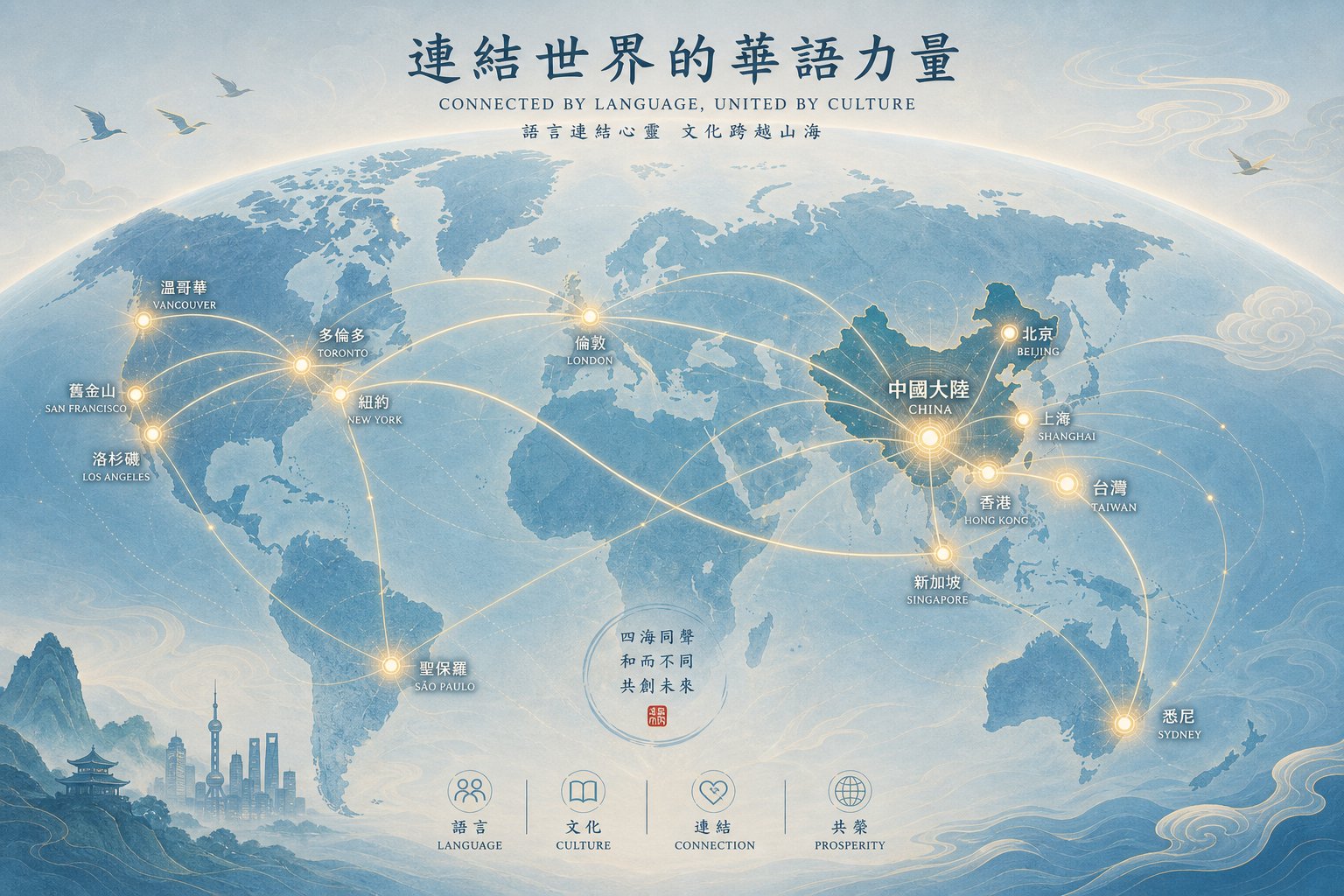
A name like 安 (peace) may resonate across Mandarin, Cantonese, and Hokkien, but the cultural and legal landscape surrounding that name varies dramatically depending on where a family lives. Gender-neutral naming doesn't unfold the same way in Shanghai as it does in Taipei, Hong Kong, or Toronto. Government regulations, character databases, cultural attitudes, and the practical demands of bilingual life all shape how parents in different regions approach this choice.
Mainland China Versus Taiwan and Hong Kong Trends
In mainland China, naming is governed by a specific legal framework. China's naming laws require all names to be written in Chinese characters, and only characters supported by government computer systems can be registered. As of recent counts, approximately 32,232 characters are supported for digital input, out of over 70,000 known Chinese characters. This technical constraint creates a practical ceiling: parents can only choose from characters the system recognizes, which means some rare or archaic gender-neutral characters simply aren't available for registration.
Beyond the character database, mainland China's regulations are relatively permissive about gender expression in naming. There's no rule requiring a name to signal the bearer's gender. Citizens have the legal right to select their given names freely, and the government does not interfere with that choice. This means gender-neutral naming faces no legal barrier in mainland China. The constraints are cultural and technological rather than regulatory.
Taiwan takes a different approach. Traditional characters remain standard, giving parents access to a broader visual palette. Taiwanese naming culture has historically been more influenced by Japanese naming aesthetics, where gender-neutral names have a longer established tradition. The result is that Taiwanese parents often feel less social friction when choosing unisex names, particularly in urban centers like Taipei where progressive values around gender have gained mainstream acceptance.
Hong Kong occupies a unique middle ground. Cantonese pronunciation creates different tonal associations than Mandarin, meaning a character that sounds neutral in Mandarin might carry gendered weight in Cantonese, and vice versa. Hong Kong's colonial history also means most residents carry both a Chinese name and an English name, which introduces a second layer of gender consideration from birth.
| Region | Character System | Key Naming Influence | Gender-Neutral Acceptance | Regulatory Constraints |
|---|---|---|---|---|
| Mainland China | Simplified (~32,232 supported) | Classical literature revival; social media trends | Growing rapidly among post-1990 parents | Characters must be in government database; no gender-specific rules |
| Taiwan | Traditional (full set) | Japanese aesthetic influence; progressive gender politics | Well-established in urban areas | Minimal restrictions; broader character access |
| Hong Kong | Traditional | Cantonese tonal associations; bilingual naming culture | Moderate; influenced by English-name pairing | Few restrictions; dual-name system standard |
| Diaspora (Western countries) | Varies by family preference | Cross-cultural functionality; phonetic compatibility | High; driven by integration needs | Subject to host country naming laws; Chinese name is informal |
Diaspora Families Navigating Two Naming Cultures
For Chinese families living in Western countries, the naming challenge doubles. They're not just choosing names in chinese that feel right culturally. They're choosing names that function across two entirely different linguistic systems simultaneously. When someone asks "what is your name in chinese" at a family gathering, and then introduces themselves by a different name at school or work, the relationship between those two identities becomes a daily negotiation.
Diaspora parents often adopt one of three strategies:
- Phonetic bridging: Choosing a Chinese name whose Pinyin pronunciation approximates an English name that also works as unisex. For example, 安 (An) works as both a Chinese name meaning "peace" and an English-passing name that reads as gender neutral in Western contexts.
- Parallel naming: Selecting a Chinese name and an English name independently, ensuring both are gender neutral but not necessarily phonetically linked. This gives the child full cultural authenticity in each context.
- Single-name strategy: Choosing one name that functions in both languages without translation. Names like 林 (Lin), 明 (Ming), or 凯 (Kai) work here because English speakers can pronounce them easily and don't assign strong gender associations to them.
A 2025 study on Chinese name-to-gender associations tested their gender prediction dataset against Chinese-origin names in the U.S. Social Security Administration records and found reduced coverage and lower precision compared to mainland Chinese names. At a frequency threshold of 10, the dataset could only predict 44.3% of diaspora names, with precision dropping to 58% for males and 75% for females. This gap suggests that diaspora naming conventions have already diverged meaningfully from mainland patterns, likely because families abroad are selecting characters and combinations that prioritize cross-cultural functionality over traditional gender signaling.
Names That Work Across Languages and Cultures
The most practical question diaspora parents face is this: which names in chinese translate well into English-speaking environments without losing their cultural depth or gaining unwanted gender associations?
Several characteristics make a name cross-culturally portable:
- Simple syllable structure: One or two syllables in Pinyin that English speakers can pronounce without distortion. Names like 瑞 (Rui), 宇 (Yu), and 乐 (Le) meet this criterion.
- No strong English-language gender coding: A name like 美 (Mei) might be gender neutral in Chinese usage but reads as feminine to English speakers because of its similarity to "May." Parents attuned to this will avoid characters whose romanization triggers English gender assumptions.
- Meaning that translates conceptually: Characters representing universal concepts like wisdom, light, or peace carry their significance across cultures even when the specific literary associations don't translate.
The question "what is your name in chinese" takes on added weight for children growing up between cultures. A well-chosen gender-neutral name gives them a consistent identity anchor, one that doesn't require explanation or adjustment depending on which language they're speaking. It's a practical gift that becomes more valuable as these children move between cultural contexts throughout their lives.
Chinese names english translation challenges also play a role. The same Pinyin spelling can represent dozens of different characters, each with distinct meanings. When a name appears on a passport or university application as romanized text, all that semantic richness collapses into a few letters. Gender-neutral names actually have an advantage here: because their meaning doesn't depend on gender signaling, they lose less in translation than strongly gendered names whose cultural weight is tied to feminine or masculine character components that disappear in romanization.
These regional variations reveal something broader about the trend. Gender-neutral naming isn't a single movement with one set of motivations. It's a parallel evolution happening differently in each context, shaped by local regulations, linguistic realities, and the specific cultural pressures families face. What unites these regional expressions is the underlying impulse: parents everywhere want names that give their children room to define themselves, regardless of where in the world they grow up.
Regional trends and family strategies don't develop in isolation, though. They're amplified and accelerated by the cultural forces that connect Chinese-speaking communities globally, from celebrity culture to social media platforms to the fictional characters that capture collective imagination.
How Pop Culture and Social Media Shape Naming Trends
Parents don't make naming decisions in a cultural vacuum. The celebrities they admire, the dramas they binge, and the social media posts they scroll through all shape what feels possible, desirable, and normal. In Chinese-speaking communities, pop culture has become one of the most powerful engines normalizing gender-neutral names, turning what might have been a quiet personal choice into a visible cultural movement.
Celebrity Influence on Naming Choices
Think about how famous chinese names ripple through a culture. When a beloved actor or musician carries a name that defies easy gender categorization, millions of fans internalize the idea that such names are not just acceptable but aspirational. Chinese entertainment has seen a wave of androgynous personas in recent years, from idols who cultivate deliberately gender-fluid aesthetics to actors whose stage names blend traditionally masculine and feminine character associations.
C-drama characters amplify this effect even further. When a protagonist carries a unisex name and that show reaches hundreds of millions of viewers, the name enters collective consciousness stripped of gender baggage. Parents who loved the character associate the name with its narrative qualities, courage, intelligence, loyalty, rather than with the character's gender. The fictional context creates cultural permission to use similar names for real children.
This isn't a new phenomenon in Chinese storytelling. Mulan remains perhaps the most iconic example. Mulan's male name, Hua Jun (花军) or Hua Ping in various retellings, represents an early cultural touchpoint where a character's identity transcended the gender their name was supposed to signal. The story's enduring popularity across centuries suggests that Chinese culture has always contained space for names and identities that refuse binary categories, even when social conventions tried to enforce them. Modern chinese warrior names in fiction continue this tradition, with female characters bearing names that evoke strength and male characters given names suggesting grace.
Social Media and the Normalization of Unisex Names
Platforms like Weibo and Xiaohongshu have transformed naming from a private family ritual into a public, participatory process. New parents post their naming shortlists for feedback. Naming consultants build massive followings by analyzing character combinations. Viral posts celebrating creative gender-neutral names reach millions within hours.
This visibility matters because it creates social proof. When a parent sees thousands of positive reactions to a gender-neutral name on Xiaohongshu, the choice feels validated in a way that a single family conversation never could. The algorithm rewards novelty and aesthetic appeal, both qualities that gender-neutral names tend to deliver, which means these names get disproportionate visibility compared to conventional gendered choices.
East Asian Pop Culture as a Naming Catalyst
The trend doesn't stop at China's borders. K-pop's global influence has introduced Chinese audiences to Korean naming conventions where unisex names are already common. Japanese anime and manga, with their long tradition of androgynous characters, contribute another layer of cultural normalization. These cross-pollinations create a broader East Asian aesthetic where gender fluidity in naming feels like a shared regional evolution rather than an isolated Chinese phenomenon.
Key cultural influences driving the normalization of gender-neutral names include:
- Androgynous idol culture: C-pop and K-pop artists whose stage personas blur gender lines, making unisex naming feel aspirational
- C-drama protagonists: Characters with names like 靖 (Jing, tranquil) or 瑜 (Yu, fine jade) used across genders in popular series
- Mulan's legacy: The enduring cultural narrative that a name can serve identity rather than constrain it
- Xiaohongshu naming communities: User-generated content that crowdsources and celebrates creative neutral names
- Cross-cultural anime and manga influence: Japanese characters with gender-ambiguous names that resonate with Chinese youth
- Celebrity baby names: Public figures choosing visibly gender-neutral names for their own children, signaling mainstream acceptance
What connects all these influences is a single underlying message: a name's power comes from its meaning and beauty, not from its ability to categorize. Every viral post, every beloved character, every admired celebrity with a unisex name reinforces that message until it becomes cultural common sense rather than a countercultural statement.
Cultural permission is one thing. Practical execution is another. Parents inspired by these influences still face the concrete challenge of selecting characters, navigating family expectations, and creating a name that will serve their child well across decades of life. That process benefits from structured guidance.
A Practical Guide to Choosing Gender Neutral Chinese Names
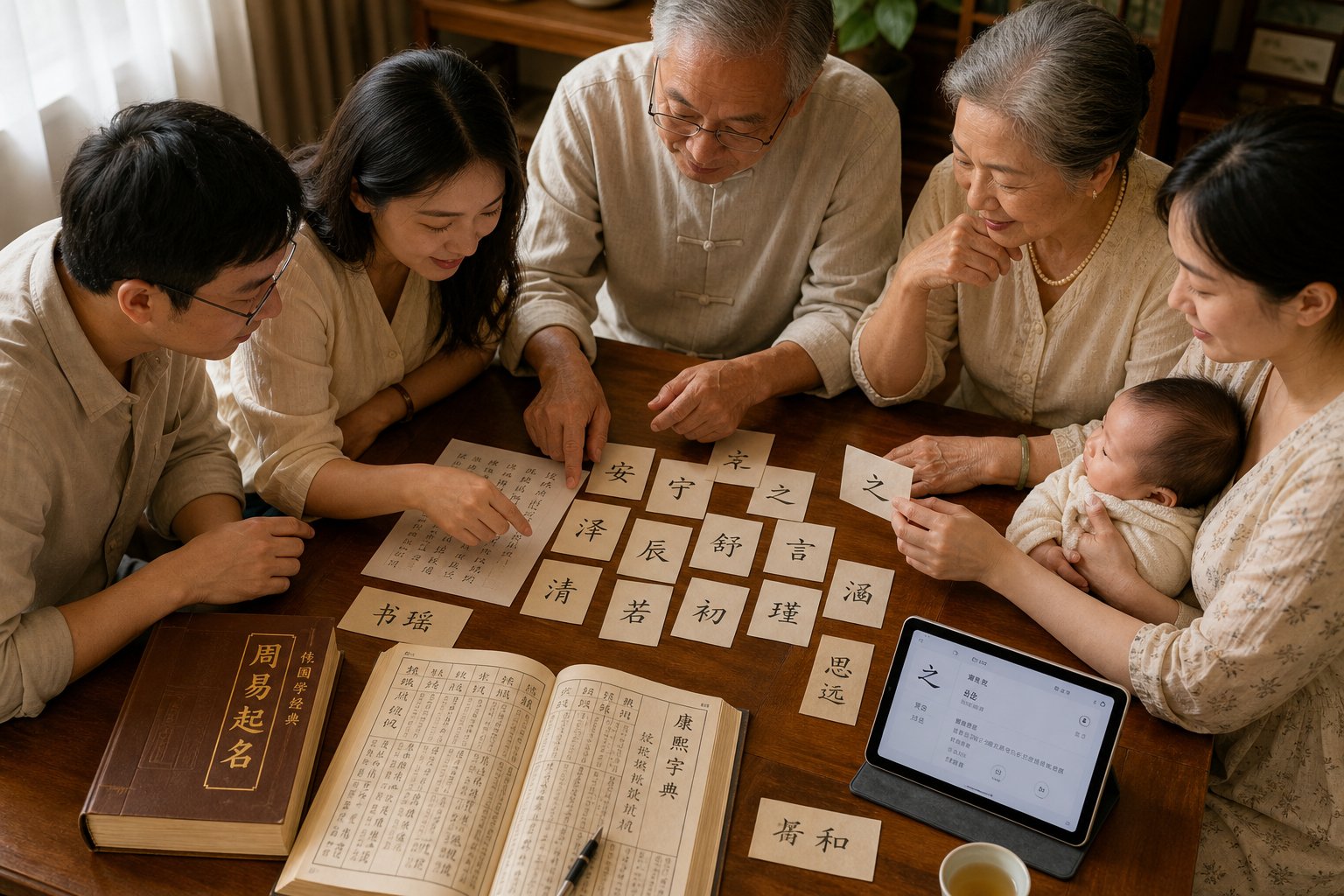
Cultural inspiration and linguistic knowledge are valuable, but at some point you're sitting with a blank page and a deadline (babies don't wait for perfect naming decisions). The process of choosing gender-neutral chinese first names benefits from structure, especially when you're balancing personal taste, family tradition, and the desire to give your child a name that opens doors rather than defines limits.
The strongest gender-neutral names work on three levels simultaneously: they sound harmonious when spoken aloud, they carry meaningful visual beauty on paper, and they express an aspiration that belongs to no single gender.
Balancing Tradition and Modernity in Your Choice
Many parents worry that choosing a gender-neutral name means abandoning traditional frameworks entirely. It doesn't. The same tools that guided typical chinese names for centuries, five elements theory, stroke count numerology, and zodiac compatibility, work perfectly well with neutral characters. The difference is in how you apply them.
In Bazi analysis, a child's birth chart reveals which of the five elements (wood, fire, earth, metal, water) are dominant or lacking. A Bazi master identifies favorable elements and recommends characters that introduce balance. Here's the key insight: elemental balance has nothing to do with gender. A child who needs more water energy can receive it through characters like 涵 (encompass), 泽 (grace), or 清 (clear), all of which are gender neutral. The tradition itself is compatible with modern naming goals once you separate elemental logic from gendered character pools.
Stroke count works the same way. The total strokes in a full name, surname plus given name, should align with auspicious numerological patterns. Whether those strokes form a masculine, feminine, or neutral character is irrelevant to the numerology. Parents can honor this tradition completely while choosing characters that carry no gender signal.
Practical Steps for Choosing a Gender Neutral Name
Imagine you've decided on a gender-neutral approach. Where do you actually start? Here's a process that moves from broad intention to final decision:
- Determine your child's elemental needs. Use the birth date and time to calculate the Bazi chart. Identify which elements need strengthening. This narrows your character search to specific radical families (氵for water, 木 for wood, 火 for fire, etc.).
- Identify your meaning priorities. Decide what you want the chinese name to mean for your child. Nature? Wisdom? Resilience? Joy? This thematic filter helps you sort through thousands of possible characters.
- Build a character shortlist. Select 8-12 characters that match both your elemental needs and meaning priorities. Check each one against gendered usage data. If a character appears in naming databases with more than 70% usage for one gender, it may not register as neutral regardless of its literal meaning.
- Test two-character combinations. Pair your shortlisted characters with your surname. Say each full name aloud repeatedly. Listen for tonal balance. A common chinese name pitfall is choosing characters with beautiful individual meanings that sound awkward or overly gendered when combined.
- Verify stroke count harmony. Calculate total strokes for each full-name candidate. Consult traditional numerology charts or a naming specialist to confirm auspicious totals.
- Check for unintended associations. Search each name candidate online and in naming databases. Ensure it doesn't share pronunciation with unfortunate homophones, slang terms, or heavily gendered celebrity associations.
- Gather feedback from native speakers across age groups. Ask people of different generations to guess the gender of a person with this name. If responses split roughly evenly, you've achieved genuine neutrality.
Chinese middle names add another dimension for diaspora families. Some parents use the middle name position for a generational character that honors family tradition while keeping the primary given name gender neutral. This layered approach satisfies both modern preferences and ancestral expectations without forcing a compromise on either.
Working With Family Expectations
The most practical challenge many parents face isn't linguistic. It's interpersonal. Grandparents who understand chinese family names and meanings through a traditional lens may resist a name that doesn't immediately signal their grandchild's gender. This resistance usually comes from love, not rigidity. They want the child's name to communicate clearly within their social world.
Strategies that work:
- Explain the character's depth. Show grandparents the literary and philosophical roots of your chosen characters. When they see that 睿 (wise) appears in classical texts they respect, resistance often softens.
- Honor generational naming selectively. If your family uses generational characters, consider incorporating one as a middle character while choosing a gender-neutral primary character. This preserves lineage connection without sacrificing your naming philosophy.
- Frame it as aspiration, not politics. Most family members respond better to "we chose this name because it means perseverance and grace, qualities we want for our child" than to abstract arguments about gender neutrality.
- Involve elders in the process. Asking a grandparent to suggest characters that fit your criteria (neutral meaning, correct element, good stroke count) gives them ownership in the decision while keeping the outcome aligned with your values.
The goal isn't to win an argument. It's to help family members see that a gender-neutral name can carry the same weight of love, hope, and cultural continuity that typical chinese names have always carried. The aspiration hasn't changed. Only the assumption that aspiration must be gendered has shifted.
One final consideration: names live in time. A name chosen today will accompany your child through decades of social change. Gender-neutral names have a practical advantage here. They age well precisely because they don't anchor identity to a single moment's gender expectations. Whatever the future holds for your child, a name built on meaning rather than category will still fit.
The Future of Gender Neutral Naming in Chinese Culture
Names live longer than the moment they're given. A child named today will carry those characters through a world that looks nothing like the one their parents imagined. That reality is precisely why gender-neutral naming has gained such momentum: it's a bet on flexibility, on meaning that doesn't expire when cultural expectations shift.
What This Trend Reveals About Chinese Culture Today
The rise of gender-neutral names isn't a rejection of Chinese tradition. It's evidence that tradition is alive and evolving. When post-1990 parents reach into classical poetry and Daoist philosophy for characters like 诺 (promise) or 涵 (encompass), they're doing what Chinese families have always done: encoding hope into language. The difference is that today's hopes aren't filtered through gendered assumptions about what a son or daughter should become.
This shift mirrors broader changes in Chinese society. As women lead companies, as fathers take active parenting roles, as individuals build identities that don't fit neatly into inherited categories, naming practices follow. Data tracking naming trends across decades shows that popular characters for both chinese girl names and chinese names for boys are converging toward shared territory: wisdom, nature, light, and moral virtue. The most common chinese names of the coming generation will likely look nothing like the rigidly gendered lists of even twenty years ago.
Where is this heading? The trajectory suggests that within a generation, the question won't be "is this a boy's name or a girl's name" but simply "is this a good name." That's not a loss of cultural richness. It's an expansion of it.
Key Takeaways for Parents and Name Enthusiasts
- Gender-neutral Chinese names draw power from characters tied to nature, virtue, and wisdom rather than from gendered radicals or stereotyped imagery.
- The trend is rooted in history, not novelty. The one-child policy, classical literature revivals, and globalization all contributed to its acceleration.
- Linguistic mechanics matter. Radicals, tonal balance, and two-character combinations all influence whether a name registers as neutral in practice.
- Regional context shapes the choice. Mainland regulations, diaspora bilingualism, and Cantonese tonal differences all create distinct naming landscapes.
- Traditional frameworks like five elements theory and stroke count numerology are fully compatible with gender-neutral naming once you separate elemental logic from gendered character pools.
- Family buy-in comes from framing the choice as aspiration rather than ideology. Show the depth of meaning, not the politics.
The best Chinese names have always done the same thing: compress a family's deepest hopes into a few brushstrokes. Gender-neutral naming doesn't change that purpose. It simply removes the assumption that hope must look different for a son than for a daughter.
Whether you're a parent weighing character options, a researcher tracking cultural evolution, or someone curious about how one of the world's oldest naming systems adapts to modern life, the core lesson is the same. Naming is both creative act and cultural inheritance. The most meaningful names honor both dimensions, carrying tradition forward without letting it become a cage. In that balance between roots and possibility, Chinese families are writing something new with very old ink.
Frequently Asked Questions About Gender Neutral Chinese Names
1. What makes a Chinese name gender neutral?
A Chinese name registers as gender neutral when its characters avoid strongly gendered radicals like 女 (woman) or 钅 (metal) and instead draw from nature, abstract virtues, or universal concepts. Characters tied to light (晨, morning), water (涵, encompass), or wisdom (睿, perceptive) carry no inherent masculinity or femininity. Two-character combinations also create neutrality by pairing a softer character with a stronger one until the overall meaning transcends binary associations. Tonal balance in pronunciation further influences whether a name feels neutral when spoken aloud.
2. Are gender neutral Chinese names legally allowed in China?
Yes, mainland China's naming laws do not require a name to signal the bearer's gender. The primary legal constraint is that all characters must exist within the government's digital database of approximately 32,232 supported characters. Beyond that technical limitation, parents have full freedom to choose gender-neutral characters. Taiwan and Hong Kong impose even fewer restrictions, with Taiwan offering access to the full traditional character set and a cultural environment already receptive to unisex naming.
3. What are some popular gender neutral Chinese names and their meanings?
Some widely used gender-neutral names include 子涵 (Zihan, meaning refined and encompassing), 一诺 (Yinuo, meaning one promise), 睿 (Rui, meaning wise), 安 (An, meaning peace), and 沐晨 (Muchen, meaning bathed in morning light). Nature-inspired options like 霖 (Lin, continuous rain) and 岚 (Lan, mountain mist) are also popular. These names appear in top-10 lists for both boys and girls in recent Chinese naming data, confirming their genuine cross-gender usage.
4. How do Chinese diaspora families choose gender neutral names that work in English?
Diaspora families typically use one of three strategies: phonetic bridging (choosing a Chinese name whose Pinyin sounds like an English unisex name, such as 安/An), parallel naming (selecting independent gender-neutral names in both languages), or a single-name approach using characters like 林 (Lin) or 凯 (Kai) that English speakers can pronounce easily without assigning gender. The goal is cross-cultural portability, giving the child a consistent identity that functions without adjustment in either linguistic context.
5. Can traditional Chinese naming practices like five elements theory work with gender neutral names?
Absolutely. Five elements theory identifies which elements a child's birth chart needs for balance and recommends characters containing corresponding radicals. This system is entirely compatible with gender-neutral naming because elemental balance has nothing to do with gender. A child needing water energy can receive it through neutral characters like 涵 (encompass) or 泽 (grace). Similarly, stroke count numerology evaluates total strokes regardless of whether those strokes form masculine, feminine, or neutral characters.