The World's Oldest Living Writing System
Imagine a writing system so resilient that it has been in continuous use for over 3,000 years, surviving dynastic collapses, foreign invasions, and the digital revolution. That system is Chinese characters. The history of Chinese characters stretches from mysterious scratches on Neolithic pottery all the way to the simplified forms tapped out on smartphones by over a billion people today. No other script on Earth can claim that kind of unbroken lineage.
This article traces that entire arc. You'll follow Chinese hanzi from burned turtle shells in Bronze Age tombs, through imperial standardization and calligraphic artistry, to the modern simplification debates that still spark controversy. Think of it less as a timeline and more as the biography of a living thing, one that adapted, evolved, and refused to die.
Why the History of Chinese Characters Matters
For learners, Chinese characters can feel arbitrary. Why does the character for "bright" combine sun and moon? Why does "horse" look nothing like a horse anymore? The answers live in history. When you understand how these forms developed, mandarin characters stop looking like random puzzles and start revealing their internal logic. Each stroke carries the residue of a pictograph carved into bone or cast into bronze thousands of years ago. That context turns memorization into recognition.
A Writing System That Shaped Civilizations
The influence of Chinese characters extends far beyond China's borders. From China, the script spread across East Asia to Korea, Vietnam, and Japan. Japanese kanji, Korean hanja, and Vietnamese chu Nom all grew directly from the Chinese writing system. Any asian writing system comparison in the region inevitably leads back to this single source. When people ask about chinese vs japanese characters, the answer begins with the fact that kanji literally means "Han characters," borrowed and adapted from the same tradition. Unlike what some call the "chinese alphabet," these are not letters representing sounds but meaningful units representing ideas and words.
Of the four independently invented ancient writing systems, Sumerian cuneiform, Egyptian hieroglyphs, Chinese characters, and Mesoamerican script, only Chinese characters are still in active daily use.
That fact alone makes this story worth telling. What follows is the narrative of how scratches on clay became the most enduring writing system humanity has ever produced, and why it still matters to anyone who reads, writes, or thinks about language today.
Before the First Characters Were Written
Long before anyone carved questions into turtle shells, people in ancient China were scratching marks onto pottery. These marks raise a tantalizing question at the heart of early chinese writing research: when did symbolic scratches cross the threshold into actual writing? The answer depends on who you ask, and the debate has divided scholars for decades.
Pottery Marks and Proto-Writing Before Oracle Bones
Picture a Neolithic village along the Yellow River, roughly 8,600 years ago. At Jiahu in Henan Province, archaeologists unearthed tortoise shells and bone flutes alongside pottery bearing 16 distinct carved symbols dating to approximately 6600 BCE. Some of these ancient chinese symbols bear a striking resemblance to later oracle bone characters, particularly those for "eye" and "sun." Does that make them writing? Not necessarily, but it makes them impossible to ignore.
Fast forward two millennia. At Banpo, near modern Xi'an, pottery fragments from around 4800 BCE display roughly 30 different incised marks. Some appear to be simple tallies or ownership indicators. Others look more complex, possibly representing clan identities or ritual concepts. Then there are the Dawenkou culture symbols from Shandong Province, dating to around 4000-2000 BCE, which include what appear to be compound signs combining multiple elements into single units, a feature that hints at something more structured than random decoration.
Here are the key pre-oracle bone archaeological sites that fuel this debate:
- Jiahu, Henan (~6600 BCE) - 16 symbols carved on tortoise shells and pottery; some resemble later characters
- Banpo, Shaanxi (~4800 BCE) - Approximately 30 incised marks on pottery rims, likely clan or ownership indicators
- Dawenkou, Shandong (~4000-2000 BCE) - Compound pictographic symbols on pottery, some combining elements like mountains and fire
- Liangzhu, Zhejiang (~3300-2300 BCE) - Groups of symbols on pottery and jade objects suggesting possible sequential meaning
- Dinggong, Shandong (~2500-2000 BCE) - A pottery shard with 11 symbols arranged in rows, resembling organized text
Each discovery pushes the potential origin of chinese characters further back in time. Yet none has produced the definitive proof needed to settle the argument.
The 3,400 Years vs 6,000 Years Debate
Conservative scholars draw a firm line: the history of chinese writing begins with oracle bone script around 1200 BCE. Their reasoning is straightforward. Oracle bones represent the earliest chinese writing that meets every criterion of a true writing system. The inscriptions are systematic, they record spoken language with consistent grammar, and individual symbols carry stable, repeatable meanings across thousands of examples.
On the other side, researchers point to those ancient china symbols from Jiahu and Dawenkou as evidence that the origin of chinese characters stretches back 6,000 years or more. They argue that a system as sophisticated as oracle bone script could not have appeared fully formed. It must have had predecessors, and those pottery marks are the surviving traces.
So what separates proto-writing from true writing? Scholars generally apply three criteria. First, the symbols must systematically represent a spoken language rather than just conveying isolated concepts. Second, there must be consistent, repeatable relationships between symbols and meanings. Third, the system needs to be productive, capable of generating new expressions by combining existing elements. The ancient chinese language and writing found on oracle bones clearly meets all three tests. The Neolithic pottery marks, however intriguing, have not yet been shown to satisfy them.
This distinction matters because it shapes how we understand the entire arc of ancient china writing. Were those early potters experimenting with the raw ingredients of literacy thousands of years before the Shang Dynasty? Probably. But whether their marks constitute a writing system or simply the fertile soil from which one eventually grew remains an open question, one that every new excavation could potentially resolve.
Oracle Bone Script and the Shang Dynasty Discovery
In 1899, a scholar named Wang Yirong was sick with malaria. His doctor prescribed a traditional remedy containing "dragon bones," fragments of ancient animal bones ground into powder and sold at apothecary shops across Beijing. Wang, who served as chancellor of the Imperial Academy and was an accomplished antiquarian, noticed something unusual on the bone fragments before they were crushed. Scratched into their surfaces were symbols, orderly and deliberate, that looked unmistakably like ancient chinese characters. He bought every dragon bone the pharmacy had in stock.
What Wang Yirong recognized that day launched one of the most significant archaeological discoveries in Chinese history. Those "dragon bones" turned out to be turtle shells and ox shoulder blades inscribed with the earliest confirmed Chinese writing, a script dating back over 3,000 years to the Shang Dynasty. For decades, possibly centuries, farmers near Anyang in Henan Province had been digging up these inscribed bones and selling them as medicine, unknowingly destroying priceless records of ancient civilization one prescription at a time.
Wang's discovery proved that the Shang Dynasty, long considered semi-mythological by some Western scholars, was undeniably real. The inscriptions provided names of Shang kings that matched traditional historical records, confirming genealogies that had been passed down for millennia. This chinese ancient script was not just writing. It was proof of an entire civilization.
How Oracle Bones Revealed the Shang Dynasty
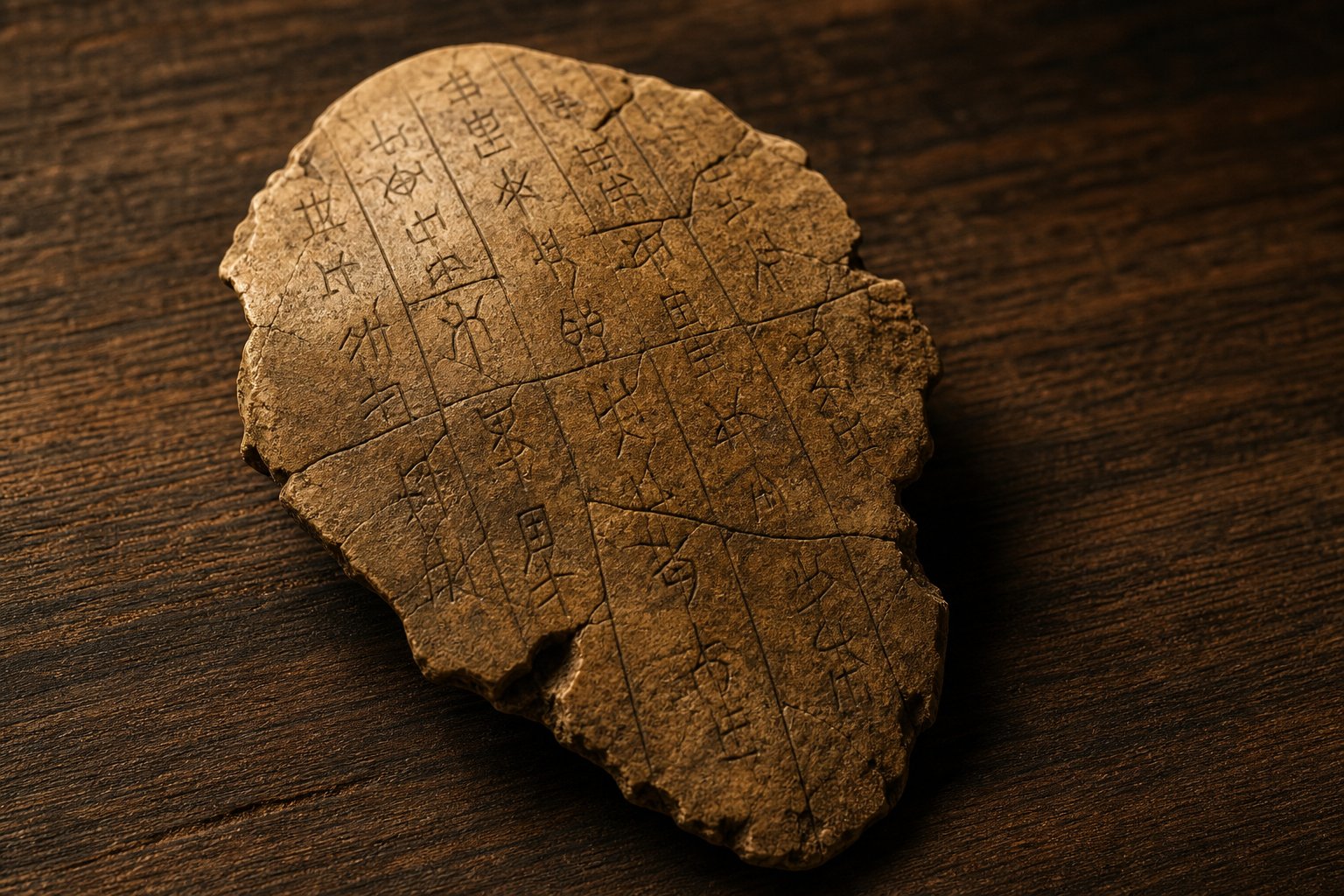
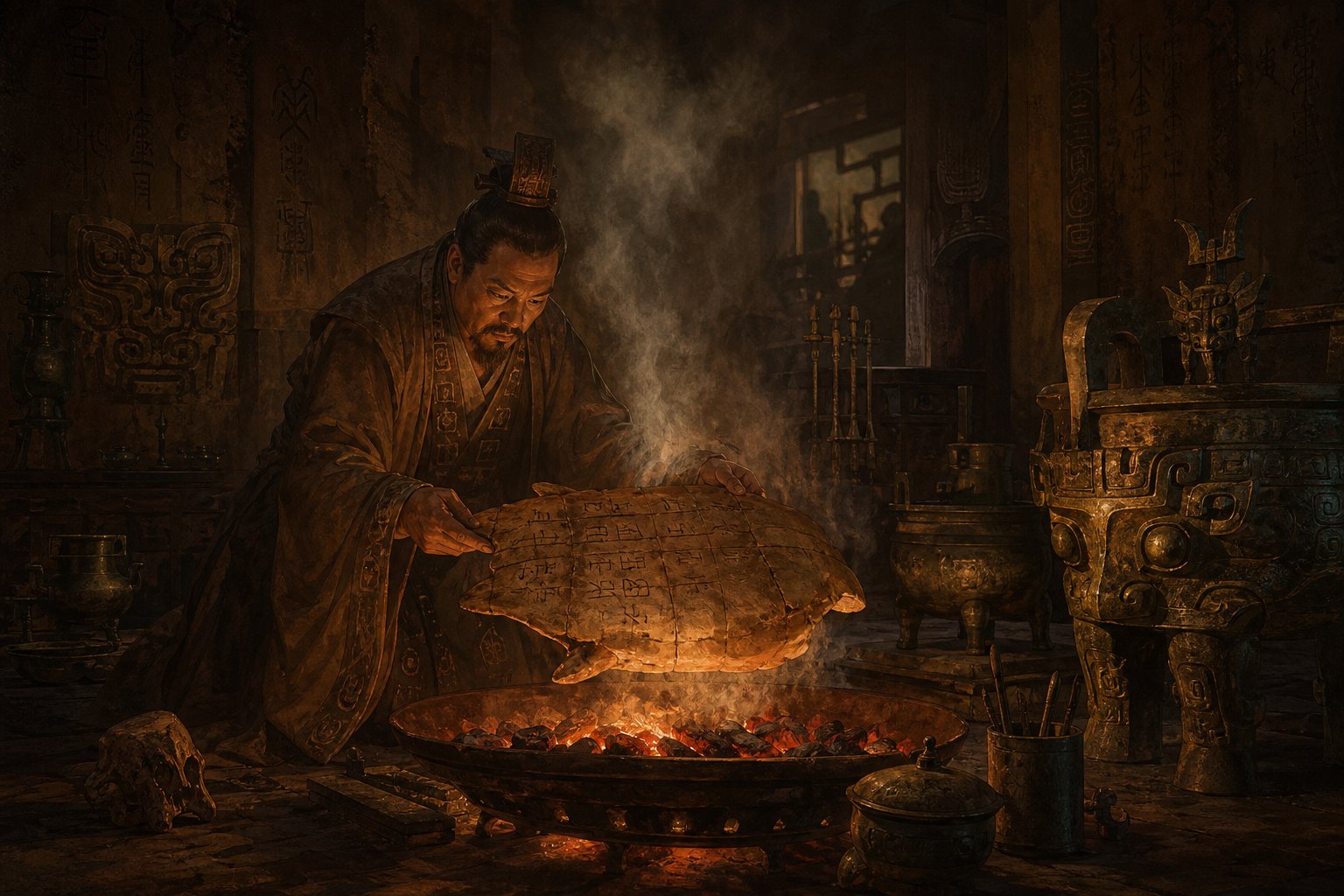
So what exactly are oracle bones? Imagine you are a Shang king around 1200 BCE, facing a decision about whether to go to war, when to plant crops, or why your toothache will not go away. You summon your diviners. They take a prepared turtle plastron, the flat underside of a turtle shell, or the broad scapula of an ox. On one side, they drill small hollows or grooves into the bone. Then they apply intense heat, likely a burning brand, to those prepared spots. The rapid thermal expansion produces cracks on the opposite surface. The diviner reads these cracks as answers from ancestral spirits: auspicious or inauspicious, yes or no.
The writing shang dynasty diviners inscribed onto these bones recorded the entire divination process. The most detailed inscriptions include the date, the diviner's name, the question posed (called the "charge"), the king's interpretation of the cracks, and sometimes even the outcome. As the Digital Orientalist notes, because the Shang divined only on the most pressing matters, military alliances, invasions, harvests, illnesses, and royal births, these records have become an invaluable source for historians of early China.
The shang dynasty writing system reveals a surprisingly complex society. Inscriptions reference a structured bureaucracy, a network of allied and enemy states, elaborate ancestor worship rituals, and agricultural planning tied to seasonal cycles. One bone might ask whether the king should order a lord to attack a neighboring polity. Another might inquire about the sex of an unborn royal child. Together, hundreds of thousands of inscriptions paint a vivid portrait of Bronze Age governance, religion, and daily life.
Systematic excavations at Yinxu, the ruins of the last Shang capital near modern Anyang, began in 1928 and continued for decades. Archaeologists recovered over 100,000 inscribed bone fragments from royal archives, pits, and scattered deposits. The site confirmed that oracle bone inscriptions date primarily from the reign of King Wu Ding onward, roughly 1200 to 1046 BCE. Yinxu earned UNESCO World Heritage status in 2006, recognized as the cradle of Chinese archaeology and the birthplace of verified Chinese writing.
What Oracle Bone Characters Looked Like
People sometimes call early Chinese writing "chinese hieroglyphics," and while that comparison is technically inaccurate, it captures something real about oracle bone script. These ancient chinese characters are strikingly pictographic. You can look at many of them and see, with a little imagination, the objects they represent.
Consider the character for "person" (人). On oracle bones, it appears as a clear side profile of a human figure, legs apart, arms visible. The character for "water" (水) shows a flowing stream with splashing droplets on either side of a central current. And "horse" (马) depicts an animal with a mane, four legs, and a tail, unmistakably equine. These chinese pictographs were drawings first and symbols second, their meaning readable at a glance to anyone who knew what to look for.
The visual style of oracle bone script was shaped directly by its medium. Carving into hard bone or shell with a sharp bronze stylus produces thin, angular strokes. Curves are difficult to execute cleanly on such surfaces, so characters tend toward straight lines and sharp angles. The Smithsonian's National Museum of Asian Art describes how the sharp beginning and end of each stroke relate directly to the script's origins in carving divination texts on tortoise shells and flat bones. This gives the entire script a distinctive scratchy, geometric quality quite different from the flowing brush strokes of later periods.
Scholars have identified approximately 4,500 distinct characters in the oracle bone corpus. Of these, only about 1,700 have been definitively deciphered and matched to their modern equivalents. The remaining characters include rare proper nouns, ritual terms, and symbols whose context is too fragmentary to interpret with certainty. Even so, the deciphered portion reveals a mature writing system with grammar, syntax, and a vocabulary capable of expressing complex ideas about politics, religion, weather, warfare, and family life.
Each chinese character china's diviners carved served a functional purpose within a living bureaucratic and religious system. These were not decorative marks or artistic experiments. They were tools of statecraft and spiritual communication, shaped by the practical constraints of bone, blade, and fire. That tension between pictographic beauty and administrative utility would define the evolution of Chinese writing for millennia to come, especially once a new medium, cast bronze, offered entirely different possibilities for how characters could look and what they could record.
From Bronze Vessels to the First Standardized Script
Cast bronze offered something bone never could: permanence by design. When the Zhou Dynasty overthrew the Shang around 1046 BCE, they inherited the tradition of inscribing characters but shifted the primary medium from carved turtle shells to cast bronze ritual vessels. This single material change reshaped the entire visual identity of Chinese writing, launching the evolution of chinese characters into a new phase that would last nearly a thousand years.
Bronze Inscriptions of the Zhou Dynasty
Bronze inscriptions, known as jinwen (金文), were not scratched onto a surface after the fact. They were cast directly into the metal during the vessel's creation. A calligrapher first wrote the text onto a clay mold, and molten bronze, an alloy of copper, tin, and lead, filled the impression. The result? Characters with thicker, rounder strokes and a more decorative quality than anything possible on bone. Where oracle bone script looked angular and scratchy, bronze inscriptions appeared fluid, almost sculptural.
The content changed too. Oracle bones recorded questions to spirits. Bronze vessels recorded answers to history. Early Western Zhou inscriptions were short, sometimes just a clan name or a brief dedication. But over the dynasty's roughly 300-year span (1046-771 BCE), texts grew dramatically longer and more complex. By the middle and late Western Zhou period, inscriptions documented lineage histories stretching back to founding ancestors, commemorated royal ceremonies, recorded military campaigns, detailed land grants, and preserved the terms of treaties between noble families.
These ancient chinese script records served multiple audiences simultaneously. The ceremony participants could read them. Descendants would inherit them. And the ancestral spirits, to whom the ritual sacrifices of food and drink were offered, were meant to be informed of the owner's achievements. In return, blessings of wealth, longevity, and fertility were expected. The very metal itself was considered a channel of communication with the deity Shangdi, and the privilege of casting bronze was reserved for the Zhou king and those allies he authorized through ritual ceremonies.
You'll notice a clear pattern in chinese script history here: as the medium changed, so did the purpose of writing. Bone served divination. Bronze served political legitimacy and ancestral memory. The chinese character symbols cast into these vessels were not just records but declarations of power, visible even at a distance on the outer surfaces of later vessels and massive ceremonial bells.
Large Seal Script and Regional Variations
When the Western Zhou collapsed in 771 BCE and political authority fragmented, something interesting happened to writing. Without a strong central power enforcing uniformity, individual states began developing their own script variations. By the Warring States period (467-221 BCE), the chinese system of writing had splintered into at least five distinct regional styles, corresponding roughly to the states of Qin, Chu, Qi, Yan, and the Three Jin.
These were not minor differences. The state of Qi in the northeast favored vertically elongated characters with long, slender strokes and sharp tips, fitting each character into an imaginary narrow rectangle. The southern state of Chu developed a "supple and sinuous" style, adding flowing curves and even decorative bird-and-insect motifs to formal inscriptions. Qin in the west maintained a more conservative approach, keeping characters square and compact, reminiscent of mid-Western Zhou traditions. The visual design of mandarin symbols, in other words, depended entirely on where you lived.
Imagine trying to govern a continent-sized territory where official documents from one region were barely legible to administrators in another. This was not a hypothetical problem. It was a real barrier to trade, diplomacy, and governance. A merchant from Chu reading a contract written in Qi script faced something closer to deciphering a foreign writing system than reading a regional accent. The large seal script (大篆 dazhuan) of this era was not one script but many, unified only by their shared ancestry in Zhou bronze inscriptions.
Qin Unification and Small Seal Script
In 221 BCE, the state of Qin conquered all rival kingdoms and established China's first unified empire. Emperor Qin Shi Huang understood that political unity meant nothing without administrative unity, and administrative unity required a single writing system. His chancellor Li Si led the effort to standardize all regional scripts into one: Small Seal Script (小篆 xiazhuan).
The reform was sweeping. Competing character forms were abolished. The word china written in chinese characters, the names of provinces, official titles, legal codes, everything had to conform to the new standard. Li Si based the unified script primarily on the existing Qin state script, which had already preserved a relatively conservative, orderly style. Small Seal Script refined this further into elegant, symmetrical characters with uniform stroke widths, balanced proportions, and flowing curves contained within an imaginary vertical rectangle.
This was the first time in Chinese history that a single authority dictated how every character must look. The standardization did not just eliminate confusion. It created a shared visual identity for an empire spanning thousands of miles, binding together peoples who spoke mutually unintelligible dialects under one written language. Writing became the glue of empire.
The table below compares the four major script stages from oracle bones through Qin unification:
| Script Type | Time Period | Primary Medium | Visual Traits | Historical Context |
|---|---|---|---|---|
| Oracle Bone Script (甲骨文) | ~1200-1046 BCE | Turtle shells, ox scapulae | Angular, thin strokes; highly pictographic; scratchy and geometric | Shang Dynasty divination records; questions to ancestral spirits |
| Bronze Inscriptions (金文) | ~1046-771 BCE | Cast bronze ritual vessels and bells | Rounder, thicker strokes; decorative; increasingly elaborate | Western Zhou political records; lineage histories, treaties, and royal awards |
| Large Seal Script (大篆) | ~771-221 BCE | Bronze, stone, bamboo, silk | Regional variation; elongated (east), sinuous (south), square (west) | Fragmented states; at least five distinct regional writing traditions |
| Small Seal Script (小篆) | 221 BCE onward | Stone steles, official documents | Symmetrical, uniform stroke width; elegant curves; standardized proportions | Qin unification; first empire-wide writing standard under Li Si |
Each row in this progression tells the same story from a different angle: writing adapts to serve power. The Shang needed spiritual guidance, so they carved questions into bone. The Zhou needed political legitimacy, so they cast achievements into bronze. The Warring States needed local identity, so scripts diverged. And the Qin needed imperial control, so they forced convergence.
Small Seal Script was elegant, but it was also slow to write. Every stroke demanded precision. Every character required careful, deliberate execution. For an empire generating mountains of bureaucratic paperwork, that posed a practical problem. Government clerks needed speed, and speed would demand yet another transformation, one that would break the last visible connection between Chinese characters and the pictures they once were.
The Clerical Script Revolution That Changed Everything
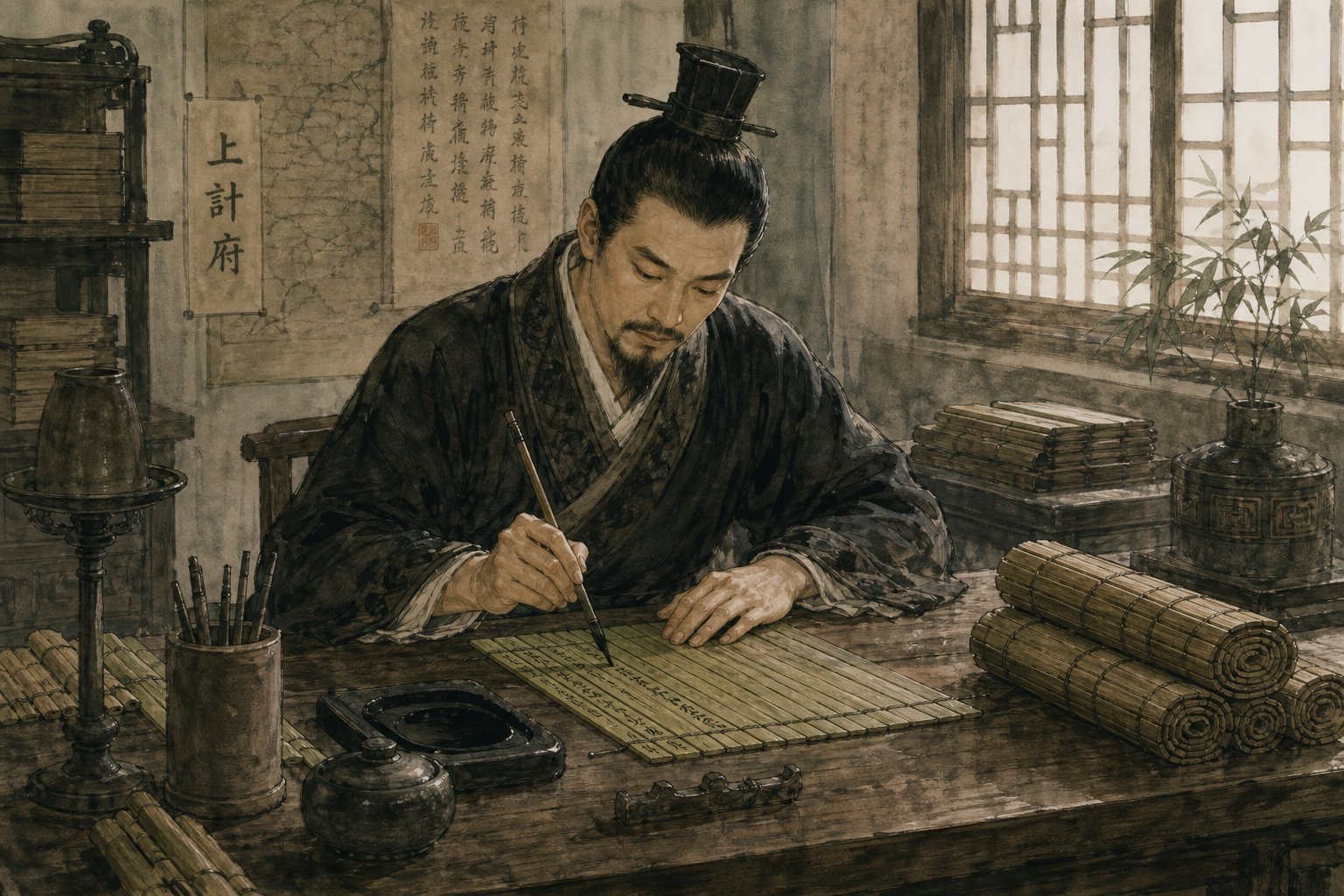
Speed killed the picture. That is the simplest way to describe what happened to Chinese writing during the late Warring States period and into the Han Dynasty. Small Seal Script was beautiful, symmetrical, and maddeningly slow to produce. Government clerks tasked with copying legal codes, recording census data, and drafting military orders needed something faster. Their solution, born from practical desperation rather than artistic ambition, became the most significant structural transformation in the entire evolution of chinese writing: clerical script (隶书 lishu).
This was not a minor style update. Clerical script drew a permanent line between ancient and modern character forms. Every script that came before it, oracle bone, bronze, seal, still carried visible traces of the original pictures. Everything that came after it, including the characters you see on screens and in books today, follows the structural logic that clerical script established. If you want to understand why writing in chinese looks the way it does in the modern world, this is where the answer lives.
Why the Han Dynasty Needed a Faster Script
Imagine running an empire of roughly 60 million people with nothing but handwritten documents. The Han Dynasty (206 BCE - 220 CE) built one of the most elaborate bureaucracies the ancient world had ever seen: tax records, military dispatches, judicial proceedings, population registers, land surveys, and diplomatic correspondence. All of it written by hand, on bamboo strips or silk, with brush and ink. The sheer volume of paperwork demanded a script that could be executed quickly without sacrificing legibility.
Clerical script evolved naturally from the folk varieties of Qin-state writing. Despite a historical tradition attributing its invention to a prison clerk named Cheng Miao, archaeological evidence shows it was not created by any single person. Bamboo slips from as early as 309 BCE, like those found at Qingchuan in Sichuan, already display features that are more rectilinear than contemporary seal scripts, with shorter, more segmented strokes. The clerks did not invent a new system. They accelerated an existing one, stripping away the curves and flourishes that slowed the hand.
The key visual transformation was dramatic. Seal script's rounded, flowing turns became abrupt, angular corners. Characters grew wider and flatter, with longer horizontal strokes and shorter vertical ones. Most distinctively, horizontal strokes developed what calligraphers call the "silkworm head and goose tail" (蚕头雁尾), a thick beginning that tapers before flicking upward at the end. This flourish, along with the pronounced downward-right strokes, gave mature Han clerical script its characteristic "wavy" appearance, a style so visually distinctive that it remains instantly recognizable today.
The writing medium drove these changes as much as bureaucratic pressure did. A flexible brush loaded with ink on a bamboo strip behaves nothing like a bronze stylus on bone. Brushes reward confident, sweeping motions. They punish hesitation with blots. The natural physics of brush on bamboo favored wide horizontal movements and quick directional changes, exactly the traits that define clerical script. The old chinese characters carved into bone or cast into bronze had been shaped by resistance. Clerical script was shaped by flow.
The Bridge Between Ancient and Modern Forms
Here is where the chinese writing evolution gets truly irreversible. Clerical script did not just change how characters looked. It restructured them at a fundamental level, a process scholars call libian (隶变), meaning "clerical transformation." Curved lines became straight. Pictographic elements were abstracted into standardized stroke types. And the direct visual connection between a character and the object it originally depicted was broken, permanently.
Thread the same example characters through this shift and you'll see the magnitude of the change:
- 人 (person) - On oracle bones, a clear side-profile of a human figure with visible legs and arms. In seal script, still recognizably a person, just more stylized. In clerical script, reduced to two abstract strokes meeting at an angle. The picture is gone. The symbol remains.
- 水 (water) - Originally a flowing stream with splashing droplets. Seal script preserved the wavy central current. Clerical script flattened everything into a vertical stroke flanked by angular dots and hooks. No one looking at the clerical form would guess "water" without being told.
- 马 (horse) - Once an unmistakable animal with mane, legs, and tail. By the clerical stage, the mane became horizontal strokes, the legs became dots, and the tail disappeared into a final sweeping stroke. The horse vanished into abstraction.
This is the dividing line. Before clerical script, you could often guess a character's meaning by looking at it. After clerical script, you needed to learn it. The writing in chinese language shifted from a partially iconic system to a fully conventional one, where the relationship between form and meaning is arbitrary unless you know the history.
Yet clerical script also gave chinese writings their enduring structural DNA. The system of distinct, countable strokes, the horizontal-before-vertical stroke order, the balanced rectangular frame that each character occupies, all of these conventions crystallized during the clerical period. When you look at any example of chinese writing today, whether printed in a newspaper or displayed on a phone screen, you are looking at a direct descendant of the structural choices Han Dynasty clerks made two thousand years ago.
By the late Eastern Han Dynasty, clerical script had reached its most refined form, preserved on carefully executed stone stelae that calligraphers still study as masterworks. But refinement brought rigidity. The same bureaucratic pressures that created clerical script eventually demanded something beyond it. Clerks began abbreviating strokes, linking movements, and dropping the heavy decorative tails in favor of speed. From these shortcuts, new scripts would emerge, ones designed not for monuments but for the messy, urgent reality of daily life.
Regular Script and the Calligraphic Traditions
Those hurried abbreviations Han clerks scribbled in the margins of official documents did not stay marginal for long. By the second and third centuries CE, the shortcuts had crystallized into distinct script types, each serving a different purpose in Chinese life. Three emerged in parallel: regular script for clarity, running script for efficiency, and cursive script for expression. Together, they form the calligraphic ecosystem that has governed chinese handwriting for nearly two millennia.
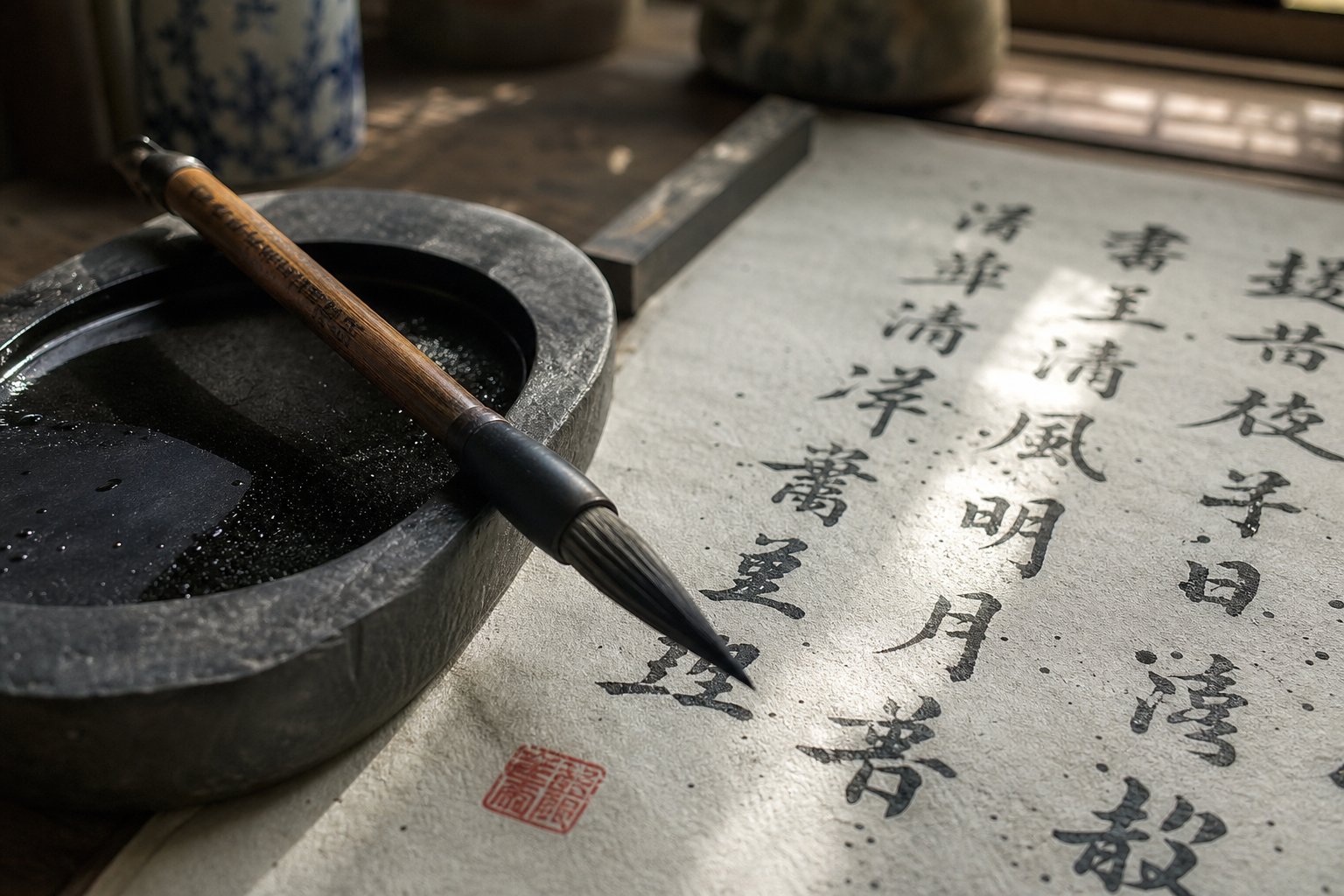
So what is chinese writing called in its most familiar modern form? The answer is regular script, kaishu (楷书), the standard that defines how traditional chinese characters appear in print, education, and formal contexts to this day.
Regular Script as the Standard for Over 1,800 Years
Regular script began taking shape during the late Eastern Han Dynasty, around the second century CE. It matured gradually, absorbing the structural clarity of clerical script while shedding the heavy decorative flourishes. By the Tang Dynasty (618-907 CE), kaishu had reached its zenith and became the dominant script for all formal writing.
What makes regular script so enduring? Each character sits within an imaginary square, balanced around a central axis. Strokes are clearly articulated, distinct, and countable. There is no ambiguity about where one stroke ends and another begins. This precision made it ideal for woodblock printing, which emerged in China during the seventh century, and later for movable type in the eleventh century. The script's legibility at any size, from monumental stone inscriptions to tiny book pages, ensured its dominance across every medium.
Regular script also carried moral weight. Tang-dynasty writers associated its balanced, upright form with the moral rectitude of the calligrapher. A properly written character was expected to stand "like a proper gentleman," as one anonymous Tang essay put it. This connection between visual form and personal virtue made kaishu the script of choice for imperial examinations, official edicts, and religious texts, contexts where authority and trustworthiness mattered.
The Art of Running and Cursive Scripts
Regular script excels at clarity, but nobody writes that carefully when dashing off a personal letter. Running script (行书 xingshu) fills the gap between formal precision and expressive freedom. It combines the legibility of kaishu with the speed of a more relaxed hand, allowing strokes within a character to connect fluidly without fully merging into abstraction. If you've ever seen authentic chinese handwriting in a personal note or informal document, you were likely looking at running script.
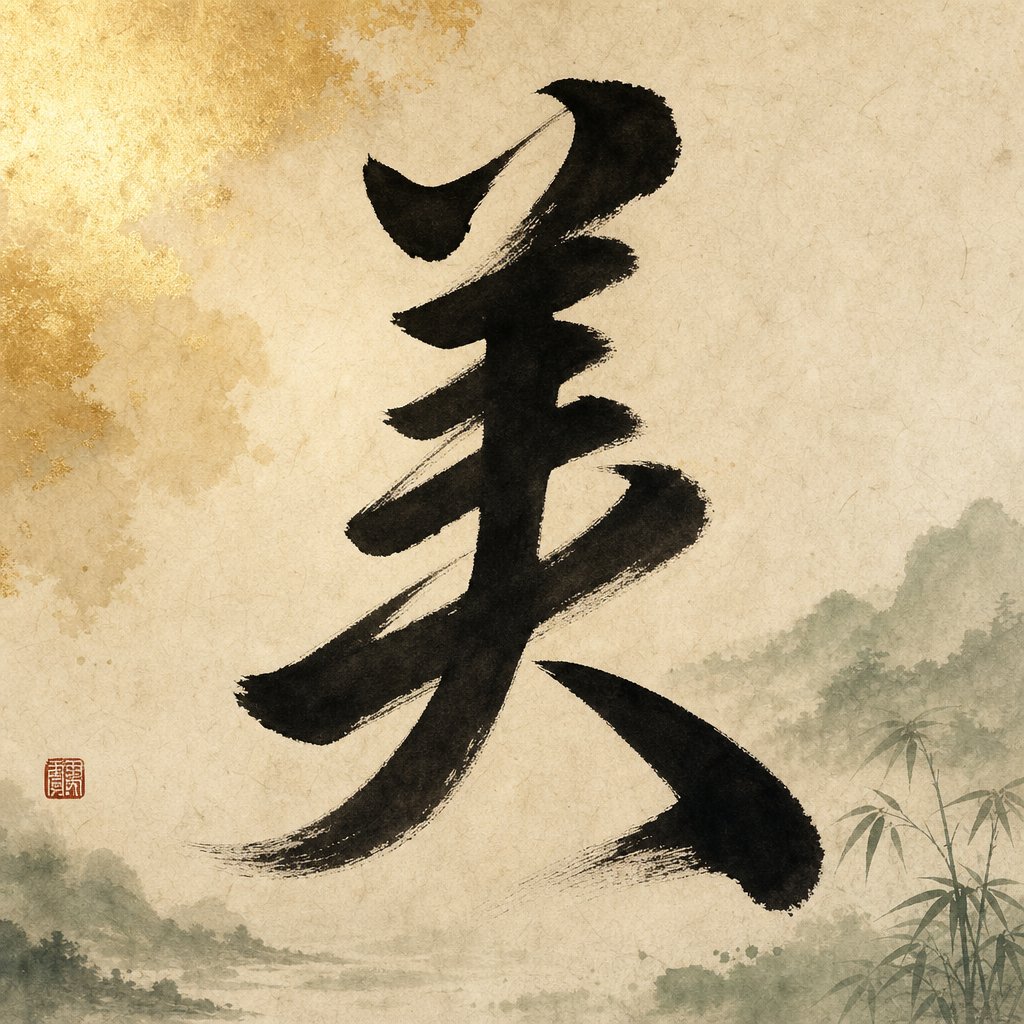
Cursive script (草书 caoshu) pushes further still. Characters are radically abbreviated, strokes merge and flow together, and two or more characters may be linked by a single unbroken brush movement. The result can be nearly illegible to untrained eyes, but to practitioners of mandarin calligraphy, it represents the highest form of artistic expression. The Metropolitan Museum of Art notes that cursive script readily reveals the speed at which each character was brushed, sometimes so fast that ligatures fuse the final stroke of one character into the first stroke of the next.
When people ask what is chinese script called in its artistic form, the answer often points to the work of Wang Xizhi (303-361 CE), the most revered calligrapher in East Asian history. His masterpiece Preface to the Orchid Pavilion, written in running script, has been copied and studied by every generation of calligraphers for over 1,600 years. Wang elevated writing from communication to fine art, demonstrating that the brush could capture personality, mood, and kinetic energy within the structure of language. To describe ancient chinese calligraphers is to begin with Wang Xizhi, whose influence on the tradition is comparable to Shakespeare's influence on English literature.
The world of chinese calli has always been one of coexistence rather than replacement. These three scripts serve complementary roles:
- Regular Script (楷书) - Clear, balanced strokes with each stroke distinctly articulated; used for printing, formal documents, education, and any context requiring maximum legibility
- Running Script (行书) - Semi-cursive with connected strokes and moderate abbreviation; used for personal correspondence, everyday note-taking, and informal writing where speed and readability both matter
- Cursive Script (草书) - Highly abbreviated with merged strokes and ligatures between characters; used for artistic calligraphy, poetic expression, and personal signatures where individuality and emotional intensity take priority over legibility
This three-part system has remained remarkably stable. A Tang-dynasty scholar would recognize the same functional division in use today: regular for the printed page, running for the handwritten note, cursive for the artist's studio. The scripts coexist because they answer different human needs, clarity, convenience, and beauty, that no single form can satisfy alone.
Yet all three scripts, however different they appear on the surface, share the same underlying architecture. Every character, whether rendered in rigid kaishu or wild caoshu, is built from the same components: radicals that signal meaning and phonetic elements that hint at sound. Understanding how those components combine reveals the deeper logic beneath the brushstrokes, a system of character formation that Chinese scholars codified nearly two thousand years ago.
Six Ways Chinese Characters Are Formed
Radicals hint at meaning. Phonetic components hint at sound. But how exactly do these pieces come together to create a character? Chinese scholars answered that question nearly 2,000 years ago when Xu Shen published the Shuowen Jiezi (说文解字) in 100 CE, the first comprehensive dictionary to systematically analyze chinese character meaning by breaking each entry down into its formative logic. His framework identified six distinct methods of character creation, collectively called the Six Categories or liushu (六书). This system remains the standard chinese characters definition framework used by linguists and learners today.
Think of it this way: if characters are buildings, the Six Categories are the six different architectural blueprints used to construct them. Some characters are simple sketches of objects. Others combine meaning components in clever ways. And the vast majority fuse a meaning clue with a pronunciation clue into a single compact unit. Understanding which blueprint a character follows transforms chinese character interpretation from guesswork into a systematic process.
Pictographs and Ideographs as Building Blocks
The most intuitive category is pictographs (象形 xiangxing). These are the characters that started as drawings. Look at 山 (shan, mountain) and you can still see three peaks rising from a baseline. Look at 日 (ri, sun) and you see a rectangular outline of the solar disc with a line through the center. Other classic chinese pictograms include 月 (yue, moon), 火 (huo, fire), and 口 (kou, mouth). They feel satisfying to learn because the connection between image and meaning is visible.
Here is the catch: pictographs account for only about 4% of all Chinese characters. They work beautifully for concrete, visible objects like trees, rivers, and animals. But how do you draw a picture of "above" or "three" or "bright"? You cannot, at least not with a simple sketch. That limitation gave rise to the next two categories.
Simple ideographs (指事 zhishi) solve the problem of abstract concepts by using symbolic indicators rather than pictures. The character 上 (shang, up) places a short vertical mark above a horizontal baseline, pointing upward. Flip the logic and you get 下 (xia, down), with the mark dropping below the line. The numbers 一, 二, and 三 (one, two, three) use stacked horizontal strokes as a counting system. These characters are self-explanatory once you grasp the visual logic, but they remain limited to concepts that can be expressed through simple spatial relationships.
Compound ideographs (会意 huiyi) push further by combining two or more existing elements to express a new, more abstract idea. The character 明 (ming, bright) merges 日 (sun) and 月 (moon), the two brightest objects in the sky. The character 休 (xiu, to rest) places the person radical (亻) next to 木 (tree), evoking someone leaning against a tree in the shade. And 看 (kan, to look) stacks 手 (hand) above 目 (eye), suggesting a hand shading the eyes to peer into the distance. These combinations reveal how early writers stretched a limited set of pictographic building blocks into a system capable of expressing increasingly complex ideas.
Phono-Semantic Compounds and Why They Dominate
Pictographs, simple ideographs, and compound ideographs together account for a relatively small fraction of the total character inventory. So where do the rest come from? The answer is phono-semantic compounds (形声 xingsheng), and they dominate the system so thoroughly that over 80% of all Chinese characters belong to this single category.
The principle is elegant. Each phono-semantic character combines two components: a semantic radical that signals the general meaning category, and a phonetic element that hints at pronunciation. Consider the phonetic component 登 (deng, to ascend). Add the foot radical 足 and you get 蹬 (deng, to step on). Add the eye radical 目 and you get 瞪 (deng, to stare). Add the water radical 氵 and you get 澄 (deng, to settle or become clear). In each case, the radical tells you the meaning neighborhood while the shared phonetic component tells you roughly how to pronounce it.
This is where understanding chinese symbols and meanings becomes genuinely practical. When you encounter an unfamiliar character, identifying the radical narrows down its semantic field, is it related to water, speech, metal, or wood? Then recognizing the phonetic component gives you a pronunciation guess. Native speakers rely on this instinctively, following the rule of thumb 有边读边 (you bian du bian): "if it has a side, read the side." The phonetic component typically appears on the right or bottom, while the semantic radical sits on the left or top.
One important caveat: sound changes over the centuries mean that phonetic components are not always reliable guides to modern pronunciation. The character 扳 (ban, to pull) contains the phonetic element 反 (fan), but the initial consonant shifted from "f" to "b" over time. Similarly, characters sharing the phonetic component 周 (zhou) may be pronounced zhou, chou, tiao, or diao depending on which semantic radical accompanies them. The system works as a rough guide, not a guarantee, which is why learners still need to verify pronunciation rather than relying solely on phonetic inference.
The remaining two categories are less about creating new characters and more about repurposing existing ones. Transfer characters (转注 zhuanzhu) are pairs that were once interchangeable but drifted apart in meaning over time. The characters 考 (kao, to test) and 老 (lao, old) share an etymological root and were historically related, but now carry distinct meanings. Loan characters (假借 jiajie) work like a rebus: a character is borrowed for its sound to represent a different word. The character 来 (lai) originally meant "wheat" but was borrowed to write the verb "to come" because the pronunciation matched. Eventually, a new character 麦 (mai) was created to carry the original "wheat" meaning. This rebus works as a creative workaround when the existing character inventory lacks a symbol for a needed word.
The table below organizes all six categories with their chinese meanings and symbols, formation logic, and relative frequency:
| Chinese Name | English Name | Formation Principle | Approximate % of Characters | Examples |
|---|---|---|---|---|
| 象形 (xiangxing) | Pictographs | Character visually resembles the object it represents | ~4% | 山 (mountain), 日 (sun), 月 (moon), 火 (fire) |
| 指事 (zhishi) | Simple Ideographs | Abstract indicators express concepts through symbolic spatial arrangement | ~2% | 上 (up), 下 (down), 一 (one), 本 (root) |
| 会意 (huiyi) | Compound Ideographs | Two or more existing elements combine to suggest a new meaning | ~13% | 明 (bright = sun + moon), 休 (rest = person + tree) |
| 形声 (xingsheng) | Phono-Semantic Compounds | Semantic radical (meaning) + phonetic component (sound) fused into one character | ~80-90% | 蹬 (step = foot + deng), 瞪 (stare = eye + deng) |
| 转注 (zhuanzhu) | Transfer Characters | Characters with shared etymology whose meanings diverged over time | Rare (reclassification) | 考 (test) and 老 (old); 窍 (hole) and 空 (empty) |
| 假借 (jiajie) | Loan Characters | Existing character borrowed for its sound to represent an unrelated word | Rare (historical process) | 来 (come, originally "wheat"), 必 (must, originally "weapon handle") |
Notice the overwhelming dominance of phono-semantic compounds. This tells you something fundamental about how the system scaled. Pictographs and ideographs work for a few hundred common concepts, but a civilization needs tens of thousands of words. The phono-semantic method provided an infinitely expandable formula: pick a radical for meaning, pick a component for sound, and combine. It is the engine that allowed Chinese to grow from a few thousand oracle bone characters into a system containing over 50,000 entries in comprehensive dictionaries.
For anyone trying to decode chinese words symbols and meanings, the practical takeaway is clear. Learn the most common radicals and you unlock the semantic logic of the vast majority of characters. Learn common phonetic components and you gain a pronunciation shortcut that works more often than not. The Six Categories are not just a historical curiosity. They are the operating manual for a writing system that has been generating new characters for over three millennia, and the same structural principles that Xu Shen documented in 100 CE still govern how characters function today.
Yet function and form are not the same thing. A character can follow the same structural logic whether it contains five strokes or twenty-five. And by the mid-twentieth century, that stroke count had become a political problem. When hundreds of millions of people cannot read because the characters are too complex to learn efficiently, the question shifts from how characters are formed to whether they should be reformed.
Modern Simplification and the Great Character Debate
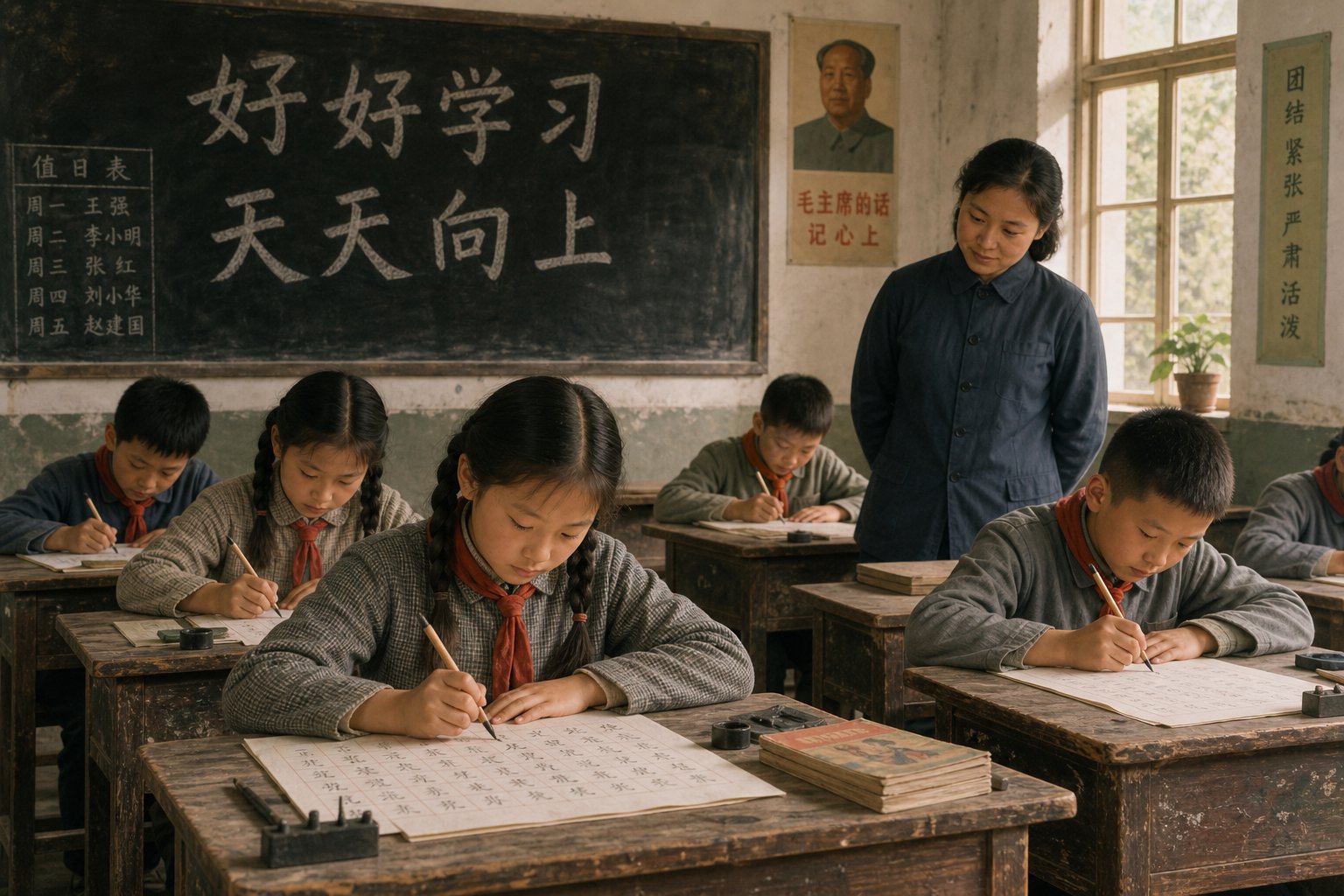
Hundreds of millions of people who could not read. That was the reality facing China in the early 1950s. Illiteracy rates among the general public hovered above 80%, and some estimates placed them closer to 90% in rural areas. Characters that had evolved over three millennia to serve scholars, monks, and bureaucrats were now expected to serve farmers, factory workers, and soldiers. The complexity that made traditional chinese writing beautiful also made it brutally difficult to learn at scale. Something had to give.
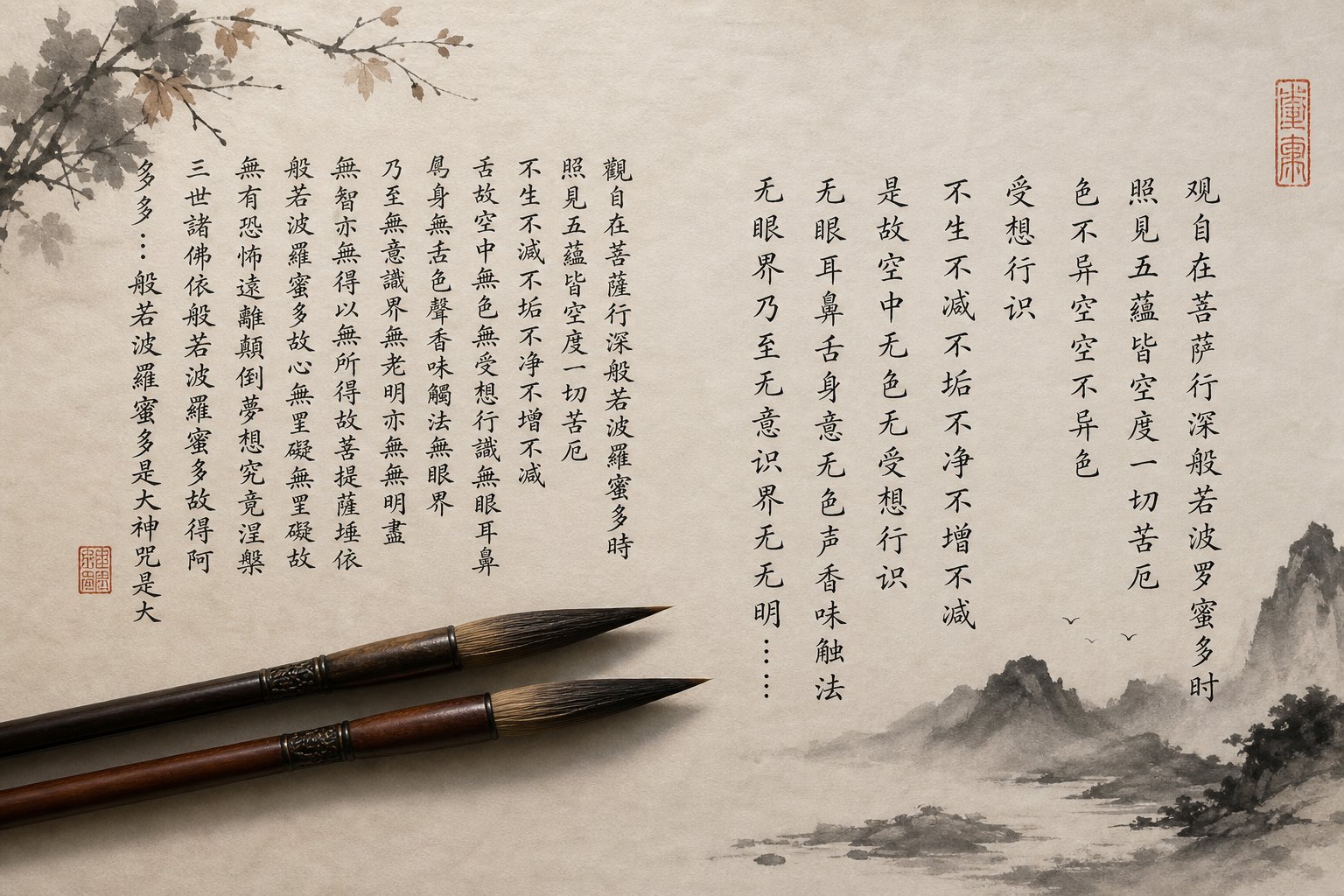
The result was the most deliberate, politically charged transformation in the entire history of chinese characters: the simplification reforms of the 1950s and 1960s. These reforms did not invent a new writing system. They streamlined an existing one, reducing stroke counts, merging redundant forms, and codifying shortcuts that ordinary people had been using informally for centuries. The debate over whether this was a triumph of accessibility or a tragedy of cultural loss continues to this day.
Political and Cultural Motivations Behind Simplification
The idea of simplifying characters did not begin with the Communist Party. As early as the 1919 New Culture Movement, Chinese intellectuals blamed the complexity of the writing system for the nation's widespread illiteracy. Some radicals even advocated abandoning characters entirely in favor of a Roman alphabet, as Vietnam had done. The Nationalist government organized scholars to begin simplification work in the 1930s, but war and political turmoil interrupted the effort before it could produce results.
After the founding of the People's Republic of China in 1949, Chairman Mao Zedong revived the project with urgency. In June 1950, he proposed that simplifying characters should come first as part of broader script reform, specifically to enable the vast number of illiterate and semi-literate citizens to quickly master reading and writing. The Ministry of Education compiled a first draft of 550 simplified characters by October 1950. A Research Committee on Language Reform followed, collecting widely-used folk simplifications and producing a draft of 700 characters by the end of 1952.
Mao reviewed the draft and pushed back. Seven hundred characters were "not simple enough," he argued. He instructed the committee to draw more heavily from cursive script traditions, identify systematic simplification patterns, and reduce not just the complexity of individual characters but the total number in common use. The mandarin written language, in his view, needed to become radically more accessible if China was to modernize.
After further revision, the State Council promulgated the official "Scheme for Simplifying Chinese Characters" on January 31, 1956. This first round included 515 simplified characters and 54 simplified radicals, implemented in four stages. A more comprehensive "General List of Simplified Characters" followed in 1964, establishing 2,238 simplified forms that remain the standard in Mainland China today. A second round of simplifications attempted in the 1970s proved too radical and was officially retracted, leaving the 1964 list as the definitive version.
The government used several systematic methods to reduce stroke counts:
- Adopting cursive forms - Characters that had long been abbreviated in handwritten cursive script were formalized as standard. The character for "book" (書) became 书, essentially a printed version of its cursive shorthand.
- Replacing complex components - Intricate internal elements were swapped for simpler ones. The character for "observe" (觀) replaced its left component with a much simpler element to become 观.
- Merging characters - Multiple traditional characters with different meanings but similar or identical pronunciations were collapsed into a single simplified form. The characters 後 (behind) and 后 (empress) merged into the single form 后.
- Retaining partial forms - Only a recognizable portion of the original character was kept. The character for "fly" (飛) was reduced to 飞, preserving just enough of the original structure for recognition.
- Creating new phonetic compounds - Some characters were rebuilt using simpler phonetic components. The character for "alarm" (驚) became 惊, replacing the complex phonetic element with the simpler 京.
These were not arbitrary decisions. Many simplified chinese writing symbols had existed informally for centuries as "vulgar characters" used by merchants, letter-writers, and anyone who valued speed over formality. The reform essentially promoted folk abbreviations to official status, giving legal recognition to what the population had already been doing with their pens.
Traditional vs Simplified Characters Today
The geographic split is straightforward. Mainland China and Singapore use simplified characters as their official standard. Taiwan, Hong Kong, and Macau continue to use traditional characters chinese communities have maintained for centuries. The American Translators Association notes that overseas Chinese communities present a more complex picture: Malaysia, Singapore, and Indonesia shifted to simplified forms as China's global influence grew, while communities in North America, Australia, and Europe use a mixture depending on the origin of their immigrant populations.
An important distinction often missed: simplified vs traditional refers only to the writing system, not to spoken language. Mandarin speakers in both Mainland China and Taiwan use the same spoken language but write it differently. Cantonese speakers in Hong Kong write in traditional characters, while Cantonese speakers in Guangdong Province (part of the Mainland) use simplified forms. The script choice is political and geographic, not linguistic.
The table below shows how simplification affected specific characters, including the example characters we have traced through this entire article:
| Traditional Form | Simplified Form | Meaning | Traditional Stroke Count | Simplified Stroke Count | Reduction Method |
|---|---|---|---|---|---|
| 馬 | 马 | Horse | 10 | 3 | Cursive form adopted |
| 書 | 书 | Book/writing | 10 | 4 | Cursive form adopted |
| 學 | 学 | To learn | 16 | 8 | Complex components removed |
| 龍 | 龙 | Dragon | 16 | 5 | Cursive form adopted |
| 國 | 国 | Country | 11 | 8 | Internal component replaced |
| 聽 | 听 | To listen | 22 | 7 | Entirely new simplified form |
Look at 馬 becoming 马. This character started as a recognizable horse on oracle bones over 3,000 years ago, passed through bronze and seal script transformations, lost its pictographic clarity in clerical script, and finally shed most of its remaining strokes in the 1950s. Three strokes now carry the meaning that ten once did. The journey from picture to symbol is complete.
The debate over whether this journey represents progress or loss remains unresolved. Proponents of simplification point to concrete results: China's literacy rate climbed from roughly 20% in the early 1950s to over 97% today. Fewer strokes mean faster writing, easier memorization, and lower barriers to education. For a developing nation racing to industrialize, these gains were not trivial.
Critics counter that traditional mandarin characters preserve etymological information that simplified forms erase. When 愛 (love) loses its 心 (heart) component to become 爱, something meaningful disappears. The character for "listen" (聽) traditionally contained components for ear, eye, and heart, suggesting that true listening involves all three. The simplified 听 retains none of that layered meaning. For scholars of classical texts, calligraphers, and anyone who values the historical depth embedded in character structure, simplification represents a cultural cost that literacy statistics alone cannot measure.
Neither side is entirely wrong. The traditional vs simplified chinese characters divide reflects a genuine tension between accessibility and heritage, between serving the living population and honoring the accumulated wisdom encoded in written forms. Both systems remain fully functional, mutually intelligible with modest effort, and deeply tied to the cultural identities of the communities that use them.
What both systems share, however, is more significant than what divides them. Whether you write 馬 or 马, you are still using a character whose ancestry traces back to a pictograph carved into a turtle shell over three thousand years ago. Simplified or traditional, the underlying architecture, radicals signaling meaning, phonetic components hinting at sound, remains identical. The reform changed surfaces, not structures. And that structural continuity is precisely what makes the system legible across millennia, connecting a modern reader to the logic of ancient scribes in ways that no alphabetic writing system can replicate.
What Character History Means for Readers Today
That structural continuity is not just an academic observation. It is a practical tool for anyone learning or reading Chinese today. When you understand the journey a character has taken, from carved pictograph to modern symbol, the form on the page stops feeling random and starts revealing its own logic.
How History Explains Why Characters Look the Way They Do
Consider 马 (horse) one more time. Three strokes. Completely abstract. Without context, there is no reason those marks should mean "horse." But trace the character backward through time and you find a simplified cursive form, which came from a clerical abstraction, which came from a seal script stylization, which came from a bronze inscription, which came from an oracle bone pictograph of a horse with a mane, four legs, and a tail. Suddenly those three strokes are not arbitrary. They are the compressed residue of 3,000 years of evolution.
This perspective transforms how you approach unfamiliar characters. Radicals, the meaning components inherited from the phono-semantic system, act as built-in clues. See the water radical (氵) on the left side of a character? It likely relates to liquid, rivers, or flowing. See the speech radical (讠)? Expect something connected to language or communication. Learning even eight to ten key radicals gives you a decoding framework that works across thousands of characters, turning what feels like rote memorization into pattern recognition.
How Many Chinese Characters Exist and How Many Do You Need
People often ask how many letters in the chinese alphabet there are, but the question itself reveals a misunderstanding. Chinese does not use an alphabet. What are chinese characters called? They are called hanzi (汉字), and unlike letters, each one represents a meaningful syllable rather than a single sound. So how many characters in the chinese alphabet equivalent exist? The answer depends on how deep you want to dig.
The 18th-century Kangxi Dictionary lists over 47,000 characters. Modern comprehensive dictionaries push that number to between 50,000 and 100,000 when rare, archaic, and variant forms are included. But here is the reassuring part: how many chinese characters are there in daily use? The average Chinese person relies on roughly 3,000 to 4,000 characters for everyday reading and writing. Knowing just 1,000 characters covers approximately 90% of modern texts. So while the total number of characters in the chinese language is staggering, functional literacy requires only a manageable fraction.
People searching for how many letters in china alphabet or how many alphabets are in chinese are really asking the same underlying question: is this system learnable? The answer is yes, precisely because the system is not random. Radicals provide meaning clues. Phonetic components provide sound clues. And history provides the narrative thread that ties everything together.
The writing system continues to evolve even now. Digital input methods like Pinyin typing have shifted the challenge from writing characters by hand to recognizing them on screen. Occasionally, new characters still enter the lexicon, such as 烎 (yin, meaning "fired up"), which internet users revived from an obscure classical dictionary. The system remains alive, adaptive, and open to growth.
Chinese characters represent an unbroken thread of cultural continuity spanning over three millennia, connecting a modern smartphone user tapping out a text message to a Shang Dynasty diviner carving questions into a turtle shell by firelight.
That thread is what makes this writing system unique among all human inventions. It has not merely survived. It has remained the daily tool of more people than any other script on Earth, carrying forward the accumulated logic of pictographs, ideographs, and phono-semantic compounds through every political upheaval and technological revolution thrown at it. Whether you are a learner encountering your first radical or a native speaker who has never thought twice about why 马 looks the way it does, the history is always there beneath the surface, waiting to make the familiar feel extraordinary.
Frequently Asked Questions About the History of Chinese Characters
1. How old are Chinese characters?
The confirmed age of Chinese characters is approximately 3,400 years, dating back to oracle bone inscriptions from the Shang Dynasty around 1200 BCE. However, proto-writing symbols found on pottery at sites like Jiahu (6600 BCE) and Banpo (4800 BCE) suggest the roots of the system may extend back 6,000 to 8,600 years. Scholars debate whether these earlier marks qualify as true writing because they have not been proven to systematically represent spoken language with consistent grammar and repeatable symbol-meaning relationships.
2. What is the difference between traditional and simplified Chinese characters?
Traditional characters preserve the complex forms that evolved over millennia and are used in Taiwan, Hong Kong, and Macau. Simplified characters were introduced by the People's Republic of China in 1956 to combat illiteracy by reducing stroke counts through methods like adopting cursive shorthand, replacing complex components, and merging similar-sounding characters. For example, the traditional character for horse (馬, 10 strokes) became 马 (3 strokes). Both systems share the same underlying structural logic of radicals and phonetic components, and the choice between them is geographic and political rather than linguistic.
3. How many Chinese characters do you need to know to be literate?
While comprehensive dictionaries contain between 50,000 and 100,000 characters, functional literacy in modern Chinese requires far fewer. Knowing approximately 3,000 to 4,000 characters covers everyday reading and writing needs, and just 1,000 characters will allow you to understand roughly 90% of modern texts. The system is learnable because it follows consistent structural patterns: semantic radicals signal meaning categories and phonetic components hint at pronunciation, giving readers built-in decoding tools for unfamiliar characters.
4. Why do Chinese characters look different from their original pictographic forms?
The clerical script revolution during the Han Dynasty (206 BCE - 220 CE) permanently broke the visual connection between characters and the pictures they once represented. Government clerks needed to write faster on bamboo strips with brushes, so they straightened curves, flattened proportions, and standardized strokes into angular, abstract forms. A character like water (水), which once depicted a flowing stream with splashing droplets, became a vertical stroke flanked by angular marks. Every script that followed, including modern regular script, inherited this abstracted structural framework rather than the original pictographic appearance.
5. How are Chinese characters different from an alphabet?
Alphabetic systems use letters that represent individual sounds, which combine to spell words. Chinese characters (called hanzi) each represent a meaningful syllable rather than a single sound. Most characters are phono-semantic compounds that fuse a radical indicating meaning category with a phonetic component suggesting pronunciation. This means Chinese has no fixed number of 'letters' the way alphabets do. Instead, it uses a productive system of combinable components that has generated tens of thousands of unique characters over three millennia, with new ones still occasionally being created today.