
Understanding Why Bae Works Differently in Chinese
Imagine you want to text your Chinese-speaking partner something sweet. You type "bae" and then pause. How do you say bae in Chinese? A quick dictionary search won't give you a clean answer, and there's a good reason for that.
"Bae" itself is a slippery word in English. As Esquire noted when tracing its origins, even Oxford's lexicographers struggled to pin it down. It functions as a shortened form of "baby" or "babe," an acronym for "before anyone else," and a catch-all pet name that floats between texting, social media captions, and spoken conversation. That flexibility is exactly what makes finding a Chinese equivalent of bae so tricky.
Why Bae Doesn't Have a Direct Chinese Translation
Chinese and English handle slang absorption very differently. The BBC has reported on how even straightforward English terms like "NBA" and "iPhone" spark fierce debate in China over whether foreign words should be translated or used directly. Internet slang like "bae" adds another layer of complexity because it carries cultural context, not just meaning. The word signals casualness, digital intimacy, and a specific generational vibe that no single Chinese character or phrase replicates on its own.
Mandarin instead offers a menu of affectionate terms, each tuned to a different situation. Some work best in text messages. Others sound natural spoken aloud. A few belong exclusively to Gen-Z internet culture. The bae meaning in Chinese language isn't captured by one word but by choosing the right word for the moment.
What This Guide Will Help You Achieve
Chinese expresses the concept of "bae" through multiple context-dependent terms rather than a single word. Picking the right one depends on your relationship stage, communication medium, and regional context.
Whether you're trying to call a Chinese-speaking partner a pet name, translate bae to Mandarin for a creative project, or simply understand what you're seeing on WeChat and Douyin, this guide walks you through each option step by step. You'll learn the most universal choices first, then move into trending slang, regional variations, and the cultural rules that determine when each term actually lands well.
The most versatile option on that menu is a word you've probably already encountered if you've spent any time around Mandarin speakers: 宝贝 (baobei).
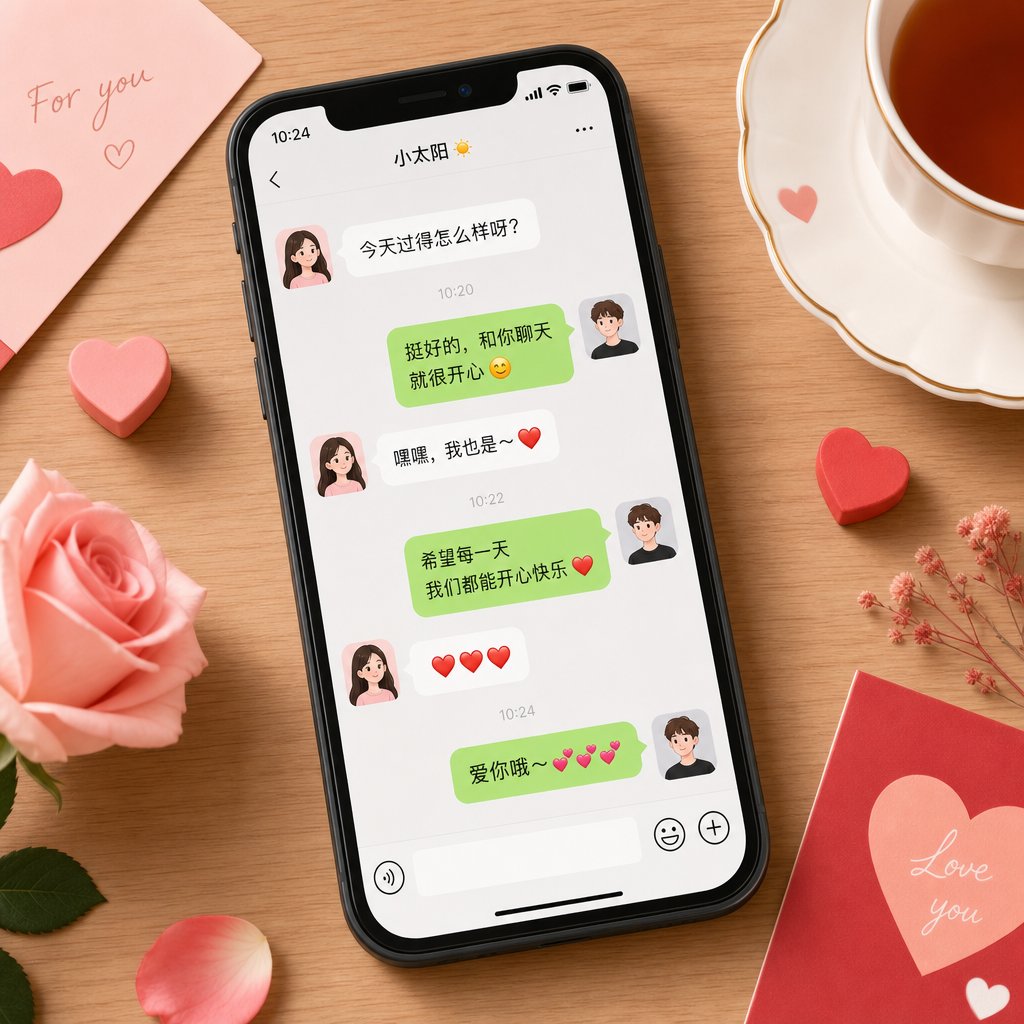
Step 1: Learn the Most Universal Option - 宝贝 (Baobei)
If you only learn one Chinese pet name, make it this one. 宝贝 (baobei) literally translates to "treasure" or "precious one," but in everyday use it functions almost identically to "babe" or "baby" in English. It's the closest thing Mandarin has to a default term of endearment, and it works across generations, relationship types, and communication channels.
The baobei meaning in Chinese stacks two characters that both point toward value: 宝 (bao) means "treasure" or "precious," while 贝 (bei) originally referred to shells used as currency in ancient China. Together, they create a word that essentially says "you are my most valuable thing." That emotional weight is why it became the go-to Chinese pet name for partners, parents addressing children, and even close friends joking around.
How to Pronounce 宝贝 (Baobei) Correctly
Getting the tones right matters here, especially since this is a word you'll likely say often. Here's the breakdown:
- 宝 (bǎo) - third tone. Your voice dips down and then rises, like the shape of a small valley.
- 贝 (bèi) - fourth tone. A sharp, decisive drop from high to low, like saying "no" firmly.
In natural speech, native speakers often compress the two syllables into one smooth unit: "bǎobèi." You'll notice that the third tone before a fourth tone tends to shorten slightly, so it sounds less like two distinct dips and drops and more like a quick low-then-falling pattern. Think of it as a gentle scoop followed by a confident downward stroke.
A common variant you might hear is 宝贝儿 (bǎobèir), which adds a soft "r" sound at the end. This is typical of northern Mandarin speakers and gives the word an extra layer of warmth or playfulness.
Example Sentences Using 宝贝 in Conversation
Context shapes everything. Here's how the Chinese pet name baobei sounds in real scenarios:
Texting your partner: 宝贝,你到了吗?(Baobei, ni dao le ma?) - "Babe, are you there yet?" Simple, casual, and exactly how millions of couples open WeChat conversations daily.
Spoken aloud after a long day: 宝贝,今天辛苦了。(Baobei, jintian xinku le.) - "Babe, you worked hard today." This one carries genuine warmth and is common between partners who live together.
Social media caption: 和我的宝贝一起过周末 (He wo de baobei yiqi guo zhoumo) - "Spending the weekend with my babe." You'll see this phrasing constantly on Douyin and Weibo posts featuring couple content.
What makes 宝贝 so versatile is its range. It doesn't sound overly formal or excessively cutesy. It sits right in the middle, which is why it works in so many situations:
- Texting and voice messages - the most common context; feels natural and affectionate without being over the top
- In-person conversation - appropriate between established couples, especially in private or semi-private settings
- Social media posts and captions - widely used without raising eyebrows; signals a relationship without being too intimate for public view
- Parent to child - perfectly normal for addressing young kids, similar to "sweetheart" in English
One thing to keep in mind: 宝贝 between romantic partners signals closeness and familiarity. Using it too early in a new relationship might feel presumptuous, while between established couples it's as natural as breathing. The 宝贝 pronunciation and meaning stay the same regardless of context, but the emotional weight shifts depending on who's saying it and to whom.
For anyone wondering how to pronounce baobei in Mandarin with confidence, the best trick is repetition inside real phrases rather than drilling the word in isolation. Sentences give your tones a natural rhythm to land in.
Of course, 宝贝 isn't your only option. Sometimes the moment calls for something a little more heartfelt, a touch more formal, or simply a different flavor of sweetness. That's where 亲爱的 (qin ai de) enters the picture.
Step 2: Use 亲爱的 (Qin Ai De) for a Sweeter Tone
Where 宝贝 feels playful and casual, 亲爱的 (qīn ài de) carries a warmer, more sincere weight. The qin ai de meaning in Chinese breaks down beautifully: 亲 (qīn) means "close" or "intimate," 爱 (ài) means "love," and 的 (de) is a possessive particle that softens the phrase into an address. Together, they create something close to "dear one" or "beloved" in English. This is how to say darling in Mandarin when you want the word to land with genuine feeling.
Unlike 宝贝, which can sound a bit cutesy or informal, 亲爱的 works comfortably in public settings, written letters, and even semi-formal contexts. You'll hear it between spouses at family dinners, see it opening heartfelt messages, and find it in movie dialogue during emotional scenes. It's a Chinese term of endearment for girlfriend or boyfriend that signals depth rather than playfulness.
Pronouncing 亲爱的 (Qin Ai De) Step by Step
This one has three syllables, each with its own tone:
- 亲 (qīn) - first tone. Hold your voice at a steady high pitch, flat and even, like singing a single sustained note.
- 爱 (ài) - fourth tone. A sharp drop from high to low, identical to the falling tone in 贝 (bèi) from 宝贝.
- 的 (de) - neutral tone. Light and quick, almost swallowed. Don't stress it at all.
In natural conversation, the phrase flows as one smooth unit: "cheen-eye-duh." The neutral 的 at the end fades so quickly that some speakers barely voice it. When calling out to your partner across a room, you might hear just "qīn ài de!" with a slight lilt, almost musical.
A practical example: 亲爱的,我们今晚有个约会。(Qīn ài de, wǒmen jīn wǎn yǒu gè yuēhuì.) - "Darling, we have a date tonight." Notice how it opens the sentence as a direct address, exactly the way "dear" or "honey" would in English.
Here's another scenario for texting: 亲爱的,我想你了。(Qīn ài de, wǒ xiǎng nǐ le.) - "Darling, I miss you." This phrase feels natural in a long-distance relationship message or a goodnight text.
One more for social media: 感谢亲爱的陪我走过这一年 (Gǎnxiè qīn ài de péi wǒ zǒu guò zhè yī nián) - "Thankful for my darling walking through this year with me." Anniversary posts on Weibo frequently use this phrasing because it strikes the right balance between personal and public.
When to Use 亲爱的 Instead of 宝贝
The 亲爱的 vs 宝贝 difference comes down to tone and context. Think of it this way: 宝贝 is what you whisper while cuddling on the couch. 亲爱的 is what you write in a love letter or say when introducing your partner to friends with visible affection. Both express love, but they occupy different emotional registers.
According to TutorABC Chinese, 亲爱的 expresses a fairly close relationship and is most commonly used between spouses and lovers as a noun form of "dear" or "darling." It's popular with couples of all ages, which gives it a universality that 宝贝 sometimes lacks with older generations.
| Dimension | 宝贝 (Baobei) | 亲爱的 (Qin Ai De) |
|---|---|---|
| Formality Level | Casual and playful | Warm and slightly formal |
| Best Context | Texting, private moments, social media captions | Letters, spoken address, public settings, anniversaries |
| Age Group Preference | Younger couples (20s-30s) use it most freely | All ages; comfortable for older couples too |
| Tone | Cute, flirty, lighthearted | Sincere, heartfelt, emotionally grounded |
| Public Comfort | Can sound cheesy in front of others | Socially acceptable in most public situations |
A useful shortcut: if you'd say "babe" in English, reach for 宝贝. If you'd say "darling" or "my dear," 亲爱的 is your match. Both serve as ways to express the "bae" concept, just tuned to different emotional frequencies.
Interestingly, 亲爱的 has also spawned a shortened internet form: 亲 (qīn). This clipped version lives almost exclusively online, functioning as a quick, friendly address on e-commerce platforms and social media comments. It's the closest single-character approximation to "bae" in Chinese digital culture, though it carries less romantic weight than the full phrase.
These two terms cover the classic, widely recognized options. But Chinese internet culture moves fast, and younger speakers have built an entire vocabulary of pet names that your textbook will never mention.

Step 3: Discover Trendy Internet Slang Alternatives
Scroll through Douyin comments or peek at a Chinese couple's WeChat conversation, and you'll quickly realize that 宝贝 and 亲爱的 are just the starting point. Chinese internet slang pet names evolve constantly, shaped by viral memes, popular dramas, and the creative shorthand of millions of young users typing on their phones. If you want to know how to say bae on WeChat the way native speakers actually do, these are the terms to learn.
Each of these alternatives carries a different vibe, from playfully possessive to irresistibly cute. The one you choose signals not just affection but your age, your online fluency, and how you see the relationship. Let's break them down.
Pet Names Popular on Chinese Social Media
Here are the most common internet-era pet names ranked by how widely they're used and how casual they feel. Think of this as a spectrum from "everyone knows this one" to "only chronically online Gen-Z speakers use it."
- 老公/老婆 (laogong/laopo) - "Hubby" and "Wifey"
The laogong laopo meaning in Chinese is literally "husband" and "wife," but couples use these terms long before any wedding happens. As Migaku's dating vocabulary guide notes, some couples start using 老公 and 老婆 pretty early in the relationship, which would seem unusual in Western dating culture but feels completely natural in Mandarin. You'll hear unmarried college students, new couples, and long-term partners all using these interchangeably. On WeChat, a quick "老公~" or "老婆~" with a tilde is the digital equivalent of calling someone "bae" with maximum possessive energy. It's playful, committed-sounding, and wildly popular across age groups. - 小哥哥/小姐姐 (xiao gege/xiao jiejie) - Flirty "Little Brother/Sister"
These literally translate to "little older brother" and "little older sister," but they have nothing to do with family. People use them flirtatiously with people they find attractive, even complete strangers. Imagine commenting "小哥哥好帅" (xiao gege hao shuai - "you're so handsome, little bro") under someone's Douyin video. It's lighthearted, slightly teasing, and carries zero commitment. Between actual couples, 小哥哥 and 小姐姐 function as trendy Chinese nicknames for boyfriend or girlfriend that feel fresh and internet-native rather than traditional. - 崽崽 (zaizai) - "Little One" or "Baby"
This is peak Chinese Gen Z terms of endearment territory. 崽 originally means "young animal" or "offspring," and doubling it into 崽崽 creates an impossibly cute diminutive. It's the kind of thing you'd see in a WeChat message dripping with emoji: "崽崽想你了" (zaizai xiang ni le - "your little one misses you"). The term gained traction on platforms like Weibo and Xiaohongshu, where younger users lean hard into exaggerated cuteness. It works for partners, close friends, and even pets. If 宝贝 is the millennial default, 崽崽 is its Gen-Z successor. - 哥哥/姐姐 (gege/jiejie) - The Intimate Short Form
Dropping the 小 from 小哥哥 or 小姐姐 and just calling your partner 哥哥 or 姐姐 shifts the tone from flirty-stranger to intimate-partner. It implies closeness and a slight power dynamic that many couples find appealing. You'll hear this in voice messages and pillow talk more than in public posts. - 宝/宝子 (bao/baozi) - The Clipped Casual Version
Just as English speakers shortened "baby" to "babe" to "bae," Chinese speakers clipped 宝贝 down to a single 宝 or the playful 宝子. These ultra-short forms dominate group chats and comment sections. A friend might greet you with "宝子们好" (baozimen hao - "hey babies"), using it as a collective address. Between partners, a standalone 宝 in a text carries the same warmth as 宝贝 but with less effort, perfect for rapid-fire messaging.
Generational Differences in Chinese Terms of Endearment
Which term someone reaches for often reveals their age bracket more than their feelings. Here's how the generational split plays out:
Millennials (born 1985-1995) tend to default to 宝贝 and 老公/老婆. These terms hit mainstream popularity during the era of early WeChat adoption and remain comfortable staples. Millennials also use 亲爱的 without irony, especially in longer-form messages or voice notes.
Gen Z (born 1996-2010) gravitates toward 崽崽, 宝子, and creative variations that shift with internet trends. This generation treats pet names as semi-ironic performance, layering them with emoji, exaggerated punctuation, and meme references. A Gen-Z couple might cycle through five different pet names in a single conversation, matching the term to the mood of each message.
Older generations (born before 1985) often stick with 老公/老婆 for its straightforward marital connotation or use 亲爱的 as their go-to. Terms like 崽崽 would sound strange coming from someone in their 50s, much like a middle-aged English speaker earnestly calling their spouse "bae" might raise eyebrows.
The platform matters too. Douyin and Xiaohongshu skew younger, so you'll encounter more experimental slang there. WeChat spans all demographics, meaning the pet names you see depend entirely on whose chat you're reading. Weibo sits somewhere in between, with trending terms often originating from celebrity fan culture before spreading into romantic use.
One pattern worth noting: Chinese internet culture cycles through pet names faster than English does. A term that feels fresh and trendy can start sounding dated within a year or two. 崽崽 is current right now, but by the time you read this, something newer may have taken its place. The underlying dynamic stays the same though. Younger speakers want pet names that feel distinctly theirs, not borrowed from their parents' generation.
Knowing these terms gives you the vocabulary. But vocabulary alone doesn't make a message land. The real magic happens when you pair these pet names with the right phrases, turning a single word into a complete expression of affection.
Step 4: Combine Bae With Common Romantic Phrases
A pet name on its own is nice. A pet name woven into a full sentence? That's what actually makes someone smile at their phone. English speakers naturally pair "bae" with phrases like "I miss you, bae" or "goodnight, bae." The same pattern works in Chinese, and once you learn a handful of phrase templates, you can mix and match them with any of the pet names from the previous steps.
Saying I Miss You Bae in Chinese
The phrase you'll use most often is 我想你了 (wo xiang ni le). Breaking it down: 我 (wo) means "I," 想 (xiang) means "to miss" or "to think of," 你 (ni) is "you," and 了 (le) signals that the feeling is happening right now, in this moment. That final particle is what gives the phrase its emotional immediacy, like saying "I've started missing you" rather than a flat statement of fact.
To say "I miss you, bae" in Chinese, you simply attach your chosen pet name. The pet name can go at the beginning as an address or at the end as a soft closer:
宝贝,我想你了。 (Baobei, wo xiang ni le.) - "Babe, I miss you."
亲爱的,我好想你。 (Qin ai de, wo hao xiang ni.) - "Darling, I miss you so much." The 好 (hao) here intensifies the feeling, turning a gentle "miss" into something more urgent.
老婆/老公,我想你了,你什么时候回来? (Laopo/Laogong, wo xiang ni le, ni shenme shihou huilai?) - "Wifey/Hubby, I miss you. When are you coming back?" This is the kind of complete, natural message you'd actually see in a WeChat conversation.
Want to intensify it further? 我好想你 (wo hao xiang ni) or 我太想你了 (wo tai xiang ni le) both crank up the emotion. The first adds "so much," while the second pushes it to "I miss you way too much." Pair either with a pet name and you've got a romantic Chinese phrase for texting that sounds completely native.
Complete Phrase Templates You Can Use Today
Beyond "I miss you," there's a whole toolkit of sweet things to say in Mandarin to a girlfriend, boyfriend, or partner. These Chinese love phrases with pet names work as copy-and-paste templates. Swap in whichever pet name fits your relationship:
- 宝贝,晚安,做个好梦。 (Baobei, wan'an, zuo ge hao meng.) - "Babe, goodnight. Sweet dreams."
- 亲爱的,你吃饭了吗? (Qin ai de, ni chifan le ma?) - "Darling, have you eaten?" This one carries extra cultural weight in Chinese. Asking about meals is a classic way to show you care.
- 老公,我今天好想你。 (Laogong, wo jintian hao xiang ni.) - "Hubby, I missed you so much today."
- 宝贝,你最好了。 (Baobei, ni zui hao le.) - "Babe, you're the best."
- 崽崽,想你想到睡不着。 (Zaizai, xiang ni xiang dao shui bu zhao.) - "Baby, I'm thinking of you so much I can't sleep."
- 宝贝,我喜欢你。 (Baobei, wo xihuan ni.) - "Babe, I like you." In Chinese culture, 我喜欢你 often carries the weight of "I love you" in newer relationships, since 我爱你 (wo ai ni) is reserved for deeper, more established bonds.
- 亲爱的,我是你的。 (Qin ai de, wo shi ni de.) - "Darling, I'm yours."
- 宝子,你在干嘛? (Baozi, ni zai ganma?) - "Babe, what are you up to?" A casual conversation opener that sounds natural on WeChat.
Notice the pattern: pet name first, then the phrase. This mirrors how English speakers front-load "bae" or "babe" before their message. It's the same instinct, just in Mandarin word order.
Texting in Chinese also comes with its own shorthand and emoji conventions. Couples frequently pair these phrases with specific visual cues that amplify the tone:
- The tilde (~) after a pet name softens it: "宝贝~" reads as drawn-out and affectionate, like stretching the word with a sing-song voice.
- The emoji 😘 pairs naturally with 晚安 (goodnight) messages and 想你 (miss you) texts.
- Repeating characters adds cuteness: "想你想你想你" (miss you miss you miss you) is common in rapid-fire chats.
- The number 520 (wu er ling) sounds like 我爱你 (wo ai ni) when spoken aloud, so sending "520" is a texting shortcut for "I love you."
- Sticker packs on WeChat often replace typed pet names entirely. A cute bear sticker saying 想你了 does the same emotional work as typing the phrase out.
These small details are what separate a textbook phrase from a message that actually feels like it was written by someone fluent in Chinese digital intimacy. The words matter, but the delivery, the tildes, the emoji, the sticker follow-up, that's what makes it land.
Of course, all of these phrases assume you're texting in Simplified Chinese to someone in mainland China. Shift the context to Taiwan or Hong Kong, and both the characters and the preferred pet names start to change.
Step 5: Adjust for Regional and Dialect Differences
The pet name that sounds perfectly natural in a Shanghai WeChat chat might land differently in a Taipei LINE message or a Hong Kong WhatsApp group. Chinese pet names by region vary not just in script but in preference, frequency, and cultural weight. If your partner, audience, or friend speaks a different regional variety of Chinese, you'll want to adjust accordingly.
Mainland China vs Taiwan vs Hong Kong Usage
Each region has its own relationship with these terms of endearment, shaped by decades of separate cultural development. Taiwanese Mandarin and Mainland Mandarin use different words for hundreds of everyday concepts, and pet names are no exception.
In Mainland China, 宝贝 dominates as the default pet name across digital and spoken contexts. 老公/老婆 runs a close second, and internet slang like 崽崽 and 宝子 thrives on platforms like Douyin and Weibo. The tone tends toward playful and direct.
Taiwanese Mandarin terms of endearment lean softer. Taiwanese speakers still use 宝贝 and 亲爱的, but the overall communication style favors indirectness and gentleness. Sentence-final particles like 喔 (o) and 啦 (la) frequently soften pet names in conversation, turning a simple "宝贝" into "宝贝喔" with an added layer of warmth. Taiwan's digital culture also runs through LINE rather than WeChat, and the sticker culture there shapes how affection gets expressed. You'll also encounter 老公/老婆 in Taiwan, though some younger Taiwanese speakers find these terms slightly old-fashioned compared to their mainland peers who use them more casually.
Hong Kong presents a different picture entirely. While written Chinese in Hong Kong uses Traditional characters, the spoken language is primarily Cantonese, not Mandarin. Cantonese pet names for partner overlap with Mandarin in written form but sound completely different aloud. 老公 (lou5 gung1 in Cantonese) and 老婆 (lou5 po4) remain the most common couple terms, but the pronunciation shifts dramatically. 宝贝 exists in Hong Kong Cantonese as bou2 bui3, though it's used less frequently than in Mandarin-speaking regions. Instead, Hong Kong couples often lean on English loanwords like "BB" (baby) or "dear" spoken directly in English, reflecting the city's bilingual culture.
Simplified and Traditional Chinese Differences
When you write bae in Traditional Chinese characters versus Simplified, the meaning stays identical but the visual form changes. This matters if you're texting someone in Taiwan or Hong Kong, posting on a platform with a Taiwanese audience, or translating content for different markets.
Simplified Chinese is used in mainland China, Singapore, and Malaysia, while Traditional Chinese is used in Hong Kong, Macau, and Taiwan. Here's how the key pet names look in each script:
| Region | Preferred Terms | Script | Cultural Notes |
|---|---|---|---|
| Mainland China | 宝贝, 老公/老婆, 亲爱的, 崽崽 | Simplified (简体) | Direct and playful tone; internet slang evolves rapidly on Douyin/Weibo; pet names used freely in digital contexts |
| Taiwan | 寶貝, 親愛的, 老公/老婆, 寶寶 | Traditional (繁體) | Softer delivery with sentence particles; LINE stickers often replace typed pet names; slightly more reserved in public use |
| Hong Kong | 老公/老婆, BB, dear, 寶貝 | Traditional (繁體) | Cantonese pronunciation; heavy English mixing; WhatsApp is the primary platform; less emphasis on Mandarin internet slang |
| Singapore/Malaysia | 宝贝, 老公/老婆, 亲爱的 | Simplified (简体) | Multilingual environment; English and Mandarin pet names used interchangeably; "dear" in English is extremely common |
Notice the character differences: 宝贝 in Simplified becomes 寶貝 in Traditional. 亲爱的 becomes 親愛的. The pronunciation and meaning remain the same in Mandarin, but if you're typing a message to someone in Taiwan, using Simplified characters can feel jarring or signal that you're from the mainland. It's a small detail that carries social weight.
Formality norms also shift by region. Taiwanese culture generally values softer, more indirect expression. A Taiwanese speaker might add 不好意思 (excuse me) or extra politeness markers around affectionate language, especially in newer relationships. Mainland speakers tend toward more direct expression without it reading as rude. Hong Kong sits in its own lane, where code-switching between Cantonese, English, and written Chinese creates a unique hybrid style that doesn't map neatly onto either mainland or Taiwanese norms.
The practical takeaway: match your script to your audience, and pay attention to platform. Traditional characters for Taiwan and Hong Kong recipients, Simplified for mainland China and Singapore. Beyond the characters themselves, tune your delivery to the regional communication style. A little softer for Taiwan, a little more bilingual for Hong Kong, and as playful as you want for mainland digital culture.
Regional awareness gets you the right characters and the right platform etiquette. But there's another layer that trips up even advanced speakers: knowing when and where it's actually appropriate to use these terms at all.

Step 6: Navigate Cultural Norms and Avoid Awkward Mistakes
You've got the vocabulary. You know the regional differences. But here's where many learners stumble: using the right pet name at the wrong moment. Chinese relationship culture around pet names operates on a public-private divide that's far sharper than what most English speakers are used to. Call your partner "babe" at a restaurant in New York and nobody blinks. Call them 宝贝 in front of their parents at a family dinner in Beijing, and you might get some uncomfortable silence.
Cultural Rules for Using Pet Names in Chinese
The core principle is simple: affection in Chinese culture tends to live in private spaces and digital channels, not in public performance. Research published in Frontiers in Psychology found that the frequency of affection words in Chinese books was significantly lower than in American English books, reflecting a broader cultural pattern where overt displays of love have historically been discouraged. While this norm is relaxing among younger generations, the underlying instinct toward restraint in public still shapes when to use pet names in Chinese culture.
Chinese couples typically reserve pet names for private conversations and digital messaging. In public and especially around elders, most couples switch to given names or no address at all, saving affectionate terms for moments without an audience.
Here's how this plays out in practice:
- WeChat and texting: Anything goes. This is where 宝贝, 老公/老婆, 崽崽, and every other pet name lives most comfortably. Digital space is considered private even when technically it isn't.
- Alone together: Pet names flow freely at home, in the car, or anywhere it's just the two of you. No social pressure, no audience to consider.
- With close friends of similar age: Generally fine, especially if your friends are also in relationships. A casual 宝贝 or 老公 won't raise eyebrows among peers.
- In front of elders or parents: This is where most Chinese couples dial it back significantly. Using 宝贝 or 老婆 in front of your partner's parents can come across as disrespectful or overly casual. Many couples switch to first names or simply drop direct address entirely.
- Professional or formal settings: Pet names are completely off-limits. Even between married colleagues, you'd never hear 亲爱的 in a meeting room.
This isn't about hiding the relationship. It's about respecting social context. Chinese dating etiquette around terms of endearment reflects a broader cultural value: intimacy is something you protect by keeping it between the people it belongs to, not something you broadcast to prove it exists.
The generational shift matters here too. Younger couples in major cities like Shanghai, Shenzhen, and Chengdu are more comfortable with public affection than their parents' generation. You'll hear 老公 called across a shopping mall or see couples using pet names openly at cafes. But even among younger people, there's a line. Using something like 小心肝 (my little sweetheart) or 崽崽 in front of strangers still feels performative to most Chinese speakers. The safe default: keep it digital or keep it private until you've read the room.
Understanding 撒娇 and Relationship Dynamics
Pet names in Chinese don't exist in isolation. They're part of a larger relational behavior called 撒娇 (sajiao), and understanding the sajiao meaning in relationships unlocks why certain terms sound natural in Chinese romance while others feel forced.
撒娇 is a style of communication, mostly used by women toward their partners, that blends cuteness, mild complaint, and playful dependence. As one Mandarin language blog describes it, sajiao is "a unique mix between cute and something between playfully annoyed and actually annoyed," delivered in a softer, higher-pitched voice meant to elicit care and attention from a partner. Think of it as the vocal and behavioral framework that pet names plug into.
When someone uses 宝贝 or 老公 while sajiao-ing, the pet name isn't just a label. It's a tool within a performance of intimacy. The elongated "老公~~~" with tildes in a text message, the whiny "宝贝你不爱我了吗" (babe, don't you love me anymore?) said with exaggerated pouting, the self-referential "宝宝不开心了" (baby is unhappy) where the speaker refers to themselves in third person. These are all sajiao patterns, and pet names are the vocabulary that makes them work.
A few things to understand about how sajiao shapes pet name usage:
- It's gendered but evolving. Traditionally, sajiao is associated with women in heterosexual relationships. Men who sajiao exist but are less common and sometimes teased for it. Among younger and queer couples, the dynamic is more fluid.
- It's expected in private, awkward in public. A partner sajiao-ing at home is endearing. The same behavior in front of colleagues or elders crosses into uncomfortable territory for most people.
- It's not weakness. Despite sounding submissive to Western ears, sajiao is often a power move. The person sajiao-ing is typically the one getting what they want, whether that's attention, a meal, or an apology.
- Pet names escalate with sajiao intensity. A calm conversation might use 亲爱的. A full sajiao moment might stack 老公 with reduplication ("老公老公老公"), sentence-final particles ("嘛," "啦," "呀"), and exaggerated emoji.
For learners, the practical lesson is this: Chinese pet names carry more weight when delivered with the right emotional texture. A flat, monotone 宝贝 sounds robotic. The same word with a slight lilt, a softened tone, or a trailing tilde in text suddenly feels alive. You don't need to master full sajiao to use pet names well, but understanding that this framework exists helps you recognize why native speakers deploy these terms the way they do.
One final warning: some terms that feel harmless in private become genuinely embarrassing in the wrong context. Calling someone 小心肝 (little sweetheart, literally "little heart and liver") at a family gathering will get you stared at. Using 崽崽 in front of someone's traditional grandparents might confuse them entirely. And any sajiao-style delivery in a professional setting is a fast track to being taken less seriously.
The cultural rules aren't complicated once you internalize the core logic: match your term to your audience, save the sweetest words for the smallest audiences, and let digital space be your playground for maximum affection. With that framework in place, the final question becomes purely practical: which specific term should you use in your specific situation?
Step 7: Choose the Right Term for Your Situation
You've learned the terms, the cultural rules, and the regional differences. The only question left: which Chinese pet name should I use right now, for this specific moment? Rather than memorizing every option, use the decision matrix below to match your situation to the term that fits best.
Quick Decision Guide for Choosing Your Term
Think about what you're actually trying to do. Are you texting someone you've been dating for months? Writing a caption for a couple photo? Trying to impress someone new? Each scenario calls for a different level of intimacy and formality.
| Situation | Recommended Term | Why It Works |
|---|---|---|
| Texting an established partner daily | 宝贝 (baobei) or 老公/老婆 | Casual, warm, and natural for everyday digital conversation. The best Chinese pet name for texting because it never feels forced. |
| Writing a social media caption | 宝贝 or 亲爱的 (qin ai de) | Public-facing but still affectionate. Neither too intimate nor too stiff for an audience. |
| Translating song lyrics or creative content | 亲爱的 or 心上人 (xin shang ren) | These carry poetic weight that translates well into artistic contexts without sounding overly colloquial. |
| Impressing someone new (early dating) | 名字 + 小姐姐/小哥哥 | Flirty without overcommitting. A Chinese pet name for a new relationship that signals interest without pressure. |
| Deepening an existing relationship | 老公/老婆 or 崽崽 | Signals commitment (老公/老婆) or playful intimacy (崽崽) that says "we're past the basics." |
| Sending a heartfelt message (anniversary, long distance) | 亲爱的 | Sincere and emotionally grounded. Matches the gravity of the moment without sounding childish. |
| Joking around with a close partner | 傻瓜 (shagua) or 小猪 (xiao zhu) | Playful teasing that shows comfort and closeness. Only works when the relationship is solid enough for humor. |
The pattern is straightforward: newer relationships call for lighter, less possessive terms. Established relationships can handle heavier words. Digital contexts allow more freedom than face-to-face moments. And creative or public-facing content benefits from terms that read as universally warm rather than niche or overly cute.
Common Mistakes to Avoid When Using Chinese Pet Names
Even with the right term picked out, delivery can go wrong. Here are the mistakes to avoid with Chinese terms of endearment, along with what to do instead:
- Using 老公/老婆 too early. Calling someone "hubby" or "wifey" on a second date can feel presumptuous in Chinese culture, even though some couples adopt it quickly. Wait until the relationship has a clear mutual commitment before pulling this one out. Start with 宝贝 or their name + a light compliment.
- Flat tone delivery. Saying 宝贝 in a monotone voice strips it of all warmth. Pet names in Mandarin rely on vocal softness and slight melodic stretching. Practice saying it gently, not like you're reading a grocery list.
- Being overly formal in casual settings. Texting 亲爱的 in every single WeChat message can sound stiff or performative, like starting every English text with "Dearest." Save it for moments that warrant sincerity and use 宝贝 or 宝 for everyday back-and-forth.
- Using intimate terms in front of elders. As covered in the cultural norms section, dropping 小心肝 or sajiao-heavy language around your partner's parents signals a lack of social awareness. Switch to their given name in family settings.
- Mixing up regional scripts. Sending Simplified characters to a Taiwanese partner or Traditional characters to someone in mainland China creates a subtle disconnect. Match your script to their region.
- Assuming one term works everywhere. A term that's trendy on Douyin might confuse someone who primarily uses LINE in Taiwan. Pay attention to your partner's own language habits and mirror them.
The simplest rule of thumb: listen first. Notice what your partner calls you, what terms they use with friends, and how they sign off messages. Then match their energy. Chinese pet names work best when they feel mutual rather than one-sided, when both people have settled into a shared vocabulary that belongs to the relationship itself.
Whether you landed on 宝贝 for its versatility, 亲爱的 for its warmth, or 崽崽 for its Gen-Z charm, the goal is the same: making someone feel valued in their own language. That's what "bae" really means in any culture, and Chinese gives you more than enough ways to say it.
Frequently Asked Questions About Saying Bae in Chinese
1. What is the most common way to say bae in Chinese?
The most common equivalent is 宝贝 (baobei), which literally means 'treasure' or 'precious one.' It functions almost identically to 'babe' or 'baby' in English and works across texting, spoken conversation, and social media. It is the most versatile Chinese pet name, used by couples of all ages and appropriate in both private and semi-public contexts.
2. What is the difference between 宝贝 and 亲爱的 in Chinese?
宝贝 (baobei) is casual, playful, and best suited for texting and private moments, similar to saying 'babe' in English. 亲爱的 (qin ai de) carries a warmer, more sincere tone closer to 'darling' or 'dear,' making it appropriate for heartfelt messages, public settings, and spoken address around others. Younger couples tend to favor 宝贝, while 亲爱的 works comfortably across all age groups.
3. Is it appropriate to use Chinese pet names in public?
Chinese culture draws a sharper line between public and private affection than Western cultures. Pet names are used freely in digital messaging and private settings, but most couples switch to given names around elders, parents, or in professional environments. Younger couples in major cities are more relaxed about public pet name use, though highly intimate terms like 小心肝 or sajiao-heavy language should still be reserved for private moments.
4. What Chinese pet names do Gen Z use instead of bae?
Chinese Gen Z speakers favor terms like 崽崽 (zaizai, meaning 'little one'), 宝子 (baozi, a clipped casual form of 宝贝), and 小哥哥/小姐姐 (xiao gege/xiao jiejie) for flirtatious contexts. These terms thrive on platforms like Douyin and Xiaohongshu and cycle in and out of popularity quickly. They signal internet fluency and generational identity alongside affection.
5. How do you say 'I miss you bae' in Chinese?
Combine the phrase 我想你了 (wo xiang ni le, meaning 'I miss you') with your chosen pet name at the beginning. For example: 宝贝,我想你了 (Baobei, wo xiang ni le) means 'Babe, I miss you.' To intensify the feeling, use 我好想你 (wo hao xiang ni) for 'I miss you so much' or 我太想你了 (wo tai xiang ni le) for an even stronger expression.