What Is a Chinese Name Generator and Who Needs One
Imagine you need a Chinese name by next week. Maybe you are heading to Shanghai for a semester abroad, drafting a novel set in Tang dynasty China, or preparing business cards for a new role in Shenzhen. You type "name generator chinese" into a search bar and get a list of characters you cannot read, meanings you cannot verify, and zero context for whether the result would make a native speaker smile or cringe.
That gap between output and understanding is exactly what this guide addresses. A generated name is only a starting point. The cultural logic behind it determines whether the name lands well or falls flat.
What a Chinese Name Generator Actually Does
A Chinese name generator is a tool that pairs surnames from established databases with given-name characters drawn from curated pools. Most tools pull from the Hundred Family Surnames list for the family name, then combine one or two characters selected for meaning, tonal flow, or phonetic similarity to an English input. The result is a culturally plausible combination, but plausible does not always mean natural. Without understanding how real Chinese families deliberate over names for months, weighing stroke count, tonal harmony, and generational traditions, you are trusting an algorithm to replicate a deeply human process.
Who Benefits from Generated Chinese Names
The demand to generate Chinese names spans surprisingly diverse groups. You will notice each group has different priorities, which means a single random Chinese name generator cannot serve everyone equally well.
- Fiction writers and worldbuilders - need names that feel era-appropriate and carry narrative weight without breaking immersion.
- Gamers and RPG players - want memorable, pronounceable names that still sound authentic in-game.
- Language learners preparing for study in China - need names that classmates and teachers can say comfortably and that suit their age group.
- Business professionals entering Chinese markets - require names conveying competence and approachability on a business card.
- Heritage explorers and adoptees - seek names that reconnect them with cultural identity in a meaningful, personal way.
A random name generator Chinese tool can spark ideas for any of these scenarios, but the output only becomes useful once you understand the structural rules underneath. Chinese names are short, typically just two or three characters, yet each character carries its own pronunciation, meaning, and cultural weight. Picking the wrong combination is like naming an English character "Sir Magnificent Thunderbolt" and expecting readers to take the story seriously.
The real skill is not generating a name. It is knowing which names work, which ones clash, and why. That starts with understanding how a Chinese name is actually built, from the surname that roots you in a lineage to the given-name characters that encode a family's hopes.
Anatomy of a Chinese Name From Surname to Given Name
Every Chinese name follows a formula that is the exact reverse of English naming conventions. When you see the name 姚明 (Yao Ming), the first character is the family name and the second is the given name. This surname-first order reflects a Confucian principle: family identity precedes individual identity. Any chinese first and last name generator that outputs names in Western order is already signaling a lack of cultural awareness.
Surname Plus Given Name Structure
A standard Chinese name contains two or three characters total. The breakdown looks like this:
- One-character surname + one-character given name (2 characters total) - example: 李白 (Li Bai)
- One-character surname + two-character given name (3 characters total) - example: 毛泽东 (Mao Zedong)
- Two-character surname + one or two-character given name (rare) - example: 司马迁 (Sima Qian)
The vast majority of Chinese people carry a single-character surname paired with a two-character given name. Research using data from China's 2005 population census found that roughly 82.8% of Han Chinese have two-character given names, while about 17.1% have single-character given names.
Why does this matter? Single-character given names carry a different cultural weight. They were more common in older generations and can sound more formal or literary. Think of the poet Li Bai (李白) or the basketball star Yao Ming (姚明). These two-character names feel crisp and distinctive. In contrast, two-character given names allow parents to layer meaning, combining one character for aspiration with another for beauty or virtue. A chinese first name generator that only produces single-character outputs will skew toward a dated or overly terse feel, while one that only produces two-character names misses the stylistic range real Chinese names display.
Interestingly, naming trends have shifted over time. Since the 1960s, single-character given names surged in popularity as a way to stand out from the dominant two-character convention. This deviation from typical practice itself became a marker of individuality. So when you evaluate output from any tool, consider whether the character count matches the era and tone you are aiming for.
Common Chinese Surnames and Their Frequency
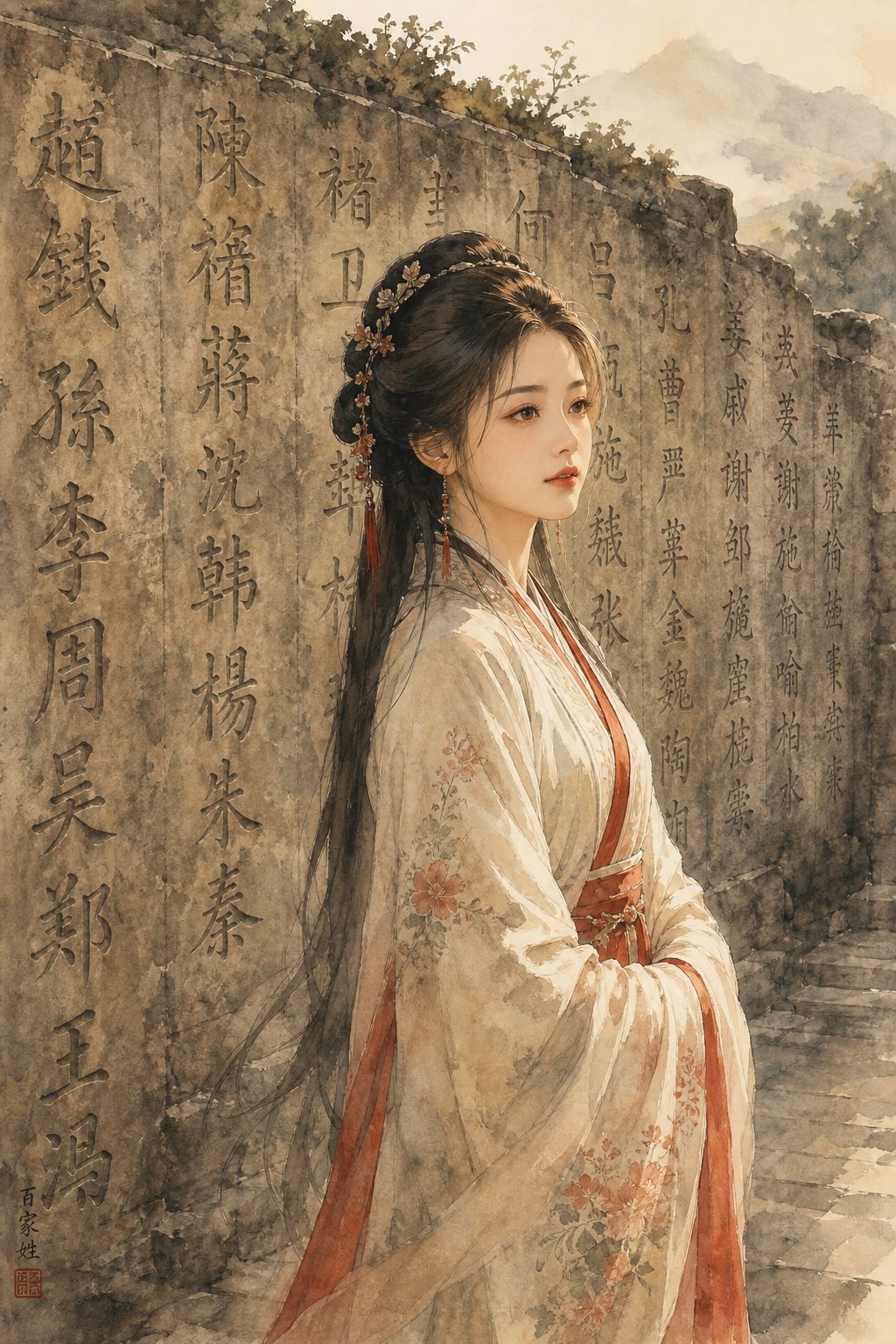
Chinese surnames come from the ancient Hundred Family Surnames (百家姓 Bajiaxing), a Song dynasty text that originally catalogued around 500 surnames. The modern full list runs to roughly 6,000, but concentration at the top is extreme. The top 100 surnames cover approximately 85% of the entire population. A chinese last names generator that pulls from an overly exotic pool will produce results that feel implausible to native speakers.
Here are the ten most common Chinese surnames you will encounter in real life and in generator output:
| Character | Pinyin | Approximate English Pronunciation | Estimated Population |
|---|---|---|---|
| 李 | Li | "Lee" | ~100 million |
| 王 | Wang | "Wahng" | ~99 million |
| 张 | Zhang | "Jahng" | ~95 million |
| 刘 | Liu | "Lyo" | ~73 million |
| 陈 | Chen | "Chuhn" | ~63 million |
| 杨 | Yang | "Yahng" | ~46 million |
| 赵 | Zhao | "Jow" | ~29 million |
| 黄 | Huang | "Hwahng" | ~29 million |
| 周 | Zhou | "Joe" | ~26 million |
| 吴 | Wu | "Woo" | ~24 million |
To put this in perspective, the surname 李 alone is shared by more people than the entire population of Germany. This is why Chinese people almost always use full names in formal settings. Saying just "Li" tells you almost nothing about who someone is. A chinese full names generator that pairs a common surname like Wang or Zhang with a well-chosen given name will produce far more realistic results than one that reaches for rare surnames most native speakers would find unusual.
With this structural foundation in place, you can start evaluating whether a generated name feels right. But structure is only half the equation. The characters chosen for the given name carry gendered associations, generational signals, and aspirational meaning that vary dramatically between male and female naming traditions.
Male Chinese Name Conventions and Popular Characters
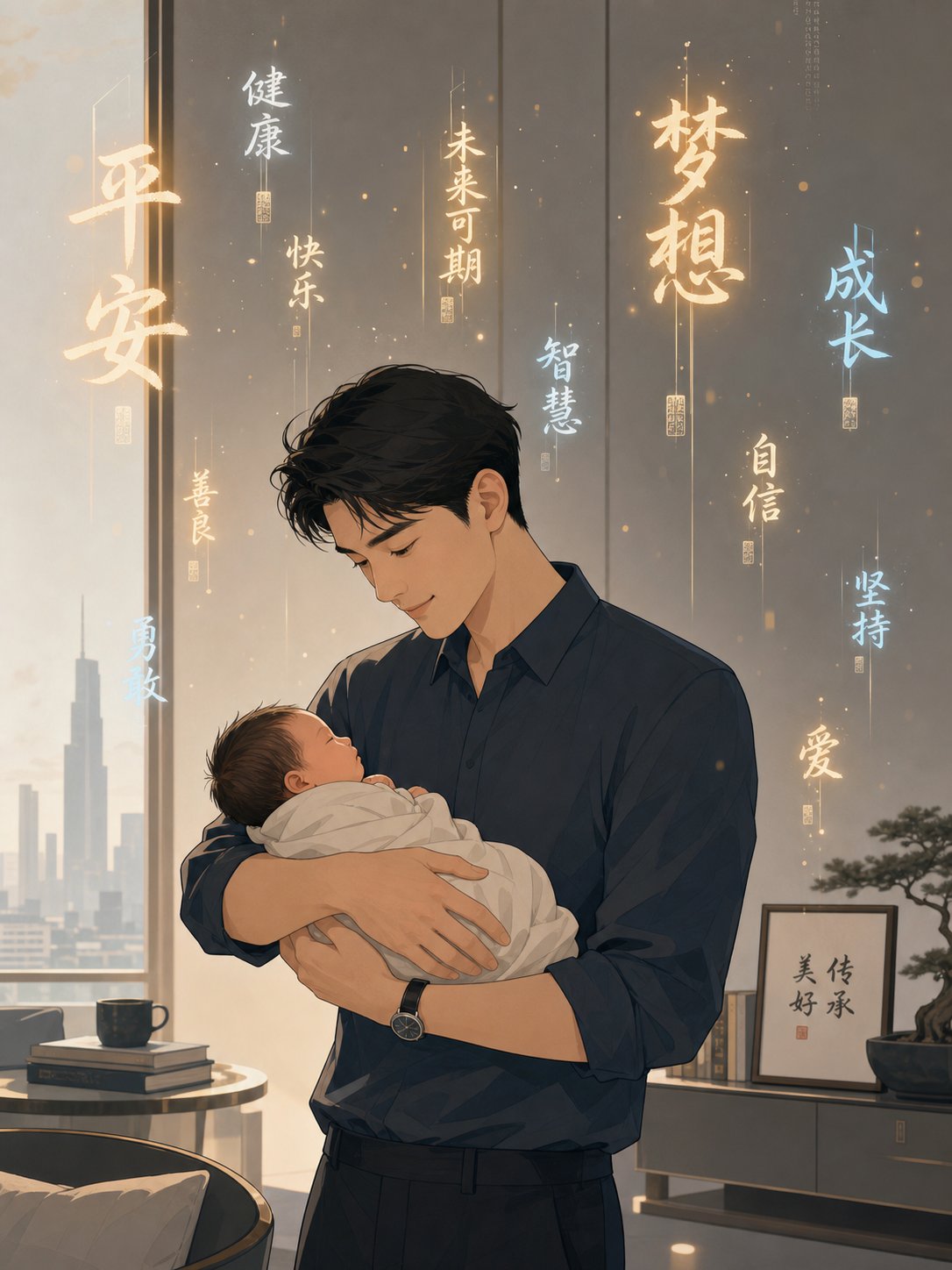
Gendered expectations shape Chinese given names in ways that go far deeper than English equivalents like "James" versus "Jessica." In Chinese, the individual characters themselves carry masculine or feminine energy through their meaning, their visual structure, and even the radical components that build them. If you are using a chinese name generator male tool, understanding these conventions is the difference between output that sounds like a real person and output that sounds like a textbook exercise.
Characters and Radicals Associated with Male Names
Traditional male Chinese names draw from a specific emotional palette: strength, ambition, moral integrity, and intellectual brightness. You will see certain characters appear again and again across generations because they encode qualities families want sons to embody.
Some of the most enduring choices include 强 (qiang, strong), 志 (zhi, ambition or will), 明 (ming, bright or clear), and 德 (de, virtue or moral character). These are not random picks. They reflect Confucian ideals about what a man should aspire to be: resolute, wise, and ethically grounded.
At the structural level, certain radicals signal masculinity to native readers. The 亻radical (person/man) appears in characters like 伟 (wei, great) and 俊 (jun, handsome/talented). The 力 radical (power/force) shows up in 勇 (yong, brave) and 劲 (jin, vigor). Characters built with the 金 radical (metal) such as 锋 (feng, sharp edge) and 铭 (ming, inscribed/remembered) also skew heavily masculine. A male chinese name generator that ignores these radical patterns will occasionally produce combinations that feel gender-ambiguous or outright feminine to a native ear.
Modern Trends in Male Chinese Names
Here is where many generators fall behind. Contemporary Chinese parents have shifted away from overtly martial or rigid characters. Names referencing nature, the cosmos, and literary elegance have surged in popularity over the past decade. Think less "iron warrior" and more "vast ocean" or "gentle morning light."
Characters like 宇 (yu, universe), 泽 (ze, marsh or grace), 浩 (hao, vast), and 润 (run, moist or polished) now dominate birth registries. Parents are also embracing two-character given names that layer meaning poetically. A name like 浩洋 (Haoyang, vast ocean) or 书润 (Shurun, well-read and polished) carries intellectual weight without sounding aggressive.
Here are 10 characters you will frequently encounter in modern chinese male name generator output, each reflecting current naming sensibilities:
- 浩 (hao) - vast, grand; suggests open-mindedness and ambition
- 宇 (yu) - universe, space; conveys expansive vision
- 泽 (ze) - marsh, grace, moisture; implies generosity and nourishment
- 俊 (jun) - handsome, talented; a perennial favorite across generations
- 睿 (rui) - wise, astute; popular among educated families
- 煊 (xuan) - radiant, warm light; literary and distinctive
- 铭 (ming) - inscribed, remembered; suggests lasting legacy
- 博 (bo) - broad, learned; signals intellectual depth
- 卓 (zhuo) - outstanding, remarkable; confident without being aggressive
- 润 (run) - moist, polished, refined; a softer modern choice
Notice the pattern. These characters lean toward intellectual and natural imagery rather than raw physical power. A chinese male names generator stuck on older pools heavy with 军 (jun, army), 刚 (gang, steel), or 兵 (bing, soldier) will produce names that sound like they belong to someone born in the 1960s, not the 2020s. That is not wrong for historical fiction, but it misses the mark for anyone seeking a contemporary-sounding name.
The same generational shift is happening on the feminine side of naming, though the direction and the cultural pressures look quite different.
Female Chinese Name Conventions and Evolving Trends
Feminine Chinese names operate under their own set of cultural codes, and those codes are changing fast. Where male names shifted from martial imagery toward nature and intellect, female names are moving away from ornamental beauty toward strength, wisdom, and individuality. If you are evaluating output from a chinese name generator female tool, recognizing both the traditional palette and the modern departures will help you spot names that sound current versus names that sound like they belong to someone's grandmother.
Traditional Female Name Characters and Their Meanings
Classic female Chinese names draw from a well-defined set of associations: beauty, grace, flowers, precious stones, and gentle natural phenomena. For generations, parents chose characters that expressed hopes for a daughter's appearance, temperament, and marriageability. These are not arbitrary picks. They reflect centuries of cultural expectation about femininity.
Some of the most enduring traditional characters include:
- 美 (mei) - beautiful; one of the most direct and common choices across all eras
- 雅 (ya) - elegant, refined; signals cultured sophistication
- 花 (hua) - flower; a broad symbol of youth and natural beauty
- 莲 (lian) - lotus; carries Buddhist connotations of purity rising from mud
- 玉 (yu) - jade; represents moral purity, preciousness, and lasting value
- 兰 (lan) - orchid; one of the "Four Gentlemen" plants in Chinese art, symbolizing refinement
- 芳 (fang) - fragrant; suggests a pleasant, memorable presence
At the structural level, two radicals act as strong feminine markers that native readers recognize instantly. The 女 radical (woman) appears in characters like 婷 (ting, graceful), 娜 (na, elegant), and 妍 (yan, beautiful). When you see this radical in a name, the gender coding is unmistakable. Similarly, the 艹 radical (grass/plant) signals femininity through its association with flowers and growing things. Characters like 蓉 (rong, hibiscus), 薇 (wei, fern or rose), and 萱 (xuan, daylily) all carry this radical and appear overwhelmingly in female names.
A chinese girl name generator that leans heavily on these traditional pools will produce names that sound authentic but potentially dated. Names like 秀兰 (Xiulan, elegant orchid) or 淑珍 (Shuzhen, gentle and precious) are perfectly real, yet they peak in frequency among women born before the 1980s. Context matters. If you are naming a character in a period drama or honoring a grandparent's generation, these choices land perfectly. For a contemporary setting, they can feel like naming an English character "Mildred" or "Gertrude."
How Modern Female Naming Is Shifting
The most significant trend in Chinese female naming over the past two decades is the deliberate move away from overtly gendered characters. Many parents now choose names that emphasize intellect, creativity, and inner strength rather than physical beauty or floral delicacy. Some actively avoid the 女 radical entirely, preferring characters that could work for either gender.
This shift reflects broader social changes. As women in China pursue higher education and professional careers at record rates, naming conventions have followed. Parents want daughters' names to signal capability and ambition, not just attractiveness. Characters like 思 (si, thought), 慧 (hui, wisdom), and 诗 (shi, poetry) have become enormously popular because they encode intellectual aspiration without sounding masculine.
Here are 10 characters that dominate modern chinese female name generator output and reflect current preferences:
- 思 (si) - thought, contemplation; suggests depth and reflectiveness
- 慧 (hui) - wisdom, intelligence; a perennial favorite that never feels dated
- 诗 (shi) - poetry; literary and aspirational without being heavy
- 萱 (xuan) - daylily; retains a nature connection while sounding fresh
- 涵 (han) - contain, encompass; implies depth of character and tolerance
- 欣 (xin) - joyful, thriving; upbeat and modern
- 梦 (meng) - dream; poetic and forward-looking
- 晨 (chen) - morning; gender-neutral, bright, and optimistic
- 悦 (yue) - delight, pleased; warm without being ornamental
- 琪 (qi) - fine jade, rare beauty; bridges traditional preciousness with modern elegance
Notice how several of these characters, particularly 涵, 晨, and 思, carry no inherent gender signal. A native speaker encountering the name 陈思涵 (Chen Sihan) would not immediately know whether the person is male or female without additional context. This ambiguity is intentional and increasingly desirable among younger parents.
Another notable pattern is the rise of two-character given names that layer meaning poetically. Combinations like 诗涵 (Shihan, poetry and depth), 梦琪 (Mengqi, dream jade), or 欣悦 (Xinyue, joyful delight) create names that feel complete and balanced. A female chinese name generator that only draws from the traditional pool of 花, 美, and 玉 will miss this entire wave of naming philosophy.
The practical takeaway? When you evaluate a generated female name, ask two questions. First, does the character selection match the era you are targeting? A name heavy with flower and beauty characters fits pre-1990s settings or deliberately traditional families. Second, does the name reflect the personality or aspiration you want to convey? Modern names increasingly function like mission statements, encoding what parents hope their daughters will become rather than how they hope their daughters will look.
Gender conventions in naming provide one layer of authenticity, but Chinese names carry even deeper cultural encoding. Writers building fictional worlds set in ancient China or fantasy realms inspired by Chinese history face an entirely different set of naming rules, ones rooted in dynasty-era customs, courtesy name traditions, and mythological imagery.
Ancient and Fantasy Chinese Names for Creative Writing
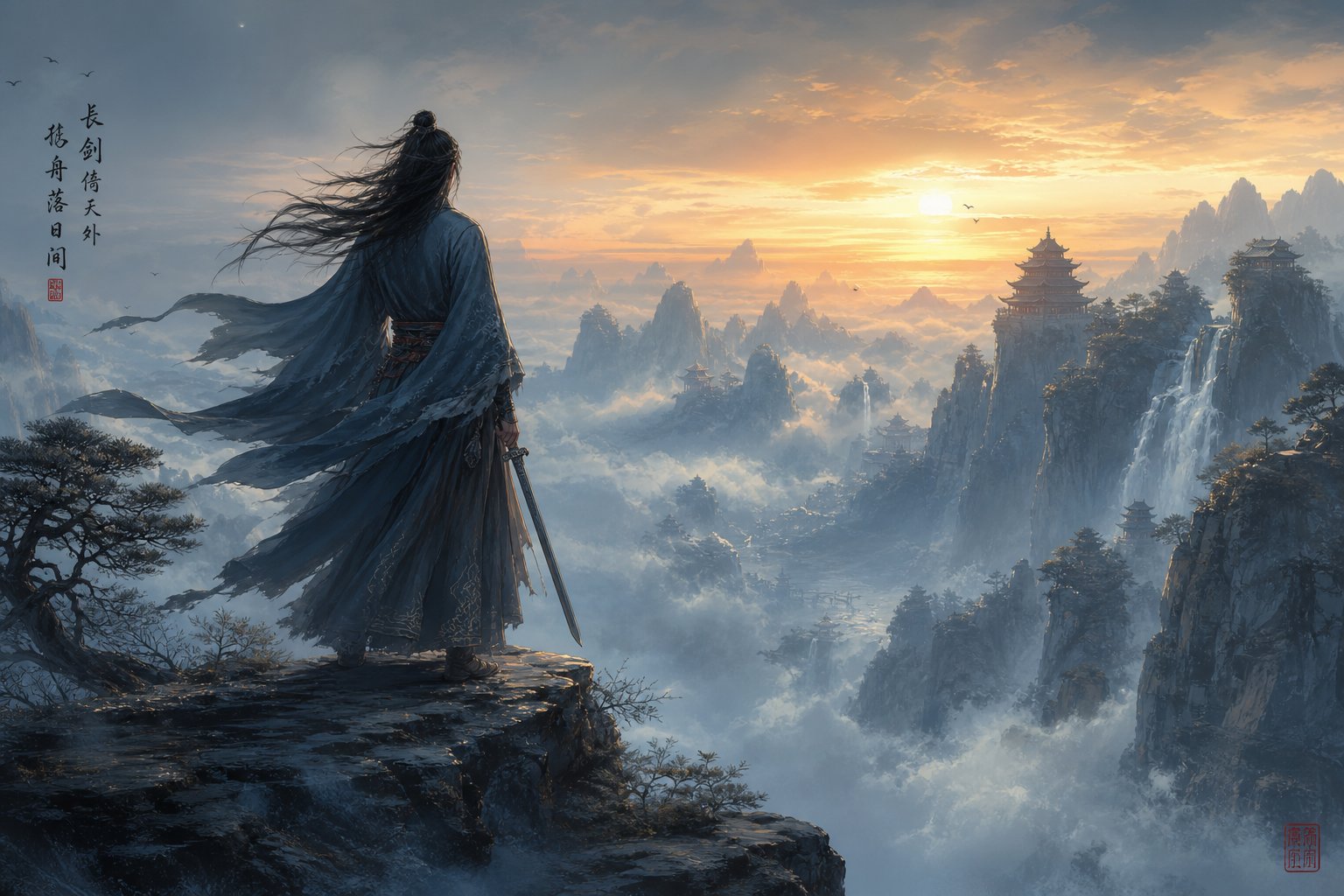
Fiction set in ancient China or Chinese-inspired fantasy worlds demands a completely different naming approach than modern-day scenarios. You cannot simply grab output from a standard tool and drop it into a Tang dynasty court scene or a wuxia martial arts epic. The conventions shift by era, by genre, and by the social role a character plays. A name that works for a contemporary business professional would sound absurd on a Confucian scholar or a wandering swordsman.
This is where most writers stumble. They pick characters that sound "cool" in isolation but carry no historical weight, no philosophical resonance, and no genre awareness. An ancient chinese name generator needs to account for far more than character meaning. It needs to reflect how real people across different dynasties actually named their children, their disciples, and themselves.
Ancient and Dynasty-Era Names for Historical Fiction
Chinese naming conventions evolved dramatically across major historical periods, and each era carried its own logic. If you are writing historical fiction, the period you are targeting determines which names feel authentic and which ones break immersion.
The most important concept to grasp is that ancient Chinese people often carried multiple names throughout their lives:
- Birth name (名 ming) - given at birth by parents, used only by family and close intimates. Using someone's birth name without permission was considered deeply disrespectful.
- Courtesy name (字 zi) - bestowed at the coming-of-age ceremony (around age 20 for men). This became the name used in social and professional interactions. It typically complemented or expanded on the birth name's meaning.
- Literary name or pseudonym (号 hao) - self-chosen by scholars, poets, and artists to express personal philosophy or aesthetic ideals. A single person might adopt several throughout their lifetime.
Consider the poet Li Bai. His birth name was 白 (Bai, white/pure), his courtesy name was 太白 (Taibai, great whiteness, also the Chinese name for Venus), and his literary name was 青莲居士 (Qinglian Jushi, the Hermit of Green Lotus). Each layer reveals something different about his identity and self-image.
Confucian values heavily shaped naming during the Zhou, Han, and Tang dynasties. Parents chose characters reflecting moral virtues like 仁 (ren, benevolence), 义 (yi, righteousness), and 礼 (li, propriety). Courtesy names often formed a semantic pair with the birth name. If a man's birth name meant "bright," his courtesy name might mean "illuminating" or "dawn." This pairing was not random. It demonstrated literary education and philosophical coherence.
Surname distributions also varied by era. During the Tang dynasty, surnames like 李 (Li) carried imperial prestige because it was the ruling family's name. In the Song dynasty, 赵 (Zhao) held that status. A chinese name generator fantasy tool aimed at historical fiction should weight surname frequency according to the target period rather than using modern population data.
Fantasy and Wuxia Name Construction
Fantasy Chinese names operate under different rules than historical ones, but they still draw from real linguistic patterns. The key difference is that fantasy names blend authentic structure with evocative, larger-than-life imagery. A wuxia hero's name is not just a label. As wuxia naming experts note, a great name in this genre functions as a prophecy, foreshadowing a character's destiny, cultivation path, and role in the narrative.
Wuxia (martial heroes) and xianxia (immortal heroes) fiction follow specific naming patterns that immediately signal genre to readers. A chinese wuxia name generator should understand these conventions:
- Rare or compound surnames add mystique. Names like 独孤 (Dugu, "Solitary"), 慕容 (Murong), 上官 (Shangguan, "Upper Official"), and 令狐 (Linghu) appear far more frequently in fiction than in real life because they carry an air of ancient nobility.
- Nature-based surnames signal a connection to the natural world. 风 (Feng, wind), 云 (Yun, cloud), 叶 (Ye, leaf), and 花 (Hua, flower) work as surnames in fantasy even though some are rare in reality.
- Given names encode destiny. A character named 无忌 (Wuji, "without taboo") is clearly destined for unconventional greatness. One named 求败 (Qiubai, "seeking defeat") is so powerful they search for someone who can beat them.
The genre also distinguishes between wuxia and xianxia naming palettes. Wuxia names tend toward grounded, Confucian-influenced choices reflecting virtue and martial skill. Xianxia names reach for celestial and mystical imagery because the characters are cultivating toward immortality. A chinese mythology name generator for xianxia settings should draw from a different character pool than one targeting grounded wuxia stories.
Here are character pools suited to different fantasy sub-genres:
- Wuxia (martial arts realism) - 剑 (jian, sword), 义 (yi, righteousness), 风 (feng, wind), 傲 (ao, proud), 侠 (xia, hero/chivalrous)
- Xianxia (immortal cultivation) - 天 (tian, heaven), 仙 (xian, immortal), 玄 (xuan, mysterious/profound), 灵 (ling, spirit), 道 (dao, the Way)
- Xuanhuan (high fantasy) - 炎 (yan, flame), 冥 (ming, dark/underworld), 魔 (mo, demonic), 神 (shen, divine), 龙 (long, dragon)
- Historical fantasy - 云 (yun, cloud), 月 (yue, moon), 雪 (xue, snow), 霜 (shuang, frost), 琴 (qin, zither)
Sect names and warrior titles follow their own logic. A sect's name typically combines a location or natural element with a philosophical concept: 青云宗 (Qingyun Zong, Azure Cloud Sect), 天剑门 (Tianjian Men, Heavenly Sword Gate). A chinese warrior name generator should also account for titles and epithets that characters earn through deeds. Figures like 独孤求败 (Dugu Qiubai, "Solitary Seeking Defeat") or 东方不败 (Dongfang Bubai, "Invincible East") are known more by their earned names than their birth names.
Courtesy names remain important in fantasy fiction too. A young disciple might be introduced by birth name, then receive a courtesy name from their master that reflects their cultivation path. This layered naming creates narrative depth. As wuxia naming practitioners explain, the best fantasy names follow one principle: they should sound like poetry and hint at destiny.
Game Character and RPG Names
Interactive media adds a constraint that novels do not face: the player needs to remember, type, and possibly speak the name aloud. This means balancing authenticity with accessibility.
For game characters, a fantasy chinese name generator works best when it follows a few practical guidelines:
- Keep total syllable count low. Two or three syllables (in pinyin) hit the sweet spot. Names like 萧炎 (Xiao Yan) or 叶凡 (Ye Fan) are easy to remember and say.
- Favor characters with distinctive pinyin. Avoid names where multiple characters share the same romanization, which confuses non-Chinese-speaking players.
- Match name weight to character role. A minor NPC can carry a simple, common-surname name. A protagonist or legendary figure deserves a rare surname or a poetically loaded given name.
- Use titles for recognition. Players remember "the Jade Sword Saint" more easily than a three-character name they cannot pronounce. Pair a Chinese name with an evocative title for the best of both worlds.
A chinese city name generator follows similar principles for game worldbuilding. Location names in Chinese fantasy combine a natural or elemental descriptor with a structural term: 雪月城 (Xueyue Cheng, Snow Moon City), 落霞谷 (Luoxia Gu, Falling Sunset Valley), 天机阁 (Tianji Ge, Celestial Secrets Pavilion). The pattern is consistent: poetic imagery plus a word indicating what kind of place it is (城 city, 谷 valley, 阁 pavilion, 山 mountain).
Whether you are building a dynasty-era court drama, a wuxia revenge epic, or an open-world RPG, the underlying principle stays the same. Chinese names in creative contexts are never just sounds. They are compressed stories, carrying philosophy, foreshadowing, and cultural identity in two or three characters. The challenge is not generating combinations. It is generating combinations that carry the right weight for your specific world.
Authentic naming in fiction requires understanding individual characters and their meanings. But real Chinese families add yet another layer that most outsiders never encounter: a generational naming system that links siblings, cousins, and entire lineages through shared characters passed down across centuries.
Generational Naming Traditions and the Zibei System
Imagine two cousins born in different cities who have never met, yet they share a character in their given names. That is not coincidence. It is the 字辈 (zibei) system, a generational naming tradition that links entire clans across geography and time. Most name generators ignore this layer entirely, which means their output can accidentally imply family relationships that do not exist or miss relationships that should be obvious.
What Are Generation Names and How They Work
Chinese generation names work like a built-in family GPS. The family name (surname) tells you which clan someone belongs to. The generation name tells you exactly where they sit in the vertical hierarchy of that clan. In a typical three-character name, the structure is: family name + generation name + individual given name. All male siblings and paternal cousins of the same generation share that middle character.
The source of these shared characters is a pre-determined chinese generation name poem (字辈诗 zibei shi), composed by clan elders and recorded in the family genealogy book. Each character in the poem corresponds to one generation. When a child is born, the father takes the next character in the sequence and pairs it with a personally chosen character to form the complete given name.
Take Mao Zedong as an example. His name 毛泽东 breaks down as: 毛 (Mao, family name) + 泽 (Ze, generation name) + 东 (Dong, individual name). The character 泽 marks him as the 14th generation in his clan's sequence, which began in 1737. His grandfather's generation name was 恩 (En), his father's was 贻 (Yi), and his was 泽 (Ze), each following the poem in strict order. According to research by Li Zhonghua and Edwin Lawson, this practice dates back to the Han Dynasty (206 BC - 220 AD) and reached full maturity during the Song Dynasty (960 - 1279).
Generation Name Poems and Their Cultural Significance
A chinese generation name list is not just a random sequence of characters. When read together, the characters form a poem, typically four or eight lines of five characters each. These poems encode a family's highest aspirations: praise for ancestors, hopes for prosperity, and moral guidance for descendants. The Mao family's generation poem illustrates this beautifully:
立显荣朝士, 文方运际祥。祖恩贻泽远, 世代永承昌。(Li Xian Rong Chao Shi, Wen Fang Yun Ji Xiang. Zu En Yi Ze Yuan, Shi Dai Yong Cheng Chang.) Meaning: Celebrity and eminence glorify officials; knowledge extends the good luck of the state. Ancestral kindness has no end; prosperity continues for following generations.
This poem contains 20 characters spanning 20 generations. In 1881, four more lines were added, extending the chinese generational names list to 40 characters, enough to cover 40 generations of descendants. Some families trace their generation poems back even further, maintaining unbroken naming sequences across more than 20 generations and several centuries.
Historically, women were treated differently within this system. They might receive no generation name at all, share the same generation character as their brothers, or receive a separate female-specific generation character shared only with sisters and female cousins. This inconsistency reflects the patriarchal structure that originally shaped the tradition.
The zibei system has declined significantly in urban China. Research tracking chinese generational names across four time periods found that generation name usage among men dropped from 90.4% in the pre-Mao era (1940-1949) to just 41.2% during the height of the Cultural Revolution (1960-1976). Urbanization, the breaking of traditional ties to ancestral land, and political pressure during the Mao years all contributed. The Post-Mao period showed a partial recovery to 53%, but the tradition never returned to its former dominance.
In rural communities and among overseas Chinese families, however, generation poems remain actively maintained. Genealogical societies still consult these poems when verifying family connections, and some clans continue adding new lines when the existing poem nears its end.
Why does this matter for generated names? If a tool produces a name where the middle character happens to match a well-known generation poem, native speakers may unconsciously read a generational signal that was never intended. It is one more reason that raw output from any generator needs human review, ideally from someone who understands not just individual characters but the invisible family architecture those characters can imply.
Generation names reveal how Chinese naming encodes relationships across time. But even within a single name, there is another dimension most outsiders miss entirely: how the tones, stroke counts, and sound associations of chosen characters determine whether a name feels harmonious or jarring to a native ear.
How to Evaluate a Generated Chinese Name for Authenticity
A name can have perfect meaning, appropriate gender coding, and a common surname, yet still sound wrong the moment a native speaker says it aloud. Why? Because Chinese names operate across multiple sensory dimensions simultaneously. As naming experts describe it, a Chinese name must satisfy sound, form, meaning, and elemental balance all at once. A chinese name generator with meaning might nail the semantic layer but completely ignore how the name sounds when spoken or looks when written. Here is how to evaluate those invisible dimensions yourself.
Tonal Combinations That Sound Natural
Mandarin has four main tones plus a neutral tone. The first tone is high and flat, the second rises, the third dips low then rises slightly, and the fourth drops sharply. Every character carries a fixed tone, which means every name is also a tonal sequence. Some sequences flow. Others clash.
Imagine a three-character name where all three characters carry the fourth (falling) tone. Each syllable drops sharply from high to low. Spoken aloud, the name sounds like three verbal punches in a row, abrupt and aggressive. Native speakers find this grating, even if the individual characters carry beautiful meanings. Conversely, a name that moves through varied tones creates a natural melodic arc, the kind of rhythm that feels effortless when you introduce yourself across a room.
General guidance that native speakers intuitively follow:
- Vary the tones across all characters. A sequence like third-first-second (e.g., Li Jinze, 李金泽: Lǐ Jīn Zé) creates a dynamic, rising flow that sounds pleasant.
- Avoid stacking identical tones. Three consecutive first tones sound monotonous. Three consecutive fourth tones sound harsh.
- Be cautious with consecutive third tones. Mandarin's tone sandhi rule forces the first third tone to shift to a second tone in speech, which can make the name sound different from how it looks in pinyin.
- End on a rising or level tone for a lighter feel. Names ending on a fourth tone carry a sense of finality and authority, which works for some personalities but can sound stern.
A chinese name generator pinyin display helps here because you can visually check the tone marks before committing. If you see à à à stacked together, that is a red flag regardless of how poetic the meanings are. A chinese name pronunciation generator that lets you hear the full name spoken aloud is even more useful, since tonal flow is ultimately an auditory judgment.
Stroke Count and Visual Balance
Chinese characters are not abstract letters. They are visual compositions, each occupying a square space with a specific density of strokes. When characters sit side by side in a name, their visual weight needs to feel balanced, especially because names get written constantly: on documents, business cards, red envelopes, and digital signatures.
Consider the difference between a name composed entirely of simple characters (丁一川, three to four strokes each) versus one built from dense characters (魏鑫麟, fifteen or more strokes each). The first feels airy and sparse. The second feels heavy and imposing. Neither is inherently wrong, but pairing a one-stroke character next to a twenty-stroke character creates visual dissonance, like wearing one sneaker and one dress shoe.
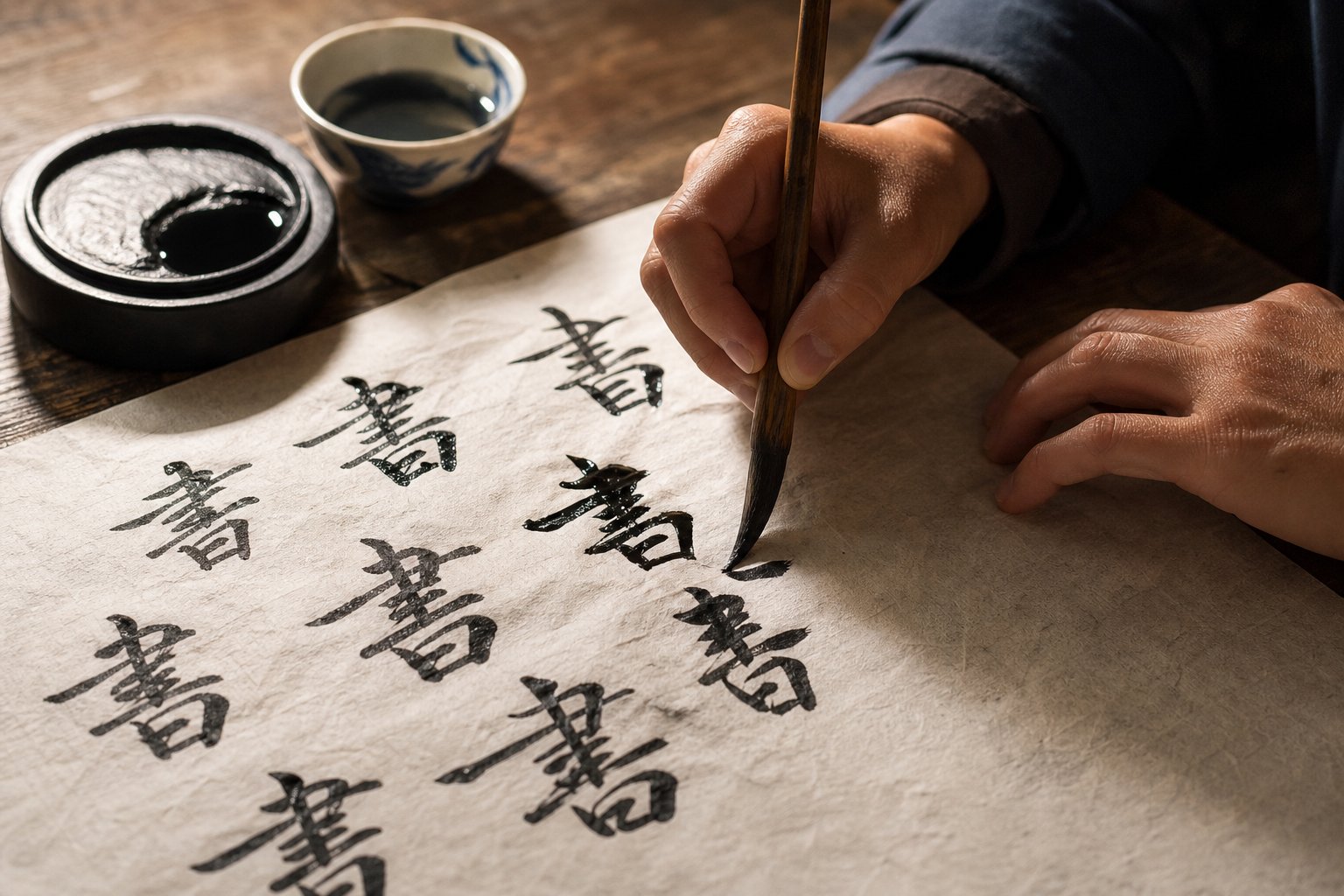
Modern Chinese parents actively consider this dimension. A chinese name generator with characters displayed visually lets you assess balance at a glance. If you are using a chinese writing name generator, look at the output as a written unit, not just as pinyin syllables. A name that looks elegant when brushed in calligraphy or printed on a business card carries a different kind of authority than one that looks lopsided on paper.
Practical rule of thumb: keep stroke counts within a reasonable range across all characters. A surname with 7 strokes pairs comfortably with given-name characters in the 8-12 stroke range. Extreme mismatches (a 2-stroke character beside a 23-stroke character) will look odd to anyone who reads Chinese regularly.
Homophones and Unfortunate Associations
This is where names go from awkward to embarrassing. Chinese has a relatively small inventory of syllables spread across thousands of characters, which means homophones are everywhere. A name that looks beautiful on paper can sound identical to an unlucky word, a brand name, or a famous figure's name when spoken aloud.
The character 思 (si, thought) is lovely in isolation, but paired with certain other characters it can echo 死 (si, death) to a listener's ear. The name 杨伟 (Yang Wei) combines two perfectly respectable characters, yet it is a homophone for a term meaning "impotent," a fact that has made it one of the most mocked names in China. These collisions are invisible to anyone who does not speak the language natively.
Common pitfalls English speakers encounter when selecting Chinese names without native guidance:
- Homophones with 死 (si, death) or 四 (si, four). The number four is avoided in Chinese culture specifically because it sounds like "death." Names containing si-sounding characters need careful vetting.
- Accidental brand name overlap. Naming yourself something that sounds like a popular snack brand, a car model, or a tech company creates an unintended comedic effect.
- Sharing a name with a famous figure. Using the same characters as a well-known politician, celebrity, or historical villain invites constant comparison and jokes.
- Vulgar homophones in regional dialects. A name that sounds fine in standard Mandarin might be a crude word in Cantonese, Shanghainese, or Hokkien. If you will spend time in southern China, check regional pronunciations.
- Unintended compound meanings. Two characters that are individually positive can combine into an unfortunate phrase. 范统 (Fan Tong) looks fine character by character, but spoken aloud it sounds like 饭桶 (fantong, "rice bucket," meaning useless person).
A chinese character name generator that only displays hanzi without context cannot catch these problems. You need either a chinese name generator with hanzi that flags known homophone conflicts, or a native speaker willing to say the name aloud and check for cringe-worthy echoes. This is not optional polish. It is the difference between a name that earns respect and one that earns laughter.
The test is simple: if you cannot explain why your chosen name works across all three dimensions, tonal flow, visual balance, and sound associations, then the name has not been properly vetted. Most generators handle meaning well. Far fewer handle the acoustic and visual layers that determine whether a name actually lands with native speakers. Knowing these evaluation criteria puts you ahead of anyone who simply copies the first output and moves on, but there is still one more category of errors worth understanding: the systematic mistakes foreigners make when they skip this vetting process entirely.
Common Mistakes to Avoid When Picking a Chinese Name
Tonal flow, stroke balance, and homophone awareness give you the tools to evaluate a name. But evaluation assumes you have a reasonable candidate to begin with. Many foreigners never reach that stage because they make structural errors at the selection step itself, errors so common that native speakers can spot a foreigner-chosen name within seconds. A chinese english name generator can narrow the gap, but only if you know which pitfalls to sidestep before you even start.
Overly Grandiose or Rare Characters
The single most frequent mistake? Going too big. Foreigners gravitate toward characters like 龙 (long, dragon), 帝 (di, emperor), 仙 (xian, immortal), or 凤 (feng, phoenix) because they sound impressive in English translation. To a native speaker, a person introducing themselves as 龙天帝 (Long Tiandi, "Dragon Sky Emperor") triggers the same reaction as an English speaker calling themselves "King Magnificent Thunderstorm." It is not impressive. It is absurd.
Real Chinese names aim for aspiration, not grandiosity. There is a wide gap between a name meaning "bright virtue" and one meaning "celestial dragon lord." As naming experts point out, even names borrowed from historical heroes or cultural icons feel presumptuous when adopted by someone with no connection to that legacy. The rule is simple: if the name sounds like a fantasy title rather than something a parent would give a child, scale it back.
Ignoring Surname-Given Name Compatibility
Characters do not exist in isolation. A given-name character that works beautifully after one surname can become a disaster after another. The problem is compound meaning: when a surname and given name are read together as a phrase, they can accidentally form words or idioms the speaker never intended.
The surname 杨 (Yang) paired with 伟 (Wei, great) produces 杨伟, which sounds identical to the Chinese term for "impotent." The surname 史 (Shi) combined with 珍 (Zhen, precious) creates 史珍, a near-homophone for a vulgar phrase. These are not obscure edge cases. They are well-known enough that Chinese parents actively check for them, and any chinese name generator from english that skips this compatibility layer is setting users up for embarrassment.
Transliteration Traps
When you use a chinese name generator based on english name input, the tool faces a fundamental choice: should it approximate the sound of your English name using Chinese characters, or should it create a meaning-based name that captures your personality? Most cheap tools default to phonetic transliteration, and the results are almost always problematic.
Why? English phonemes do not map cleanly onto Chinese syllables. The name "Charlotte" transliterated becomes something like 夏洛特 (Xia Luo Te), which sounds foreign and carries no coherent meaning. Worse, some transliterations accidentally echo offensive phrases. "Charlotte" rendered as 沙了他 sounds disturbingly close to "kill him" in spoken Mandarin. A chinese name to english name generator working in reverse faces similar issues: it can romanize characters but cannot capture the cultural weight those characters carry.
The better approach is meaning-based selection. Instead of forcing "Michael" into Chinese syllables, a skilled translator identifies the name's meaning ("who is like God" or qualities the person values) and selects Chinese characters that express similar aspirations. The result sounds like a real Chinese name because it follows Chinese naming logic rather than English phonetics.
Here is a quick-reference table summarizing these three mistake categories:
| Mistake Type | Example | Why It Fails |
|---|---|---|
| Overly grandiose characters | 龙天帝 (Long Tiandi, "Dragon Sky Emperor") | Sounds like a fantasy villain, not a real person. No parent would choose this. |
| Surname-given name clash | 杨伟 (Yang Wei, intended: "Yang the Great") | Homophone for "impotent" in Mandarin. Universally mocked. |
| Direct phonetic transliteration | 夏洛特 (Xia Luo Te, for "Charlotte") | Sounds foreign, carries no meaning, and may echo offensive phrases. |
| Rare or archaic characters | 曦翾 (Xi Xuan, "dawn" + "soaring") | Characters are so uncommon that most people cannot read or type them. |
| Celebrity name borrowing | 李白 (Li Bai, the Tang poet) | Like naming yourself "Shakespeare." Feels presumptuous and invites ridicule. |
Every one of these mistakes shares a root cause: treating Chinese name selection as a translation exercise rather than a cultural one. Translation asks "what do these characters mean?" Cultural selection asks "how will a native speaker react when they hear this name in a meeting, a classroom, or a WeChat introduction?" That second question is the one that matters, and it leads directly to the practical question of matching your name to your specific real-world context.
Choosing the Right Chinese Name for Your Specific Purpose
Context determines everything. A name that works perfectly in a university classroom might feel out of place on a corporate business card, and a name chosen for personal heritage exploration carries emotional weight that a gaming alias never needs to. Matching your name to your actual use case is the final step that separates a thoughtful choice from a random one.
Names for Study Abroad and Language Learning
When you are heading to Beijing or Taipei for a semester, your Chinese name becomes your daily identity. Classmates will call it across the cafeteria. Teachers will write it on attendance sheets. It needs to be easy to pronounce, age-appropriate, and free of unintentional humor.
Students often make the mistake of choosing names that sound overly formal or literary, like naming a 20-year-old exchange student something that belongs on a Confucian scholar. Aim for characters that are common among your peer group's generation. If you are in your twenties, look at naming trends from the early 2000s rather than the 1960s. Keep the given name to two characters for a natural rhythm, and pick a surname that your teachers can write quickly during roll call.
One practical tip from expats who have gone through this process: make sure you can actually pronounce your own name. A name with tricky consonant clusters like "zh" or "sh" paired with difficult tones can leave you unable to introduce yourself clearly. Test it aloud dozens of times before committing.
Names for Business and Professional Use
Professional names carry different stakes. You are not just introducing yourself to friends. You are building a brand identity that appears on business cards, email signatures, and WeChat profiles. A chinese business name generator can suggest starting points, but the final choice needs to project competence and approachability without veering into overly casual or overly literary territory.
Profession-specific naming guidance suggests aligning character choices with your industry's values. Finance professionals benefit from characters conveying trust and stability (诚 cheng, sincerity; 恒 heng, perseverance). Tech professionals lean toward innovation and vision (睿 rui, insightful; 拓 tuo, explore). Creative professionals have more latitude for expressive, artistic characters.
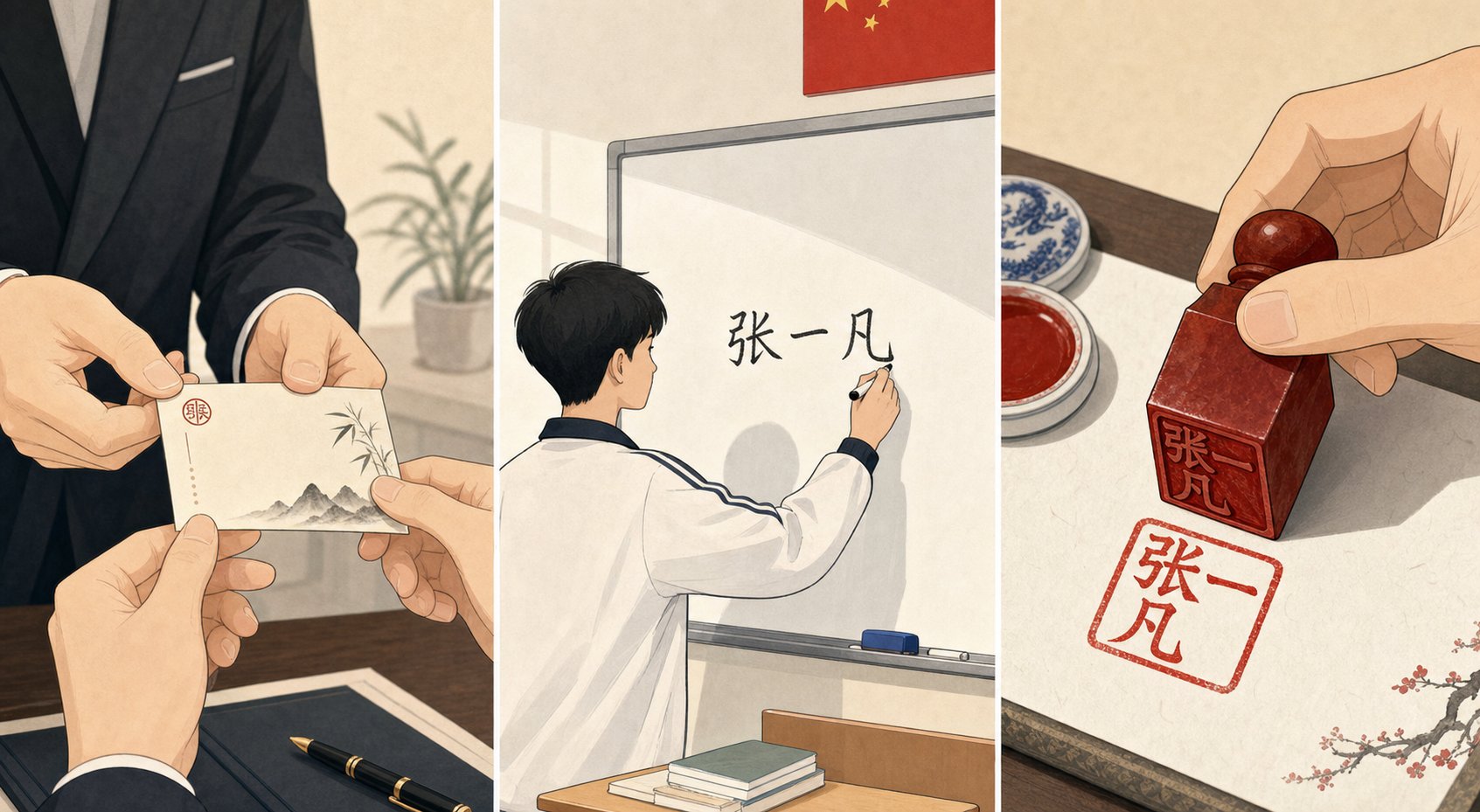
In Chinese business culture, your name appears on your card alongside your title and company. Business card exchange etiquette dictates that you present and receive cards with both hands, which means your name will be read closely and immediately. A chinese company name generator handles brand naming for organizations, but your personal professional name follows different rules: it should sound like a real person, not a slogan. Avoid characters that are too rare for colleagues to type on a keyboard, and steer clear of anything that sounds like a competitor's brand. A chinese brand name generator or chinese restaurant name generator serves commercial naming needs, but personal names should never feel like marketing copy.
Names for Personal Cultural Connection
For heritage speakers, adoptees, and chinese american name seekers exploring identity through naming, the process is deeply personal. This is not about utility or professional advantage. It is about reclaiming a connection to culture, family, or history that may have been interrupted.
If you have access to family records, start there. Older relatives may remember a generation poem or know which characters were traditionally used in your lineage. Even partial information, a grandfather's name, a family surname, a region of origin, gives you a foundation that no algorithm can replicate. The name becomes a bridge between who you are now and where your family came from.
For adoptees without access to birth family records, the naming process can be an act of self-definition. Some choose characters that reflect personal values or life experiences. Others select names that honor their adoptive family's connection to Chinese culture. There is no single right approach, only the one that feels meaningful to you.
What Happens After You Choose a Name
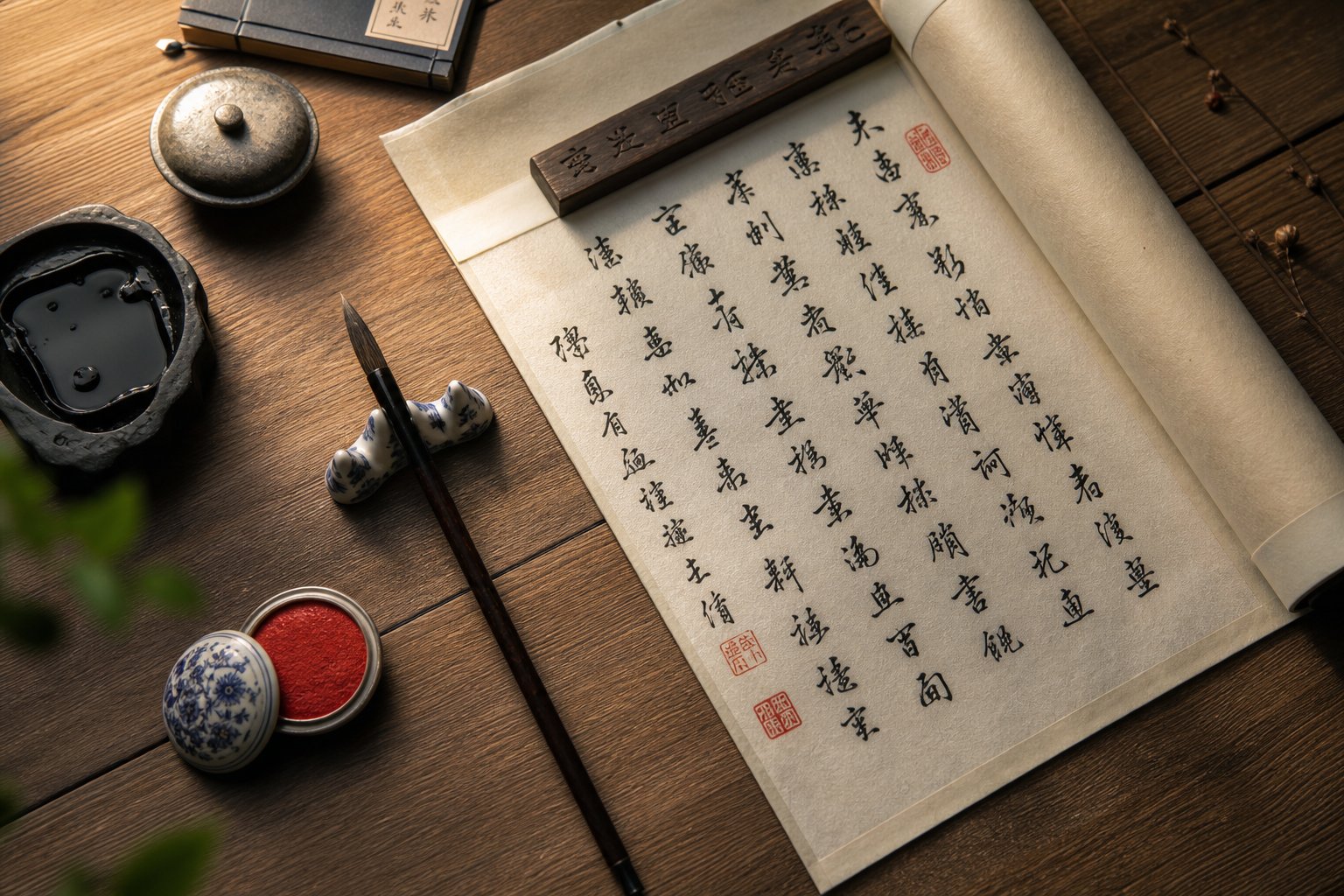
Generating or selecting a name is not the finish line. Verification is what separates a name that works from one that quietly embarrasses you for years. Once you have a candidate, you might explore a chinese calligraphy name generator to see how the characters look in traditional brush script, or a chinese name seal generator to visualize how the name would appear carved into a personal chop (印章 yinzhang), the traditional stamp used to sign documents and artwork. A chinese signature generator for my name search can also help you practice writing the characters in a fluid, natural hand.
But aesthetics are secondary to cultural verification. Here is a post-generation checklist that covers the essentials:
- Say the full name aloud at normal conversational speed. Does it flow naturally? Do the tones create a pleasant rhythm or an awkward collision?
- Check for homophone conflicts. Search the full name in pinyin online and see what other meanings or phrases share that pronunciation.
- Verify the name works in both simplified and traditional characters. Some characters simplify into forms with different connotations. If you will use the name in both mainland China and Taiwan or Hong Kong, confirm it reads well in both systems.
- Test regional pronunciation. If you will spend time in Cantonese-speaking areas, check how the name sounds in Cantonese. A name that is elegant in Mandarin can be awkward or unfortunate in another dialect.
- Run it past at least two native speakers from different backgrounds. One person might miss a regional association that another catches immediately. Ask them to be honest about first impressions.
- Confirm the characters are typeable. Try entering each character using standard pinyin input on a phone. If the character does not appear in the first few suggestions, it is too rare for daily use.
- Practice writing it by hand. You will need to fill out forms, sign documents, and write your name on whiteboards. If the stroke count is so high that writing feels laborious, reconsider.
This checklist applies regardless of whether your name came from a generator, a teacher, a friend, or your own research. The goal is the same: a name that sounds natural when spoken, looks balanced when written, carries meaning you are proud of, and survives contact with real native speakers without raising eyebrows. That is the standard worth aiming for, and it is entirely achievable once you understand the cultural architecture underneath.
Frequently Asked Questions About Chinese Name Generators
1. How do Chinese names differ structurally from English names?
Chinese names place the family name (surname) first, followed by the given name, which is the reverse of English conventions. Most Chinese names contain two or three characters total: a one-character surname paired with a one or two-character given name. The surname represents clan identity, while the given name encodes parental aspirations through carefully chosen characters, each carrying its own meaning, tone, and visual weight. This compact structure means every character choice carries significant cultural implications that simple generators often miss.
2. Why do generated Chinese names often sound unnatural to native speakers?
Generated names frequently fail because they only address character meaning while ignoring tonal harmony, stroke count balance, and homophone conflicts. A name with three consecutive falling tones sounds harsh when spoken aloud. Characters with extreme stroke count differences look visually lopsided when written. Most critically, certain character combinations create unintended homophones for embarrassing words or phrases. Native speakers evaluate names across all these dimensions simultaneously, which is why algorithmically produced names often feel off even when individual characters seem appropriate.
3. Should I transliterate my English name into Chinese characters or choose a meaning-based name?
Meaning-based selection almost always produces better results than phonetic transliteration. Direct transliteration forces English sounds into Chinese syllables, creating combinations that sound foreign and carry no coherent meaning. Worse, some transliterations accidentally echo offensive phrases in Mandarin. A meaning-based approach identifies qualities you value or meanings embedded in your English name, then selects Chinese characters expressing similar aspirations. The result follows Chinese naming logic and sounds like a name a real family might choose.
4. What characters should I avoid when picking a Chinese name as a foreigner?
Avoid overly grandiose characters like dragon, emperor, immortal, or phoenix. These sound absurd to native speakers, similar to an English speaker naming themselves King Magnificent. Also avoid extremely rare or archaic characters that most people cannot read or type, characters sharing pronunciation with unlucky words like death, and combinations that accidentally form vulgar phrases when paired with common surnames. Celebrity names like Li Bai (the famous poet) should also be avoided as they invite ridicule rather than respect.
5. How can I verify that a generated Chinese name actually works in real life?
Follow a multi-step verification process: say the full name aloud to check tonal flow, search the pinyin online for homophone conflicts, confirm the characters work in both simplified and traditional writing systems, test regional dialect pronunciations if relevant, and run the name past at least two native speakers from different backgrounds. Also verify that each character appears easily in standard phone keyboard input and that you can write the name by hand without difficulty. This process catches problems that no generator can flag automatically.