Why the Same Chinese Name Sounds Completely Different
Imagine you meet three colleagues at a conference. One introduces herself as Chen, another spells his name Chan, and a third goes by Tan. All three share the same Chinese character on their passports: 陈. So why do their names look and sound nothing alike in English?
This is one of the most common sources of confusion around the pronunciation of Chinese names. A single surname character can appear in dozens of romanized spellings depending on where a person's family originates, which dialect they speak, and which transliteration system was used to convert their name into Latin letters. The character 陈 alone has been romanized as Chen, Chan, Chin, Chinn, Tan, Tang, Tchen, Tin, Ting, Tjin, and Jin, among others.
These pinyin name pronunciation variations are not random. They follow patterns rooted in linguistics, geography, and history. Once you understand the forces behind them, figuring out how to say Chinese names becomes far less mysterious.
Why One Chinese Name Has Many English Spellings
The core issue is straightforward: Chinese characters represent meaning, not sound. Unlike alphabetic scripts, a character like 王 does not tell you how to pronounce it. That pronunciation depends entirely on the speaker's native dialect. In Mandarin, 王 is Wang. In Cantonese, it becomes Wong. In Hokkien, it is Ong. In Teochew, it sounds like Heng. Each of these is a legitimate, centuries-old reading of the same written character.
When Chinese families emigrated, the phonetic spelling of your name was determined by whichever sounds an immigration official could hear and transcribe. Without a single standardized system, the results varied wildly from port to port and decade to decade. That is why mandarin name pronunciation of a character can differ so dramatically from its Cantonese or Hokkien equivalent, even though the underlying written form is identical.
What This Guide Covers
This guide addresses every major factor behind these spelling and sound differences, so you can confidently pronounce Chinese names regardless of which system or dialect produced them. Here is what you will find:
- Romanization system differences - how Hanyu Pinyin, Wade-Giles, Jyutping, and other systems each render the same sounds differently
- Dialect origins - why Mandarin, Cantonese, Hokkien, and Teochew speakers produce distinct pronunciations for identical characters
- Regional conventions - the specific spelling norms used in Mainland China, Taiwan, Hong Kong, Singapore, and Malaysia
- Legacy family spellings - historical anglicizations created by immigration officials, personal choice, or generational tradition
Rather than covering only standard Pinyin rules, this resource tackles the full landscape of chinese name pronunciation, from formal government systems to informal heritage spellings that follow no system at all. Whether you are preparing for a business meeting, reading an academic paper, or simply trying to address a new neighbor correctly, understanding these layers is the first step toward getting any Chinese name right.
The differences start at the system level, where competing romanization standards assign entirely different letter combinations to the same spoken sounds.
Romanization Systems Behind the Spelling Differences
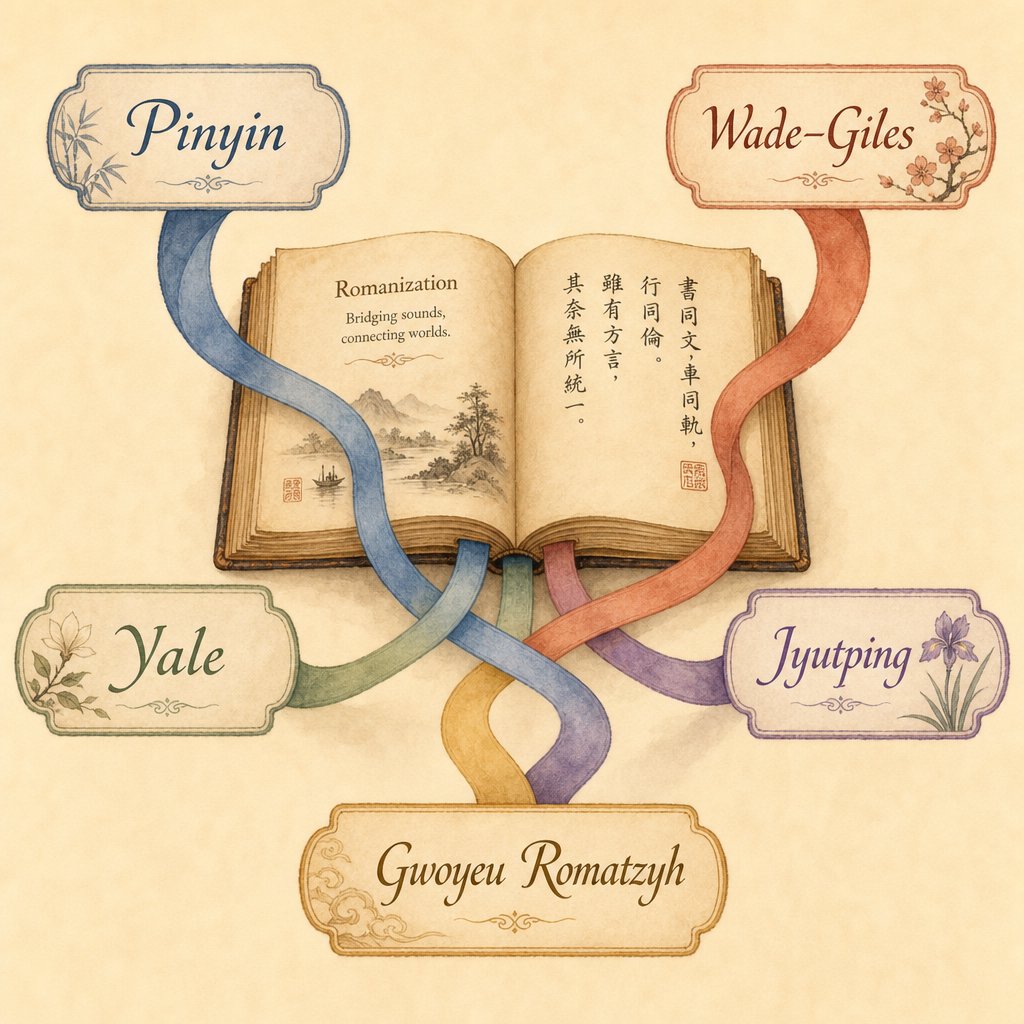
Five major systems have been used to convert Chinese sounds into Latin letters, and each one assigns different letter combinations to the same spoken syllable. When you encounter an unfamiliar Chinese name, the spelling you see is a product of whichever system was applied, not a phonetic universal. Understanding these systems is like having a decoder ring for every variant you will ever meet.
Here is a quick overview of the main players:
- Hanyu Pinyin - the official standard in Mainland China since 1958 and the international norm adopted by the UN, ISO, and most libraries. Any modern mandarin chinese pinyin resource uses this system.
- Wade-Giles - developed in the 19th century by British diplomats, still found in older academic texts and on many Taiwan passports. Recognizable by apostrophes and digraphs like "hs" and "ts."
- Yale - created in the 1940s for American military and language students. Rarely seen in names today but common in mid-century textbooks.
- Jyutping - the standardized romanization for Cantonese, used in Hong Kong linguistic contexts. Older Hong Kong names often use a less formal government romanization instead.
- Pe̍h-oe-ji (POJ) - a romanization system for Hokkien (Southern Min), common among Taiwanese and Southeast Asian diaspora communities.
Each system was designed for a different audience, era, and dialect. The result is that a single Chinese pinyin table for Mandarin alone cannot explain every name spelling you will encounter in the real world.
Hanyu Pinyin and Wade-Giles Side by Side
The two systems you will run into most often are Hanyu Pinyin and Wade-Giles. They cover the same Mandarin sounds but use strikingly different letter choices. According to the Library of Congress Pinyin Conversion Project, Wade-Giles syllables can begin with "hs" or "ts" where Pinyin never does, and Pinyin uses "b," "d," "g," "q," "x," and "z" as initials where Wade-Giles never does.
Consider how common surnames look in each system. A standard mandarin pinyin chart maps sounds one way, but Wade-Giles maps them another, and Cantonese romanization introduces yet a third set of spellings:
| Character | Hanyu Pinyin | Wade-Giles | Yale (Mandarin) | Cantonese | Hokkien (POJ) |
|---|---|---|---|---|---|
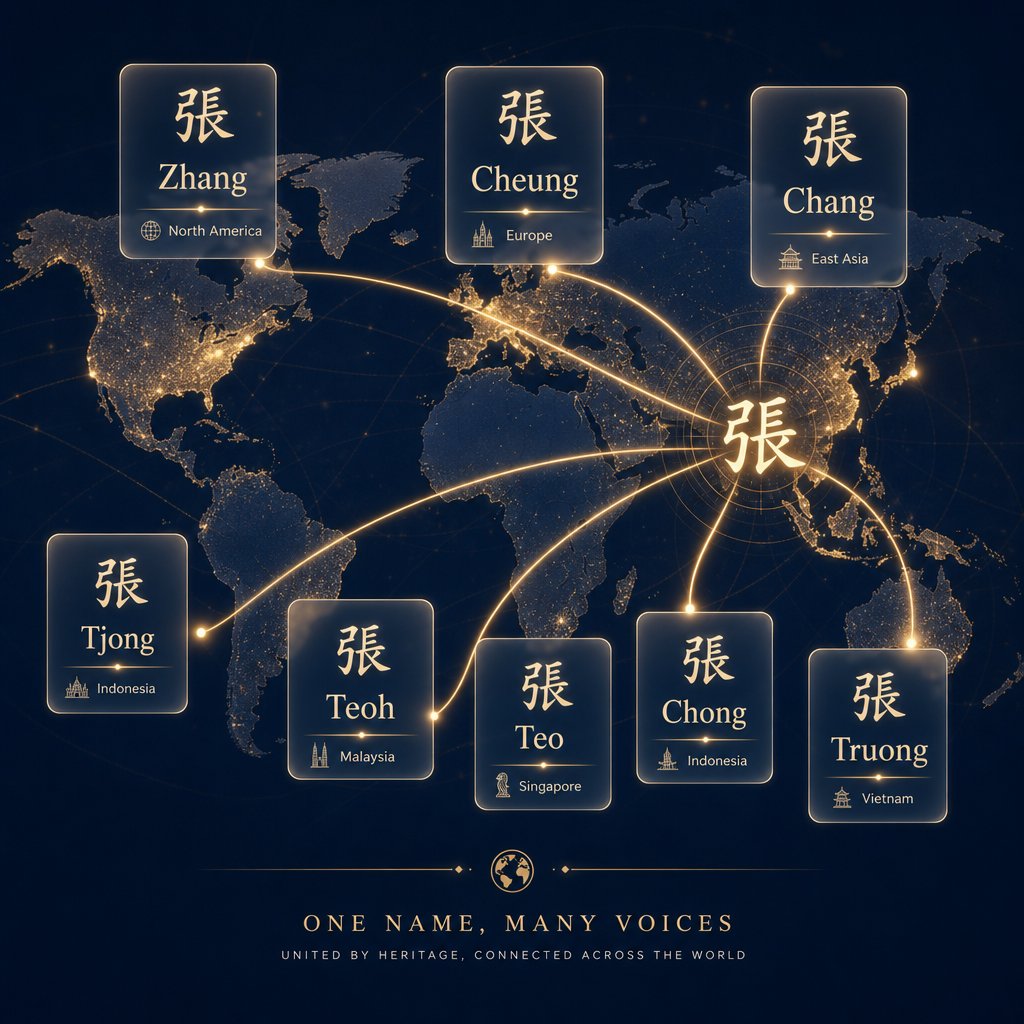
| 张 | Zhang | Chang | Jang | Cheung | Tio / Teo |
| 陈 | Chen | Ch'en | Chen | Chan | Tan |
| 许 | Xu | Hsu | Syu | Hui | Kho |
| 周 | Zhou | Chou | Jou | Chow / Jau | Chiu |
| 谢 | Xie | Hsieh | Sye | Tse | Chia |
| 钱 | Qian | Ch'ien | Chyan | Chin | Chi |
You will notice that Zhang and Chang are the same surname, the same character, and the same Mandarin pronunciation. The only difference is which hanyu pinyin table or Wade-Giles chart the transcriber was following. Meanwhile, Cheung and Teo represent entirely different dialect pronunciations of that same character.
Identifying Which System a Name Uses
When you see an unfamiliar romanized name, a few spelling clues can tell you which system produced it. Think of this as a quick decision tree:
- Contains j, q, or x as an initial? It is almost certainly Hanyu Pinyin. Wade-Giles never uses these letters to start a syllable.
- Contains "hs" at the beginning? That points to Wade-Giles. In Pinyin, the same sound is written as "x" (e.g., Hsieh = Xie).
- Contains an apostrophe after a consonant (like ch' or t')? Wade-Giles uses apostrophes to mark aspirated sounds. Pinyin does not.
- Ends in "-ng" with a simple vowel before it (like Cheung, Leung)? Likely Cantonese romanization.
- Contains "oe" or uses hyphens with tone numbers? Possibly Hokkien POJ or Jyutping.
- Syllables joined together without spaces or hyphens (like Zhongshan)? Standard Pinyin practice. Wade-Giles typically hyphenates multi-syllable names (like Chung-shan).
The Library of Congress also notes that Wade-Giles syllables can end in "-ung," "-ueh," or "-ieh," while Pinyin equivalents end in "-ong," "-ue," or "-ie." Spotting these patterns takes seconds once you know what to look for, and it immediately tells you which chinese pinyin chart or reference to consult for the correct pronunciation.
Knowing the system, however, is only half the puzzle. The same romanization system can produce different spellings depending on which region issued the passport or which dialect the family speaks at home.
Regional Differences from Mainland to Southeast Asia
A person's country or territory of origin shapes how their name in chinese language gets spelled on official documents. Each region adopted its own romanization policies at different points in history, and those policies reflect local dialects, colonial legacies, and political decisions. The practical result? Two people sharing the exact same surname character can carry passports with completely different English spellings, and each spelling signals a different pronunciation.
Understanding these regional patterns is often the fastest shortcut to correct chinese pronunciation of names. When you know where someone is from, you immediately know which sound system to apply.
Mainland China and Taiwan Spelling Conventions
Mainland China standardized on Hanyu Pinyin in 1958, and it became the sole official romanization for all government documents, passports, and international communications. If a name comes from a Mainland Chinese passport issued in recent decades, you can trust that it follows Pinyin rules. Chen means Chen with a Mandarin pronunciation. Zhang means Zhang. There is no ambiguity about which system was used.
Taiwan tells a more complicated story. For decades, Wade-Giles was the dominant system on Taiwanese passports, which is why you see spellings like Tsai (Pinyin: Cai), Hsieh (Pinyin: Xie), and Chiang (Pinyin: Jiang) among Taiwanese public figures. In 2002, Taiwan briefly adopted Tongyong Pinyin as an alternative, and in 2009 officially switched to Hanyu Pinyin for new romanizations. But here is the catch: individuals who already held passports with Wade-Giles spellings were not required to change. Many chose to keep their established spellings for continuity in professional and legal contexts.
This means a Taiwanese person named 陈 might appear as Ch'en (Wade-Giles), Chen (Hanyu Pinyin), or even a hybrid spelling depending on when their passport was issued and what they personally preferred. The chinese naming convention in Taiwan allows more individual choice than Mainland China's uniform system.
Hong Kong and Southeast Asian Name Patterns
Hong Kong never adopted a single standardized romanization system. Under British colonial administration, a loosely codified Cantonese romanization emerged for government records, but it was never as systematic as Pinyin or Wade-Giles. Names were transcribed based on Cantonese pronunciation with English phonetic approximations, producing spellings like Cheung (张), Chan (陈), Ng (吴), and Tse (谢). These spellings remain standard in Hong Kong today.
People sometimes ask, is Mandarin the same as Chinese? The answer matters here. "Chinese" encompasses many mutually unintelligible spoken languages, including Cantonese, Hokkien, Teochew, Hakka, and Mandarin. Hong Kong names reflect Cantonese pronunciation, not Mandarin, which is why they look so different from Mainland Pinyin spellings despite using the same written characters.
Singapore and Malaysia add another layer of complexity. The Asia Media Centre notes that in territories with a sizeable Chinese diaspora, the way a family name is spelled can be a signifier of the region a person's ancestors hail from. A person surnamed Wong is understood to have Cantonese heritage, while someone named Tan likely has Hokkien roots. As columnist Wee Kek Koon explains, the naming convention for Chinese Singaporeans and Malaysians romanizes names based on ancestral dialect pronunciation. His own name, "Wee Kek Koon," is an approximation of 黄克群 in Hokkien, not Mandarin.
This dialect-based approach means Singapore alone contains Hokkien, Teochew, Cantonese, Hakka, and Hainanese romanizations coexisting side by side. The same character 黄 appears as Huang (Mandarin Pinyin), Wong (Cantonese), Wee or Ng (Hokkien), and Ooi (another Hokkien variant). Each reflects a legitimate, centuries-old reading of the character in a specific Chinese language.
Here is how some of the most common surnames map across regions:
| Character | Mainland China (Pinyin) | Taiwan (Wade-Giles) | Hong Kong (Cantonese) | Singapore/Malaysia (Hokkien) | Singapore/Malaysia (Teochew) |
|---|---|---|---|---|---|
| 陈 | Chen | Ch'en / Chen | Chan | Tan | Tan |
| 张 | Zhang | Chang | Cheung | Teo / Teoh | Teo |
| 王 | Wang | Wang | Wong | Ong | Heng |
| 刘 | Liu | Liu | Lau | Lau / Low | Lau |
| 黄 | Huang | Huang | Wong | Wee / Ng | Ooi / Ng |
| 李 | Li | Li | Lee / Lei | Lee | Lee |
| 林 | Lin | Lin | Lam | Lim | Lim |
Notice how 陈 alone produces Chen, Ch'en, Chan, and Tan depending on the region. Each spelling is not just a different way to write the same sound. They represent genuinely different pronunciations: "Chen" with a Mandarin retroflex initial, "Chan" with a Cantonese affricate, and "Tan" with a Hokkien dental stop. Getting the chinese names and pronunciation right means matching the spelling to its regional sound system, not defaulting to Mandarin rules for every variant you encounter.
The takeaway is practical: when you see an unfamiliar Chinese name, identifying the person's country or region of origin is your single most useful first step. A "Chan" from Hong Kong and a "Chen" from Beijing share the same character but require different mouth positions to pronounce correctly. Regional context turns a confusing jumble of spellings into a navigable map.
Geography explains where a spelling comes from. But even within a single region's system, certain letter combinations in Pinyin trip up English speakers in ways that have nothing to do with dialect and everything to do with how Pinyin repurposes familiar Latin letters for unfamiliar sounds.
Pinyin Sounds That Trick English Speakers
Pinyin uses the same 26 Latin letters you already know, but it assigns many of them to sounds that have no English equivalent. Your brain sees a familiar letter and reflexively applies English phonetics. That reflex is exactly where chinese pronunciation goes wrong for most people encountering Chinese names for the first time.
The trickiest sounds fall into two categories: initials (consonants at the start of a syllable) that look like English letters but behave completely differently, and finals (vowel combinations) that are secretly abbreviated or shifted from what the spelling suggests. Let's break both down.
Initials That Mislead English Speakers
These chinese pinyin consonants cause the most damage because English speakers map them to familiar sounds that are flat-out wrong:
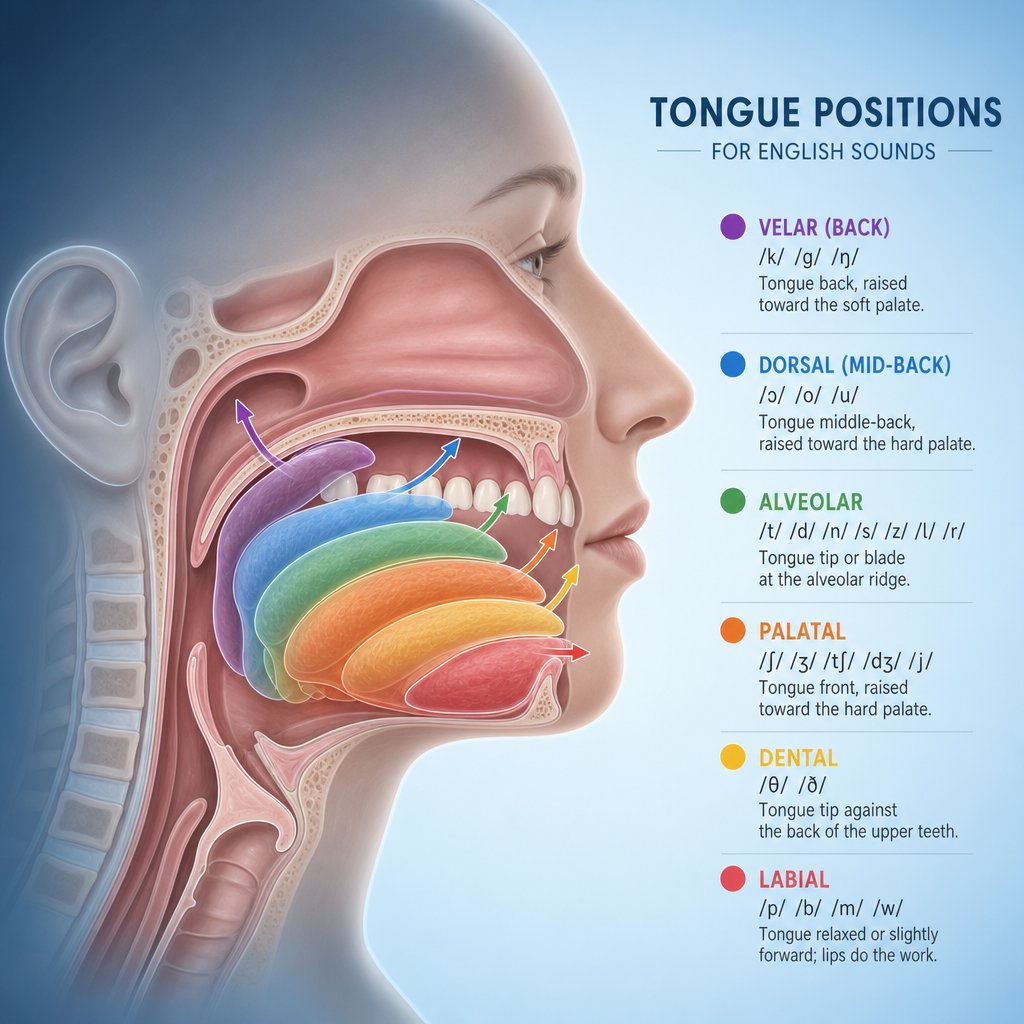
X - not the English "x" sound at all. The pronunciation of x in chinese is closer to a "sh" made with the tip of your tongue pressed down behind your lower front teeth. In IPA notation, it is written /ɕ/ — a voiceless alveolo-palatal fricative. As AllSet Learning's pronunciation guide explains, one way to confirm you are making the correct sound is that you can comfortably smile while producing it, whereas the English "sh" forces your lips slightly forward. So when you see the surname Xie, think of a forward, bright "sh" sound — not "ksee" or "zee."
Q - not "kw" as in "queen." Pinyin's q is an aspirated affricate, transcribed in IPA as /tɕʰ/. You produce it by adding a sharp burst of air to the front of the x sound described above. Think of it as a "ch" made with your tongue tip down and a strong puff of breath. The surname Qian sounds closer to "chee-en" than anything starting with "kw."
Zh, Ch, Sh - retroflex consonants. These require curling your tongue tip backward toward the roof of your mouth. Zh is /ʈʂ/, ch is /ʈʂʰ/, and sh is /ʂ/. English speakers often substitute the flat "j," "ch," and "sh" sounds made at the front of the mouth, which produces a noticeably different quality. The surname Zhang needs that curled-back tongue position to sound right.
R - not the English "r" at all. Mandarin's r initial is a voiced retroflex fricative or approximant, roughly /ɻ/ or /ʐ/. Your tongue curls back like it does for zh/ch/sh, but you let your voice vibrate through a narrow gap. Some learners find it helpful to think of a blend between English "r" and the "s" in "measure," produced with the tongue pulled back. The given name Rui, for instance, starts with this distinctive buzzing retroflex sound.
U vs. U - the hidden vowel. After j, q, x, and y, the letter "u" actually represents /y/ — a rounded front vowel that does not exist in standard English. To produce it, shape your lips as if saying "oo" but try to say "ee" instead. The surname Xu is not "zoo" or "sue"; it is that forward x sound followed by this tight, rounded /y/ vowel. Hacking Chinese identifies this as one of the most common problems when students do not learn hanyu pinyin pronunciation properly.
Finals and Vowel Combinations That Shift Meaning
Pinyin abbreviates several finals, hiding vowels that are actually pronounced. If you read these finals the way English spelling suggests, you will miss entire sounds:
| Pinyin Spelling | Actual Pronunciation | IPA | Sounds Like | Common Mistake |
|---|---|---|---|---|
| -ian | -ien (with /ɛ/ vowel) | [iɛn] | "yen" | Reading it as "ee-an" |
| -iu | -iou (o is omitted) | [iou] | "yo" (rhymes with you) | Reading it as "ee-oo" |
| -ui | -uei (e is omitted) | [wəi] | "way" | Reading it as "oo-ee" |
| -un | -uen (e is omitted) | [wən] | "wen" (compressed) | Reading it as "oon" |
| -e (alone) | back unrounded vowel | [ɤ] | "uh" with lips unrounded | Reading it as English "eh" |
These abbreviations are a deliberate design choice. As Hacking Chinese notes, Pinyin was created for native Mandarin speakers who already knew the sounds — the omitted vowels were obvious to them. For everyone else, they are invisible traps. The surname Liu, for example, is actually pronounced "lyoh" (with the hidden o), not "lee-oo." The given name Jianliang contains -ian, which sounds like "jyen-lyahng," not "jee-an-lee-ang."
This is where the International Phonetic Alphabet becomes essential. To define international phonetic alphabet simply: it is a universal notation system where each symbol corresponds to exactly one sound, regardless of the reader's native language. Unlike Pinyin, IPA has no abbreviations, no context-dependent letter values, and no assumptions about what you already know.
English approximations for Chinese sounds vary depending on the reader's own accent — a British "sh" differs from an American one, and neither matches Pinyin's x. IPA transcriptions are the only truly reliable reference for accurate chinese pronunciation guide across all English dialects.
You do not need to memorize the full IPA chart to benefit from it. Knowing just a handful of symbols — /ɕ/ for x, /tɕʰ/ for q, /ʈʂ/ for zh, /y/ for u — gives you an anchor that no English approximation can provide. When someone tells you x is "like sh," you now know that is only a rough starting point, not the destination.
Correct initials and finals get you most of the way toward accurate pronunciation. But Mandarin adds another dimension that written romanizations almost never show: the tonal contour riding on top of every syllable, which can turn one surname into an entirely different word.
How Tones Change Name Pronunciation in Connected Speech
Mandarin is a tonal language, which means pitch is not optional decoration — it is part of the word itself. Two syllables with identical initials and finals become completely different words when spoken at different pitch contours. This matters enormously for names. The tonal definition in Mandarin is straightforward: each syllable carries a prescribed pitch pattern that distinguishes it from every other syllable spelled the same way. Strip away the tone, and you strip away meaning.
Yet here is the problem: most romanized Chinese names you encounter in daily life carry no tone information at all. Business cards, email signatures, conference badges, and passport stamps all show bare letters without diacritical marks. The name "Ma" on a nametag could be first tone (妈, mother), second tone (麻, hemp), third tone (马, horse), or fourth tone (骂, to scold). Without hearing the name spoken aloud, the written romanization tells you nothing about which tone applies.
This gap between written Pinyin (which includes tone marks) and real-world romanized names (which almost never do) is one of the most overlooked sources of pinyin name pronunciation variations. You can nail every initial and final perfectly, but if you default to a flat English intonation pattern, you may accidentally say a different word entirely.
The Four Tones Applied to Surnames
Mandarin has four main tones plus a neutral (unstressed) tone. Each one follows a distinct pitch contour. Here are the four tones with tone examples drawn from common name syllables:
- First tone (high level) — mā, Zhāng, Wāng: Your pitch stays flat and high, like sustaining a musical note. The surname 张 (Zhāng) uses this steady high pitch.
- Second tone (rising) — má, Chén, Wáng: Your pitch rises from middle to high, like asking a surprised question. The surname 陈 (Chén) rises this way, and so does 王 (Wáng).
- Third tone (dipping) — mǎ, Lǐ, Zhǎo: Your pitch drops low and then rises slightly. In isolation, it has a distinctive "valley" shape. The surname 李 (Lǐ) sits in this low dip.
- Fourth tone (falling) — mà, Zhào, Xiè: Your pitch drops sharply from high to low, like giving a curt command. The surname 赵 (Zhào) falls decisively.
A neutral tone (sometimes called fifth tone or light tone) appears in unstressed syllables and has no fixed pitch — it simply follows the contour of whatever tone came before it. In names, it rarely appears in surnames but can show up in given-name syllables or particles.
Why does this matter practically? Consider the syllable "ma." As Temple University's Center for Chinese Language Instruction explains, mā in the first tone means "mom," má in the second tone means "trouble," mǎ in the third tone means "horse," and mà in the fourth tone means "to scold." These are not subtle shades of the same word — they are entirely different words. The same principle applies to every surname and given-name syllable in Mandarin. Pronouncing the name Wang Wen (王问) with the wrong tone on the second syllable could shift its meaning from "inquisitive" to "mosquito."
A mandarin tones chart can help you visualize these pitch patterns, but the real challenge emerges when tones interact with each other in multi-syllable names.
Tone Sandhi in Two-Syllable and Three-Syllable Names
Tones in chinese pinyin do not always behave in isolation the way a chart suggests. When syllables appear next to each other in natural speech, their tones can shift — a phenomenon linguists call tone sandhi. For names, the most important rule involves consecutive third tones.
The third-tone sandhi rule: When two third-tone syllables appear back to back, the first one shifts to a second tone (rising) in natural speech. You still write the original tone mark, but you pronounce it differently. This rule is not optional or stylistic — native speakers apply it automatically and consistently.
Common name examples where this applies:
- 李小 (Lǐ Xiǎo) — spoken as "Li Xiao" with the first syllable rising: Lí Xiǎo
- 马海 (Mǎ Hǎi) — spoken as Má Hǎi
- 你好 (Nǐ hǎo, the greeting) — spoken as Ní hǎo
As eChineseLearning's tone sandhi guide details, this rule extends to sequences of three or more third tones. In those cases, the grouping depends on word boundaries. The rule first applies within compound words, then across the phrase. For a three-syllable name like 李可欣 (Lǐ Kěxīn), only the consecutive third tones within a natural grouping shift — so "Lǐ Kě" becomes "Lí Kě" because they form a two-syllable unit before the first-tone final syllable.
Three consecutive third-tone syllables in a name — say, 马小美 (Mǎ Xiǎo Měi) — follow a pattern based on how the syllables group semantically. If the last two form a closer unit (小美 as a given name), the middle syllable shifts: Mǎ Xiáo Měi. If the first two group together, both shift: Má Xiáo Měi. Yoyo Chinese notes that these groupings can have grey areas, and native speakers sometimes pause briefly between syllables rather than applying the shift, especially at word boundaries.
Beyond the third-tone rule, two other sandhi patterns occasionally affect names. The character 一 (yī, "one") shifts to fourth tone before first, second, or third tones, and to second tone before fourth tones. While 一 rarely appears in personal names, it does show up in some given names and in number-based nicknames. Similarly, 不 (bù, "not") shifts tone in certain compound expressions, though this is less relevant for personal names.
Even without perfect tones, getting the correct initial and final sounds communicates respect and recognition. Tones are the final layer of accuracy, not the entry barrier. A name pronounced with the right consonants and vowels but imperfect pitch is still far closer to correct than one mangled at every level.
The practical takeaway: if you see a Chinese name written without diacritical marks — which is nearly always the case outside of language textbooks — you cannot determine the tones from spelling alone. The only reliable way to learn someone's tonal pattern is to hear them say it or to look up the specific characters. A chinese tones chart gives you the mechanics of each pitch contour, but applying those contours to a real name requires knowing which characters are involved.
Tones represent the invisible layer of pronunciation that romanized spellings hide. But there is another category of hidden information in Chinese names: spellings that follow no formal system at all, created by historical accident, family tradition, or the ear of a long-ago immigration clerk.
Heritage Spellings and Non-Standard Name Romanizations
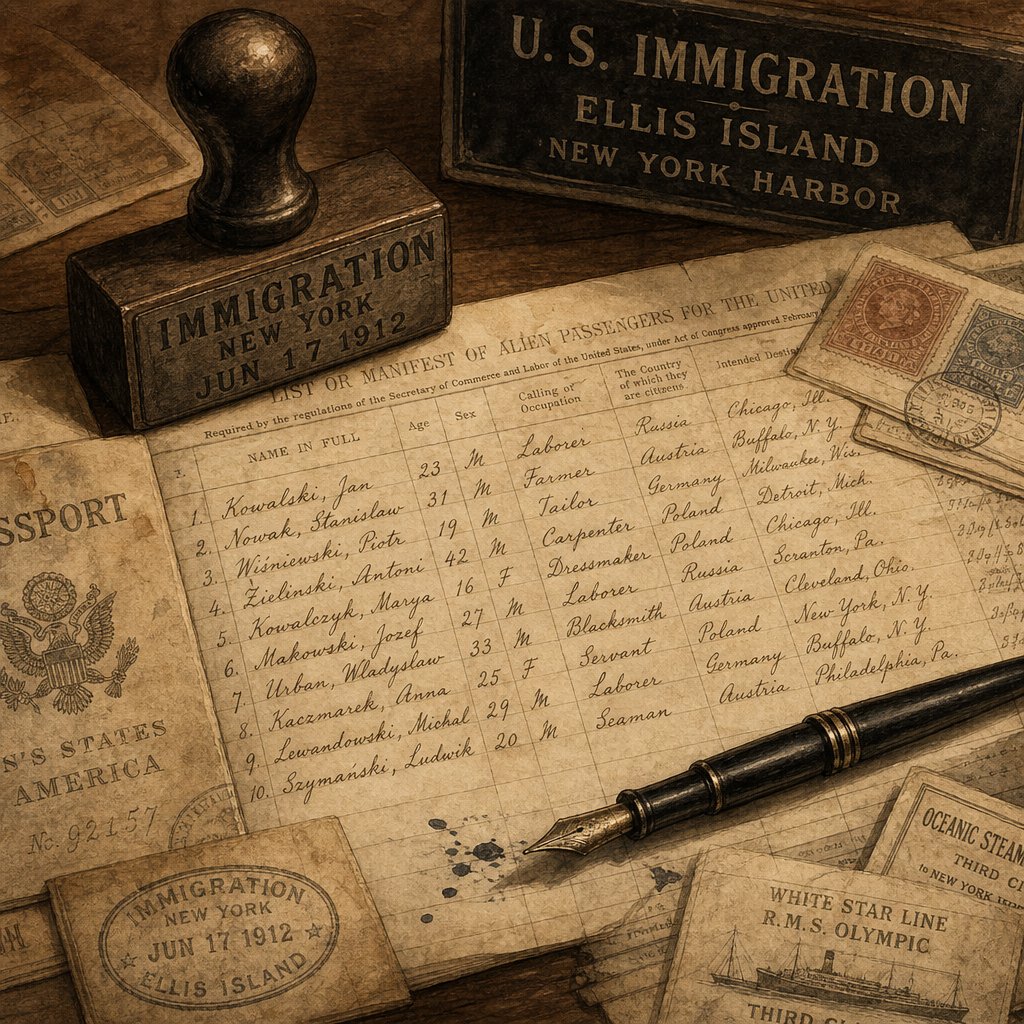
Formal romanization systems account for a large share of spelling variation, but a significant number of Chinese names in English follow no system at all. These are heritage spellings — names anglicized generations ago by immigration officials who transcribed what they heard, family conventions passed down without any linguistic framework, and personal choices made for convenience or identity. If you have ever tried to figure out how to spell name in chinese characters starting from an English version like "Lee" or "Ng," you have encountered this category firsthand.
Heritage spellings are arguably the hardest pinyin name pronunciation variations to decode because they lack the internal logic of a formal system. There is no chart to consult, no set of rules to reverse-engineer. Each spelling is a historical artifact, shaped by the dialect the original speaker used, the phonetic intuitions of the person writing it down, and decades of family continuity that cemented the result.
Legacy Spellings from Immigration History
During the major waves of Chinese emigration in the 19th and early 20th centuries, most immigrants to North America, Australia, and Southeast Asia came from southern China — particularly Guangdong Province. They spoke Cantonese, Hokkien, Teochew, or Hakka, not Mandarin. The officials processing their arrival spoke English, and no standardized transliteration existed for these dialects at the time.
The result was improvisation. A genealogy researcher documenting this process describes how even native Cantonese speakers acknowledge that their language has between five and eleven tones — subtle distinctions that a British customs agent's ear simply could not capture. The phonetic spelling of your name depended on which port you arrived at, which clerk was on duty, and whether they had encountered similar sounds before. One family's 叶 became "Yip," another's became "Ip," and a third's became "Jip" — all attempts to capture the same Cantonese syllable.
These improvised spellings then became legal names, printed on immigration certificates, property deeds, and birth records. Subsequent generations inherited them as fixed surnames regardless of whether the spelling accurately represented the original sound. A person today named "Young" may have no idea that their surname is 杨 (Yang in Mandarin) — the Cantonese pronunciation was heard as "Young" by an English-speaking clerk, and the family has used it ever since.
This is why someone researching my mandarin name might find that the English spelling on old family documents bears little resemblance to modern Pinyin. The disconnect is not an error — it is a record of a specific historical moment when two language systems collided without a shared framework.
Wikipedia's entry on the Wong surname illustrates the scale of this phenomenon: "Wong" is the most common Chinese surname in Ontario, Canada, the third most common in America, and the sixth most common in Singapore. It can represent at least three different characters — 黄 (Huáng), 王 (Wáng), and 汪 (Wāng) — because all three are homophones in Cantonese. Although recent immigration from northern China has made the Pinyin spellings "Huang" and "Wang" more common, "Wong" remains far more prevalent in diaspora communities, just as "Lee" still outnumbers "Li."
A Reverse Lookup for Common English Spellings
When you encounter a heritage spelling, the challenge runs backward: you see the English letters and need to figure out which Chinese character and which pronunciation they represent. This reverse-lookup table covers the most common non-standard spellings you are likely to meet. It maps each English spelling to its probable character, standard Mandarin Pinyin, dialect of origin, and a pronunciation guide for how the name is actually said by the person using it.
| Common English Spelling | Likely Character | Mandarin Pinyin | Dialect Origin | Pronunciation Guide |
|---|---|---|---|---|
| Lee | 李 | Li | Cantonese / General | "lee" (rhymes with free) |
| Wong | 黄 or 王 | Huang or Wang | Cantonese | "wong" (rhymes with song) |
| Ng | 吴 or 伍 | Wu or Wu | Cantonese | nasal "ng" only (no vowel) |
| Tse | 谢 | Xie | Cantonese | "tseh" (short, clipped) |
| Chow | 周 | Zhou | Cantonese | "chow" (rhymes with now) |
| Lau | 刘 | Liu | Cantonese | "lau" (rhymes with how) |
| Tan | 陈 | Chen | Hokkien / Teochew | "tahn" (short a) |
| Ong | 王 | Wang | Hokkien | "ong" (rhymes with song) |
| Lim | 林 | Lin | Hokkien / Teochew | "lim" (rhymes with him) |
| Goh | 吴 | Wu | Hokkien | "go" (with a soft ending) |
| Teo / Teoh | 张 | Zhang | Hokkien / Teochew | "tee-oh" (two syllables) |
| Yip / Ip | 叶 | Ye | Cantonese | "yip" (short, clipped) |
| Kwok | 郭 | Guo | Cantonese | "kwok" (rhymes with wok) |
| Hsu | 许 | Xu | Wade-Giles / Taiwan | "shoo" (approximate) |
| Young | 杨 | Yang | Cantonese | "young" (as in English) |
A few patterns emerge from this table. Cantonese-origin spellings dominate because the earliest and largest waves of Chinese immigration to English-speaking countries came from Guangdong. Hokkien spellings are most common in Southeast Asia, particularly Singapore and Malaysia. Wade-Giles holdovers like "Hsu" appear mainly among Taiwanese families or older academic contexts.
Notice how different the naming in chinese communities can look depending on dialect. The character 吴 alone appears as Wu (Mandarin), Ng (Cantonese), and Goh (Hokkien) — three spellings that share no visual resemblance whatsoever. If you did not know these were the same character, you would never connect them. This is precisely why heritage spellings create such confusion: they erase the link between the written character and its romanized form.
For anyone trying to write name in chinese characters starting from an English heritage spelling, the process requires detective work. You need to identify the likely dialect, match the sound to known character readings in that dialect, and then confirm with family records or the person themselves. Resources like genealogy databases that cross-reference Pinyin with dialect romanizations can help bridge this gap, but there is no substitute for asking directly.
The key insight for pronunciation is this: heritage spellings should be pronounced as they look in English, not converted back to Mandarin. If someone's surname is "Wong," say "wong" — do not correct it to "Huang" or "Wang." The English spelling preserves the dialect pronunciation their family actually uses. Treating it as a mistake to be fixed misses the point entirely. How do you write names in chinese when the family has used an English form for generations? You respect the form they chose.
Heritage spellings represent the most personal layer of variation — names shaped by individual and family history rather than government policy. But whether a name follows Pinyin rules, Wade-Giles conventions, or no system at all, English speakers tend to make the same predictable categories of errors when attempting to pronounce them. Those error patterns, and how to fix them, deserve their own systematic treatment.
Common Mispronunciation Patterns and How to Fix Them
Most errors people make when they pronounce chinese names fall into a handful of repeating categories. Once you can identify which type of mistake you are making, the fix becomes obvious. Think of this as a self-diagnostic framework: spot the pattern, apply the correction, and move on with confidence.
The question "how do you pronounce chinese words" usually gets a single-rule answer — but real mistakes cluster into four distinct types, each requiring a different correction strategy. Let's walk through them with concrete before-and-after examples.
Consonant and Vowel Substitution Mistakes
These are the most common errors. Your brain sees a Latin letter and defaults to its English sound value, producing a consonant or vowel that does not exist in the original name.
Consonant substitution errors:
- Pinyin "x" read as English /ks/. Incorrect: "Xu" pronounced like "ex-oo." Correct: "Xu" sounds like "shoo" with the tongue pressed forward and down. The fix is to replace the /ks/ reflex with a palatal fricative — tongue tip behind your lower teeth, air flowing over the blade.
- Pinyin "q" read as /kw/ (like "queen"). Incorrect: "Qian" pronounced "kwee-an." Correct: "Qian" sounds closer to "chee-en" with a strong puff of air. Think aspirated "ch" with the tongue in the same forward position as x.
- Pinyin "zh" read as the "zh" in "measure." Incorrect: "Zhang" pronounced with the soft French-style fricative from "pleasure." Correct: "Zhang" starts with a hard, retroflex affricate — tongue curled back, then released with a stop. It is closer to English "j" in "judge" than to "zh" in "vision." As UMD's pronunciation guide explains, zh sounds like j in "jerk" but with the tongue tip curled to the back of the mouth.
- Pinyin "c" read as English /k/ or /s/. Incorrect: "Cai" pronounced "kai" or "sai." Correct: "Cai" starts with a "ts" sound (like the end of "cats") followed by aspiration. The initial is /tsʰ/, not /k/ or /s/.
Vowel misreading errors:
- Reading "-iu" as two separate vowels "ee-oo." Incorrect: "Liu" pronounced "lee-oo." Correct: "Liu" is actually an abbreviation of "-iou" and sounds like "lyoh" — it rhymes with "you." Hacking Chinese identifies this omitted vowel as one of the most persistent traps in Pinyin spelling.
- Reading "-ian" as "ee-an." Incorrect: "Jian" pronounced "jee-an" (two distinct syllables). Correct: "Jian" sounds like "jyen" — the vowel is closer to /ɛ/ as in "yes," not /a/ as in "can." The "a" in -ian is one of Pinyin's misleading letter reuses.
- Reading "-ui" as "oo-ee." Incorrect: "Hui" pronounced "hoo-ee." Correct: "Hui" is short for "-uei" and sounds like "hway" — it shares its ending with "bei" and "mei."
- Reading "-e" as English "eh." Incorrect: "He" (surname 何) pronounced like the English pronoun. Correct: The standalone "e" in Pinyin is a back unrounded vowel /ɤ/, closer to "huh" than "heh."
Stress and System-Confusion Errors
Beyond individual sounds, two structural mistakes distort chinese word pronunciation at the syllable and name level.
Stress and rhythm errors:
- Adding English stress patterns to Chinese names. Incorrect: Pronouncing "Xiaoming" with heavy stress on the second syllable — "shao-MING" — as if it were an English compound. Correct: Mandarin syllables carry relatively equal weight; pitch (tone) does the work that stress does in English. Layering English stress on top of tonal contours flattens or distorts the tones.
- Applying English intonation to questions or greetings. Incorrect: Raising pitch at the end of someone's name when calling them, which can accidentally shift a fourth-tone syllable into something resembling second tone. Correct: Maintain the syllable's inherent tone even in conversational contexts. The rising intonation English speakers use to signal friendliness can clash with Mandarin's tonal system.
System-confusion errors:
- Applying Pinyin rules to a Wade-Giles name. Incorrect: Seeing "Chang" and pronouncing it with a Pinyin "ch" (retroflex). If the name is Wade-Giles, "Chang" actually represents the Pinyin syllable "Zhang" — the "ch" in Wade-Giles maps to Pinyin's "zh." The fix: check for apostrophes and other Wade-Giles markers before choosing your pronunciation rules.
- Applying Mandarin pronunciation to a Cantonese spelling. Incorrect: Seeing "Cheung" and trying to sound it out using Mandarin Pinyin logic. Correct: "Cheung" is a Cantonese romanization of 张 and should be pronounced as it looks in English — "chuhng" — not converted to the Mandarin "Zhang."
- Mixing systems within one name. Incorrect: Pronouncing the surname with Cantonese rules and the given name with Pinyin rules (or vice versa) when the entire name follows one system. Correct: Identify the system once and apply it consistently across all syllables.
Guidance for professional contexts:
In academic citations, conference introductions, and workplace settings, getting pronunciation right signals respect. A few practical principles help:
- Academic citations: When reading a name aloud from a paper, identify the romanization system first. A paper by "Hsieh" uses Wade-Giles; pronounce it as "shee-eh," not "h-see-eh." Knowing how to pronounce chinese words in citations prevents awkward stumbles during presentations.
- Conference introductions: If you are introducing a speaker and are unsure of their pronunciation, ask them beforehand. A quick "Could you say your name for me so I get it right?" takes five seconds and avoids a public mistake.
- Workplace settings: When a colleague's name uses a heritage or dialect spelling, pronounce it as they do — not as a Mandarin Pinyin conversion would suggest. "Wong" stays "Wong" even if you know the Mandarin is "Huang." The person's own usage is always the final authority on their chinese words pronunciation in english contexts.
The pattern across all four error types is the same: English reflexes override Chinese sound rules. Consonant substitutions happen because your mouth defaults to familiar positions. Vowel misreadings happen because Pinyin's abbreviations are invisible to untrained eyes. Stress errors happen because English rhythm feels natural. System confusion happens because multiple romanization standards coexist without labels.
Recognizing which category your mistake falls into is the first step toward a reliable correction. The next step is building a repeatable process — a decision framework you can apply to any unfamiliar Chinese name, regardless of which system or dialect produced it.

Your Practical Framework for Pronouncing Any Chinese Name
Every error pattern from the previous section traces back to a single root cause: guessing without a process. When you encounter an unfamiliar Chinese name, a quick decision framework eliminates most guesswork and gets you to a reasonable pronunciation in seconds. Here is how to pronounce chinese names reliably, whether the spelling comes from Pinyin, Wade-Giles, Cantonese romanization, or a heritage convention.
A Step-by-Step Process for Any Chinese Name
Follow these steps in order. Each one narrows the possibilities until you either reach a confident pronunciation or know exactly what to ask.
- Identify the romanization system from spelling clues. Look for the markers covered earlier: does the name contain j, q, or x? It is Pinyin. Does it have apostrophes after consonants (ch', t') or start with "hs"? Wade-Giles. Does it end in "-ung" or "-eung" with no Pinyin equivalent? Likely Cantonese. This single step tells you which set of sound rules to apply.
- Determine regional origin if possible. Context clues help — a colleague's LinkedIn profile, a conference bio, or simply the country listed on a publication. A "Chan" from Hong Kong follows Cantonese pronunciation. A "Chen" from Beijing follows Mandarin. The same letters, different mouth positions.
- Apply the correct pronunciation rules for that system. Once you know the system, use the corresponding reference. For Pinyin, remember the tricky initials (x, q, zh) and abbreviated finals (-ian, -iu, -ui). For Cantonese or heritage spellings, pronounce the name as it looks in English — those spellings were designed to be read with English phonetics. A pinyin pronunciation chart helps for Mandarin-origin names; for dialect spellings, English intuition is your best guide.
- When uncertain, ask the person directly. No framework replaces hearing someone say their own name. If you have followed steps one through three and still feel unsure, a brief, respectful question resolves everything instantly.
This process works whether you are pronouncing chinese names at a conference podium, reading author names from a research paper, or meeting a new team member. The key is moving through the steps quickly rather than freezing on the first unfamiliar letter combination.
Respectful Ways to Ask About Pronunciation
Asking is not a sign of failure — it is the most reliable way to learn how to pronounce a chinese name correctly. The phrasing matters, though. You want to signal genuine interest without putting the other person on the spot or implying their name is strange.
"I want to make sure I say your name correctly. Could you say it for me so I can hear the pronunciation?"
This works in nearly every professional setting because it centers respect rather than confusion. Variations that also land well:
- "I'd like to get your name right — would you mind saying it for me?"
- "Could you help me with the pronunciation of your name? I want to be accurate."
- "I've seen your name written but haven't heard it spoken — how do you pronounce it?"
Notice what these phrasings share: they frame the ask as your desire to show respect, not as the other person's name being difficult. Avoid saying "your name is hard to pronounce" or "I can't say that" — both center your discomfort rather than their identity.
For anyone wondering how do you pronounce chinese names with consistent accuracy over time, the answer is practice and repetition. Learning how to read pinyin gives you a foundation for all Mandarin-origin names, and a pinyin chart with pronunciation audio lets you train your ear on sounds that English does not contain. Tools like Yoyo Chinese's interactive pinyin chart provide audio for every possible Mandarin syllable — you can pronounce chinese names audio-first by looking up specific syllables and listening before you speak.
But resources only supplement the core habit: paying attention, applying the decision steps, and asking when you are unsure. The effort to get someone's name right — even imperfectly — communicates something no perfect pronunciation ever could on its own. It says their identity matters to you. That signal of cultural respect lands whether you nail the retroflex zh on your first try or need three attempts to get the tone right. What matters is that you tried, you asked, and you kept trying.
Frequently Asked Questions About Chinese Name Pronunciation Variations
1. Why is the same Chinese surname spelled differently in English?
A single Chinese character can have multiple English spellings because the romanization depends on three factors: the transliteration system used (Pinyin, Wade-Giles, Jyutping), the dialect spoken by the family (Mandarin, Cantonese, Hokkien, Teochew), and the region where the name was officially registered. For example, the character 陈 becomes Chen in Mainland China's Pinyin system, Chan in Hong Kong's Cantonese romanization, and Tan in Singapore's Hokkien convention. Each spelling represents a genuinely different spoken pronunciation rooted in distinct Chinese language varieties, not simply alternate ways to write the same sound.
2. How do you tell if a Chinese name uses Pinyin or Wade-Giles?
Several spelling clues help identify the system. Names containing j, q, or x as initial consonants are almost certainly Hanyu Pinyin, since Wade-Giles never uses these letters to start syllables. Names with apostrophes after consonants (like ch' or t') or beginning with 'hs' indicate Wade-Giles. Pinyin joins multi-syllable names without hyphens, while Wade-Giles typically hyphenates them. Additionally, endings like '-ung' or '-ueh' point to Wade-Giles, whereas their Pinyin equivalents are '-ong' and '-ue'. Recognizing these markers tells you which pronunciation rules to apply.
3. What is the correct way to pronounce Pinyin x, q, and zh?
These three initials are the most commonly mispronounced by English speakers. Pinyin 'x' (IPA /ɕ/) is a palatal fricative produced with the tongue tip pressed behind the lower front teeth, similar to a forward 'sh' sound you can make while smiling. Pinyin 'q' (IPA /tɕʰ/) is an aspirated version of that same tongue position, like a sharp 'ch' with a strong puff of air. Pinyin 'zh' (IPA /ʈʂ/) is a retroflex affricate requiring the tongue to curl backward toward the roof of the mouth before releasing, closer to English 'j' in 'judge' than the soft 'zh' in 'measure'.
4. Do tones really matter when pronouncing Chinese names?
Yes, tones are integral to meaning in Mandarin. The syllable 'ma' spoken in four different tones produces four completely unrelated words: mother, hemp, horse, and scold. The same principle applies to every name syllable. However, most romanized names in everyday life appear without tone marks, making tones invisible in written form. While perfect tones require knowing the specific characters behind a name, getting the consonants and vowels right still communicates respect. Tones represent the final layer of accuracy rather than an entry barrier to attempting correct pronunciation.
5. How should you pronounce heritage Chinese surnames like Wong, Ng, or Lee?
Heritage spellings should be pronounced as they appear in English rather than converted back to Mandarin Pinyin. 'Wong' is said as it looks (rhyming with 'song'), representing the Cantonese pronunciation of 黄 or 王. 'Ng' is a pure nasal sound with no vowel, reflecting Cantonese 吴. 'Lee' is simply 'lee,' preserving a Cantonese or general anglicization of 李. These spellings were created to capture dialect pronunciations, so applying Mandarin rules to them produces incorrect results. The person's own usage is always the final authority on how their name should sound.