Every Name Tells a Story in the Three Kingdoms
When a father in late Han dynasty China chose a name for his son, he was not picking something that sounded pleasant. He was writing a wish into existence. He was pulling characters from the Four Books and Five Classics, encoding family aspirations into brushstrokes, and sometimes, unknowingly, foreshadowing a destiny that would unfold across decades of war and betrayal.
Three kingdoms character names meaning runs far deeper than simple labels. Each name operates on multiple linguistic layers: the individual character's etymology, its radical components, its literary allusions, and its relationship to a person's courtesy name. Miss these layers, and you miss half the story the novel is telling you.
Why Three Kingdoms Names Are More Than Labels
Imagine reading a Western novel where every character is named something like "Brave Virtue" or "Soaring Cloud" and those meanings directly comment on their fate. That is exactly what happens in Romance of the Three Kingdoms. Cao Cao's name speaks to moral conduct. Liu Bei's name whispers of preparation. Zhuge Liang's name practically glows with brilliance. These are not coincidences. Elite families during the late Han drew their children's names from Confucian texts that formed the backbone of educated life, choosing characters that carried philosophical weight and poetic resonance.
Understanding what do three kingdoms names mean transforms every scene. A betrayal hits harder when the traitor's name promised loyalty. A hero's fall cuts deeper when his name foretold greatness. The names are not background detail. They are the first layer of storytelling.
What This Guide Covers
This article takes a meaning-first approach to chinese name meanings in three kingdoms, breaking down the linguistic architecture that Western readers and even modern Chinese-speaking audiences often overlook. You will learn how the naming system actually worked during this period, with its distinct layers: the given name (ming) used only by elders, the courtesy name (zi) used among peers, and the posthumous name (shi hao) assigned after death as a historical verdict. Each layer reveals something different about a character's identity, social world, and legacy.
From the romance of the three kingdoms name origins rooted in Confucian philosophy to the dramatic ironies hidden in plain sight, every section ahead decodes a different dimension of these names. The system itself, though, is where it all begins.
The Chinese Naming System Behind Three Kingdoms Characters
Why do Three Kingdoms characters have two names, sometimes three? If you have ever read different translations of the novel or played Dynasty Warriors alongside watching the 2010 TV series, you have probably noticed the same person being called completely different things depending on the source. Liu Bei becomes Xuande. Guan Yu becomes Yunchang. Zhuge Liang becomes Kongming. This is not translator inconsistency. It is a structured naming system with strict social rules governing who could call you what, and when.
The three kingdoms naming system explained below functioned across all of Han dynasty society, but it carried special weight among the educated elite and military aristocracy who populate the novel.
Ming, Zi, and Hao Explained
Every person in late Han China could accumulate up to three distinct personal names across their lifetime. Each served a different social function and followed different rules of usage.
The ming (ming, 名) is the given name, assigned at birth by parents or grandparents. It typically consists of one or two characters chosen with great care from classical texts. Think of it as the most intimate, personal identifier a person carries. For Three Kingdoms figures, this is the name that appears directly after the surname: the "Yu" in Guan Yu, the "Bei" in Liu Bei, the "Cao" in the second Cao of Cao Cao.
The zi (zi, 字), often translated as "courtesy name" or "style name," was given when a person reached adulthood, around age twenty for men. A respected elder, often a father or teacher, would bestow this name in a capping ceremony. The zi typically consists of two characters and functions as an elaboration or complement to the ming's meaning. What is a zi name in Chinese? It is essentially your public-facing adult identity, the name the world uses to address you with respect.
The hao (hao, 号), sometimes called a literary name or pseudonym, was self-chosen and carried no strict rules about length or timing. It often referenced a person's aspirations, place of origin, or philosophical outlook. Not everyone had a hao, and unlike the ming or zi, a person could adopt multiple ones throughout life. Among Three Kingdoms figures, the hao is less common than in later dynasties, though Zhuge Liang's self-designation as "The Sleeping Dragon" (Wolong, 卧龙) functions similarly.
Who Could Call You by Which Name
Here is where the system gets socially charged. The difference between a chinese courtesy name vs given name is not just semantic. It is a matter of propriety, hierarchy, and intimacy.
Your ming was reserved for a very small circle: your parents, grandparents, the emperor, and your teacher. Once you received your zi at age twenty, almost no one else would use your ming in conversation. Doing so uninvited was either a sign of deep intimacy or a deliberate insult. When Cao Cao addresses someone by their ming in the novel, it often signals his authority, his claim to superiority over that person.
Your zi was the standard form of address among peers, colleagues, and acquaintances. It conveyed respect without excessive formality. When generals address each other on the battlefield or advisors speak in council, they use the zi. This is why so many English translations default to courtesy names in dialogue: Xuande, Yunchang, Kongming, Zilong. These are the names characters actually heard most often in daily life.
Your hao, when you had one, added yet another layer of distance and reverence. Younger generations or outsiders might use it when even the zi felt too familiar.
Sounds complex? It was, and deliberately so. The system encoded social relationships into every act of address. You could tell exactly where two people stood with each other simply by listening to which name they used.
| Type | Chinese Characters (Trad. / Simp.) | Function | Example from Three Kingdoms |
|---|---|---|---|
| Ming (given name) | 名 / 名 | Birth name used by parents, elders, and the emperor; the most personal identifier | Guan Yu (羽 meaning "feather") |
| Zi (courtesy name) | 字 / 字 | Adult name given at age 20; used by peers and colleagues to show respect | Yunchang (雲長 / 云长 meaning "long cloud") |
| Hao (literary name) | 號 / 号 | Self-chosen pseudonym reflecting aspirations or identity; optional and changeable | Wolong (臥龍 / 卧龙 meaning "sleeping dragon") for Zhuge Liang |
This table captures the core architecture, but the real magic lies in what happens between the ming and the zi. These two names were not chosen independently. Families designed them as a matched pair, with the zi expanding, mirroring, or completing the meaning embedded in the ming. That deliberate pairing is where the deepest poetry of Three Kingdoms names lives, and where the most meaning hides in plain sight.
The Poetic Bond Between Given Names and Courtesy Names
The relationship between a person's ming and zi was never random. The traditional ideal, articulated by the Eastern Han scholar Ban Gu, held that the two names should be so closely linked in meaning that "upon hearing the style one can infer the given name." Families, teachers, and mentors who chose these three kingdoms courtesy name pairings treated them as two halves of a single poetic statement. One name sets up the image. The other completes it.
Three main strategies governed how these pairings worked: synonyms that reinforce the same concept, complementary images drawn from classical texts, and Confucian virtue names that expressed moral aspiration rather than direct semantic connection. Each approach tells you something different about what the family valued or hoped for.
How Given Names and Courtesy Names Mirror Each Other
The simplest pairing method uses synonyms. If your given name means "bright," your courtesy name also means "bright" but with a different character, doubling the intensity. If your given name references jade, your courtesy name references a different type of jade. The effect is like hearing the same note played on two instruments: the meaning resonates and amplifies.
A more literary approach draws on classical allusions. The given name and courtesy name do not share a direct synonym but connect through a famous line of poetry or philosophy. You need to know the source text to see the link. This method showcased the family's education and classical literacy, signaling their place among the Confucian elite.
The third approach, which became popular during the Eastern Han, breaks the synonym rule entirely. Instead of mirroring the given name, the courtesy name expresses a Confucian virtue or aspiration. This trend reflected the government's emphasis on moral character as a qualification for office.
Famous Pairings Decoded Character by Character
Here is where the Guan Yu name meaning in Chinese becomes vivid. Each pairing below shows how the ming and zi work together as a unified image or statement.
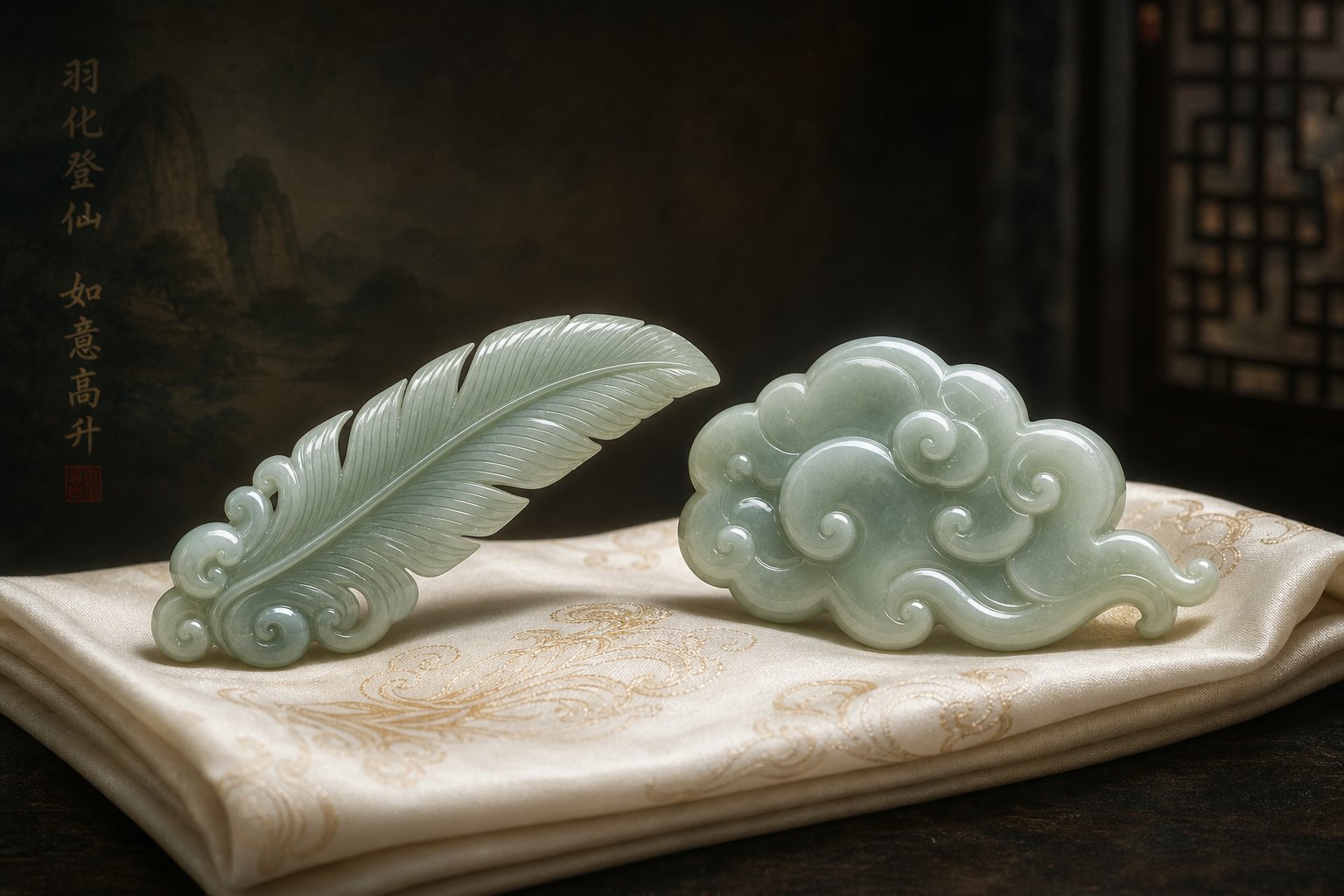
- Guan Yu / Yunchang (關羽 / 关羽, Guān Yǔ; courtesy name 雲長 / 云长, Yunchang): The given name Yu (羽) means "feather" or "plume." The courtesy name Yunchang (雲長) means "long cloud." Together they evoke a single image: a feathered wing soaring through an endless expanse of cloud. The pairing suggests flight, freedom, and something untouchable. For a warrior who became a god of war in Chinese folk religion, the imagery feels almost prophetic.
- Zhuge Liang / Kongming (諸葛亮 / 诸葛亮, Zhūge Liàng; courtesy name 孔明, Kǒngming): The zhuge liang kongming name meaning is a pure synonym pairing. Liang (亮) means "bright" or "luminous." Ming (明) in his courtesy name also means "bright" or "clear." The prefix Kong (孔) intensifies it, meaning "exceedingly" or "greatly." The result: brilliance doubled. His name practically announces that this person will illuminate everything around him.
- Zhao Yun / Zilong (趙雲 / 赵云, Zhao Yun; courtesy name 子龍 / 子龙, Zǐlong): Yun (雲) means "cloud." Long (龍) means "dragon." This pairing draws directly from the Book of Changes (Yijing): "Clouds follow the coming of a dragon." The given name and courtesy name are not synonyms but two elements of a classical image. You cannot have one without the other, just as clouds gather when a dragon rises.
- Liu Bei / Xuande (劉備 / 刘备, Liu Bei; courtesy name 玄德, Xuande): The liu bei name meaning explained here breaks the synonym pattern. Bei (備) means "prepared" or "equipped." Xuande (玄德) means "mysterious virtue" or "profound virtue," a phrase drawn from Daoist and Confucian philosophy. There is no direct semantic link between "preparedness" and "deep virtue." Instead, this pairing reflects the Eastern Han trend of embedding moral aspiration into the courtesy name, suggesting a man equipped for virtuous rule.
- Zhou Yu / Gongjin (周瑜, Zhōu Yu; courtesy name 公瑾, Gongjin): Yu (瑜) and Jin (瑾) are both characters referring to types of beautiful jade. The pairing is elegant in its simplicity: two varieties of the same precious stone, suggesting refinement and flawless character from every angle.
- Zhang Liao / Wenyuan (張遼 / 张辽, Zhāng Liao; courtesy name 文遠 / 文远, Wenyuan): Liao (遼) means "distant" or "remote." Yuan (遠) means "far." These are near-perfect synonyms, reinforcing the same concept of reaching beyond ordinary limits. The decorative prefix Wen (文) adds a layer of literary refinement to the martial distance his name implies.
Notice the range of strategies at work. Some pairings double down on a single concept. Others build a scene from classical literature. Still others abandon direct mirroring to make a moral statement. Each approach reveals what the name-giver prioritized: poetic beauty, classical learning, or Confucian aspiration.
These pairings also carried practical weight. Because peers used only the courtesy name in daily life, the zi had to stand on its own as a meaningful identifier while still pointing back to the ming for those who knew both. The result is a naming system that rewards deeper knowledge. The more you understand about these hidden connections, the more each character's identity unfolds, especially when you start examining the individual brushstrokes and radicals that build each character from the ground up.
Character-by-Character Breakdown of Major Names
Knowing that a given name and courtesy name form a poetic pair is one thing. But what happens when you zoom in even further, past the character level, into the radicals and components that build each character from raw brushstrokes? This is where the three kingdoms names etymology breakdown gets genuinely fascinating. Chinese characters are not arbitrary symbols. They are assembled from smaller meaningful parts called radicals, and those radicals whisper additional layers of meaning that the surface translation alone cannot capture.
Think of it this way: if a character's name means "bright," the radical inside that character might tell you whether it is the brightness of fire, of the sun, or of jade catching light. Each radical anchors the meaning in a specific sensory or conceptual domain. For Three Kingdoms names, these hidden components often connect directly to a character's narrative role or historical reputation in ways that feel almost too perfect to be coincidental.
Wei Kingdom Names Decoded
The Cao cao name meaning in chinese characters is more layered than most translations suggest. His given name is actually written two different ways depending on whether you are reading his surname-name combination or his courtesy name.
- Cao Cao (曹操, Cao Cao) - The given name cao (操, cao) means "conduct," "moral behavior," or "to grasp." Look at its radical structure: the left side contains the hand radical (扌, shou), indicating action performed by the hand, while the right side builds from components suggesting repeated, deliberate effort. The character implies someone who actively grasps and controls their own moral conduct. His courtesy name Mengde (孟德) pairs this with de (德), meaning "virtue." Together, the full naming statement reads something like "one who grasps virtuous conduct" - a deeply ironic label for a man history remembers as both a brilliant ruler and a ruthless schemer. The hand radical in cao is key: this is not passive virtue. It is virtue seized, managed, manipulated.
- Sima Yi (司馬懿, Sima Yi) - The given name yi (懿, yi) means "virtuous," "admirable," or "excellent in moral character." Its radical is the heart radical (心, xin) at the bottom, grounding the meaning in inner feeling and moral intention. The character is visually complex, with twenty-two strokes, suggesting something elaborate and deeply layered. His courtesy name Zhongda (仲達 / 仲达) contains da (達), meaning "to arrive at understanding" or "to achieve." The zhong (仲) indicates he was the second son. The full picture: a man of deep inner virtue who arrives at complete understanding. For the strategist who ultimately consumed the Wei kingdom from within, the name reads like a quiet prophecy of patient, calculated achievement.
Shu Kingdom Names Decoded
The Shu kingdom names carry some of the most vivid imagery in the entire Three Kingdoms cast, and their radical structures reinforce that vividness.
- Guan Yu (關羽 / 关羽, Guan Yu) - The given name yu (羽, yu) means "feather" or "plume." This character is itself a radical, one of the 214 Kangxi radicals, depicting two wings side by side. It carries associations of flight, lightness, and elevation. There is no hidden sub-component here because the character is elemental, a pure pictograph of feathers. That purity mirrors something about Guan Yu himself in the narrative: he is presented as an almost elemental force, a figure of singular loyalty whose identity never fractures into complexity.
- Zhao Yun (趙雲 / 赵云, Zhao Yun) - What does Zhao Yun name mean at the radical level? The given name yun (雲 / 云, yun) means "cloud." In its traditional form, the upper component is the rain radical (雨, yu), and the lower part is yun (云), which originally depicted swirling vapor rising. The character literally shows moisture gathering beneath a sky of rain: clouds forming. His courtesy name Zilong (子龍) means "dragon," and the classical allusion from the Book of Changes states that clouds follow the dragon's rising. At the radical level, yun is water suspended in air, something powerful yet formless, ready to follow a greater force. For a general famous for his loyalty and his willingness to ride alone into enemy armies for his lord, the image holds.
- Zhang Fei (張飛 / 张飞, Zhang Fei) - The given name fei (飛 / 飞, fei) means "to fly." The traditional character is a pictograph showing a bird in flight with wings spread upward. His courtesy name Yide (益德) means "increase in virtue," with yi (益) meaning "to increase" or "to benefit" and de (德) meaning "virtue." The pairing is an Eastern Han-style moral aspiration name rather than a synonym match. The radical structure of fei is pure motion, pure ascent. For the impetuous, explosive warrior who charges before thinking, the character captures his energy perfectly: all upward force, no restraint.
Wu Kingdom Names Decoded
The Sun family and their generals carry names that speak to power, strategy, and the sea-facing ambition of the southeastern kingdom.
- Sun Quan (孫權 / 孙权, Sun Quan) - The Sun Quan name meaning Chinese readers immediately grasp is quan (權 / 权, quan): "power," "authority," or "the right to act." The traditional character contains the wood radical (木, mu) on the left, because quan originally referred to a specific type of tree whose wood was used for weighing scales. From "weighing" came "judgment," and from judgment came "authority" and "political power." His courtesy name Zhongmou (仲謀 / 仲谋) contains mou (謀), meaning "strategy" or "planning," with the speech radical (言, yan) on its left side, indicating that this is strategy expressed through words, counsel, and deliberation. Power paired with strategic speech: the name describes a ruler who governs through calculated decision rather than brute force.
- Zhou Yu (周瑜, Zhou Yu) - The given name yu (瑜, yu) means "a beautiful jade" or "the luster of jade." Its radical is the jade radical (王, which functions as 玉 when appearing on the left side of characters). Everything built on this radical relates to precious stones, beauty, and refinement. His courtesy name Gongjin (公瑾) contains jin (瑾), another jade-radical character meaning a different type of fine jade. Two jade characters, two facets of the same brilliance. The radical repetition is the point: Zhou Yu's identity is polished perfection from every angle, which aligns with his portrayal as the dashing, cultured commander of Chibi.
- Lu Su (魯肅, Lu Su) - The given name su (肅, su) means "solemn," "respectful," or "dignified." The character historically depicted a person standing at attention with hands held formally. His courtesy name Zijing (子敬) contains jing (敬), meaning "to respect" or "to revere," built with the tap/strike radical (攵, pu) on the right, suggesting active, deliberate reverence rather than passive feeling. Su and jing are near-synonyms: solemnity paired with active respect. For the diplomat who held the Sun-Liu alliance together through sheer patience and decorum, both names point to the same quality that defined his historical role.
The table below consolidates these breakdowns for quick reference, showing how radical structure and narrative role connect across all three kingdoms.
| Character Name | Chinese Characters | Character-by-Character Meaning | Narrative Connection |
|---|---|---|---|
| Cao Cao (Mengde) | 曹操 (孟德) | Cao (操): "moral conduct / to grasp" - hand radical implies active control; De (德): "virtue" | A man who seizes and manipulates virtue as a political tool; moral ambiguity encoded in the hand radical's implication of grasping |
| Sima Yi (Zhongda) | 司馬懿 (仲達) | Yi (懿): "admirable virtue" - heart radical grounds it in inner intention; Da (達): "to arrive at understanding" | Deep inner patience that ultimately achieves total power; the heart radical suggests hidden depths beneath a calm surface |
| Guan Yu (Yunchang) | 關羽 (雲長) | Yu (羽): "feather" - elemental pictograph of two wings; Yunchang (雲長): "long cloud" | Elemental purity and singular loyalty; the feather radical as a symbol of something that cannot be divided or complicated |
| Zhao Yun (Zilong) | 趙雲 (子龍) | Yun (雲): "cloud" - rain radical over rising vapor; Long (龍): "dragon" | Clouds follow the dragon (Book of Changes); a loyal general who follows his lord through impossible odds |
| Sun Quan (Zhongmou) | 孫權 (仲謀) | Quan (權): "power/authority" - wood radical from weighing scales; Mou (謀): "strategy" - speech radical indicates verbal counsel | Authority exercised through deliberation and counsel rather than force; the ruler who outlasted his rivals through patience |
| Zhou Yu (Gongjin) | 周瑜 (公瑾) | Yu (瑜): "lustrous jade" - jade radical; Jin (瑾): "fine jade" - jade radical | Double jade imagery reflects the cultured, brilliant commander whose refinement defined Wu's golden age |
| Zhang Fei (Yide) | 張飛 (益德) | Fei (飛): "to fly" - pictograph of bird in flight; Yi (益): "increase"; De (德): "virtue" | Pure upward motion paired with moral aspiration; the explosive warrior whose energy precedes his judgment |
| Lu Su (Zijing) | 魯肅 (子敬) | Su (肅): "solemn" - figure standing at attention; Jing (敬): "to respect" - strike radical implies active reverence | The diplomat whose defining quality was deliberate, active respect that held alliances together |
One pattern worth noting: the same radical can carry different weight in different names. The jade radical in Zhou Yu's name signals aesthetic refinement, while the heart radical in Sima Yi's name signals hidden intention. The hand radical in Cao Cao's name suggests active manipulation, while the speech radical in Sun Quan's courtesy name suggests power channeled through words. Radicals do not have fixed emotional valence. They gain their specific flavor from the full character they inhabit and the person who carries that character as a name.
These individual etymologies reveal something else, too. Names in the Three Kingdoms were not just personal identifiers. They were thematic statements that clustered into recognizable patterns: virtue names, nature names, military aspiration names, and names drawn from specific classical texts. Those patterns tell us as much about the era's values as they do about any single character.
Thematic Patterns in Three Kingdoms Naming
Sorting names by Wei, Shu, and Wu is the standard approach, but it obscures something more revealing. When you group three kingdoms character names by what they mean rather than which faction they belong to, clear thematic clusters emerge. Certain concepts appear again and again across all three kingdoms, because the families choosing these names shared the same educational background, the same classical texts, and the same cultural aspirations regardless of which warlord they eventually served.
Why did so many names draw from the same well? The answer lies in the chinese naming conventions of the Han dynasty itself. Elite families raised their sons on the Wujing (Five Classics): the Classic of Changes, the Classic of Poetry, the Classic of History, the Record of Rites, and the Spring and Autumn Annals. These texts formed the core curriculum for anyone hoping to enter government service, and they supplied the vocabulary from which parents built their children's names. The result is a naming landscape dominated by four thematic categories: virtue, nature, military aspiration, and direct classical allusion.
Virtue Names and Confucian Ideals
The most common category by far. Confucian philosophy identified five constant virtues: ren (仁, benevolence), yi (義/义, righteousness), li (禮/礼, propriety), zhi (智, wisdom), and xin (信, trustworthiness). Alongside these stood the broader concept of de (德, virtue or moral power). Parents who embedded these characters into names were making a public declaration: this child will embody the moral qualities that qualify a person for leadership and respect.
Three kingdoms names with de meaning virtue are especially abundant because de carried political weight during the late Han. The government's recommendation system for selecting officials, called chaju, explicitly evaluated candidates on moral character. A name containing de was not just a wish. It was a signal to future patrons that this person was raised with Confucian values at the center of their identity.
- De (德) - virtue/moral power: Liu Bei's courtesy name Xuande (玄德, "profound virtue"); Cao Cao's courtesy name Mengde (孟德, "first-born virtue"); Liu Shan's courtesy name Gongsi (公嗣) but his father named him Shan (禪), while Zhang Fei's courtesy name Yide (益德, "increasing virtue") all carry this character.
- Ren (仁) - benevolence: Liu Feng (劉封) and Liu Shan (劉禪) do not carry ren directly, but the concept saturates Liu Bei's faction through naming choices that emphasize humane governance. Cao Ren (曹仁), Cao Cao's cousin, carries ren as his given name outright, declaring benevolence as his core identity.
- Yi (義/义) - righteousness: This character appears in courtesy names and literary references throughout the novel. The oath at the Peach Garden is built on yi as a concept, and characters like Guan Yu became synonymous with it, even though yi does not appear in his personal name. Liu Feng's original surname Kou was changed when Liu Bei adopted him, embedding him into a naming scheme of imperial aspiration.
- Xin (信) - trustworthiness: Han Xin is a pre-Three Kingdoms example, but the concept echoes in courtesy names like Zhang Zhao's Zibu (子布), where bu (布, "to spread/declare") implies making one's word known and keeping it.
The three kingdoms virtue names confucian meaning runs deeper than surface morality. These names functioned as social contracts. By naming a son "virtue" or "benevolence," a family publicly committed that child to a life measured against Confucian standards. Failure to live up to the name carried real social consequences.
Nature Names and Cosmic Imagery
The second great category draws from the natural world, but not in the way modern Western nature names work. These are not pastoral or sentimental. Dragon and phoenix names in three kingdoms carry cosmological weight. They reference the forces that govern heaven and earth, positioning the named person within a cosmic hierarchy.
- Long (龍/龙) - dragon: Zhao Yun's courtesy name Zilong (子龍, "young dragon"); Zhuge Liang's epithet Wolong (臥龍/卧龙, "sleeping dragon"); Pang Tong's epithet Fengchu (鳳雛/凤雏, "young phoenix") pairs with Wolong as the two great talents of the age. The dragon in Chinese cosmology represents yang energy, imperial authority, and transformative power.
- Feng (鳳/凤) - phoenix: Pang Tong's epithet above; also Sun Ce's nickname references the phoenix indirectly through his dashing, brilliant reputation. The phoenix represents yin complementing the dragon's yang, and together they symbolize perfect balance and supreme talent.
- Yun (雲/云) - cloud: Zhao Yun's given name; Guan Yu's courtesy name Yunchang (雲長, "long cloud"). Clouds in classical Chinese poetry represent freedom, loftiness, and the space between heaven and earth where extraordinary beings move.
- Hu (虎) - tiger: Sun Quan's father Sun Jian carried the epithet "Tiger of Jiangdong." Xu Chu was called "Tiger Fool" (虎痴). The tiger represents martial ferocity and protective power, the earthly counterpart to the dragon's celestial authority.
- Yu (羽) - feather/wing: Guan Yu's given name. Feathers connect to flight, transcendence, and the Daoist imagery of immortals who grow wings and ascend beyond the mortal world.
These nature names were not random poetic choices. The Classic of Changes (Yijing) systematically linked natural phenomena to human destiny. When a family named their son "dragon" or "cloud," they were drawing on a cosmological framework where natural forces and human fates operated in parallel. The educated reader of the era would immediately recognize which classical passage the name referenced.
Military and Aspiration Names
A third category reflects the turbulent reality of the late Han. As the dynasty collapsed into civil war, families increasingly chose names that expressed ambitions for power, strategy, and martial achievement. These names are less common among the older generation of Three Kingdoms figures (whose parents named them during relative peace) and more common among those born into chaos.
- Quan (權/权) - authority/power: Sun Quan's given name directly claims political authority. The character originally meant "weighing" and evolved to mean "the power to judge and decide." For the man who would rule Wu for decades, the name reads as both aspiration and prophecy.
- Ce (策) - strategy/whip: Sun Ce (孫策), Sun Quan's elder brother, carries a name meaning both "a written plan" and "a riding whip." The dual meaning captures his identity perfectly: the brilliant strategist who also conquered through sheer martial momentum, whipping his forces across the southland.
- Wei (威) - awe-inspiring authority: Zhang Wei and others carry this character, which combines the woman radical with a weapon component, originally depicting the power to command obedience through presence alone.
- Wu (武) - martial: Cao Cao's posthumous name, but also present in given names throughout the era. The character combines "stop" (止) with "weapon" (戈), and its original meaning is often interpreted as "the power to stop conflict through strength."
- Mou (謀/谋) - strategy/counsel: Sun Quan's courtesy name Zhongmou (仲謀) places strategic thinking at the center of his public identity. The speech radical within mou specifies that this is strategy expressed through deliberation and counsel, not through force.
The shift toward military and aspiration names accelerated as the Han examination system broke down. When moral reputation no longer guaranteed a government post, and survival depended on martial ability, naming conventions followed. Parents who might have chosen "benevolence" in 150 CE were choosing "authority" or "strategy" by 190 CE.
A fourth category, less visible but equally important, consists of names drawn as direct quotations from specific passages in the Five Classics. Liu Bei's courtesy name Xuande (玄德) comes from the Daodejing, chapter 51. Cao Cao's courtesy name Mengde (孟德) echoes phrasing from the Classic of Poetry. These literary allusion names required the listener to recognize the source text to fully appreciate the name's meaning, functioning as a kind of cultural password among the educated class. They remind us that naming in this era was never separate from scholarship. Every name was, in some sense, a citation.
These thematic patterns cut across faction lines because they reflect shared cultural DNA. A Wei general and a Shu advisor might carry names built from the same Confucian vocabulary because their grandfathers studied the same texts in the same imperial academies. The differences between factions were political. The naming conventions were universal. And when a person died, an entirely different naming system took over: one designed not to express hope, but to deliver judgment.
Posthumous and Reign Names That Judged Rulers
Every name discussed so far was chosen before a person's story played out. Parents picked given names full of hope. Mentors bestowed courtesy names full of aspiration. But the chinese emperor posthumous name system three kingdoms rulers received worked in reverse. These names were assigned after death, by successors who already knew how the story ended. They were not wishes. They were verdicts.
This final naming layer transforms how we read Three Kingdoms rulers. A posthumous name tells you not what a person hoped to become, but what history decided they were.
Posthumous Names as Historical Judgments
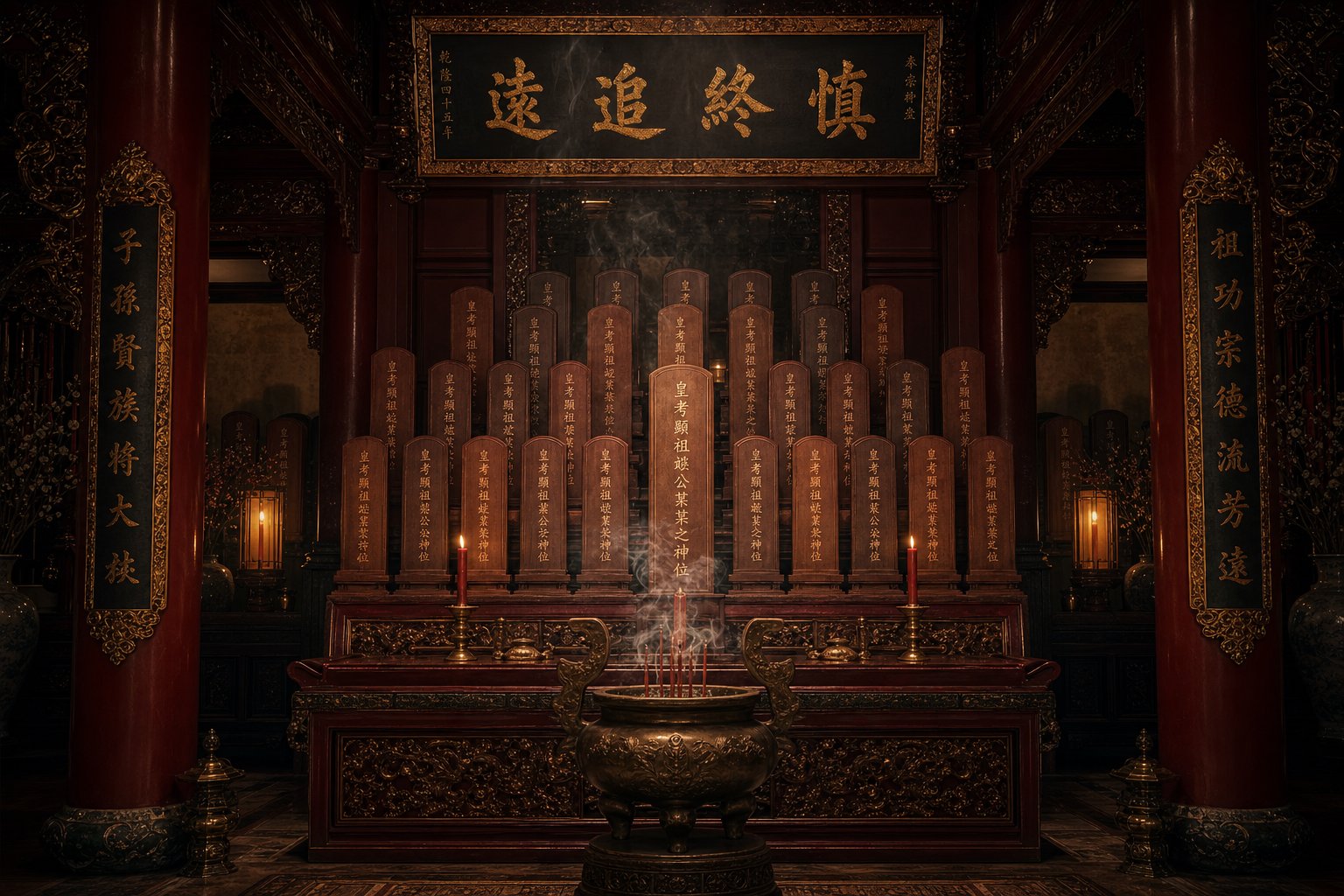
The posthumous name system, called shi hao (shì hào, 謚號 / 谥号), dates back to the Western Zhou dynasty, over a thousand years before the Three Kingdoms. Court officials and scholars would convene after a ruler's death to select a single character, sometimes two, that summarized the ruler's entire reign. The selection followed a codified list where each character carried a fixed evaluative meaning. Some characters were honorific, praising accomplishment. Others were critical, marking failure or cruelty. A few were neutral, acknowledging a reign cut short or circumstances beyond the ruler's control.
The three kingdoms posthumous names meaning becomes clear when you realize these were not compliments handed out automatically. They were deliberate historical statements. A ruler's successors, ministers, and court historians debated which single word best captured decades of governance. Getting a "good" posthumous name was not guaranteed. Getting a harsh one was a permanent stain on your legacy.
Consider the liu bei posthumous name zhaolie meaning. Liu Bei received the posthumous imperial title Emperor Zhaolie of the Han dynasty (漢昭烈帝, Hàn Zhāoliè Dì). Zhao (昭) means "luminous," "illustrious," or "clearly manifest." Lie (烈) means "fierce," "ardent," or "intensely devoted." Together, Zhaolie declares that Liu Bei's virtue was both visible to all and burning with intensity. His successors were saying: this man's righteousness was unmistakable and his commitment was absolute. For a ruler whose entire political identity rested on being the legitimate Han heir fighting to restore a fallen dynasty, Zhaolie is the perfect summation. It validates everything he claimed to be.
The cao cao posthumous name wu meaning tells a different story. Cao Cao died in 220 CE before his son Cao Pi formally established the Wei dynasty. When Cao Pi took the throne, he retroactively elevated his father to Emperor Wu (武, Wǔ). Wu means "martial" and carries the specific connotation of military achievement that expands or secures territory. In the codified posthumous name system, Wu is honorific but narrowly focused. It praises Cao Cao's conquests and strategic brilliance without addressing moral character, benevolence, or cultural achievement. His son chose a name that celebrated the sword while staying silent about everything else. Whether that silence was diplomatic or deliberate, readers have debated for centuries.
Temple Names and Reign Names for Three Kingdoms Rulers
Alongside posthumous names, two other naming systems applied to rulers. Temple names (miào hào, 廟號 / 庙号) designated which rulers received permanent sacrificial worship in the imperial ancestral temple. Not every emperor earned one. During the Han dynasty, only rulers considered truly foundational received temple names, typically using characters like Tai (太, "grand"), Shi (世, "generational"), or Gao (高, "high"). Cao Cao received the temple name Taizu (太祖, "Grand Ancestor"), marking him as the dynastic founder even though he never formally held the imperial title during his lifetime.
Reign names (nián hào, 年號 / 年号) functioned differently. These were chosen by the ruler himself at the start of his reign or during significant moments, serving as era markers for dating documents and expressing political aspirations. Liu Bei chose the reign name Zhangwu (章武, "manifest martial power") when he declared his empire in 221 CE. Sun Quan used Huangwu (黃武, "yellow martial"), invoking the cosmological color yellow associated with legitimate imperial authority. Each reign name was a living political statement rather than a posthumous judgment.
The table below maps these layers across the major Three Kingdoms rulers, showing how each naming level reveals a different facet of perception.
| Ruler | Personal Name (Ming) | Courtesy Name (Zi) | Posthumous Name (Shi Hao) | What Each Layer Reveals |
|---|---|---|---|---|
| Liu Bei | Bei (備/备) - "prepared" | Xuande (玄德) - "profound virtue" | Zhaolie (昭烈) - "luminous and fierce" | Ming: readiness for a great task; Zi: moral depth; Shi Hao: visible, burning righteousness validated by successors |
| Cao Cao | Cao (操) - "moral conduct" | Mengde (孟德) - "first-born virtue" | Wu (武) - "martial" | Ming: grasping moral behavior; Zi: virtue as birthright; Shi Hao: military achievement praised, moral legacy left unaddressed |
| Sun Quan | Quan (權/权) - "authority" | Zhongmou (仲謀/仲谋) - "second-born strategist" | Da (大) - "great" | Ming: political power; Zi: strategic deliberation; Shi Hao: broad greatness acknowledged without specific focus |
| Cao Pi | Pi (丕) - "grand, great" | Zihuan (子桓) - "pillar" | Wen (文) - "cultured/civil" | Ming: grandeur; Zi: structural support; Shi Hao: literary and administrative achievement over martial prowess |
| Liu Shan | Shan (禪) - "abdication/meditation" | Gongsi (公嗣) - "public heir" | Si (思) - "thoughtful" (by Wei); Xiaohuai (孝懷) by Han tradition | Ming: eerily prophetic of his eventual abdication; Zi: his role as successor; Shi Hao: a neutral-to-pitying assessment of a ruler who surrendered |
Notice how the layers sometimes harmonize and sometimes clash. Liu Bei's names align perfectly across all three levels: preparation, virtue, and luminous devotion tell a consistent story. Cao Cao's names create tension: his given name and courtesy name both claim moral conduct, but his posthumous name sidesteps morality entirely, praising only the sword. That gap between what his parents hoped and what history concluded is itself a kind of narrative.
Liu Shan's case is perhaps the most haunting. His given name Shan (禪) carries the meaning of ritual abdication, the formal transfer of power from one dynasty to another. Whether Liu Bei intended this meaning or the Buddhist sense of "meditation" remains debated, but the historical irony is inescapable: Liu Shan is the ruler who surrendered Shu-Han to Wei in 263, ending his father's dynasty through exactly the act his name described.
These posthumous judgments were the final word on a ruler's identity, the name that historians would use for centuries. They also highlight something important about how names function across different media and translations. When a game calls someone "Emperor Wu of Wei" and a novel calls the same person "Cao Cao" and a TV series uses "Mengde," all three are correct. They are simply accessing different layers of the same person's naming architecture, layers that modern adaptations often flatten or confuse in ways that strip the original meaning bare.
Mistranslated and Misunderstood Names in Modern Adaptations
You have seen how each naming layer carries distinct meaning, from birth names to posthumous verdicts. But what happens when these layers collide with English-language media? If you have ever jumped between Dynasty Warriors, an older Moss Roberts translation, and the 2010 TV series, you have probably encountered the same person wearing three completely different names. That confusion is not carelessness. It is the result of competing romanization systems, inconsistent choices about which naming layer to use, and translation decisions that sometimes erase the poetic meaning entirely.
Why Translations Use Different Names for the Same Person
The biggest source of three kingdoms names in english translation differences comes down to two issues: romanization system and naming layer selection.
Older English-language scholarship used the Wade-Giles romanization system, developed in the 19th century. Modern mainland Chinese standard uses pinyin. The two systems represent identical sounds with wildly different spellings. Zhao Yun becomes Chao Yun. Zhuge Liang becomes Chu-ko Liang. Sima Yi becomes Ssu-ma Yi. Sun Quan becomes Sun Ch'uan. The apostrophes in Wade-Giles mark aspiration, a phonetic distinction that pinyin handles with entirely different letters. When you see "ch" in Wade-Giles, it could map to either zh, j, or ch in pinyin depending on the vowel that follows.
This three kingdoms name pronunciation guide pinyin comparison clarifies the pattern: Wade-Giles uses the same consonant cluster for sounds that pinyin separates into distinct letters. So "Chao" is not a different person from "Zhao." It is the same sound written in a different era's conventions. If you are reading C.H. Brewitt-Taylor's 1925 translation alongside a modern edition, you are essentially reading two different alphabets layered over the same Chinese characters.
The second confusion comes from naming layer. Some translations use given names throughout. Others switch to courtesy names in dialogue, matching how characters actually addressed each other. The Dynasty Warriors game series primarily uses given names (Guan Yu, Zhang Fei, Cao Cao) because they are shorter and more recognizable to international audiences. The 2010 TV series, aiming for historical authenticity, has characters address each other by courtesy names in conversation: Xuande, Yunchang, Kongming. Neither approach is wrong. They are accessing different layers of the same naming architecture.
Names Lost in Translation Across Games and TV
Beyond romanization and layer selection, some translations strip the poetic meaning from names entirely. When dynasty warriors character names vs novel choices diverge, it is often because the game prioritizes quick recognition over literary depth. You never learn that Zhao Yun's courtesy name Zilong means "young dragon" or that it references the Book of Changes. The name becomes a label rather than a story.
Here are common points of confusion that trip up international fans:
- Zhuge Liang vs Chu-ko Liang vs Kongming: All the same person. Zhuge (諸葛, Zhūge) is the compound surname in pinyin. Chu-ko is Wade-Giles. Kongming (孔明, Kǒngming) is his courtesy name meaning "exceedingly bright." Games use Zhuge Liang; the TV series characters say Kongming; older books write Chu-ko Liang.
- Sima Yi vs Ssu-ma Yi vs Zhongda: Sima (司馬, Sīmǎ) is the pinyin compound surname. Ssu-ma is Wade-Giles. Zhongda (仲達, Zhòngdá) is his courtesy name meaning "second-born achiever." The wade giles vs pinyin three kingdoms names difference here is especially confusing because "Ssu" looks nothing like "Si" to English readers.
- Dong Zhuo vs Tung Cho: Same person, same sound. Wade-Giles renders the zh- initial as "ch" and drops the -uo ending to just "o." Without a conversion guide, these look like entirely different names.
- Cao Cao vs Ts'ao Ts'ao vs Mengde: The Wade-Giles form Ts'ao uses the apostrophe to mark aspiration. Modern pinyin simply writes Cao (Cáo Cāo). His courtesy name Mengde (孟德, Mèngdé, "first-born virtue") appears in dialogue-heavy translations.
- Guan Yu vs Kuan Yü vs Yunchang vs Lord Guan: Four names for one person. Kuan Yü is Wade-Giles. Yunchang (雲長, Yúnchang) is his courtesy name. "Lord Guan" (Guan Gong, 關公) is the honorific used in folk worship. Each carries different cultural weight that a single English rendering cannot preserve.
The deeper loss is not just phonetic. When a translation renders Xuande as simply "Liu Bei" throughout, readers never encounter the phrase "profound virtue" that his peers used to address him daily. The social texture disappears. You lose the fact that calling someone by their given name was either intimate or insulting. You lose the poetic pairing between ming and zi. The name becomes a tag instead of a text.
For fans navigating between media, the simplest rule is this: if two names share the same surname but differ in everything after it, check whether one is a given name and the other a courtesy name. If the spelling looks completely alien, check whether you are reading Wade-Giles. And if a name seems to carry no meaning at all, the meaning is still there. It is just hiding behind a romanization system that was never designed to preserve poetry.
These translation gaps are modern problems, but the literary ironies embedded in the original names have been hiding in plain sight for nearly two thousand years. Some of those ironies cut so deep that even native Chinese readers miss them without classical training.

Hidden Ironies and Literary Secrets in Three Kingdoms Names
Translation gaps are a modern inconvenience. But the deepest hidden meanings in three kingdoms character names have been waiting inside the original Chinese text for centuries, visible only to readers with enough classical literacy to catch the joke, or the tragedy. Romance of the Three Kingdoms is not just a historical novel. It is a work of deliberate literary construction, and its author Luo Guanzhong understood that names could do narrative work no dialogue ever could.
When a character's name promises one thing and their life delivers the opposite, that gap becomes dramatic irony. The reader who understands the name feels the betrayal or the fall before it happens. The name becomes foreshadowing written in plain sight.
Names as Foreshadowing and Dramatic Irony
The lu bu name meaning irony explained in full is perhaps the sharpest example in the entire novel. Lu Bu (呂布, Lǚ Bù) carries the given name Bu (布), meaning "cloth" or "to spread, to declare." His courtesy name is Fengxian (奉先, Fèngxiān), where feng (奉) means "to serve" or "to offer with respect" and xian (先) means "ancestors" or "those who came before." The courtesy name declares: this man serves his forebears. He honors those above him.
Lu Bu's courtesy name Fengxian means "serving ancestors" and "honoring those who came before." He murdered his first master Ding Yuan, assassinated his second patron Dong Zhuo, betrayed Liu Bei who sheltered him, and turned against every lord who treated him as a son. No name in the Three Kingdoms carries heavier irony.
The novel leans into this. Luo Guanzhong structures Lu Bu's story as a pattern of serial patricide: Ding Yuan functions as an adoptive father figure, Dong Zhuo explicitly adopts him, and Liu Bei offers him the trust of a brother. Each betrayal makes the courtesy name Fengxian cut deeper. By the time Cao Cao executes him at Xiapi in 198 CE, the name reads less like an aspiration and more like an accusation.
Other three kingdoms names as literary foreshadowing work through similar tension. Liu Shan's given name (禪, Shàn) carries the meaning of ritual abdication, the formal transfer of imperial power. He is the ruler who surrendered his father's kingdom. Lü Meng's given name (蒙, Méng) means "covered" or "obscured," and his courtesy name Ziming (子明) means "becoming clear." His entire narrative arc, from uneducated soldier to brilliant strategist who outwits Guan Yu, is encoded in the movement from darkness to light that his names describe.
Historical Meaning vs Literary Interpretation
Here is where careful readers must draw a line. The romance of three kingdoms name symbolism we perceive today is partly historical accident and partly authorial craft. Real parents in the late Han chose names based on aspiration, not prophecy. They could not know their son would betray three lords or surrender a dynasty. The irony exists because we read backward from outcome to name.
Luo Guanzhong, writing over a thousand years after the events, had the luxury of hindsight. He could emphasize certain name readings, structure scenes to highlight the gap between name and action, and let the irony do its silent work. When the novel has characters address Lu Bu as "Fengxian" moments before he commits another betrayal, that is not historical reporting. That is literary technique.
The distinction matters. Historical names carried genuine family hopes. Literary names carry authorial commentary. The genius of Romance of the Three Kingdoms is that the same characters serve both functions simultaneously. The father's wish and the novelist's irony occupy the same brushstrokes.
Every time you encounter a Three Kingdoms name, in a novel, a game, a TV adaptation, or a temple dedication, you are looking at compressed meaning. A single character can hold a family's aspiration, a classical allusion, a radical's whispered connotation, a poetic pairing with a courtesy name, a posthumous verdict, and a novelist's quiet irony, all at once. Understanding these layers does not just make you a better reader. It makes every scene richer, every betrayal sharper, and every heroic moment more resonant. The names were never background. They were the first chapter of every character's story, written before the story even began.
Frequently Asked Questions About Three Kingdoms Character Names
1. Why do Three Kingdoms characters have two or three different names?
Chinese naming conventions during the late Han dynasty gave each person multiple names serving different social functions. The ming (given name) was used only by parents, elders, and the emperor. The zi (courtesy name) was bestowed at age twenty during a capping ceremony and used by peers as a sign of respect. Some figures also carried a hao (literary name) they chose themselves. So when you see Liu Bei called Xuande or Guan Yu called Yunchang, those are courtesy names their colleagues used in daily conversation, not alternative identities.
2. What does Cao Cao's name mean in Chinese?
Cao Cao's given name cao (操) means 'moral conduct' or 'to grasp,' built with the hand radical suggesting active control over behavior. His courtesy name Mengde (孟德) combines meng ('first-born') with de ('virtue'). Together the names suggest someone who actively seizes and manages virtuous conduct. The hand radical adds a layer of irony for a figure remembered as both a brilliant statesman and a ruthless manipulator, implying virtue that is grasped and wielded rather than naturally embodied.
3. How are given names and courtesy names related in Three Kingdoms?
Given names and courtesy names were designed as deliberate poetic pairs. Three main strategies linked them: synonyms that reinforce the same concept (Zhuge Liang's 'bright' paired with Kongming's 'exceedingly bright'), complementary classical images (Zhao Yun's 'cloud' paired with Zilong's 'dragon,' referencing the Book of Changes), and Confucian virtue pairings where the courtesy name expresses moral aspiration rather than a direct semantic match (Liu Bei's 'prepared' paired with Xuande's 'profound virtue').
4. What is the difference between Wade-Giles and pinyin for Three Kingdoms names?
Wade-Giles is a 19th-century romanization system that represents Chinese sounds differently from modern pinyin. For example, Zhuge Liang becomes Chu-ko Liang, Cao Cao becomes Ts'ao Ts'ao, and Zhao Yun becomes Chao Yun. The apostrophes in Wade-Giles mark aspiration, while pinyin uses entirely different letter combinations. If you encounter unfamiliar spellings in older translations or academic texts, they likely use Wade-Giles rather than referring to a different person.
5. What is a posthumous name and how does it differ from a given name in Three Kingdoms?
A posthumous name (shi hao) was assigned after a ruler's death by successors and court historians as a historical verdict on their reign. Unlike given names chosen by hopeful parents, posthumous names judged outcomes. Liu Bei received Zhaolie ('luminous and fierce'), validating his righteous reputation. Cao Cao received Wu ('martial'), praising military conquest while staying silent on moral character. These names were selected from a codified list where each character carried a fixed evaluative meaning, making them permanent historical assessments rather than personal identifiers.