Understanding the Horse Zodiac and Chinese Naming Philosophy
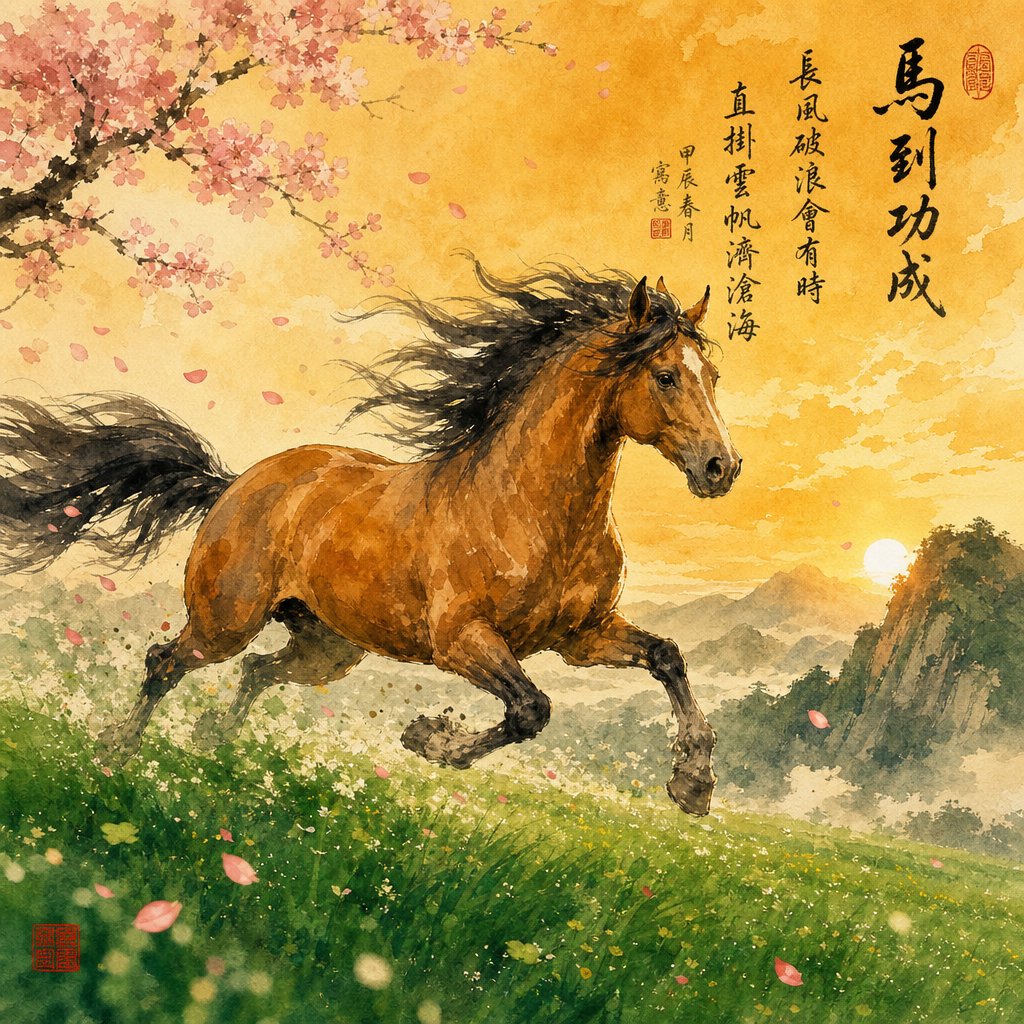
Imagine a child who grows up brimming with optimism, quick on their feet both mentally and physically, and naturally magnetic in social settings. That's the essence of a Horse baby in Chinese astrology. The Horse is the 7th animal in the 12-year zodiac cycle, and children born under this sign are believed to carry innate traits of confidence, ambition, intelligence, and a fierce love of freedom. They're energetic, eloquent, and socially sharp, but they can also be impatient, restless, and prone to burning out when passion fades.
So how do these personality traits connect to choosing chinese baby names? In traditional Chinese naming philosophy, a name isn't just a label. It's a tool for shaping destiny. The goal isn't to echo what the zodiac already provides. A Horse child doesn't need a name that screams "speed" or "wildness." Instead, the best chinese baby names and meanings for Horse-born children work to complement and balance their zodiac energy, grounding restlessness with stability, softening intensity with grace, or channeling ambition toward wisdom.
Horse Zodiac Personality Traits That Shape Naming
Horse-born individuals are natural leaders who rarely accept defeat. They're enthusiastic, candid, and courageous, with a talent for motivating others. Their social instincts are sharp, and they handle pressure with ease. These are strengths worth preserving in a name.
But every zodiac sign has its shadow side. Horses can be vain, easily bored, and prone to abandoning projects halfway through. They may seek applause over substance and overlook the contributions of those around them. A thoughtfully chosen chinese baby name introduces qualities that temper these tendencies: patience, depth, groundedness, or reflective wisdom.
A well-chosen Chinese name harmonizes with the child's zodiac energy rather than amplifying it.
This principle guides everything that follows. Rather than stacking fire on fire, the naming tradition seeks equilibrium, a name that rounds out the whole person.
Confirming Your Baby's Zodiac Sign on the Lunar Calendar
Here's where many parents stumble. The Chinese zodiac follows the lunar calendar, not the Gregorian one. That means the year doesn't start on January 1. The Lunar New Year falls somewhere between January 21 and February 20 each year, and the exact date shifts annually. For 2026, the Year of the Fire Horse begins on February 17. A baby born on February 16, 2026, is technically still a Snake baby, not a Horse.
This distinction matters enormously when selecting a name based on zodiac principles. If your child arrives in January or early February, you'll need to check whether their birthday falls before or after that year's Lunar New Year date. The chart of Horse year dates confirms exact boundaries for each cycle, including start and end dates going back decades.
Getting this wrong means building a name around the wrong zodiac energy entirely. Confirm first, then name.
This guide is structured to give you principles before lists. You'll learn the radical system, elemental theory, and naming taboos so you can evaluate any name independently. Then you'll find curated options organized by quality and gender, each one grounded in the logic you've already absorbed.
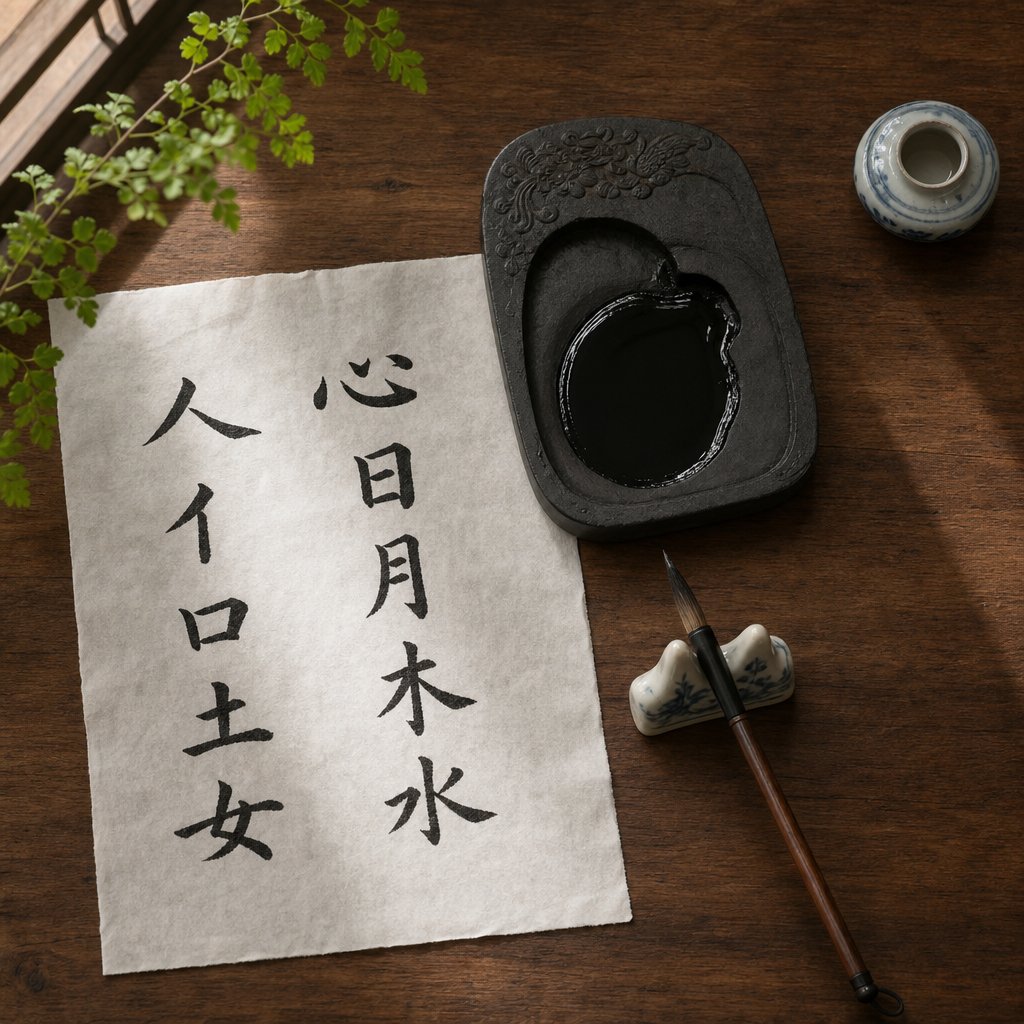
Auspicious and Inauspicious Radicals for Horse Baby Names
Every Chinese character is built from smaller components called radicals. Think of radicals as the DNA of a character: they carry meaning, energy, and symbolic weight that goes far beyond pronunciation. When parents search for auspicious chinese names for horse babies, the radical system is where the real work happens. A character might sound beautiful, but if its internal structure clashes with Horse energy, traditional naming philosophy considers it a poor fit.
Why do radicals matter so much? In Chinese metaphysics, the way a character was originally constructed, often tracing back to oracle bone script, carries an energetic signature. A character containing the grass radical evokes open meadows. One built around the water radical channels a completely different elemental force. For Horse-born children, certain radicals resonate with the animal's nature and lifestyle, while others create friction or opposition.
You'll notice this system is rooted in a simple question: what does a horse need to thrive? Abundant food, open space to roam, shelter for rest, and companions that don't conflict with its nature. The radicals that symbolize these conditions are considered auspicious. Those that suggest confinement, starvation, or elemental clash are avoided.
Auspicious Radicals and Their Symbolic Meaning
The logic behind favorable radicals connects directly to the Horse's natural habitat and behavior. Here's how each auspicious radical category works:
- Grass radical (艹) - Horses are herbivores. Characters containing this radical suggest lush grazing fields and plentiful nourishment. A well-fed horse is strong, healthy, and content. Example characters include 芳 (fāng, fragrant), 萱 (xuān, daylily), 菁 (jīng, essence), and 茹 (rú, to eat/endure).
- Wood radical (木) - Horses love to gallop through forests and rest beneath trees. The wood radical implies both freedom of movement and natural shelter. Characters like 林 (lín, forest), 杰 (jié, outstanding), 柔 (róu, gentle), and 桦 (huà, birch) carry this energy.
- Roof radical (宀) - A horse resting under a roof or in a cave is protected and cared for. This radical suggests good upbringing and the presence of helpful people throughout life. Look for characters like 安 (ān, peace), 宜 (yí, suitable), 宸 (chén, imperial), and 家 (jiā, home).
- Silk/clothing radicals (纟/衣/彡) - In ancient China, only prized horses were adorned with fine fabrics and decorations. Characters with these radicals suggest elegance, elevated status, and recognition. Examples include 紫 (zǐ, purple), 彬 (bīn, refined), 彦 (yàn, accomplished person), and 裕 (yù, abundant).
- Grain radicals (禾/豆) - Beyond grass, horses eat grains. These radicals reinforce the theme of nourishment and abundance. Characters like 秀 (xiù, elegant/outstanding), 秦 (qín, a state name), and 科 (kē, branch of study) fit here.
- Dragon radical (龙/辰) - The Chinese idiom 龙马精神 (lóng mǎ jīng shén) means "the spirit of the dragon and horse," representing vitality and enthusiasm. Characters containing dragon-related components amplify this positive resonance, such as 龙 (lóng, dragon), 辰 (chén, celestial), and 宸 (chén, imperial residence).
When browsing baby boy names in chinese characters or selecting options for girls, checking for these radicals gives you an immediate filter. A character that contains 艹, 木, or 宀 already has a structural advantage for a Horse child.
Radicals and Components to Avoid for Horse Babies
The inauspicious radicals follow equally clear logic, but in reverse. They represent conditions that work against the Horse's nature or create elemental conflict.
- Water radical (氵/子) - Horse belongs to the Fire element in Chinese metaphysics. Excessive water energy directly clashes with fire, potentially "extinguishing" the Horse's vitality. Characters like 海 (hǎi, sea), 淑 (shū, gentle/virtuous), 洪 (hóng, flood), and 涵 (hán, contain) are traditionally avoided. The 子 radical also carries water associations since 子 is the earthly branch of the Rat, which belongs to water.
- Ox/Rat-related components (丑/牛/子) - In zodiac theory, the Horse and Rat sit in direct opposition (相冲), while Horse and Ox form a "harm" relationship (相害). Characters containing 牛 (niú, ox), 牧 (mù, to herd), or 子 (zǐ, child/rat branch) introduce conflicting zodiac energy that can undermine relationships and career luck.
- Mountain radical (山) - A horse running on mountain roads faces exhaustion and danger. This radical implies uphill struggles without guaranteed reward. Avoid characters like 峰 (fēng, peak), 崇 (chóng, lofty), and 岳 (yuè, mountain).
- Field radical (田) - Only mediocre horses are put to work plowing fields. This radical suggests being undervalued or forced into labor beneath one's potential. Characters like 男 (nán, male), 富 (fù, rich), and 界 (jiè, boundary) carry this component.
- Multiple mouth radicals (口口) - Two 口 components together form part of the character 骂 (mà, to scold). Horse-born individuals with this combination in their names are believed to attract disputes and say the wrong things at the wrong time.
Understanding baby chinese name feng shui principles means recognizing that even a beautiful-sounding character can carry problematic structural energy. The radical is the foundation; everything else builds on top of it.
| Category | Radical | Meaning | Example Characters (Pinyin) | Reasoning |
|---|---|---|---|---|
| Auspicious | 艹 | Grass | 芳 (fāng), 萱 (xuān), 菁 (jīng), 茹 (rú) | Horse is herbivorous; implies abundant food and strong health |
| Auspicious | 木 | Wood | 林 (lín), 杰 (jié), 柔 (róu), 桦 (huà) | Forests offer freedom to roam and natural shelter |
| Auspicious | 宀 | Roof/shelter | 安 (ān), 宜 (yí), 宸 (chén), 家 (jiā) | Protected horse is well-rested with supportive people around |
| Auspicious | 纟 / 彡 | Silk/adornment | 紫 (zǐ), 彬 (bīn), 彦 (yàn), 裕 (yù) | Only elite horses are dressed; implies status and respect |
| Auspicious | 禾 | Grain | 秀 (xiù), 秦 (qín), 科 (kē) | Grain-fed horse is nourished and prosperous |
| Auspicious | 龙 / 辰 | Dragon | 龙 (lóng), 辰 (chén), 宸 (chén) | Dragon-Horse spirit (龙马精神) means vitality and success |
| Inauspicious | 氵 | Water | 海 (hǎi), 淑 (shū), 涵 (hán), 洪 (hóng) | Water extinguishes Horse's fire element; harms health and relationships |
| Inauspicious | 山 | Mountain | 峰 (fēng), 崇 (chóng), 岳 (yuè) | Horse on mountain roads faces exhaustion without reward |
| Inauspicious | 田 | Field | 男 (nán), 富 (fù), 界 (jiè) | Field horse is overworked and undervalued |
| Inauspicious | 丑 / 牛 | Ox | 牧 (mù), 牢 (láo), 特 (tè) | Ox-Horse "harm" relationship damages health and career |
| Inauspicious | 心 / 忄 | Heart/meat | 思 (sī), 恩 (ēn), 慧 (huì), 志 (zhì) | Horse doesn't eat meat; implies financial difficulty and unmet needs |
One detail worth noting: the heart radical (心/忄) appears in many popular characters like 慧 (huì, wisdom) and 恩 (ēn, grace). These are lovely characters on their own, but for Horse babies, they carry the symbolic weight of meat, something the herbivorous horse cannot digest. Naming experts note that people with these radicals in the final character of their name often struggle with savings and financial growth.
Whether you're exploring baby boy names in chinese characters or building a girl's name from scratch, this radical framework gives you a reliable first filter. Check the internal structure before falling in love with a character's sound or surface meaning. The radical tells you whether the character's deeper energy supports or undermines your Horse child's path.
Radicals provide the structural foundation, but they don't operate in isolation. Each Horse year also carries a specific elemental signature, fire, earth, metal, wood, or water, that further refines which characters create true harmony in a name.
Five Elements Theory and Element-Specific Horse Names
Every Horse year carries a second layer of identity beyond the animal sign itself. The Chinese Five Elements, Wood, Fire, Earth, Metal, and Water, cycle through the zodiac on a 60-year rotation, meaning each element pairs with the Horse only once every six decades. A Wood Horse (2014) has fundamentally different energetic needs than a Fire Horse (2026) or a Water Horse (2002). This distinction is critical because the element determines which characters create balance and which ones tip the scales toward excess.
Think of it this way: the Horse sign gives your child their core temperament. The element tells you what kind of fuel that temperament runs on, and what it needs to stay in equilibrium. A baby chinese name calculator or baby chinese name fortune teller will typically ask for the birth year and hour precisely because the element changes everything about which characters are recommended.
How the Five Elements Cycle Affects Horse Year Naming
The Five Elements follow a productive cycle (Wood feeds Fire, Fire creates Earth, Earth bears Metal, Metal collects Water, Water nourishes Wood) and a controlling cycle (Water controls Fire, Fire melts Metal, Metal cuts Wood, Wood breaks Earth, Earth dams Water). When naming a Horse baby, the goal is to introduce elements that gently control or drain the dominant element, preventing it from becoming overwhelming.
Each element-Horse combination produces a distinct personality profile. Wood Horses are freedom-loving and passionate but impulsive. Fire Horses are smart and energetic but intensely self-directed. Earth Horses are generous and kind but can be overly cautious. Metal Horses are bold and outgoing but outspoken to a fault. Water Horses are mild and helpful but emotionally sensitive.
The naming strategy for each type differs accordingly:
| Element-Horse | Years | Core Traits | Balancing Elements | Recommended Character Types |
|---|---|---|---|---|
| Wood Horse | 1954, 2014 | Passionate, impulsive, freedom-seeking | Fire, Earth | Characters suggesting warmth, stability, groundedness (e.g., 煦 xù, 坦 tǎn) |
| Fire Horse | 1966, 2026 | Energetic, acute, strong-willed | Water, Metal | Characters with cooling, reflective, or structured energy (e.g., 涵 hán, 铭 míng) |
| Earth Horse | 1918, 1978 | Kind, generous, cautious | Metal, Water | Characters implying decisiveness, flow, and clarity (e.g., 锐 ruì, 泓 hóng) |
| Metal Horse | 1930, 1990 | Bold, frank, freedom-loving | Water, Wood | Characters evoking flexibility, growth, and depth (e.g., 润 rùn, 桐 tóng) |
| Water Horse | 1942, 2002 | Mild, sensitive, helpful | Wood, Fire | Characters carrying vitality, warmth, and ambition (e.g., 林 lín, 晨 chén) |
Notice how the balancing elements are never the same as the dominant one. You're always introducing what the child's chart lacks, not reinforcing what it already has in abundance.
Choosing Characters That Balance Your Horse Baby's Element
For parents using a baby chinese name generator or working with a naming consultant, the element-balancing principle is the single most important filter after radical selection. Here's how it works in practice:
A baby boy chinese name 2026 or baby girl chinese name 2026 needs characters that carry Metal or Water energy. Why? Because 2026 is a Fire Horse year (丙午), where the heavenly stem (丙, Bing) is yang fire and the earthly branch (午) is also fire. That's fire stacked on fire. Chinese naming experts describe this as a "scorching" configuration where the dominant fire and resulting earth energy become so intense that Metal and Water characters are essential for cooling and balance.
Metal characters work by draining fire energy constructively, channeling intensity into precision and structure. Characters like 铭 (míng, to engrave), 钰 (yù, precious jade-metal), 锦 (jǐn, brocade), and 铮 (zhēng, clang of metal) all carry this stabilizing force. Water characters directly cool the fire, introducing wisdom, adaptability, and emotional depth. Options like 沐 (mù, to bathe in), 霖 (lín, timely rain), and 泓 (hóng, deep pool) serve this purpose.
Wood characters occupy an interesting middle ground. While Wood feeds Fire in the productive cycle, it also breaks up heavy Earth, which accumulates when fire burns unchecked. Characters like 萱 (xuān, daylily), 筠 (yún, bamboo), and 桐 (tóng, paulownia tree) can serve as auxiliary balancers, especially for babies born in months where Earth energy dominates.
The Fire Horse and Counterbalancing Intensity Through Names
The Fire Horse year arrives only once every 60 years, making it one of the rarest element-animal combinations in the cycle. The last Fire Horse year was 1966, and the next is 2026. This rarity carries cultural weight, particularly in Japan, where births dropped roughly 25% in 1966 due to a superstition that Fire Horse women would be uncontrollable and harmful to their husbands. That belief has no equivalent in Chinese astrology, where the Fire Horse is simply associated with charisma, decisiveness, and high energy.
In Chinese naming tradition, the Fire Horse isn't feared but it is respected as a particularly intense configuration. The approach is practical: acknowledge the doubled fire energy and counterbalance it through naming. Characters that evoke still water, cool metal, or gentle rain don't suppress the Fire Horse's spirit. They give it a reservoir to draw from when intensity peaks.
For 2026 babies specifically, avoid stacking additional fire or earth characters into the name. Characters with radicals like 火, 日, or 灬 (such as 炎 yán, 煜 yù, or 曦 xī) amplify what's already excessive. Similarly, heavy earth characters like 峰 (fēng, peak) or 磊 (lěi, piled stones) compound the problem by burying the Metal that fire naturally produces.
The ideal Fire Horse name reads like a cool breeze across a sunlit plain: it doesn't extinguish the warmth, but it keeps the landscape from scorching. Parents who understand this principle can evaluate any character independently, whether they find it through a baby chinese name generator, a family elder's suggestion, or their own research.
With the elemental framework in place, the next step is seeing these principles come alive in actual name selections, starting with curated options for Horse-born girls that balance beauty, meaning, and zodiac harmony.
Beautiful Chinese Girl Names for Horse Babies
Principles are powerful, but at some point you need actual characters on paper. The names below are organized by the quality they invoke rather than alphabetically, so you can browse based on what you hope your daughter will carry through life. Each entry includes the character, pinyin with tone marks, meaning, and a brief note on why it works for a Horse child. When exploring chinese baby girl names with meaning, this structure helps you match intention to character.
A quick note on format: single-character given names (paired with a one-character surname) create a two-character full name, which sounds crisp and classical. Two-character given names produce a three-character full name, the most common modern format, and allow richer meaning combinations. Both are culturally appropriate. Single-character names were more popular in older generations and carry a literary, understated feel. Two-character names give parents more room to layer meaning, balance tones, and incorporate zodiac-friendly radicals.
Girl Names Invoking Grace and Elegance
These chinese baby names for girls channel poise, refinement, and quiet beauty. They suit Horse babies because they introduce softness and composure to balance the Horse's natural boldness.
- 芷萱 (Zhǐ Xuān) - "Fragrant herb and daylily." Both characters carry the grass radical (艹), making this a top-tier baby girl chinese name for Horse children. 芷 evokes purity and moral integrity, while 萱 is the "forget-worry" plant, wishing the child a life free of sorrow. The tone pattern (3rd + 1st) creates a gentle rising-to-high melody.
- 婉清 (Wǎn Qīng) - "Graceful and clear." Drawn from the Book of Songs (诗经): "水木清华,婉兮清扬." The character 婉 suggests gentle elegance, while 清 implies clarity of mind. This pairing tempers the Horse's impulsive streak with reflective composure.
- 柔嘉 (Róu Jiā) - "Gentle and fine." 柔 contains the wood radical (木), auspicious for Horse babies as it suggests shelter and flexibility. 嘉 means excellent or praiseworthy. The open "-ia" ending on 嘉 gives the name a confident, outward sound that suits the Horse's sociable nature.
- 琳 (Lín) - "Beautiful jade." A single-character option with the wood radical (木) embedded in its structure. Jade in Chinese culture represents virtue, and the character's 12-stroke count is considered balanced. Clean, elegant, and easy to pair with most surnames.
- 彤 (Tóng) - "Vermilion red." Contains the 彡 radical (adornment), suggesting a horse dressed in fine colors, a symbol of being valued and recognized. As a single-character given name, it's concise and modern.
Girl Names Representing Intelligence and Ambition
Horse-born girls already carry natural intelligence and drive. These chinese baby girl names don't simply repeat those traits. They channel ambition toward depth, scholarship, and purposeful achievement.
- 颖 (Yǐng) - "Sharp, intelligent, outstanding." This character appears in traditional Horse-year name lists because it contains the grain radical (禾) at its base, symbolizing a well-nourished mind. A strong single-character baby girl chinese name that works across dialects.
- 桢慧 (Zhēn Huì) - "Pillar of wisdom." 桢 carries the wood radical (木), meaning a strong supporting beam. It breaks the stereotype that girl names must be delicate. Paired with 慧 (wisdom), it creates a name suggesting both structural strength and intellectual depth. Note: 慧 contains the heart radical, which some strict practitioners avoid for Horse babies. If this concerns you, substitute 蕙 (huì, orchid) which carries the grass radical instead.
- 秀芝 (Xiù Zhī) - "Elegant and wise as lingzhi." 秀 contains the grain radical (禾), while 芝 carries the grass radical (艹) and refers to the sacred lingzhi mushroom, a symbol of longevity and wisdom. Double auspicious radicals in one name.
- 知予 (Zhī Yǔ) - "Wisdom and generosity." 知 represents knowledge and insight, while 予 means to give. Together they suggest a child who possesses wisdom and shares it freely. The tone combination (1st + 3rd) creates a descending pattern that sounds composed and thoughtful.
Girl Names Connected to Nature and Freedom
The Horse thrives in open spaces. These names draw on natural imagery, evoking landscapes where a Horse spirit can run unconfined. They're ideal for parents who want baby girl chinese names and meaning rooted in the natural world.
- 禾安 (Hé Ān) - "Grain and peace." 禾 is the grain radical itself, representing abundant harvest and nourishment for the Horse. 安 contains the roof radical (宀), suggesting shelter and security. Simple, modern, and structurally perfect for Horse babies. The tone pattern (2nd + 1st) rises then levels, creating a calm, assured sound.
- 萱 (Xuān) - "Daylily, the forget-worry plant." A single-character option loaded with Horse-friendly energy through its grass radical. In Chinese tradition, the daylily represents a mother's love and freedom from anxiety. At 12 strokes, it pairs well with shorter surnames.
- 林夏 (Lín Xià) - "Forest in summer." 林 doubles the wood radical, evoking dense groves where a Horse finds shade and freedom. 夏 (summer) carries warmth without the fire radical, making it a safe way to honor the Fire Horse year without adding elemental excess.
- 芙蓉 (Fú Róng) - "Lotus blossom." Both characters contain the grass radical (艹). This classical name appears in Tang dynasty poetry and suggests natural beauty that emerges from humble origins. The two rising tones (2nd + 2nd) create an uplifting, energetic rhythm that mirrors the Horse's spirited nature.
- 茵 (Yīn) - "Lush grass, cushion." Contains the grass radical and evokes soft meadows. A single-character name that's understated yet carries deep Horse-year resonance. Works beautifully as a standalone given name with three-character surnames or as part of a compound.
Character Harmony: Making Two Characters Work Together
When selecting a two-character given name, three factors determine whether the characters truly harmonize:
- Meaning pairing - The two characters should create a coherent image or concept, not just two unrelated positive words. 芷萱 works because both are plants from the same poetic tradition. 禾安 works because grain and peace together paint a picture of pastoral contentment.
- Tone pattern - Mandarin has four tones, and placing two falling tones (4th tone) together can sound abrupt or heavy. The most pleasing combinations alternate between tonal categories. A rising tone followed by a level tone (2nd + 1st, as in 禾安) sounds balanced. Two identical tones can work if the surname provides contrast.
- Stroke count balance - In Chinese naming tradition, the total stroke count of a name carries numerological weight. While specific lucky numbers vary by school of thought, the general principle is that the given name characters should be visually balanced. Pairing a 4-stroke character with a 20-stroke character creates an awkward visual asymmetry when written. Aim for characters within 5-6 strokes of each other for visual harmony.
These chinese baby names girl options give you a starting point, but the real power lies in applying the principles yourself. Check the radical, verify the element, test the tone pattern against your surname, and confirm the stroke count feels balanced. That process works whether you're choosing from this list or evaluating a name suggested by a grandparent or naming consultant.
The same framework applies to boys, though the character pool and cultural expectations shift. Strength, scholarly achievement, and leadership take center stage in the next set of curated names.
Strong Chinese Boy Names for Horse Babies
Where girl names often lean toward grace and natural beauty, chinese baby boy names for Horse children tend to channel a different set of aspirations: courage under pressure, intellectual depth, and the capacity to lead. The Horse's innate boldness means a baby boy chinese name doesn't need to shout "power." Instead, the strongest options introduce structure, wisdom, or grounded resilience that gives all that raw energy somewhere productive to go.
The names below are drawn from characters containing auspicious radicals for Horse babies, primarily wood (木), grass (艹), grain (禾), roof (宀), and silk/adornment (纟/彡). Each entry explains why the character's internal structure supports a Horse child's destiny. Whether you're building a baby boy chinese name list from scratch or evaluating suggestions from family, these options give you a solid foundation.
Boy Names Symbolizing Courage and Strength
These chinese baby names boy options carry the energy of resilience and physical vitality. They suit Horse children because they channel boldness into disciplined strength rather than reckless impulse.
- 柏毅 (Bǎi Yì) - "Cypress perseverance." 柏 contains the wood radical (木), symbolizing a Horse sheltered among trees, while 毅 means tenacity and the ability to hold steady through setbacks. The tone pattern (3rd + 4th) creates a dipping-then-falling rhythm that sounds decisive. This combination appears in modern naming guides as a top pairing for resilience.
- 栋 (Dòng) - "Ridgepole, pillar." A single-character option with the wood radical that implies being the structural backbone others rely on. In Chinese, 栋梁之才 (dòng liáng zhī cái) means "talent worthy of being a pillar of the state." At 9 strokes, it pairs cleanly with most surnames.
- 锋宇 (Fēng Yǔ) - "Vanguard of the universe." 锋 carries the metal radical (钅), which helps drain excess fire energy in 2026 Fire Horse babies. 宇 contains the roof radical (宀), suggesting shelter and broad horizons. The tone combination (1st + 3rd) flows from high to dipping, creating an energetic yet grounded sound.
- 健柏 (Jiàn Bǎi) - "Vigorous cypress." 健 implies active, forward-looking strength, while 柏 (wood radical) roots that vitality in endurance. This pairing works especially well for baby boy chinese names 2014, since Wood Horse children benefit from earth and fire characters, and 健 carries a stabilizing, earthy quality.
- 彦 (Yàn) - "Accomplished person of virtue." Contains the 彡 radical (adornment), which in Horse symbolism suggests a prized horse dressed in fine regalia. Historically, 彦 referred to scholars who passed imperial examinations. A single-character name with classical weight.
Boy Names Representing Wisdom and Scholarly Achievement
Intelligence is already woven into the Horse personality. These baby boy names in chinese with meaning don't just repeat "smart." They point toward depth, reflection, and the kind of wisdom that comes from patience, qualities that balance the Horse's tendency to act before thinking.
- 茗哲 (Míng Zhé) - "Tea-like wisdom." 茗 carries the grass radical (艹), representing nourishment and refinement. 哲 means philosophical insight and the ability to distinguish right from wrong. Together they paint a scholar who thinks deeply before speaking. The tone pattern (2nd + 2nd) is smooth and even.
- 睿宸 (Ruì Chén) - "Sage of the imperial court." 睿 contains the eye radical (目), which Chinese naming sources consider auspicious for Horse babies because it suggests keen vision and farsightedness. 宸 carries the roof radical (宀), implying protection and high status. A modern two-character baby boy name chinese families frequently choose for its scholarly elegance.
- 秉谦 (Bǐng Qiān) - "Upholding humility." 秉 contains the grain radical (禾), symbolizing a well-fed Horse, and means to hold or uphold. 谦 represents modesty, the foundation of true wisdom. The falling-then-level tone pattern (3rd + 1st) sounds composed and unhurried.
- 杰 (Jié) - "Outstanding, heroic." Built on the wood radical (木), this single-character option is one of the most popular choices across generations. It implies someone who rises above the ordinary through talent and effort. At 8 strokes, it's visually clean and pairs well with longer surnames.
- 茂轩 (Mào Xuān) - "Flourishing and lofty." 茂 carries the grass radical (艹), evoking lush growth and prosperity. 轩 means a high-ceilinged hall or elevated spirit. The combination suggests intellectual abundance paired with noble bearing. Tone pattern (4th + 1st) drops then rises, creating a dynamic rhythm.
Boy Names Evoking Prosperity and Leadership
Horse-born boys often grow into natural leaders. These names don't claim power outright, which Chinese naming tradition considers "too heavy" for a child to carry. Instead, they suggest the conditions for prosperity: broad vision, benevolence, and the capacity to inspire others.
- 宸泽 (Chén Zé) - "Imperial grace." 宸 (roof radical 宀) refers to the emperor's dwelling, implying dignity without arrogance. 泽 means benevolence that extends outward like water nourishing land. For 2026 Fire Horse babies, the water element in 泽 provides essential cooling balance. Tone pattern (2nd + 2nd) is smooth and approachable.
- 禾安 (Hé Ān) - "Grain and peace." While this name appeared in the girl's section, it works equally well for boys. 禾 (grain radical) ensures nourishment, and 安 (roof radical 宀) provides shelter. Gender-neutral names are increasingly common in modern Chinese naming, and this one carries quiet authority.
- 梓栋 (Zǐ Dòng) - "Catalpa pillar." Both characters contain the wood radical (木), doubling the Horse's shelter energy. 梓 refers to the catalpa tree, traditionally planted by parents to represent hope for their children. 栋 means ridgepole. Together: a child destined to become the family's structural support.
- 宇轩 (Yǔ Xuān) - "Cosmic and lofty." 宇 (roof radical 宀) means universe or boundless space, while 轩 suggests elevated spirit and noble bearing. This is one of the most popular modern chinese baby boy names because it balances ambition with elegance. The tone pattern (3rd + 1st) dips then rises, ending on a confident note.
- 稷宸 (Jì Chén) - "Grain god of the imperial court." 稷 carries the grain radical (禾) and refers to the ancient deity of agriculture, symbolizing abundance and national importance. Paired with 宸 (roof radical), it creates a name suggesting both material prosperity and elevated position. A less common choice that stands out without being obscure.
Tone Harmony and Stroke Count: The Technical Layer
You've got the right radicals and the right meaning. How do you confirm the name actually sounds good when spoken aloud? Two technical checks matter here.
Tone harmony works like this: Mandarin's four tones each carry a distinct melodic shape. First tone is high and flat. Second rises. Third dips then rises. Fourth falls sharply. When two characters share the same tone, especially two fourth tones (like 毅栋, Yì Dòng), the name can sound choppy or aggressive. The most pleasing combinations alternate between tonal categories. A surname in the fourth tone pairs well with a given name starting in the first or second tone. Say the full name, surname included, out loud several times. If it feels like your voice is fighting itself, the tones likely clash.
Stroke count numerology (笔画 bǐhuà) is a separate system where the total number of strokes in a name carries associations. In Chinese naming tradition, practitioners calculate the stroke count of each character (often using traditional/Kangxi dictionary forms rather than simplified versions) and evaluate the totals against established frameworks. Certain totals are considered auspicious and others less favorable. The specific interpretations vary between schools of thought, so rather than memorizing numbers, the practical takeaway is this: when you've narrowed your choices to two or three finalist names, consult a stroke count reference or a naming professional to compare their numerical profiles. It's a tiebreaker, not the primary filter.
With both girl and boy names selected, the next critical step is knowing what to avoid entirely. Certain characters and combinations carry specific taboos for Horse children that can undermine even the most carefully chosen name.
Naming Taboos and Characters to Avoid for Horse Children
Knowing what works is only half the equation. The other half, arguably the more urgent half, is knowing what to steer clear of entirely. In baby chinese name selection, a single problematic character can undermine the balance you've carefully built through radicals and elemental theory. Horse-born children face specific taboos rooted in zodiac opposition, symbolic confinement, and elemental overload. These aren't vague superstitions. Each taboo traces back to a clear principle in Chinese metaphysics.
Some of these characters are genuinely popular. They sound beautiful, carry positive surface meanings, and appear in countless modern names. That's precisely why this section matters. A character that works brilliantly for a Dragon or Rabbit baby may actively work against a Horse child's energy.
Characters and Radicals That Clash With Horse Energy
The most critical taboo category involves characters that symbolize confinement or restriction. Imagine a wild horse locked in a pen. That's the energetic signature these characters carry for Horse-born children.
The mouth radical (口) is the primary offender here. When 口 appears in a character's structure, it visually and symbolically represents an enclosure, a corral, a fenced space. For an animal that thrives on open plains, this radical suggests a life of limitation. Characters like 国 (guó, country), 园 (yuán, garden), 圆 (yuán, round), and 图 (tú, picture) all contain this enclosing structure. Even 品 (pǐn, quality), with its triple-mouth formation, implies being boxed in from multiple directions.
Similarly, characters with the enclosure radical (囗, the larger box form) carry the same restrictive energy. 困 (kùn, trapped) makes the symbolism painfully literal, but even seemingly positive characters like 团 (tuán, group/unity) suggest a Horse forced into tight formation rather than running free.
Excessive water characters pose a different kind of threat. While a single water-element character can cool a Fire Horse's intensity, stacking multiple water-heavy characters drowns the Horse's fire entirely. If your surname already contains water energy (like 江 Jiāng, 河 Hé, or 洪 Hóng), adding water-radical given name characters creates dangerous elemental overload. The Horse's vitality, confidence, and drive all diminish under too much water.
Zodiac Opposition Conflicts in Naming
How do chinese parents name their baby while navigating zodiac clashes? The answer lies in understanding the six opposition pairs (六冲 liù chōng) in the Chinese zodiac. The Horse sits directly opposite the Rat. This means any character containing Rat-associated components introduces a fundamental energetic conflict into the child's name.
The Rat's earthly branch is 子 (zǐ), which doubles as a common character meaning "child" or "son." Characters built around 子 include 学 (xué, to learn), 孝 (xiào, filial piety), 孟 (mèng, eldest), and 字 (zì, character/word). These are culturally valued characters, which makes the taboo harder to accept. But in zodiac naming theory, placing Rat energy directly into a Horse child's name creates lifelong friction in relationships and career.
Beyond the Rat, the Horse also forms a "harm" relationship (相害 xiāng hài) with the Ox (丑). Characters containing the ox radical (牛) or ox-related components like 牧 (mù, to herd), 物 (wù, thing), and 特 (tè, special) carry this secondary conflict. The harm relationship specifically affects health and close partnerships.
It's worth noting that these zodiac principles are sign-specific. The same characters that clash with Horse energy might be perfectly suitable, even auspicious, for other signs. Parents researching auspicious chinese names for rat babies 2020, for instance, would find 子-containing characters highly favorable since they reinforce the Rat's own branch energy. What heals one sign can harm another.
| Taboo Type | Example Characters | Reasoning | Suggested Alternatives |
|---|---|---|---|
| Enclosure/confinement (口/囗) | 国 (guó), 园 (yuán), 圆 (yuán), 品 (pǐn), 团 (tuán) | Enclosing radicals trap Horse energy, limiting freedom and career growth | 宇 (yǔ, universe), 宸 (chén, imperial) — roof radical shelters without confining |
| Rat opposition (子) | 学 (xué), 孝 (xiào), 孟 (mèng), 字 (zì), 存 (cún) | 子 is the Rat's earthly branch; direct zodiac clash creates relationship friction | 睿 (ruì, wise), 哲 (zhé, philosophical) — wisdom without Rat components |
| Ox harm (牛/丑) | 牧 (mù), 物 (wù), 特 (tè), 牲 (shēng) | Ox-Horse harm relationship undermines health and partnerships | 杰 (jié, outstanding), 彦 (yàn, accomplished) — strength without Ox energy |
| Excessive water (氵 stacked) | 淼 (miǎo), 淑涵 (shū hán), 海洋 (hǎi yáng) | Multiple water characters extinguish Horse fire, draining vitality and ambition | 沐 (mù, bathe) alone is acceptable; pair with wood or fire, not more water |
| Double mouth (口口) | 吕 (lǚ), 哭 (kū), 器 (qì) | Two or more mouth components attract verbal disputes and misunderstandings | 茗 (míng, tea), 萱 (xuān, daylily) — grass radical promotes harmony |
| Leg-crossing components (交/午冲) | 交 (jiāo), 校 (xiào), 效 (xiào) | 交 implies entanglement and crossed paths; disrupts Horse's forward momentum | 林 (lín, forest), 桐 (tóng, paulownia) — wood radical supports forward growth |
Navigating Generational Naming Traditions Alongside Zodiac Rules
Here's where baby chinese name decisions get genuinely complicated. Many Chinese families follow a generational naming system called 字辈 (zì bèi), where each generation shares a predetermined character in their given name. These characters were often set by ancestors decades or even centuries ago, recorded in family genealogies (族谱 zú pǔ). The system ensures that any family member's generation is immediately identifiable by their name.
The conflict arises when a generational character contains a taboo radical for your child's zodiac sign. Imagine your family's current generational character is 学 (xué), which contains the Rat-branch 子. Or perhaps it's 国 (guó), with its enclosing 口 structure. Both are problematic for Horse babies, yet skipping the generational character can feel like breaking faith with ancestors.
Families handle this tension in several ways:
- Prioritize 字辈 and compensate elsewhere - Accept the generational character and choose the second given-name character specifically to counterbalance its problematic energy. If the generational character carries water, pair it with a strong wood or fire character.
- Use the generational character as a courtesy name - Some families maintain the 字辈 name in genealogical records but give the child a different legal name optimized for zodiac harmony. The child carries both names in different contexts.
- Consult family elders for flexibility - In some lineages, the 字辈 poem allows for character substitutions that share the same radical or meaning family. A naming elder might approve a phonetically similar or semantically related alternative.
- Prioritize zodiac principles for the legal name - Younger generations, particularly in urban areas, increasingly treat 字辈 as a cultural reference rather than a binding rule. They may honor the tradition informally while choosing a zodiac-optimized legal name.
There's no universally correct answer. The decision depends on how strongly your family maintains genealogical traditions and how much weight you place on zodiac-based naming. What matters is making the choice consciously rather than discovering the conflict after registration.
These taboos and traditions form the guardrails of the naming process. They tell you where the boundaries are. But naming doesn't happen in a cultural vacuum. Regional differences across Chinese-speaking communities add another layer of variation, and bicultural families face the additional challenge of making a Chinese name work alongside a Western one.
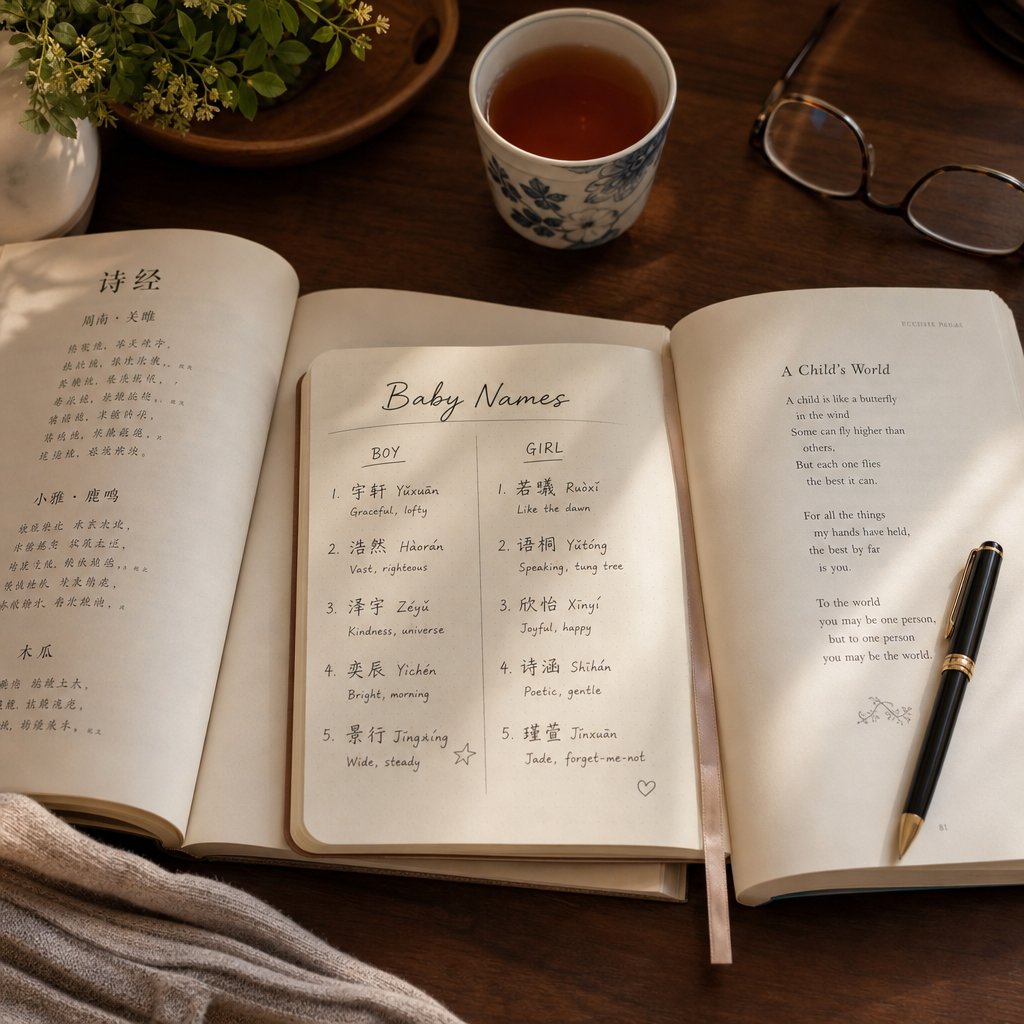
Regional Variations and Bicultural Naming Strategies
A Horse baby born in Shenzhen, a Horse baby born in Taipei, and a Horse baby born in Toronto may all receive names guided by the same zodiac principles, yet the final results can look and sound remarkably different. Regional conventions shape everything from character choice to romanization format, and for families straddling two cultures, the challenge doubles: the name needs to work in Chinese and in English, on a birth certificate and in a classroom roll call.
Regional Naming Differences Across Chinese Communities
The same zodiac logic applies everywhere, but local culture filters it through different lenses:
- Mainland China - Modern, aspirational names dominate. Parents favor characters that sound fresh and forward-looking. Two-character given names are standard, and simplified characters are used exclusively. Romanization follows Hanyu Pinyin with the given name written as one unit: a child named 宇轩 with surname 张 becomes Zhang Yuxuan on official documents.
- Taiwan - Classical literary references carry more weight. Parents draw from Tang poetry, the Book of Songs, and Confucian texts. Traditional characters are used, and romanization varies. Given names are often hyphenated (Yu-Hsuan) or separated (Yu Hsuan) rather than joined together.
- Hong Kong - Cantonese phonetics shape the selection process. A character that sounds elegant in Cantonese might sound flat in Mandarin, and vice versa. Romanization systems vary widely, with families using Jyutping, Yale, or older Wade-Giles-derived spellings depending on generation and preference. Traditional characters are standard.
- Singapore - Multiple dialect groups (Hokkien, Teochew, Cantonese, Hakka) coexist, and a family's dialect heritage influences both character choice and romanized spelling. A surname written Wang in Mandarin might appear as Ong (Hokkien) or Wong (Cantonese) on identity documents. Parents often balance dialect pronunciation with Mandarin meaning.
- Overseas communities - Practicality becomes a primary filter. Parents consider how easily the name can be pronounced by non-Chinese speakers, whether it creates awkward associations in English, and how it fits on Western-format documents. The zodiac principles remain, but they share space with cross-cultural usability.
These differences mean that a curated list of american chinese baby names or anglo chinese baby names will look different depending on which regional tradition the family follows. A Taiwanese family might choose 婉清 and romanize it as Wan-Ching, while a mainland family picks the same characters but writes Wanqing. Same zodiac logic, different cultural packaging.
Pairing Chinese and English Names for Bicultural Families
For chinese american baby names, the question isn't just "which Chinese name?" but "how does it live alongside an English name?" Research on Chinese American naming practices found that most parents give their children both a Chinese and an English name, using each in different contexts. Chinese names connect children to cultural heritage; English names help them navigate mainstream settings. On legal documents like passports and birth certificates, parents typically designate the English name as the first name and the Chinese name as the middle name.
The most satisfying pairings feel intentional rather than random. When choosing american chinese baby girl names or baby boy names chinese american families can use, the goal is creating a name set that feels like it belongs to one person rather than two separate identities stitched together.
Several strategies produce strong results:
- Phonetic echoing - Choose an English name that shares sounds with the Chinese name. If the Chinese name is 美琳 (Měi Lín), the English name Meilin works directly, or Melanie echoes the opening syllable. For baby boy names chinese english pairings, a Chinese name like 凯文 (Kǎi Wén) maps naturally to Kevin.
- Meaning mirroring - Match the conceptual energy across languages. A Chinese name meaning "bright wisdom" pairs well with an English name like Clara (clear, bright) or Sophia (wisdom). The names don't sound alike but carry parallel intent.
- Tonal compatibility - Say both names together as a full sequence. If the English name ends on a hard consonant and the Chinese name starts with a soft vowel, the transition feels smooth. Avoid combinations where the English name's final syllable clashes with the Chinese name's opening tone.
Practical Tips for Name Registration Across Cultures
The bureaucratic side of chinese english baby names matters more than most parents expect. Different countries handle Chinese names differently in their systems, and mistakes on birth certificates are expensive to fix. Here's a systematic approach:
- Decide on document format first. Will the Chinese name appear as a middle name, a hyphenated first name, or only on Chinese-language documents? This decision affects everything downstream. Most families in the U.S., Canada, and Australia place the English name first and the Chinese given name as the middle name.
- Choose your romanization system and stick with it. Mixing Pinyin with Cantonese romanization across different documents creates identity verification problems later. If you use Pinyin on the birth certificate, use Pinyin on the passport application.
- Test the full legal name for unintended readings. Write out the complete name as it will appear on documents: [English given name] [Chinese given name romanized] [Surname]. Read it aloud. Check whether the combination creates unintended words or awkward abbreviations. A name like "Shih-Tzu" as a middle name, while perfectly valid romanization, will draw unwanted associations in English-speaking countries.
- Verify character encoding for official records. If you want Chinese characters on the birth certificate (available in some jurisdictions), confirm the registrar's system supports them. Some systems only accept romanized versions.
- Consider how the name will be shortened. Teachers, coaches, and friends will inevitably abbreviate. If the Chinese name is 思远 (Sīyuǎn), will the child be called "Si" in casual settings? Does that feel comfortable? Planning for natural nicknames prevents identity friction later.
- Align the name with both families' expectations. If grandparents in China expect a zodiac-optimized name and in-laws in the U.S. expect a name they can pronounce, find the overlap. A name like 安 (Ān, peace) works as both a standalone Chinese name and a recognizable sound in English (similar to "Anne").
The best american names for chinese babies aren't compromises. They're names where both halves feel complete on their own and complementary together. A Horse baby named 宸 (Chén) with the English name Chester shares the opening sound, carries independent meaning in both languages, and registers cleanly on any government form.
Regional and cross-cultural considerations add complexity, but they don't override the foundational principles. Radicals, elements, tone harmony, and zodiac compatibility still form the core framework. What changes is the packaging: how the name appears on paper, how it sounds in different linguistic contexts, and how it moves through administrative systems. The final step is assembling all these layers into a single, coherent decision-making process.
Your Complete Naming Framework for Horse Babies
Radicals, elements, regional conventions, zodiac clashes, tone patterns, stroke counts, generational traditions, and bicultural logistics. That's a lot of moving parts. Taken individually, each principle makes intuitive sense. But how do they all fit together into a single decision? How do you move from theory to a name you're confident writing on a birth certificate?
The answer is sequence. Each layer of the naming process builds on the one before it, and skipping steps creates gaps that surface later as regret or second-guessing. What follows is a structured framework that lets you evaluate any name, whether it comes from a curated list, a baby chinese name app, a grandparent's suggestion, or your own research.
The Complete Horse Baby Naming Framework
Think of this as a funnel. You start broad, confirming foundational facts, then progressively narrow your options through increasingly specific filters. By the final step, only names that satisfy every criterion remain.
Your surname is the fixed variable. Everything else adapts around it. The surname's tone, stroke count, and elemental associations set constraints that the given name must work within. A surname like 王 (Wáng, 2nd tone, 4 strokes, Earth element) creates different requirements than 林 (Lín, 2nd tone, 8 strokes, Wood element). The given name isn't chosen in isolation. It's chosen in relationship to what's already locked in.
This is why the 100 most common chinese baby names lists you'll find online can only take you so far. Popularity doesn't equal compatibility. A name that ranks highly across all births may clash with your specific surname tone, your child's element, or your family's generational character. The framework below puts you in a position to judge for yourself.
Putting It All Together With a Step-by-Step Process
- Confirm the zodiac sign and element. Check your baby's birth date against the lunar calendar. If born in January or early February, verify whether the date falls before or after that year's Lunar New Year. Then identify the element: 2026 is Fire Horse, 2014 was Wood Horse, 2002 was Water Horse. This determines which balancing elements your name should carry. For 2026 babies, you're looking for Metal and Water energy in the characters.
- Identify your surname's tone and stroke count. Write out the surname in its traditional (Kangxi dictionary) form and count the strokes. Note the tone: 1st (flat), 2nd (rising), 3rd (dipping), or 4th (falling). These two data points constrain your given name choices. A 4th-tone surname like 赵 (Zhào) pairs poorly with a given name starting in another 4th tone. A surname with high stroke count (12+) benefits from given-name characters with moderate counts (8-12) for visual balance.
- Determine whether a generational character (字辈) applies. Ask your family whether a predetermined character exists for your child's generation. If it does, evaluate that character against Horse-year taboos. Does it contain a problematic radical (口, 子, 牛, excessive 氵)? If so, decide now whether to use it, compensate for it, or set it aside as a courtesy name. This decision shapes everything downstream.
- Select auspicious radicals that complement the element. Cross-reference the radical chart with your element needs. For a 2026 Fire Horse, prioritize characters containing 木 (wood for growth), 宀 (shelter), 艹 (nourishment), and 钅 (metal for cooling). Avoid stacking fire radicals (火, 灬, 日) or heavy earth components. If your generational character already introduces one element, choose the second given-name character to introduce a different balancing element.
- Choose characters that balance zodiac traits. The Horse is bold, restless, and socially driven. Characters suggesting patience (稳 wěn), depth (渊 yuān), or reflective wisdom (睿 ruì) counterbalance these tendencies without suppressing them. Avoid characters that amplify what's already excessive: pure speed, raw ambition, or unchecked fire. The name should round out the whole person, not double down on one dimension.
- Verify tone harmony across the full name. Say the complete name aloud, surname plus given name, at least ten times. Listen for tonal monotony (all same tone), awkward dips (three 3rd tones in sequence), or clashing rhythms. The most pleasing chinese baby names alternate between tonal categories. If something feels off when spoken quickly, it will feel off every day for the rest of your child's life. Trust your ear.
- Check stroke count totals. Using the Kangxi dictionary stroke counts (not simplified character counts), calculate the total for each name component and the full name. Compare these totals against a stroke count reference system to confirm the numbers fall within favorable ranges. This step functions as a final validation, not a primary filter. If two finalist names are equally strong on every other criterion, stroke count numerology breaks the tie.
That's the complete sequence. Each step eliminates options that don't fit, and by step seven you're left with names that satisfy structural, elemental, tonal, and numerological requirements simultaneously.
Choosing a name is both an art and a structured process. Understanding the principles empowers parents to evaluate any name confidently rather than relying solely on curated lists.
One final thought on chinese baby names over time popularity: trends shift. Characters that feel fresh today may sound dated in twenty years, just as names popular in the 1980s (like 伟 wěi and 芳 fāng) now feel generational. The zodiac and elemental principles, however, don't age. They're rooted in a system that has guided baby chinese names for centuries. A name chosen through this framework will still make structural sense decades from now, regardless of which characters happen to be trending on social media or in celebrity culture.
You don't need to be a Bazi master or a professional naming consultant to give your Horse baby a name that carries real weight. You need the framework, the patience to work through it step by step, and the confidence to trust what the principles tell you. The name is your first gift to your child. Make it one that grows with them.
Frequently Asked Questions About Year of the Horse Chinese Baby Names
1. What radicals are considered auspicious for Horse baby names?
The most favorable radicals for Horse-born children include the grass radical (艹) symbolizing abundant food, the wood radical (木) representing shelter and freedom, the roof radical (宀) suggesting protection, and the silk/adornment radicals (纟/彡) implying elevated status. Grain radicals (禾/豆) also carry positive energy since they represent nourishment. These radicals connect to what a horse needs to thrive: open space, plentiful food, and recognition.
2. Which characters should be avoided in Chinese names for Horse babies?
Horse babies should avoid characters containing the mouth radical (口) as it symbolizes confinement, Rat-related components (子) due to zodiac opposition, Ox-related radicals (牛/丑) because of the harm relationship, excessive water radicals (氵) that extinguish Horse fire energy, and the mountain radical (山) suggesting exhausting uphill struggles. The field radical (田) is also problematic as it implies a horse forced into labor beneath its potential.
3. How does the Five Elements theory affect naming a Horse baby born in 2026?
2026 is a Fire Horse year where both the heavenly stem and earthly branch carry fire energy. This doubled fire creates an intense configuration that requires cooling and balancing through Metal and Water element characters. Metal characters like 铭 (ming) drain fire constructively into precision, while Water characters like 沐 (mu) introduce adaptability and emotional depth. Parents should avoid adding more fire or heavy earth characters to prevent elemental overload.
4. Can I use the same Chinese name for both a Horse baby boy and girl?
Yes, gender-neutral names are increasingly common in modern Chinese naming. Characters like 禾安 (He An, meaning grain and peace) or 宇 (Yu, meaning universe) work well for any gender. The zodiac principles around radicals and elemental balance apply equally regardless of gender. What matters most is that the character's structural energy supports the Horse child's destiny through proper radical selection and elemental harmony.
5. How do I confirm whether my January or February baby is a Horse or the previous zodiac sign?
The Chinese zodiac follows the lunar calendar, not the Gregorian calendar. Lunar New Year falls between January 21 and February 20 each year, with the exact date shifting annually. For example, the 2026 Year of the Fire Horse begins on February 17, so a baby born on February 16 would still be a Snake. Always check the specific Lunar New Year date for your child's birth year before selecting zodiac-based name characters.