The Meaning Behind the Zheng Surname
When you come across the Zheng last name on a class roster, a business card, or a family tree, you're looking at one of China's oldest and most historically significant surnames. But what does it actually mean? The answer connects directly to ancient royalty, ritual ceremony, and a lost kingdom in central China.
What Does the Zheng Surname Mean
The zheng surname (郑/鄭) is a Chinese family name derived from the name of the ancient State of Zheng, a feudal kingdom established during the Western Zhou Dynasty around 806 BC in what is now Henan province. The character itself carries connotations of solemnity, earnestness, and ceremonial propriety, rooted in its structural connection to the concept of making formal offerings and establishing settlements.
Zheng (郑/鄭): A Chinese surname meaning "the state of Zheng," originating from a Zhou Dynasty feudal kingdom. The character combines the concept of ritual establishment (奠) with the radical for a city or settlement (邑), reflecting the surname's origin as a place name tied to aristocratic lineage and ceremonial tradition.
In practical terms, the zheng meaning points to a family whose ancestors once belonged to or lived within a specific political territory. Unlike surnames derived from occupations or physical traits, this one tells you something deeper: your forebears were connected to a royal state founded by the brother of a Zhou king.
The surname ranked 21st among the most common surnames in China as of the 2020 census data, placing it within the second major group of ten surnames that together account for over 10% of the Chinese population. It also holds the 7th position in the classical Hundred Family Surnames poem, a text compiled during the Song Dynasty that has served as a cultural reference for over a thousand years.
Zheng at a Glance
Here's a quick-reference summary of the essential facts about this surname:
- Simplified character: 郑 (8 strokes)
- Traditional character: 鄭 (19 strokes)
- Mandarin pronunciation: Zheng (fourth tone, falling pitch)
- Origin dynasty: Western Zhou Dynasty (circa 806 BC)
- Founding ancestor: Ji You (姬友), enfeoffed as Duke Huan of Zheng
- Ancestral homeland: Henan province, central China (city of Xingyang)
- Modern ranking: Approximately 21st most common surname in China
- Position in Hundred Family Surnames: 7th
- Common variant spellings: Cheng, Tay, Teh, Jeong, Trinh
You'll notice the gap between the simplified and traditional forms is dramatic: 8 strokes versus 19. That difference alone hints at a rich structural history embedded within the character, one that reveals exactly how Chinese naming conventions tied identity to geography and governance.
Character Analysis of 郑 and 鄭
That stroke count gap between 郑 and 鄭 isn't just a matter of penmanship convenience. It reflects centuries of deliberate structural evolution in how the Chinese writing system encodes meaning. To truly understand the zheng surname meaning, you need to look inside the character itself, because its components tell the story of how a place became a family identity.
Breaking Down the Traditional Character 鄭
Imagine you're looking at the traditional form 鄭 as a zheng chinese character written on an ancestral tablet. It has 19 strokes and two distinct structural halves, each carrying specific information about the surname's origin.
The right-side component is 阝, which is the compressed form of 邑 (yi), meaning "city," "settlement," or "feudal territory." When you see this radical on the right side of any char in chinese writing, it signals that the character refers to a place name, typically a city-state or administrative region. This is your first clue: the Zheng surname originated from a geographic location, not from an occupation, a physical trait, or a personal virtue.
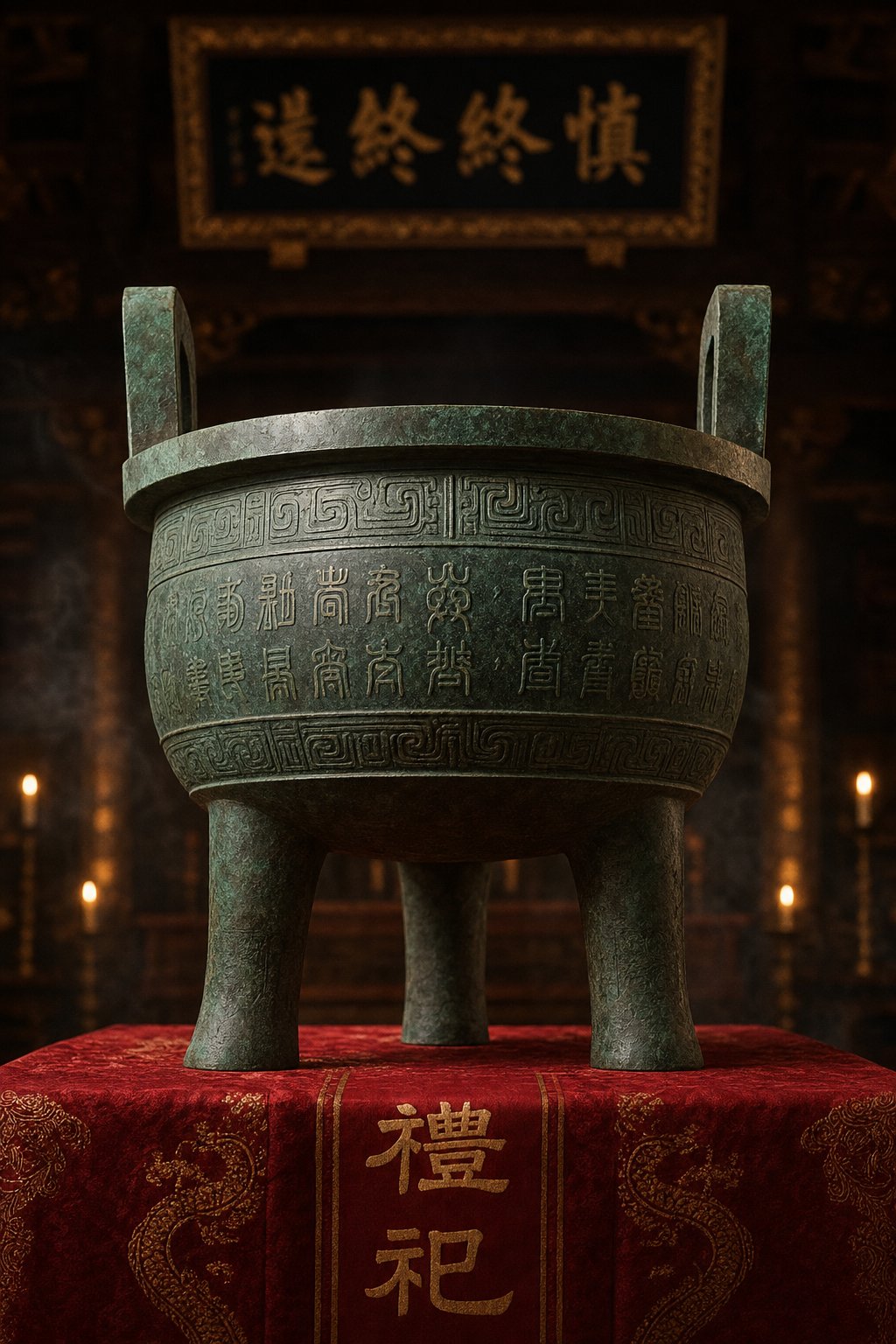
The left-side component is 奠 (dian), which serves as the phonetic element. But 奠 isn't just a sound marker. It carries its own meaning: "to establish," "to settle," or "to make ceremonial offerings." The character 奠 itself depicts the act of placing a ritual vessel on a flat surface, an image tied to formal ceremonies of founding and dedication. When ancient scribes created the character for the State of Zheng, they chose this phonetic deliberately. It evoked the act of establishing a new territory through proper ritual, exactly what Duke Huan of Zheng did when he founded his state under royal Zhou authority.
Together, these two components create a character that essentially reads: "the settlement that was formally established" or "the ritually founded city." This structure reveals that 鄭 was never an abstract concept. It was always a place name first, and a surname second.
Traditional Versus Simplified Forms
The traditional form 鄭 remains standard in Taiwan, Hong Kong, Macau, and most overseas Chinese communities that maintained pre-1950s writing conventions. You'll encounter it on historical documents, temple records, genealogy books, and official identification in these regions. The simplified form 郑, reduced to just 8 strokes, is the standard in Mainland China and Singapore.
How did 19 strokes become 8? The simplification process, formally adopted by the People's Republic of China in 1956, replaced the complex left component 奠 with a much simpler phonetic element 关 (guan). The right-side radical 阝 remained unchanged. This particular simplification falls under the category of replacing a complex phonetic part with a simpler alternative, one of nine official methods used in the PRC's character reform. The result preserved the place-name radical while sacrificing the etymological richness of the original phonetic.
Here's what that means practically:
| Feature | Traditional 鄭 | Simplified 郑 |
|---|---|---|
| Stroke count | 19 | 8 |
| Left component | 奠 (to establish, ceremonial offering) | 关 (simplified phonetic) |
| Right component | 阝 (city/settlement radical) | 阝 (city/settlement radical) |
| Regions of use | Taiwan, Hong Kong, Macau, historical texts | Mainland China, Singapore |
| Official documents | ROC passports, HK identity cards | PRC identity cards, passports |
The character's history stretches far deeper than the modern simplified/traditional split. Bronze inscriptions from the Zhou Dynasty period show early forms of 鄭 cast into ritual vessels, where the character already displayed its two-part structure of phonetic-plus-place-radical. Through the evolution from bronze script to seal script, then to clerical script and finally standard script (kaishu), the essential architecture remained consistent: a phonetic left side paired with the settlement radical on the right.
Both forms appear on legal documents worldwide. A person surnamed 鄭 in Taipei and a person surnamed 郑 in Shanghai share the same ancestral character, the same pronunciation, and the same lineage. The difference is purely orthographic, a product of 20th-century language policy rather than any divergence in family origin.
This structural DNA encoded in the character points directly to a specific historical moment: the founding of a Zhou Dynasty state in the 9th century BC. The character itself is a compressed origin story, one that unfolds fully when you trace it back to the kingdom it names.
Historical Origins in the Zhou Dynasty
Every surname has a birthday, and for the Zheng clan, that date is 806 BC. The zheng last name origin traces to a single political act by a Zhou king who wanted to reward his younger brother with land, a title, and a legacy that would outlast them both by nearly three thousand years.
King Xuan of Zhou and the Founding of Zheng State
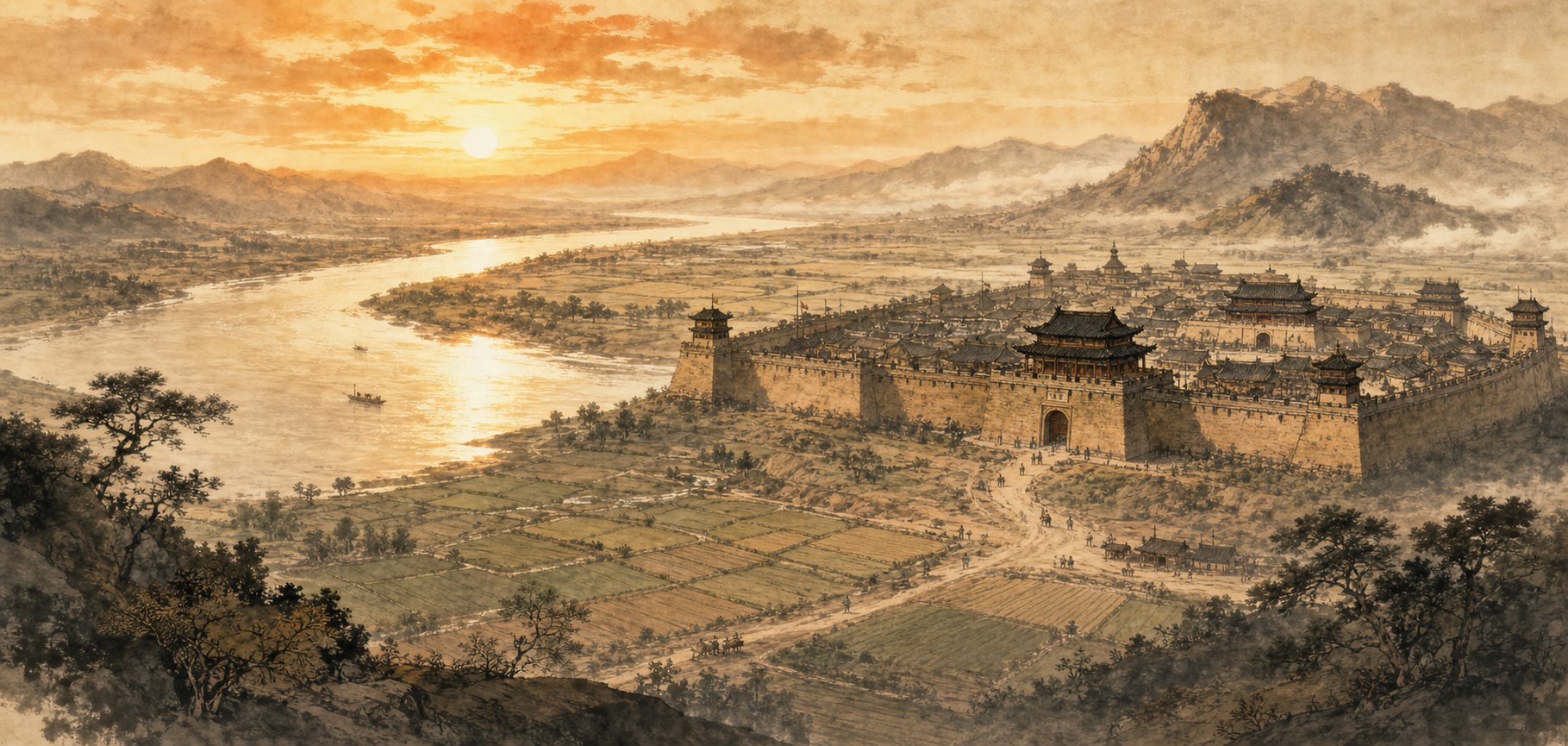
King Xuan of Zhou (周宣王, reigned approximately 827-782 BC), the penultimate king of the Western Zhou dynasty, enfeoffed his younger brother Prince You (王子友) as Duke of Zheng in 806 BC. The prince, known posthumously as Duke Huan of Zheng (郑桓公), received lands within the royal domain at a place called Zheng in present-day Hua County, Shaanxi province, along the Wei River east of Xi'an.
Here's the critical genealogical detail: Prince You bore the ancestral surname Ji (姬), the royal surname of the entire Zhou dynasty. This means the Zheng state was not founded by a general, a merchant, or a local chieftain. It was established by a direct member of the ruling royal family. Every person who later took the Zheng surname inherited, at least symbolically, a connection to Zhou royalty.
Duke Huan rose to serve as Situ (Minister of Education) under King You of Zhou, his nephew. When the Quanrong nomadic tribes sacked the Zhou capital Haojing in 771 BC, Duke Huan was killed alongside King You in the catastrophe that ended the Western Zhou period.
His son, Duke Wu (郑武公), survived and helped King Ping of Zhou establish the Eastern Zhou dynasty at Luoyang. Duke Wu then relocated the Zheng state eastward to a new capital in present-day Henan province. The new settlement was called Xinzheng (新郑), literally "New Zheng," a city that still exists today under the administration of Zhengzhou. This relocation placed the state at the geographic heart of ancient China, where it flourished as one of the most powerful early Spring and Autumn period kingdoms.
From State Name to Family Surname
For over four centuries, the State of Zheng operated as an independent duchy. Its rulers served as high ministers to the Zhou kings. Its merchants grew wealthy from inter-state commerce. Its statesman Zichan became famous for publishing China's first written legal code in 536 BC.
The end came in 375 BC during the Warring States period, when the State of Han conquered Zheng and absorbed its territory. Duke Kang of Zheng (郑康公), the last ruler, lost his throne after a zheng dynasty that had endured 431 years and produced 23 dukes.
What happened next created the surname as we know it. The royal descendants and citizens of the fallen state adopted 郑 as their family name to preserve their identity and honor their lost kingdom. This pattern, taking a state name as a surname after political collapse, was common in ancient China. But few surnames carry as direct a royal pedigree as Zheng.
The Hundred Family Surnames (百家姓), a Song Dynasty text compiled around 960 AD, lists Zheng in the 7th position. That early placement reflects the surname's prestige and widespread recognition even a thousand years after the state's fall. The city of Xingyang in Henan is traditionally considered the ancestral origin place for Zheng surname bearers, and the prominent Zheng clan of Xingyang (荥阳郑氏) maintained elite status well into the Tang dynasty, when they were counted among China's seven most powerful noble families.
Secondary Origin Accounts
The Zhou Dynasty royal lineage accounts for the vast majority of Zheng surname bearers, but alternative origin narratives exist. One traces certain Zheng families to the Shang dynasty, predating the Zhou founding entirely. In this account, a son of King Wu Ding (商王武丁, reigned approximately 1250-1192 BC) named Zi Dian (子奠) was associated with ceremonial wine offerings, and his descendants eventually adopted the Zheng name.
Another account involves citizens of the conquered Zheng state who fled southward to Hanzhong city in Shaanxi province, establishing a territory called "South Zheng" (南郑) and preserving the surname through geographic separation.
During later dynasties, various non-Han ethnic groups also adopted the Zheng surname through sinicization, intermarriage, or imperial decree. These secondary origins mean that not every Zheng family traces directly to Duke Huan's Ji bloodline, though the overwhelming majority share that connection.
Regardless of which specific branch a family belongs to, the surname itself always points back to the same geographic and political reality: a state in central China whose name became permanently fused to the identity of its people. That identity then scattered across East Asia as descendants migrated, carrying the character 郑 into dozens of dialect communities, each pronouncing and romanizing it differently.
Romanization Variants Across Dialects and Regions
The character 郑 traveled with millions of emigrants over centuries, but it didn't arrive in passport offices and immigration ledgers sounding the same everywhere. A family in Hong Kong, a family in Singapore, and a family in Seoul all share the same ancestral character, yet their surnames look completely different on paper. If your last name is Tay, Cheng, Jeong, or Trinh, you might not realize you share a common ancestor with someone named Zheng. Here's the complete map.
Romanization Variants by Dialect and Region
The table below covers every major romanization of 郑/鄭 you're likely to encounter, organized by the dialect or linguistic system that produced it:
| Romanization | Dialect / System | Region / Country | Notes |
|---|---|---|---|
| Zheng | Mandarin (Hanyu Pinyin) | Mainland China | Standard modern romanization; fourth tone (zheng4) |
| Cheng | Cantonese (common English spelling) | Hong Kong, Guangdong, Macau | Based on Jyutping "zeng6"; often appears as the surname Cheng in English contexts |
| Tay | Hokkien / Teochew | Singapore, Malaysia, Taiwan, Philippines | Reflects the vernacular Hokkien pronunciation "tīⁿ/tēⁿ"; most common spelling in Southeast Asian diaspora |
| Teh / Tee | Hokkien / Teochew | Malaysia, Singapore, Indonesia | Alternate romanizations of the same Hokkien sound; Tee also appears in Tagalog contexts |
| Cheang | Macanese Portuguese transliteration | Macau | Portuguese-influenced spelling from Macau's colonial period |
| Chang | Hakka | Taiwan, Guangdong, Southeast Asia | Hakka pronunciation "chhang" romanized without aspiration marker |
| Jeong / Jung / Chung | Korean (정/鄭) | South Korea | Revised Romanization "Jeong"; older McCune-Reischauer "Chŏng"; informal "Jung" or "Chung" |
| Tei / Jo | Japanese on'yomi readings | Japan | Kan-on reading "tei"; Go-on reading "jo"; used in Japanese names of Chinese origin |
| Trinh | Vietnamese (Sino-Vietnamese) | Vietnam | Written as Trịnh with falling tone diacritic; historically prominent surname |
| Tseng | Wade-Giles / older Mandarin romanization | Taiwan (older documents) | Based on the Wade-Giles system "cheng4"; sometimes confused with the surname 曾 |
You'll notice that the Hokkien-derived spellings (Tay, Teh, Tee) dominate in Southeast Asia, while the surname Cheng is the form most commonly encountered in Hong Kong and among Cantonese-speaking communities worldwide. The Korean variants alone produce three or four different English spellings depending on which romanization system was used when a family emigrated.
Why So Many Spellings Exist
Imagine a Hokkien-speaking merchant leaving Fujian for Singapore in the 1880s. When a British colonial clerk asked for his surname, the merchant didn't say "Zheng." He said something closer to "Tay" or "Teh," because that's how 鄭 sounds in his native dialect. The clerk wrote down what he heard, using English spelling conventions. That romanization then became the family's official surname for every generation that followed.
This process repeated across every port, every immigration office, and every colonial administration in Asia. The spelling that ended up on your family's documents depended on two factors:
- Which dialect your ancestors spoke. Cantonese, Hokkien, Teochew, Hakka, and Mandarin all pronounce 鄭 differently. A Cantonese speaker produces a sound closer to "zeng," which English ears interpret as "Cheng." A Hokkien speaker produces a nasalized vowel sound that gets written as "Tay" or "Teh."
- Which transliteration system the destination country used. British colonies favored phonetic English approximations. Portuguese Macau produced "Cheang." Korea developed its own Revised Romanization in 2000, converting older spellings like "Chung" into the now-standard "Jeong." Vietnam's quoc ngu script rendered the character as "Trinh" with specific tonal markers.
The result is that the cheng surname you see on a Hong Kong passport, the Tay on a Singaporean identity card, and the Jeong on a Korean family register all trace back to the same 鄭 character and the same Zhou Dynasty ancestor. None of these spellings is more "correct" than another. Each one is simply a snapshot of how a particular dialect community heard and recorded the same ancient sound.
This also explains a common point of confusion: the cheng family name in Cantonese-speaking regions can be mistaken for entirely different Chinese surnames like 程 (also romanized as Cheng in Mandarin) or 成. Context and the original Chinese character are the only reliable ways to distinguish them. If you know your family's character is 鄭, you share lineage with every other variant on the table above, regardless of how different the spellings look.
Understanding which romanization your family uses is more than a linguistic curiosity. It's a direct clue to where your ancestors lived, which dialect they spoke, and which migration route they followed out of China. That geographic trail becomes even clearer when you look at how the Zheng surname spread across the map over two millennia of migration.
How to Pronounce Zheng and Its Variants
Knowing the spelling variants is one thing. Saying them correctly is another challenge entirely, especially if you're an English speaker encountering the zheng pronunciation for the first time. The combination of "zh" followed by "eng" doesn't map neatly onto any common English word, which is why this surname gets mispronounced so often.
How to Say Zheng Correctly
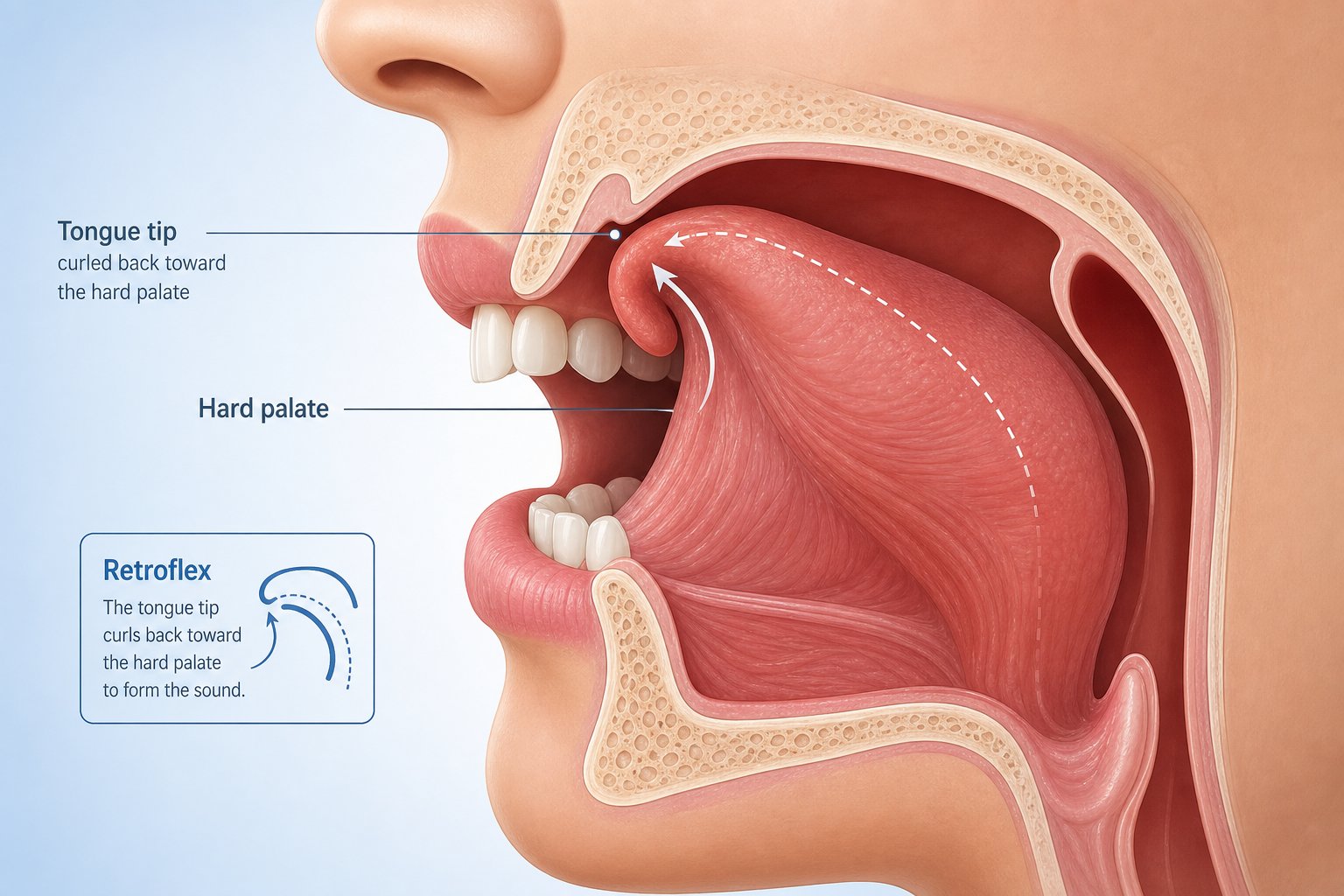
Here's how to pronounce zheng in Mandarin: start with the "zh" sound, which is a retroflex consonant. Think of the "j" in "judge," but curl your tongue tip back so it touches the roof of your mouth slightly further behind your teeth. It's not a "z" sound and it's not a soft "sh." It sits somewhere between the English "j" and "dr" sounds.
The vowel portion "eng" rhymes with the "ung" in "sung," but with a slightly more open mouth position. The IPA transcription is /ʈʂɤŋ/, produced in the fourth tone (a sharp, falling pitch from high to low, like saying a firm "no").
Common mispronunciations to avoid:
- "Zeng" (with a flat z) - this drops the retroflex curl entirely
- "Sheng" - this adds too much breath and loses the voiced quality
- "Jeng" - closer, but the tongue position is too far forward
If you've ever wondered how to zheng he pronounce correctly, the same "zh" applies. The famous Ming dynasty explorer's name uses the identical initial consonant: tongue curled back, a brief stop of air, then release. The surname sound in "Zheng He" is exactly the sound you need for the surname on its own.
Pronouncing Related Variants
When you meet someone whose surname is a different romanization of 鄭, the pronunciation shifts significantly:
- Cantonese "Cheng": Sounds close to English "jung" with a short "e" vowel, like saying "jeng" with a rising tone. It does not rhyme with the English name "Chang."
- Korean "Jeong": Pronounced with a soft "j" (unaspirated), followed by a vowel similar to "uh" blended with "oh." Think "jung" but softer and rounder. The romanization "Jung" and "Chung" represent the same Korean sound under older spelling systems.
- Vietnamese "Trinh": The "Tr" is pronounced as a retroflex sound (similar to the Mandarin "zh"), followed by "inh" with a falling-then-rising tone marked by the dot-below diacritic in Trinh. English speakers can approximate it as "tring" with a clipped ending.
Getting these sounds right matters beyond simple courtesy. For anyone researching the zheng he pronunciation in historical documentaries or academic contexts, the same retroflex "zh" appears consistently. Mastering that single consonant unlocks correct pronunciation across the entire surname family, from Mandarin Zheng to its closest phonetic cousins in neighboring languages.
Pronunciation tells you how a name sounds. Population data tells you where it lives, and the Zheng surname's geographic footprint stretches far beyond its Henan birthplace.
Population Distribution and Global Spread
A surname that started in a single river valley in Henan now spans six continents. The Zheng last name didn't spread gradually or evenly. It moved in waves, pushed by dynastic collapses, pulled by trade routes, and shaped by the specific dialect communities that carried it overseas. Understanding where Zheng families live today requires tracing those waves backward through nearly two thousand years of migration.
Population and Ranking Among Chinese Surnames
Within China, Zheng ranks as the 21st most common surname based on the 2020 national census data. It belongs to the second major group of ten surnames (positions 11-20+) that collectively account for more than 10% of the Chinese population. With China's population exceeding 1.4 billion, this ranking translates to tens of millions of bearers within the country alone.
The surname's density isn't uniform across China's provinces. You'll find the heaviest concentrations in:
- Fujian province - where Zheng ranked as the 4th most common surname in the city of Fuzhou, reflecting centuries of southward migration from Henan
- Zhejiang province - a coastal region with deep historical ties to Fujian's Zheng clans
- Guangdong province - the launching point for much of the overseas Cantonese-speaking diaspora
- Henan province - the ancestral homeland, where the cities of Xingyang and Xinzheng still carry the surname's geographic legacy
This southern coastal concentration is significant. It explains why the majority of overseas Zheng families speak Hokkien, Teochew, or Cantonese rather than Mandarin. The surname's center of gravity shifted south long before modern emigration began.
Migration Patterns and Global Diaspora
The chronological migration story unfolds in distinct phases, each driven by different historical pressures.
During the Tang Dynasty (618-907 AD), the Zheng clan of Xingyang was counted among China's seven most powerful noble families. Political upheaval at the end of the Tang period pushed many Zheng families southward into Jiangxi and Fujian provinces. The Southern Song period (1127-1279) accelerated this trend dramatically. When the Song court retreated south from the Jurchen invasion, entire populations followed, and Fujian became a major destination for northern Chinese families including the Zheng clan.
By the Ming Dynasty (1368-1644), Zheng families were firmly established along China's southeastern coast. The Ming and Qing dynasties saw the beginning of large-scale overseas emigration. Hokkien-speaking merchants from Fujian and Teochew-speaking traders from eastern Guangdong sailed to Southeast Asian ports, initially as seasonal traders and gradually as permanent settlers.
Research on Chinese diasporas in Southeast Asia identifies this process as spanning at least 18 centuries, with the most massive wave occurring after 1850. Chinese emigrants came to fulfill labor demands in the cash crop economies established by Western colonial powers, and many brought wives and settled permanently. The Zheng surname traveled with these waves, taking root wherever Hokkien and Teochew communities formed.
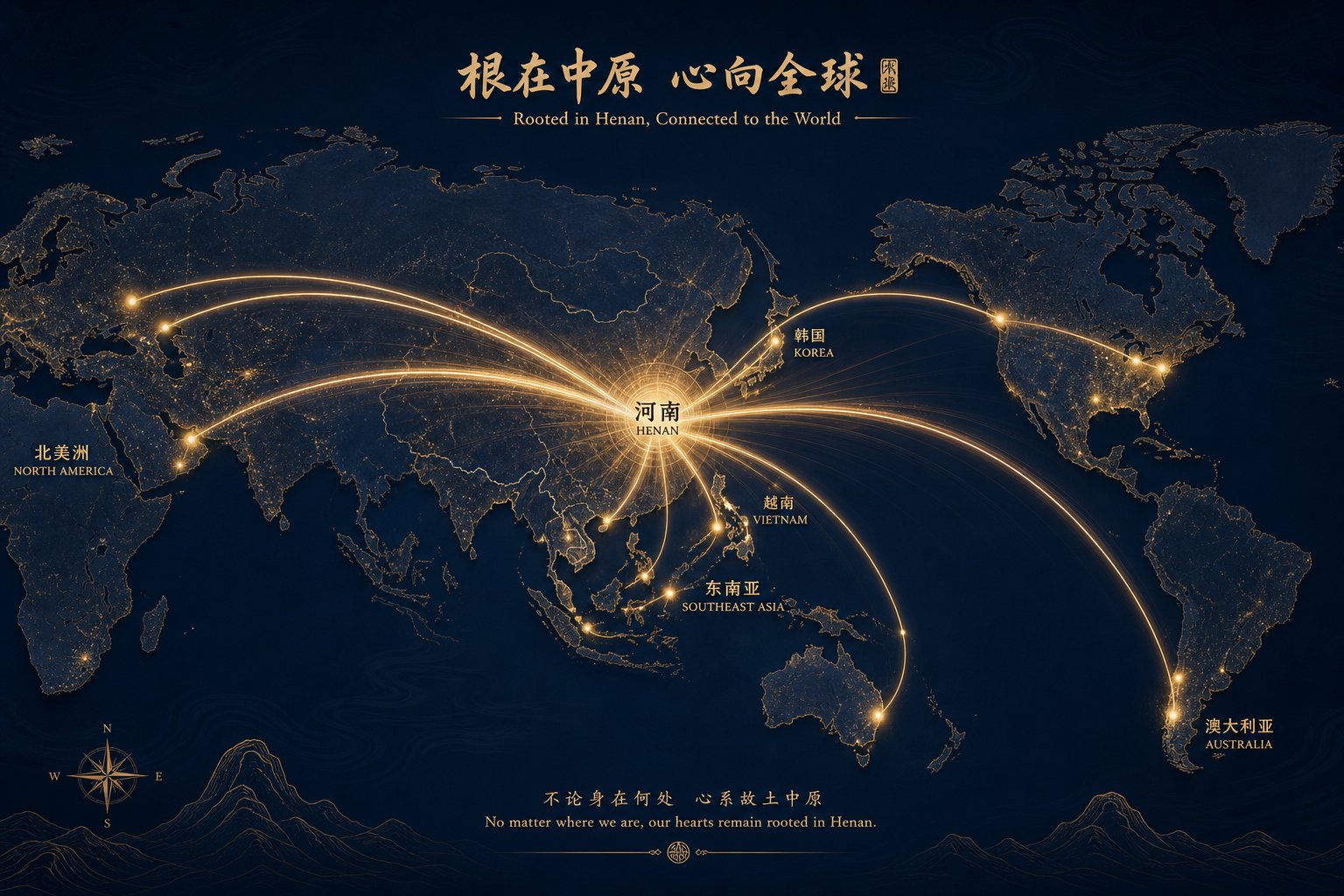
Here's where major Zheng diaspora communities exist today, along with the romanization variant most commonly used in each region:
- Singapore - predominantly spelled Tay (Hokkien pronunciation)
- Malaysia - spelled Tay, Teh, Tee, Cheng, or Cheang depending on dialect group; among malaysian surnames, these variants all trace to 鄭
- Philippines - spelled Ty or Tee (Hokkien-derived)
- Indonesia - spelled The or Teh (Hokkien/Hakka)
- Thailand - appears as Saetae or with prefixes like Te- and Techa-; among thai last names of Chinese origin, these forms reflect the Teochew pronunciation adapted into Thai naming conventions
- Hong Kong and Macau - spelled Cheng or Cheang (Cantonese)
- Taiwan - spelled Cheng or Zheng depending on romanization system used
- South Korea - spelled Jeong, Jung, or Chung (Korean reading of 鄭)
- Vietnam - spelled Trinh (Sino-Vietnamese reading)
- North America - mixed spellings reflecting the dialect of the immigrant generation; Cheng and Zheng most common
- Australia and New Zealand - predominantly Zheng (recent Mandarin-speaking immigrants) or Cheng (earlier Cantonese-speaking arrivals)
The Southeast Asian concentration is particularly striking. Of the roughly 40 million people of Chinese descent living in Southeast Asia today, a significant portion bear surnames derived from Hokkien and Teochew dialect pronunciations. The Zheng surname, rendered as Tay or Teh, is among the most recognizable Chinese-origin last names in Singapore and Malaysia.
Thailand presents a unique case. Chinese immigrants to Thailand, many of them Teochew speakers from eastern Guangdong, often adopted Thai-style surnames while preserving their Chinese surname as a prefix or embedded element. The result is that thai last names like Saetae (แซ่เตี้ย) directly encode the Teochew pronunciation of 鄭. King Taksin of the Thonburi Kingdom (1734-1782), whose Chinese surname was Zheng, illustrates how deeply this surname integrated into Thai royal history.
Modern migration patterns have added new layers. Since the 1980s, waves of Mandarin-speaking immigrants from Mainland China have brought the Pinyin spelling "Zheng" to North America, Europe, and Oceania, creating communities where the same surname appears in two or three different romanizations within a single city's phone directory.
This global scatter means the 鄭 character now exists within at least a dozen distinct national naming systems. But two of those systems, Korean and Vietnamese, deserve special attention. In both cultures, the character didn't just arrive with immigrants. It became woven into the fabric of local history, producing clan narratives and political dynasties entirely independent of the Chinese Zheng story.
Korean Jeong and Vietnamese Trinh Connections
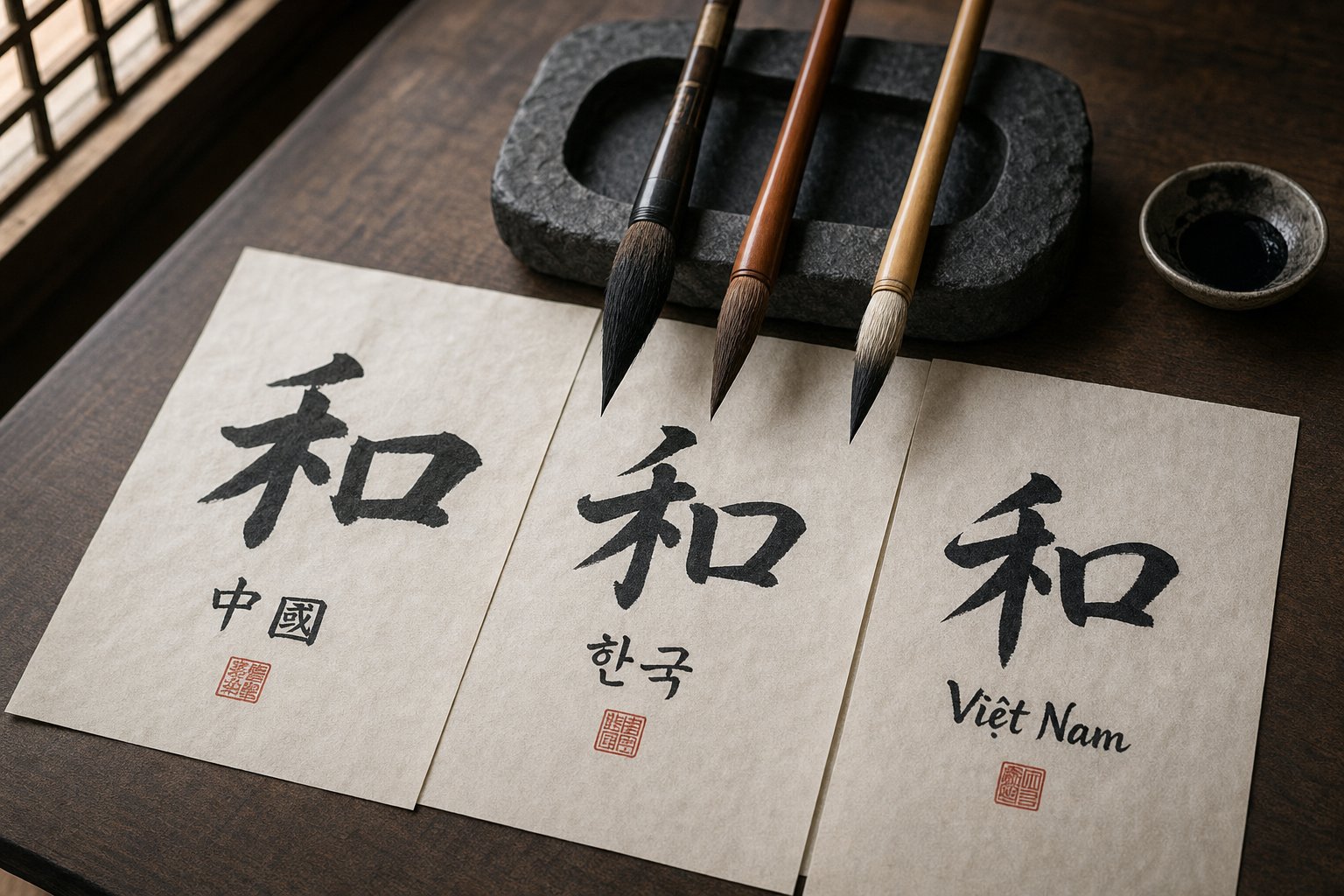
In Korea, the character 鄭 didn't just survive as an immigrant surname. It became one of the country's most powerful clan identities, with founding myths rooted in Korean soil rather than Chinese history. In Vietnam, it became the name of a ruling dynasty that controlled half a nation for over two centuries. These aren't footnotes to the Chinese Zheng story. They're parallel histories that grew from the same single character.
Jeong and Jung in Korean Culture
Is Chung a Korean last name? Yes, and it's far more common than most people realize. The character 鄭, written as 정 in Korean hangul and romanized as Jeong, Jung, or Chung depending on the system used, is the fifth most common Korean surname. Roughly 4.85% of South Korea's population carries this name, translating to over 2 million people. Only Kim, Lee, Park, and Choi rank higher.
The Chung family name in Korea isn't a single unified clan. Korean naming tradition organizes surname bearers into bon-gwan (본관), meaning ancestral seat or clan origin. Each bon-gwan represents a distinct lineage with its own founding ancestor and geographic base. For the 鄭 surname alone, Korean records document over 100 different clan seats, though a handful dominate in population.
The two largest are:
- Dongnae Jeong (동래 정씨) - the single largest 鄭 clan in Korea with approximately 442,000 members. This clan traces its lineage as a branch from the Gyeongju Jeong clan, with its ancestral seat in present-day Busan.
- Gyeongju Jeong (경주 정씨) - considered the "big house" (큰집) of the Korean Jeong surname, with roughly 303,000 members. The Gyeongju clan claims the oldest founding narrative among Korean 鄭 clans.
Other major clans include the Jinyang (Jinju) Jeong with about 238,000 members, the Yeonil Jeong with 216,000, and the Hadong Jeong with 158,000. Together, these five clans account for the majority of Korean 鄭 surname bearers.
Here's what makes the Korean story distinct from the Chinese one: while the character 鄭 is identical, most Korean Jeong clans trace their founding ancestors to figures within Korean history rather than directly to Duke Huan of Zheng. The Gyeongju Jeong clan, for example, claims descent from a progenitor who established the clan during the Silla Kingdom period. These are independent founding narratives that developed on Korean soil over more than a millennium.
Some clans do acknowledge Chinese origins. The Namu Wiki reference notes that the Seosan Jeong clan traces its ancestry to a figure who was exiled to Goryeo during the Southern Song Dynasty, and the Nanya (瑯耶) clan connects to a Ming Dynasty ancestor named Jeong Seongap (鄭先甲). But these are exceptions rather than the rule. For most Korean bearers, the Chung family name carries a distinctly Korean identity shaped by centuries of local clan development.
The romanization confusion adds another layer. Older Korean emigrants, particularly those who left before South Korea adopted the Revised Romanization system in 2000, typically spell their surname as Chung or Jung. Newer generations use Jeong. All three spellings represent the same Korean pronunciation of the same 鄭 character. If you meet someone named Chung, Jung, or Jeong, you're looking at the Korean branch of the same character tree that produces Zheng in Mandarin and Cheng in Cantonese.
Trinh in Vietnamese Heritage
Vietnam's relationship with the 鄭 character runs even deeper into political history. Trinh (Trịnh) isn't just a common Vietnamese surname. It's the name of a noble family that dominated northern Vietnam for over two hundred years.
The Trinh Lords (Chúa Trịnh) gained control of the regent position to the Later Le dynasty emperors in the middle of the 16th century. From that point forward, the successive Le monarchs were rulers in name only. Real power rested with the Trinh family, who governed northern Vietnam from the capital at Thang Long (modern Hanoi). Their authority lasted through much of the Later Le dynasty period (1428-1788), making them one of the longest-ruling political families in Vietnamese history.
The rivalry between the Trinh and the Nguyen families shaped Vietnam's geography for generations. From about 1600 onward, the Nguyen dynasty controlled the southern sections of the Vietnamese state. Open warfare between the two families raged from 1627 until 1673, when a de facto truce left the Trinh in control of everything north of a line just above Hue. The Nguyen, based in Hue, expanded southward into Cham and Cambodian territories. Despite the power held by both families, the Le emperors retained the formal status of sovereign.
If you're curious about the nguyen last name origin by comparison, the Nguyen dynasty's rise followed a parallel but competing path. Both the Trinh and Nguyen families derived their power from military service to the Le throne, then gradually eclipsed it. The Trinh held the north; the Nguyen held the south. This division persisted until the Tay Son brothers swept away Trinh power between 1771 and 1786.
The character 鄭 entered Vietnamese naming through centuries of Chinese cultural influence, particularly during the thousand-year period of Chinese imperial rule over Vietnam (111 BC to 938 AD). During this era, Chinese administrative systems, writing, and naming conventions became deeply embedded in Vietnamese elite culture. The Sino-Vietnamese reading of 鄭 became "Trinh" (written Trịnh with a falling tone diacritic), and it persisted as a Vietnamese surname long after political independence from China.
Today, Trịnh remains a recognizable Vietnamese surname, carrying historical weight similar to what "Tudor" or "Plantagenet" might evoke in English. Its bearers don't necessarily descend from the Trinh Lords, just as not every English person named King descends from royalty. But the association with political power gives the name a cultural resonance that goes beyond simple family identification.
The connecting thread across all these variants is the character itself. Whether you encounter Jeong on a Korean business card, Chung on an older Korean-American's driver's license, or Trịnh on a Vietnamese passport, you're seeing the same 鄭 expressed through different linguistic traditions. Each culture absorbed the character and built its own history around it, but the graphic root, the written symbol that started in a Zhou Dynasty bronze foundry, remains identical.
That shared character also carries shared cultural weight. In China, Korea, and Vietnam alike, the 鄭 surname is associated with governance, scholarship, and clan prestige, values that become even more visible when you examine the specific cultural traditions and famous figures attached to the name.
Cultural Significance and Clan Heritage
Governance, scholarship, and clan prestige aren't abstract associations for the Zheng surname. They're encoded in specific cultural institutions that families have maintained for centuries: ancestral hall names that identify your branch, and historical figures whose achievements elevated the surname's reputation across all of East Asia.
Clan Hall Names and Their Significance
In Chinese clan culture, a tanghao (堂号) is an ancestral hall name that identifies which branch of a surname you belong to. Think of it as a sub-address within the larger surname system. Two families might both be surnamed Zheng, but their tanghao tells you whether they trace to the same geographic branch or diverged centuries ago.
The most prominent tanghao for the Zheng clan is Xingyang (荥阳), referring to the city in Henan province where the Zheng state relocated during the Eastern Zhou period. This hall name is so central to Zheng identity that clan associations worldwide incorporate it directly into their official titles. In Singapore, for example, the Eng Yong Tong Tay Si Association (荥阳堂郑氏总会) carries the Xingyang tanghao in its name, declaring its members' connection to the ancestral homeland.
The origins of a tanghao typically come from place names, classical references, moral teachings, or the names of ancestors. For the Zheng clan, Xingyang functions as the primary geographic marker, but other hall names exist for specific sub-branches that split off during later dynasties. Each one represents a family's particular migration path from the original Henan heartland.
In Southeast Asian Chinese communities, tanghao plaques still hang above doorways as a visible declaration of lineage. Older generations in Singapore and Malaysia remember these plaques from kampong (village) homes, where they served to honor ancestors and unite relatives of the same clan. The tradition persists in modified form today, with some families displaying tanghao plaques on HDB flat doors or preserving them as family heirlooms. For Zheng families, seeing 荥阳 on a plaque immediately signals shared ancestry regardless of which dialect the family speaks or which romanization they use.
Notable Figures in Zheng Surname History
A surname's cultural weight comes partly from the people who carried it into history. The Zheng surname produced figures who shaped Chinese civilization across military, intellectual, and exploratory domains. Here are the most significant:
- Zheng Xuan (郑玄, 127-200 AD) - A Han dynasty Confucian scholar from Gaomi in modern Shandong province. Zheng Xuan reconciled the competing "old-text" and "new-text" schools of classical interpretation, producing commentaries on virtually all the Confucian Classics. His followers formed what became known as the "Zheng school" (郑学). His scholarly contribution was hardly matched by any contemporary, and his commentaries on the Book of Songs and the three ritual classics remain foundational texts studied today.
- Zheng He (郑和, 1371-1433) - The Ming dynasty maritime explorer who commanded seven massive naval expeditions across the Indian Ocean between 1405 and 1433. Where is Zheng He from? He was born in Kunyang, Yunnan province, into a Muslim family originally surnamed Ma. The Yongle Emperor bestowed the surname Zheng upon him as an honor. His treasure fleet, carrying up to 27,000 crew members on ships far larger than anything Europe produced at the time, reached East Africa, the Persian Gulf, and Southeast Asia. Zheng He became a symbol of China's capacity for peaceful maritime engagement and cross-cultural exchange, a legacy that still resonates in diplomatic rhetoric today.
- Zheng Chenggong (郑成功, 1624-1662) - Known in the West as Koxinga, he was born in Hirado, Japan, to a Japanese mother and a Chinese father who was a maritime adventurer in the Taiwan Strait. After the Manchu conquest of China, Zheng Chenggong refused to submit to the new Qing dynasty and built a powerful naval force along the Fujian coast. In 1661, he expelled the Dutch from Taiwan with a force of over 25,000 men, establishing Chinese governance on the island. He became a cultural hero to multiple political traditions: anti-Qing revolutionaries, Republican nationalists, and modern governments on both sides of the Taiwan Strait all claim him as a national figure.
- Zheng Jing (郑经, 1642-1681) - Son of Zheng Chenggong, he used the Taiwan base to sustain anti-Qing resistance for another twenty years after his father's death. Under his rule, Taiwan developed as an independent Chinese-governed territory with functioning civil administration, extending the Zheng family's political legacy across two generations.
The Zheng He symbol in Chinese culture extends beyond his historical voyages. His expeditions represent a narrative of exploration without colonization, of projecting power through trade and diplomacy rather than conquest. Modern China has invoked his legacy in naming naval vessels, establishing maritime museums, and framing foreign policy discourse. For Zheng surname bearers specifically, his fame adds a layer of recognition that few other surnames enjoy internationally.
Zheng Chenggong's story carries different but equally powerful cultural resonance. His refusal to surrender to the Qing, his dramatic recapture of Taiwan, and his premature death at age 37 created a figure who transcends ordinary historical memory. The Japanese playwright Chikamatsu Monzaemon made him the subject of a famous 1715 drama, The Battles of Coxinga, making Zheng Chenggong one of the few Chinese historical figures known by a Latinized name across multiple cultures.
Together, these figures illustrate something important about the Zheng surname's cultural position. It isn't associated with a single domain. Zheng Xuan represents intellectual mastery. Zheng He represents exploration and diplomacy. Zheng Chenggong represents military defiance and political loyalty. This breadth gives the surname a multidimensional prestige that reinforces its aristocratic Zhou Dynasty origins with centuries of demonstrated achievement.
Cultural prestige and historical figures tell you what the Zheng surname means collectively. But for individual families trying to trace their own roots, the most practical question is more personal: what does your specific spelling, your specific branch, reveal about where your ancestors actually came from?
What the Zheng Surname Reveals About Your Ancestry
Your family's spelling of 鄭 isn't random. It's a geographic fingerprint, a dialect recording, and a migration receipt all compressed into a few letters on a birth certificate. If you've ever wondered why your last name looks nothing like "Zheng" on paper, the answer is sitting in the specific romanization your ancestors carried out of China.
What Your Spelling Reveals About Your Ancestors
Each variant of the surname Zheng points to a specific dialect community and, by extension, a specific region of origin. Here's what your family's spelling likely tells you:
- Tay or Teh - Your ancestors almost certainly spoke Hokkien and emigrated from Fujian province or from an established Hokkien community in Southeast Asia. Singapore, Malaysia, and the Philippines are the most common destinations for this branch. If your family settled in Singapore, there's a good chance they were connected to the Tay clan association network that still operates there today.
- Cheng - The cheng last name origin points to Cantonese-speaking ancestors from Guangdong province, Hong Kong, or Macau. If your family arrived in North America before the mid-20th century, they likely came through networks connecting Guangdong's Pearl River Delta to port cities like San Francisco, Vancouver, or Sydney.
- Cheang - This spelling signals a connection to Macau's Portuguese colonial administration, where Cantonese sounds were filtered through Portuguese orthography. Your ancestors likely passed through or settled in Macau before moving elsewhere.
- Chang or Cang - Hakka-speaking ancestors, possibly from northeastern Guangdong, parts of Fujian, or Hakka communities in Taiwan and Southeast Asia.
- Jung, Chung, or Jeong - Korean heritage. Your family's specific spelling depends on when they emigrated and which romanization system was current at the time.
- Trinh - Vietnamese heritage, with the character 鄭 absorbed into Vietnamese naming traditions centuries ago.
As genealogy researchers note, figuring out which dialect your ancestor spoke is one of the most critical steps in Chinese family history research. The romanization on your documents is often the single best clue you have. A family surnamed Tay in Singapore and a family surnamed Cheng in San Francisco might never guess they share the same character, the same ancestral homeland in Henan, and the same royal Zhou lineage, but they do.
If your last name is Cheng and you've been unsure whether it connects to 鄭 or to a different character like 程 or 成, the answer usually lies in older family documents, tombstone inscriptions, or clan association records. The last name Cheng derived from 鄭 specifically indicates Cantonese pronunciation of the character that means "State of Zheng," not the homophone characters meaning "journey" or "accomplish."
Connecting to Your Aristocratic Zhou Dynasty Lineage
Regardless of which spelling sits on your passport, the genealogical conclusion is the same. The surname 鄭 traces to the Ji (姬) royal family of the Zhou Dynasty through Duke Huan of Zheng, a prince who received his title directly from a reigning king in 806 BC. That's not legend or folklore. It's documented in China's earliest historical records and confirmed by bronze inscriptions from the period.
Every bearer of the 鄭 character, whether spelled Zheng, Cheng, Tay, Teh, Jeong, Jung, Chung, or Trinh, shares a lineage tracing to the royal Ji family of the Zhou Dynasty, China's longest-ruling royal house. Your surname is not merely a family name. It is the name of a kingdom.
What does this aristocratic origin mean practically for modern genealogy research? It means your surname carries more traceable history than most. The Zheng clan of Xingyang maintained detailed genealogical records (族谱, zupu) across centuries, and many branches preserved these books through wars, migrations, and political upheavals. Clan associations in Singapore, Malaysia, Taiwan, and mainland China still hold copies. If you can identify your family's tanghao (堂号) or ancestral village, you may be able to connect your branch to records stretching back dozens of generations.
The zheng surname meaning, at its core, is a compressed inheritance. It tells you that your ancestors once belonged to a state founded by royalty, that they chose to carry that state's name as their identity after its fall, and that they carried it across oceans and centuries until it reached you. The spelling changed. The dialect shifted. The country on the passport is different. But the character, and the story it encodes, remains exactly what it was three thousand years ago: the name of a kingdom that refused to be forgotten.
Frequently Asked Questions About the Zheng Surname
1. What does the Chinese surname Zheng mean?
The surname Zheng (郑/鄭) means 'the State of Zheng,' referring to a feudal kingdom established during the Western Zhou Dynasty around 806 BC in present-day Henan province. The character combines the radical for city or settlement (邑) with a phonetic component (奠) meaning 'to establish' or 'to make ceremonial offerings,' reflecting the surname's origin as a place name tied to the formal founding of a royal territory by a Zhou prince named Ji You.
2. Are Cheng, Tay, Jeong, and Trinh the same surname as Zheng?
Yes, all of these spellings represent the same Chinese character 鄭. The differences arise from dialect pronunciation and regional transliteration systems. Cheng reflects Cantonese pronunciation used in Hong Kong, Tay and Teh come from Hokkien speakers in Southeast Asia, Jeong and Jung are Korean romanizations of the same character, and Trinh is the Vietnamese Sino-Vietnamese reading. Regardless of spelling, all bearers share the same ancestral character and Zhou Dynasty lineage.
3. How do you pronounce the surname Zheng correctly?
In Mandarin, Zheng is pronounced with a retroflex 'zh' sound, similar to the 'j' in 'judge' but with the tongue curled further back against the roof of the mouth. The vowel 'eng' rhymes with 'sung.' It is spoken in the fourth tone, meaning the pitch drops sharply from high to low. The IPA transcription is /ʈʂɤŋ/. Common errors include saying 'Zeng' without the retroflex or 'Sheng' with too much breath.
4. How common is the Zheng surname and where is it most concentrated?
Zheng ranks as the 21st most common surname in China based on 2020 census data, with tens of millions of bearers within the country. It is most heavily concentrated in Fujian, Zhejiang, Guangdong, and Henan provinces. Globally, the surname appears across Southeast Asia (as Tay or Teh), Hong Kong (as Cheng), South Korea (as Jeong, ranking 5th nationally with over 2 million bearers), and Vietnam (as Trinh), making it one of the most widespread East Asian surname families.
5. What is the historical origin of the Zheng surname?
The Zheng surname originated in 806 BC when King Xuan of Zhou enfeoffed his younger brother Ji You as Duke Huan of Zheng, granting him territory in present-day Shaanxi province. The state later relocated to Henan and thrived for over 400 years until its conquest by the State of Han in 375 BC. After the kingdom fell, its royal descendants and citizens adopted the state name as their family surname to preserve their identity, creating a direct lineage from the Ji royal family of the Zhou Dynasty.