What Chinese Anime Fans Call Your Favorite Characters
You scroll through fan art on Twitter, and the caption credits a character using a name you have never seen before. It is not the official Japanese name. It is not the English dub name either. It is a Chinese fan name, born inside communities on Bilibili and Weibo, and it has somehow traveled across language barriers into your feed.
What Are Anime Chinese Nicknames
Anime Chinese nicknames are informal, fan-created names that Chinese-speaking communities assign to anime characters. These nicknames in chinese online spaces rarely match official translations or the romanized names Western fans use. They emerge from wordplay, affection, inside jokes, and the unique structural possibilities of Chinese script. Think of them as a parallel naming layer, one shaped by tonal humor, visual puns, and platform-specific slang that evolves at internet speed.
Chinese nicknames function differently from typical asian nicknames you might encounter in other fan communities. They compress meaning into one or two characters, reference personality traits through homophones, or shorten multi-syllable Japanese names into punchy abbreviations. The result is a rich vocabulary that feels impenetrable at first glance but follows recognizable patterns once you know what to look for.
Why Global Fans Encounter Them
Chinese fan culture has grown into one of the largest anime communities worldwide. Research into online fandom in China highlights how ACG (Animation-Comics-Games) culture shaped Chinese fan participation from the late 1980s onward, creating deeply rooted communities with their own expressive traditions. As these communities produce fan art, subtitle commentary, and viral posts, their naming conventions travel with the content.
Chinese fan nicknames now appear routinely in fan art credits, Bilibili danmaku comments, and Weibo hashtags, making them nearly impossible for global fans to avoid even if they speak no Chinese at all.
You will spot a chinese fan name in cosplay tags, AMV descriptions, and merchandise listings from Chinese retailers. Understanding what these names mean, and why fans chose them, opens a window into an entire creative culture running parallel to the English-language fandom you already know.
The real question is not whether you will encounter these nicknames. It is whether you can decode them. That starts with understanding why Chinese fans create them in the first place.
Why Chinese Fans Nickname Characters Differently
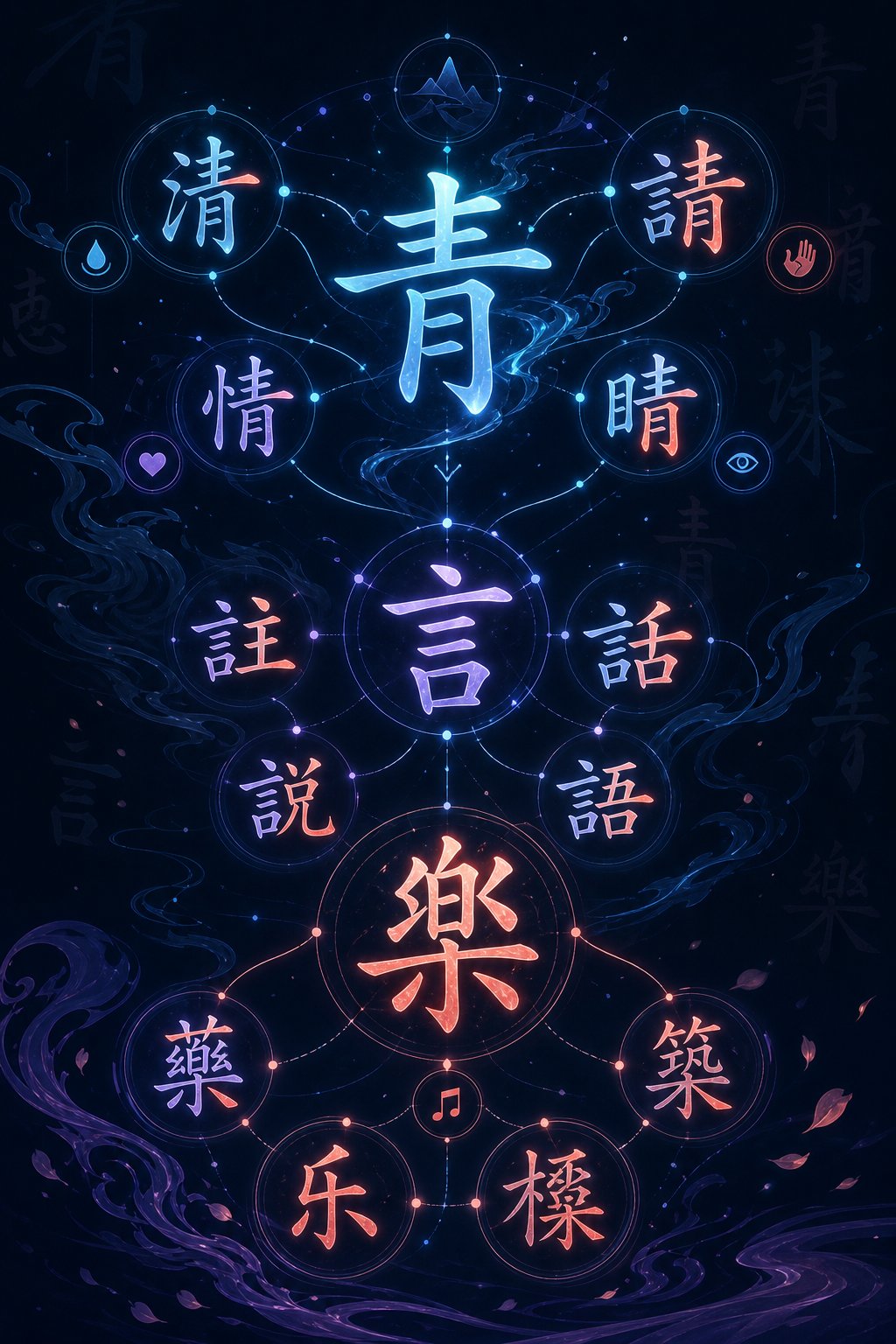
English-speaking fans shorten names or tack on suffixes. Japanese fans use honorifics and abbreviations. Chinese fans do something structurally different, and the reason sits inside the language itself. Mandarin's tonal system, its logographic writing, and its staggering number of homophones create a nickname playground that alphabetic languages simply cannot replicate.
How Tonal Language Shapes Nicknames
Mandarin uses four tones plus a neutral tone to distinguish meaning. A single syllable like "shi" can represent dozens of completely unrelated words depending on pitch. The Chinese writing system maps each tonal syllable to a distinct character, so fans can swap one tone for another and land on a word with an entirely different meaning while keeping the sound almost identical.
Imagine a character whose translated name sounds like a common Mandarin word for something funny or embarrassing. Fans latch onto that overlap instantly. A nickname in Mandarin can exploit tonal ambiguity to layer humor, affection, or mockery into a single syllable. Research on Chinese puns and wordplay notes that the Cihai dictionary lists 149 characters for the syllable "yi" alone, giving fans an enormous pool of homophonic substitutions to draw from. This is why a nickname mandarin speakers find hilarious can feel completely opaque to outsiders who only see the romanized pinyin.
Character-Based Writing and Visual Wordplay
So what is Chinese script called, exactly? The system is known as Hanzi, a logographic writing system where each symbol represents a word or morpheme rather than a sound. Unlike alphabetic scripts that string letters together phonetically, chinese name characters carry meaning in their visual structure. A single character can encode a concept that takes an entire English phrase to express.
This density is a gift for nickname creation. Fans can condense a character's personality, appearance, or story arc into one or two characters that simultaneously sound like the original name and describe a trait. When you use chinese letters for names in this way, you get compact labels that work on multiple levels at once: phonetic echo, visual reference, and semantic commentary packed into a tiny space. Alphabetic languages need far more syllables to achieve the same layered effect.
Visual wordplay goes even further. Some characters look similar on screen, differing by a single stroke. Fans swap these near-identical characters to create nicknames that read almost the same but carry a hidden joke. The football research published in Soccer & Society documents how Chinese fans turned the character for "king" (王) into "jade" (玉) by adding a single dot stroke, embedding a critique of a player's penalty-kick reliance into the visual shape of his nickname. Anime fans use the exact same technique.
Internet Slang Evolution in Chinese Fan Spaces
Chinese internet slang evolves through mechanisms that have no direct equivalent in English-language fandom. Homophonic numbers like "520" (sounds like "I love you" in Mandarin) and abbreviations built from pinyin initials create a shorthand layer that sits on top of the already dense character system. Fans remix these tools constantly, and anime nicknames absorb whatever slang pattern is trending at the moment.
Platform speed matters too. Bilibili's real-time danmaku comments reward brevity. Weibo's character limits push fans toward compressed expressions. The result is a nickname culture that prizes cleverness and economy, where a two-character label can reference a meme, a character trait, and a homophonic joke simultaneously.
Here are the key linguistic features that enable these unique nickname creation patterns:
- Tonal homophones - hundreds of characters share the same syllable, letting fans swap meanings while preserving sound
- Logographic density - a single character carries full semantic weight, compressing descriptions into minimal space
- Visual similarity between characters - one-stroke differences create subtle visual puns
- Pinyin initial abbreviations - first letters of romanized names become shorthand codes
- Numeral homophones - numbers that sound like words get folded into nicknames
- Rapid slang cycles - platform culture rewards novelty, so nicknames evolve and layer new references over time
These features do not exist in isolation. They stack. A single anime nickname might combine a tonal pun with a visual character swap and a trending internet phrase, creating something that feels like an inside joke wrapped in a linguistic puzzle. Understanding these building blocks is the first step toward recognizing the repeatable patterns fans use to construct nicknames across every anime series they watch.
Common Nickname Formation Patterns Explained
Those linguistic building blocks do not float around randomly. Chinese anime fans apply them through a handful of repeatable formulas, and once you recognize the structure, nicknames that looked like random characters suddenly snap into focus. Five core patterns account for the vast majority of fan nicknames you will encounter in the wild.
Diminutive Suffixes and Affectionate Forms
The fastest way Chinese fans signal affection for a character is by attaching a diminutive prefix. Two dominate: 小 (xiao, meaning "little") and 阿 (a, a casual greeting particle). Both function as Chinese prefixes that transform a formal name into something warm and approachable.
小 works by placing "little" before a surname or given name character. In everyday Mandarin, colleagues use it constantly: 小李 (Xiao Li) for a younger coworker named Li, 小王 (Xiao Wang) for someone named Wang. Anime fans apply the same logic. A character named Tanjirou might become 小炭 (Xiao Tan), pulling the first character of his translated name and softening it with the diminutive. The pattern signals that fans see the character as endearing, someone they feel close to despite the fictional barrier.
阿 carries a slightly different flavor. More common in southern Chinese dialects and Cantonese-speaking communities, it suggests familiarity built over time. As research on Chinese nickname culture notes, 阿 sometimes attaches to just one character of a multi-character name, signaling deeper intimacy through truncation. Anime fans in Hong Kong and Guangdong-based communities lean heavily on this prefix, producing nicknames like 阿五 (A Wu) for Gojo Satoru, where 五 (five) references the "go" sound in his surname.
Then there is reduplication, the doubling of a character to create a rhythmic, childlike sound. This pattern dominates cute chinese nicknames and chinese endearments in real life, where parents call children by doubled names like Mingming or Ranran. Fans borrow the same structure for beloved characters. A character whose translated name contains the character 善 (shan, meaning "good") might become 善善 (Shanshan) in affectionate fan posts. The doubled form feels inherently gentle, which is why you will rarely see it applied to villains. It mirrors how chinese nicknames for children work in family settings, carrying that same protective tenderness into fandom.
These affectionate forms also overlap with chinese couple nicknames and chinese nicknames for boyfriend usage in real relationships. Fans who "ship" two characters often apply the same diminutive patterns that real couples use, calling a favorite male character 小哥哥 (xiao gege, "little older brother") or using reduplication to soften his name the way someone might address a partner.
Initial Abbreviations and Shorthand
Speed drives this pattern. On Bilibili's scrolling danmaku comments, fans need to type fast. The solution: reduce a character's full translated name to its pinyin initials.
A character like Levi Ackerman, whose Chinese translation is 利威尔·阿克曼 (Liwei'er Akeman), becomes simply LWE or even just L in rapid comment threads. Gojo Satoru (五条悟, Wutiao Wu) gets compressed to WTW. These letter-based abbreviations function like insider codes. If you know, you know. If you do not, the context of surrounding comments usually reveals who is being discussed.
Initial abbreviations also serve a protective function. During periods when certain anime face content restrictions on Chinese platforms, fans use initials to discuss characters without triggering keyword filters. The abbreviation becomes both shorthand and camouflage.
Trait-Based Descriptors and Homophone Wordplay
This is where nicknames get creative. Instead of modifying the character's actual name, fans replace it entirely with a descriptor based on appearance, personality, or a signature moment.
Trait-based nicknames pull from physical features or story roles. A white-haired character might earn the label 白毛 (bai mao, "white hair"). A character known for crying becomes 爱哭鬼 (ai ku gui, "crybaby ghost"). These descriptors work because Chinese characters pack meaning so densely. Two characters can capture what English needs an entire phrase to express.
Homophone substitution adds another layer. Fans find a character whose name sounds like an everyday word and lean into the coincidence. If a character's translated name contains the syllable "gui," fans might write 龟 (gui, "turtle") instead of the intended character, turning the name into a visual joke. The pronunciation stays identical, but the meaning shifts to something humorous or affectionate depending on context.
The table below organizes these patterns so you can spot them independently:
| Pattern Type | Chinese Structure | Example | Meaning |
|---|---|---|---|
| Diminutive prefix (小) | 小 + name character | 小炭 (Xiao Tan) | "Little Tan" - affectionate shortening |
| Diminutive prefix (阿) | 阿 + name character | 阿五 (A Wu) | Casual, familiar address using sound reference |
| Reduplication | Character + same character | 善善 (Shanshan) | Doubled name for warmth and cuteness |
| Pinyin initials | First letters of translated name | WTW (五条悟) | Speed abbreviation for fast-paced comments |
| Trait descriptor | Appearance/personality word | 白毛 (Bai Mao) | "White hair" - physical feature label |
| Homophone swap | Same-sound, different character | 龟 replacing 归 | Sound-alike substitution for humor |
Each pattern serves a different emotional register. Diminutives and reduplication express love. Initials prioritize speed and discretion. Trait descriptors highlight what fans find most memorable. Homophone swaps inject humor. A single character might accumulate nicknames from every category over time, each one reflecting a different facet of how the community relates to them.
Recognizing these formulas is one thing. Seeing them applied to specific characters from series you actually watch makes the system click in a way that abstract patterns cannot. The nicknames fans choose also reveal something deeper: whether a character is loved, mocked, feared, or treated like a running joke.
Popular Chinese Nicknames for Anime Characters
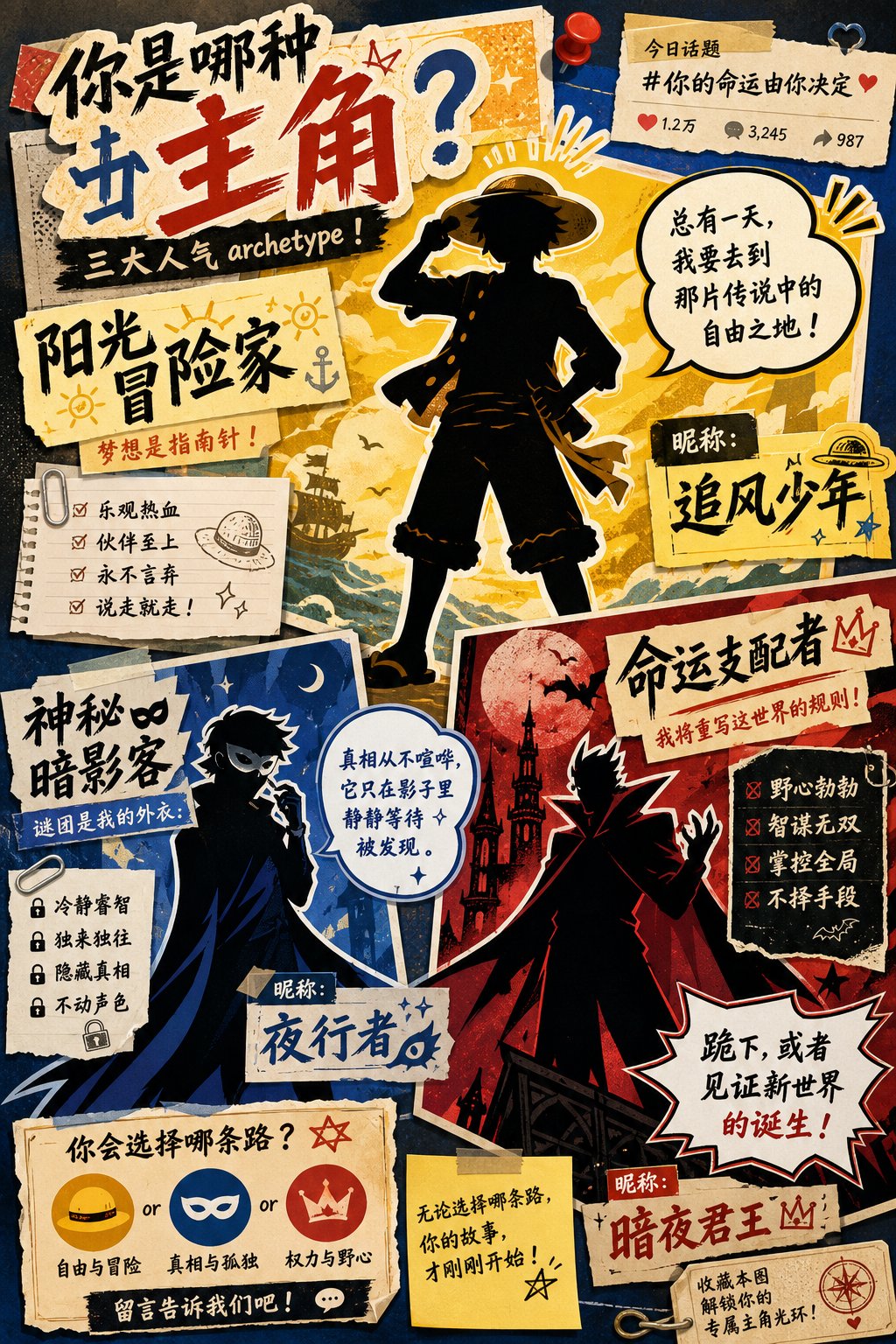
Patterns make sense in the abstract, but they click when you see them attached to characters you already know. Fan sentiment drives which pattern gets applied. A beloved hero earns a warm diminutive. A villain gets a mocking descriptor. A comedic character collects funny chinese nicknames that highlight whatever trait makes fans laugh hardest. The naming choice itself tells you how the Chinese fandom feels about that character.
Nicknames for Beloved Protagonists
Characters fans adore tend to receive affectionate shortenings or respectful titles. The goal is closeness, making a fictional character feel like someone in your circle. You will notice diminutive prefixes and trait-based labels that emphasize what fans love most about these characters.
| Character | Chinese Nickname | Pinyin | Why Fans Use It |
|---|---|---|---|
| Nezuko (Demon Slayer) | 豆子 | Douzi | "Bean" - shortened from her full name 祢豆子, emphasizing her small and precious nature |
| Tanjirou (Demon Slayer) | 小炭 | Xiao Tan | "Little Charcoal" - diminutive prefix on the first character of his name, signaling warmth |
| Luffy (One Piece) | 草帽 | Cao Mao | "Straw Hat" - his iconic accessory becomes his identity, instantly recognizable |
| Gojo Satoru (Jujutsu Kaisen) | 五条老师 | Wutiao Laoshi | "Teacher Gojo" - respectful title reflecting his mentor role and fan admiration |
Notice how each nickname compresses affection into minimal characters. 豆子 is just two characters but carries the same warmth as calling someone "sweetie" in English. These cool chinese nicknames work because they balance familiarity with respect, never crossing into mockery.
How Fans Name Villains and Rivals
Villains receive a completely different treatment. Their nicknames lean on trait descriptors, often mocking or ironic, that reduce a threatening character to something absurd or dismissive. The emotional register shifts from warmth to sharp humor.
| Character | Chinese Nickname | Pinyin | Why Fans Use It |
|---|---|---|---|
| Muzan (Demon Slayer) | 舞王 | Wu Wang | "Dance King" - mocking reference to his appearance and a viral meme comparing him to Michael Jackson |
| Doflamingo (One Piece) | 明哥 | Ming Ge | "Brother Ming" - pulled from his translated name, the casual "brother" title is ironic for a tyrant |
| Zeke/Beast Titan (Attack on Titan) | 猴子 | Houzi | "Monkey" - blunt visual descriptor of his titan form, stripping away any intimidation |
The pattern is clear. Fans deflate villain status through humor. Calling the most powerful demon in existence "Dance King" is a deliberate power inversion. These funny names in chinese fandom serve the same function as English fans calling a villain by a silly abbreviation, except the Chinese versions pack the joke into fewer characters.
Comedic Side Character Nicknames
Characters known for running gags accumulate nicknames that immortalize their most ridiculous moments. These labels often replace the character's actual name entirely in casual discussion.
| Character | Chinese Nickname | Pinyin | Why Fans Use It |
|---|---|---|---|
| Inosuke (Demon Slayer) | 猪头 | Zhu Tou | "Pig Head" - direct reference to his boar mask, doubling as a playful insult |
| Zoro (One Piece) | 路痴 | Lu Chi | "Direction Idiot" - immortalizes his infamous inability to navigate anywhere correctly |
| Chopper (One Piece) | 棉花糖 | Mianhua Tang | "Cotton Candy" - his round, fluffy appearance reduced to a snack reference |
| Levi (Attack on Titan) | 兵长 | Bing Zhang | "Captain" - his military title used affectionately, often paired with jokes about his height |
When you see these chinese nicknames in english fan spaces, they often appear as direct translations: "Pig Head," "Cotton Candy," "Direction Idiot." The humor translates surprisingly well because the underlying joke is visual or behavioral rather than linguistic. That said, some nicknames only land if you understand the homophonic layer underneath, which is where platform context becomes essential.
Fan sentiment is not static either. A character's nickname can shift as a series progresses. A protagonist who turns morally gray might lose their affectionate diminutive and gain a mocking descriptor instead. This fluidity means the same character can carry different nicknames depending on which arc fans are discussing, and whether the nickname originated on Bilibili, Weibo, or Douban matters more than you might expect.
Donghua Nicknames vs Japanese Anime Character Names
That fluidity in naming gets even more interesting when you compare how Chinese fans treat characters who already have Chinese names versus characters whose names must be translated first. Donghua characters and Japanese anime characters enter the nicknaming process from completely different starting points, and the results reflect that gap.
Donghua Characters and Native Chinese Naming
Characters from Chinese animation, or donghua, already carry names written in Chinese characters with built-in tonal meaning, cultural references, and visual wordplay baked into their original design. When fans nickname these characters, they are modifying something that already lives natively in their language rather than translating foreign sounds into Chinese script.
Take Link Click as an example. The protagonist's full name is 程小时 (Cheng Xiaoshi), a name that already contains the diminutive character 小 (xiao, "little") and carries layered meaning: 小时 also means "hour," connecting directly to his time-travel abilities. The Cheng Xiaoshi Chinese name gives fans a rich foundation to work with. They shorten it to 小时 (Xiaoshi) or simply 程程 (Chengcheng) using reduplication, both of which preserve the original wordplay the creators intended. The nicknaming process here is subtraction and rearrangement rather than translation.
Scissor Seven follows a similar pattern. The protagonist 柒 (Qi, meaning "seven") already has a single-character name that doubles as a number reference. Fans play with this by calling him 小七 (Xiao Qi, "Little Seven") or combining his name with trait descriptors like 鸡大保的剪刀 ("Chicken Dabao's scissors"). Every layer of the joke works because the original name was designed for Chinese linguistic play from the start.
Wuxia and jianghu-themed donghua add another dimension entirely. Series set in martial arts worlds draw from a naming tradition rooted in classical Chinese literature, where cool chinese names jianghu style carry weight and history. Characters might have a formal name, a courtesy name, a sect title, and a jianghu alias, giving fans four or five entry points for nickname creation. A character known as 无名 (Wuming, "Nameless") in a jianghu setting might get nicknamed by fans using their sect affiliation, their weapon, or a pivotal scene, all without ever needing to leave the Chinese linguistic ecosystem.
This is also where chinese fantasy names shine. Donghua set in xianxia or xuanhuan worlds feature characters with names built from classical Chinese compounds that evoke celestial imagery, elemental forces, or philosophical concepts. Fans who enjoy creating their own original characters in these settings sometimes turn to a chinese name generator fantasy tool for inspiration, but the naming logic mirrors what donghua creators already do: stack meaningful characters that sound elegant and carry layered symbolism.
Japanese Anime Names Through Chinese Fan Lenses
Japanese anime characters face a fundamentally different journey. Their names start in Japanese, get officially translated into Chinese characters (often using phonetic approximation rather than meaning-based translation), and only then enter the fan nicknaming process. This extra step creates distance between the character's original name and what Chinese fans ultimately call them.
Consider how this works in practice. A Japanese name like Itadori Yuji gets translated as 虎杖悠仁 (Huzhang Youren), where the characters were chosen primarily to approximate the Japanese pronunciation while maintaining some visual coherence. Fans then nickname him 虎杖 (Huzhang) or 小虎 (Xiao Hu, "Little Tiger"), pulling from the translated characters rather than the original Japanese sounds. The nickname references a meaning that exists only in the Chinese translation layer, not in the original Japanese intent.
This translation-then-nicknaming pipeline means Japanese anime characters often accumulate nicknames that would confuse Japanese fans completely. The Chinese nickname references something in the translated characters that has no connection to what the Japanese creator intended. It is a creative reinterpretation rather than a simple shortening.
Here are the key differences between the two nickname creation approaches:
- Starting material - Donghua names are natively Chinese with intentional wordplay; Japanese names are phonetic translations that may introduce unintended meanings
- Cultural depth - Donghua nicknames can reference wuxia traditions, classical poetry, and jianghu conventions; Japanese anime nicknames draw from modern internet slang and translation artifacts
- Layers of modification - Donghua names get shortened or rearranged; Japanese names get translated, then shortened, then modified, adding an extra creative step
- Fan intent - Donghua fans often preserve the creator's wordplay; Japanese anime fans build entirely new associations from the translated characters
- Naming conventions - Jianghu-themed donghua inspire formal title-based nicknames; Japanese anime inspires casual, meme-driven labels
The distinction matters because it shapes how nicknames spread. Donghua character nicknames tend to be more stable since they build on intentional design. Japanese anime character nicknames shift faster, driven by whatever meaning Chinese fans extract from the translation layer and whatever meme cycle is active on a given platform. And those platforms, it turns out, shape nickname culture just as powerfully as the language itself.
Platform-Specific Nickname Culture on Bilibili Weibo and Douban
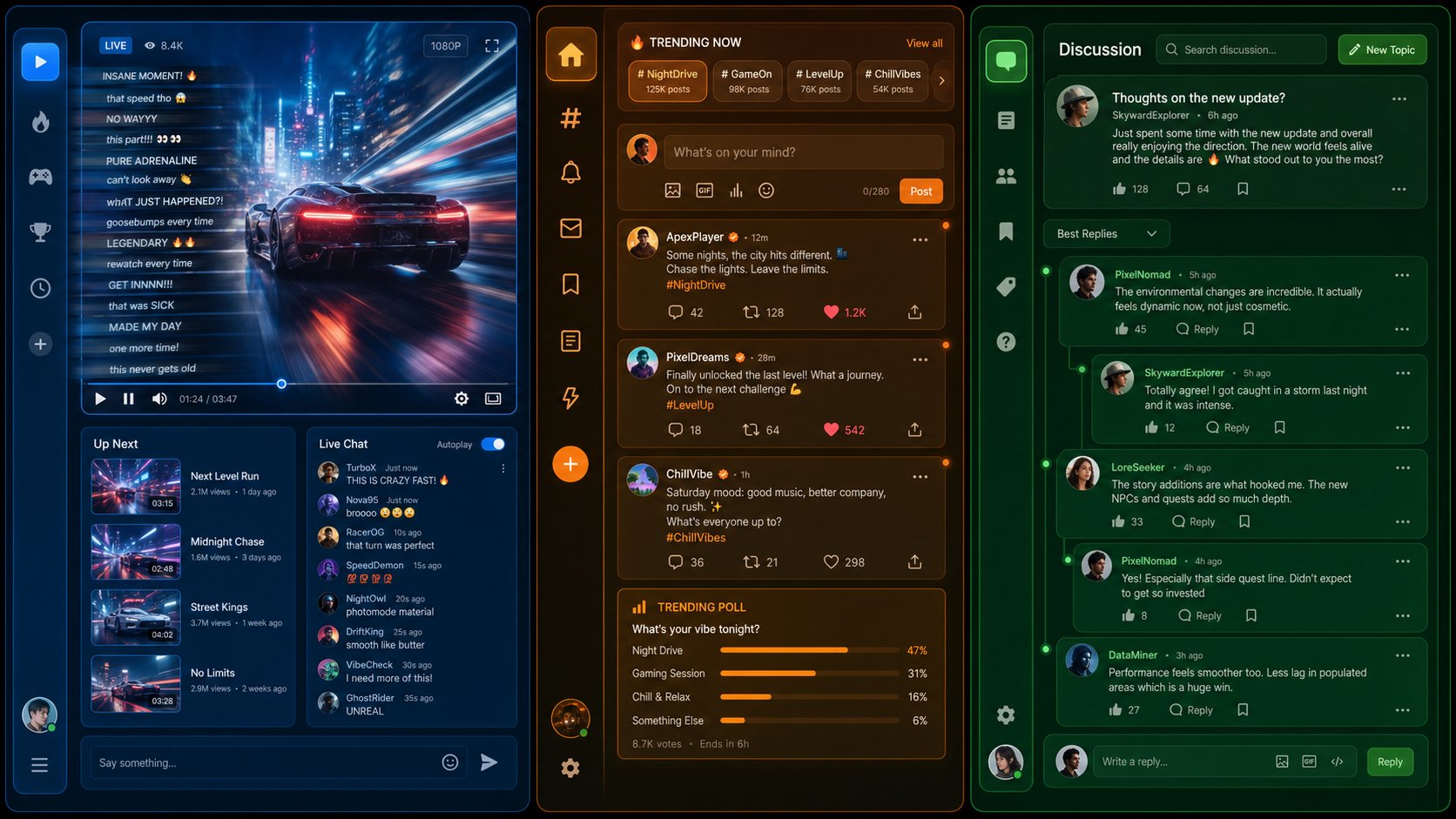
Each platform rewards a different kind of expression, and the nicknames fans use shift accordingly. A two-character abbreviation that flies across a Bilibili video would feel out of place in a Douban essay. A Weibo hashtag nickname needs to be searchable. These constraints are not minor details. They actively shape which nicknames survive and spread.
Bilibili Comment Culture and Speed Nicknames
Bilibili's signature feature is danmaku, the bullet comments that scroll across videos in real time. Individual comments rarely exceed a dozen characters, so fans rely on ultra-compressed nicknames to reference characters at speed. Pinyin initials, single-character abbreviations, and trait labels dominate here because they can be typed in a split second and still be recognized by anyone watching the same scene.
The platform's community also self-selects for fluency in these codes. Bilibili requires new users to pass a registration exam covering anime trivia and comment etiquette before they can post. That gatekeeping creates a shared vocabulary where abbreviated chinese usernames and character nicknames function as insider shorthand. If you see "WTW" flash across a Jujutsu Kaisen clip, every registered viewer already knows it means Gojo Satoru.
Weibo Hashtag Naming Conventions
Weibo operates on different logic. Its hashtag system, including the dedicated fan communities called Chaohuas (super topics), requires nicknames that are concise yet searchable. A nickname only gains traction on Weibo if other fans can find it through search, which means it needs to be distinctive enough to avoid collision with unrelated topics but short enough to fit naturally into a hashtag.
This pushes Weibo nicknames toward two-to-three character combinations that balance recognizability with uniqueness. A chinese username on Weibo fan pages often doubles as a searchable tag, so fans converge on a single consensus nickname rather than the dozens of variants that coexist on Bilibili. The platform's trending mechanics reward consistency over creativity.
Douban Discussion Group Naming Styles
Douban is the slowest of the three. Its long-form discussion groups encourage elaborate posts where fans analyze characters in depth. Nicknames here tend to be more descriptive, sometimes running three or four characters, because the format allows space for explanation. Fans use full trait-based descriptors or even ironic titles that would be too long for a danmaku comment but work perfectly in a paragraph-length review.
Chinese display names on Douban discussion threads often include context that Bilibili abbreviations strip away. A character might be called by their full translated title plus a descriptor, giving newcomers enough information to follow the conversation without needing prior knowledge of the shorthand.
| Platform | Nickname Style | Character Limit Impact | Example Usage |
|---|---|---|---|
| Bilibili | Ultra-short abbreviations, pinyin initials, single-character labels | Danmaku scrolls fast; anything over 3-4 characters gets lost | WTW, 小炭, 猴子 flying across a video frame |
| Consensus two-to-three character nicknames optimized for search | Hashtags need to be findable; uniqueness matters more than brevity | #五条老师# as a searchable super topic tag | |
| Douban | Descriptive multi-character nicknames, ironic titles, full trait labels | Long-form posts allow explanation; no pressure for compression | "那个永远迷路的剑士" (that swordsman who is always lost) in a discussion thread |
The platform where you first encounter a nickname tells you something about its DNA. A clipped abbreviation probably originated in Bilibili's danmaku stream. A polished two-character label likely solidified through Weibo hashtag consensus. A longer, more playful descriptor probably grew out of a Douban discussion thread where someone had room to be clever. Knowing the source helps you gauge how widely recognized a nickname is and whether it carries affection, irony, or something else entirely, which matters when you try to decode an unfamiliar one on your own.
How to Decode Chinese Anime Nicknames on Your Own
Knowing where a nickname came from is useful, but what do you actually do when you encounter an unfamiliar chinese nickname in a comment section and have zero context? You need a repeatable method, a mental checklist you can run through in seconds to narrow down what a nickname in chinese fan spaces is referencing.
Step-by-Step Nickname Decoding Method
Think of this as a decision tree. Each step either gives you the answer or eliminates a category, pushing you closer to the meaning. When you spot an unknown nickname chinese fans are using, run through these checks in order:
- Check if it is a pinyin abbreviation. Is the nickname entirely uppercase Latin letters like WTW or LWE? If yes, try mapping each letter to the first syllable of a character's translated Chinese name. Cross-reference with the anime being discussed to confirm.
- Look for diminutive prefixes or reduplication. Does it start with 小 (xiao) or 阿 (a)? Is it a single character repeated twice? If so, the core name character sits right after the prefix or is the repeated character itself. Search that character against the cast list.
- Test for trait-based descriptors. Does the nickname describe a physical feature, personality quirk, or iconic object? Terms like 白毛 (white hair), 草帽 (straw hat), or 路痴 (direction idiot) point directly to a character's most recognizable trait. Think about which character in the series matches that description.
- Check for homophone wordplay. If the characters do not seem to describe anyone literally, try reading them aloud in Mandarin. The pronunciation might echo a character's actual translated name with a humorous substitution. Chinese internet culture relies heavily on homophones, where identical sounds carry completely different meanings depending on which character is written.
- Look for number codes. If the nickname contains digits, they might represent sounds. Numbers like 5 (wu), 7 (qi), or 9 (jiu) frequently substitute for characters that share those pronunciations.
Most nicknames resolve by step two or three. Homophone wordplay is the trickiest category because it requires some Mandarin pronunciation knowledge, but even there, context usually narrows the options.
Context Clues That Reveal Nickname Meanings
You rarely encounter a nickname in complete isolation. Surrounding content almost always provides hints. Fan art makes the connection visual. Comment threads mention plot points that narrow down which character is being discussed. Timestamps on video comments align with specific scenes.
On Bilibili, danmaku comments appear at the exact moment a character is on screen. If an unfamiliar nickname floods the right side of the video at the same time a specific character appears, you have your answer without needing to decode the language at all.
Other context clues worth watching for:
- Emoji patterns - fans pair specific emoji with specific characters consistently (butterfly emoji for Shinobu, fire emoji for Rengoku)
- Hashtag neighbors - on Weibo, the tags surrounding an unfamiliar nickname often include the series title or a more recognizable character name
- Fan art tags - artists typically tag both the official name and the fan nickname, giving you a direct translation pair
- Reply chains - if someone uses a nickname and another person responds with a scene reference, that scene tells you who is being discussed
The decoding process gets faster with practice. After identifying a few nicknames manually, you start recognizing the structural patterns on sight. A 小-prefix nickname registers as affectionate before you even look up the specific character. A mocking trait descriptor signals a villain or comedic target instantly. The framework becomes intuitive rather than mechanical, which is exactly what you need when navigating fan spaces where these names carry social weight and using them incorrectly can land differently than you intend.
Fandom Etiquette for Using Chinese Anime Nicknames
Decoding a nickname is one skill. Knowing when and how to use it in your own posts is another entirely. Chinese fan nicknames carry emotional weight that is not always visible to outsiders, and dropping one into an English-language discussion without understanding its register can send a message you did not intend.
Using Chinese Nicknames in English Fan Spaces
When you use a Chinese fan nickname in an English thread, you are signaling familiarity with a specific community's culture. That signal works in your favor when the nickname is affectionate and widely recognized. Calling Nezuko "Douzi" in a fan art comment shows cross-cultural awareness. But using a mocking villain nickname casually, without flagging that it is satirical, can read as genuine disrespect toward the character or the fans who love them.
Credit matters too. If you learned a nickname from a Chinese fan's post, a Bilibili subtitle, or a Weibo thread, acknowledging that origin builds goodwill. You do not need a formal citation. A simple "Chinese fans call him X because..." gives context and respects the creative community that coined the term.
Research from UCLA's Languaged Life project found that negative fandom words in Chinese online spaces are considered even more vicious than standard swears, despite appearing casual to outsiders. A nickname that looks playful in romanized pinyin might carry aggressive connotations within the community that created it. If you cannot verify whether a nickname is affectionate or hostile, default to the character's official translated name until you can confirm.
Gaming Usernames and Social Media Display Names
Anime fan nicknames frequently cross over into gaming profiles. Every chinese gamer community has its own naming conventions, and anime-inspired chinese gamertags are common across competitive titles. You will see players using chinese names for games like League of Legends, Valorant, and Roblox that reference favorite characters through the same patterns covered earlier: diminutives, trait descriptors, and homophone wordplay.
Choosing a league of legends chinese name or valorant chinese name based on an anime character works well when you understand what the characters actually say. A two-character nickname that means "Little Phoenix" reads very differently from one that accidentally means something crude due to a tonal mix-up. If you are browsing roblox chinese display name ideas or picking a chinese roblox name inspired by anime, double-check the characters using a dictionary tool rather than copying text you cannot read.
The same principle applies to social media display names. A nickname that works as an inside joke among fans who share context can confuse or alienate followers who do not. Keep your audience in mind.
Avoiding Unintentional Disrespect
The line between affectionate and mocking is not always obvious from the outside. Reduplication and diminutive prefixes almost always signal warmth. Trait descriptors can go either way. Homophone substitutions are the riskiest category because the humor often depends on cultural context that does not translate.
Here is a quick-reference list to keep you on solid ground:
- Do use widely recognized affectionate nicknames (diminutives, reduplications) when discussing characters you genuinely like
- Do provide context or a brief explanation when introducing a Chinese nickname to an English-speaking audience
- Do credit the Chinese fan community when sharing nickname origins or explanations
- Do verify character meanings before using Chinese text in your gaming profiles or display names
- Don't use mocking or villain-targeted nicknames as if they are neutral labels
- Don't assume a nickname is positive just because it sounds cute in pinyin romanization
- Don't copy characters you cannot read into usernames without checking their meaning and tone
- Don't strip nicknames from their original context and present them as your own discovery
Fan language is identity language. The same research on Chinese fandom culture shows that using community-specific terms signals membership and builds bonds, but misusing them marks you as an outsider performing familiarity you have not earned. Approach these nicknames the way you would any borrowed cultural expression: with curiosity, respect, and a willingness to learn the full picture before you speak.
Frequently Asked Questions About Anime Chinese Nicknames
1. Why do Chinese fans give anime characters different nicknames instead of using official names?
Chinese fans create unique nicknames because Mandarin's tonal system, logographic writing, and abundance of homophones enable wordplay that alphabetic languages cannot replicate. A single Chinese character can encode a personality trait, a phonetic echo of the original name, and a cultural joke simultaneously. Platform culture also plays a role: Bilibili's fast-scrolling danmaku comments reward ultra-short abbreviations, while Weibo hashtags need concise searchable terms. These constraints push fans toward creative compressed expressions rather than lengthy official translations.
2. What are the most common patterns used to create Chinese anime nicknames?
Five core patterns dominate Chinese anime fan naming. Diminutive prefixes like 小 (xiao, little) or 阿 (a) signal affection. Reduplication doubles a character for a cute, childlike sound. Pinyin initial abbreviations compress translated names into letter codes for speed typing. Trait-based descriptors replace names with physical or personality features like 白毛 (white hair). Homophone substitutions swap characters that sound identical but carry different, often humorous meanings. Fans frequently combine multiple patterns in a single nickname.
3. How can I decode a Chinese anime nickname I don't recognize?
Start by checking if it is a pinyin abbreviation using uppercase Latin letters. Next, look for diminutive prefixes like 小 or 阿, or repeated characters indicating reduplication. Then test whether the characters describe a physical trait or personality quirk matching a character in the series. If none of these work, the nickname likely involves homophone wordplay where the pronunciation echoes a character's translated name. Context clues like danmaku timing, surrounding hashtags, and fan art tags almost always narrow down the answer.
4. What is the difference between donghua nicknames and Japanese anime character nicknames in Chinese?
Donghua characters already have native Chinese names with intentional wordplay built in by creators, so fans shorten or rearrange existing elements. Japanese anime characters must first be translated into Chinese characters (often phonetically), then fans nickname the translated version. This extra translation step means Japanese anime nicknames often reference meanings that exist only in the Chinese translation layer and have no connection to the original Japanese intent. Donghua nicknames tend to be more stable, while Japanese anime nicknames shift faster with meme cycles.
5. Is it appropriate to use Chinese anime nicknames in English fan communities?
Using widely recognized affectionate nicknames like diminutives or reduplications is generally welcomed and shows cross-cultural awareness. However, mocking or villain-targeted nicknames can read as genuine disrespect if used without context. Always credit the Chinese fan community when sharing nickname origins, verify whether a nickname is positive or negative before using it, and provide brief explanations when introducing Chinese nicknames to English-speaking audiences. If you cannot confirm a nickname's tone, default to the official translated name.