The Art of Naming Girls Born in the Year of the Rat
Imagine giving your daughter a name that carries centuries of cultural wisdom, one that aligns her identity with cleverness, abundance, and quiet resilience. In Chinese tradition, naming is never random. It is a deliberate act of shaping fortune, and the zodiac year a child is born into plays a central role in that process.
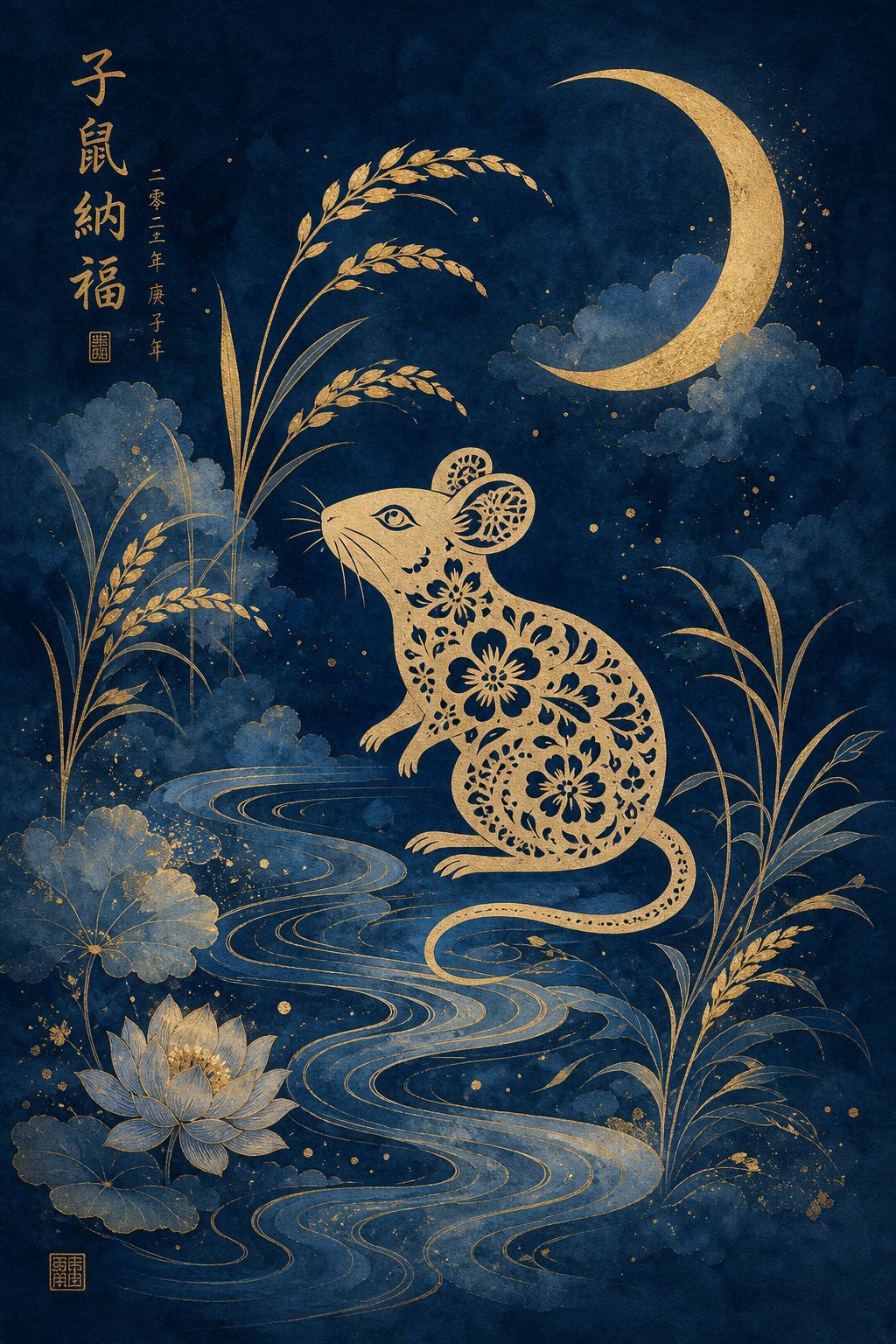
The Rat holds a unique position as the first animal in the Chinese zodiac cycle, representing new beginnings, sharp intelligence, and resourcefulness. Parents searching for chinese girl names rooted in this tradition are tapping into a system where every character, stroke, and sound carries weight. The goal is not just a pretty name but a harmonious one, built to complement the energy of the birth year.
Why the Rat Zodiac Matters in Chinese Naming
In Chinese culture, the Rat is far from the pest Western associations might suggest. It symbolizes wit, charm, ambition, and prosperity. People born in a Rat year are considered quick thinkers who excel at problem-solving. When choosing chinese baby girl names tied to this sign, parents look for characters that echo these qualities while also respecting the Rat's elemental nature and behavioral traits.
The Rat is linked to the Earthly Branch zi (子), the Water element, the direction North, and the winter season. Its ruling hours span 11:00 p.m. to 1:00 a.m., placing it firmly in the realm of night. These associations are not decorative. They form the foundation of auspicious name selection, guiding which characters will bring harmony and which might create energetic conflict.
What Makes a Name Auspicious for Rat Year Girls
A well-chosen name for a Rat year girl does more than sound beautiful. It resonates with the animal's core nature, creating alignment between identity and cosmic timing. This is where chinese girl names and meanings become inseparable from zodiac logic.
Names for Rat year girls should align with the Rat's essential nature: nocturnal activity, love of grains and abundance, preference for sheltered spaces, and connection to the Water element. When a name harmonizes with these traits, it is believed to bring the child lasting fortune and inner balance.
This guide goes beyond listing single characters. You will find complete, ready-to-use chinese names for girls, each with full pinyin pronunciation, character-by-character meaning breakdowns, and clear explanations of why the name works for the Rat zodiac. Whether you are drawn to cute chinese names for girls with a modern feel or elegant options steeped in classical imagery, every recommendation here is grounded in authentic zodiac reasoning.
The system behind these choices involves specific radicals, elemental cycles, and structural principles that determine whether a chinese baby names girl combination is truly auspicious or merely attractive on the surface.
Auspicious Radicals and Characters for Rat Year Girls
Every Chinese character is built from smaller structural components called radicals. Think of radicals as the DNA of a character. They carry meaning, connect to elemental forces, and signal whether a name will harmonize with a child's zodiac energy. For a chinese girl name born in the Year of the Rat, the right radical can mean the difference between a name that merely sounds pleasant and one that actively supports her fortune.
The logic is straightforward: ancient naming masters observed the Rat's real-world behavior and habitat, then identified radicals whose meanings mirror what helps the Rat thrive. A well-fed rat living in a safe burrow near water is a prosperous rat. Characters containing radicals that evoke food, shelter, nighttime, and water create that same sense of abundance and security within a name.
Grain and Abundance Radicals for Prosperity
Rats are grain-eaters by nature. They gravitate toward rice, wheat, and cereal crops. In the naming system, characters built with grain-related radicals like 禾 (standing grain), 米 (rice), and 豆 (bean) signal that the child will never lack resources. For chinese girl names with meaning tied to prosperity, these radicals are among the most powerful choices.
When a Rat year girl carries a grain radical in her name, it symbolizes lifelong access to nourishment, supportive relationships, and an easier path to success. Characters like 秋 (autumn harvest), 穗 (grain ear), and 粲 (polished rice, radiant) all draw from this energy.
| Radical | Meaning | Example Characters for Girls | Connection to the Rat |
|---|---|---|---|
| 禾 | Standing grain, crops | 秋 (qiu, autumn), 秀 (xiu, elegant), 穗 (sui, grain ear), 科 (ke, branch of study) | The Rat feeds on grain; abundance of food means lifelong prosperity and helpful people surrounding her |
| 米 | Rice, husked grain | 粲 (can, radiant), 粼 (lin, clear water over stones), 籽 (zi, seed) | Rice represents staple nourishment; the Rat thrives when grain is plentiful, signaling material comfort |
| 豆 | Bean, legume | 豆 (dou, bean), 登 (deng, ascend), 豊 (li, abundant) | Beans are a food source the Rat enjoys; implies satisfaction and fullness in life |
You will notice that 秀 (xiu) is especially popular in chinese names for girls with meaning because it carries a double benefit: the 禾 radical feeds the Rat's nature, while the character itself means "elegant" or "outstanding," making it both zodiac-aligned and aesthetically refined.
Shelter Radicals That Bring Security
Where does a rat feel safest? Inside a burrow, beneath a roof, within enclosed walls. Characters containing shelter-related radicals replicate that sense of protection and stability. The key radicals here are 宀 (roof), 穴 (cave or hole), 口 (enclosure), and 门 (door or gate).
A chinese girl name with characters like 安 (an, peace), 宁 (ning, tranquility), 容 (rong, grace), or 宜 (yi, suitable) all contain the 宀 radical. These names suggest a girl who will find stable relationships, career security, and emotional grounding throughout life. The Rat under a roof is a Rat that is protected from predators and harsh elements.
| Radical | Meaning | Example Characters for Girls | Connection to the Rat |
|---|---|---|---|
| 宀 | Roof, shelter | 安 (an, peace), 宁 (ning, serene), 宜 (yi, fitting), 容 (rong, grace), 富 (fu, wealth), 宝 (bao, treasure) | The Rat lives in sheltered spaces; a roof overhead means safety, stability, and a secure home life |
| 穴 | Cave, burrow | 窈 (yao, graceful and deep), 空 (kong, open sky) | The Rat's natural dwelling is a burrow; cave radicals represent comfort in one's own space |
| 口 | Enclosure, mouth | 嘉 (jia, excellent), 品 (pin, quality), 如 (ru, like), 合 (he, harmony) | Enclosed shapes mimic the Rat's preference for bounded, protected environments |
| 门/門 | Door, gate | 闻 (wen, hear/fame), 闲 (xian, leisure) | A door implies a home; the Rat near human dwellings feels protected and resourceful |
The character 宝 (bao, treasure) is a standout. It combines the 宀 roof radical with 王 (king), reinforcing the Rat's status as the first and leading zodiac sign. For parents exploring chinese girl names with characters that carry both shelter energy and elevated status, 宝 delivers on both fronts.
Water and Night Radicals Aligned With Rat Energy
The Rat belongs to the Water element and is most active between 11 p.m. and 1 a.m. Characters containing water radicals (氵, 水) and the evening radical (夕) directly echo the Rat's elemental identity and nocturnal rhythm.
Water-element characters strengthen the Rat's innate energy rather than working against it. Think of names built with 淑 (shu, gentle and virtuous), 涵 (han, encompassing), 清 (qing, clear), 沛 (pei, abundant), or 泉 (quan, spring). Each of these carries the 氵 radical and lends the Rat's Water nature additional force, supporting intelligence, adaptability, and emotional depth.
The evening radical 夕 appears in characters like 梦 (meng, dream) and 夕 itself. Because the Rat is nocturnal, night-associated characters allow it to operate in its element rather than being exposed to danger. A chinese girl names meaning rooted in dreams, moonlit evenings, or quiet nighttime beauty aligns perfectly with this principle.
| Radical | Meaning | Example Characters for Girls | Connection to the Rat |
|---|---|---|---|
| 氵 | Water (flowing) | 淑 (shu, virtuous), 涵 (han, inclusive), 清 (qing, clear), 沛 (pei, abundant), 泉 (quan, spring), 洁 (jie, pure) | Water is the Rat's native element; water radicals amplify its natural intelligence and adaptability |
| 水 | Water (standalone) | 永 (yong, eternal), 泳 (yong, swim), 冰 (bing, ice) | Directly reinforces the Rat's elemental identity, lending strength and flow to the child's fortune |
| 夕 | Evening, dusk | 梦 (meng, dream), 夕 (xi, evening), 多 (duo, many) | The Rat is nocturnal; night radicals let it thrive in its natural active hours, symbolizing confidence and freedom |
The character 梦 (meng) deserves special attention. It contains both the 夕 radical and a double-wood structure (林), which connects to the productive cycle where Water nourishes Wood. This layered alignment makes it a favorite among parents seeking chinese girl names with meaning that blends poetic imagery with solid zodiac logic.
Understanding these radical categories gives you a practical filter. When evaluating any potential name, look at the component radicals first. If you spot grain, shelter, water, or night elements, you are working with characters that support the Rat's nature. The next layer of refinement involves how these characters interact with the Five Elements cycle, where complementary and conflicting energies shape the final name choice.
Five Elements and Elemental Cycles in Rat Year Naming
Radicals tell you what a character contains. The Five Elements tell you how that character interacts with your child's birth energy. In Chinese philosophy, the Wu Xing system describes five dynamic forces (Metal, Wood, Water, Fire, and Earth) that constantly generate, support, or weaken each other. The Rat's native element is Water, and this single fact shapes which characters will strengthen a name and which will quietly undermine it.
When you are choosing a chinese name for girl born in a Rat year, elemental compatibility acts as a second filter layered on top of radical selection. A character might contain a beautiful shelter radical, but if its elemental energy clashes with Water, the name loses some of its auspicious power. Understanding these interactions helps you build beautiful chinese names for girl options that are both poetically appealing and energetically sound.
The Rat's Water Element and Complementary Characters
The productive cycle of Wu Xing follows a clear sequence: Metal generates Water, Water nourishes Wood, Wood feeds Fire, Fire creates Earth, and Earth bears Metal. For a Rat year girl whose core energy is Water, the most supportive elements are those that either feed her Water or are nourished by it.
- Metal feeds Water (highly favorable) - In the productive cycle, Metal enriches Water by providing minerals and structure. Characters associated with Metal carry a sense of clarity, strength, and refinement. Think of characters like 铃 (ling, bell), 钰 (yu, precious jade/metal), 锦 (jin, brocade), and 铭 (ming, to inscribe). These characters strengthen the Rat's Water energy, giving the child additional resilience and decisiveness. Metal-element names are among the strongest complements for any Rat year girl.
- Water supports Water (reinforcing) - Characters with the Water element directly amplify the Rat's innate nature. Names built with 淑 (shu, virtuous), 涵 (han, encompassing), or 清 (qing, clear) double down on the Rat's core strengths: intelligence, adaptability, and emotional depth. This pairing works well when you want to emphasize wisdom and intuition.
- Water nourishes Wood (balanced and harmonious) - Water feeds Wood in the productive cycle, creating a relationship of generosity and growth. Wood-element characters like 梓 (zi, catalpa tree), 桂 (gui, cassia), 林 (lin, forest), and 柔 (rou, gentle/supple) pair beautifully with the Rat's Water energy. The child's innate resources flow outward into creativity, vitality, and personal growth. This combination feels organic and balanced.
These three pairings give you the widest range of beautiful chinese girl names with meaning that align with zodiac principles. Metal for strength, Water for depth, Wood for growth.
How Different Rat Year Cycles Change Name Choices
Here is where many parents get confused. Not every Rat year carries the same elemental signature. The Chinese calendar operates on a 60-year cycle combining the 12 animals with 5 elements, meaning each animal appears in five elemental variations. Your daughter's specific Rat year determines which element layers on top of her base Water energy.
A simple way to identify the element is by the last digit of the birth year:
- Metal Rat (birth year ending in 0 or 1, e.g., 1960, 2020) - Metal already feeds Water, so this is a naturally strong combination. These girls benefit from Wood-element characters to create outward flow and prevent energy from pooling inward. Names with growth and vitality imagery work especially well.
- Water Rat (birth year ending in 2 or 3, e.g., 1972, 2032) - Double Water can mean exceptional intuition but also emotional overwhelm. Earth-element characters like 安 (an, peace) or 坤 (kun, earth/receptive) can provide grounding without creating harsh conflict, since a small amount of the controlling element adds stability rather than destruction.
- Wood Rat (birth year ending in 4 or 5, e.g., 1984, 2044) - Water already nourishes Wood here, creating natural harmony. Metal-element characters add upstream support, feeding the Water that feeds the Wood. This is one of the most flexible combinations for chinese girl names with meanings tied to both strength and creativity.
- Fire Rat (birth year ending in 6 or 7, e.g., 1996, 2036) - Fire and Water are in a controlling relationship (Water extinguishes Fire). Names should lean toward Wood characters, which act as a bridge: Water feeds Wood, and Wood feeds Fire, creating a smooth energy pathway rather than direct conflict.
- Earth Rat (birth year ending in 8 or 9, e.g., 2008, 1948) - Earth controls Water in the destructive cycle, which can feel restrictive. Metal characters are ideal here because Metal weakens Earth's grip (Earth generates Metal, depleting itself) while simultaneously feeding Water. This creates relief and flow.
Balancing Elements Through Character Selection
Sounds complex? The practical takeaway is this: identify your daughter's specific Rat year element, then choose name characters that either support her base Water energy or bridge any tension between the year element and Water.
- Avoid heavy Fire characters (炎, 焱, 灿) for most Rat year girls unless the name includes a Wood character as a mediating bridge. Fire directly conflicts with Water, potentially creating inner tension between ambition and emotional stability.
- Use Earth characters sparingly - Earth controls Water, which can suppress the Rat's natural adaptability. However, a single grounding Earth character paired with Metal or Water characters can add welcome stability without overwhelming the name's flow.
- Metal characters are almost universally safe - Because Metal feeds Water in every scenario, characters with the 钅 radical or Metal-associated meanings rarely create conflict for a chinese name for girls born in any Rat year variation.
- Wood characters offer creative energy - They channel the Rat's Water outward into visible growth and achievement. Especially effective for parents who want their daughter's name to suggest vitality and upward momentum.
The elemental layer does not override radical selection. It refines it. A character with both a favorable radical (grain, shelter, water) and a complementary element is the gold standard. When you find that overlap, you have a name that works on multiple levels of traditional Chinese naming logic, setting the stage for specific name combinations that put all these principles into practice.
Complete Girl Names by Theme With Zodiac Alignment
Principles only matter when they produce real names you can actually use. The radicals, elements, and cycles covered so far are your toolkit. What follows is the finished product: complete, ready-to-use name combinations that score well on zodiac alignment, tonal flow, and contemporary appeal. Each entry includes characters you can take directly to a birth certificate.
These beautiful chinese girl names are organized by the emotional quality they project, so you can start from the feeling you want your daughter's name to carry and work outward from there.
Names Evoking Elegance and Grace
Elegance is the most sought-after quality in traditional Chinese girl naming. Parents looking for elegant chinese girl names want something that sounds refined without feeling dated. The names below pair shelter and water radicals with characters that evoke poise, softness, and quiet confidence.
| Chinese Characters | Pinyin | Character-by-Character Meaning | Zodiac Connection |
|---|---|---|---|
| 婉宁 | Wan Ning | 婉 (graceful, tactful) + 宁 (serene, tranquil) | 宁 contains the 宀 shelter radical, giving the Rat a safe, stable home; the combination suggests composed elegance rooted in security |
| 淑容 | Shu Rong | 淑 (virtuous, gentle) + 容 (grace, tolerance) | 淑 carries the 氵 water radical reinforcing the Rat's element; 容 contains 宀 for shelter. Double zodiac alignment in one name |
| 安婷 | An Ting | 安 (peace, calm) + 婷 (graceful posture) | 安 combines 宀 (roof) with 女 (woman), literally a woman under a roof. Ideal shelter energy for a Rat year girl |
| 锦雅 | Jin Ya | 锦 (brocade, splendid) + 雅 (refined, elegant) | 锦 contains the 钅 Metal radical, which feeds Water in the productive cycle. Metal support strengthens the Rat's core energy while 雅 adds cultural polish |
| 宜珊 | Yi Shan | 宜 (suitable, harmonious) + 珊 (coral, graceful) | 宜 carries the 宀 roof radical for protection; 珊 contains 王 (king), honoring the Rat's position as first zodiac sign |
You will notice that pretty chinese girl names in this category often pair a zodiac-aligned character with a purely aesthetic one. This keeps the name from feeling overly symbolic while still honoring tradition.
Names Symbolizing Wisdom and Intelligence
The Rat is the cleverest animal in the zodiac. It won first place through wit, not brute strength. Names in this category lean into that intellectual energy, pairing wisdom characters with radicals that support the Rat's nature.
| Chinese Characters | Pinyin | Character-by-Character Meaning | Zodiac Connection |
|---|---|---|---|
| 慧涵 | Hui Han | 慧 (wisdom, insight) + 涵 (encompassing, inclusive) | 涵 carries the 氵 water radical, amplifying the Rat's Water element. Wisdom paired with depth of understanding |
| 思淇 | Si Qi | 思 (to think, reflective) + 淇 (a clear river) | 淇 contains 氵 for Water element support; 思 contains 心 (heart), suggesting intelligence guided by emotional awareness |
| 嘉慧 | Jia Hui | 嘉 (excellent, praiseworthy) + 慧 (wisdom) | 嘉 contains the 口 enclosure radical, mimicking the Rat's preference for bounded, safe environments. A wise girl in a secure position |
| 铭慧 | Ming Hui | 铭 (to inscribe, remember) + 慧 (wisdom) | 铭 carries both the 钅 Metal radical (feeding Water) and the 夕 evening radical (nocturnal alignment). Triple zodiac resonance |
| 睿宁 | Rui Ning | 睿 (farsighted, wise) + 宁 (peaceful, calm) | 宁 provides 宀 shelter energy; 睿 implies the Rat's sharp perception and ability to see what others miss |
The name 铭慧 (Ming Hui) stands out as a powerhouse. Its first character alone contains Metal energy, the evening radical, and the meaning of lasting memory. Paired with 慧, it creates a poetic chinese girl names option that is both intellectually rich and zodiac-perfect.
Nature-Inspired Names With Floral Imagery
Chinese flower names girl options have endured for centuries because floral imagery carries layered symbolism: beauty, resilience, seasonal renewal, and quiet strength. The trick for Rat year girls is selecting plant and nature characters that also contain favorable radicals rather than defaulting to generic flower names.
| Chinese Characters | Pinyin | Character-by-Character Meaning | Zodiac Connection |
|---|---|---|---|
| 梦菲 | Meng Fei | 梦 (dream) + 菲 (fragrant, lush grass) | 梦 contains the 夕 evening radical for nocturnal alignment; 菲 carries 艹 (grass/grain family), connecting to the Rat's food source |
| 秋蓉 | Qiu Rong | 秋 (autumn) + 蓉 (lotus, hibiscus) | 秋 contains the 禾 grain radical directly, signaling harvest abundance. The Rat thrives in autumn when grain stores are full |
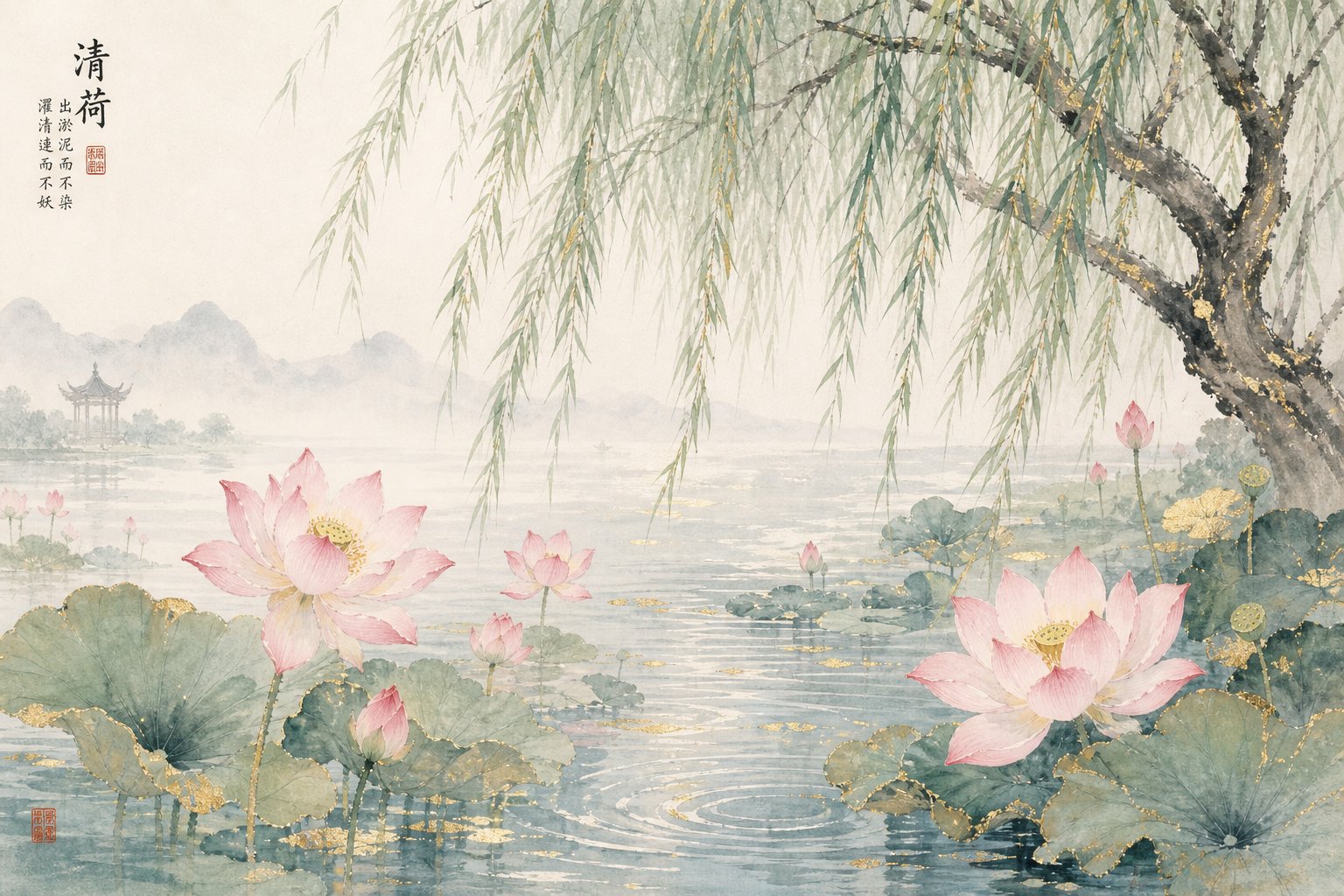
| 清荷 | Qing He | 清 (clear, pure) + 荷 (lotus flower) | 清 carries 氵 for Water element reinforcement; 荷 contains 艹 for plant nourishment. A lotus rising from water mirrors the Rat's elemental home |
| 沐萱 | Mu Xuan | 沐 (to bathe in, be nurtured) + 萱 (daylily, forgetting sorrow) | 沐 contains 氵 water radical; 萱 carries 艹 connecting to grain and grass energy. Water nourishing a plant reflects the productive cycle |
| 芷宁 | Zhi Ning | 芷 (angelica herb, purity) + 宁 (serene) | 芷 carries 艹 for plant-based nourishment; 宁 provides 宀 shelter. A fragrant herb growing safely under a roof |
Among these cute chinese girl names rooted in nature, 秋蓉 (Qiu Rong) deserves a closer look. The character 秋 literally depicts grain beside fire, representing the harvest season. For a Rat year girl, autumn is the season of greatest abundance, when granaries overflow. Pairing it with 蓉 (lotus) adds feminine beauty without sacrificing zodiac logic.
Each name in these tables works as a standalone given name ready to pair with any family surname. The zodiac connections are not forced. They emerge naturally from characters that happen to be both meaningful and structurally aligned with the Rat's energy. That overlap between beauty and cosmic logic is exactly what makes a name feel right rather than merely correct.
Of course, elegance, wisdom, and floral imagery represent only part of the spectrum. Some parents want names that project something bolder: resilience, celestial power, or a sense of rarity that sets their daughter apart from the crowd.

Modern Yet Meaningful Rat Year Girl Names
Strength does not always look the same. Sometimes it is a quiet refusal to break. Other times it is the brilliance of moonlight cutting through darkness. For parents who want their daughter's name to carry weight, presence, and a sense of the extraordinary, the names below move beyond softness into territory that feels bold, celestial, or refreshingly uncommon.
These strong chinese girl names still honor the Rat's zodiac principles. Every entry contains favorable radicals or elemental alignments discussed earlier. The difference is tone: these names project power, cosmic imagery, or a rarity that ensures your daughter will not share her name with five classmates.
Names Representing Strength and Resilience
The Rat did not earn first place in the zodiac through timidity. It outsmarted the Ox, arrived before the Tiger, and claimed the leading position through sheer resourcefulness. Powerful chinese girl names channel that same energy: determination wrapped in intelligence, resilience that bends without breaking.
Characters associated with strength in Chinese girl naming tend to be subtler than their masculine counterparts. Rather than brute force, they suggest endurance, inner steel, and the ability to thrive under pressure. When these characters also contain Rat-favorable radicals, you get names that are both formidable and zodiac-aligned.
| Chinese Characters | Pinyin | Character-by-Character Meaning | Zodiac Connection |
|---|---|---|---|
| 铮宁 | Zheng Ning | 铮 (clang of metal, upright) + 宁 (serene, resolute) | 铮 carries the 钅 Metal radical feeding the Rat's Water element; 宁 provides 宀 shelter. Strength grounded in security |
| 沛瑶 | Pei Yao | 沛 (abundant, vigorous) + 瑶 (precious jade) | 沛 contains 氵 water radical amplifying the Rat's core element; abundance of energy paired with rare beauty. Works especially well for Metal Rat (2020) girls |
| 毅涵 | Yi Han | 毅 (resolute, persevering) + 涵 (encompassing, deep) | 涵 carries 氵 for Water reinforcement; 毅 suggests the Rat's tenacity in overcoming obstacles. Depth paired with determination |
| 钰坚 | Yu Jian | 钰 (precious metal/jade) + 坚 (firm, steadfast) | 钰 contains 钅 Metal radical directly feeding Water; the combination suggests something precious that cannot be easily broken. Ideal for Earth Rat (2008) cycles where Metal relieves Earth's pressure on Water |
| 凌清 | Ling Qing | 凌 (to rise above, ice) + 清 (clear, unclouded) | Both characters carry Water associations: 凌 contains 冫 (ice radical) and 清 contains 氵. Double Water reinforcement for a girl who rises above challenges with clarity |
The name 凌清 (Ling Qing) is worth highlighting for parents drawn to uncommon chinese girl names. The character 凌 suggests soaring above difficulties, while 清 adds moral clarity. Together they paint a picture of someone who sees through confusion and acts decisively. Both characters reinforce the Rat's Water nature without a single conflicting element.
Celestial and Moon-Inspired Names
The Rat's active hours span the deepest part of night, from 11 p.m. to 1 a.m. This is when the moon commands the sky. Chinese girl names that mean moon or carry celestial imagery align naturally with the Rat's nocturnal rhythm, placing the child in her element during her zodiac animal's most powerful hours.
Moon characters are perennial favorites in Chinese girl naming because they suggest beauty that illuminates without overwhelming, quiet radiance rather than harsh glare. For a Rat year girl, the lunar connection runs deeper than aesthetics. It is a direct echo of her zodiac timing.
| Chinese Characters | Pinyin | Character-by-Character Meaning | Zodiac Connection |
|---|---|---|---|
| 皓月 | Hao Yue | 皓 (bright, luminous) + 月 (moon) | 月 is the moon radical itself, directly tied to nighttime energy; 皓 suggests the brilliance of moonlight during the Rat's active hours |
| 梦月 | Meng Yue | 梦 (dream) + 月 (moon) | 梦 contains the 夕 evening radical for nocturnal alignment; paired with 月, this name places the girl entirely within the Rat's nighttime domain. A dream under moonlight |
| 清辉 | Qing Hui | 清 (clear, pure) + 辉 (radiance, splendor) | 清 carries 氵 Water radical; 辉 contains 光 (light). Water element meets celestial glow. The phrase 清辉 traditionally describes moonlight in classical poetry |
| 涵星 | Han Xing | 涵 (encompassing) + 星 (star) | 涵 provides 氵 Water support; 星 contains 日 (sun) but represents nighttime celestial bodies. A deep pool reflecting starlight mirrors the Rat's Water nature |
| 宁月 | Ning Yue | 宁 (tranquil) + 月 (moon) | 宁 carries 宀 shelter radical; 月 connects to nighttime. A peaceful moon sheltered by clouds, perfectly echoing the Rat's need for both night energy and protection |
Among chinese girl names meaning moon, 清辉 (Qing Hui) stands apart because it avoids using the character 月 directly while still evoking moonlight through poetic association. In Tang Dynasty poetry, 清辉 specifically describes the moon's gentle glow. This makes it a sophisticated choice for parents who want lunar imagery without the most obvious character. It also scores well for Water Rat (2032) girls, since the 氵 radical in 清 adds Water support to an already Water-heavy birth chart, while 辉 provides warmth without introducing problematic Fire energy.
Rare and Unique Character Combinations
Some parents want a name their daughter will never have to share. Unique chinese girl names require characters that are recognizable enough to read and write easily, yet uncommon enough in combination to feel distinctive. The challenge is avoiding obscurity for its own sake. A rare name should still sound musical and carry clear meaning.
The names below draw from characters that appear in classical literature and poetry but have fallen out of mainstream naming trends in China, Taiwan, and Singapore. Each one maintains zodiac alignment while offering something genuinely fresh.
| Chinese Characters | Pinyin | Character-by-Character Meaning | Zodiac Connection |
|---|---|---|---|
| 窈淑 | Yao Shu | 窈 (graceful and deep, secluded) + 淑 (virtuous, gentle) | 窈 contains the 穴 cave/burrow radical, the Rat's natural dwelling; 淑 carries 氵 Water. A rare character pairing that places the Rat in its burrow beside flowing water |
| 澜宁 | Lan Ning | 澜 (great waves, ripples) + 宁 (serene) | 澜 carries 氵 Water radical with dramatic force; 宁 provides 宀 shelter. The contrast between powerful waves and inner calm creates a name with depth and tension |
| 铃秋 | Ling Qiu | 铃 (bell, chime) + 秋 (autumn) | 铃 contains 钅 Metal feeding Water; 秋 carries 禾 grain radical for abundance. A bell ringing across autumn fields. Particularly strong for Wood Rat (1984, 2044) girls where Metal supports the full cycle |
| 沁窈 | Qin Yao | 沁 (to permeate, refreshing) + 窈 (graceful depth) | 沁 carries 氵 Water; 窈 contains 穴 burrow radical. Water seeping into the earth mirrors the Rat finding its way home. A rare chinese girl names option with layered zodiac logic |
| 粲宜 | Can Yi | 粲 (radiant, polished rice) + 宜 (harmonious, fitting) | 粲 contains 米 rice radical for grain abundance; 宜 carries 宀 roof for shelter. Radiance born from nourishment and security. Uncommon yet immediately readable |
The character 窈 (yao) appears twice in this table because it is genuinely underused in modern naming despite being one of the most zodiac-favorable characters available for Rat year girls. It contains the 穴 radical (the Rat's burrow), carries a meaning of graceful depth from the classical poem "Guanju" in the Book of Songs, and sounds elegant in combination with almost any second character. If you are searching for rare chinese girl names that feel literary rather than invented, 窈 is a strong foundation to build from.
These names work across regional naming conventions. 澜宁 fits Mainland Chinese preferences for poetic two-character combinations. 铃秋 aligns with Taiwanese trends favoring nature imagery with musical qualities. 粲宜 carries the balanced, auspicious-meaning structure common in Singaporean Chinese naming.
Choosing the right characters is only part of the equation, though. How those characters interact numerically through stroke count, and how they sound when spoken aloud in sequence, adds another dimension that separates a good name from a truly harmonious one.
Stroke Count and the Art of Building a Complete Name
You have the right radicals, the right elements, and a shortlist of characters that resonate. But a Chinese name is not just a collection of good characters. It is a structure, and that structure has rules rooted in numerology. Stroke count, or bi hua (笔画), adds a mathematical layer that determines whether your carefully chosen characters actually produce an auspicious chinese girl full names combination when assembled together.
Understanding Stroke Count in Chinese Numerology
Every Chinese character is drawn with a specific number of individual pen strokes. The character 人 (person) has two strokes. The character 天 (heaven) has four. In naming numerology, each character is classified as Yin (even stroke count) or Yang (odd stroke count), and the interplay between these across a full name matters.
A standard Chinese name has three characters: one surname character plus two given-name characters. The total stroke count of the complete name should land on specific favorable numbers. Traditionally auspicious totals include 3, 5, 6, 7, 8, 11, 13, 15, 16, 17, 18, 21, 23, 25, 29, 31, 32, 33, 37, 39, and 81. Landing on these numbers is believed to amplify the name's fortune-bringing potential.
Beyond the total, the Yin-Yang pattern across the three characters must follow one of four balanced configurations:
- Yang - Yang - Yin (odd, odd, even)
- Yin - Yin - Yang (even, even, odd)
- Yang - Yin - Yin (odd, even, even)
- Yin - Yang - Yang (even, odd, odd)
One important detail: when determining whether the surname is Yin or Yang, its stroke count is increased by one before classifying. So a surname with 7 strokes is treated as 8 (even, Yin) for pattern purposes. This adjustment accounts for the surname's role as the name's foundation, carrying inherited ancestral energy.
How to Build a Harmonious Full Name
Constructing a complete name means working from the surname outward. Chinese girl last names are fixed by family lineage, so the surname is your starting constraint. Everything else builds around it. Here is the step-by-step process for assembling chinese girl first names into a cohesive whole:
- Identify your surname's stroke count. Use the traditional (Kangxi dictionary) stroke count, not the simplified version. For example, the common surname 陈 (Chen) counts as 16 strokes in its traditional form 陳. Chinese last names for girls like Wang (王, 4 strokes), Li (李, 7 strokes), and Zhang (張, 11 strokes) each create different numerical starting points.
- Determine the surname's Yin/Yang classification. Add one to the stroke count, then check if the result is odd (Yang) or even (Yin). This tells you which pattern configurations are available.
- Select given-name characters that complete a valid pattern. If your surname classifies as Yang, your two given-name characters need to follow one of the valid sequences (Yang-Yin, Yin-Yin, etc.) to maintain balance.
- Check the total stroke count. Add all three characters together. If the total lands on a favorable number, you have numerical harmony. If not, consider swapping one character for a synonym with a different stroke count.
- Verify meaning compatibility. The two chinese first names for girls characters should form a unified concept when read together, not just two unrelated good words placed side by side. 慧涵 (wisdom + depth) works because the meanings reinforce each other. 慧秋 (wisdom + autumn) works because autumn harvest connects to the Rat's abundance.
This process might sound rigid, but it actually narrows your options in a helpful way. Instead of choosing from thousands of characters, stroke count requirements filter your shortlist down to a manageable set of candidates that are numerologically sound.
Tonal Balance and Sound Aesthetics
Numbers handle the invisible structure. Sound handles the lived experience of the name, because your daughter will hear it spoken thousands of times. Mandarin has four tones, and a well-crafted name moves through different tones across its three characters, creating a natural rhythm when spoken aloud.
The test is simple: say the full name as if introducing someone across a room. Does it flow, or does it stumble? Names where all three characters share the same tone (especially third tone) feel flat and awkward. The strongest combinations alternate between rising, falling, and level tones.
For example, a chinese first names girl option like 婉宁 (Wan Ning) paired with the surname 李 (Li) creates Li Wan Ning: third tone, third tone, second tone. Two consecutive third tones can feel heavy. Switching to 林婉宁 (Lin Wan Ning) gives you second, third, second, a smoother ride. The surname you inherit shapes which given-name combinations sound best.
Also watch for homophones. A name that looks beautiful on paper but sounds identical to an unfortunate word when spoken aloud will follow your daughter everywhere. Chinese middle names girl characters should be checked against common negative homophones in your regional dialect, not just standard Mandarin.
Stroke count gives a name its hidden architecture. Tonal flow gives it a voice. Together with radical alignment and elemental harmony, they form the complete framework. But knowing what to include is only half the picture. Knowing what to avoid can save you from accidentally undermining all that careful work.
Characters and Names to Avoid for Rat Year Girls
A name can look gorgeous on paper and still work against your daughter's zodiac energy. Some of the most popular characters in Chinese girl naming carry hidden conflicts with the Rat's nature, creating tension between what the name promises and what the zodiac supports. Knowing what to avoid is just as important as knowing what to choose.
These are not chinese girl names with dark meanings in the literal sense. The characters themselves are beautiful. The problem is structural: their radicals, elemental associations, or zodiac relationships clash with the Rat's core energy, potentially undermining the harmony you worked so hard to build.
Zodiac Clashes and Opposing Animal Characters
In the Chinese zodiac, the Rat (子) and the Horse (午) sit in direct opposition. This is called zheng chong (正冲), a head-on collision of energies that symbolizes conflict, suppression, and instability. Any character containing the 午 or 马 radical should be avoided entirely for Rat year girls, regardless of how attractive the character might seem.
The clash extends beyond the obvious character 马 (horse). Characters like 骏 (jun, fine steed), 驰 (chi, gallop), and 腾 (teng, soar) all carry horse-related components. Even 竹 (zhu, bamboo) is traditionally flagged because its upper strokes resemble the 午 form. The color red, associated with the Horse's Fire energy, also creates tension: 朱 (zhu, vermillion), 赤 (chi, scarlet), and 丹 (dan, cinnabar) all carry this conflict.
A second harmful relationship exists between the Rat (子) and the Sheep (未). This is called xiang hai (相害), meaning mutual injury. The old chinese girl names proverb states: "When Sheep and Rat meet, all comes to rest." Characters containing the 羊 radical, such as 美 (mei, beautiful), 善 (shan, kind), 翔 (xiang, soar), and 祥 (xiang, auspicious), carry this hidden penalty despite their lovely surface meanings.
Elemental Conflicts to Watch For
The Rat belongs to Water. Fire directly opposes Water in the controlling cycle, and characters heavy with Fire energy create internal friction in a Rat year girl's name. This includes any character built with the 火 radical or the four-dot fire base 灬.
What makes this tricky is that some Fire characters are extremely popular in girl naming. Characters like 煜 (yu, brilliant), 灿 (can, radiant), 烨 (ye, splendid), and 熙 (xi, prosperous) all sound wonderful. But for a Rat year girl, they introduce an element that actively works to extinguish her native Water energy.
The 日 (sun) radical presents a related problem. The Rat is nocturnal, active during the deepest hours of night. Sunlight represents exposure and danger for the Rat. Characters like 晴 (qing, sunny), 昕 (xin, dawn), 晓 (xiao, daybreak), 旭 (xu, rising sun), and 明 (ming, bright) all place the Rat in an environment where it feels vulnerable rather than empowered. These chinese names with dark meanings girl implications are not obvious at first glance, which is exactly why they catch parents off guard.
Popular Characters That Undermine Rat Year Fortune
Some of the most commonly used characters in Chinese girl naming happen to conflict with Rat year energy. The table below identifies these problematic choices and offers zodiac-aligned alternatives that preserve a similar aesthetic feel.
| Problematic Character | Why It Conflicts | Suggested Alternative | Why the Alternative Works |
|---|---|---|---|
| 美 (mei, beautiful) | Contains 羊 (sheep) radical; Rat-Sheep relationship causes mutual harm | 婉 (wan, graceful) | Contains 宀 shelter radical; conveys beauty through elegance without zodiac clash |
| 晴 (qing, sunny) | Contains 日 (sun) radical; exposes the nocturnal Rat to danger | 清 (qing, clear) | Same pronunciation, carries 氵 Water radical instead; clarity without harsh sunlight |
| 煜 (yu, brilliant) | Contains 火 (fire) radical; Fire extinguishes the Rat's Water element | 钰 (yu, precious jade) | Same pronunciation, carries 钅 Metal radical that feeds Water in the productive cycle |
| 骏 (jun, fine steed) | Contains 马 (horse) radical; direct zodiac opposition with the Rat | 珺 (jun, fine jade) | Same pronunciation, carries 王 (king) honoring the Rat's first-place zodiac status |
| 翔 (xiang, soar) | Contains 羊 (sheep) component; Rat-Sheep mutual harm relationship | 湘 (xiang, Xiang River) | Same pronunciation, carries 氵 Water radical reinforcing the Rat's native element |
| 怡 (yi, joyful) | Contains 忄 (heart/meat) radical; the Rat does not eat meat, implying bait and traps | 宜 (yi, harmonious) | Same pronunciation, carries 宀 shelter radical providing safety and comfort |
| 恬 (tian, serene) | Contains 忄 (heart/meat) radical; meat associations suggest predator traps for the Rat | 甜 (tian, sweet) | Similar sound, avoids the meat radical entirely; sweetness without hidden danger |
| 昕 (xin, dawn) | Contains 日 (sun) radical; dawn is when the Rat retreats, signaling lost timing | 歆 (xin, admire) | Same pronunciation, no sun radical; carries a meaning of being cherished and appreciated |
Notice the pattern in the alternatives column. For every problematic character, there is almost always a homophone or near-homophone that delivers a similar sound and feeling while carrying zodiac-friendly radicals. The swap from 煜 to 钰 is a perfect example: identical pronunciation, equally refined meaning, but one fights the Rat's Water while the other feeds it.
The 忄 (heart) radical deserves special attention because it appears in dozens of popular girl name characters: 思 (si, think), 恩 (en, grace), 慧 (hui, wisdom), 情 (qing, emotion), and 愉 (yu, pleasant). In zodiac naming theory, this radical connects to meat (肉), since the heart is an organ. The Rat is a grain-eater, and meat represents bait used in traps. Characters with 忄 can suggest a life of chasing things that ultimately ensnare rather than nourish.
Does this mean you must reject every single character on this list? Not necessarily. Some naming masters argue that a single mildly conflicting character can be offset by a strongly auspicious partner character. But when you have equally beautiful alternatives available that carry zero conflict, why introduce risk? The safest approach is to swap problematic characters for their zodiac-friendly counterparts and build your daughter's name entirely from supportive elements.
With a clear picture of both what to embrace and what to sidestep, the remaining challenge for many families is practical: how do you choose a name that honors all these traditional principles while also working in a bilingual, cross-cultural world?
Cross-Cultural Naming for Global Chinese Families
For families living between two languages, a name has to do double duty. It needs to carry zodiac alignment and cultural meaning in Chinese while also sounding natural when spoken in English at school, at work, or across a dinner table with non-Chinese-speaking friends. This is the reality for millions of parents choosing chinese american girl names that honor tradition without creating daily friction in a Western environment.
The good news: many Rat-year-auspicious characters romanize beautifully. The challenge is knowing which ones, and understanding how regional conventions shape the options available to you.
Names That Bridge Chinese and Western Cultures
The strongest cross-cultural names share a few traits. Their pinyin spellings are intuitive for English speakers. They avoid sounds that get consistently mangled (like the "x" and "q" initials in Mandarin pinyin, which confuse most non-Chinese speakers). And they carry meanings that translate gracefully when someone inevitably asks, "What does your name mean?"
Here are Rat-year-aligned names that work particularly well across languages:
- 安宁 (An Ning) - "An" sounds natural in English and Spanish. Meaning: peaceful serenity. Both characters carry the 宀 shelter radical. Easy to pronounce, easy to remember, zodiac-perfect.
- 美琳 (Mei Lin) - "Mei Lin" reads smoothly in English and echoes familiar Western names. Meaning: beautiful jade tinkling. 琳 contains 王 (king), honoring the Rat's first-place status. Avoid if strict about the 美/sheep radical conflict; otherwise widely used in diaspora communities.
- 清涵 (Qing Han) - While "Qing" requires a brief pronunciation note, "Han" is immediately accessible. Meaning: clear and encompassing. Both characters carry 氵 Water radical. Strong zodiac alignment for chinese girl names in english contexts.
- 铃兰 (Ling Lan) - "Ling Lan" flows easily in any language. Meaning: bell orchid (lily of the valley). 铃 carries 钅 Metal feeding Water. Musical, feminine, and internationally friendly.
- 宁萱 (Ning Xuan) - "Ning" works well cross-culturally. Meaning: serene daylily. 宁 provides 宀 shelter; 萱 connects to plant nourishment. A chinese english names girl option that sounds elegant in both languages.
Regional Naming Conventions Across Chinese Communities
How a name gets romanized depends entirely on where your family is rooted. Different Chinese-speaking regions use different romanization systems, and the same characters can look and sound dramatically different on paper depending on the convention followed.
Mainland China uses pinyin, joining given-name syllables together without spaces or hyphens. A girl named 淑容 appears as "Shurong" on official documents. Taiwan favors hyphens between given-name syllables: "Shu-Jung" (using a different romanization system). Hong Kong uses Cantonese pronunciation with spaces: "Suk Yung." Singapore typically follows pinyin but may reflect Hokkien or Teochew heritage in the surname spelling.
This matters because overseas Chinese families often reverse the name order to match Western conventions, placing the given name first and surname last. A girl named 王清涵 might appear as "Qinghan Wang" in North America or "Ching-Han Wang" in a Taiwanese-diaspora household. When selecting chinese american names for girls, consider which romanization system your family uses and how the resulting spelling looks on forms, applications, and introductions.
Pairing Chinese and English Names Harmoniously
Many diaspora families give their daughters both a Chinese name and an English name. Some parents use the Chinese name legally while adding an English name informally, others do the reverse, and some incorporate both into the legal name as a first-middle combination.
A few strategies for pairing american chinese girl names with English ones:
- Sound echoing - Choose an English name that shares a syllable with the Chinese name. 安宁 (An Ning) pairs naturally with "Anna" or "Annie." 铃 (Ling) echoes in "Linda" or "Linnea."
- Meaning mirroring - Match the English name's meaning to the Chinese name's meaning. 清 (clear, pure) pairs with "Claire." 慧 (wisdom) pairs with "Sophia." The names reinforce each other across languages.
- Tonal contrast - If the Chinese name is soft and flowing (like 婉宁, Wan Ning), a crisp English name (like "Kate") creates pleasant variety. If the Chinese name is strong (like 凌清, Ling Qing), a softer English name balances the overall identity.
The decision of whether to include the Chinese name on legal documents is deeply personal. Some parents feel it anchors their daughter's cultural identity. Others prefer keeping it as a family name used at home, separate from institutional paperwork. Neither approach is wrong. What matters is that the name, however it appears in the world, carries meaning the family stands behind.
With both the cultural framework and practical cross-cultural considerations in place, the final step is pulling every thread together into a clear decision-making process that leads to one name: the right one for your daughter.
Bringing It All Together to Choose the Perfect Name
You have radicals, elements, stroke counts, tonal patterns, avoidance lists, and cross-cultural strategies. That is a lot of moving parts. The risk at this stage is paralysis: so many criteria that no single name feels good enough. The reality is simpler than it looks. A great name does not need to score perfectly on every dimension. It needs to score well on the ones that matter most to your family.
Here is how to move from a long list of possibilities to one confident decision.
A Step-by-Step Framework for Your Final Decision
Think of this as a funnel. You start wide and narrow down through each filter until only a handful of strong candidates remain. Among popular chinese names for girls, the ones that endure across generations are those chosen with both logic and heart.
- Start with your surname's stroke count and tonal value. This is fixed. Write it down, note whether it classifies as Yin or Yang, and identify which tonal patterns will flow naturally after it. This single step eliminates roughly half of all possible character combinations before you even begin.
- Identify your daughter's specific Rat year element. Is she a Metal Rat (2020), Water Rat (2032), Wood Rat (1984/2044), Fire Rat (1996/2036), or Earth Rat (2008)? This determines which supporting elements to prioritize in her given-name characters.
- Choose characters containing at least one auspicious radical. Grain (禾, 米), shelter (宀, 穴, 口), water (氵), or night (夕). One strong radical in the name is enough. Two is excellent. Zero means you are leaving zodiac support on the table.
- Check for conflicts. Scan your shortlisted characters against the avoidance list. No horse radicals, no sheep components, minimal fire or sun radicals. If a character you love appears on the conflict list, swap it for the zodiac-friendly homophone alternative.
- Verify stroke count harmony. Add the total strokes across all three characters (surname plus given name). Check whether the total lands on a traditionally favorable number. If it misses, see whether a synonym with a different stroke count can replace one character without changing the name's feel.
- Say it out loud, repeatedly. Introduce the full name as if calling your daughter across a park. Does it flow? Does it stumble on repeated tones? Does it sound like an unfortunate homophone in your family's dialect? The ear catches problems the eye misses.
- Test cross-cultural usability if relevant. Write the romanized version. Show it to a non-Chinese-speaking friend. Can they pronounce it on the first try? Does the spelling look natural on a form? For families choosing chinese baby names for girls that will live in bilingual environments, this step prevents years of daily mispronunciation.
- Trust your emotional response. After all the technical filters, you will have two or three finalists. Pick the one that makes you feel something when you say it. Naming traditions exist to guide, not to override a parent's intuition.
The best name balances tradition, meaning, and the family's unique identity. No formula can replace the moment a name simply feels like it belongs to your daughter.
Top Versatile Picks Across All Criteria
From the full chinese girl names list explored throughout this guide, these names consistently score well on radical alignment, elemental support, stroke count flexibility, tonal flow, and cross-cultural accessibility. Consider them strong starting points if you want common chinese names for girls that still carry depth and zodiac precision.
| Name | Pinyin | Key Strengths | Best For |
|---|---|---|---|
| 淑宁 | Shu Ning | 氵 Water + 宀 shelter; gentle tonal flow; easy romanization | All Rat year cycles; families wanting classic elegance |
| 铭涵 | Ming Han | 钅 Metal + 夕 night + 氵 Water; triple zodiac alignment | Metal Rat (2020) and Wood Rat girls; intellectual families |
| 秋宁 | Qiu Ning | 禾 grain + 宀 shelter; harvest abundance meets security | Any Rat cycle; nature-loving families; pairs well with most surnames |
| 清容 | Qing Rong | 氵 Water + 宀 shelter; poetic yet accessible cross-culturally | Water Rat (2032); bilingual families; elegant without being ornate |
| 窈淑 | Yao Shu | 穴 burrow + 氵 Water; rare classical beauty from the Book of Songs | Parents seeking unique literary names; any Rat cycle |
| 铃秋 | Ling Qiu | 钅 Metal + 禾 grain; musical sound; internationally friendly | Wood Rat (1984/2044); diaspora families; modern yet traditional |
Every name on this shortlist avoids all conflict characters, contains multiple auspicious radicals, and sounds musical when spoken aloud. They represent the best chinese girl names for parents who want zodiac integrity without sacrificing beauty or practicality.
Ultimately, the naming traditions behind chinese girls names exist to serve families, not constrain them. Zodiac alignment, elemental harmony, and stroke count are tools for narrowing an overwhelming field of options into a manageable set of genuinely strong choices. They are not rigid laws. The most popular chinese girl names across generations share one trait: they were chosen by parents who understood the principles, respected the tradition, and then followed their instincts to the name that felt unmistakably right.
Your daughter's name will be spoken thousands of times. It will be written on school papers, whispered at bedtime, and called out in celebration. Choose the one that honors where she comes from and opens a path toward where she is going.
Frequently Asked Questions About Chinese Girl Names for Year of the Rat
1. What radicals are most auspicious for Chinese girl names born in the Year of the Rat?
The most favorable radicals for Rat year girls include grain radicals (禾, 米) symbolizing lifelong abundance, shelter radicals (宀, 穴, 口) representing safety and stability, water radicals (氵, 水) reinforcing the Rat's native Water element, and the evening radical (夕) aligning with the Rat's nocturnal nature. Characters like 宁 (serene), 淑 (virtuous), 秋 (autumn), and 梦 (dream) each contain one of these radicals and are considered highly supportive for a Rat year girl's fortune.
2. Which Chinese characters should be avoided for girls born in the Year of the Rat?
Characters containing the horse radical (马, 午) should be avoided due to direct zodiac opposition between the Rat and Horse. Sheep-related components (羊) found in characters like 美 and 翔 also conflict because of the Rat-Sheep mutual harm relationship. Fire radicals (火, 灬) and sun radicals (日) clash with the Rat's Water element and nocturnal nature respectively. For each problematic character, zodiac-friendly homophones exist as alternatives, such as using 钰 instead of 煜, or 清 instead of 晴.
3. How does the Five Elements cycle affect naming for different Rat year girls?
Each Rat year carries a different elemental pairing based on the 60-year cycle. A Metal Rat (2020) benefits from Wood-element characters to create outward energy flow. A Water Rat (2032) may need grounding Earth characters to prevent emotional overwhelm. A Wood Rat (1984/2044) thrives with Metal characters that feed the full productive cycle. Fire Rat and Earth Rat girls need bridging elements like Wood or Metal respectively to smooth tensions between their year element and the Rat's base Water energy.
4. What are good Chinese girl names for the Year of the Rat that work in English-speaking countries?
Names with intuitive romanization work best cross-culturally. Strong options include 安宁 (An Ning, peaceful serenity) with double shelter radicals, 铃兰 (Ling Lan, bell orchid) with Metal radical support, and 淑宁 (Shu Ning, gentle tranquility) combining Water and shelter energy. These names avoid Mandarin sounds that confuse English speakers (like x- and q- initials) while maintaining full zodiac alignment. Parents can also pair Chinese names with English names through sound echoing or meaning mirroring strategies.
5. How do stroke counts matter when choosing a Chinese name for a Rat year girl?
Stroke count adds a numerological layer to name selection. The total strokes across all three characters (surname plus two given-name characters) should ideally land on traditionally auspicious numbers such as 13, 15, 16, 21, 23, 25, or 31. Additionally, each character is classified as Yin (even strokes) or Yang (odd strokes), and the three-character sequence should follow balanced configurations like Yang-Yin-Yin or Yin-Yang-Yang. The surname's stroke count is adjusted by adding one before classification to account for its ancestral energy role.