The Creative World of Chinese Pop Culture Names
Imagine scrolling through Weibo and seeing Scarlett Johansson referred to as "soup dumpling" or Timothee Chalamet called "sweet tea." These aren't random jokes. They're part of a sprawling creative system where millions of Chinese-speaking internet users generate, refine, and spread names that carry layers of humor, affection, and cultural meaning. Chinese pop culture names encompass far more than a handful of quirky celebrity nicknames. They include idol stage names carefully crafted for marketability, viral character names from hit dramas, fan-created shipping terms, and internet-born naming trends that eventually show up on real birth certificates.
This isn't a simple listicle of funny translations. It's a deep look at a living linguistic ecosystem, one where traditional character meanings collide with meme culture, where homophones become tools for comedy, and where online communities collectively decide what a person or character should be called.
What Chinese Pop Culture Names Actually Mean
At their core, chinese names are built from characters (Hanzi) that each carry independent meaning. A single name can communicate personality traits, physical features, cultural references, and emotional tone all at once. When you layer internet creativity on top of this system, the possibilities multiply. A celebrity nickname might reference their appearance, a viral moment, a phonetic pun on their English name, or all three simultaneously. Unlike English nicknames that often shorten or rhyme with a given name, Chinese pop culture naming draws on a toolkit that includes tonal wordplay, visual humor embedded in character strokes, and shared cultural knowledge stretching back thousands of years.
Chinese naming conventions blend ancient character meaning with modern internet creativity, producing a system where a two-syllable nickname can encode humor, critique, and affection in ways that simply don't translate word-for-word into English.
This layered quality is what makes the phenomenon so rich. Among asian names and surnames, Chinese names stand apart because each character is a meaning-bearing unit. Parents choose characters for newborns based on sound, stroke count, and semantic resonance. Fans apply the same logic, but filtered through irony, love, or collective inside jokes.
Why This Naming Culture Matters Beyond Entertainment
You might wonder why any of this matters outside of fan forums. The answer is that these naming patterns reveal how language evolves in real time. They show how communities build identity through shared vocabulary. They demonstrate how traditional naming philosophy, the careful selection of characters for their given meaning and tonal harmony, persists even in the fastest-moving corners of the internet. Chinese surnames and chinese last names carry centuries of lineage, yet the same linguistic principles that govern formal naming now fuel viral memes and fandom shorthand.
Common chinese names follow rules rooted in Confucian philosophy and family heritage. Pop culture naming follows those same structural rules but bends them for creative effect. The result is a set of unique names and surnames, stage names, and nicknames that function as cultural artifacts, capturing a specific moment in time, a specific community's sense of humor, and a specific relationship between fans and the chinese famous names they admire.
What drives this system at a mechanical level? The answer lies in the linguistic patterns themselves, the specific techniques that make Chinese uniquely suited to creative naming.
Linguistic Patterns Behind Chinese Pop Culture Naming
Chinese pop culture naming isn't random. It follows a set of systematic methods rooted in how the language itself works. Every nickname, stage name, or fan-created term you encounter online can be traced back to one of a handful of core techniques. Understanding these patterns is like learning the grammar of internet creativity in Mandarin.
The chinese for name is "mingzi" (名字), but the concept stretches far beyond a simple label. Each name is built from mandarin characters that carry independent semantic weight, tonal identity, and visual form. This triple-layered structure gives creators an enormous playground. A single character can be chosen for how it sounds, what it means, and even how it looks when written. Pop culture naming exploits all three dimensions simultaneously.
Phonetic Transliteration vs Meaning-Based Translation
When a foreign name enters the Chinese-speaking world, it faces a fundamental choice: should it sound like the original, or should it mean something relevant?
Phonetic transliteration takes the sounds of a foreign name and maps them onto Chinese characters that approximate those sounds. The name "Jack" becomes 杰克 (jie ke), and "Thomas" becomes 托马斯 (tuo ma si). The problem? As Yoyo Chinese points out, Chinese can only represent syllables as concrete blocks of sound, not as fluid combinations of letters. The result often sounds neither like the original nor like an authentic Chinese name.
Meaning-based translation takes the opposite approach. Instead of mimicking sound, it captures essence. A celebrity known for sweetness might get a name built from characters meaning "honey" or "sugar." A muscular actor might receive characters evoking strength or mountains. This method produces names that feel natural in han mandarin but sacrifice any phonetic connection to the original.
In pop culture, fans rarely settle for just one approach. The most creative nicknames blend both, choosing characters that approximate a foreign sound while also carrying a relevant meaning. This hybrid method is where the real artistry lives.
The Power of Homophones and Tonal Wordplay
Sounds complex? Here's where it gets interesting. Mandarin has roughly 400 distinct syllables, but tens of thousands of characters. That means dozens of characters can share the same pronunciation, differentiated only by tone or context. LTL Language School documents over 116 common homophone pairs that trip up learners, from 买 (mai, to buy) versus 卖 (mai, to sell) to 睡觉 (shuijiao, to sleep) versus 水饺 (shuijiao, boiled dumpling).
For pop culture naming, this isn't a bug. It's a feature. Homophones let fans create nicknames that operate on multiple levels at once. A name can sound like a compliment while its characters spell out gentle mockery. It can reference a celebrity's real name while simultaneously describing their appearance or a viral moment. Tonal differences add another layer. Two words spelled identically in pinyin can mean completely different things depending on whether you use a rising tone or a falling one.
This is why nicknames in chinese carry a density of meaning that English nicknames simply can't match. When English speakers call someone "The Rock," the reference is straightforward. When Chinese fans create a nickname mandarin speakers instantly recognize, it might simultaneously pun on the celebrity's surname, reference a meme, and describe their on-screen persona, all in two syllables.
How Character Meanings Create Layered Nicknames
Beyond sound, every Chinese character carries a given meaning shaped by thousands of years of use. The character 金 (jin) means gold. The character 龙 (long) means dragon. The character 美 (mei) means beautiful. When fans select characters for a nickname, they're choosing from a vast library of pre-loaded meanings.
Consider how many chinese characters are there in total: estimates range from 50,000 to over 100,000, though everyday literacy requires around 3,000 to 4,000. This enormous inventory means nickname creators have extraordinary precision. They can find characters that match a specific sound while also conveying exactly the right shade of meaning, whether that's admiration, teasing, or irony.
The relationship between names and characters works differently than in alphabetic languages. English letters are arbitrary symbols for sounds. Chinese characters are meaning-bearing units. So when a fan community settles on a nickname, every character choice is a deliberate statement. The visual form of the character matters too. Some characters look elegant on screen. Others look playful or aggressive. All of this feeds into the final selection.
Here's a breakdown of the five core naming methods that drive this creative ecosystem:
- Phonetic transliteration - Mapping foreign sounds onto Chinese syllables. Example: Taylor becomes 泰勒 (tai le), approximating the English pronunciation.
- Meaning-based translation - Choosing characters for their semantic content rather than sound. A star known for elegance might receive characters meaning "graceful crane" or "clear jade."
- Appearance-based nicknames - Selecting characters that describe physical features. Round faces, distinctive hairstyles, or signature fashion choices all become naming material.
- Personality-based names - Drawing on behavioral traits, interview moments, or on-screen personas. A celebrity known for being blunt might get a name referencing sharpness or directness.
- Pun-based creations - Exploiting homophones and tonal ambiguity to build names that work on multiple levels simultaneously. These are often the most viral because they reward insider knowledge.
These five methods rarely operate in isolation. The most memorable pop culture names layer two or three techniques together, creating something that sounds natural, carries meaning, and rewards repeated analysis. A nickname that only works on one level might trend for a day. One that works on three levels becomes permanent vocabulary within a fan community.
This toolkit explains why Chinese-speaking internet communities are so prolific at generating names. The language itself is engineered for this kind of creativity. And nowhere is that creativity more visible than in how fans name the Western celebrities they follow from across the Pacific.
How Chinese Fans Name Western Celebrities
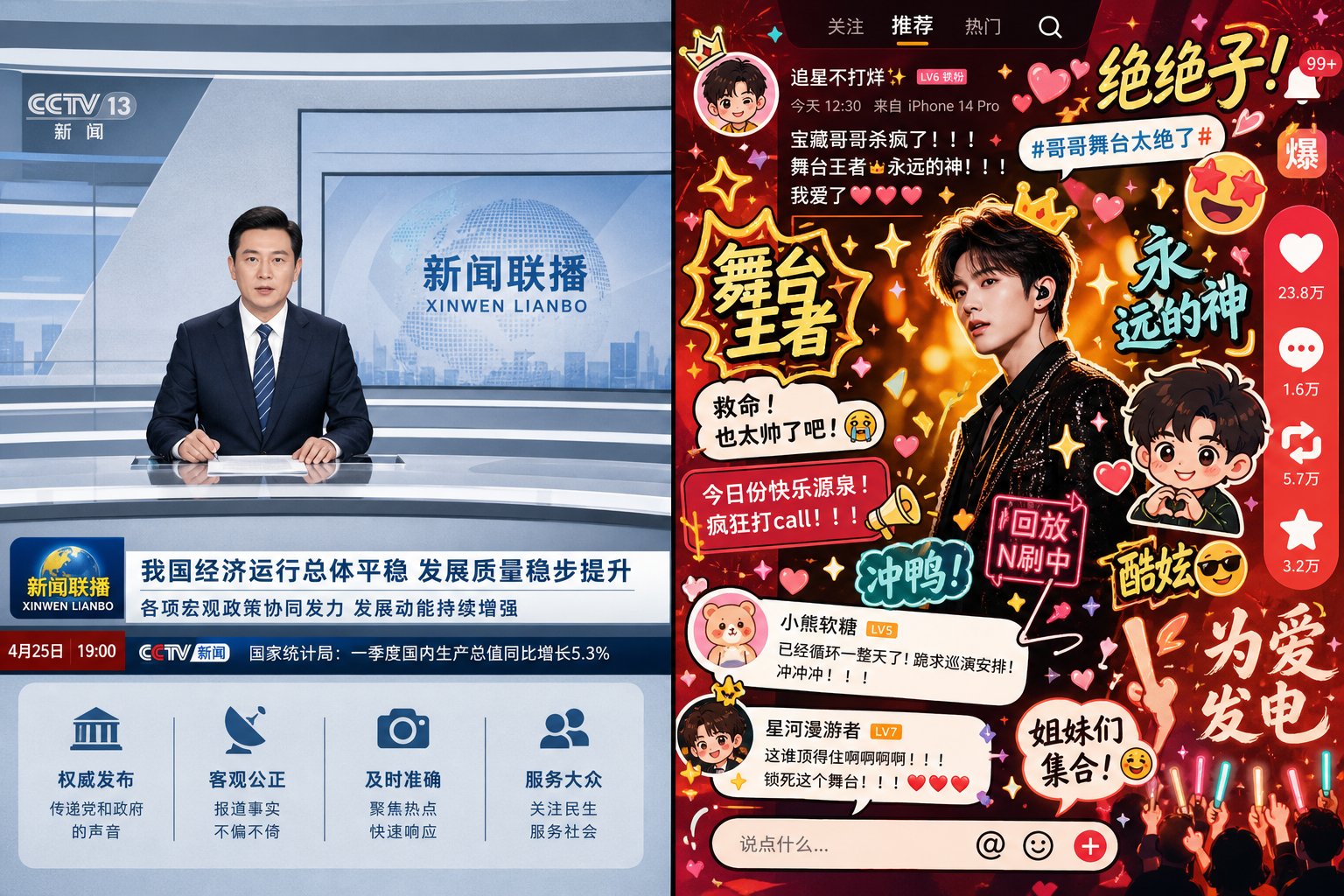
Every Western celebrity who gains traction in China ends up with two names: the one assigned by media outlets and the one fans actually use. These two systems run in parallel, and they follow completely different logic. One is formal and standardized. The other is creative, irreverent, and often hilarious. Together, they illustrate why celebrity chinese naming culture is so much richer than a simple translation exercise.
Official Media Names vs Fan-Created Nicknames
When a Western star first appears in Chinese news coverage, outlets like Xinhua or CCTV assign an official transliterated name. These follow standardized rules: match the foreign pronunciation as closely as possible using approved character sets, keep it neutral in tone, and avoid characters with negative connotations. Taylor Swift becomes 泰勒·斯威夫特 (Taile Siweifute). Ariana Grande becomes 爱莉安娜·格兰德 (Ailianna Gelande). These names are functional but forgettable. They sound clunky in conversation and carry zero personality.
Fan-created nicknames operate on entirely different principles. They emerge organically from online communities on Weibo, Douban, and Bilibili, driven by humor, affection, or a specific viral moment. Fans don't care about phonetic accuracy. They care about capturing something essential about the celebrity, whether that's a personality trait, a physical feature, or a career narrative. The result? Some of the most creative famous people nicknames you'll find in any language.
How Western Celebrities Get Their Chinese Internet Names
The process is rarely deliberate. A fan posts a clever observation, others repeat it, and within days a nickname becomes permanent vocabulary. Consider how Ariana Grande in chinese internet culture became 小牛牛 (Xiao niuniu), meaning "Little Cool Cool." The name links her to Mariah Carey's nickname 牛姐 (Niu jie, "Cool Sis"), positioning Grande as a younger version of the vocal legend. It's affectionate, it encodes a musical lineage, and it's far more memorable than her official transliteration.
This pattern repeats across dozens of Western stars. Leonardo DiCaprio's first syllable "Leo" maps onto 李 (Li, meaning "plum"), so fans call him 小李子 (Xiao Lizi, "Little Plum"). Nicki Minaj becomes 麻辣鸡 (Malaji, "Spicy Chicken"), a name that both approximates "Minaj" phonetically and references Sichuan cuisine's bold, numbing heat. These aren't random jokes. They're celebrities with funny names that actually encode real cultural meaning.
The table below shows how the two naming systems diverge in approach and tone for well-known Western stars:
| Celebrity | Official Transliteration | Fan Nickname | Nickname Meaning | Naming Logic |
|---|---|---|---|---|
| Taylor Swift | 泰勒·斯威夫特 (Taile Siweifute) | 霉霉 (Meimei) | Moldy / Unlucky | Early career chart struggles |
| Ariana Grande | 爱莉安娜·格兰德 (Ailianna Gelande) | 小牛牛 (Xiao niuniu) | Little Cool Cool | Young version of Mariah Carey |
| Katy Perry | 凯蒂·佩里 (Kaidi Peili) | 水果姐 (Shuiguo jie) | Fruit Sister | Fruit-themed stage outfits |
| Leonardo DiCaprio | 李奥纳多·迪卡普里奥 (Li'aonaduo Dikapuli'ao) | 小李子 (Xiao Lizi) | Little Plum | Phonetic pun on "Leo" = 李 (plum) |
| Nicki Minaj | 妮琪·米娜 (Niqi Mina) | 麻辣鸡 (Malaji) | Spicy Chicken | Sound of "Minaj" + bold persona |
| Britney Spears | 布兰妮·斯皮尔斯 (Bulanni Sipiersi) | 小甜甜 (Xiao tiantian) | Little Sweetie | Sweet early-career image |
| Mariah Carey | 玛丽亚·凯莉 (Maliya Kaili) | 牛姐 (Niu jie) | Cool Sis / Cow Sister | Slang 牛 = awesome vocals |
| Kim Kardashian | 金·卡戴珊 (Jin Kadaishan) | 金大妈 (Jin dama) | Gold Aunty | Luxurious lifestyle |
You'll notice a clear pattern: official names prioritize phonetic fidelity while fan nicknames prioritize personality capture. The official system treats naming as translation. The fan system treats it as commentary. That's why chinese nicknames in english often sound like funny names for celebrities rather than proper translations. They were never meant to translate. They were meant to characterize.
Some american chinese celebrities who work across both markets, like Awkwafina or Simu Liu, navigate this dual-naming system from the inside. They already have Chinese names but still receive fan-generated alternatives based on their Hollywood personas. The naming never stops, because fans treat it as an ongoing creative conversation rather than a one-time assignment.
This grassroots naming energy doesn't just apply to foreign stars. Within China's own entertainment industry, the same creative forces shape how C-pop idols choose and receive their professional identities.
C-Pop Idol Stage Names and Celebrity Branding
In China's entertainment industry, a name isn't just identification. It's strategy. C-pop idols, actors, and influencers treat their professional names as branding tools, carefully selecting or modifying characters to project a specific image, attract the right audience, and even align with metaphysical principles. The same linguistic creativity that fans use to nickname Western stars gets channeled inward here, applied with commercial precision to build a marketable identity from scratch.
Strategic Stage Name Selection in the Entertainment Industry
When a new idol enters the industry, their management team often evaluates whether their birth name "works" for stardom. A name that sounds too common, carries awkward homophones, or clashes tonally might get swapped for something more polished. Chinese male names chosen for stage use tend to emphasize strength, elegance, or mystery. Chinese female names lean toward beauty, grace, or uniqueness. The goal is memorability without alienation.
Here are the key factors entertainment professionals weigh when selecting stage names:
- Character meaning - Each character must carry positive or aspirational connotations. Characters associated with wealth, beauty, talent, or nature are favored. Anything with a negative homophone gets eliminated.
- Tonal harmony - The name should flow musically when spoken aloud. A mix of tones (rising, falling, flat) creates a pleasing rhythm that sounds natural in introductions, announcements, and fan chants.
- Stroke count and numerology - Many artists consult fortune tellers or naming masters who calculate auspicious stroke counts. Specific totals are believed to attract wealth, fame, or relationship luck.
- Visual balance - How the characters look together on screen, on album covers, and in autographs matters. Overly complex characters can feel heavy, while too-simple ones may lack gravitas.
- Distinctiveness within the market - The name must stand apart from existing celebrities. Sharing too many characters with an established star creates confusion and dilutes brand identity.
- Feng shui alignment - Some consultants match name elements (water, fire, wood, metal, earth) to an artist's birth chart, believing the right elemental balance supports career longevity.
Traditional Naming Rules Meet Modern Celebrity Branding
What's fascinating is how deeply traditional naming philosophy persists in this modern context. Chinese family names carry centuries of lineage and regional identity. The most common chinese last names like Wang, Li, Zhang, Liu, and Chen dominate the population, so artists bearing these surnames face extra pressure to choose distinctive given names. Is surname last name in Chinese? Actually, it's the opposite. Chinese names place the family name first, followed by the given name. This structure means the surname anchors identity while the given name does the creative heavy lifting.
Male chinese given names in entertainment often draw from classical literature or martial arts imagery. Think characters evoking mountains, swords, or scholarly virtue. Chinese first names male idols adopt might reference jade (玉, yu), peaks (峰, feng), or brilliance (辉, hui). Female stage names frequently incorporate characters for flowers, moonlight, or precious stones. These aren't arbitrary aesthetic choices. They tap into cultural associations that audiences process instantly, even subconsciously.
Common chinese last names also influence stage name decisions in another way. An artist surnamed 王 (Wang) might choose a given name with fewer strokes to balance visual weight, while someone with a rarer surname might select bolder characters to match the distinctiveness already built into their family name.
Birth Names vs Stage Names vs Fan Nicknames
The Chinese entertainment ecosystem operates with three distinct naming layers. Birth names are private, legal identities. Stage names are public-facing brands, sometimes identical to birth names when the original already "works," but often modified or entirely replaced. Fan nicknames sit on top of both, created without the artist's input and governed entirely by community culture.
An idol might be born Zhang Wei (a perfectly ordinary name among millions), debut as Zhang Yixing (a more distinctive combination), and get called "小绵羊" (Little Sheep) by fans who find them gentle and endearing. Each layer serves a different function. The birth name connects to family. The stage name connects to industry. The fan nickname connects to community.
This three-tier system means a single person can carry multiple identities simultaneously, each one revealing something different about their position in Chinese pop culture. And it's within fan communities that naming creativity reaches its most elaborate, systematic, and insider-driven forms.
Fan Culture Naming Conventions and Community Language
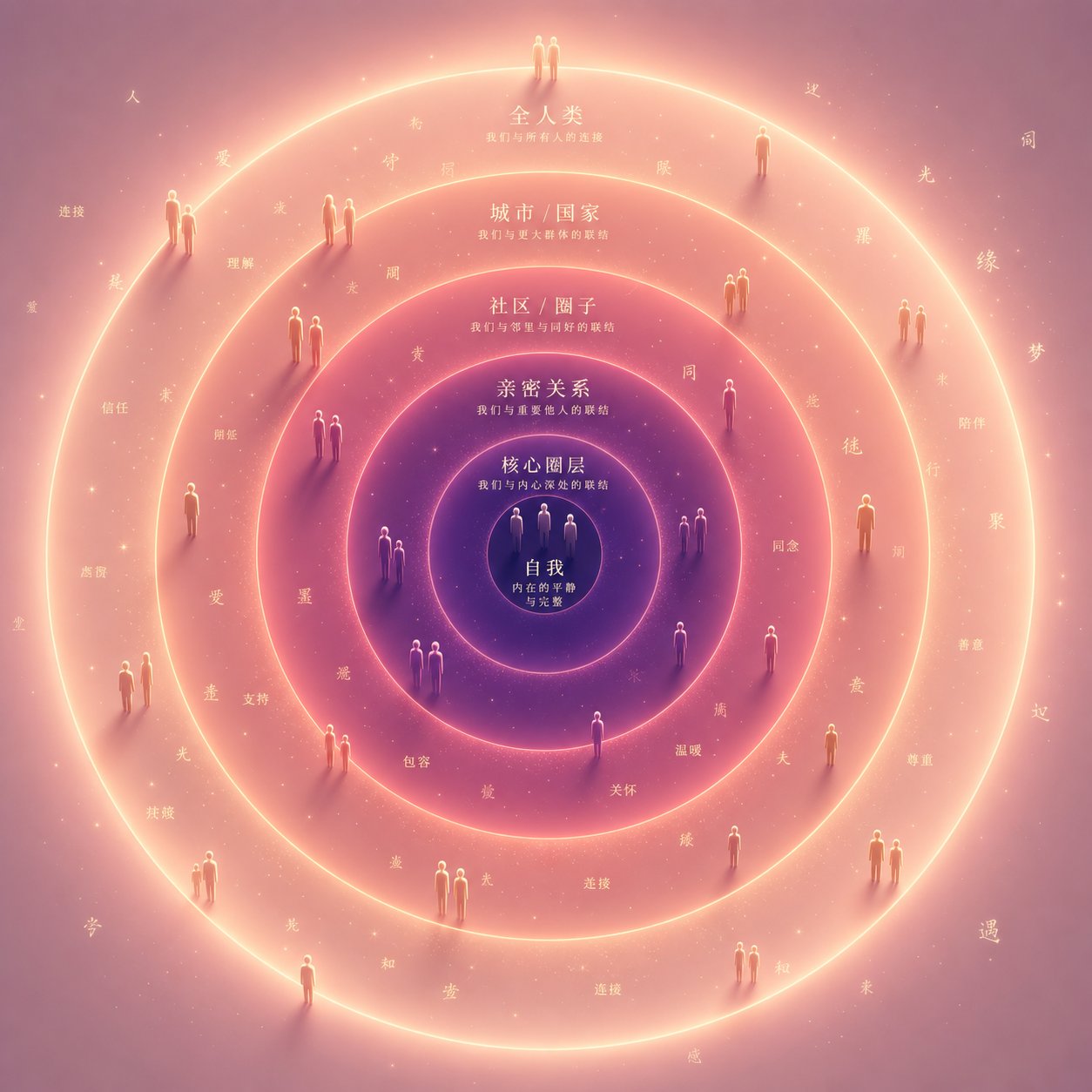
Fan communities don't just consume pop culture. They build entire linguistic systems around it. In Chinese-speaking fandoms, naming conventions function as both creative expression and social currency. Knowing the right chinese nicknames for your favorite idol, understanding the logic behind a CP name, or recognizing an obscure abbreviation signals that you belong. These aren't casual labels. They're structured systems with internal rules, hierarchies, and histories that outsiders can't easily decode.
CP Names and Shipping Culture Naming Rules
CP names (from "coupling") are among the most distinctive fan names for celebrities and fictional characters in Chinese fandom. When fans ship two people together, they create a combined name that fuses elements of both individuals' names into a new term. The order matters. As documented on Fanlore, Chinese fandom ship names indicate who tops in the relationship based on whose name element comes first.
Consider one of the most famous examples: the ship name for Wang Yibo and Xiao Zhan is "Bo Jun Yi Xiao" (博君一肖). "Bo" references Yibo and appears before "Xiao" for Xiao Zhan, establishing the dynamic. But here's where the layering gets brilliant. The phrase is a homophone of 博君一笑, a classical Chinese expression meaning "all I do is to make you smile." A single CP name simultaneously identifies the pairing, establishes relationship dynamics, and encodes a romantic sentiment. That's three levels of meaning in four characters.
CP names follow strict community-enforced rules. Reversing the name order doesn't just sound wrong. It signals a completely different ship dynamic and can provoke genuine backlash from fans who feel the reversal misrepresents their preferred pairing. This mirrors conventions in Japanese yaoi fandom where the "seme x uke" order is vital, but Chinese CP names go further by embedding wordplay and cultural references into the structure itself.
Affectionate Prefixes and Diminutive Patterns
Beyond shipping, Chinese fandoms deploy a systematic set of prefixes and suffixes to create cool chinese nicknames that express specific emotional relationships between fan and idol. The three most common prefixes are:
- 小 (xiao, "little") - Conveys youth, cuteness, or affectionate familiarity. Calling an idol 小王 (Xiao Wang) feels intimate, like a pet name between friends. It's the most universally applied prefix and works for nearly any celebrity fans feel protective toward.
- 大 (da, "big") - Signals respect, seniority, or impressive stature. 大刘 (Da Liu) for an established actor communicates admiration for their career weight. It positions the celebrity as an elder figure worthy of deference.
- 老 (lao, "old") - Despite literally meaning "old," this prefix communicates deep familiarity and veteran status. 老赵 (Lao Zhao) suggests someone who's been around, who's earned their place. Among fans, using 老 for a young idol can be humorous, implying they act mature beyond their years.
These prefixes combine with surname fragments, given name characters, or even physical descriptors to produce an enormous variety of asian nicknames. A single idol might accumulate dozens of community-specific names, each one reflecting a different facet of their public persona or a different era of their career. What outsiders might dismiss as funny asian nicknames actually encode precise social information about the fan's relationship to the celebrity and their depth of community involvement.
Chinese Nicknames for K-Pop and Anime Characters
Chinese naming creativity extends well beyond domestic celebrities. K-pop stars receive elaborate Chinese fan nicknames that often differ dramatically from their Korean stage names. BTS members, BLACKPINK idols, and EXO artists all carry Chinese-language alternatives created by their C-fan bases. These funny chinese nicknames might reference a viral fancam moment, a distinctive physical feature, or a personality trait revealed during a variety show appearance.
Japanese anime characters undergo similar treatment. When a show trends on Bilibili, Chinese fans rapidly generate nicknames that localize the character's identity. A stoic swordsman might become 冰块脸 (Ice Block Face). A cheerful protagonist might get tagged with a food-related name matching their hair color. These names spread through comment sections and fan forums until they become the default way Chinese-speaking audiences reference the character.
The hierarchy of fan naming moves from surface-level to deeply embedded community language. Here's how that progression typically works:
- Full official name - Used by casual viewers and media outlets. No community signal.
- Shortened name or surname + prefix - Basic familiarity. Indicates you follow the celebrity but aren't deeply embedded in fandom.
- Widely known fan nickname - Recognized across platforms. Shows active fandom participation.
- CP name or ship-specific term - Signals alignment with a specific shipping community and its internal dynamics.
- Inside-joke nicknames from specific events - Only recognizable to fans who followed a particular livestream, concert, or controversy. Maximum insider status.
- Coded abbreviations and number-based references - Used to evade censorship or platform filters. Requires deep community knowledge to decode.
Each level deeper you go, the smaller the audience that recognizes the reference. Using a level-six nickname in conversation instantly identifies you as a core community member. It's linguistic gatekeeping through creativity rather than exclusion, a system where knowledge equals belonging.
This layered naming architecture doesn't exist in a vacuum. It draws from the same creative traditions that shape how Chinese animation studios name their characters, blending mythology, wordplay, and cultural resonance into identities designed to stick in collective memory.
Chinese Cartoon and Animation Characters That Shaped Culture
Fan communities name real people. Animation studios name fictional ones. But the creative principles are strikingly similar. Chinese cartoon characters draw from the same deep well of mythology, literary tradition, and linguistic wordplay that drives fan culture naming. The difference? These names are designed from the start to carry cultural weight, to resonate with audiences who grew up hearing the same legends, and to function as instantly recognizable cultural shorthand across generations.
Iconic Characters From Classic Chinese Animation
China's animation history stretches back to the 1940s, and its most enduring characters carry names rooted in classical literature and mythology. These aren't invented from scratch. They're inherited from texts that every Chinese-speaking person encounters in childhood, then visually and narratively reimagined for the screen.
The most famous chinese cartoon characters and the cultural logic behind their names include:
- Sun Wukong (孙悟空) - The Monkey King from "Journey to the West." His name literally means "awakened to emptiness," a Buddhist concept reflecting his spiritual journey. Featured in the landmark 1961 film "Havoc in Heaven," he remains the most recognizable chinese cartoon character worldwide.
- Nezha (哪吒) - A rebellious child deity from "Investiture of the Gods." The name has Sanskrit origins, reflecting Buddhism's influence on Chinese mythology. The 1979 film "Nezha Conquers the Dragon King" cemented his visual identity: wind-fire wheels, red sash, and defiant spirit.
- Black Cat Detective (黑猫警长, Hei Mao Jingzhang) - A 1984 series character whose name is straightforwardly descriptive. Unlike mythology-based names, this one reflects the era's push toward modern, accessible storytelling for children.
- Calabash Brothers (葫芦兄弟, Hulu Xiongdi) - Seven brothers born from magical gourds. Each brother's identity ties to a specific power rather than an individual name, reflecting collectivist cultural values of the 1986 era.
These characters demonstrate how chinese animated characters inherit naming conventions from source texts. Sun Wukong and Nezha didn't need new names. Their literary identities were already embedded in collective memory, giving animators a built-in audience connection.
Modern Donghua Characters Making Cultural Impact
Contemporary Chinese animation, known as donghua, takes a different approach. As New Hanfu's analysis of mythology in Chinese animation documents, modern creators no longer simply adapt original stories faithfully. They remix, graft, and transform mythological sources into new narratives while retaining recognizable character identities.
This creates a fascinating naming dynamic. Characters like Wu Geng from "Wu Geng Ji" (武庚纪) carry names drawn directly from ancient texts about the Shang Dynasty, yet inhabit completely reimagined storylines. The series reverses "Investiture of the Gods" so that gods become villains, but character names preserve their mythological anchoring. Audiences recognize the names and their historical weight, even as the narrative subverts expectations.
"Fei Ren Zai" (非人哉, meaning "Not Human") takes yet another path. It places mythological figures like Nezha, Yang Jian, and creatures from the "Classic of Mountains and Seas" into modern workplace comedy. The title itself is wordplay: 非人哉 is a classical exclamation meaning "how inhuman!" repurposed as a comedic label for supernatural beings navigating office life. The show's chinese animation characters keep their ancient names but gain contemporary personalities, creating humor through the contrast between mythological gravitas and mundane modern problems.
Other notable modern donghua names include characters from "Fog Hill of Five Elements" (雾山五行), where tribal names like Suiren, Chiyou, and Kuafu reference prehistoric Chinese mythology, and "The Legend of Hei" (罗小黑战记), whose protagonist's name combines the common surname Luo with "Little Black," a deliberately casual name that contrasts with the epic supernatural world he inhabits.
Chinese Characters in International Animation
When Western studios create cartoon chinese characters, naming becomes a cross-cultural negotiation. Disney chinese characters like Mulan (木兰, meaning "magnolia") succeed because the name carries genuine literary heritage. Hua Mulan originates from a 5th-century ballad, and the surname Hua (花, "flower") paired with Mulan ("magnolia wood") creates a name that Chinese audiences recognize as authentically rooted rather than invented for foreign consumption.
Contrast this with less successful attempts where studios choose characters that sound generically "Chinese" to Western ears but lack cultural resonance. The difference matters. A name grounded in real literary tradition signals respect for the source culture. A name assembled from pleasant-sounding syllables signals superficiality. Chinese audiences detect this instantly.
The growing global reach of donghua means chinese characters cartoon naming is increasingly a two-way street. Studios like Bilibili and Tencent Animation now create characters intended for both domestic and international audiences. Names must work in Mandarin while remaining pronounceable and memorable for global viewers. This dual pressure produces names that lean on universal mythological archetypes, strong phonetic rhythm, and visual distinctiveness in character design that compensates for any naming nuance lost in translation.
Animation names enter vocabulary differently than celebrity nicknames. They don't emerge from community creativity. They're authored, deliberate, and fixed. But their cultural impact can be just as profound, especially when a character becomes so iconic that their name functions as everyday shorthand. Calling someone a "Nezha" in casual conversation immediately communicates rebelliousness and defiance of authority. That kind of linguistic permanence is exactly what social media platforms accelerate, turning a single viral moment into a name that sticks forever.
Social Media Platforms Driving Viral Pop Culture Names
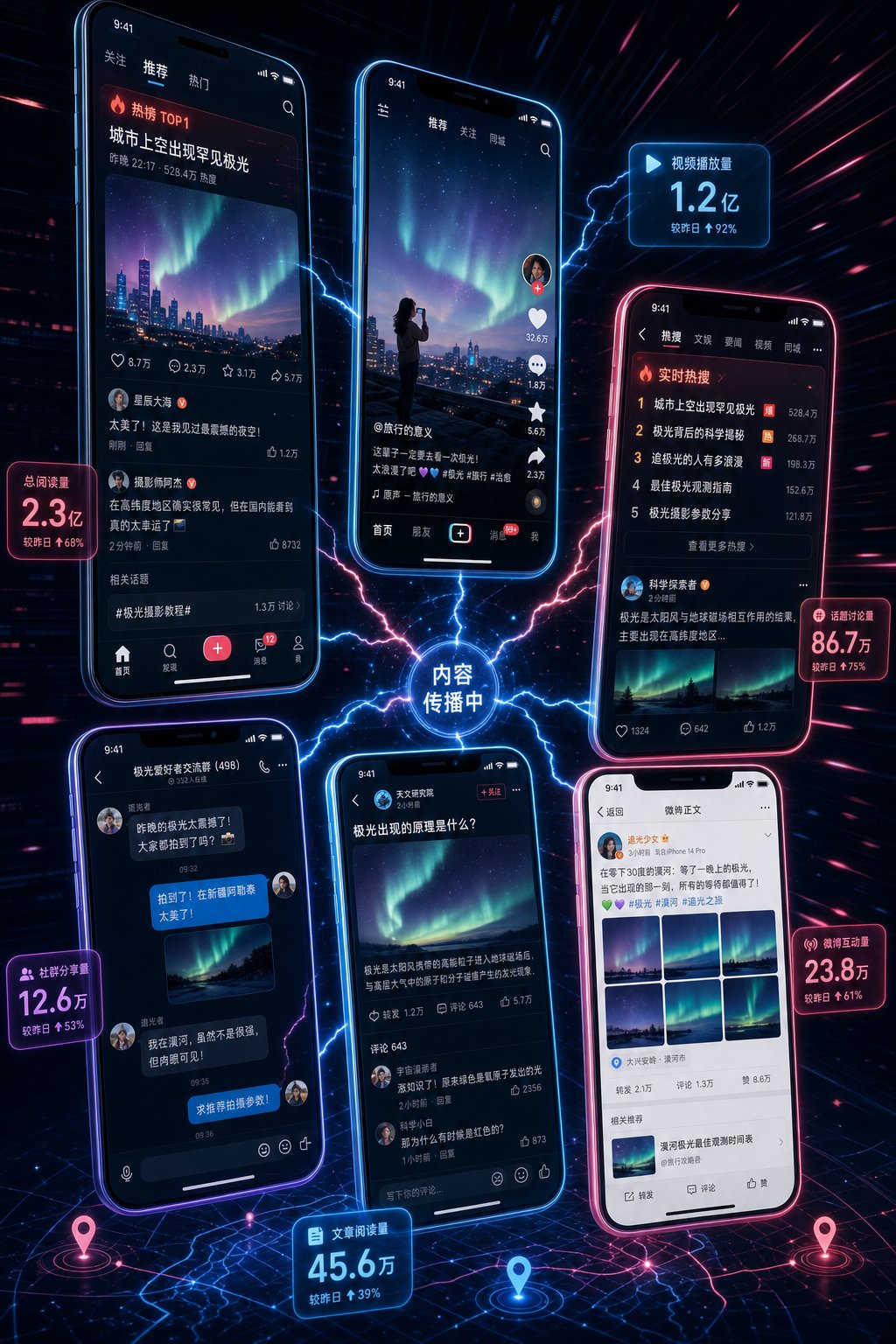
Animation studios spend months crafting character names. Fan communities develop theirs over weeks of collective brainstorming. But some of the most enduring chinese pop culture names are born in seconds, sparked by a single viral moment on a specific platform, then spreading across the entire Chinese internet within hours. The platforms themselves shape what kinds of names emerge, how quickly they travel, and whether they stick or fade. Each major Chinese social media platform has its own naming culture, its own creative norms, and its own mechanisms for turning a throwaway joke into permanent vocabulary.
Platform-Specific Naming Cultures on Weibo and Douyin
Weibo functions as China's public square for celebrity discourse. Its hashtag system, trending topics list, and open comment architecture make it the primary incubator for funny chinese names that target public figures. When a celebrity does something noteworthy, whether embarrassing, impressive, or bizarre, Weibo users race to coin the definitive nickname. The platform's character limit encourages compression, pushing creators toward punchy two-to-four-character names that pack maximum meaning into minimum space.
The term "wanghong" (网红) itself illustrates how platform culture generates naming conventions. Short for "wangluo hongren" (网络红人, "internet celebrity"), the abbreviation emerged organically from Weibo's fast-scrolling environment where brevity wins. As What's on Weibo documents, the term has evolved beyond a neutral descriptor of online fame into something increasingly tied to controversy and scandal, showing how platform context reshapes a name's connotations over time.
Douyin (China's TikTok) operates differently. Its short-video format means names often emerge from visual moments rather than text-based wordplay. A livestreamer's on-camera slip, a distinctive catchphrase, or an absurd visual gag becomes the raw material for a nickname. Douyin's algorithm amplifies repetition, so names that appear in video captions and comment sections get reinforced through sheer exposure. Funny names in chinese on Douyin tend to be more visceral and image-driven than Weibo's text-based creations.
Xiaohongshu (Little Red Book) cultivates a different naming aesthetic entirely. Its lifestyle-focused, predominantly female user base generates names that lean toward affectionate diminutives, aesthetic descriptors, and aspirational labels. A beauty influencer on Xiaohongshu might earn a nickname referencing a specific makeup look or skincare philosophy rather than a viral scandal. Douban, with its film-critic and literary community, produces more intellectually layered names, often referencing obscure cultural texts or deploying irony that requires context to decode.
How Memes and Viral Moments Birth New Names
The lifecycle of a viral nickname follows a surprisingly consistent pattern. It starts with a triggering event, usually captured on video or documented in a screenshot. Someone coins a name in the comments or in a repost. If the name is clever enough, it gets repeated. Repetition breeds recognition. Recognition breeds adoption. Within days, the name jumps platforms, moving from Douyin comments to Weibo hashtags to Xiaohongshu posts to group chats on WeChat.
When livestreamer Li Jiaqi dismissed a viewer's complaint about high prices by asking "Have you worked hard enough?", he lost one million Weibo followers in a single day and earned the lasting nickname "Lipstick King" a new, darker edge, proving that a single viral moment can permanently rewrite how a name is understood.
Consider how the funniest chinese names often originate from moments of public failure rather than success. The Jiangsu Super League's Changzhou football team became a naming meme when netizens started "removing strokes" from the city's Chinese character 常 every time the team lost, visually degrading the name from 常州 to 巾州 to 丨州 until nothing remained. When Changzhou finally won, the city's official account flipped the joke by temporarily renaming itself 常洲, adding water-radical strokes to celebrate three goals scored. A city's actual name became a living meme, modified in real time based on sports results.
This pattern reveals something important: the most durable funny chinese name creations aren't just labels. They're narratives compressed into characters. They encode a story that insiders can unpack instantly. The "Office Li Xiaoran" meme, where workers adopted the actress's name as a self-label after her cheerfully terrible performance on a talent show, demonstrates how a celebrity's name can transform into a universal descriptor for a shared emotional state.
Numbers as Names in Chinese Internet Culture
One of the most distinctive features of Chinese internet naming is the use of numbers as substitutes for words. Because Mandarin syllables map onto digits (1 = yi, 5 = wu, 8 = ba, etc.), number sequences can spell out phrases, compliments, or insults. The number 520 sounds like "wo ai ni" (I love you). 666 represents "liu liu liu," slang for "awesome" or "smooth." 88 sounds like "bye bye." 233 references a specific laughing emoji on the Maopu forum, now universally understood as "LOL."
For naming specifically, numbers create coded identities. Fans might refer to an idol by their birthday digits, jersey number, or a numeric pun on their name. This system also serves a practical function: when platform censors block a celebrity's name during a scandal, fans switch to numeric codes to continue discussing them. The number becomes the name, at least temporarily, until censorship catches up or the controversy fades.
Curious about how to call someone hot in chinese using internet slang? Numbers play a role here too. The code 9494 sounds like "jiu shi jiu shi" (就是就是, "exactly, exactly"), used to enthusiastically agree when someone posts an attractive photo. Platforms like Douyin and Weibo have developed entire vocabularies where numeric sequences function as compliments, reactions, and identity markers, blurring the line between names and slang.
This number-based naming culture highlights a broader truth about Chinese social media: names are never static. They evolve with platform algorithms, censorship pressures, and community creativity. A name that starts as a Weibo hashtag joke can become a Douyin audio trend, then a Xiaohongshu aesthetic label, then a real-world slang term, each platform adding its own layer of meaning to the original creation. The speed of this evolution is what separates modern naming culture from everything that came before it, when nicknames traveled through print media and word of mouth rather than algorithmic amplification.
How Chinese Pop Culture Naming Evolved Over Decades
Algorithmic speed defines naming culture today. But rewind a few decades, and the process looked completely different. Before Weibo hashtags and Douyin comment sections, a chinese nickname for a celebrity had to travel through newspapers, radio broadcasts, and word of mouth. The people who coined these names weren't anonymous fans. They were entertainment journalists, magazine editors, and industry insiders with gatekeeping power over public language. Tracing this evolution reveals how technology didn't just accelerate naming. It fundamentally changed who gets to name, what sticks, and why.
The Hong Kong Cinema and Cantopop Naming Era
Hong Kong's entertainment golden age, roughly the 1970s through the 1990s, produced some of the most enduring cantonese nicknames in Chinese pop culture. Bruce Lee was called 李小龙 (Li Xiaolong, "Little Dragon Lee"), a stage name chosen for its martial arts imagery and tonal punch. Leslie Cheung became 哥哥 (Gege, "Big Brother"), a title bestowed by media that communicated both seniority and affection. Jackie Chan's Chinese name 成龙 (Cheng Long, "Become the Dragon") was a deliberate rebranding from his birth name, designed to position him as Bruce Lee's spiritual successor.
These names shared a common origin: they came from above. Studio executives, entertainment columnists, and the artists themselves controlled the narrative. Fans received these names through print tabloids and television interviews. They could adopt them, but they couldn't create alternatives that gained traction. The media infrastructure simply didn't allow bottom-up naming. A nickname chinese audiences used for a star in the 1980s was almost always one that a journalist or publicist introduced first.
Famous chinese characters from this era's films, think Wong Fei-hung or Fong Sai-yuk, also entered everyday vocabulary through repetition across dozens of sequels and adaptations. Chinese movie characters became cultural archetypes precisely because the same names appeared in film after film, reinforced by a concentrated media ecosystem with limited channels.
Early Internet Forums and the Birth of Digital Nicknames
The late 1990s and early 2000s shattered that top-down model. As The World of Chinese documents, platforms like Tianya (founded 1999), Maopu (founded 1997), and later Baidu Tieba (launched 2003) gave ordinary users their first real space to collectively generate and spread celebrity names. China's earliest netizens were mostly highly educated and well-mannered, and the nicknames they produced reflected that: literary references, clever wordplay, and cultural commentary rather than pure shock value.
Maopu, specifically focused on entertainment news, became a birthplace for viral internet memes and celebrity nicknames that jumped from forum threads into mainstream conversation. Baidu Tieba's "bar" system created dedicated spaces for individual celebrities, where fans could workshop nicknames collaboratively over days or weeks. By its peak of over 300 million monthly active users, Tieba had become the largest incubator for chinese nickname creation in the Chinese-speaking world.
The key shift? Naming became collaborative rather than authored. A journalist writes a nickname alone. A forum community iterates on one collectively, upvoting the cleverest options and discarding the rest through natural selection. The best nickname chinese forum culture produced wasn't necessarily the first one posted. It was the one that survived community scrutiny.
Modern Social Media and Democratized Naming
The transition from long-form forums to microblogging and short video completed the democratization. Weibo launched in 2009. Douyin followed in 2016. Each platform compressed the naming cycle further. What once took weeks on Tianya now happens in hours on Weibo's trending topics. The barrier to participation dropped to zero: anyone with a phone can coin a name, and algorithmic amplification can make it viral before the celebrity even knows it exists.
This timeline shows how each era reshaped the fundamental dynamics of who creates names, how they spread, and what styles dominate:
| Era | Time Period | Who Creates Names | How Names Spread | Dominant Style |
|---|---|---|---|---|
| Hong Kong Cinema / Cantopop | 1970s - 1990s | Journalists, publicists, studio executives | Print tabloids, TV, radio | Aspirational titles, martial arts imagery, honorifics |
| Early Internet Forums | Late 1990s - 2000s | Educated early netizens, forum power users | BBS threads, cross-forum reposts | Literary wordplay, collaborative iteration, longer-form humor |
| Microblogging Era | 2009 - 2016 | Any Weibo user with a clever post | Retweets, hashtags, trending lists | Compressed puns, homophone humor, reaction-based names |
| Short Video / Algorithm Era | 2016 - present | Anyone with a phone, amplified by algorithms | Douyin loops, cross-platform migration, WeChat groups | Visual-moment names, numeric codes, meme-speed turnover |
Notice the acceleration. In the Cantopop era, a nickname might take months to reach national recognition. In the forum era, weeks. In the Weibo era, days. In the Douyin era, hours. Each technological leap didn't just speed up distribution. It changed the creative incentives. When you have months, you craft something elegant. When you have seconds, you grab whatever's sharpest and most immediate.
This compression also means modern names are more disposable. A Hong Kong-era title like 哥哥 for Leslie Cheung lasted decades. A Douyin-born nickname might peak and fade within a single news cycle. The trade-off between permanence and speed defines the current landscape, where volume has replaced longevity as the measure of naming success.
Yet the most powerful names still break through the noise and enter real life. When a viral nickname or a beloved drama character's name starts appearing on actual birth certificates, you know the naming ecosystem has completed its full arc from screen to society.
Pop Culture Names That Crossed Into Real Life
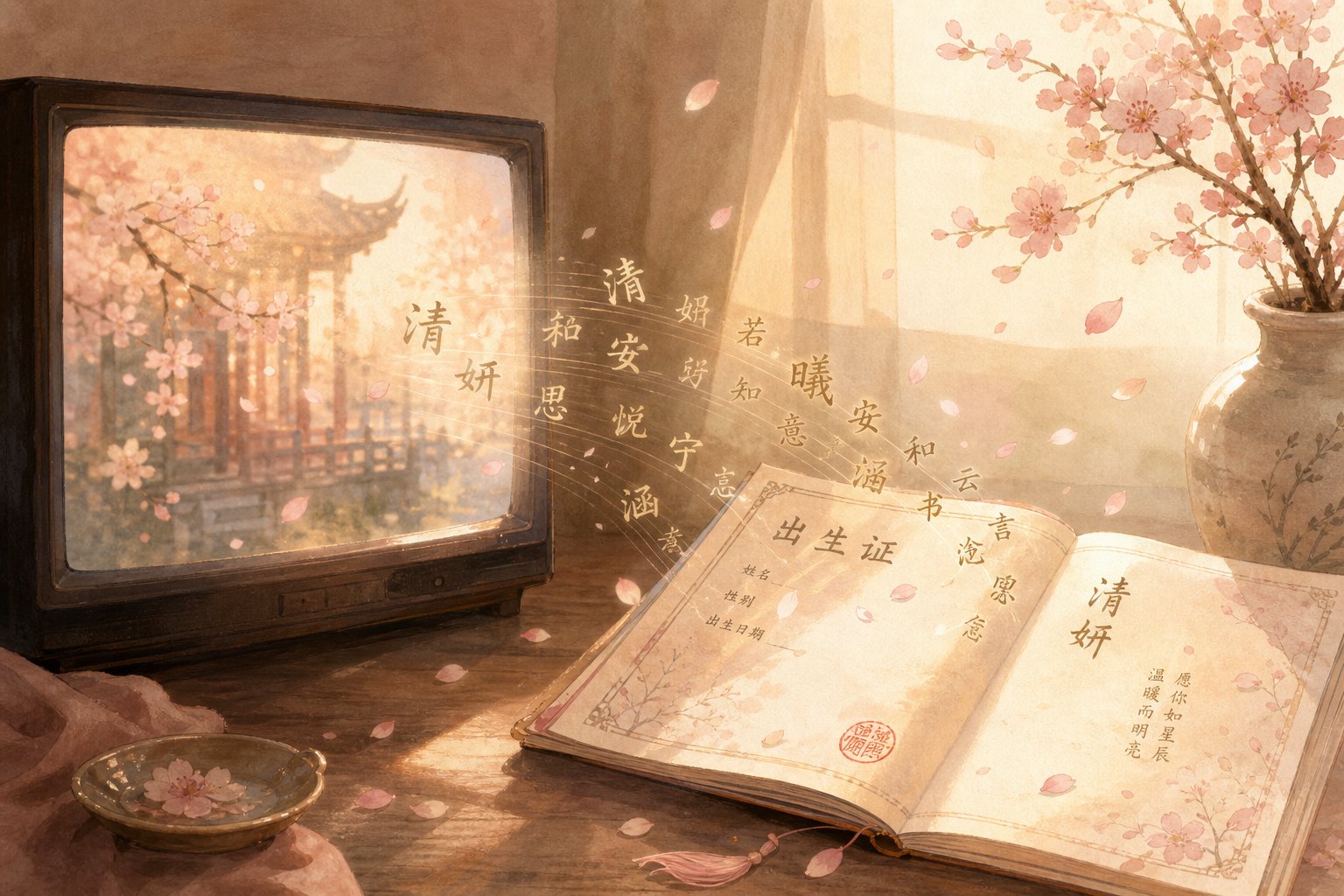
A name trends on Weibo for a week. It appears in a hit drama watched by 400 million viewers. And then, months later, it starts showing up on birth certificates. This crossover from screen to registry is one of the most tangible ways chinese pop culture names reshape society. It's not hypothetical. Public naming data from multiple Chinese provinces confirms that fictional characters and celebrity culture directly influence what parents choose for their children.
When Drama Characters Inspire Real Baby Names
When a C-drama becomes a national phenomenon, its character names enter everyday vocabulary almost overnight. Parents searching for chinese names for girls or chinese names for boys increasingly draw from the same well of classical-sounding, poetic characters that drama screenwriters use. The result? Naming registries start reflecting whatever aired on iQiyi or Youku the previous year.
Data from China's provincial naming reports reveals that names like "Yanzhou" (inkstone and boat), rooted in a Northern Song Dynasty poem by Zeng Gong, gained cross-regional popularity among 2025 newborns. The name "Fusu," which appears in China's oldest poem anthology the Book of Songs and was also the name of Emperor Qinshihuang's eldest son, showed up among first-graders. These aren't random coincidences. They reflect how costume dramas and historical fiction reintroduce classical characters into the modern naming imagination.
- "Jincheng" (锦程) - Trending among newborns in Sichuan Province, derived from the idiom "Qiancheng Sijin" meaning "the future is like brocade." Likely reinforced by drama characters carrying similar aspirational names.
- "Yanzhou" (砚舟) - Popular across both Sichuan and Zhejiang provinces, drawn from classical poetry. Its spread mirrors how costume drama aesthetics normalize literary naming.
- "Fusu" (扶苏) - A name from both the Book of Songs and Qin Dynasty history, appearing in school registries as parents embrace historically resonant chinese girl names and boys' names alike.
- "Chirou" (驰柔) - Inspired directly by the Tao Te Ching's Chapter 43, chosen by a Chengdu mother who wanted her daughter to carry "the quiet power of softness."
The Bidirectional Flow Between Fiction and Reality
The relationship between pop culture and real-world naming runs both directions. Drama writers select character names that sound beautiful and culturally resonant. Parents hear those names and adopt them. Then the next generation of writers notices which names resonate with audiences and creates new characters accordingly. It's a feedback loop where fiction and reality continuously shape each other.
Cultural sociologist Xu Shumin describes this phenomenon as young parents "reclaiming traditional Chinese culture as a living aesthetic in everyday life." Post-1990s parents, the generation now raising children, grew up during a period of parallel technological advancement and traditional cultural revival. Just as they might wear Hanfu to express identity, naming their children with classical allusions is another form of cultural self-expression. The most popular female chinese names and china female names among recent newborns reflect this dual influence: they sound like they belong in a period drama while carrying genuine literary heritage.
This generational shift is measurable. The post-1980s generation favored characters like "wei" (great) and "qiang" (powerful), reflecting reform-era optimism. The post-1990s generation leaned toward romanticized characters influenced by Hong Kong and Taiwanese dramas: "meng" (dream), "yu" (rain), "han" (cultivation). Today's parents choose names that read like poetry, pulling from the same classical sources that screenwriters mine for their protagonists.
Cultural Sensitivity and Naming Controversies
Not every crossover from pop culture to real life lands smoothly. When parents choose asian names for girls or boys based purely on trending drama characters without understanding the full literary context, debates emerge. Some educators report classrooms where multiple children share identical drama-inspired names, creating the same homogeneity problem that "unique" naming was supposed to solve.
Celebrity nicknames also spark controversy when they cross boundaries. Mocking nicknames that fans consider playful can feel disrespectful when they escape fandom spaces and enter mainstream media. The line between affectionate teasing and public ridicule shifts depending on context, and what works as insider humor on Douban can read as cruelty in a news headline.
There's also tension between trend-chasing and genuine cultural connection. A name like "Chirou" from the Tao Te Ching carries philosophical depth its bearer can grow into. A name grabbed from a trending hashtag without understanding its source may age poorly once the show fades from memory. As one parent quoted in the Global Times put it, a name that "carries cultural tradition is a gift beyond value," but only when the tradition is understood rather than merely borrowed for its aesthetic surface.
The chinese names list female and male registries will keep evolving with each hit drama season and each viral celebrity moment. What remains constant is the underlying principle: in Chinese culture, naming is never just labeling. It's an act of aspiration, identity, and cultural positioning, whether the name comes from a 2,500-year-old poem or last month's most-watched show.
Frequently Asked Questions About Chinese Pop Culture Names
1. How do Chinese fans create nicknames for Western celebrities?
Chinese fans use a mix of phonetic puns, personality traits, physical features, and viral moments to coin nicknames that spread organically on platforms like Weibo and Bilibili. For example, Leonardo DiCaprio is called Xiao Lizi (Little Plum) because 'Leo' sounds like the character for plum (li). These fan-created names differ sharply from official media transliterations, which prioritize phonetic accuracy over personality. The best fan nicknames layer multiple meanings into just two or three characters, encoding humor, cultural references, and affection simultaneously.
2. What are CP names in Chinese fandom culture?
CP names (from 'coupling') are combined names Chinese fans create for shipped pairs, fusing elements of both individuals' names into a single term. The character order matters because it signals relationship dynamics within the pairing. The most celebrated CP names also function as homophones of classical Chinese phrases, adding a romantic or poetic layer. For instance, the ship name for Wang Yibo and Xiao Zhan sounds identical to a classical expression meaning 'all I do is to make you smile,' packing identity, dynamics, and sentiment into four characters.
3. Do Chinese pop culture names influence real baby naming trends?
Yes, measurably so. Provincial naming data in China shows that character names from hit costume dramas and historical fiction regularly spike in birth registries the year after a show airs. Parents, particularly the post-1990s generation, draw from the same classical poetry and literary sources that screenwriters use for protagonists. Names like Yanzhou (from a Northern Song poem) and Fusu (from the Book of Songs) have appeared among recent newborns, reflecting a feedback loop where fiction reintroduces classical characters into the modern naming imagination.
4. How do numbers work as names in Chinese internet culture?
Because Mandarin syllables map onto digits (1 = yi, 5 = wu, 8 = ba), number sequences can spell out words and phrases. The number 520 sounds like 'wo ai ni' (I love you), 666 means 'awesome,' and 88 sounds like 'bye bye.' Fans use numeric codes to refer to idols by birthday digits or name puns. Numbers also serve a practical censorship-evasion function: when platforms block a celebrity's name during a scandal, fans switch to numeric codes to keep discussing them without triggering filters.
5. Why do C-pop idols change their names for the entertainment industry?
Management teams evaluate whether a birth name works for stardom based on character meaning, tonal harmony, stroke count numerology, visual balance, market distinctiveness, and even feng shui alignment. A name that sounds too common, carries awkward homophones, or clashes tonally may be replaced with something more polished and memorable. Some artists also consult fortune tellers who calculate auspicious stroke counts believed to attract fame or wealth. The result is a stage name engineered as a branding tool rather than just personal identification.