Why Chinese Names Meaning Peace Are So Powerful
Imagine giving your child more than a name. Imagine giving them a lifelong wish, a quiet prayer woven into the very strokes of a character. That is exactly what happens when Chinese families choose a name. It is not labeling. It is an act of hope.
In Chinese culture, a name tells the story of a parent's ideals and aspirations for their child. As Temple University's Center for Chinese Language Instruction explains, these aspirations often become something the name's bearer embraces throughout their entire life. The cultural significance of chinese peace names runs especially deep because peace is not a passive wish. It is a deliberate blessing for a calm temperament, harmonious relationships, and a stable path forward.
Here is what makes Chinese names that mean peace so fascinating: Mandarin does not have just one word for peace. It has at least six distinct characters, each carrying a different philosophical shade. One character speaks of security and shelter. Another points to fairness and balance. A third evokes spiritual stillness. Yet another suggests the harmony of a community where everyone is fed and cared for. English flattens all of these into a single word. Chinese lets you choose precisely which kind of peace you want your child to carry.
In Chinese naming tradition, selecting a character is selecting a destiny. Parents do not simply describe who a child is — they express who they hope the child will become.
Why Chinese Peace Names Carry Deep Meaning
The meaning of peace in chinese names goes far beyond dictionary definitions. Each character is built from visual components called radicals, and those radicals tell a story. A woman sheltered under a roof. Grain beside a mouth. A heart at rest. When you choose a chinese baby name meaning peaceful, you are choosing an entire philosophy compressed into a few brushstrokes. That layered richness is why these names have endured for thousands of years and why they resonate with families across the globe today, whether they live in Beijing, Toronto, or Sydney.
What This Guide Covers
This guide walks you through everything you need to make an informed, meaningful choice:
- The six core peace characters and how each one conveys a unique concept
- Etymology and radical composition — the visual stories hidden inside each character
- Curated girl names, boy names, and gender-neutral options organized by shade of peace
- How two-character compound names layer meaning through pairing conventions
- The philosophical and historical roots behind peace naming traditions
- A practical pronunciation guide with tone explanations for English speakers
Whether you are a parent searching for the perfect name, a writer building authentic characters, or simply curious about how one of the world's oldest languages encodes something as universal as peace, you will find the depth you need here. The journey starts with understanding the characters themselves — and discovering that what looks like a single concept is actually a spectrum of meaning waiting to be explored.
Understanding the Key Peace Characters in Chinese
Six characters. Six distinct philosophies. That is the reality of how to say peace in Chinese — there is no single answer, only a spectrum of meaning shaped by thousands of years of thought. When you search for chinese characters that mean peace, you are really asking which kind of peace resonates most with the life you envision for your child.
Think of it this way: English uses one word, "peace," to cover everything from a ceasefire treaty to a quiet Sunday morning to the feeling of inner calm after meditation. Chinese refuses to collapse those experiences into a single symbol. Each character isolates a specific emotional, social, or philosophical dimension of peace — and that precision is exactly what makes Chinese naming so powerful.
Six Core Characters for Peace in Chinese
Below are the six characters most commonly used in chinese names meaning peace. You will notice that none of them are interchangeable. A parent choosing 安 is making a fundamentally different wish than a parent choosing 静, even though both fall under the English umbrella of "peaceful."
| Character | Pinyin with Tone Mark | English Meaning | Nuance / Concept | English Phonetic Approximation |
|---|---|---|---|---|
| 安 | ān | Security, calm, safety | Peace as protection and shelter — being safe and settled | "ahn" (rhymes with "on") |
| 平 | píng | Level, fair, balanced | Peace as equality and stability — a balanced scale, no extremes | "ping" (as in ping-pong) |
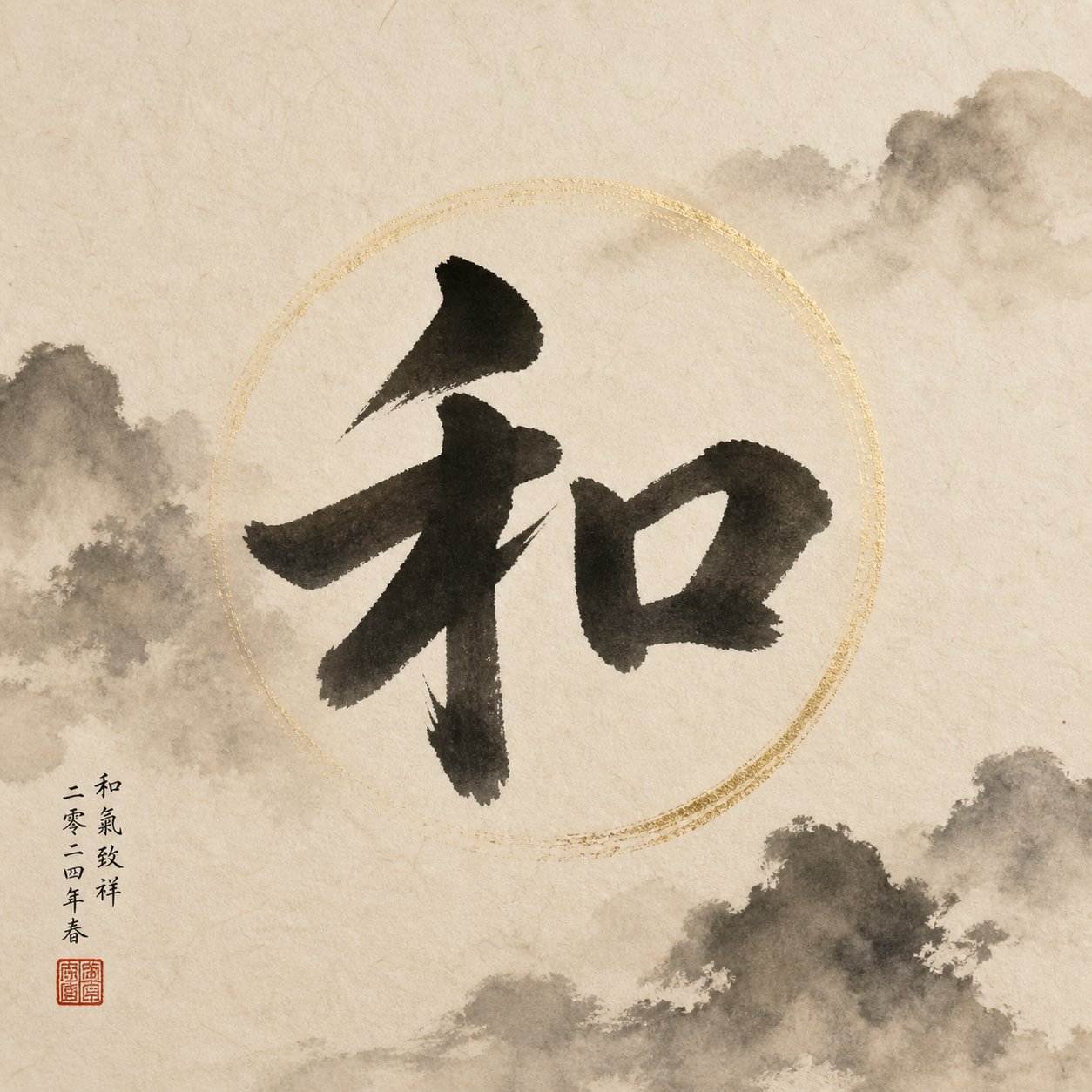
| 和 | hé | Harmony, togetherness | Peace as social cohesion — people coexisting in mutual care | "huh" (short, soft vowel) |
| 宁 | níng | Tranquility, composure | Peace as inner quietude — a mind undisturbed by chaos | "ning" (rhymes with "sing") |
| 静 | jìng | Stillness, quiet | Peace as meditative silence — the absence of noise and agitation | "jing" (soft "j," rhymes with "sing") |
| 泰 | tài | Grand peace, prosperity | Peace as flourishing abundance — large-scale stability and ease | "tie" (rhymes with "sky") |
How Each Character Conveys a Different Shade of Peace
So what do these different words for peace in mandarin actually feel like in practice? Here is a quick way to grasp the distinctions:
- 安 (ān) is the peace a child feels when held by a parent. It is about being safe — physically protected, emotionally secure. In Chinese culture, physical safety and emotional peace are inseparable, and 安 captures both.
- 平 (píng) is the peace of a perfectly level surface. Nothing tilts, nothing tips. It suggests fairness, equality, and the calm that comes when life is steady and predictable.
- 和 (hé) is relational peace. Picture a community where everyone is fed, where voices blend rather than clash. It is harmony between people — the social glue that holds families and societies together.
- 宁 (níng) turns inward. This is the peace of a composed mind, the quiet after emotional storms. You will often encounter it in Buddhist and Taoist contexts describing mental balance.
- 静 (jìng) goes even deeper into stillness. If 宁 is composure, 静 is meditation — the deliberate practice of silence, the peace found when all external noise falls away.
- 泰 (tài) scales peace up to something grand. It carries connotations of prosperity and ease on a large scale, the kind of peace an entire era or nation might enjoy. It is bold, expansive, and confident.
Understanding these chinese peace characters explained side by side reveals something important: choosing a name is choosing a philosophy. A child named with 静 carries the wish for reflective depth. A child named with 泰 carries the wish for expansive confidence. Neither is better — they are simply different prayers for different paths.
These six characters rarely appear alone in given names. They combine with other characters to create layered, compound meanings — and the way those combinations work depends on the visual building blocks hidden inside each symbol. The radicals and strokes that form these characters tell their own stories, stories that reveal exactly why each character means what it does.
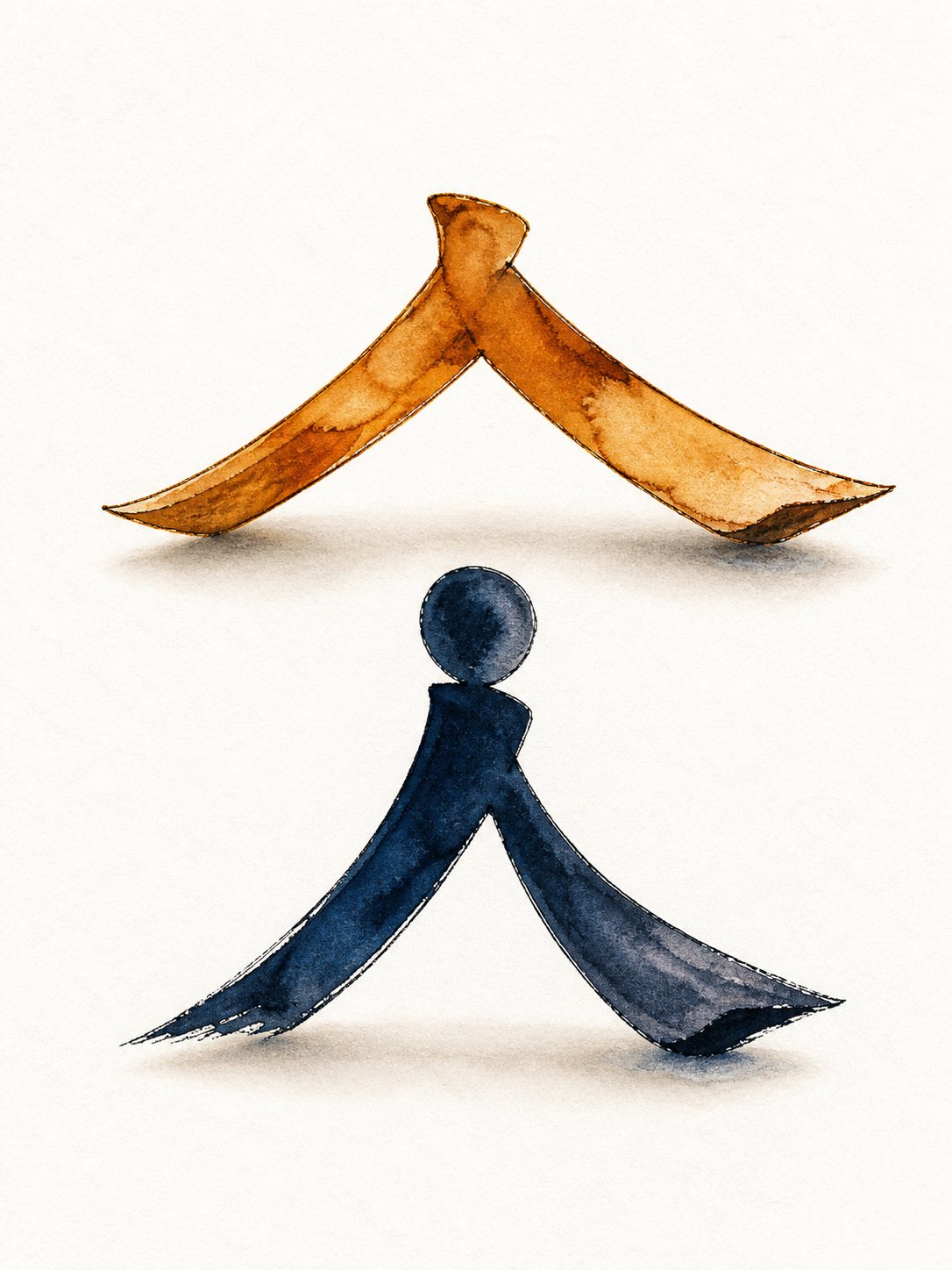
The Etymology and Radical Composition of Peace Characters
You know what each peace character means. But do you know what each one looks like when you break it apart? Chinese characters are not arbitrary squiggles. They are built from smaller visual components called radicals — and those radicals function like ingredients in a recipe. Each one contributes a layer of meaning, and together they tell a story you can actually see.
This matters for naming. When you understand how chinese characters are formed, you stop choosing blindly from a list. You start choosing with full awareness of the imagery your child will carry in their name — a woman sheltered under a roof, grain shared beside a mouth, a heart resting in stillness. These are not metaphors. They are literally drawn into the characters.
The Visual Stories Inside Peace Characters
Chinese belongs to a writing system where meaning is encoded visually. As LibreTexts' guide to Chinese radicals explains, many characters are associative compounds — combinations of pictographic or ideographic elements that together suggest the meaning of the whole. The six peace characters are perfect examples of this principle in action.
Imagine you could x-ray each character and see its skeleton. Here is what you would find:
- 安 (ān) — Security: The roof radical 宀 (mián, meaning "roof" or "shelter") sits over 女 (nǚ, meaning "woman"). Picture a woman safe beneath a roof. In ancient China, a household at rest — with its family protected indoors — was the very definition of peace. The radical meaning of an in chinese is literally "sheltered person, sheltered life." This is peace as domestic security, warmth, and protection from the outside world.
- 平 (píng) — Balance: Look at the character's structure: two even horizontal strokes balanced by a central form. Ancient oracle bone inscriptions show this character depicting a level surface or a balanced scale. The World of Chinese notes that 平 originally described a calm, flat, gentle tone and has carried that sense of serenity for over 2,000 years. The visual impression is unmistakable — nothing tilts, nothing tips. Peace here is equilibrium.
- 和 (hé) — Harmony: On the left stands 禾 (hé, meaning "grain" or "growing crops"). On the right sits 口 (kǒu, meaning "mouth"). Grain beside a mouth. Everyone fed. Everyone satisfied. This is peace as communal well-being — the harmony that emerges when no one goes hungry and resources are shared. It is social, relational, and deeply Confucian in spirit.
- 宁 (níng) — Tranquility: The traditional form 寧 layers multiple elements: the roof radical 宀 on top, 心 (xīn, meaning "heart") in the middle, and 丁 (dīng, a phonetic element sometimes interpreted as a small table or stand) below. The simplified form 宁 retains the roof 宀 over 丁. The core image is a heart at rest beneath shelter — inner calm protected from external disturbance. Where 安 shelters the body, 宁 shelters the mind.
- 静 (jìng) — Stillness: The left side is 青 (qīng, meaning "blue-green" or "clear"), and the right side is 争 (zhēng, meaning "to contend" or "to strive"). Sounds contradictory? It is actually a pictophonetic compound: 青 provides a phonetic hint while also evoking clarity, and the overall character came to mean the cessation of striving — the moment when contention stops and clarity remains. Stillness is what is left when struggle ends.
- 泰 (tài) — Grand peace: This character combines 水 (shuǐ, "water") at the bottom with elements suggesting "great" or "smooth passage" above. The image evokes water flowing freely without obstruction — abundance moving easily, large-scale prosperity unblocked. It is peace writ large, the kind that describes an entire era of flourishing.
How Radicals Build Meaning in Chinese Names
Why does any of this matter when you are picking a name? Because the meaning behind chinese name radicals is not hidden trivia — it is the foundation of how native speakers feel a character. A Chinese grandparent looking at 安 does not just think "peace." They see the roof. They see the woman. They feel the warmth of a protected home. That emotional resonance is what your child's name will carry.
Here is a practical way to think about chinese character composition for names:
- Roof radical 宀 appears in both 安 and 宁. Any name using these characters carries an implicit sense of shelter, home, and indoor safety. These are names that wish a child a stable, protected life.
- Heart radical 心/忄 appears in the traditional form of 宁 (寧). Names built on this character carry a wish for emotional and psychological peace — a calm inner world.
- Grain radical 禾 in 和 connects the name to abundance, nourishment, and community. It is an inherently social wish — peace through connection with others.
- Water radical 水/氵 in 泰 links the name to flow, ease, and natural movement. It suggests a life without obstruction, where good things come freely.
More than 90% of all Chinese characters are pictophonetic compounds — combinations of a meaning-giving radical and a sound-giving element. Understanding this system transforms the etymology of chinese peace characters from academic curiosity into a practical naming tool. You are not just choosing a sound or a dictionary definition. You are choosing a small piece of visual art that will represent your child for a lifetime.
With these building blocks clear, the next question becomes: how do real names use them? The answer looks different depending on whether you are exploring options for a daughter, a son, or a child of any gender — and the cultural traditions that shape those choices run deep.
Chinese Girl Names That Mean Peace and Tranquility
Certain peace characters have gravitated toward feminine names for centuries — and the reasons are cultural, not arbitrary. Characters like 静 (stillness) and 宁 (tranquility) align with traditional ideals of grace, composure, and inner beauty that Chinese families historically wished for daughters. Characters like 安 (safety) reflect a parent's protective instinct. That said, modern families are rewriting these conventions, and you will find many of these peaceful chinese names for girls crossing traditional boundaries today.
The names below are organized by the specific shade of peace they carry. Each entry gives you everything you need: characters, pinyin, meaning, and a phonetic guide so you can hear the name even if you have never spoken Mandarin.
Girl Names Conveying Tranquility and Stillness
These chinese female names meaning tranquility draw on 静 and 宁 — the two characters most associated with inner quiet and meditative calm. They wish a daughter a composed spirit and a mind undisturbed by chaos.
| Chinese Characters | Pinyin | Meaning | Pronunciation Guide |
|---|---|---|---|
| 静怡 | Jingyí | Stillness + joy; serene happiness | "jing-yee" (soft j, rhymes with sing-see) |
| 宁馨 | Ningxīn | Tranquility + fragrance; peaceful and sweet | "ning-sheen" (rhymes with sing-sheen) |
| 静萱 | Jingxuān | Stillness + daylily; calm and carefree | "jing-shwen" (soft j) |
| 宁雅 | Ningyǎ | Tranquility + elegance; composed grace | "ning-yah" |
| 静瑶 | Jingyáo | Stillness + precious jade; quiet beauty | "jing-yow" (rhymes with cow) |
That's Mandarin highlights 静怡 (Jingyí) as one of the most popular Chinese female names, noting that 静 means quiet, calm, and peaceful while 怡 adds a layer of joyfulness and harmony. The combination creates a name that wishes a daughter serenity without solemnity — peaceful happiness rather than mere silence.
Girl Names Expressing Harmony and Calm
These girl names meaning calm in chinese use 和 (harmony) and 平 (balance) to express relational peace — the kind that flows between people rather than dwelling only within.
| Chinese Characters | Pinyin | Meaning | Pronunciation Guide |
|---|---|---|---|
| 和悦 | Héyuè | Harmony + delight; joyful togetherness | "huh-yweh" |
| 平安 | Píng'ān | Level + safe; safe and sound | "ping-ahn" |
| 和婉 | Héwǎn | Harmony + gentle; gracefully harmonious | "huh-wahn" |
| 和颖 | Héyǐng | Harmony + clever; bright and balanced | "huh-ying" |
平安 (Píng'ān) deserves special mention. It combines two peace characters — balance and safety — into what is essentially the Chinese equivalent of wishing someone "safe and sound." You will hear this phrase constantly during holidays and farewells. As a given name, it carries that same warmth doubled.
Girl Names Symbolizing Safety and Serenity
Names built on 安 (security) carry the most protective energy. They are a parent's way of wrapping a child in shelter through language itself.
| Chinese Characters | Pinyin | Meaning | Pronunciation Guide |
|---|---|---|---|
| 安娜 | Ānnà | Peace + graceful; serene elegance | "ahn-nah" (like Anna) |
| 安琪 | Ānqí | Peace + jade-like radiance; safe and precious | "ahn-chee" |
| 安瑶 | Ānyáo | Peace + precious jade; protected beauty | "ahn-yow" |
| 安晴 | Ānqíng | Peace + clear sky; calm brightness | "ahn-ching" |
安娜 (Ānnà) is especially popular among diaspora families because it sounds nearly identical to the Western name Anna while carrying full Chinese meaning. It bridges two cultures effortlessly — a practical advantage when a child will move between languages daily.
Looking at these lists together, a pattern emerges. The most popular chinese girl names meaning peace tend to pair a peace character with one that adds beauty, joy, or elegance. Here are the top choices ranked by frequency of use in contemporary naming:
- 静怡 (Jingyí) — Serene happiness
- 安娜 (Ānnà) — Peaceful grace
- 平安 (Píng'ān) — Safe and sound
- 宁馨 (Ningxīn) — Tranquil sweetness
- 安琪 (Ānqí) — Peaceful radiance
These names share a structural logic: one character anchors the wish for peace, and the second character shapes what that peace looks and feels like. That same logic applies to boy names — but the pairing conventions shift dramatically, favoring strength, ambition, and breadth alongside the peace character.
Chinese Boy Names That Mean Peace and Strength
Girl names pair peace with beauty and grace. Boy names pair peace with power, vision, and scale. That is the traditional pattern — and it reveals something important about how Chinese culture thinks about masculine peace. It is not passive. It is not withdrawal. A peaceful chinese name for boys often carries the idea of a man strong enough to create peace, to protect it, or to extend it across vast distances.
As Temple University's naming guide notes, names chosen for boys in Chinese culture often symbolize strength and power. When a peace character enters the mix, it does not soften that expectation — it elevates it. The result is a name that says: this person will be both strong and wise enough to bring calm where there is chaos.
The names below are organized by the type of peace they express, from grand national stability to quiet inner wisdom.
Boy Names Expressing Grand or National Peace
These strong peaceful names for boys in chinese use 泰 (grand peace), 安 (security), and 平 (balance) paired with characters suggesting nation-building, ambition, or expansive reach. They carry the weight of historical aspiration — the kind of names given during eras when families wished for stability after upheaval.
| Chinese Characters | Pinyin | Literal Meaning | Cultural Note |
|---|---|---|---|
| 泰安 | Tai'an | Grand peace + security; magnificent stability | Shares its name with the city at the foot of Mount Tai, one of China's five sacred mountains. Evokes enduring, monumental peace. |
| 安邦 | Anbang | Peace + nation; one who brings peace to the country | A classic aspirational name suggesting leadership and civic responsibility. 邦 (bang) means "nation" or "state." |
| 和平 | Heping | Harmony + balance; peace and fairness | The standard modern Chinese word for "peace" (as in world peace). Bold and direct as a given name — like naming a child "Peace" in English, but with deeper layered meaning. |
| 泰宇 | Taiyu | Grand peace + universe; cosmic stability | 宇 (yu) means "universe" or "eaves," extending peace to the broadest possible scale. |
Notice the pattern? Each second character — 邦 (nation), 宇 (universe), 安 (security) — pushes the scope outward. These are not names about personal calm. They are names about a person whose peace radiates to others.
Boy Names Pairing Peace with Strength
These chinese boy names meaning peace combine a peace character with elements suggesting physical or moral strength, dignity, and resilience. The peace here is earned, not given — the calm of someone who has the power to remain steady.
| Chinese Characters | Pinyin | Literal Meaning | Cultural Note |
|---|---|---|---|
| 平轩 | Pingxuan | Balance + dignified/lofty; steady and distinguished | 轩 (xuan) originally meant a high-fronted chariot, now suggests dignity and elevated bearing. A name for quiet confidence. |
| 安毅 | Anyi | Peace + resolute; calm determination | 毅 (yi) means perseverance and firm will. This name wishes a son the strength to stay peaceful under pressure. |
| 泰刚 | Taigang | Grand peace + steel; strong and prosperous | 刚 (gang) means hard, firm, or unyielding. Pairs expansive peace with unbreakable resolve. |
| 和峰 | Hefeng | Harmony + mountain peak; harmonious and towering | 峰 (feng) means summit or peak. Suggests someone who reaches great heights while maintaining balance with others. |
Boy Names Conveying Quiet Wisdom
Not every boy name meaning calm in mandarin needs to thunder with ambition. Some families prefer names that wish a son reflective depth, far-sightedness, and the kind of peace that comes from understanding rather than force.
| Chinese Characters | Pinyin | Literal Meaning | Cultural Note |
|---|---|---|---|
| 宁远 | Ningyuan | Tranquility + far-reaching; peaceful with long vision | 远 (yuan) means distant or far. Echoes the Confucian ideal of a person who thinks beyond the immediate moment. Also a historic city name in China. |
| 静思 | Jingsi | Stillness + thought; quiet contemplation | A meditative name rooted in Taoist and Buddhist traditions. 思 (si) means to think or reflect deeply. |
| 宁哲 | Ningzhe | Tranquility + wisdom; peaceful philosopher | 哲 (zhe) means wise or philosophical. A name for a child wished to find peace through understanding. |
| 安澜 | Anlan | Peace + calm waters; tranquil ripples | 澜 (lan) means large waves or ripples. Together with 安, it suggests calming turbulent waters — a poetic image of composed strength. |
The chinese male names meaning harmony and peace in this last category draw heavily on 宁 and 静 — the same characters popular in girl names. The difference lies entirely in the pairing. Where a girl's name might combine 静 with jade or fragrance, a boy's name combines it with thought, wisdom, or distance. The peace character stays the same; the companion character shifts the energy.
This pairing logic also reveals something practical: many peace characters are inherently gender-neutral. The character itself carries no masculine or feminine weight. It is the second character — and the cultural context around it — that tips a name in one direction. Which raises an interesting possibility: what happens when you choose not to tip it at all?
Gender-Neutral Chinese Peace Names for Any Child
You do not have to tip the scale. The peace characters themselves — 安, 和, 宁, 静 — carry no inherent gender. They are philosophies, not pronouns. What makes a name lean masculine or feminine is almost always the companion character: jade and fragrance pull one way, mountain and steel pull another. Remove that gendered companion, or pair peace with something universal like nature, light, or truth, and you get a name that belongs to anyone.
This is not a modern invention. Single-character names have always been gender-neutral in Chinese. But the trend toward intentionally unisex chinese peace names is accelerating, especially among younger parents who want their child's name to express values rather than expectations tied to gender.
Gender-Neutral Peace Names for Modern Families
Modern chinese baby names meaning peaceful increasingly draw on concepts like naturalness, clarity, and quiet refinement — qualities that transcend gender entirely. The following options pair a peace character with a companion that feels open and universal:
- 安然 (Ānrán) — "ahn-rahn" — Peaceful + natural/at ease. Suggests someone who moves through life with effortless calm. 然 means "so" or "naturally," giving the name a sense of uncontrived serenity.
- 和光 (Héguāng) — "huh-gwahng" — Harmony + light. Evokes soft, diffused radiance rather than harsh brilliance. Rooted in the Taoist phrase 和光同尘 (blend your light with the dust), meaning wisdom without arrogance.
- 宁致 (Níngzhì) — "ning-jrr" — Tranquility + refined/focused. Suggests a person of quiet purpose and elegant restraint. 致 carries meanings of "to achieve" and "delicate," adding ambition without aggression.
- 安澄 (Ānchéng) — "ahn-chung" — Peace + clear/limpid. Like still water so calm you can see straight to the bottom. A name about transparency and inner clarity.
- 和宁 (Héníng) — "huh-ning" — Harmony + tranquility. Doubles down on peace by combining two characters from the core six. The result is layered: social harmony meeting inner calm.
- 静川 (Jìngchuān) — "jing-chwahn" — Stillness + river. A paradox that works beautifully — a river so calm it appears still. 川 is nature-coded rather than gender-coded.
- 安恒 (Ānhéng) — "ahn-hung" — Peace + permanence. Wishes a child lasting stability. 恒 means "constant" or "eternal" — steady peace that does not waver.
You will notice that these gender neutral chinese names meaning peace tend to pair a peace character with abstract concepts (naturalness, light, clarity, permanence) rather than gendered imagery. That abstraction is what keeps them open. A river belongs to no one. Light has no gender. Permanence is universal.
Peace Names That Work Across Languages and Cultures
For diaspora families raising children between two languages, there is a practical layer to consider: how does the name sound in English? Will teachers, classmates, and coworkers be able to say it without mangling it beyond recognition? The best chinese names that work in english tend to have short, clean syllables without tones that dramatically alter meaning when flattened.
Here are peace names that cross linguistic borders smoothly:
- 安然 (Ānrán) — Sounds close to "Anran," easy for English speakers. The "An" prefix feels familiar from names like Anna or Andre.
- 宁 (Níng) — As a single-character name, it sounds like "Ning" — short, memorable, and already recognizable in English-speaking countries.
- 和光 (Héguāng) — Can be romanized as "Heguang" and shortened to a nickname like "He" (pronounced "huh") in casual settings.
- 安琪 (Ānqí) — Sounds remarkably close to "Angie" in English while carrying full Chinese meaning. Works for any gender despite its popularity as a girl's name.
- 泰 (Tài) — As a single character, it sounds like "Tai" — already familiar in English from names like Tai and Thai contexts. Bold, simple, and unmistakably peaceful.
The key principle? Look for names where flattening the tones does not create confusion or awkwardness. Names starting with 安 (An-) have a natural advantage because "An" is a sound that exists comfortably in dozens of languages. Single-character names like 宁 or 泰 work well because their brevity makes them easy to remember and pronounce regardless of the speaker's native language.
Whether you choose a gender-neutral name for philosophical reasons, practical ones, or simply because the right combination of characters happened to be beautifully ungendered — the peace characters give you abundant options. And those options multiply further when you understand how two-character compounds interact, how stroke counts influence pairing decisions, and how generational naming traditions can guide your choice.
Two-Character Compound Names and How They Work
A single peace character carries one philosophy. Two peace characters together? They create something neither could express alone. This is the magic of how chinese compound names work — characters do not just sit beside each other. They interact, modify, and amplify each other's meaning, producing a layered concept that is greater than the sum of its parts.
Most Chinese given names are two characters long. The surname takes one character, and the given name fills the remaining two slots in a standard three-character name. Those two given-name characters are not chosen independently. They must work as a unit — tonally, visually, and semantically. Think of it like a chord in music: each note matters, but the relationship between them is what creates harmony or dissonance.
How Peace Characters Combine for Compound Meanings
When two peace characters from the core six are paired together, the result is not redundancy. It is precision. Each combination isolates a specific emotional frequency that a single character cannot reach alone.
| Compound Name | Pinyin | Character 1 Meaning | Character 2 Meaning | Combined Layered Meaning |
|---|---|---|---|---|
| 安宁 | Ānníng | Security, shelter | Tranquility, composure | Deep serenity — both physically safe and mentally at rest. The outer world is stable, and the inner world is calm. |
| 和静 | Héjìng | Harmony, togetherness | Stillness, quiet | Harmonious stillness — peace that comes from being in balance with others while maintaining inner silence. |
| 泰平 | Tàipíng | Grand peace, prosperity | Level, fair, balanced | Great peace — large-scale stability and fairness across society. Historically echoes the Taiping era ideal. |
| 宁静 | Níngjìng | Tranquility, composure | Stillness, quiet | Profound quietude — the deepest possible inner calm, like a lake without a single ripple. |
| 平安 | Píng'ān | Level, balanced | Security, safety | Safe and sound — the most common Chinese blessing phrase, wishing both stability and protection. |
| 和泰 | Hétài | Harmony, togetherness | Grand peace, prosperity | Harmonious prosperity — communal well-being on a grand scale, everyone thriving together. |
Notice how the order matters. 安宁 (security first, then tranquility) suggests that outer safety enables inner calm — a cause-and-effect relationship built into the name's structure. Reverse it to 宁安, and the emphasis shifts: inner composure comes first, creating a sense of security. Same characters, different story. This is why two character chinese names meaning peace require careful sequencing, not just careful selection.
Peace characters also combine powerfully with non-peace characters to create entirely different dimensions of meaning:
- 安澜 (Ānlán) — Peace + calm waves. A poetic image of turbulent waters made still.
- 宁远 (Níngyuǎn) — Tranquility + far-reaching. Inner calm paired with long vision.
- 和光 (Héguāng) — Harmony + light. Gentle radiance without harshness.
- 泰然 (Tàirán) — Grand peace + naturally so. Composed confidence that appears effortless.
The companion character acts like a lens, focusing the peace character's broad meaning into something specific and personal. Choose 远 (far) beside 宁, and you get a philosopher. Choose 刚 (steel) beside 泰, and you get a protector. The peace stays constant; the companion shapes the person.
Naming Conventions for Two-Character Given Names
Chinese name character pairing rules are not arbitrary preferences. They follow conventions refined over centuries. Here are the key principles that govern how characters are matched:
- Semantic coherence: The two characters should create a unified concept, not a random collision of ideas. 安宁 works because security and tranquility are natural partners. 安火 (peace + fire) would feel contradictory and jarring.
- Tonal variety: Ideally, the two given-name characters should use different tones to create a pleasing rhythm when spoken. Two consecutive third-tone characters create an awkward dip that native speakers instinctively avoid.
- Visual balance: As MingShu's guide to Chinese name structure explains, characters must be visually balanced when written together. A name pairing a three-stroke character with a twenty-stroke character looks lopsided on paper — like wearing one shoe.
- Generational markers: In many families, one character in the given name is fixed for an entire generation. All siblings and cousins born in the same generation share that character, while the second character is unique to each individual. A peace character like 安 or 宁 often serves this role — the family collectively wishes peace upon every child of that generation.
The generational character tradition (字辈, zìbèi) deserves a closer look. Imagine a family where the grandfather decreed that all grandchildren of a certain generation would carry 安 in their names. One cousin becomes 安毅 (peaceful resolve), another becomes 安澜 (peaceful waters), a third becomes 安晴 (peaceful clear sky). Each child is unique, but the shared 安 binds them together — a visible thread of family identity woven through their names. This practice is less rigid today than in previous centuries, but it remains common enough that you will encounter it in many Chinese families.
Stroke Count and Tonal Balance in Name Pairing
Beyond meaning and sound, traditional Chinese naming considers the number of strokes in each character. Every character is classified as Yin (even stroke count) or Yang (odd stroke count), and a well-formed name balances these energies in specific patterns. The total stroke count of the full name — surname plus given name — should ideally fall within a set of auspicious numbers.
Here is how stroke count in chinese naming applies to the peace characters:
| Character | Pinyin | Stroke Count | Yin/Yang | Tone |
|---|---|---|---|---|
| 安 | ān | 6 | Yin | 1st (high, flat) |
| 平 | píng | 5 | Yang | 2nd (rising) |
| 和 | hé | 8 | Yin | 2nd (rising) |
| 宁 | níng | 5 | Yang | 2nd (rising) |
| 静 | jìng | 14 | Yin | 4th (falling) |
| 泰 | tài | 10 | Yin | 4th (falling) |
A traditional naming approach would check whether the chosen peace character's Yin/Yang classification complements the surname and the companion character. The ideal patterns, according to ThoughtCo's guide on stroke-based naming, include Yang-Yang-Yin, Yin-Yin-Yang, Yang-Yin-Yin, and Yin-Yang-Yang. If your surname is Yang (odd strokes) and you want to use 安 (Yin, 6 strokes), you would look for a companion character that is also Yin to create the Yang-Yin-Yin pattern.
Tonal balance follows a similar logic. Mandarin has four tones, and a name that repeats the same tone across all characters sounds monotonous — like a song stuck on one note. The best combinations move through different tones, creating a natural melodic arc. For example:
- 安宁 (Ānníng) — 1st tone + 2nd tone = rising movement, feels uplifting
- 泰安 (Tài'ān) — 4th tone + 1st tone = sharp drop then steady hold, feels decisive and grounded
- 宁静 (Níngjìng) — 2nd tone + 4th tone = rise then fall, feels like a complete breath
Sounds complex? It can be. But here is the practical takeaway: say the full name (surname included) out loud several times. If it flows naturally and feels rhythmic rather than choppy, the tonal balance is likely working. Native speakers do this instinctively — they test a name by speaking it aloud in different contexts, imagining how it sounds when called across a room or written on a formal document.
These structural mechanics — semantic pairing, stroke balance, tonal flow, generational markers — are the engineering beneath the poetry. They explain why Chinese naming has historically been treated as an art form requiring deliberation, sometimes weeks of it. But the mechanics alone do not explain why peace names specifically have endured across millennia. That answer lies deeper, in the philosophical and historical currents that made peace one of the most aspirational concepts a Chinese family could encode into a child's identity.
The Philosophy and History Behind Peace Names
Mechanics explain how names are built. Philosophy explains why certain names endure. The six peace characters did not emerge from a vacuum. Each one is rooted in a specific intellectual tradition — Confucianism, Taoism, or Buddhism — and each gained cultural weight during particular historical moments when peace felt most precious because it was most absent. Understanding the philosophical meaning of peace in chinese culture transforms name selection from a surface-level aesthetic choice into something genuinely intentional.
Why do chinese parents choose peace names? Because in Chinese thought, naming a child is not describing who they are. It is declaring who you hope they will become. A peace name is a philosophical statement compressed into one or two characters — a parent's quiet argument about what matters most in life.
Confucian Harmony and the Character 和
Confucianism treats 和 (harmony) not as a feeling but as a social virtue — perhaps the highest one. In Confucian ethics, harmony means right relationships: children respecting parents, rulers serving the people, friends maintaining loyalty, communities functioning as interconnected wholes rather than collections of isolated individuals. It is relational peace, the kind that only exists between people.
The confucian influence on chinese naming runs deep precisely because Confucianism dominated Chinese education, governance, and family life for over two thousand years. When a family names a child with 和, they are not simply wishing the child a calm disposition. They are wishing the child the ability to create harmony around them — to be the person who holds relationships together, who resolves conflict, who makes communities cohere.
The Northern Song philosopher Zhang Zai (1020-1077) captured this aspiration in what became one of the most quoted lines in Chinese intellectual history: to "establish his heart for heaven and earth, set the course for the people, inherit learnings and knowledge from the sages, and create peace for all generations." That final phrase — create peace for all generations (为万世开太平) — is essentially the grandest possible version of what a parent does when choosing a peace name. They are wishing their child the capacity to contribute to lasting harmony, not just personal comfort.
Confucian harmony also carries a specific nuance that distinguishes it from mere agreement. The Analerta famously states that "the gentleman seeks harmony, not sameness" (君子和而不同). A child named with 和 is not wished into compliance or passivity. They are wished the wisdom to find unity within difference — to hold diverse perspectives together without forcing uniformity. That is a remarkably sophisticated aspiration to encode in a name.
Taoist Stillness and Buddhist Calm in Naming
Where Confucianism looks outward to society, Taoism turns inward to nature and the self. The character 静 (stillness) is deeply Taoist in spirit. In Taoist practice, stillness is not the absence of activity — it is the presence of alignment with the natural flow of things. A still mind does not fight reality. It observes, accepts, and moves with the current rather than against it.
The Taoist concept of 和光同尘 (blend your light with the dust) — which we encountered earlier in the name 和光 — captures this perfectly. True peace, in Taoist thought, comes from releasing the need to stand apart, to strive, to force outcomes. A child named with 静 carries the wish for this kind of wisdom: the ability to find peace not by controlling circumstances but by releasing the need to control them.
Buddhism adds yet another layer. The character 安 (security, calm) resonates strongly with Buddhist teachings on inner peace through detachment. In Buddhist philosophy, suffering arises from clinging — to possessions, to outcomes, to the self. Peace arrives when that clinging loosens. A Buddhist reading of 安 is not merely "safe under a roof" but "at ease because nothing external can disturb what is settled within."
As Professor Tang Yijie's comparative analysis of the three traditions notes, Confucianism, Taoism, and Buddhism share common ground in their pursuit of transcendence — but each defines the path differently. Confucianism suffers from the failure to cultivate virtue. Taoism suffers from what harms one's true nature. Buddhism suffers from clinging to external things. Each peace character, then, offers a different remedy: 和 cultivates virtue through relationships, 静 protects true nature through stillness, and 安 releases clinging through inner settledness.
In Chinese philosophy, peace is never passive. It is an achievement — whether through harmonious relationships (Confucian 和), alignment with nature (Taoist 静), or liberation from attachment (Buddhist 安). A peace name is a parent's choice of which path they wish their child to walk.
Historical Periods That Shaped Peace Naming Trends
The history of chinese peace names follows a pattern that might seem counterintuitive: peace names surge in popularity during and after periods of war, upheaval, and instability. When peace is abundant, people take it for granted. When it shatters, they encode their longing for it into their children's names.
The concept of 太平 (taiping, "Supreme Peace" or "Great Peace") illustrates this powerfully. According to research published in Asian Studies, the idea of taiping developed across centuries of Chinese philosophical thought, carrying different meanings for different thinkers. Daoists identified it with the pristine unity of humans and nature. Han Confucians equated it with a harmonious social system under ideal governance. The Scripture of Supreme Peace (Taipingjing) offered a detailed vision of a future era of equality and freedom.
This concept shaped naming in concrete ways. During and after dynastic transitions — moments when the old order collapsed and the new one had not yet stabilized — families named children 太平, 泰安, 安邦, and 平安 as aspirational acts. The name was not a description of reality. It was a prayer for the future. A child born during the chaos of a collapsing dynasty and named 安宁 (deep serenity) carried their parents' refusal to accept that chaos as permanent.
The Taiping Rebellion (1850-1864), one of the deadliest conflicts in human history, drew its very name from this concept — the Taiping Heavenly Kingdom promised "great peace" to its followers. After its devastating conclusion, families across China named children with peace characters at unprecedented rates. The same pattern repeated after the Warlord Era, after the Second World War, and after the Cultural Revolution. Each wave of instability produced a generation of children whose names carried the collective wish: never again.
Even the philosopher Li Gou (1009-1059) envisioned Supreme Peace as an ideal socio-economic system — one where peasants had land and resources, where inequality was reduced, where stability came from fairness rather than force. His vision echoes in every parent who names a child 和平 (harmony + balance) today. The name carries not just a personal wish but a political one: a world where peace is structural, not accidental.
This historical weight is what separates Chinese peace names from simple aesthetic choices. When you choose 安, 平, 和, 宁, 静, or 泰 for your child, you are joining a tradition thousands of years deep — a tradition where naming is resistance against chaos, where a character on paper becomes a family's quiet insistence that peace is possible, that it matters, and that their child will either find it or help create it.
That philosophical depth is powerful. But it means nothing if the name cannot be spoken aloud with confidence. For English-speaking parents drawn to these traditions, the final practical challenge is pronunciation — and specifically, understanding how Mandarin's four tones shape the sound and feel of a peace name when it leaves the page and enters the world.
How to Pronounce Chinese Peace Names: A Guide for English Speakers
You have found the perfect characters. The meaning resonates. The etymology feels right. But can you actually say the name out loud without second-guessing yourself? For English speakers, Mandarin pronunciation can feel intimidating — especially the tonal system, which has no equivalent in English. The good news: you do not need to sound like a native speaker to pronounce chinese peace names correctly enough to honor them. You just need to understand one fundamental concept that English lacks.
A Quick Guide to Mandarin Tones for English Speakers
Mandarin Chinese uses four tones. Same syllable, different tone, completely different meaning. The classic example: mā (mother), má (hemp), mǎ (horse), mà (scold). Four words, one sound, four tones, four entirely unrelated meanings. As ThoughtCo's pronunciation guide explains, tones are essential for differentiating words in spoken Chinese — getting them wrong can change your sentence entirely.
Here is how each tone works, translated into sensations English speakers already know:
- First tone (ā) — High and flat. Imagine holding a single note while singing. Your pitch stays level, steady, and slightly higher than your normal speaking voice. Think of the sound a doctor asks you to make: "Ahhh." That flat, sustained pitch is the first tone. Peace characters using it: 安 (ān).
- Second tone (á) — Rising. Picture the way your voice lifts at the end of a question: "Really?" That upward sweep from mid-pitch to high-pitch is the second tone. Peace characters using it: 平 (píng), 和 (hé), 宁 (níng).
- Third tone (ǎ) — Dipping. Start at a middle pitch, drop low, then rise slightly. It feels like a verbal shrug — a brief dip into your lowest register before bouncing back up. In natural speech, this tone often just stays low without the final rise.
- Fourth tone (à) — Falling sharply. Think of a firm command: "Stop!" or "No!" Your voice starts high and drops quickly and decisively. It is short, strong, and downward. Peace characters using it: 静 (jìng), 泰 (tài).
There is also a neutral tone — light, quick, and unstressed, like the second syllable in "mama." It appears in some compound names but is not a primary concern for the peace characters covered here.
A practical trick for mandarin tones for english speakers: exaggerate at first. English speakers tend to flatten tones because English uses pitch for emphasis and emotion, not meaning. When practicing a name like 宁静 (Níngjìng), deliberately overdo the rise on 宁 and the sharp drop on 静. It will feel theatrical. That is fine. You can soften later once the muscle memory sets in.
Practical Tips for Choosing Your Child's Peace Name
Pronunciation is one piece of the puzzle. Choosing the right name involves several other considerations that go beyond meaning alone. Here is a checklist for how to pick a chinese name meaning peace that works in your family's real life:
- Say the full name aloud — repeatedly. Combine the given name with your surname. Say it quickly, say it slowly, say it as if calling across a playground. Does it flow? Does it feel natural? Awkward tonal collisions or tongue-twisting consonant clusters reveal themselves only when spoken.
- Test it alongside any Western middle name or surname. If your child will carry both a Chinese given name and a Western surname (or vice versa), check how they sound together. 安然 Smith flows differently than 静瑶 Smith. Neither is wrong, but one may feel more natural in daily use.
- Verify meaning combinations with a native speaker. Characters can shift meaning in unexpected ways when paired. A combination that looks beautiful on paper might carry an unintended connotation, sound like an existing word with a different meaning, or echo an unfortunate homophone. Always consult Chinese-speaking family members or a naming professional before finalizing.
- Consider how the name will be written and shared. Will your child primarily write their name in characters, pinyin, or a romanized spelling? Some romanizations look confusing to English readers (Xīn might be misread as "zin"). Think about email addresses, official documents, and introductions.
- Check for unwanted homophones. Mandarin has many words that share the same pinyin but carry wildly different meanings. A name that sounds elegant in one tone might sound like something embarrassing in another. This is another reason native-speaker consultation is essential.
- Respect the weight of the choice. In Chinese tradition, a name is not easily changed. It carries family expectations, philosophical intent, and generational connection. Take the time this decision deserves — weeks, not minutes.
One final tip for choosing a chinese baby name: trust your ear alongside your research. The best names satisfy both intellect and instinct. When you find a combination where the meaning moves you and the sound pleases you, that convergence is usually the right answer.
You started this guide with a single English word — peace — and discovered it contains multitudes in Chinese. Six characters, six philosophies, dozens of combinations, centuries of history. 安 shelters. 平 balances. 和 connects. 宁 composes. 静 stills. 泰 expands. Each one is a different prayer for a different kind of life. The parent who understands these distinctions does not just choose a name. They choose with precision, with intention, and with the full depth of one of the world's oldest naming traditions behind them.
Frequently Asked Questions About Chinese Names Meaning Peace
1. What are the main Chinese characters that mean peace?
There are six core characters commonly used in Chinese peace names: 安 (ān) meaning security and calm, 平 (píng) meaning balance and fairness, 和 (hé) meaning harmony, 宁 (níng) meaning tranquility, 静 (jìng) meaning stillness, and 泰 (tài) meaning grand peace and prosperity. Each represents a distinct philosophical concept rather than being interchangeable synonyms, allowing parents to choose the precise shade of peace they wish for their child.
2. What is the most popular Chinese girl name meaning peace?
静怡 (Jìngyí) is among the most popular Chinese girl names meaning peace. It combines 静 (stillness, calm) with 怡 (joy, harmony), creating a name that wishes a daughter serene happiness rather than mere silence. Other widely used options include 安娜 (Ānnà), which sounds similar to the Western name Anna while carrying full Chinese meaning, and 平安 (Píng'ān), which means safe and sound and doubles as one of the most common Chinese blessing phrases.
3. Are there Chinese boy names that mean peace?
Yes, many Chinese boy names carry peace meanings, though they typically pair a peace character with one suggesting strength, ambition, or vision. Examples include 泰安 (Tài'ān, grand stability), 安邦 (Ānbāng, one who brings peace to the nation), 宁远 (Níngyuǎn, tranquil with long vision), and 平轩 (Píngxuān, steady and distinguished). The cultural convention reflects the idea that masculine peace is active — the calm of someone strong enough to create and protect stability.
4. Can Chinese peace names be gender-neutral?
Absolutely. The peace characters themselves carry no inherent gender. What makes a name lean masculine or feminine is the companion character paired with it. Names like 安然 (Ānrán, peaceful and natural), 和光 (Héguāng, harmonious light), and 宁致 (Níngzhì, tranquil and refined) work beautifully for any child because they pair peace with universal concepts like nature, light, and clarity rather than gendered imagery. Single-character names like 宁 or 泰 are also inherently unisex.
5. How do I pronounce Chinese peace names if I only speak English?
The key challenge is Mandarin's four tones: first tone is high and flat like holding a sung note, second tone rises like asking a question, third tone dips low then rises slightly, and fourth tone drops sharply like a command. For peace characters specifically, 安 (ān) uses the flat first tone, 平/和/宁 use the rising second tone, and 静/泰 use the falling fourth tone. A practical tip is to exaggerate the tones at first, then soften once the muscle memory develops. Always say the full name aloud multiple times to check how it flows.