What Is Semantic Translation for Chinese Names
When someone asks "what's my name in Chinese?" the answer is rarely straightforward. You could mimic the sound of a foreign name using Chinese syllables, or you could do something far more interesting: translate the meaning itself into carefully chosen characters. That second approach is semantic translation, and it changes everything about how a name in Chinese actually works.
Semantic translation for Chinese names is the practice of selecting characters based on their meaning rather than their sound, creating a name that carries intentional significance through each character's definition, cultural associations, and visual composition.
This stands in direct contrast to phonetic transliteration, which focuses on reproducing how a name sounds. As linguist Israel Lai explains in his exploration of transliteration in Chinese, transliteration is "a transfer of sounds across scripts," where the goal is approximating pronunciation within the constraints of Chinese syllable structures. Semantic translation flips that priority entirely. Sound becomes secondary. Meaning leads.
What Semantic Translation Means for Chinese Names
Consider the difference in practice. A phonetic transliteration of "David" might produce something like 大卫 (Dawei), which sounds vaguely similar but carries only incidental meaning. A semantic chinese name translation, on the other hand, would start by asking: what qualities should this name express? Strength? Wisdom? Kindness? The characters are then selected to encode those qualities directly. The chinese name meaning becomes the foundation, not an afterthought.
This is the chinese name definition that most people miss. A name isn't just a label. In the Chinese naming tradition, it's a compressed statement of identity, aspiration, or blessing. Every character carries weight. Every stroke has a reason.
Why Chinese Is Uniquely Suited to Meaning-Based Naming
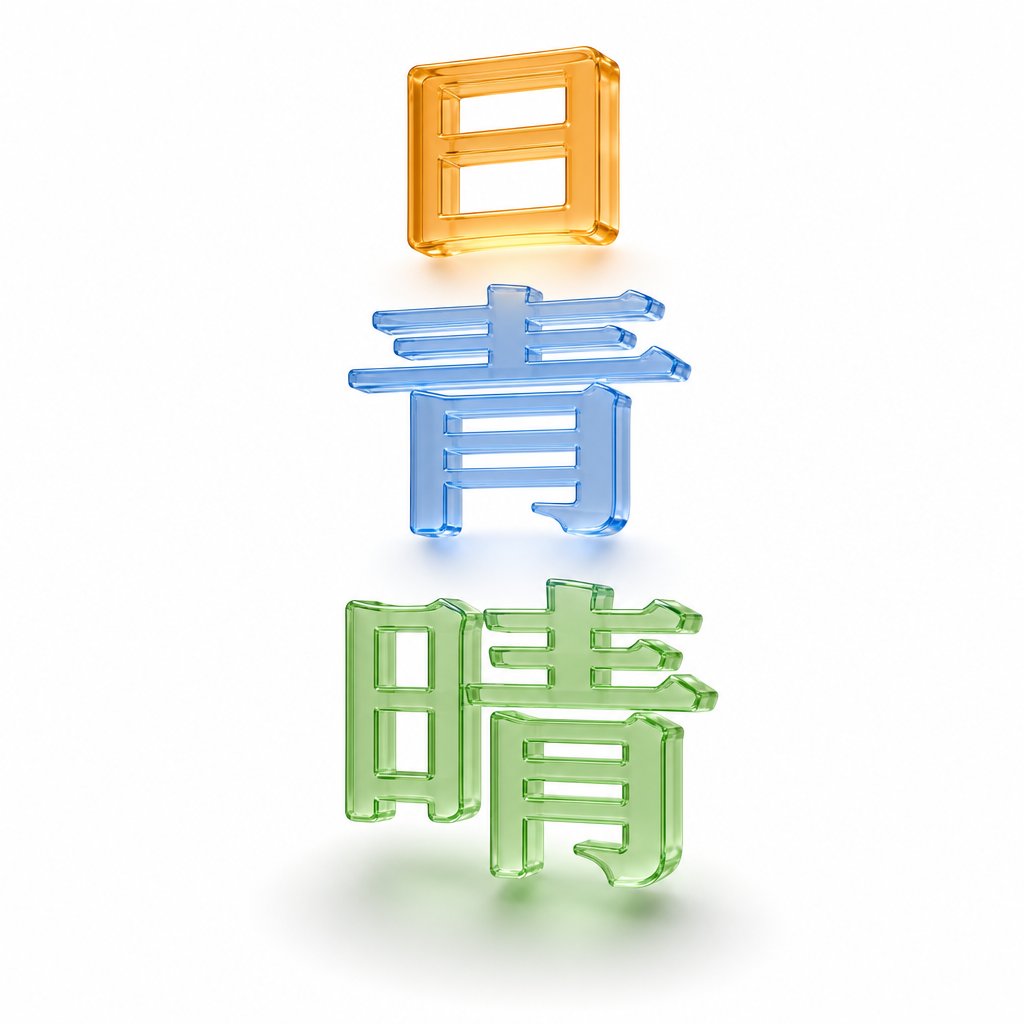
What makes Chinese particularly powerful for this kind of naming? Unlike alphabetic scripts, where letters represent sounds, Chinese characters are inherently meaning-bearing units. Each character functions as a compact package of semantic information. The character 明 (ming) doesn't just make a sound. It combines the radicals for "sun" and "moon" to visually and conceptually express brightness or clarity.
This structural feature means that chinese name interpretation goes far deeper than simple dictionary lookup. When you read a name in chinese meaning, you're encountering layers: the literal definition of each character, the visual story told by its radicals, and the cultural echoes it carries from centuries of literary and philosophical use. A name like 志强 (Zhiqiang) doesn't just identify a person. It declares ambition (志) and strength (强) in two syllables.
This is why the chinese for name carries so much cultural weight in Chinese-speaking societies. Parents spend considerable time selecting characters, consulting dictionaries, and sometimes even fortune tellers to ensure the right combination of meaning, sound, and visual balance. The process is inherently semantic, treating each character as a building block of significance rather than a phonetic placeholder.
Understanding this distinction between sound-based and meaning-based approaches is the first step. But the real complexity emerges when you look at how individual characters encode multiple layers of information simultaneously, from their visual radicals to their tonal qualities to their deep cultural connotations.
How Chinese Characters Carry Layered Meaning
A single Chinese character is never just one thing. It's a visual symbol, a spoken sound, and a cultural reference all compressed into a few brushstrokes. When you try to translate chinese characters for naming purposes, you're not picking from a flat list of definitions. You're navigating a three-dimensional space where appearance, pronunciation, and historical weight all interact.
Imagine the English word "strong." Simple enough. But in Chinese, you could reach for 强 (qiang), 壮 (zhuang), 刚 (gang), or 健 (jian), each carrying a different shade of strength. One suggests resilience, another physical power, another moral firmness, and another vitality. This is why understanding how characters encode meaning matters so much for semantic name choices.
Radicals and Visual Meaning in Characters
Every Chinese character is built from smaller components, and the most important of these are radicals. A radical is a recurring element that often signals the character's semantic category. Think of it as a visual clue embedded in the character's structure.
The character 海 (hai, meaning "sea") contains the water radical 氵on its left side. You'll find that same radical in 河 (river), 湖 (lake), and 泪 (tears). Before you even know the full character, the radical tells you: this has something to do with water. As Hacking Chinese explains, most Chinese characters are compounds consisting of several meaningful components rather than standalone pictures. These components are the building blocks that make the system learnable and, for naming purposes, deeply expressive.
When parents choose a name in characters, they're often drawn to specific radicals for their visual associations. A name with the jade radical 王 (as seen in 琳, 珍, 瑶) signals preciousness. Characters with the grass radical 艹 (like 芳, 莲, 蕊) evoke nature and femininity. The radical becomes a silent layer of meaning that native readers perceive instantly.
Cultural Connotations Beyond Dictionary Definitions
Dictionary definitions only scratch the surface. Chinese names meaning extends into literary history, philosophical tradition, and folk belief. The character 龙 (long) means "dragon," but in Chinese culture, dragons represent imperial power, good fortune, and cosmic energy. Using it in a name carries all of that weight.
Similarly, 梅 (mei, "plum blossom") isn't just a flower. It symbolizes perseverance through hardship because plum trees bloom in winter. A person named 梅 inherits that entire poetic tradition. These associations are what any reliable chinese character translator or chinese symbol translator cannot fully capture through automated lookup alone. The cultural layer requires human understanding.
The character 丑 (chou) illustrates the flip side. As Temple University's Center for Chinese Language Instruction notes, even characters with neutral meanings are avoided in names if they share pronunciation with negative words like "ugly" or "bad smell." Cultural connotation overrides dictionary definition every time.
How Tonal Layers Affect Name Perception
Chinese is a tonal language with four tones in standard Mandarin, and tone directly affects how a name feels when spoken aloud. The same syllable "ma" can mean mother (first tone), hemp (second tone), horse (third tone), or scold (fourth tone). In naming, tonal flow matters as much as meaning.
A name where both characters share the same tone can sound flat or monotonous. Names that mix tones, particularly ending on a rising or falling tone, tend to sound more dynamic and memorable. Parents and any skilled mandarin character translator will consider this auditory dimension alongside semantic content.
Here's how these layers work together in practice:
| Character | Radical Meaning | Pronunciation | Cultural Connotation |
|---|---|---|---|
| 慧 (hui) | Heart radical 心 (emotion/mind) | hui, 4th tone | Wisdom rooted in emotional intelligence; associated with Buddhist enlightenment |
| 林 (lin) | Double wood radical 木木 | lin, 2nd tone | Forest; abundance and scholarly retreat; common surname evoking natural harmony |
| 瑞 (rui) | Jade radical 王 | rui, 4th tone | Auspicious omen; historically linked to jade tokens of imperial favor |
| 志 (zhi) | Heart radical 心 (as 士+心) | zhi, 4th tone | Ambition and determination; Confucian virtue of directed will |
You'll notice each character operates on all three levels simultaneously. The radical provides a visual semantic anchor, the pronunciation contributes tonal texture, and the cultural connotation adds depth that no simple translation can replicate. When you translate chinese symbols in a name, you're really decoding this entire stack of information at once.
This layered architecture is precisely what makes semantic translation both powerful and complex. A single character choice can align meaning, sound, and cultural resonance, or it can create unintended friction between them. The question becomes: where on the spectrum between pure sound and pure meaning should a given name translation land?
The Spectrum From Phonetic to Semantic Translation
That question of where sound ends and meaning begins isn't binary. When translating names into chinese, you're not choosing between two options. You're positioning yourself along a spectrum, and where you land depends entirely on what you need the name to accomplish.
Think of it this way: on one end, you have pure sound reproduction. On the other, pure meaning creation. And in between sits a hybrid zone where the most creative solutions often live. Understanding this spectrum is the key to understanding why the same English name can produce wildly different Chinese versions depending on context.
- Pure Phonetic Transliteration - Sound is preserved; meaning is incidental or absent. The Chinese characters are chosen solely because their pronunciation approximates the original name's sounds.
- Hybrid (Sound + Meaning) - Characters are selected to echo the original pronunciation while simultaneously carrying positive or relevant meaning. Both dimensions are active.
- Pure Semantic Translation - Meaning is preserved or intentionally created; the resulting Chinese name may sound nothing like the original. Characters are chosen entirely for their semantic content.
Pure Phonetic Transliteration and When It Applies
When you transliterate chinese names phonetically, you're essentially forcing Chinese syllables to mimic foreign sounds. "Thomas" becomes 托马斯 (Tuomasi). "Jessica" becomes 杰西卡 (Jiexika). The characters are doing phonetic duty, and any meaning they carry is coincidental.
This is the standard approach for legal documents, passports, and academic publications. Why? Consistency and traceability. A government office needs your name to sound the same every time it appears, regardless of who reads it. Chinese name transliteration in official contexts follows standardized tables that map foreign sounds to specific characters, leaving no room for creative interpretation.
The tradeoff is clear: these transliterated names often sound neither like the original nor like authentic Chinese names. They occupy an awkward middle ground that native speakers immediately recognize as foreign.
The Hybrid Approach of Sound Plus Meaning
The hybrid approach is where transliterate vs translate stops being an either-or question. Brand naming in Chinese markets perfected this technique. Coca-Cola's Chinese name 可口可乐 (Kekou Kele) sounds roughly like "Coca-Cola" while meaning "delicious and joyful." Both dimensions work simultaneously.
For personal names, a hybrid chinese translation for names might look like this: someone named "Grace" could become 格蕊思 (Geruisi), where the sound approximates "Grace" and individual characters carry meanings like "pattern," "flower pistil," and "thought." The result sounds somewhat familiar while reading as a plausible Chinese name with embedded meaning.
This middle path works well for people who want recognizability across languages without sacrificing the semantic richness that Chinese characters offer.
Pure Semantic Translation for Meaning Preservation
At the far end of the spectrum, sound disappears entirely. A translation for names based purely on meaning asks: what does this name represent, and how do we express that concept through Chinese characters?
This is how most native Chinese names are created. Parents don't transliterate anything. They select characters that express hopes, virtues, or blessings for their child. When translating chinese names in this mode, you might take "Victor" and produce 胜利 (Shengli, meaning "victory") or choose characters expressing strength and triumph that sound nothing like the English original.
Pure semantic translation is also how foreign concepts get naturalized into Chinese. The word "computer" didn't get transliterated. It became 电脑 (diannao), literally "electric brain." The same principle applies to names when cultural integration matters more than phonetic recognition.
Each position on this spectrum serves a legitimate purpose. The mistake most people make isn't choosing the wrong approach. It's not realizing they have a choice at all, or not understanding that the choice works differently depending on direction: are you moving from English into Chinese, or revealing what a Chinese name already means in English?
Bidirectional Semantic Translation Explained
That distinction between directions matters more than most people realize. Semantic translation for Chinese names isn't a one-way street. It flows in two directions, and each direction involves a fundamentally different process. When you translate english to chinese name, you're constructing meaning from scratch. When you move chinese names into english, you're excavating meaning that already exists beneath the surface of romanized syllables.
Most people searching for information on this topic want one or both of these things: either they want a meaningful Chinese name derived from their English name, or they've encountered a Chinese name and want to understand what it actually says. Both are semantic translation. Both require looking past sound.
Creating Chinese Names From English Through Meaning
When you translate name english to chinese through a semantic lens, you're not matching syllables. You're asking a deeper question: what qualities, values, or imagery should this name carry?
Imagine someone named "Grace" who wants a chinese name from english name. A phonetic approach might produce something like 格蕾丝 (Geleisi), which sounds vaguely similar but reads as meaningless syllables to a native speaker. A semantic approach starts differently. It asks: what does "grace" mean? Elegance, kindness, divine favor. From there, characters like 雅 (ya, elegance) or 恩 (en, grace/favor) become candidates. The resulting name sounds nothing like "Grace" but communicates its essence through every character.
This is how you create an english to chinese name that actually functions in Chinese-speaking environments. It reads naturally, carries intentional meaning, and doesn't announce itself as a foreign import.
Revealing the Meaning Hidden in Chinese Names
The reverse direction is equally important and often overlooked. When Chinese names get romanized into pinyin or English spelling, their semantic content vanishes. The name becomes pure sound, stripped of everything that makes it meaningful in its original language.
Take Meilin as an example. Written in English, it's just a pleasant two-syllable name. But the characters behind it tell a story. Depending on which characters were chosen, Meilin could mean "beautiful forest" (美林), "plum jade" (梅琳), or "beautiful jade" (美琳). Each version carries different imagery, different cultural resonance, and different parental aspirations. A chinese names english translation that only says "Meilin" misses all of this.
This is the gap that any useful chinese to english name translator must bridge: not just pronunciation, but the layered meaning encoded in each character choice.
Here's how this plays out across several common names:
| Chinese Name | Character Breakdown | Literal Meaning | What Phonetic-Only Misses |
|---|---|---|---|
| 美林 (Meilin) | 美 (beautiful) + 林 (forest) | Beautiful forest | Romanized as "Meilin," the imagery of natural beauty and abundance disappears entirely |
| 志明 (Zhiming) | 志 (ambition) + 明 (bright/clear) | Bright ambition; clear purpose | "Zhiming" reveals nothing about the Confucian aspiration and clarity embedded in the characters |
| 雪梅 (Xuemei) | 雪 (snow) + 梅 (plum blossom) | Plum blossom in snow | "Xuemei" hides the poetic image of resilience, a flower blooming through winter hardship |
| 天赐 (Tianci) | 天 (heaven) + 赐 (bestow/gift) | Heaven's gift | "Tianci" obscures the spiritual gratitude and blessing the parents encoded in the name |
You'll notice a pattern. Every romanized version strips the name down to phonetics, erasing the very thing that made the name meaningful to begin with. The chinese names english translation problem isn't about pronunciation guides. It's about conveying semantic content that lives in the characters themselves.
This bidirectional understanding raises a practical question: given that both directions exist, how do you decide which approach fits your specific situation? The answer depends on context, whether you're navigating social settings, legal paperwork, or commercial branding.
When to Choose Semantic Over Phonetic Approaches
Context isn't just relevant here. It's decisive. The same person might need a phonetic transliteration on their passport and a semantic name for everyday life in Shanghai. These aren't competing choices. They serve different functions, and knowing which one fits your situation saves you from awkward mismatches.
When you convert english name to chinese, the first question isn't "what sounds right?" It's "what is this name for?" A name on a legal document plays by different rules than a name exchanged over dinner. Here's a framework that maps each context to its best approach.
| Context | Recommended Approach | Reasoning |
|---|---|---|
| Personal names for social and professional use | Semantic or hybrid | Native speakers respond to meaning-rich names; a semantic name signals cultural fluency and feels natural in conversation |
| Legal documents and official records | Pure phonetic transliteration | Consistency and traceability are required; governments use standardized sound-to-character mappings for identification |
| Brand naming for Chinese markets | Semantic or hybrid | Memorability and positive associations drive consumer behavior; meaning-bearing names spread through word-of-mouth more effectively |
| Literary translation | Pure semantic | Character names in fiction carry narrative meaning; transliterating them strips the story of intentional symbolism |
| Academic or professional publications | Phonetic transliteration | International consistency matters; colleagues need to recognize the same name across languages and citation systems |
Personal Names for Social and Professional Use
If you're living, working, or building relationships in a Chinese-speaking environment, a semantic name is almost always the stronger choice. Why? Because chinese names for english names that rely purely on phonetics sound foreign by design. They announce "I'm not from here" every time someone reads or speaks them.
A well-chosen semantic name does the opposite. It reads as a real name. Colleagues remember it. It fits naturally on a business card or WeChat profile. When translating english names to chinese for social contexts, meaning creates belonging in a way that sound approximation simply cannot.
This is also why many expats living in China eventually adopt a semantic chinese name from english rather than sticking with their transliterated version. The english name chinese name pairing gives them flexibility: one identity for international paperwork, another for daily life.
Legal Documents and Official Records
Government systems don't care about poetic meaning. They care about consistency. Taiwan's Ministry of Education guidelines specify Hanyu Pinyin as the standard romanization system, and passport offices worldwide use fixed transliteration tables to ensure a name maps the same way every time.
An english name chinese translation for legal purposes must be phonetically traceable back to the original. If your passport says 托马斯 (Tuomasi) for "Thomas," every subsequent document needs to match. Creative semantic alternatives would create identity verification nightmares. In this context, phonetic transliteration isn't a limitation. It's a requirement.
Brand Naming and Commercial Applications
Commercial naming flips the priority entirely. When brands translate english name to chinese for market entry, memorability and emotional resonance outweigh phonetic fidelity. Research shows 77% of Chinese consumers purchase based on brand name rather than product category, making the semantic dimension a competitive asset.
BMW became 宝马 (Baoma, "precious horse"), abandoning any phonetic connection to the original letters. Carrefour became 家乐福 (Jialefu, "family happiness and prosperity"). These english names into chinese succeed because they prioritize what Chinese consumers actually respond to: meaning they can feel, characters they can remember, and associations that reinforce brand positioning.
The pattern is clear. Wherever human connection, cultural resonance, or memorability matters, semantic translation wins. Wherever institutional consistency and cross-border traceability matter, phonetic transliteration is non-negotiable. Most people need both at different moments in their lives.
But these recommendations assume you're working within a single Chinese-speaking context. The reality is more complex. Naming conventions, character preferences, and even the balance between sound and meaning shift significantly depending on whether you're in Beijing, Taipei, or Hong Kong.
Regional Differences Across Chinese-Speaking Markets
A semantic name that works perfectly in Beijing might raise eyebrows in Taipei or feel out of place in Hong Kong. The Chinese-speaking world isn't monolithic. Each region carries its own script preferences, phonetic systems, and cultural aesthetics that shape how names are created, perceived, and translated. If you're choosing a chinese name in chinese language, the region where you'll use it matters as much as the characters themselves.
So what is chinese script called, exactly? That depends on where you are. The writing system itself is called Hanzi, but it comes in two forms: simplified characters (used in Mainland China and Singapore) and traditional characters (used in Taiwan, Hong Kong, and Macau). As Chun Fei Lung explains, the difference between traditional and simplified Chinese is largely cosmetic. Most simplified characters look different from their traditional counterparts, but their meaning and pronunciation remain the same. A name like 龍振飛 in traditional script becomes 龙振飞 in simplified, yet both carry identical semantic content.
That cosmetic difference, however, carries deep cultural weight when it comes to naming.
Mainland China Naming Conventions and Preferences
Mainland China uses simplified characters as the official standard, and naming conventions here reflect decades of specific cultural evolution. Parents tend to favor characters that express ambition, prosperity, or moral virtue. You'll encounter names built from characters like 伟 (great), 强 (strong), 丽 (beautiful), and 国 (nation) with notable frequency.
When you want to express my name in mandarin within a Mainland context, the semantic choices lean toward directness. Characters are selected for clarity of meaning and positive aspiration. There's also a practical dimension: simplified characters have fewer strokes, which influences aesthetic preferences. A name that looks balanced and visually clean in simplified script might feel sparse or incomplete to someone accustomed to traditional characters.
For brand translation, Mainland China's approach tends toward hybrid solutions that balance phonetic echo with strong semantic content. The standardized Pinyin romanization system also means that transliterated foreign names follow consistent rules, making the phonetic-to-semantic boundary relatively clear-cut.
Taiwan and Traditional Character Aesthetics
Taiwan preserves traditional characters, and this isn't merely a typographic choice. It reflects a cultural philosophy that values complexity, historical continuity, and visual richness. When you translate english to chinese traditional characters for naming purposes in Taiwan, you're working with a broader visual palette. Characters have more strokes, more internal structure, and often feel more ornate on the page.
Taiwanese naming aesthetics tend to favor literary and classical references. Parents frequently draw from poetry, philosophy, and nature imagery. Characters like 翰 (writing brush, literary talent), 瑜 (fine jade), and 萱 (daylily, associated with maternal love) appear in names that would feel overly literary in Mainland contexts but read as perfectly natural in Taiwan.
The romanization conventions differ too. While Mainland China joined given name characters together (Xi Jinping), Taiwan often uses hyphens between given name syllables, as seen in names like Lai Ching-te. This formatting difference is subtle but signals regional identity immediately.
Hong Kong and Cantonese Influence on Name Translation
Hong Kong presents the most complex case. Traditional characters are standard, but the spoken language is Cantonese rather than Mandarin. This means the same character produces a completely different sound depending on whether you're in Hong Kong or Beijing. When you translate cantonese names, you're navigating a system where romanization itself is inconsistent, with multiple competing systems like Wade-Giles, Yale, and Jyutping all in use.
Hong Kong also has a unique tradition of English names existing alongside Chinese names. As naming conventions research shows, many Hong Kong residents carry an additional English name that can be officially registered and used as a middle name or primary identifier in international contexts. This bilingual naming culture means that a name in chinese script often coexists with a completely unrelated English name, neither one being a translation of the other.
This blending creates a distinctive approach to semantic translation. Hong Kong residents are comfortable with names that don't need to bridge languages at all. The Chinese name carries its own meaning. The English name serves its own purpose. They operate in parallel rather than as translations of each other.
For anyone choosing a semantic Chinese name, these regional differences aren't just academic. They determine which characters feel natural, which connotations land correctly, and whether your name reads as locally appropriate or subtly foreign. A name crafted for one region might need adjustment to translate chinese traditional to chinese simplified, or vice versa, and the shift involves more than swapping character forms. It sometimes means rethinking the entire aesthetic approach.
Regional awareness helps you make better choices. But even with the right region in mind, semantic translation carries risks that catch people off guard, from characters that clash in unexpected ways to cultural taboos that no dictionary will flag.
Limitations and Risks of Meaning-Based Name Translation
Semantic translation sounds elegant in theory. Pick characters with beautiful meanings, combine them, and you have a name that carries intention and depth. In practice? Things go wrong more often than you'd expect. Characters that look perfect in a dictionary can collide in ways that produce confusion, laughter, or genuine embarrassment when spoken aloud or read by a native speaker.
One learner's cautionary tale illustrates this perfectly. As Yoyo Chinese documents, a student chose the name 金才宇 (Jin Caiyu), translating literally to "Golden Skill Universe." Each character individually carries positive meaning. Together? The combination came across as absurdly narcissistic, making every introduction an exercise in mutual discomfort. The problem wasn't the individual characters. It was what they communicated as a unit.
This is the core risk of semantic name translation: meaning doesn't compose linearly. Two good characters can produce a bad name.
When Literal Meaning Creates Awkward Results
The most common mistake people make when using an english to chinese name converter or building a name from scratch is treating characters like interchangeable building blocks. You find a character meaning "wisdom," another meaning "dragon," and assume combining them produces something impressive. Sometimes it does. Sometimes it produces something that sounds like a video game character or a fortune cookie.
The issue is register. Chinese names operate within unwritten conventions about what kinds of meaning are appropriate for personal names versus literary titles, brand names, or poetic phrases. A name like 永恒 (Yongheng, "eternal") works as a concept but feels heavy-handed as a personal name. It's the equivalent of naming your child "Infinity" in English. Technically meaningful, practically awkward.
Overly literal translations also stumble when English concepts don't map cleanly to Chinese naming conventions. Translating "Hope" directly as 希望 (Xiwang) gives you a two-character word, not a name. Native speakers hear a vocabulary term, not a person. The semantic content is correct, but the form is wrong. A skilled approach would extract the essence of "hope" and express it through characters that function naturally within naming traditions, like 望 paired with a complementary character.
Cultural Taboos and Character Combinations to Avoid
Beyond awkwardness, some choices cross into genuinely problematic territory. Chinese naming culture carries real taboos that families take seriously, and violating them signals cultural ignorance immediately.
- Homophone collisions: A name that sounds like a negative word when spoken aloud is a serious problem. Characters that individually mean something positive can produce a full-name pronunciation resembling 死 (si, death), 苦 (ku, suffering), or 输 (shu, losing). Native speakers catch these instantly.
- Ancestor name conflicts: Using the same characters as a living elder or direct ancestor is considered disrespectful. This taboo, called 避讳 (bihui), means you can't simply pick characters you like without checking them against family names.
- Generational character clashes: Some families use generation names (辈分字) where all siblings or cousins share one character. Choosing a name that accidentally duplicates a generation character from an unrelated family can create confusion about lineage.
- Inauspicious stroke counts: Many families consult numerological systems where the total stroke count of a name carries lucky or unlucky significance. A semantically perfect name with an unfavorable stroke count may still be rejected.
- Characters with dual meanings: Some characters carry a positive primary meaning but a vulgar or negative secondary meaning in slang or regional dialect. The character 鸡 (ji, chicken) is a classic example: perfectly innocent in most contexts, but carrying crude slang associations that make it unsuitable for names.
- Overly rare or archaic characters: A beautifully literary character that nobody can read, type, or input into government databases creates daily frustration. Modern Chinese parents increasingly balance elegance with practicality.
These pitfalls explain why no automated name convert to chinese tool can reliably produce a culturally safe result. The rules aren't just linguistic. They're social, historical, and sometimes family-specific.
How to Validate Your Semantic Name Choice
Given these risks, validation isn't optional. It's essential. As Hacking Chinese emphasizes, you must check your name with several native speakers, because a good Chinese name has to account for connotations and emotions that are extremely hard for non-native speakers to grasp.
Here's what effective validation looks like when you name translate in chinese:
First, ask at least three native speakers from your target region. A name that sounds fine to someone from Beijing might carry different associations for someone in Guangzhou. Regional variation in slang, dialect pronunciation, and cultural reference means one opinion isn't enough.
Second, ask them to say the full name aloud quickly, multiple times. Awkward sound combinations often only reveal themselves at conversational speed. A name translator in chinese might produce something that looks elegant on paper but trips over itself when spoken naturally.
Third, ask specifically about negative associations. Native speakers may be too polite to volunteer that your chosen name reminds them of a disgraced politician or a vulgar joke. Direct questions get honest answers: "Does this name remind you of anything? Does it sound like anything unfortunate?"
Fourth, search the name online. If your chosen combination belongs to a famous criminal, a controversial public figure, or a fictional villain, you'll want to know before committing to it.
Finally, ask whether the name sounds age-appropriate. Chinese naming fashions shift across generations. Characters popular in the 1960s (like 建国, "build the nation") sound dated to younger speakers. Characters trending among today's children might feel too juvenile for an adult professional.
The freedom to choose characters based on meaning is powerful, but that freedom comes with responsibility. Every character carries 5,000 years of accumulated association, and no chinese name converter can account for all of it. The difference between a name that impresses and one that embarrasses often comes down to whether you validated your choice with the right people before committing.
Understanding what can go wrong is half the equation. The other half is understanding what makes certain semantic translations succeed, why some character combinations feel effortless and memorable while others fall flat despite carrying equally positive meanings.
Why Certain Semantic Translations Succeed
Some names just land. They feel inevitable, as if the characters were always meant to go together. Others carry equally positive meanings yet sound clunky, forgettable, or forced. The difference isn't luck. It's the simultaneous alignment of several linguistic and cultural dimensions that most people only consider one at a time.
Brand naming offers the clearest window into these principles because brands invest heavily in getting it right. When foreign companies choose a name for chinese markets, they're essentially solving the same puzzle as someone seeking a personal semantic name, just with bigger budgets and more stakeholders. The lessons transfer directly.
Principles Behind Successful Semantic Name Choices
Consider Coca-Cola's Chinese name: 可口可乐 (Kekou Kele). Linguistic analysis by Shiyang Ran reveals that this translation succeeds on three levels simultaneously. Phonetically, it preserves the rhythmic cadence and plosive consonants of the English original. Semantically, it means "delicious and joyful." Culturally, it taps into what researchers call Chinese "sociocultural psychology," the deep preference for names associated with happiness, good fortune, and sensory pleasure.
That triple alignment is the formula. A successful chinese name translator, whether human or algorithmic, must satisfy all three dimensions at once. Hit only one and the name feels incomplete. Hit two and it's decent. Hit all three and it becomes memorable.
Successful semantic translation balances sound, meaning, and cultural resonance simultaneously. A name that excels in one dimension but fails in another will always feel incomplete to native speakers, no matter how positive its dictionary definition.
This principle explains why purely automated tools struggle. A mandarin name generator can cross-reference character meanings, but it can't feel whether a combination carries the right cultural weight or flows naturally when spoken at conversational speed. The best names for chinese personal use emerge from the same holistic evaluation that produces iconic brand translations.
Character Selection Criteria for Maximum Impact
When you name translate chinese characters for semantic purposes, three selection criteria separate forgettable names from resonant ones:
Stroke count aesthetics. Characters with balanced stroke counts look harmonious together. Research on brand translation notes that simplicity is beauty in Chinese naming. The four characters of 可口可乐 contain only five, three, five, and five strokes respectively, all common characters that are easy to write and visually balanced. For personal names, pairing a complex character (12+ strokes) with a very simple one (2-3 strokes) can create visual imbalance that feels off even before the name is spoken.
Tonal flow when spoken aloud. Chinese words name choices must sound musical. A name where all characters share the same tone feels flat and monotonous. The most pleasing combinations alternate between tones, creating a natural rise and fall. Think of it like rhythm in music: variation creates interest. Characters that produce a trochaic pattern, stressed followed by unstressed, tend to feel more dynamic and easier to remember.
Positive cultural associations. This goes beyond dictionary definitions. As PTL Group's analysis of Chinese brand naming emphasizes, the name must not carry negative connotations when translated, and it must resonate with the target audience's cultural expectations. Mercedes-Benz learned this the hard way: their initial Chinese name 奔死 (Bensi) unfortunately suggested "rush to die" before being corrected to 奔驰 (Benchi, "galloping at full speed"). The semantic content was technically about speed in both cases. The cultural resonance was catastrophically different.
These same criteria apply directly to personal names. When you evaluate chinese words name options, ask: Do the stroke counts feel balanced visually? Do the tones create pleasant rhythm? Do the cultural associations reinforce each other rather than pulling in conflicting directions? A name that passes all three tests will feel natural and intentional to native speakers, which is exactly what the best semantic translations achieve.
Knowing these principles is one thing. Applying them to create your own meaningful Chinese name is another, and that process has specific steps worth following in sequence.
How to Get a Meaningful Chinese Name Translation
Principles without process are just theory. You understand what makes semantic translation work, what pitfalls to avoid, and why certain character combinations succeed. The practical question remains: how do you actually create a Chinese name that carries real meaning and passes the native speaker test?
The short answer: it's a structured creative process, not a single lookup. You wouldn't name a child by opening a dictionary to a random page, and the same care applies here. Whether you want to translate my name to chinese semantically or build something entirely new, the steps below give you a reliable path from concept to finished name.
Steps to Create Your Own Semantic Chinese Name
Think of this as a funnel. You start broad with abstract qualities and narrow down through increasingly specific filters until you land on a combination that works across every dimension.
- Identify the core meaning you want to preserve. Before touching any characters, decide what your name should express. Is it a quality you value, like courage or creativity? A natural image, like mountains or flowing water? A family connection or personal aspiration? Write down three to five concepts that feel essential to your identity. This is your semantic foundation.
- Map those concepts to character categories. Using resources like comprehensive character lists organized by meaning, identify characters associated with your chosen concepts. For each concept, find at least four or five candidate characters. Don't commit to any single one yet. You're building a palette, not making final decisions.
- Evaluate combinations for sound and tonal flow. Pair characters from your candidate list and say them aloud. Do the tones alternate pleasantly? Does the combination feel natural at conversational speed? Eliminate pairs that sound flat, tongue-twisting, or accidentally similar to existing words with negative meanings. If you're unsure how to say my name is chinese with proper tonal flow, listening to native pronunciation examples online helps calibrate your ear.
- Check cultural fit and regional appropriateness. Cross-reference your shortlisted combinations against the regional conventions discussed earlier. A name destined for use in Taiwan should work in traditional characters. One for Mainland China should feel natural in simplified script. Search each combination online to confirm it doesn't belong to a public figure or carry unintended associations.
- Validate with native speakers. This step is non-negotiable. Share your top two or three options with at least three native speakers from your target region. Ask them to say the full name quickly, tell you what it reminds them of, and rate whether it sounds like a real person's name or something artificial. Their gut reactions reveal what no dictionary can.
- Finalize and commit. Choose the combination that passes all filters: meaningful to you, phonetically smooth, culturally appropriate, and validated by native speakers. Once you commit, use it consistently across social contexts to build recognition.
This process typically takes a few days to a few weeks. Rushing it produces the same awkward results as any hasty creative decision. Give yourself time to sit with options and let native feedback reshape your initial instincts.
Resources and Approaches for Getting It Right
You don't have to navigate this alone. Several approaches exist, each with different tradeoffs between cost, cultural depth, and personal involvement.
Chinese-speaking friends or colleagues. The most accessible starting point. If someone in your life speaks Chinese natively, ask them to help brainstorm. The advantage is real-time cultural feedback and the ability to explain what you want your name to feel like. The limitation? One person represents one regional perspective and one generation's naming sensibility. Their suggestions reflect their own taste, which may not align with yours.
Professional naming services. For those who want expert guidance, professional namers combine linguistic knowledge with cultural depth. They'll typically ask about your personality, values, and intended use context before proposing options. This approach works well when you need a name that functions in business settings or when cultural precision matters. The tradeoff is cost and the fact that you're trusting someone else's aesthetic judgment.
Language teachers and tutors. If you're already learning Chinese, your teacher is a natural resource. They understand both your level of cultural knowledge and the naming conventions of their home region. As structured learning programs emphasize, understanding how names fit into the language makes the entire process more intuitive. A teacher can explain why certain combinations work and others don't in ways that build your broader language comprehension.
Digital tools and generators. Online tools can help with initial brainstorming, character lookup, and pronunciation checking. They're useful for exploring what is my chinese name possibilities and generating starting points. But treat their output as raw material, never as finished product. No algorithm fully accounts for the cultural connotations, generational associations, and regional nuances that determine whether a name actually works in practice.
The question what is your name in chinese carries different weight depending on who's asking and where. In a casual language exchange, a playful semantic name works fine. In a professional context across Chinese-speaking markets, the stakes are higher and the investment in getting it right pays dividends in how people perceive and remember you.
Whichever approach you choose, remember that expressing my name in chinese language through semantic translation is both an art and a discipline. It requires cultural knowledge you may not have yet, which is exactly why collaboration with native speakers isn't optional. The characters you choose will introduce you before you speak a single word. They'll be read, interpreted, and judged by people who grew up immersed in the associations those characters carry. Getting that right is worth the effort, and the process itself teaches you something about Chinese language and culture that no textbook can replicate.
Frequently Asked Questions About Semantic Translation for Chinese Names
1. What is the difference between semantic translation and phonetic transliteration for Chinese names?
Phonetic transliteration reproduces the sound of a foreign name using Chinese characters, regardless of what those characters mean. Semantic translation takes the opposite approach: it selects characters based on their meaning, cultural associations, and visual composition, even if the resulting name sounds nothing like the original. For example, transliterating 'David' produces 大卫 (Dawei), which mimics the sound. A semantic approach would instead choose characters expressing qualities like wisdom or strength, creating a name that carries intentional significance to native Chinese speakers.
2. When should I use a semantic Chinese name instead of a phonetic one?
Semantic names work best for social and professional use in Chinese-speaking environments, where a meaning-rich name signals cultural fluency and feels natural in conversation. Phonetic transliteration is required for legal documents, passports, and academic publications where consistency and traceability matter. Brand naming for Chinese markets typically uses semantic or hybrid approaches for memorability. Many people maintain both versions: a phonetic name for official paperwork and a semantic name for daily interactions.
3. How do I create a meaningful Chinese name from my English name?
Start by identifying three to five core qualities or concepts you want your name to express, such as courage, creativity, or natural imagery. Then map those concepts to candidate characters using meaning-organized resources. Evaluate character combinations for tonal flow by saying them aloud, check regional appropriateness and cultural fit, and validate your top choices with at least three native speakers from your target region. The process typically takes days to weeks and should never rely solely on automated tools.
4. Why do Chinese names lose their meaning when romanized into English?
Chinese characters are inherently meaning-bearing units that encode visual symbolism through radicals, cultural connotations from literary history, and layered associations. When a name like 雪梅 (Xuemei) gets romanized, it becomes pure sound stripped of its poetic imagery of a plum blossom blooming in snow, symbolizing resilience through hardship. Romanization converts a multi-dimensional semantic package into a flat phonetic label, which is why understanding the characters behind a Chinese name reveals meaning that pronunciation alone cannot convey.
5. Do semantic Chinese name conventions differ between Mainland China, Taiwan, and Hong Kong?
Yes, significantly. Mainland China uses simplified characters and tends toward names expressing ambition, prosperity, or moral virtue with direct clarity. Taiwan preserves traditional characters and favors literary, classical, and nature-based references drawn from poetry and philosophy. Hong Kong uses traditional characters but operates in Cantonese, and has a unique bilingual naming culture where Chinese and English names often exist independently rather than as translations of each other. Character preferences, aesthetic standards, and cultural associations all shift by region.