Why Year of the Horse Names Carry Deep Cultural Meaning
When you name a child born in the Year of the Horse, you are doing something far more intentional than picking a sound you like. In Chinese zodiac tradition, the Horse is the seventh of twelve animals in a cycle that repeats every twelve years. Each animal carries distinct personality archetypes, elemental associations, and symbolic weight — and all of these feed directly into how parents choose a name.
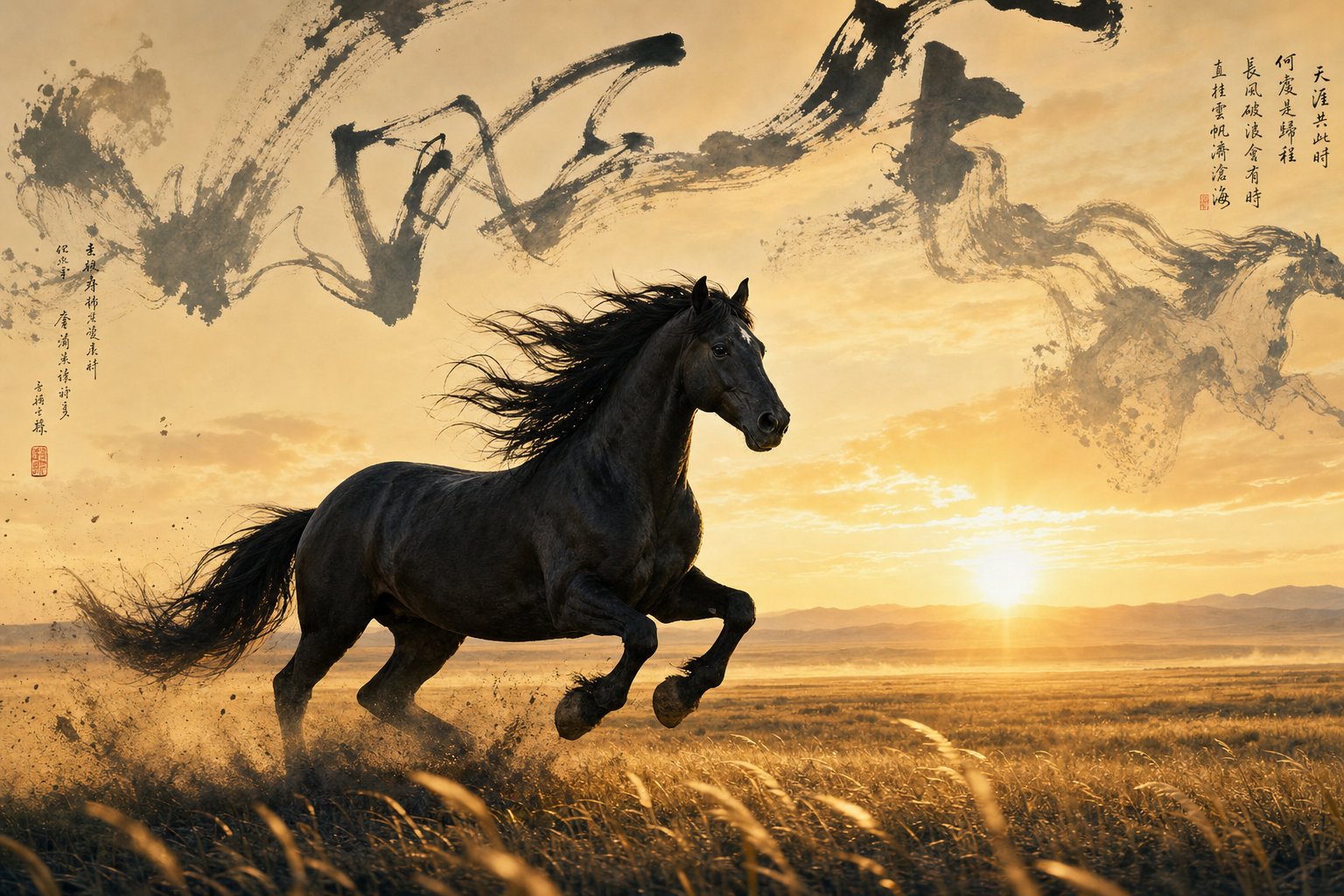
The Horse holds a unique place among the zodiac animals. Unlike mythical creatures such as the dragon, the Horse is real and has partnered with humans across warfare, agriculture, travel, and sport since antiquity. As scholars from Lingnan University explain, the Horse symbolizes speed, success, and the pursuit of progress — qualities embedded in idioms like "galloping to success" (ma dao cheng gong) and "taking the lead at the forefront" (yi ma dang xian). These cultural associations shape every naming decision parents make for Horse-year children.
What the Horse Symbolizes in Chinese Zodiac Naming
Chinese zodiac horse naming traditions treat the animal as more than a personality label. The Horse represents forward momentum, nobility, and vitality. It also carries a philosophy of balance — ancient teachings on "controlling the horse" stress the importance of the right tension, neither too loose nor too tight. This principle of measured progress directly influences how parents approach a year of the horse baby name meaning: they seek characters that channel the Horse's energy while grounding it with wisdom or calm.
In Chinese culture, a good name is widely believed to bring luck, while an unfit name may invite misfortune. Parents often consult fortune tellers or naming masters to align a child's name with their birth date, zodiac sign, and elemental profile. Names symbolize aspirations — health, bravery, beauty, intelligence — and the zodiac layer adds another dimension of intentionality.
Why Name Meanings Matter for Horse-Year Children
Horse year name symbolism explained in simple terms: every character in a Chinese name carries semantic meaning, phonetic tone, and visual structure through its radicals. For Horse-year babies, parents select characters that resonate with the animal's strengths or soften its challenges. A name is not decoration. It is a philosophical statement about who you hope your child will become.
In Western naming, parents typically choose a name for its sound or family connection. In Chinese zodiac naming, the name functions as a deliberate alignment between cosmic timing, elemental forces, and character-level symbolism — making it closer to a life blueprint than a label.
This distinction matters because it changes what "choosing a good name" actually involves. You are not browsing a list. You are applying principles — zodiac traits, radical composition, elemental balance, tonal harmony — to construct meaning. That is exactly what this article teaches: the reasoning behind why horse year names matter, so you can evaluate any name with confidence rather than relying on someone else's curated list.
Horse Personality Traits That Shape Naming Decisions
Every zodiac animal carries a personality profile, but the Horse's traits are unusually actionable when it comes to naming. Why? Because horse zodiac personality traits for naming fall into clear categories — some you want to amplify, others you may want to soften. Imagine a child whose zodiac sign already predisposes them toward restlessness and fierce independence. A name emphasizing stillness or deep thought becomes a counterweight, not a contradiction. This is the logic parents apply when choosing characters for Horse-year babies.
Chinese zodiac horse characteristics and names are connected through a simple framework: identify the dominant trait, then decide whether to reinforce it or balance it. The result is a name that works with the child's zodiac energy rather than ignoring it entirely.
Five Horse Personality Traits That Guide Name Selection
Traditional Chinese astrology attributes five core qualities to people born in Horse years. Each one translates into specific naming strategies. Here is how horse traits influence baby names in practice:
- Strength (力量) — Horse-year individuals are associated with physical vitality and inner resilience. Names reinforcing this trait use characters suggesting power, endurance, or robust health. Think characters like 刚 (gang, meaning firm) or 毅 (yi, meaning perseverance). Parents who want a child perceived as capable and sturdy lean into this quality.
- Freedom (自由) — The Horse resists confinement. It thrives in open space and chafes under rigid control. Names reflecting freedom incorporate characters tied to vastness, sky, or open fields — such as 翔 (xiang, meaning soaring) or 野 (ye, meaning open wilderness). This trait is one of the strongest in the Horse profile, so it often appears in naming choices.
- Energy (活力) — Horses are defined by movement and momentum. Names channeling this trait use characters associated with brightness, fire, or dynamic action — like 焕 (huan, meaning radiant) or 驰 (chi, meaning galloping). These names signal a life lived at full speed.
- Nobility (高贵) — Throughout Chinese history, horses served emperors, generals, and aristocrats. This association with high status makes characters suggesting dignity, honor, or leadership popular for Horse babies. Characters like 君 (jun, meaning noble ruler) or 瑞 (rui, meaning auspicious) carry this weight.
- Intelligence (智慧) — The Horse is not merely physical. Traditional descriptions emphasize quick-wittedness and sharp instincts. Names reflecting intelligence use characters tied to wisdom, clarity, or learning — such as 慧 (hui, meaning wisdom) or 明 (ming, meaning bright and clear).
These five traits form the foundation of how parents evaluate potential names. But reinforcement is only half the equation.
Reinforcing vs Balancing Traits Through Names
Here is where balancing horse personality through name choice becomes essential. Not every Horse trait benefits from amplification. A child whose zodiac profile already skews toward restless energy and fierce independence may not need a name that doubles down on those qualities. Too much fire can burn.
Consider a practical example. The Horse's love of freedom, left unchecked, can manifest as impatience or difficulty committing. A parent aware of this might choose a name incorporating 静 (jing, meaning calm or still) or 恒 (heng, meaning constancy). The name does not deny the child's Horse nature — it provides an anchor.
Similarly, the Horse's abundant energy sometimes tips into impulsiveness. A name with characters suggesting depth, reflection, or water — like 渊 (yuan, meaning deep pool) or 思 (si, meaning contemplation) — introduces a cooling element without suppressing the child's natural vitality.
This reinforcing-versus-balancing decision is not random. It depends on the specific birth chart, the year's elemental assignment, and the family's aspirations. A family that values leadership might reinforce nobility and strength. A family concerned about the Horse's tendency toward scattered energy might prioritize wisdom and calm.
You will notice this logic mirrors something intuitive: you do not name a spirited child "Wildfire" unless you want to lean fully into that energy. And sometimes you do. The point is that the choice is deliberate, grounded in an understanding of what the Horse zodiac brings to the table.
These personality-driven naming decisions, however, operate at the level of meaning alone. Beneath the semantic layer sits something even more specific — the structural composition of each character itself. The radicals that build a Chinese character carry their own auspicious or inauspicious signals for Horse-year babies, adding a second dimension of intention that most naming guides overlook entirely.
Lucky and Unlucky Character Radicals for Horse Babies
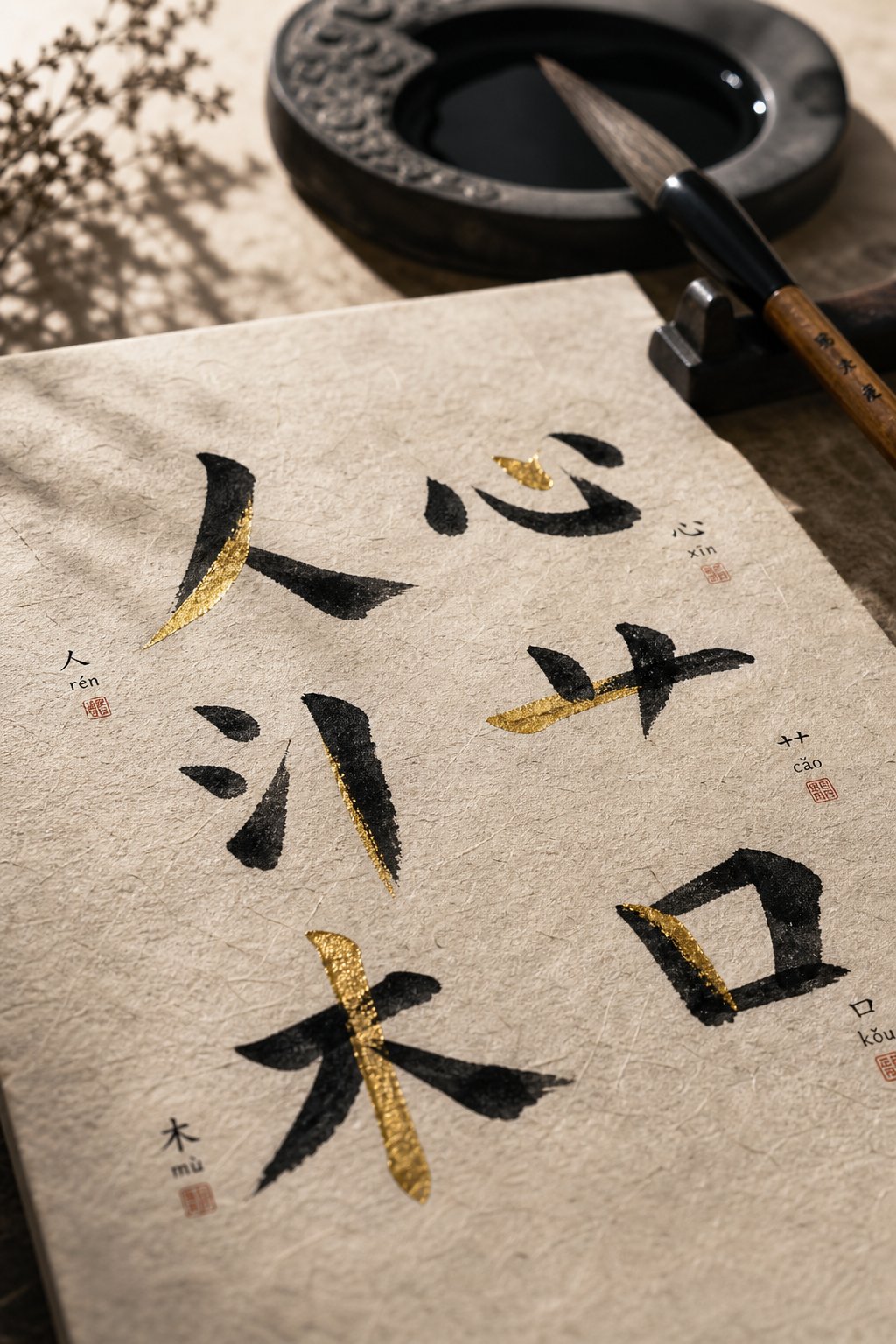
Chinese characters are not single units of meaning — they are built from smaller components called radicals. Each radical carries its own symbolic association, and when you are selecting auspicious name characters for horse babies, these building blocks matter as much as the full character's definition. Think of it this way: a character's meaning is what you read, but its radical composition is what a naming master reads beneath the surface.
Why do chinese character radicals for horse zodiac naming carry so much weight? Because radicals connect a character to elemental and natural categories. A character containing the grass radical links symbolically to pastures and nourishment. One built with a roof radical suggests shelter — or confinement. For Horse-year children, these associations are filtered through a single question: does this radical support the Horse's nature, or does it work against it?
Auspicious Radicals for Horse-Year Baby Names
Lucky radicals for horse year baby names follow a straightforward logic rooted in what horses need to thrive. Horses eat grass, drink water, roam open land, and have historically served royalty. Radicals reflecting these realities are considered favorable:
- Grass radical (艹) — Represents nourishment and abundance. Horses graze on grass, so characters containing this radical suggest a life where the child will never lack sustenance or support. Examples include 芳 (fang, fragrant), 蕊 (rui, flower pistil), and 茂 (mao, flourishing).
- King/jade radical (王) — Signals nobility, high status, and preciousness. Since horses historically carried emperors and generals, this radical aligns with the Horse's aristocratic associations. Characters like 瑞 (rui, auspicious), 琪 (qi, fine jade), and 珏 (jue, paired jade) carry this energy.
- Water radical (氵) — Represents nourishment and life-sustaining flow. Horses need water to survive and thrive, making this radical a symbol of vitality and emotional depth. Examples include 涵 (han, encompassing), 泽 (ze, grace or moisture), and 清 (qing, clear).
- Wood radical (木) — Connects to growth, shelter, and the natural environment where horses roam freely. Characters like 林 (lin, forest), 桐 (tong, paulownia tree), and 柏 (bai, cypress) suggest rootedness and steady development.
- Silk/thread radical (纟) — Historically associated with fine garments and decoration, this radical suggests a well-cared-for horse — one adorned and valued. Characters include 绮 (qi, beautiful silk) and 纬 (wei, latitude or weft).
Each of these radicals tells a story about the Horse living in its ideal conditions: fed, watered, respected, and free to grow.
Radicals and Characters to Avoid
Knowing what radicals to avoid for horse year names is equally important. Certain structural components clash with the Horse's nature because they symbolize restriction, conflict, or environments hostile to the animal:
- Enclosure radical (囗) — Suggests confinement or being boxed in. Horses are creatures of open space, and characters built within this radical imply a life of restriction. Characters like 国 (guo, country) or 困 (kun, trapped) are typically avoided in given names for this reason.
- Mouse/rat radical (鼠 or 子 in zodiac context) — The Horse and Rat sit in direct opposition on the zodiac wheel. Characters strongly associated with the Rat's symbolism create energetic conflict. Naming masters steer away from characters that evoke smallness, hiding, or hoarding.
- Mountain radical (山) — While mountains seem majestic, horses struggle on steep terrain. This radical can suggest obstacles and difficult paths rather than smooth progress. Characters like 峰 (feng, peak) are sometimes reconsidered for Horse babies despite their otherwise positive meaning.
- Heart/meat radical (忄or 月 as flesh) — Some traditions interpret this as suggesting the horse being used as a sacrifice or food source. Characters with this radical are evaluated carefully, though not universally rejected.
The following table provides a quick-reference comparison:
| Radical | Symbol | Meaning for Horse Babies | Status | Example Characters |
|---|---|---|---|---|
| Grass | 艹 | Nourishment, abundance | Auspicious | 芳, 茂, 蕊 |
| King/Jade | 王 | Nobility, value | Auspicious | 瑞, 琪, 珏 |
| Water | 氵 | Vitality, emotional depth | Auspicious | 涵, 泽, 清 |
| Wood | 木 | Growth, natural freedom | Auspicious | 林, 桐, 柏 |
| Silk | 纟 | Being valued and adorned | Auspicious | 绮, 纬, 绎 |
| Enclosure | 囗 | Confinement, restriction | Inauspicious | 困, 囚 |
| Mountain | 山 | Obstacles, difficult terrain | Caution | 峰, 岩 |
| Rat-associated | 子 | Zodiac opposition, conflict | Inauspicious | Context-dependent |
How Radical Composition Creates Layered Meaning
Here is where things get genuinely interesting. A single character often contains multiple radicals, and the interplay between them creates layered significance. Take the character 蕊 (rui, flower pistil). It combines the grass radical on top — auspicious for Horse babies — with three heart components below, suggesting inner richness. The full character reads as "nourished abundance with emotional depth." That is not a meaning you find in a dictionary. It is a meaning that emerges from radical-level analysis.
Or consider 涵 (han, meaning to encompass or contain). The water radical on the left provides the Horse with sustenance, while the remaining structure suggests depth and capacity. For a Horse-year child, this name implies someone whose natural energy is supported by deep reserves — vitality that does not burn out quickly.
This layered reading is exactly why naming masters spend time decomposing characters rather than simply checking a list of "good" names. Two characters with similar dictionary definitions can carry very different radical-level signals for a Horse baby. One might combine auspicious elements beautifully. Another might hide a confinement radical inside an otherwise positive character.
Understanding radicals gives you a tool for independent evaluation. You can look at any character — not just the ones listed in articles — and assess whether its structural DNA supports a Horse-year child's flourishing. But radicals represent only one layer of the naming equation. The element assigned to a specific Horse year adds another critical variable, because a name perfectly suited to a Wood Horse may need adjustment for a Fire Horse born twelve years later.
How the Elemental Cycle Influences Horse-Year Name Choices
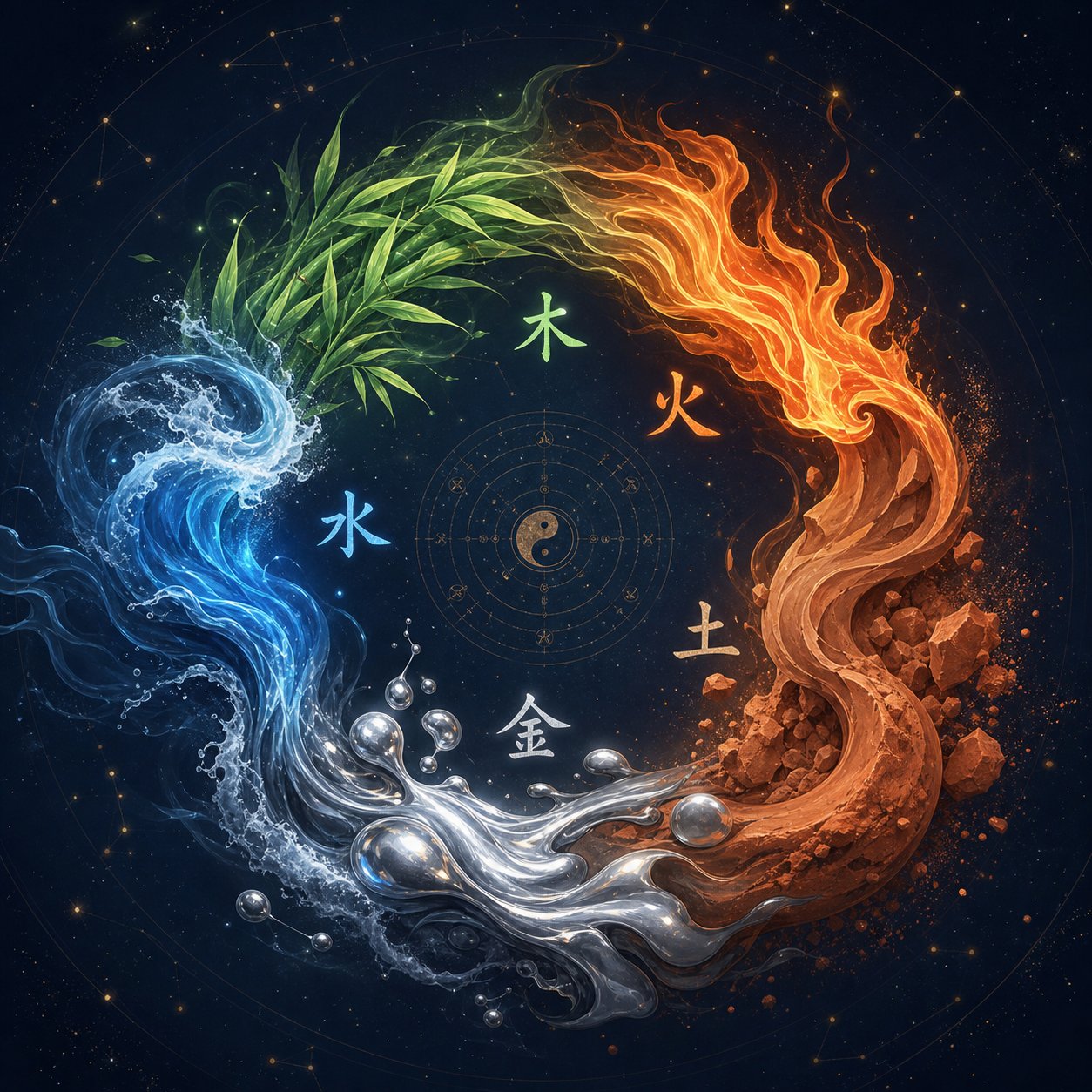
Every Horse year is not the same Horse year. The Chinese zodiac operates on a sixty-year grand cycle, pairing each of the twelve animals with one of five elements — Wood, Fire, Earth, Metal, and Water. A child born in 2014 is a Wood Horse. A child born in 2026 is a Fire Horse. The element assigned to the birth year fundamentally changes which name characters will create harmony and which ones may amplify imbalances.
This is where many parents go wrong. They search for "lucky Horse-year names" and find generic lists that ignore elemental context entirely. But a name perfectly balanced for a Water Horse could overwhelm a Fire Horse with even more intensity. Five elements horse year baby names require specificity — you need to know which element governs your child's birth year before selecting characters.
Understanding the Five Elements in Horse-Year Naming
The Horse zodiac sign is inherently ruled by the Fire element. This means every Horse-year child already carries Fire energy in their baseline profile. The year's assigned element then layers on top, either reinforcing that Fire or introducing a different energetic quality. Here is how each elemental Horse year breaks down:
- Wood Horse (1954, 2014) — Wood feeds Fire in the elemental cycle, creating a warm and growth-oriented personality. Wood Horses are diligent and passionate but can be impulsive and impatient. Names incorporating Water or Earth characters help ground their restless energy without extinguishing their natural warmth.
- Fire Horse (1966, 2026) — Fire on Fire. The Horse's native element doubles, producing intense charisma, independence, and leadership potential — but also a risk of excess. Names rooted in Earth and Water elements provide essential cooling and stabilization.
- Earth Horse (1918, 1978) — Earth absorbs Fire, creating a more grounded and generous personality. Earth Horses are kind, frank, and socially skilled. Their elemental balance is already relatively stable, so names can reinforce strengths like reliability or introduce Metal for sharpness and clarity.
- Metal Horse (1930, 1990) — Metal is controlled by Fire in the destructive cycle, creating internal tension between the Horse's fiery nature and Metal's desire for structure. Metal Horses are bold and freedom-loving but can be overly blunt. Names with Water characters ease this friction, while Wood characters support growth.
- Water Horse (1942, 2002) — Water and Fire create a natural opposition, giving Water Horses emotional depth alongside their vitality. They are kind, sensitive, and generous. Names emphasizing Wood help bridge the gap between their Water element and their Fire-ruled sign, creating productive energy flow.
You will notice a pattern: the naming strategy always considers the relationship between the year element and the Horse's native Fire. This is not about picking characters that "sound lucky." It is about reading the elemental map and filling in what is missing or calming what is excessive.
Elemental harmony in a name is believed to support a child's fortune by compensating for imbalances in their birth chart — a name does not override destiny, but it provides symbolic and energetic support that shapes how a child's natural qualities express themselves throughout life.
Creating Elemental Balance Through Character Selection
How does this work in practice? Each Chinese character carries elemental associations through its radical composition, meaning, or phonetic qualities. A character containing the water radical (氵) introduces Water energy. One built with the earth radical (土) or carrying meanings related to soil, stability, or mountains brings Earth. Characters associated with metal, sharpness, or gold (金) carry Metal energy.
Imagine you are naming a Fire Horse baby born in 2026. The child's chart already holds doubled Fire energy — the Horse's native element plus the year's celestial stem of Yang Fire. Chinese astrology practitioners recommend that such a child benefit from names rooted in Earth and Water to rebalance this intensity. A character like 坤 (kun, meaning earth or receptive) introduces grounding energy. A character like 润 (run, meaning moist or smooth) brings gentle Water without creating a harsh Fire-Water clash.
For a Metal Horse born in 1990, the logic shifts. Metal and Fire create tension, so a name incorporating Wood characters — like 林 (lin, forest) or 荣 (rong, flourishing) — introduces the element that mediates between them. Wood feeds Fire productively and is shaped by Metal constructively, creating a smoother energetic circuit.
This principle of elemental harmony in chinese zodiac naming distinguishes thoughtful name selection from superficial choices. Two children born twelve years apart both carry the Horse zodiac, but their optimal wood fire earth metal water horse names differ entirely based on their year element.
The Fire Horse Myth and Naming as Cultural Response
No discussion of elemental balance for Horse-year babies is complete without addressing the Fire Horse superstition. In both Japan and China, a longstanding belief holds that women born in Fire Horse years possess overwhelming intensity — so much so that the 1966 Fire Horse year saw a measurable drop in birth rates across East Asia.
Whether you view this as outdated superstition or cultural caution, the practical response has always been the same: fire horse name balance strategies. Families who embrace the Fire Horse year — including those expecting children in 2026 — often use naming as a deliberate tool to signal balance. A name heavy in Earth and Water elements communicates that the child's intensity is grounded, not unchecked. It serves both as energetic support for the child and as a cultural signal to extended family and community.
Some practitioners also recommend that the specific birth month within a Fire Horse year further refines which elements to emphasize. A baby born in the heat of July 2026 carries even more concentrated Fire energy than one born in cooler February, and their name characters should reflect that difference.
The key takeaway is this: elemental naming is not a one-size-fits-all formula. It requires knowing your child's specific year element, understanding how that element interacts with the Horse's native Fire, and then selecting characters whose radical composition and meaning introduce the balancing forces. This level of specificity is what separates a truly aligned name from one that merely sounds pleasant — and it sets the stage for the broader naming philosophy that governs how all these elements come together in tonal harmony, stroke count, and generational tradition.
Traditional Chinese Naming Philosophy for Horse Children
Radicals and elements give you the raw materials. But how do you assemble them into a name that actually works? A character can carry perfect elemental balance and auspicious radical composition yet still fail as a name — because it clashes tonally with the surname, looks visually lopsided when written, or breaks a family's generational pattern. Understanding chinese naming principles for horse year children means grasping the full architecture, not just the individual bricks.
Chinese naming philosophy treats a name as a four-dimensional object — sound, form, meaning, and elemental alignment must all be satisfied simultaneously. A name that succeeds on one dimension but fails on another is considered incomplete. For Horse-year babies, this means your carefully chosen auspicious characters still need to pass three additional tests before they become a real name.
Here are the core principles ranked by priority when deciding how to choose a chinese name for horse baby:
- Elemental and zodiac alignment — The character must support the child's birth chart and Horse-year energy. This is the foundation covered in previous sections and the non-negotiable starting point.
- Tonal harmony with the surname — The full name (surname plus given name) must flow naturally when spoken aloud. Tonal clashes make a name feel awkward regardless of its meaning.
- Semantic depth and cultural resonance — Characters should carry layered meaning, ideally drawing from classical literature, nature imagery, or philosophical concepts that reinforce the intended Horse-year symbolism.
- Visual and stroke balance — The written name must look proportional and aesthetically pleasing, whether on a birth certificate, a business card, or a calligraphy scroll.
- Generational and family coherence — The name should respect any existing family naming patterns and sit comfortably alongside siblings' names.
Tonal Harmony and Sound Flow in Chinese Names
Mandarin has four tones plus a neutral tone. The same syllable pronounced in different tones becomes entirely different words — "ma" can mean mother, hemp, horse, or scold depending on its tone. When you string two or three characters together in a full name, their tones create a melodic pattern. A well-crafted name moves through contrasting tones, producing a rhythm that sounds natural and carries clearly across a room.
The practical test for tonal harmony in chinese name selection is simple: say the full name aloud as if introducing yourself to a stranger. Does it flow, or does it stumble? Names where all characters share the same tone — three third-tone characters in a row, for example — feel flat and effortful to pronounce. Names that alternate between rising and falling tones create natural musicality.
For Horse-year babies, this matters beyond aesthetics. The Horse is associated with movement and energy. A name that sounds stagnant or monotone contradicts the very symbolism parents are trying to invoke. Tonal variety in the name mirrors the Horse's dynamic spirit.
Beyond tones, you also need to check for unfortunate homophones. A name that sounds identical to a word meaning "illness" or "loss" will carry that association regardless of its written meaning. This is why naming is never purely a visual exercise — the spoken dimension carries equal weight.
Stroke Count and Visual Balance Principles
Every Chinese character occupies a square space, and its complexity is measured in stroke count. A character with three strokes (like 大, meaning great) looks and feels entirely different from one with twenty-three strokes (like 鑫, meaning prosperous). When characters of wildly different complexity sit next to each other in a name, the visual result can feel unbalanced — like pairing a whisper with a shout.
The stroke count meaning in horse baby names operates on two levels. First, there is the aesthetic level: the surname and given name characters should have roughly compatible density so the full name looks harmonious when written. A simple one-stroke surname paired with two extremely complex given-name characters creates visual top-heaviness. Second, some naming traditions assign numerological significance to total stroke counts, associating certain numbers with fortune or misfortune.
Consider how this applies practically. If your surname is 李 (li, seven strokes), pairing it with given-name characters in the eight-to-twelve stroke range creates visual proportion. Characters like 涵 (han, eleven strokes) or 骏 (jun, ten strokes) sit comfortably beside it. A character with twenty-plus strokes might overwhelm the surname visually, while a two-stroke character might feel insubstantial.
This principle also connects to calligraphic tradition. In Chinese culture, your name will be written — on red envelopes, official documents, personal seals — far more often than in Western contexts. Its visual impression on paper is not a minor consideration. It is part of the name's identity.
Generational Naming Traditions for Horse Families
Many Chinese families follow a practice called generation naming (字辈, zibei), where all children of the same generation share one character in their given name. This shared character is often predetermined by an ancestral poem — a sequence of characters composed by earlier generations, with each character assigned to a successive generation in order.
For Horse-year families, this tradition introduces a constraint. If the generational character is already fixed, parents can only choose the remaining character freely. That single free character must then carry the full weight of zodiac alignment, elemental balance, and tonal harmony with both the surname and the generational character. It is a tighter puzzle, but the principles remain the same.
Even families who no longer follow strict generational naming often maintain softer patterns — siblings sharing a radical, a tonal pattern, or a thematic thread. A Horse-year child named alongside an older sibling born in the Year of the Dragon might share a radical associated with nobility (王) while differing in elemental emphasis.
These naming principles form a complete evaluation framework. Armed with them, you can assess any potential name — not just those found in pre-made lists — and determine whether it truly serves a Horse-year child across all dimensions. The next step is seeing these principles in action: names organized not by gender, but by the symbolic themes that define the Horse's spirit.
Horse-Year Names Organized by Symbolic Theme
Most naming guides sort suggestions into two columns: boys and girls. That approach misses the point entirely. When you are searching for the best symbolic names for year of the horse, the organizing principle should be meaning first — because the Horse's symbolic identity is what drives the entire naming decision. Gender preferences can be layered on afterward, but the foundational question is always: what quality do you want this name to carry?
The five themes below reflect the Horse's core symbolic identity: freedom, strength, nobility, intelligence, and grace. Each grouping includes character breakdowns showing how radical composition, tonal quality, and layered meaning work together to serve Horse-year babies specifically. You will notice that many of these characters work beautifully for any gender — another advantage of organizing horse year baby names by theme rather than by outdated binary categories.
Names Embodying Freedom and Independence
Freedom is the Horse's defining impulse. Characters in this category evoke open skies, unbound movement, and self-determination. Horse year names meaning freedom and strength resonate deeply because they honor the animal's most essential nature — the refusal to be confined.
| Character | Pinyin | Literal Meaning | Symbolic Meaning for Horse Babies | Key Radical |
|---|---|---|---|---|
| 翔 | xiang (2nd tone) | Soaring, gliding | Unrestricted movement through life; a Horse that runs without fences | 羽 (feather) |
| 逸 | yi (4th tone) | Escape, leisure, excellence | Surpassing limits with ease; the Horse that outruns expectation | 辶 (movement) |
| 芊 | qian (1st tone) | Lush, flourishing grass | A Horse surrounded by open pasture — freedom with nourishment | 艹 (grass, auspicious) |
| 旷 | kuang (4th tone) | Vast, open, spacious | Wide horizons and an unconfined spirit | 日 (sun) |
Notice how 芊 combines the auspicious grass radical with a meaning of abundance — it signals both freedom and sustenance simultaneously. Meanwhile, 逸 carries the movement radical (辶), reinforcing the Horse's dynamic nature at the structural level. These are not random picks. Each character's architecture tells a story aligned with the Horse's need for open space.
Names Reflecting Strength and Noble Spirit
Strength and nobility sit at the heart of the Horse's cultural identity. Throughout Chinese history, horses carried warriors into battle and emperors across their domains. Noble chinese names for horse zodiac babies draw on this legacy, embedding power and dignity into the child's identity from day one.
| Character | Pinyin | Literal Meaning | Symbolic Meaning for Horse Babies | Key Radical |
|---|---|---|---|---|
| 骏 | jun (4th tone) | Fine horse, steed | Excellence and superior quality; directly invokes the Horse's noblest form | 马 (horse) |
| 瑞 | rui (4th tone) | Auspicious omen | A life blessed with good fortune; the jade radical signals preciousness | 王 (king/jade, auspicious) |
| 骁 | xiao (1st tone) | Brave, valiant cavalry | Courageous spirit with martial strength; historically describes elite mounted warriors | 马 (horse) |
| 宏 | hong (2nd tone) | Grand, magnificent | Expansive ambition sheltered by stability; the roof radical suggests a protected Horse | 宀 (roof/shelter, auspicious) |
| 毅 | yi (4th tone) | Perseverance, resolve | Inner fortitude that sustains the Horse through long journeys | 殳 (weapon/action) |
The character 骁 (xiao) deserves special attention. It directly contains the horse radical (马) and historically described elite cavalry soldiers — brave, agile, and decisive. For a Horse-year child, this character reinforces the zodiac identity at every level: radical, meaning, and cultural association. Similarly, 瑞 carries the king/jade radical (王), one of the most auspicious structural components for Horse babies, while its meaning of "auspicious omen" adds a layer of fortunate destiny.
Names Capturing Intelligence and Grace
The Horse is not all muscle and momentum. Quick instincts, sharp perception, and elegant movement define this zodiac sign just as powerfully as raw strength. Chinese names meaning intelligence for horse year children honor the animal's mental agility alongside its physical beauty.
| Character | Pinyin | Literal Meaning | Symbolic Meaning for Horse Babies | Key Radical |
|---|---|---|---|---|
| 颖 | ying (3rd tone) | Tip of a grain stalk; clever | Sharp intelligence rising above the crowd; grass-related radical supports Horse nourishment | 禾 (grain, auspicious) |
| 慧 | hui (4th tone) | Wisdom, insight | Deep understanding that guides the Horse's energy toward purposeful action | 心 (heart/mind) |
| 琪 | qi (2nd tone) | Fine jade, rare beauty | Precious intelligence paired with the auspicious jade radical | 王 (king/jade, auspicious) |
| 涵 | han (2nd tone) | Encompass, contain | Depth and capacity; the water radical nourishes the Horse's vitality without extinguishing its fire | 氵 (water, auspicious) |
| 舒 | shu (1st tone) | Stretch out, at ease | Graceful composure that balances the Horse's restless energy | 舍 (shelter) |
The character 颖 (ying) is particularly well-suited for Horse babies. Its literal meaning — the pointed tip of a grain stalk — suggests someone who stands out intellectually. The grain radical (禾) connects to the same nourishment logic as the grass radical: horses thrive on grain, so this structural element signals abundance and sustenance. Meanwhile, 舒 (shu) introduces a balancing quality. It means ease and composure, offering a counterweight to the Horse's natural intensity without suppressing it.
You will also notice that 涵 (han) appears here as an intelligence-themed name rather than purely a water-element choice. This illustrates how a single character can serve multiple naming goals simultaneously — elemental balance through its water radical, intellectual depth through its meaning of "encompassing," and visual proportion through its moderate eleven-stroke count. The best Horse-year names operate on several levels at once.
Combining Themes for Layered Names
Real naming rarely stays within a single theme. A two-character given name can pair freedom with intelligence, or strength with grace. Consider the combination 云骁 (Yun Xiao) — "cloud" paired with "valiant cavalry." The first character evokes height and freedom, while the second grounds it in martial strength. Together they paint a picture of a Horse soaring through open sky with purpose and power.
Or take 芊羽 (Qian Yu) — "lush grass" paired with "feather." The grass radical in 芊 provides zodiac nourishment, while 羽 adds lightness and grace. The tonal pattern (first tone followed by third tone) creates a gentle rise-and-fall rhythm that sounds natural when spoken aloud. This pairing works across all four naming dimensions: zodiac alignment, elemental support, tonal flow, and visual balance.
The theme-based approach gives you a vocabulary of intention. Rather than asking "what name sounds nice?" you can ask "what qualities do I want my Horse-year child's name to carry?" — and then select characters whose radicals, meanings, and tones deliver exactly that message. It is a fundamentally different starting point, and it produces names with genuine depth rather than surface-level appeal.
Of course, many families today face an additional layer of complexity. A name that works beautifully in Mandarin still needs to function in English-speaking classrooms, on international documents, and across cultural contexts where Chinese characters are not read. Bridging that gap without sacrificing zodiac alignment is its own art — one that bicultural families navigate with increasing creativity.
Bicultural Naming Strategies for Horse-Year Families
A name can carry perfect zodiac alignment, auspicious radicals, and elemental balance — and still create friction the moment your child enters an English-speaking classroom. For multicultural families, the challenge is not just finding a meaningful Chinese name. It is building a naming system where the Western given name and the Chinese name work together rather than existing as disconnected identities.
This tension is real. As writer Cecilia Huang describes, her family navigated choosing an Anglo first name, a middle name, and a Chinese name for their daughter — debating whether to include the Chinese characters on legal documents and how each piece would shape their child's sense of self. For Horse-year families, this process carries an extra dimension: you want the zodiac symbolism preserved across both cultural contexts, not lost in translation.
Harmonizing Western and Chinese Names for Horse Babies
Western and chinese name pairing horse zodiac style does not require the two names to be literal translations of each other. That approach usually produces awkward results in at least one language. Instead, think of the pairing as a conversation between two names that share a thematic thread or phonetic echo.
Here are practical strategies for creating bicultural baby names for horse year children that feel cohesive:
- Phonetic bridging — Choose a Western name whose sound echoes part of the Chinese name. If the Chinese name is 凯琪 (Kai Qi), a Western name like "Kai" or "Kaia" preserves phonetic continuity. The child moves between cultures without feeling like they become a different person.
- Meaning alignment — Match the thematic intent across languages rather than the literal translation. A Chinese name meaning "galloping spirit" pairs naturally with a Western name like "Freya" (meaning noble woman) — both carry independence and strength without being direct translations.
- Shared initial sound — Some families use the same starting letter or syllable for both names, creating a subtle link. A Chinese name beginning with 俊 (jun, meaning talented) pairs smoothly with "Julian" or "June" — the phonetic overlap makes both names feel like they belong to the same person.
- Dual-function characters — Certain Chinese names already sound natural in English contexts. Names like 明 (Ming), 凯 (Kai), or 琳 (Lin) function comfortably in both languages without modification, eliminating the need for a separate Western name entirely.
- Symbolic resonance over literal match — A Horse-year child named 翔 (Xiang, meaning soaring) might carry the Western name "Phoenix" — not a translation, but a shared symbolic space of flight and freedom that honors the Horse's spirit in both contexts.
The key principle: cross cultural names for year of the horse babies should feel like two expressions of the same identity, not two separate identities stapled together. When a child introduces themselves as "Kai" in one setting and "凯骏" in another, both names should tell a version of the same story.
Horse-Year Naming Across East Asian Cultures
Horse-year symbolism is not exclusive to Chinese naming traditions. The twelve-animal zodiac cycle spread across East and Southeast Asia centuries ago, and each culture developed its own naming responses to the Horse's energy.
In Korean tradition, the Horse year (말띠, mal-tti) carries similar associations with speed, passion, and social energy. Korean parents may choose hanja characters — Chinese-derived characters used in Korean names — that align with Horse symbolism. Characters meaning "gallop" (달릴 달, dal) or "bright" (밝을 명, myeong) serve the same zodiac logic as their Chinese counterparts, filtered through Korean phonetics and naming conventions.
In Vietnamese culture, the Horse year (Ngọ) is associated with the Fire element by default, making elemental balance through naming even more culturally emphasized. Vietnamese names often draw from Sino-Vietnamese vocabulary, so characters like Tuấn (meaning talented, from 俊) or Minh (meaning bright, from 明) carry zodiac resonance familiar to Chinese naming principles while sounding distinctly Vietnamese.
In Japanese tradition, the Horse year (午年, uma-doshi) intersects with the kanji naming system. Japanese parents selecting kanji for a Horse-year child apply similar radical-awareness logic — choosing characters associated with open fields, vitality, or nobility. The kanji 駿 (shun, meaning excellent horse) appears in Japanese names just as its Chinese equivalent 骏 does, carrying the same zodiac reinforcement.
What unites horse year naming in different asian cultures is the underlying principle: the zodiac animal's nature should be reflected or balanced in the name's meaning and structure. The specific characters, phonetics, and cultural conventions differ, but the philosophical framework remains consistent. A Korean family and a Chinese family naming their Horse-year children are solving the same puzzle with different linguistic tools.
For families navigating multiple Asian heritages — a Chinese-Vietnamese household, or a Korean-Japanese one — understanding these parallel traditions opens up naming possibilities that honor both lineages simultaneously. A character that carries Horse-year significance in both Chinese and Korean hanja, for example, creates a name that speaks to both sides of a child's heritage without compromise.
These cross-cultural strategies work because they are grounded in principles rather than rigid rules. Whether you are pairing English with Mandarin, Korean with English, or Vietnamese with Cantonese, the same questions apply: does this name honor the Horse's spirit, does it create balance, and does it let your child move through their world feeling whole? The answers may look different for every family — but the framework for finding them remains the same, even as naming conventions continue to evolve with each new generation of parents.
Modern Naming Trends That Honor Horse-Year Heritage
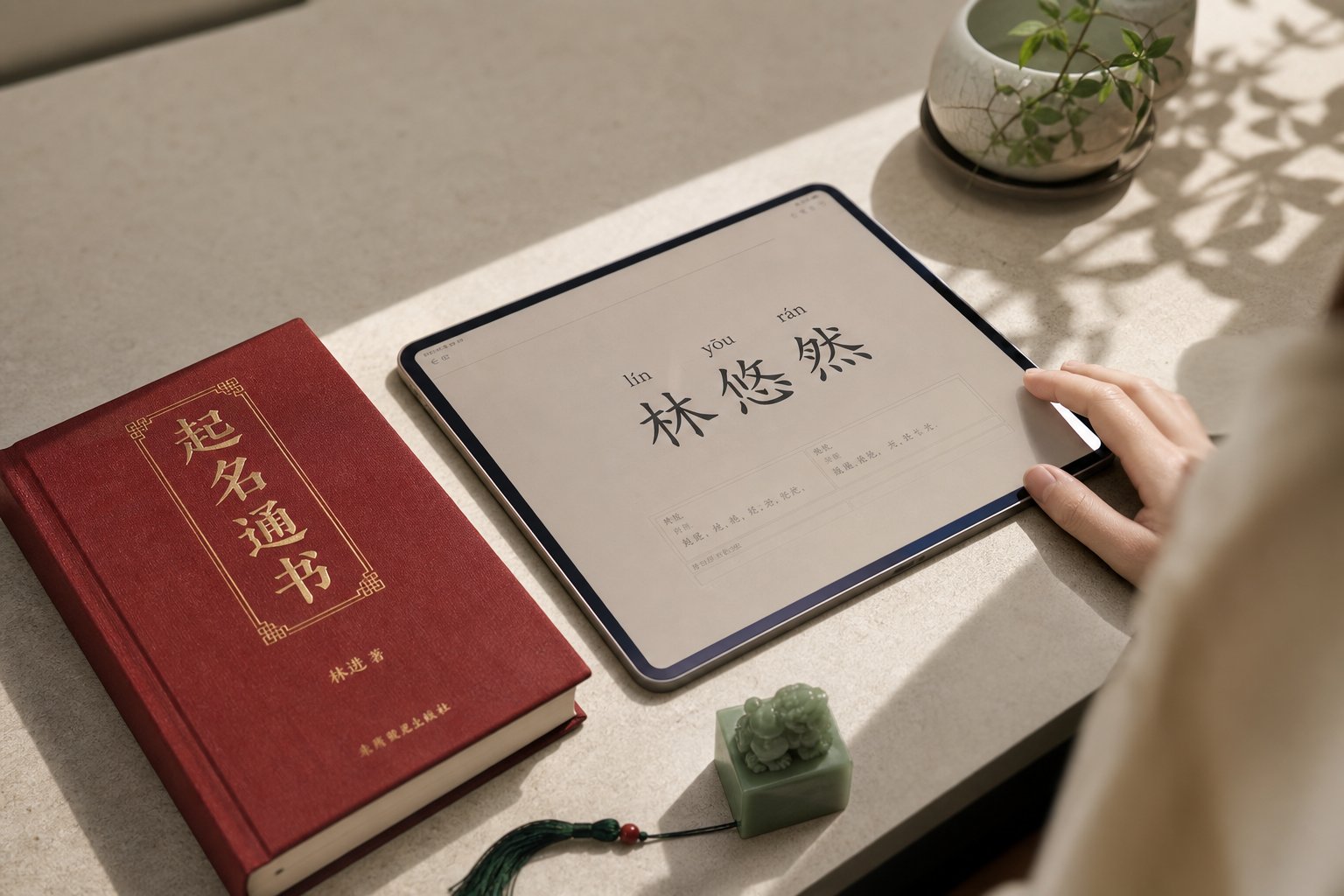
Naming conventions do not stand still. The parents choosing Horse-year names today are not the same parents who consulted naming masters exclusively thirty years ago. They research radical composition on their phones, cross-reference elemental charts online, and weigh zodiac alignment alongside how a name will sound during a Zoom call with colleagues in London or Toronto. The result is a generation of modern horse year baby name ideas that respect traditional principles while adapting to how children actually live now — across languages, borders, and digital spaces.
This shift does not mean tradition is being abandoned. It means tradition is being applied with more personal agency. And that distinction matters.
Blending Tradition with Contemporary Naming Preferences
Several clear patterns have emerged among parents navigating contemporary chinese naming trends horse year children carry into adulthood. These trends reflect practical realities — shorter attention spans on forms, international mobility, evolving gender norms — while preserving the zodiac logic that gives a name its deeper purpose.
- Single-character given names — Where two-character given names were once standard, many parents now opt for a single powerful character that carries concentrated meaning. A name like 骏 (jun, fine horse) or 涵 (han, encompassing) delivers zodiac alignment, elemental balance, and tonal harmony in one stroke-efficient package. Shorter names also translate more smoothly into international contexts.
- Gender-neutral character choices — Gender neutral names for horse zodiac year babies reflect a broader cultural shift. Characters like 逸 (yi, excellence and ease), 晨 (chen, morning), or 瑞 (rui, auspicious) carry no inherent gender coding while still honoring Horse-year symbolism. Parents increasingly prioritize meaning over gendered convention, choosing characters for what they say rather than who they are traditionally assigned to.
- International phonetic compatibility — Parents actively select characters whose pinyin pronunciation works naturally in English, French, Spanish, or other languages their child will encounter. A name like 凯 (kai) or 明 (ming) requires no explanation or anglicization. This is not about diluting Chinese identity — it is about reducing friction so the child can carry their full name with confidence everywhere.
- Minimalist stroke counts — Complex characters with twenty-plus strokes are losing favor among younger parents who value clean visual aesthetics and practical writability. Characters in the eight-to-twelve stroke range offer enough visual weight to feel substantial without becoming burdensome for a child learning to write their own name.
- Nature-forward imagery — Characters evoking natural landscapes — open fields, flowing water, morning light — resonate with both Horse-year symbolism and contemporary preferences for organic, grounded names. This trend aligns naturally with auspicious radicals like grass (艹) and water (氵), making it easy to honor zodiac principles without the name feeling archaic.
You will notice these trends do not contradict traditional naming philosophy. They operate within it. A single-character gender-neutral name built on an auspicious radical with balanced stroke count and international phonetics still satisfies every principle covered in this article. The framework holds — only the stylistic preferences layered on top have shifted.
Empowering Parents to Apply Naming Principles Independently
Perhaps the most significant change in how parents approach year of the horse name meanings is this: they are learning the system themselves. A generation ago, naming was largely delegated to professional naming masters or elder family members who held this knowledge. Today, parents research radical composition, study elemental cycles, and evaluate tonal patterns on their own — then consult a master for confirmation rather than starting from scratch.
This democratization does not diminish the value of professional guidance. Complex birth charts with unusual elemental configurations still benefit from expert interpretation. But for the foundational decisions — which radicals support my Horse-year child, which element needs balancing, how does this character sound with our surname — parents now have the tools to participate actively rather than passively accepting a name handed to them.
How to pick a lucky horse year name today comes down to this: understand the principles, then trust your judgment within them. You know your family's values, your child's elemental profile, your cultural context, and the practical realities of the world they will navigate. No pre-made list can account for all of those variables simultaneously. But a parent who grasps radical logic, elemental balance, tonal harmony, and thematic intention can evaluate any character — from any source — and determine whether it truly serves their Horse-year child.
The goal of learning naming principles is not to replace intuition with formula. It is to give your intuition a foundation solid enough to stand on.
Whether you choose a name steeped in classical literary allusion or one that sounds equally at home in Shanghai and San Francisco, the confidence comes from the same place: knowing why the name works, not just that someone told you it was lucky. A Horse-year child named with intention — with understanding of what the Horse brings, what their element needs, and what their name's structure communicates — carries that intentionality forward into every introduction, every signature, every moment their name is spoken aloud. That is the real inheritance a well-chosen name provides.
Frequently Asked Questions About Year of the Horse Name Meanings
1. What are the luckiest radicals for Year of the Horse baby names?
The most auspicious radicals for Horse-year babies include the grass radical (艹) symbolizing nourishment since horses graze, the king/jade radical (王) representing nobility, the water radical (氵) for vitality, the wood radical (木) for natural growth, and the silk radical (纟) suggesting being valued. These radicals connect to what horses need to thrive: food, water, open space, and respect. Conversely, parents should avoid the enclosure radical (囗) which implies confinement, and characters associated with the Rat zodiac since Horse and Rat sit in direct opposition on the zodiac wheel.
2. How do the five elements affect naming a Horse-year child?
Each Horse year pairs with one of five elements (Wood, Fire, Earth, Metal, Water), and since the Horse is inherently a Fire sign, the year element creates different balance needs. A Wood Horse (2014) benefits from Water or Earth names to ground restless energy. A Fire Horse (2026) needs strong Earth and Water characters to cool doubled intensity. An Earth Horse (1978) is already stable and can add Metal for clarity. The key principle is identifying what element your child's birth year adds, then selecting characters whose radicals introduce the compensating force.
3. Can Year of the Horse names work in both English and Chinese?
Yes, bicultural naming strategies allow Horse-year symbolism to function across languages. Parents can use phonetic bridging where the Western name echoes the Chinese name's sound, like pairing 凯 (Kai) with the English name Kai. Meaning alignment matches thematic intent without literal translation. Some characters like 明 (Ming) or 琳 (Lin) already function naturally in English contexts. The goal is creating two expressions of the same identity rather than two disconnected names, so the child feels whole moving between cultural settings.
4. What is the Fire Horse superstition and how does naming address it?
The Fire Horse superstition, prominent in both China and Japan, holds that people born in Fire Horse years (1966, 2026) possess overwhelming intensity. This belief caused measurable birth rate drops in 1966. Naming serves as a cultural response by deliberately incorporating Earth and Water element characters to signal balance. A name heavy in grounding elements communicates that the child's Fire Horse intensity is tempered, providing both symbolic energetic support and reassurance to extended family and community.
5. Should I reinforce or balance my Horse-year baby's zodiac traits through their name?
The decision depends on your family's values and the child's specific birth chart. Reinforcing traits works when you want to amplify a quality like leadership or vitality, using characters like 骏 (fine horse) or 焕 (radiant). Balancing works when a trait risks becoming excessive, such as using 静 (calm) or 恒 (constancy) to anchor the Horse's natural restlessness. Many parents combine both approaches in a two-character given name, pairing one reinforcing character with one balancing character to create a name that honors the Horse's spirit while providing grounding.