How the Ox Zodiac Influences Chinese Baby Naming Traditions
Imagine choosing a name that does more than sound nice. In Chinese culture, a baby's name carries intention, aspiration, and cosmic alignment all at once. For children born in the Year of the Ox, that alignment starts with five defining personality traits: diligence, reliability, strength, patience, and honesty. These aren't just horoscope talking points. They're the foundation for selecting specific Chinese characters that embed those qualities directly into a child's identity.
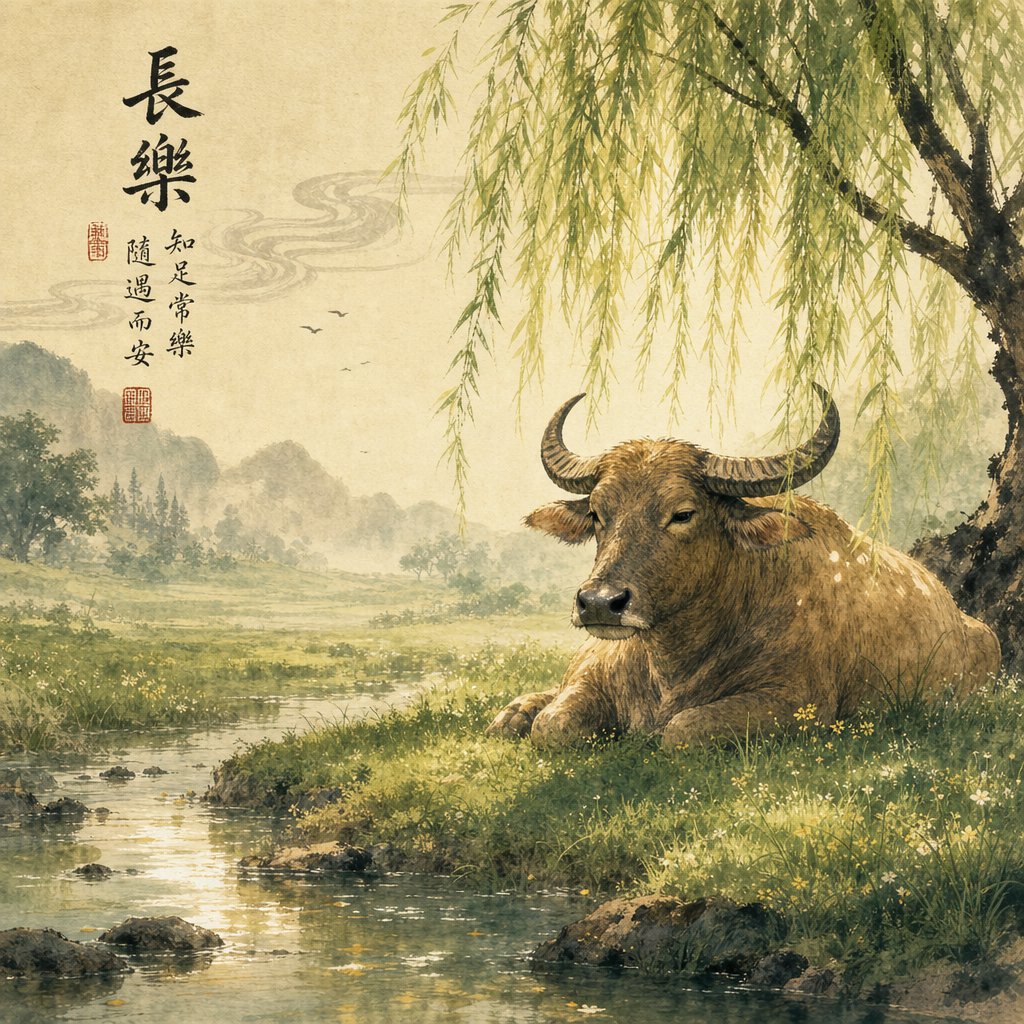
The Ox is the second animal in the Chinese zodiac cycle, representing perseverance, down-to-earth persistence, and hard work. Chinese folklore portrays the ox as an indispensable helper in agricultural labor and a symbol of prosperity and abundance. When parents choose chinese baby names for an Ox year child, they're selecting characters whose meanings, radicals, and even stroke counts reinforce these traits or complement them with balancing qualities.
A well-chosen Chinese baby name doesn't just describe who a child is — it encodes who the family hopes they'll become. For Ox babies, that means characters evoking steady strength, fertile growth, and quiet determination.
Why the Ox Zodiac Shapes Baby Name Choices
Chinese naming isn't random. Each character carries layers of meaning through its radical (the building-block component), its tonal pronunciation, and its visual stroke structure. For Ox year babies, certain radicals are considered especially auspicious because they connect to the ox's natural world — water for nourishment, grass for grazing, fields for labor. A chinese baby name built on these radicals is thought to give the child a smoother, more harmonious life path.
But here's where most English-language resources fall short. They'll list a few lucky characters without explaining the interconnected system behind them. In reality, three frameworks work together: zodiac-compatible radicals, Five Elements (Wu Xing) balance based on the child's birth year and month, and stroke count numerology. This guide brings all three into one resource so you can understand chinese baby names and meanings at a deeper structural level.
Who This Naming Guide Is For
You might be a diaspora parent who grew up hearing these traditions but never learned the mechanics. Maybe you're in a mixed-heritage family wanting to honor Chinese naming customs authentically. Or perhaps you're simply a culturally curious parent drawn to the richness of this system. Whatever brought you here, this guide assumes no prior expertise in Chinese linguistics or metaphysics.
Recent Ox years include 2021 (Metal Ox), 2009 (Earth Ox), and the upcoming 2033 (Water Ox). Whether you're reflecting on a name already given or planning ahead, the frameworks covered here apply across all elemental variations of the Ox. Each variation shifts the naming calculus in specific ways — and that's exactly where the next layer of this system gets interesting.
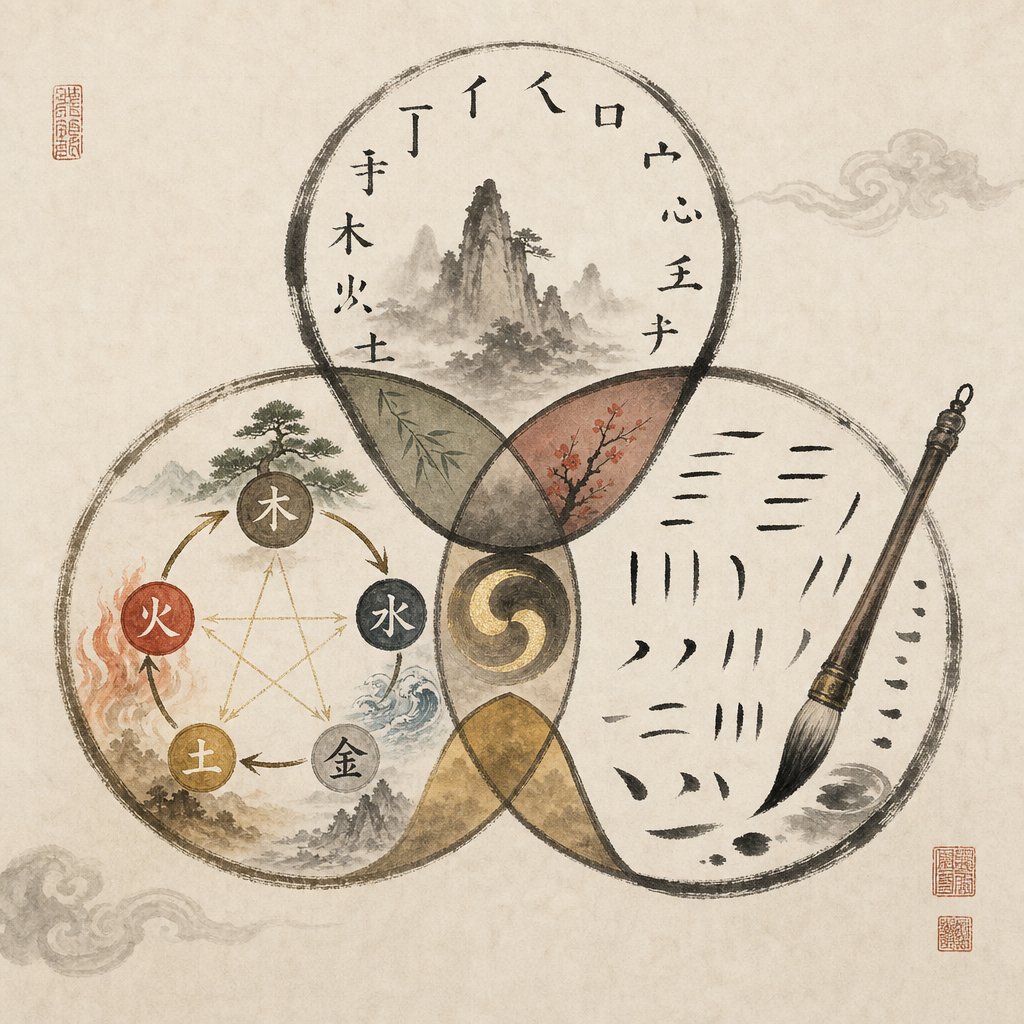
Three Chinese Naming Frameworks Every Ox Year Parent Should Know
Most naming guides hand you a list of characters and call it a day. The problem? Without understanding the system behind those characters, you can't evaluate whether a name truly fits your child's birth profile. Baby chinese name selection in the traditional sense relies on three interlocking frameworks — each one filtering and refining your options until you land on characters that work on every level.
Think of it like a Venn diagram. The zodiac radical system tells you which character components harmonize with the Ox sign. The Five Elements framework reveals which elemental energies your child's birth chart needs more of. And stroke count numerology ensures the finished name carries auspicious numerical weight. A name that satisfies all three? That's the sweet spot traditional naming masters aim for.
Auspicious Radicals and Characters for Ox Babies
In Chinese, every character is built from smaller components called radicals. These radicals carry their own meanings, and for Ox year babies, certain radicals are considered especially favorable because they mirror the ox's natural habitat and lifestyle. When you're searching for auspicious chinese names for ox babies, the radical is your first filter.
Here's the logic: the ox thrives in fields, eats grass, drinks water, and rests under shelter. Characters containing radicals tied to these elements are thought to give an Ox baby a life of abundance, purpose, and comfort. Conversely, radicals associated with conflict animals (like the horse or sheep) are traditionally avoided.
The most favorable radicals for Ox-born children include:
- 艹 (grass radical) — The ox's staple food. Characters with this radical suggest plentiful nourishment, a rich inner world, and no worry about food and clothing throughout life. Examples: 芳 (fragrant), 莲 (lotus), 苗 (sprout), 茹 (to eat/endure), 艺 (art/skill).
- 田 (field radical) — The ox ploughing in the field finds its natural purpose. Characters with this radical represent diligence, obligation, and bearing hardship without complaint. Examples: 男 (male), 界 (boundary), 富 (wealthy), 思 (thought), 苗 (seedling).
- 氵 (water radical) — Water nourishes the ox and the fields it works. Characters with this radical bring fluidity, wisdom, and adaptability. Examples: 泽 (marsh/grace), 润 (moist/smooth), 涵 (contain/cultivate), 洪 (vast), 沈 (deep).
- 宀 (roof radical) — Represents the ox resting safely under shelter. Characters with this radical suggest security, home, and protection. Examples: 安 (peace), 宝 (treasure), 宏 (grand), 家 (family), 宜 (suitable).
- 禾/米/豆 (grain radicals) — Foods the ox loves. These radicals indicate abundance and freedom from poverty. Examples: 秀 (elegant), 颖 (clever/outstanding), 稼 (harvest), 科 (branch of study), 程 (journey/process).
- 辶 (movement radical, resembling a snake) — The Snake is one of the Ox's zodiac allies. Together with the Rooster, they form a harmonious trio (巳酉丑三合). Characters with this radical bring helpful relationships and support. Examples: 连 (connect), 运 (fortune), 远 (far-reaching), 迈 (stride forward).
- 车 (cart radical) — The ox pulling a cart earns its owner's trust and recognition. Characters with this radical represent opportunities to demonstrate one's abilities. Examples: 轩 (lofty), 辉 (radiance), 轮 (wheel/cycle).
Equally important is knowing what to avoid. Characters containing the 心 (heart) radical — which relates to meat — are considered unfavorable because the ox is herbivorous. The 马 (horse) radical conflicts with the Ox's earthly branch, and the 羊 (sheep) radical represents a direct zodiac clash.
The Five Elements and Stroke Count in Naming
Radicals handle zodiac compatibility. But what about energetic balance? That's where the Five Elements — or more accurately, the Five Phases (Wu Xing) — come in. This framework operates on a different axis entirely, and it's where baby chinese name feng shui principles take center stage.
Wu Xing describes five phases of energy: Wood (木), Fire (火), Earth (土), Metal (金), and Water (水). As naming specialists explain, the Chinese character Xing (行) means "movement" or "phase" rather than "element" — these are dynamic patterns of transformation, not static materials. Each phase generates and controls the others in continuous cycles:
The Generating Cycle flows: Wood feeds Fire, Fire creates Earth, Earth bears Metal, Metal collects Water, Water nourishes Wood. The Controlling Cycle regulates: Wood parts Earth, Earth dams Water, Water quenches Fire, Fire melts Metal, Metal cuts Wood. A balanced name works with both cycles.
Here's how it connects to your Ox baby: every birth year carries a dominant element (2021 is Metal, 2033 is Water), but the child's full BaZi chart — calculated from their exact birth date and time — reveals which elements are overrepresented and which are missing. A name compensates for deficiencies. If your child's chart lacks Water energy, you'd select characters containing the 氵(water) or 雨 (rain) radical. If Wood is absent, characters with 木 (wood) or 艹 (grass) fill that gap.
The beauty for Ox babies is that several zodiac-favorable radicals already carry elemental associations. The grass radical (艹) is linked to Wood. The water radical (氵) is linked to Water. So a single well-chosen character can satisfy both the zodiac framework and the elemental framework simultaneously.
The third layer — stroke count (笔画) — adds numerical harmony. Chinese characters are classified as Yin (even stroke count) or Yang (odd stroke count). A complete name, as ThoughtCo's guide to stroke-based naming details, should follow specific Yin-Yang patterns across its three characters (surname plus two-character given name). Acceptable patterns include Yang-Yang-Yin, Yin-Yin-Yang, Yang-Yin-Yin, and Yin-Yang-Yang. The total stroke count of the full name should also land on traditionally auspicious numbers.
Sounds complex? It is — but you don't need to master all three systems at once. The radicals give you your shortlist. The Five Elements narrow that shortlist based on your child's specific birth data. And stroke count provides a final check to confirm the name's numerical balance. Each framework builds on the last.
What shifts the entire calculation, though, is which elemental version of the Ox your child belongs to. A Metal Ox born in 2021 has very different naming needs than a Water Ox arriving in 2033 — and the specific birth month adds yet another variable to the elemental equation.
Elemental Ox Years and How They Change Name Recommendations
A Metal Ox and a Water Ox share the same zodiac animal, but their naming profiles diverge significantly. The element attached to each Ox year determines which energies are already abundant in a child's chart — and which ones a baby chinese name should compensate for. This is where the Five Elements framework stops being abstract and becomes deeply personal.
The Chinese zodiac operates on a sixty-year cycle that pairs each of the twelve animals with each of the five elements. For the Ox, that produces five distinct elemental variations, each recurring once every six decades. The Ox's fixed (intrinsic) element is Earth — meaning every Ox baby already carries Earth energy regardless of their birth year's cycling element. This double-element dynamic is what makes elemental balancing so important for Ox children specifically.
| Elemental Ox | Years | Inherent Traits | Likely Excess Element(s) | Recommended Balancing Elements in Name |
|---|---|---|---|---|
| Metal Ox | 1961, 2021 | Hardworking, active, popular among friends | Earth + Metal | Water, Wood |
| Water Ox | 1973, 2033 | Ambitious, tenacious, strong sense of justice | Earth + Water | Wood, Fire |
| Wood Ox | 1925, 1985 | Decisive, straightforward, defender of the weak | Earth + Wood | Fire, Water |
| Fire Ox | 1937, 1997 | Practical, focused, action-oriented | Earth + Fire | Metal, Water |
| Earth Ox | 1949, 2009 | Honest, prudent, strong sense of responsibility | Earth (doubled) | Metal, Wood, Water |
Metal and Water Ox Name Considerations
If your child was born in 2021, you're working with a Metal Ox profile. The Metal Ox personality is described as hardworking, active, and always busy. With both Earth (fixed element) and Metal (year element) already present, the chart tends to be heavy on structure and rigidity. The generating cycle tells us that Metal produces Water and Earth produces Metal — so there's a natural flow toward accumulation without release.
For auspicious chinese names for ox babies 2021, the priority is introducing Water or Wood energy. Water softens Metal's sharpness and brings wisdom, adaptability, and emotional depth. Characters with the 氵(water) radical — like 涵 (han, to cultivate), 泽 (ze, grace), or 润 (run, smooth) — serve double duty here because the water radical is also zodiac-favorable for Ox babies. Wood introduces growth, creativity, and flexibility to counterbalance Metal's determination. Characters with 木 or 艹 radicals work well.
The Water Ox (1973, 2033) presents a different picture. Water is already present alongside the fixed Earth element. Since Earth controls Water in the overcoming cycle, there's an internal tension in this profile. A baby boy chinese name 2021 parents might have needed Water energy, but a 2033 Water Ox baby likely needs Wood or Fire instead. Wood draws on the existing Water (Water feeds Wood in the generating cycle), creating productive flow. Fire brings warmth, passion, and visibility to balance the Water Ox's tendency toward quiet endurance.
Wood, Fire, and Earth Ox Name Considerations
The Wood Ox (1985) combines Earth's stability with Wood's growth energy. Since Wood separates Earth in the overcoming cycle, these individuals may experience internal push-pull between caution and boldness. Names incorporating Fire characters help bridge this tension — Fire is generated by Wood and generates Earth, creating a smooth energetic chain. Water also works well, as it nourishes the existing Wood element without conflicting with Earth.
Fire Ox babies (1997) carry Earth plus Fire — a warm, productive combination since Fire generates Earth. The risk here is excess heat and intensity. Metal and Water characters cool and structure this energy. Metal is generated by Earth (giving it a natural home in the chart), while Water directly quenches Fire's excess. Characters like 鑫 (xin, prosperous/Metal energy) or 淳 (chun, pure/Water energy) offer balance.
The Earth Ox (2009) is the most elementally concentrated of all five types. With Earth as both the fixed sign element and the year element, these children carry doubled Earth energy — stability and responsibility in abundance, but potentially lacking dynamism. This profile benefits from the widest range of balancing elements. Metal helps channel Earth's energy outward (Earth generates Metal). Wood introduces movement and ambition. Water brings intellectual agility. Parents of Earth Ox children have the most flexibility in choosing a baby chinese name, but also the greatest need to introduce variety.
One more variable matters: birth month. A Metal Ox born in winter months (November-January) already picks up additional Water energy from the seasonal element, which may reduce the need for Water characters in the name. A summer-born Metal Ox, surrounded by Fire seasonal energy, might need a different balancing approach entirely. This is why traditional naming consultations always ask for the exact birth date and time — the year element is just the starting layer.
With your child's elemental profile mapped, the next step is finding specific characters that carry the right energy, the right radical, and the right meaning. That's where curated name lists organized by Ox personality traits become genuinely useful — starting with options for girls.
Chinese Baby Girl Names for Ox Year Babies With Pinyin and Meanings
Elemental balance gives you the energetic blueprint. Auspicious radicals give you the structural filter. But at some point, you need actual names — characters that carry the right meaning, the right radical, and the right feeling when you say them aloud. The curated chinese baby girl names below each contain at least one Ox-favorable radical (艹, 氵, 宀, 禾, or 辰) while reinforcing personality traits the Ox zodiac is known for.
When browsing baby girl chinese names and meaning breakdowns, pay attention to the Zodiac Connection column. It tells you exactly which radical or alliance makes the name harmonious for an Ox-born child. Names featuring double auspicious radicals — say, grass plus water — are especially powerful because they satisfy the zodiac framework on two levels simultaneously.
Girl Names Reflecting Ox Strength and Perseverance
The Ox is defined by quiet determination. These chinese baby names for girls channel that energy through characters associated with resilience, inner power, and steady growth. Each name pairs a strength-oriented meaning with radicals that place the Ox in its most comfortable environment.
| Character | Pinyin | Meaning | Zodiac Connection |
|---|---|---|---|
| 芷涵 | Zhǐ hán | 芷 = angelica herb (virtue, integrity); 涵 = to cultivate, contain (depth, tolerance) | 艹 (grass) feeds the Ox + 氵 (water) nourishes it — double auspicious radicals |
| 安颖 | Ān yǐng | 安 = peace, stability; 颖 = outstanding, sharp-minded | 宀 (roof) shelters the Ox + 禾 (grain) sustains it — security and abundance |
| 秀莲 | Xiù lián | 秀 = elegant, outstanding; 莲 = lotus (rising above adversity) | 禾 (grain) + 艹 (grass) — the Ox finds plentiful nourishment and purpose |
| 宸萱 | Chén xuān | 宸 = imperial, celestial; 萱 = daylily (the "forget-worry" herb) | 宀 (roof) + 辰 (Dragon ally) + 艹 (grass) — shelter, powerful zodiac support, and sustenance |
| 淳蕊 | Chún ruǐ | 淳 = pure, honest, sincere; 蕊 = pistil, the heart of a flower | 氵 (water) + 艹 (grass) — the Ox's ideal natural environment of stream and meadow |
Notice how 宸萱 packs three favorable elements into a single two-character name: the roof radical, the Dragon earthly branch (辰, one of the Ox's zodiac friends), and the grass radical. That kind of layering is what makes certain baby girl chinese names unique from a traditional naming perspective — they satisfy multiple frameworks at once.
Girl Names Embodying Gentleness and Grace
Strength isn't the Ox's only virtue. Patience, gentleness, and quiet grace are equally central to this zodiac's character. The following chinese baby girl names with meaning lean toward softness and nurturing energy while maintaining zodiac compatibility through their radical structure.
| Character | Pinyin | Meaning | Zodiac Connection |
|---|---|---|---|
| 芸宁 | Yún níng | 芸 = rue herb (literary, scholarly); 宁 = tranquil, serene | 艹 (grass) + 宀 (roof) — nourished and sheltered, the Ox rests peacefully |
| 茹涵 | Rú hán | 茹 = to endure gently, to absorb; 涵 = to cultivate, inclusive | 艹 (grass) + 氵 (water) — patience and depth rooted in the Ox's natural world |
| 宛芳 | Wǎn fāng | 宛 = graceful, as if; 芳 = fragrant, virtuous | 宀 (roof) + 艹 (grass) — comfort and virtue under one name |
| 莉安 | Lì ān | 莉 = jasmine (purity, warmth); 安 = peace, contentment | 艹 (grass) + 宀 (roof) — the Ox surrounded by fragrance and safety |
| 润芝 | Rùn zhī | 润 = to enrich, smooth, moist; 芝 = lingzhi mushroom (spiritual wisdom) | 氵 (water) + 艹 (grass) — enriching flow meets sacred herb, deeply auspicious for Ox |
For parents seeking chinese baby names girl options that also carry honesty and integrity — another core Ox trait — look at names like 芷涵 and 淳蕊 from the first table. The character 芷 historically symbolizes moral uprightness in Chinese poetry, while 淳 directly translates to sincerity and purity of character. These meanings align with the Ox's reputation as the most trustworthy sign in the zodiac.
A few practical notes as you evaluate these chinese girl baby names. First, confirm that your chosen characters don't conflict with the family surname's radical — a name master would check this, but you can do a basic screen by ensuring the surname doesn't contain horse (马), sheep (羊), or sun (日) radicals that clash with the Ox. Second, remember that elemental balance still applies. If your daughter is a Metal Ox (2021), prioritize names heavy on the water radical like 芷涵, 茹涵, or 润芝. If she's an Earth Ox (2009), the wider variety of radicals in names like 宸萱 or 安颖 offers the elemental diversity her chart likely needs.
These selections represent a starting point — not an exhaustive list. The same radical-based logic applies to any character you encounter. If it contains 艹, 氵, 宀, 禾, 辶, or 酉, it's worth investigating further for your Ox daughter. The boy's name list follows the same structural principles but leans into different trait expressions.
Chinese Baby Boy Names for Ox Year Babies With Pinyin and Meanings
The same radical logic that guided the girl name selections applies here — but the trait emphasis shifts. Chinese baby boy names for Ox year children tend to lean into the animal's associations with diligence, dependable leadership, and deep-rooted wisdom. You'll notice that many traditional baby boy names chinese characters draw from the same auspicious radical pool (艹, 氵, 宀, 田, 禾, 辶, 车), but pair them with characters that project outward strength and purposeful action.
Each name below includes its zodiac connection so you can see exactly why it harmonizes with the Ox sign. If you're building a baby boy chinese name list to discuss with family or a naming consultant, these tables give you a solid foundation organized by the Ox personality traits each name reinforces.
Boy Names Symbolizing Diligence and Leadership
The Ox earns respect through relentless effort, not flashy displays. These chinese baby names boy options reflect that ethos — characters tied to hard work, forward momentum, and the kind of quiet authority that comes from consistently showing up. Several feature the cart radical (车) or field radical (田), both of which represent the Ox fulfilling its purpose and earning recognition from others.
| Character | Pinyin | Meaning | Zodiac Connection |
|---|---|---|---|
| 家豪 | Jiā háo | 家 = family, home; 豪 = heroic, bold, outstanding | 宀 (roof) shelters the Ox + 豕 (pig radical in 家/豪) forms the auspicious 亥子丑 seasonal trio |
| 轩宏 | Xuān hóng | 轩 = lofty, elevated; 宏 = grand, vast in scope | 车 (cart) gives the Ox a stage to demonstrate ability + 宀 (roof) provides security |
| 秋泽 | Qiū zé | 秋 = autumn (harvest, maturity); 泽 = marsh, grace, benevolence | 禾 (grain) ensures abundance + 氵 (water) nourishes — the Ox reaps what it sows |
| 建连 | Jiàn lián | 建 = to build, establish; 连 = to connect, continuous | 辶 (snake-like movement radical) activates the 巳酉丑 zodiac alliance — helpful relationships surround the Ox |
| 鸿远 | Hóng yuǎn | 鸿 = great swan, grand ambition; 远 = far-reaching, long-term vision | 鸟 (bird/Rooster ally) + 辶 (Snake ally) — both radicals trigger the Ox's most powerful zodiac friendships |
Notice how 鸿远 activates two zodiac alliances in a single name. The Rooster (酉) and Snake (巳) form a harmonious trio with the Ox (丑), so baby boy names in chinese characters containing bird or snake-related radicals carry built-in cosmic support. Meanwhile, 家豪 — one of the most recommended names for Ox year males in traditional sources — connects to the Pig (亥) through its radical structure, completing the 亥子丑 seasonal combination that brings additional fortune.
Boy Names Representing Patience and Wisdom
Where diligence names emphasize action, these baby chinese boy names honor the Ox's contemplative side — its patience, depth of thought, and steady accumulation of knowledge. Characters here lean toward water and grain radicals, which carry elemental associations with wisdom (Water) and intellectual harvest (grain/Wood).
| Character | Pinyin | Meaning | Zodiac Connection |
|---|---|---|---|
| 涵宇 | Hán yǔ | 涵 = to cultivate, contain multitudes; 宇 = universe, expansive space | 氵 (water) brings wisdom and adaptability + 宀 (roof) offers the Ox shelter and rest |
| 思程 | Sī chéng | 思 = to think, contemplate; 程 = journey, process, measured progress | 田 (field) in 思 gives the Ox purposeful labor + 禾 (grain) in 程 ensures the journey yields harvest |
| 宣朗 | Xuān lǎng | 宣 = to proclaim, express clearly; 朗 = bright, open, articulate | 宀 (roof) in 宣 — the Ox speaks with authority from a place of security and groundedness |
| 泽颖 | Zé yǐng | 泽 = grace, benevolent moisture; 颖 = brilliant, sharp, outstanding talent | 氵 (water) + 禾 (grain) in 颖 — nourishment flows into intellectual sharpness, ideal for Water or Metal Ox babies |
| 运安 | Yùn ān | 运 = fortune, movement, destiny; 安 = peace, stability | 辶 (Snake ally radical) + 宀 (roof) — destiny guided by zodiac allies, grounded in calm |
Elemental variety matters here. If you're choosing a baby boy chinese name for a Metal Ox (2021), prioritize water-heavy options like 涵宇 or 泽颖 — they introduce the Water energy that Metal Ox charts typically lack. For an Earth Ox (2009), names like 鸿远 or 建连 bring Wood and movement energy that counterbalances doubled Earth. Fire Ox (1997) parents might gravitate toward 秋泽 or 运安, where Water and Metal radicals cool excess heat.
A practical tip: when evaluating any baby boy chinese names beyond this list, run each character through the same checklist. Does it contain an Ox-favorable radical? Does its elemental association balance your child's birth chart? Does the meaning reinforce a quality you genuinely value? If a name checks all three boxes, it belongs on your shortlist — regardless of whether it appears in any pre-made list.
Character selection is only half the equation, though. How a name sounds — and whether it works across languages and dialects — introduces an entirely different set of considerations that regional and bilingual families navigate daily.
Regional Variations and Modern Approaches to Ox Year Naming
A character that sounds powerful in Mandarin might carry an entirely different tonal feel in Cantonese — and that distinction matters more than most naming guides acknowledge. The frameworks covered so far (radicals, Five Elements, stroke count) operate at the written character level, which remains consistent across dialects. But the moment you speak a name aloud, regional pronunciation reshapes its emotional impact.
Mandarin and Cantonese Naming Differences
Chinese isn't a single language — it's a language family containing mutually unintelligible varieties that share a written script. The character 泽 (grace, marsh) is pronounced "ze" in Mandarin but "jaak" in Cantonese. Same meaning, same radical, same zodiac compatibility — completely different sound. For families choosing Ox year names, this creates a practical fork in the road.
Mandarin Chinese has four main tones, and as the Asia Media Centre explains, names with identical spelling can carry different tones and different meanings. The common character 美 (mei) means "beautiful" in the third tone but "plum blossom" in the second. Cantonese operates with six to nine tones depending on the classification system, adding even more layers of potential ambiguity or elegance.
What does this mean practically? If your family speaks Cantonese, you'll want to test how each shortlisted character sounds in that dialect — not just in Mandarin pinyin. A name like 润芝 (Run zhi in Mandarin) becomes "jeon ji" in Cantonese, which shifts the phonetic texture entirely. Some families deliberately choose characters that sound pleasing in both dialects, narrowing the pool but ensuring the name works across family conversations.
Romanization adds another layer. In diaspora communities like Singapore and Malaysia, the way a surname is spelled often signals ancestral dialect group — Wong suggests Cantonese heritage, Ong points to Hokkien roots. When selecting ancient chinese baby boy names or ancient chinese girl baby names rooted in Ox zodiac traditions, the dialect context shapes not just pronunciation but how the name appears on official documents.
Modern Families and Zodiac Naming Today
Here's the honest picture: strict adherence to zodiac naming frameworks varies enormously. Some families consult a naming master who calculates BaZi charts down to the hour. Others treat zodiac radicals as a gentle guide rather than a rigid rule. Both approaches are valid, and the spectrum between them reflects how chinese baby names over time popularity trends have shifted alongside broader cultural change.
A South China Morning Post report on mainland naming trends found that contemporary parents increasingly blend Five Elements considerations with personal meaning and modern aesthetics. The 100 most common chinese baby names today look quite different from those a generation ago — names reflecting patriotic themes or generational poems have given way to characters chosen for individual beauty and aspiration. Yet the Five Elements framework has seen a resurgence, with parents using it as one input among several rather than the sole deciding factor.
The most meaningful Ox year names emerge when tradition serves as a compass rather than a cage — guiding parents toward harmonious characters while leaving room for personal resonance and family story.
For diaspora families especially, this balanced approach often feels most natural. You might honor the Ox zodiac by selecting a name with the grass or water radical, satisfy elemental balance through your character choice, and still prioritize a meaning that reflects your specific hopes for your child. The frameworks aren't meant to override parental instinct — they're meant to inform it.
Regional dialect, level of traditional adherence, and personal meaning all shape the final name. But for mixed-heritage and bilingual families, one more dimension enters the picture: how a Chinese Ox year name pairs with a Western name across two linguistic worlds.
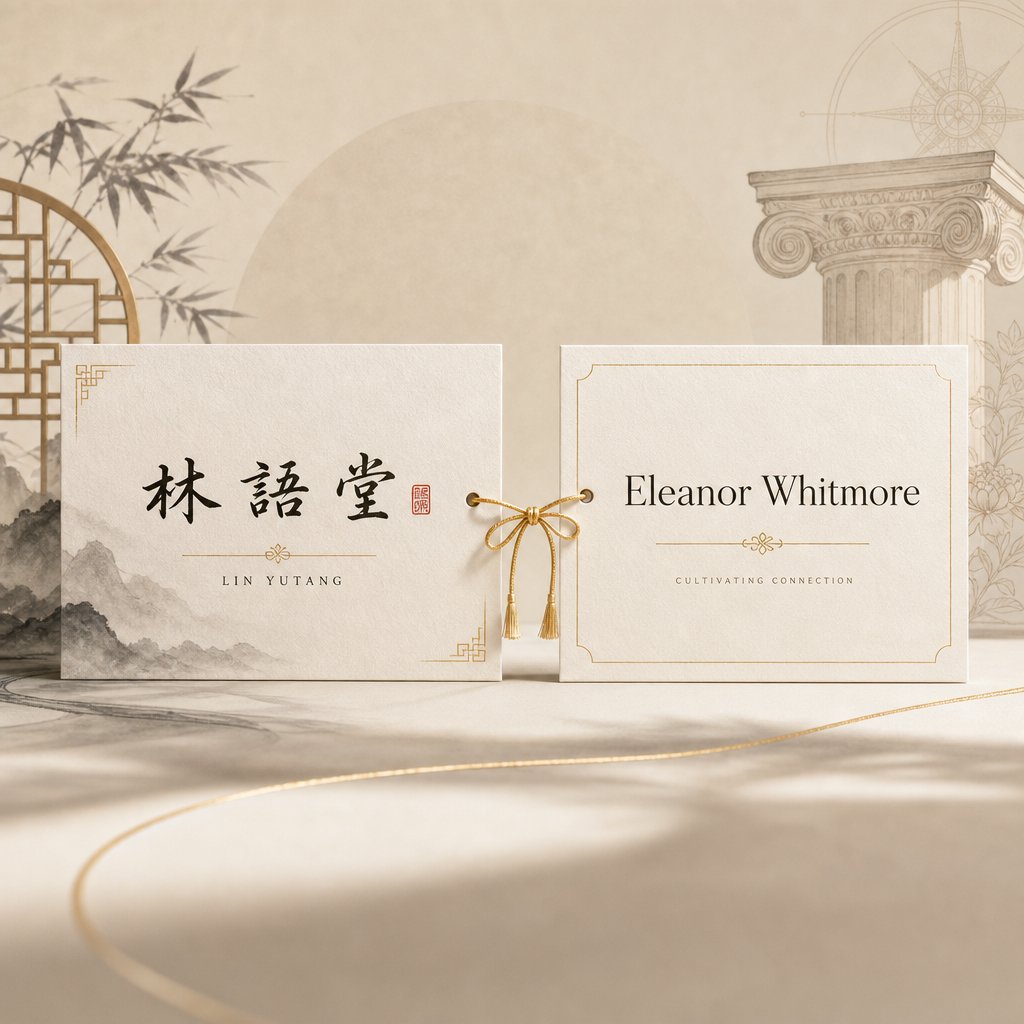
Bilingual Naming Strategies for Mixed-Heritage and Diaspora Families
Choosing a Chinese Ox year name is one challenge. Making it coexist gracefully alongside a Western first name — on school rosters, passport applications, and in everyday introductions — is another challenge entirely. For chinese american baby names, the goal isn't just cultural authenticity in isolation. It's building a name identity that moves fluidly between two linguistic worlds without losing meaning in either one.
Many diaspora parents face the exact dilemma described by writer Cecilia Huang at Cold Tea Collective: deciding whether to give an Anglo first name plus a separate Chinese name, combine them into one legal name, or find a single name that bridges both cultures. There's no single correct structure — but there are strategies that make each approach work better with Ox zodiac names specifically.
Pairing Chinese Ox Names With Western Names
When you're working with two names across two languages, you have three main structural options. The first is parallel naming: a Western first name (like Rylee or Oliver) paired with an entirely separate Chinese name that lives as a middle name or informal family name. The second is phonetic bridging: choosing a Chinese name whose pinyin pronunciation echoes the Western name, or vice versa. The third is thematic pairing: selecting names that share meaning across languages even if they sound nothing alike.
For Ox year babies, thematic pairing often produces the most culturally rich results. Imagine pairing the English name Grace with the Chinese name 润芝 (Run zhi, meaning "enriching wisdom") — both names carry a sense of quiet elegance that mirrors the Ox's gentle strength. Or matching the name Leo (meaning lion, courage) with 家豪 (Jia hao, meaning "heroic family pride") — both project confident energy while 家豪 maintains its Ox-favorable radicals.
Phonetic bridging works too, but requires caution. As one naming experience shared on Taiwan Quest illustrates, transliterating a Western name directly into Chinese characters can produce unintended meanings — including, in one memorable case, something dangerously close to "euthanasia." The lesson? Always prioritize meaning over sound when bridging languages. A name that sounds like its English counterpart but carries an awkward or negative meaning in Chinese defeats the purpose entirely.
American baby names popular with chinese parents often share certain phonetic qualities — soft consonants, open vowels, and two-syllable structures that map naturally onto Mandarin pronunciation patterns. Names like Mia, Liam, Aria, and Ethan pair smoothly because their sounds exist within Mandarin's phonetic inventory. Harder consonant clusters (like "str" in Astrid or "thr" in Thatcher) create friction when family members switch between languages.
Tips for Non-Chinese-Speaking Parents
You don't need to speak Mandarin to choose a meaningful chinese english baby name for your Ox baby. But you do need to navigate a few pitfalls that trip up parents who are working primarily from romanized pinyin rather than character knowledge. Here's what to keep in mind:
- Test pronunciation across your family. If grandparents, aunts, or cousins will use the Chinese name regularly, make sure they can pronounce it comfortably. A name like 鸿远 (Hong yuan) is straightforward for most English speakers, while 泽颖 (Ze ying) requires the "z" sound that doesn't map to English intuition. Pick names your whole family can say with confidence.
- Check both directions for unintended meanings. The Chinese name should not accidentally sound like an English word with negative connotations, and the English name should not resemble an unfortunate Chinese word. The character 丑 (chou, meaning "ugly") is a well-known example — as Temple University's naming guide notes, any character pronounced "chou" tends to be avoided because of its proximity to "ugly" and "stench," even if the specific character has a neutral meaning.
- Decide on legal name structure early. Will the Chinese name appear on the birth certificate? As a middle name? Hyphenated with the first name? American chinese baby girl names and baby boy names chinese american families choose often sit as legal middle names — visible on documents but not used daily in English-speaking contexts. Other families place the Chinese name first and the Western name as a middle, signaling cultural priority.
- Respect tonal meaning even if you can't produce tones perfectly. Mandarin's four tones change a syllable's meaning completely. "Ma" can mean mother, hemp, horse, or scold depending on tone. When introducing your child's Chinese name to non-Chinese speakers, a brief "it's pronounced like..." guide helps prevent well-meaning mispronunciations that accidentally say something else entirely.
- Consult a native speaker before finalizing. Even if you've done thorough research on radicals and elemental balance, have a fluent Mandarin or Cantonese speaker read the full name aloud — surname included. They'll catch tonal clashes, awkward rhythm, or homophones that pinyin charts alone won't reveal.
For american chinese baby names that honor the Ox zodiac specifically, the radical-based framework from earlier sections remains your anchor. Whether the name sits alone or beside a Western counterpart, its zodiac compatibility comes from the character's internal structure — not from how it pairs phonetically with English. A name like 安颖 (An ying) works beautifully as a middle name after "Sophie" or "Claire" while maintaining its Ox-favorable roof and grain radicals regardless of the English name beside it.
The pairing question is ultimately personal. Some families want seamless flow between names; others deliberately keep their Chinese and Western names as separate identity spaces. Both choices honor the child's multicultural reality. What matters most is that the Chinese name itself — its radicals, its elemental energy, its meaning — was chosen with intention and verified for harmony.
That verification step, whether done independently or with professional guidance, is where many parents feel least confident. A clear process for confirming your chosen name's suitability can turn uncertainty into assurance.
How to Verify and Finalize Your Ox Year Baby Name
You've narrowed your options to two or three names. Each one contains an Ox-favorable radical, aligns with your child's elemental profile, and carries a meaning that resonates. How do you confirm the choice actually holds up under scrutiny? Verification is where gut feeling meets structural analysis — and where many parents either skip steps or feel overwhelmed by conflicting online advice.
The good news: you can do a meaningful first-pass check yourself. The better news: professional help exists for families who want deeper certainty.
Steps to Verify Your Chosen Name
Think of this as a quality-control checklist. Each step catches a different category of potential issues — from radical conflicts to numerical imbalance. Run your shortlisted names through these in order:
- Confirm radical compatibility with the Ox zodiac. Break each character into its component radicals. Verify that none contain horse (马), sheep (羊), or heart/meat (心/忄) radicals — all of which clash with the Ox sign. If you're unsure how to decompose a character, a baby chinese name app or any standard Chinese dictionary will show the radical breakdown.
- Check Five Elements alignment. Identify the elemental energy each character carries through its radical (氵 = Water, 艹 = Wood, 火/灬 = Fire, 土 = Earth, 金/钅 = Metal). Compare this against your child's birth chart needs. A Metal Ox baby (2021) should see Water or Wood energy in the name — not additional Metal or Earth.
- Count strokes using traditional character forms. This is a common stumbling point. As BaZi Naming specialists note, many popular online tools count strokes using simplified characters rather than traditional forms, producing inaccurate totals. If stroke count matters to your family, verify using traditional character stroke tables. Check that the given name's total lands on an auspicious number within the 81-stroke grid, and that the Yin-Yang pattern (odd/even) across all three characters follows an acceptable sequence.
- Test the full name aloud — surname included. Speak the complete name at conversational speed in both Mandarin and your family's dialect. Listen for tonal monotony (all characters sharing the same tone), awkward rhythm, or homophones that create unintended meanings. The surname contributes elemental energy too — a surname like 林 (Lin) already carries strong Wood through its double-木 structure.
- Screen for negative homophones and cultural associations. Search the full name in Chinese to check whether it sounds like any common phrases with unfortunate meanings. Ask a native speaker to react to the name cold — their immediate association often reveals issues that dictionary research misses.
- Verify surname-name radical harmony. Ensure your surname's radical doesn't conflict with the Ox zodiac or duplicate an element your child's chart already has in excess. A surname containing 火 (fire) paired with a Fire-heavy given name could tip the elemental balance even if each character looked fine in isolation.
A baby chinese name calculator or baby chinese name generator can handle steps two and three mechanically — plug in characters and get stroke counts plus elemental readings. These tools work well as a starting filter. Where they fall short is contextual judgment: they can't assess whether a name's literary associations are appropriate, whether the tonal flow sounds natural to human ears, or whether the elemental balance accounts for your child's specific birth month and hour.
When to Consult a Chinese Naming Master
A Chinese naming master (命名师) does what no calculator can — they read your child's complete BaZi chart, identify the Yong Shen (用神, the single most needed element), and evaluate name candidates against that personalized blueprint. If you've followed the DIY steps above and still feel uncertain, or if your child's birth chart presents unusual elemental concentrations, professional consultation adds a layer of confidence that self-research alone can't replicate.
Here's what a typical consultation requires. According to Moon Feng Shui's baby naming service overview, most comprehensive naming services need: the baby's exact birth date and time (for the Four Pillars chart), the Chinese names of both parents (to check for character conflicts and generational naming patterns), the baby's gender, and any preferred characters or pinyin sounds the parents want incorporated. Some families also provide a 字辈 — a generational character that tradition dictates must appear in the name.
What should you expect from the process? A reputable naming master typically needs one to two days minimum for analysis. The deliverable usually includes a personalized report covering BaZi chart interpretation, a shortlist of proposed names with explanations of why each suits the child's elemental profile, and a consultation session for questions. Baby chinese name selection Singapore services, for example, generally range from $300 to $800 SGD depending on the depth of analysis and consultation time included.
A few red flags to watch for when choosing a baby chinese name fortune teller or naming professional: turnaround times that seem impossibly fast (thorough analysis takes hours of work), reliance on purely AI-generated reports without personal interpretation, and inflexibility about the final choice. As the Moon Feng Shui guide emphasizes, a good baby chinese name master singapore practitioner balances expertise with respect for parental preference — they advise firmly but recognize that parents ultimately hold naming authority.
For families based in Singapore specifically, baby chinese name singapore services are widely available through established Feng Shui practices. Look for practitioners who explain their methodology clearly, offer sample reports, and include a live consultation rather than just delivering a document. The hallmark of quality is personalization — your child's name should emerge from their unique birth data, not from a template.
Whether you verify independently or seek professional guidance, the goal is the same: confidence that your chosen name harmonizes with your Ox baby's zodiac sign, elemental needs, and the meaning you want their name to carry forward. That confidence transforms a name from a hopeful guess into an intentional gift — one grounded in centuries of naming wisdom and shaped by your family's specific story.
Bringing It All Together for Your Ox Baby's Perfect Name
Verification gives you confidence. But at the end of the process, the name you choose for your child is still deeply personal — a blend of structural harmony and the feeling you get when you say it aloud for the first time. The three frameworks covered in this guide aren't meant to replace that instinct. They're meant to sharpen it.
Key Principles to Remember
Whether you're finalizing a baby girl chinese name or narrowing down a baby boy name chinese families would recognize as auspicious, these core principles keep you grounded:
- Start with Ox-favorable radicals. Characters containing 艹 (grass), 氵 (water), 宀 (roof), 田 (field), 禾 (grain), or 辶 (Snake ally) place the Ox in its most harmonious environment. Avoid 马 (horse), 羊 (sheep), and 心 (heart/meat) radicals.
- Balance the Five Elements based on your child's specific birth data. The year element is your starting point, but birth month and hour refine the picture. A Metal Ox needs Water or Wood; an Earth Ox benefits from the widest elemental variety.
- Check stroke count using traditional character forms. Ensure the Yin-Yang pattern across surname and given name follows an acceptable sequence, and that total strokes land on auspicious numbers.
- Test the full name aloud in every dialect your family uses. Tonal flow, homophone risks, and rhythm matter as much as written meaning.
- Let personal meaning have the final vote. A name that satisfies every technical framework but carries no emotional resonance for your family misses the point. The best baby chinese names honor both system and story.
Famous Figures Born in the Year of the Ox
If you need a reminder of what Ox energy looks like in action, consider the company your child keeps. Notable Ox-year figures include Barack Obama, whose steady leadership and patience defined his political career; Malala Yousafzai, whose quiet determination changed global education advocacy; Cristiano Ronaldo, whose relentless work ethic is legendary in sports; and Google co-founders Larry Page and Sergey Brin, whose methodical innovation reshaped how the world accesses information. Activists like George Takei and Megan Rapinoe also share this sign — people described as strong, reliable, and trustworthy who inspire confidence in others.
Your Ox baby joins a lineage of people who changed the world not through flash, but through persistence. The name you give them is the first quiet gift in that direction — a character-level encoding of the strength, grace, and purpose you already see in them.
Frequently Asked Questions About Year of the Ox Chinese Baby Names
1. What radicals are considered lucky for babies born in the Year of the Ox?
The most auspicious radicals for Ox year babies connect to the ox's natural environment. These include the grass radical (艹) representing plentiful nourishment, the water radical (氵) for wisdom and adaptability, the roof radical (宀) for shelter and security, the field radical (田) for purposeful labor, and grain radicals (禾/米/豆) for abundance. The snake-like movement radical (辶) is also favorable because the Snake is one of the Ox's zodiac allies in the harmonious 巳酉丑 trio. Parents should avoid characters containing the horse (马), sheep (羊), or heart/meat (心) radicals, as these conflict with the Ox sign.
2. How does the Five Elements system affect name choices for Ox year babies?
Every Ox year carries a specific cycling element (Metal, Water, Wood, Fire, or Earth) on top of the Ox's fixed Earth element. This creates elemental concentrations that names should counterbalance. For example, a 2021 Metal Ox baby already has Earth plus Metal energy, so their name benefits from Water or Wood characters to restore harmony. A 2033 Water Ox baby needs Wood or Fire energy instead. The child's birth month and hour further refine which elements are excess or deficient, which is why traditional naming consultations always require exact birth data.
3. Can non-Chinese-speaking parents choose an authentic Chinese zodiac name for their baby?
Yes, non-Chinese-speaking parents can choose a culturally appropriate Ox year name by following the radical-based framework and elemental guidelines. Key steps include testing pronunciation with family members who will use the name, checking for unintended meanings in both Chinese and English, deciding on legal name structure early, and consulting a native speaker before finalizing. Online tools like name calculators help with stroke counts and elemental readings, though they cannot assess tonal flow or literary associations the way a human speaker can.
4. What is the difference between a Metal Ox and a Water Ox for naming purposes?
A Metal Ox (born 1961 or 2021) carries Earth plus Metal energy, making the chart heavy on structure and rigidity. Names should introduce Water for emotional depth or Wood for creativity and flexibility. A Water Ox (born 1973 or 2033) carries Earth plus Water, creating internal tension since Earth controls Water in the overcoming cycle. Names for Water Ox babies benefit from Wood energy (which draws productively on existing Water) or Fire energy (which brings warmth and visibility). The same zodiac radicals remain favorable for both types, but the elemental emphasis in character selection shifts significantly.
5. Should I consult a Chinese naming master or can I choose an Ox year name myself?
Both approaches are valid and depend on your comfort level. DIY verification works well if you follow a structured checklist: confirm radical compatibility, check Five Elements alignment, count strokes using traditional character forms, test the name aloud, and screen for negative homophones. A professional naming master (命名师) adds value by reading your child's complete BaZi chart, identifying the single most needed element (Yong Shen), and evaluating candidates against that personalized blueprint. Professional consultation is especially worthwhile when a child's birth chart shows unusual elemental concentrations or when parents want deeper certainty beyond self-research.