Understanding Zhuang Naming Traditions and Their Cultural Significance
When someone asks "what is China's largest ethnic group," the answer is almost always the Han Chinese, who make up roughly 92% of the population. But flip the question to the largest minority group, and you land on a people whose naming customs challenge nearly everything outsiders assume about Chinese names.
Who Are the Zhuang People
The Zhuang people are a Tai-speaking ethnic group concentrated primarily in the Guangxi Zhuang Autonomous Region of southern China, with smaller communities in Yunnan, Guangdong, Guizhou, and Hunan provinces. Their population stands at approximately 19 million, making them larger than many independent nations. They call themselves Bouxcuengh in their own language and have inhabited the karst landscapes of Guangxi since prehistoric times.
With a population of roughly 19 million, the Zhuang are the largest non-Han ethnic group in China, yet their cultural traditions, particularly their naming practices, remain among the least documented in English-language scholarship.
Despite speaking a language from the Tai-Kadai family rather than Sino-Tibetan, and despite maintaining distinct customs for over two millennia, the Zhuang minority often flies under the radar in discussions of Chinese ethnic diversity. Their proximity to Han communities and centuries of cultural exchange have made them less visibly "different" than groups like the Tibetans or Uyghurs, but their naming system tells a different story entirely.
Why Zhuang Names Deserve Dedicated Study
Zhuang minority names operate on principles that diverge sharply from Han Chinese conventions. The surnames trace back to powerful chieftain clans rather than the familiar Hundred Family Surnames tradition. Given names draw on Tai-Kadai vocabulary rooted in rivers, rice paddies, and mountain landscapes. Naming ceremonies involve protective childhood names designed to ward off spirits, and formal names arrive only later in life. Add to this the fact that a single Zhuang name can be written in three entirely different scripts, and you begin to see why these traditions deserve their own dedicated exploration.
This article covers the full landscape: common surnames and their clan origins, the linguistic structure of given names, life-stage naming ceremonies, the interplay of writing systems, regional variations across sub-groups, historical pressures from imperial rule, and the dual-naming reality facing modern Zhuang families.
Common Zhuang Surnames and Their Historical Clan Origins
Surnames among the Zhuang ethnic group did not emerge from the same literary tradition that produced the Han Chinese Baijiaxing (Hundred Family Surnames). Instead, they grew out of clan-based communities, hereditary chieftain lineages, and geographic territories across the Guangxi Autonomous Region and neighboring provinces. Each major Zhuang surname carries a story tied to a specific river valley, mountain stronghold, or ruling family.
Major Zhuang Surname Families and Their Geographic Roots
Imagine a map of Guangxi where each river basin and limestone plateau is dominated by a single clan name. That picture is not far from historical reality. Ancient Zhuang clans such as Nong, Huang, Wei, Mo, Tan, Lu, Liang, Cen, and Luo each controlled distinct territories, and their surnames became synonymous with those regions. The surname Nong, for instance, is deeply associated with the western Guangxi borderlands and carries Tai-Kadai linguistic roots. Interestingly, "nong" in Thai means "younger sibling" or "small," hinting at shared etymological ancestry across the broader Tai language family, though the Zhuang usage evolved into a powerful clan identifier rather than a common noun.
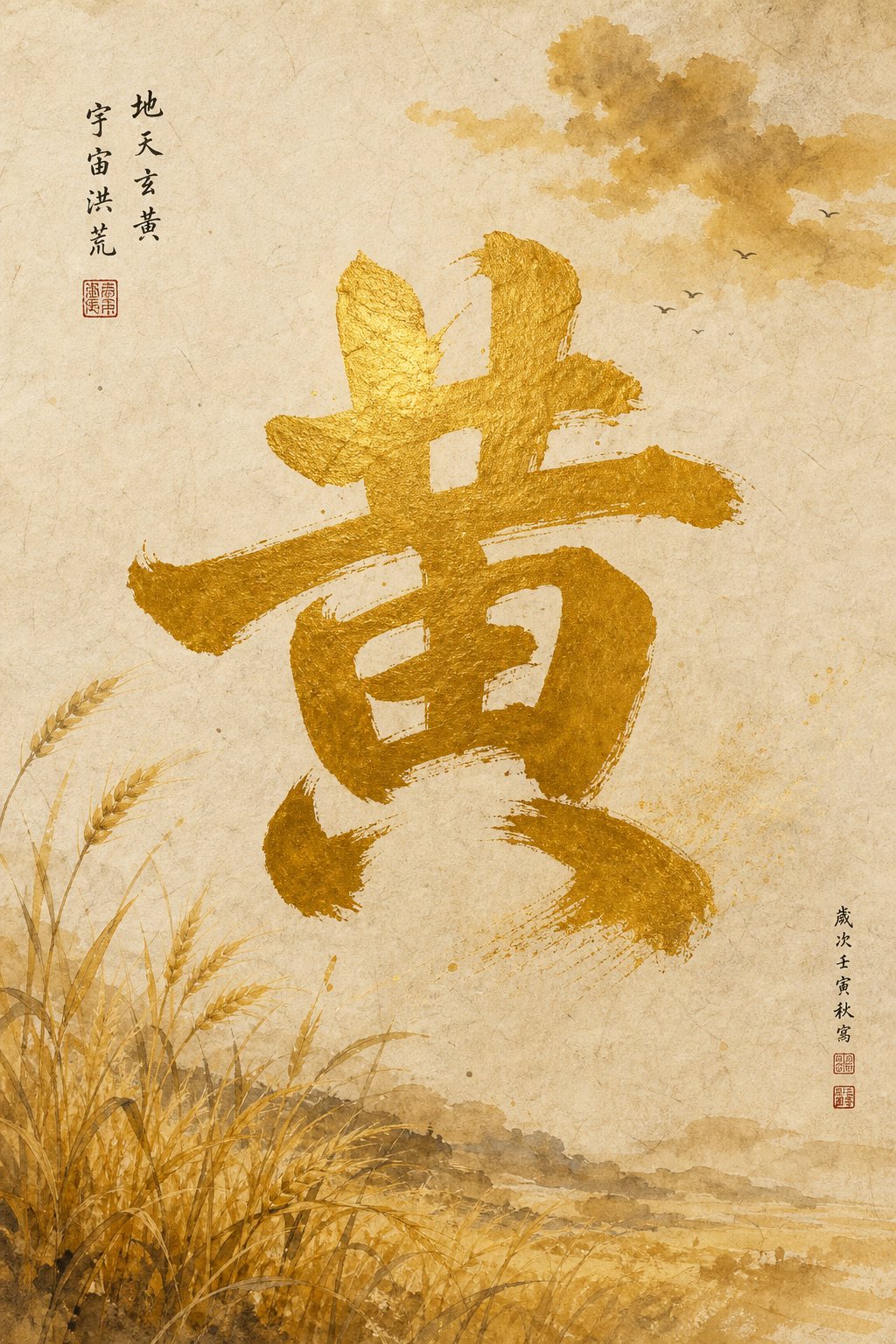
Huang is one of the most widespread Zhuang surnames, found across both Zhuang and Han communities. However, the Huang Chinese families of Han origin and the Huang clans among the Zhuang trace different genealogical paths. Zhuang Huang clans are historically linked to the Youjiang River basin and the ancient Luo Yue peoples, with their name likely deriving from indigenous Tai-Kadai vocabulary rather than the Chinese character meaning "yellow." This dual existence of the same written surname across two ethnic groups is a recurring feature of Zhuang naming, one that masks deep cultural differences behind identical characters.
Wei is another dominant surname, particularly concentrated in the Hechi and Laibin prefectures of central Guangxi. The Wei clan produced several notable historical figures, including Wei Changhui, a key leader during the Taiping Rebellion. Mo clans historically occupied territories in the Nanning and Chongzuo areas, while Tan families are concentrated in the northeastern Guangxi highlands. Liang and Lu surnames appear frequently in the Baise and Wenshan regions, bridging the Guangxi-Yunnan border.
| Surname | Approximate Meaning or Origin | Primary Geographic Concentration | Historical Clan Association |
|---|---|---|---|
| Nong (侬) | Tai-Kadai kinship term; related to "nong" in Thai languages | Western Guangxi, Yunnan border | Nong clan chieftains of the Song Dynasty |
| Huang (黄) | Indigenous Luo Yue origin; distinct from Han "yellow" | Youjiang River basin, Baise | Huang Shaoqing rebellion leaders (Tang Dynasty) |
| Wei (韦) | Ancient clan name from Xi Ou peoples | Hechi, Laibin, central Guangxi | Wei Changhui and Taiping-era leaders |
| Mo (莫) | Linked to early Luo Yue territorial names | Nanning, Chongzuo | Mo clan tusi chieftains |
| Tan (覃) | Possibly from Tai root meaning "deep" or "pool" | Northeastern Guangxi highlands | Tan clan village governance leaders |
| Lu (卢/陆) | River-associated clan identifier | Baise, Wenshan (Yunnan) | Lu Liu and anti-Qing resistance leaders |
| Liang (梁) | Bridge or beam; geographic marker | Southern Guangxi, Beibu Gulf area | Liang clan agricultural settlements |
| Cen (岑) | Mountain peak; topographic surname | Western Guangxi tusi territories | Cen clan hereditary chieftains |
| Luo (罗) | Connected to Luo Yue ancestral identity | Scattered across Guangxi and Guizhou | Ancient Luo Yue tribal descendants |
| Meng (蒙) | Possibly from Tai term for "people" or "community" | Central and western Guangxi | Meng clan village elders |
How the Tusi Chieftain System Shaped Surname Distribution
The concentration of certain surnames in specific regions was not accidental. It was engineered over centuries by the tusi system, a form of hereditary chieftain governance that the Chinese imperial court used to administer Zhuang territories from the Tang and Song Dynasties onward. Under this system, local Zhuang leaders received official recognition from the emperor in exchange for maintaining order and collecting tribute. Crucially, the position passed from father to son, locking political power within a single surname for generations.
In larger tusi domains, the chieftain controlled all political, economic, and cultural power, establishing civil and military offices, prisons, and tax collection systems that extended down to the village level. Clans like Nong, Cen, and Huang dominated entire prefectures. Their surnames became markers of authority, and intermarriage between ruling clans further concentrated these names among the Zhuang elite. Ordinary Zhuang families living within a tusi's territory often adopted or were assigned the chieftain's surname, amplifying its prevalence across the region.
This system began to erode after the mid-Ming Dynasty, when the central government launched the gaitu guiliu reforms, replacing hereditary chieftains with appointed Han officials. The Qing Dynasty accelerated this process, dismantling feudal serfdom structures and opening Zhuang regions to broader administrative control. Yet the surname patterns established under tusi rule persisted. Walk through a village in western Guangxi today, and you will still find entire communities sharing a single surname, a living echo of chieftain-era clan governance.
These deeply rooted surname traditions set the stage for an equally distinctive approach to given names, where the Tai-Kadai language itself shapes the sounds, meanings, and structures that Zhuang parents choose for their children.
How Zhuang Given Names Differ from Han Chinese Names
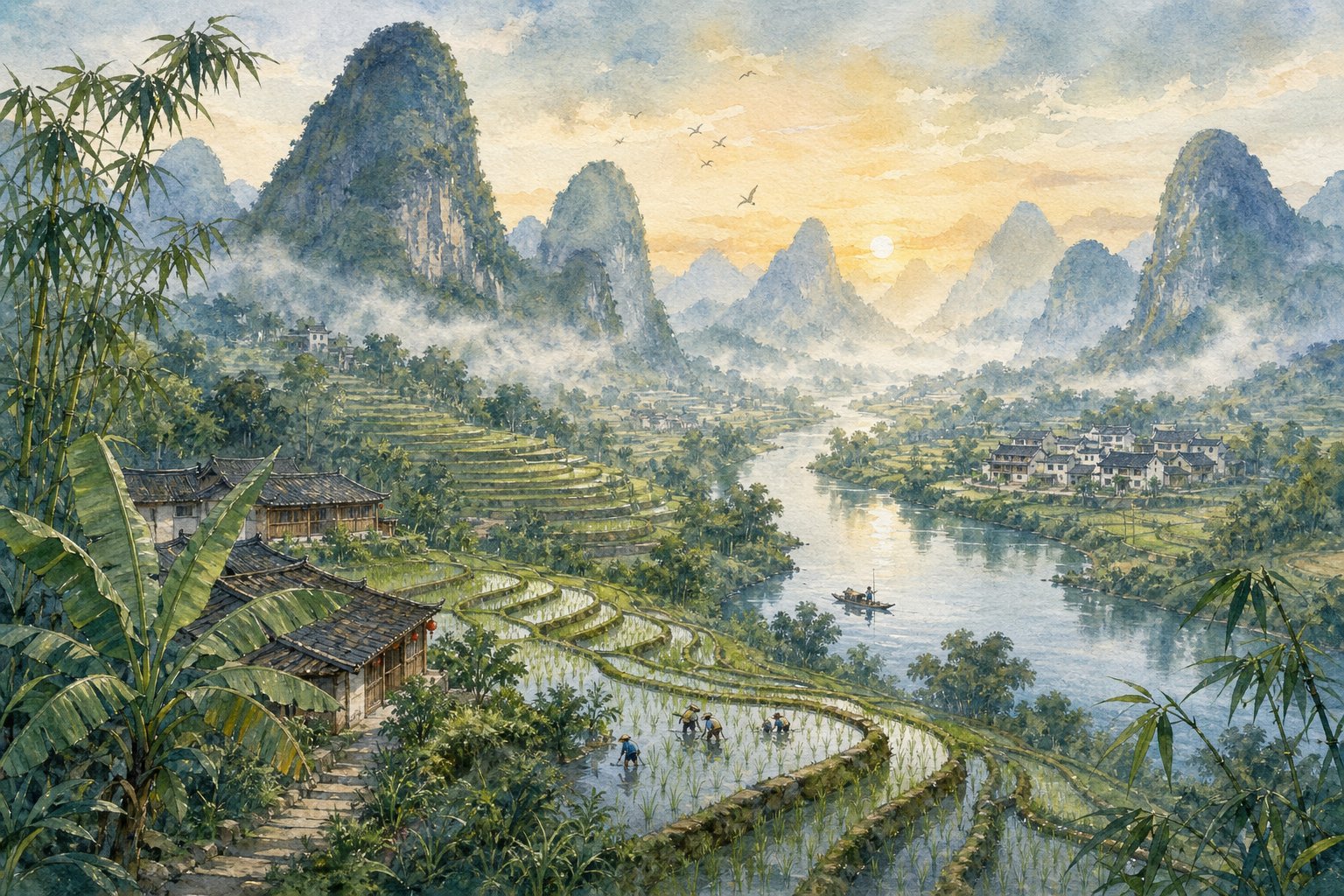
Surnames tell you where a Zhuang family came from. Given names tell you something far more intimate: what the natural world looked like on the day a child was born, what the parents hoped for, and which sounds in the Tai-Kadai language felt right on the tongue. If Han Chinese given names are built from literary allusions and Confucian virtues, Zhuang given names grow from rice paddies, river bends, and mountain ridges.
Tai-Kadai Linguistic Roots in Zhuang Given Names
The Zhuang languages belong to the Tai-Kadai (also called Kra-Dai) family, the same linguistic branch that includes Thai, Lao, and Shan. This means the vocabulary pool available for naming draws on entirely different roots than Mandarin or Cantonese. Where a Han parent might select characters based on brushstroke aesthetics and literary resonance, a Zhuang parent working within indigenous tradition selects syllables rooted in a language that split from proto-Southwestern Tai no earlier than 112 BC, when the Tai peoples who remained in southern China began developing distinct identities.
The Bouxcuengh, as the Zhuang call themselves, historically favored monosyllabic given names, a pattern that mirrors other Tai languages but contrasts with the two-character given names dominant in Mandarin. A single syllable in Zhuang carries dense meaning because the language is tonal. Standard Zhuang, based on the Yongbei dialect of Wuming District in Guangxi, uses six tones in open syllables and two in checked syllables. Change the tone of a name element, and you change its meaning entirely. The syllable "dah" can mean "big" or "to hit" depending on tonal contour. "Naemj" with one tone means "water," while a shifted tone produces a different word altogether.
This tonal density means that Zhuang given names are fundamentally oral creations. They are designed to sound right when spoken aloud in the local dialect, not to look elegant when written. This is the opposite of Han naming philosophy, where the visual balance of brushstrokes and the literary weight of characters often take priority over pure phonetics. You will notice that when a Zhuang name gets transcribed into Chinese characters for official documents, the characters chosen are typically phonetic approximations, not semantic translations. The character "juan" in Chinese (娟, meaning "graceful") might appear on a Zhuang person's ID card not because the parents intended that meaning, but because the sound roughly matched the original Zhuang syllable.
Nature Imagery and Agricultural Symbolism in Name Choices
Guangxi's landscape is dominated by terraced rice fields, winding rivers, karst limestone peaks, and dense subtropical forests. These features saturate Zhuang given names. Rather than drawing on abstract virtues like "benevolence" or "wisdom" as Han names often do, traditional Zhuang names anchor identity in the physical environment. A child born during the rice harvest might carry a name element meaning "grain" or "full." A family living near a river confluence might name a daughter after flowing water.
Here are common Zhuang given-name elements drawn from nature and daily life, with their Standard Zhuang pronunciation and meanings:
- Ndaunj (bird) - Used in names to invoke freedom and lightness; common in female names across northern Zhuang dialects
- Naemj (water) - Represents life, purity, and flow; frequently appears in names from river-valley communities
- Bya (mountain) - Symbolizes strength and permanence; favored in highland Zhuang communities near the Yunnan border
- Haeux (rice, grain) - Connotes abundance and sustenance; one of the most traditional name elements tied to agricultural identity
- Ndaej (to obtain, to be able) - Expresses capability and good fortune; used in both male and female names
- Daengz (red) - Associated with vitality, celebration, and protection; common in names given during festivals
- Mbwn (sky, heaven) - Invokes vastness and aspiration; typically reserved for male names in many sub-groups
- Fwngz (flower) - Represents beauty and youth; predominantly used in female names, especially in southern Zhuang areas
These elements can stand alone as complete given names or combine into disyllabic forms. A name like "Naemj-fwngz" (water-flower) or "Bya-ndaej" (mountain-able) carries layered meaning that connects the individual to both landscape and aspiration. The disyllabic pattern, when it appears, tends to pair a nature element with a quality or action, creating a compact poetic image rather than the literary phrase structure common in Mandarin two-character names.
Regional dialects add another layer of complexity. Standard Zhuang codifies pronunciation based on the Wuming dialect, but a name element pronounced one way in northern Guangxi may sound noticeably different in southern Zhuang-speaking areas near the Vietnamese border. Parents choosing names often prioritize how the name sounds in their local dialect rather than in the standardized form, which means the same written name can carry subtly different phonetic identities depending on where the family lives.
This deep entanglement between names and the natural world does not end at birth. Zhuang naming traditions include stages where names shift, evolve, or are replaced entirely as a person moves through life, a practice that turns naming into an ongoing cultural act rather than a one-time decision.
Zhuang Naming Ceremonies and Life-Stage Name Changes
A Han Chinese child typically receives one formal name at birth, and that name stays for life. Among the Zhuang people in China, naming works more like a journey with multiple stops. A person may carry two, three, or even four different names across their lifetime, each one marking a transition in age, social role, or spiritual status. The ceremonies surrounding these names reveal how deeply the Zhuang tie personal identity to community protection, ancestral respect, and the rhythms of growing up.
Birth Naming Ceremonies and Protective Childhood Names
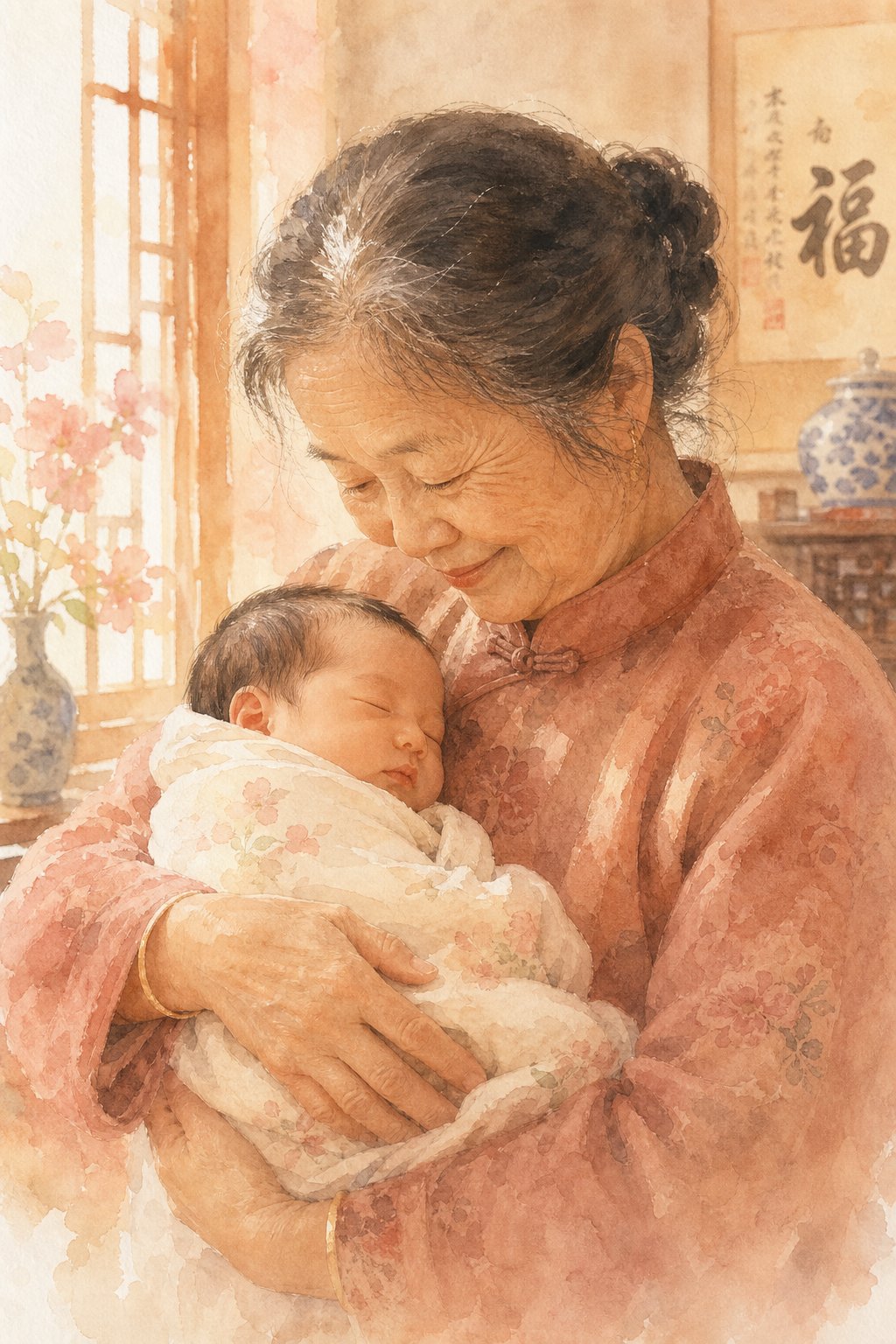
In many Zhuang communities, a newborn does not receive a "real" name immediately. Instead, the family assigns a temporary childhood name, sometimes called a "milk name" or "small name," within the first three days after birth. This practice stems from a belief shared among many indigenous people in China: that malevolent spirits target infants, and a humble or misleading name can divert their attention. Parents might name a baby something deliberately unattractive or ordinary, like a word meaning "dog," "stone," or "leftover," so that spirits would consider the child unworthy of harm.
The naming ceremony itself is typically a family affair. An elder, often the paternal grandmother or a respected village figure, selects the childhood name based on the circumstances of the birth. Was the labor difficult? Was the child born during a storm or on a festival day? These details shape the protective name chosen. In some western Guangxi communities, the family also consults a local ritual specialist who examines the child's birth time and the family's ancestral calendar to determine which sounds or syllables would offer the strongest spiritual protection.
These childhood names are used exclusively within the family and immediate community. Neighbors, relatives, and playmates call the child by this name throughout early years. It carries no official weight and never appears on documents, but it holds deep emotional resonance. Many Zhuang adults still respond to their childhood names when family members use them, even decades after receiving a formal adult name.
Taboo Names and Generational Naming Patterns
Choosing a name among the Zhuang is not simply a creative exercise. It is bounded by strict taboos. The most fundamental rule: a child's name must never duplicate the name of a living ancestor, a deceased grandparent, or a respected community elder. Using such a name would be considered deeply disrespectful, potentially disturbing the spirits of the dead or undermining the authority of the living. In tight-knit Zhuang villages where everyone shares a surname, this taboo significantly narrows the pool of available names and forces parents toward creative combinations.
Generational naming patterns add another structural layer. Many Zhuang clans use a shared syllable or character across all children born in the same generation. If you encounter a group of Zhuang cousins whose names all share a common element, that element marks their generational cohort within the clan lineage. This system functions like a built-in family tree: hearing someone's name tells you immediately which generation they belong to and, by extension, how they relate to other clan members. The generational markers typically follow a predetermined sequence set by clan elders, sometimes recorded in genealogical chants passed down orally rather than in written registers.
The zhua zhou ceremony, a grabbing ritual performed when a child reaches one year of age, adds yet another dimension. During this event, objects representing different life paths, such as a pen, a coin, a tool, or a piece of grain, are placed before the child. Whichever object the child grabs first is interpreted as a sign of their future temperament or destiny. In some Zhuang families, the result of the zhua zhou influences whether the childhood name is adjusted or whether a new element is added to the eventual formal name. A child who grabs a writing brush might receive a name element associated with learning; one who reaches for grain might carry a name tied to abundance.
The full naming journey from birth to adulthood follows a recognizable sequence across most Zhuang communities:
- Birth (days 1-3): A protective childhood name is assigned by a family elder or ritual specialist, designed to shield the infant from spiritual harm.
- First year (zhua zhou): The grabbing ceremony reveals perceived tendencies, sometimes prompting minor name adjustments or additions.
- School age (around 6-7): In communities with strong Han contact, a formal Chinese-character name is selected for school enrollment and official registration, often chosen to phonetically echo the Zhuang childhood name.
- Coming of age (adolescence or marriage): A formal adult name replaces or supplements the childhood name, marking the individual's entry into full community membership. This name reflects character, aspirations, or clan generational patterns.
- Elderhood or parenthood: In some sub-groups, a teknonymic shift occurs where the person becomes known as "father of [child's name]" or "mother of [child's name]," and their personal name recedes from daily use.
This layered system means that a single Zhuang individual might be called one thing by grandparents, another on their government ID, and yet another by their village peers after marriage. Identity is not fixed in a single label but distributed across relationships and life stages. The question then becomes: how do you write all these names down when your culture has access to not one, not two, but three entirely different writing systems?
Writing Zhuang Names Across Multiple Scripts
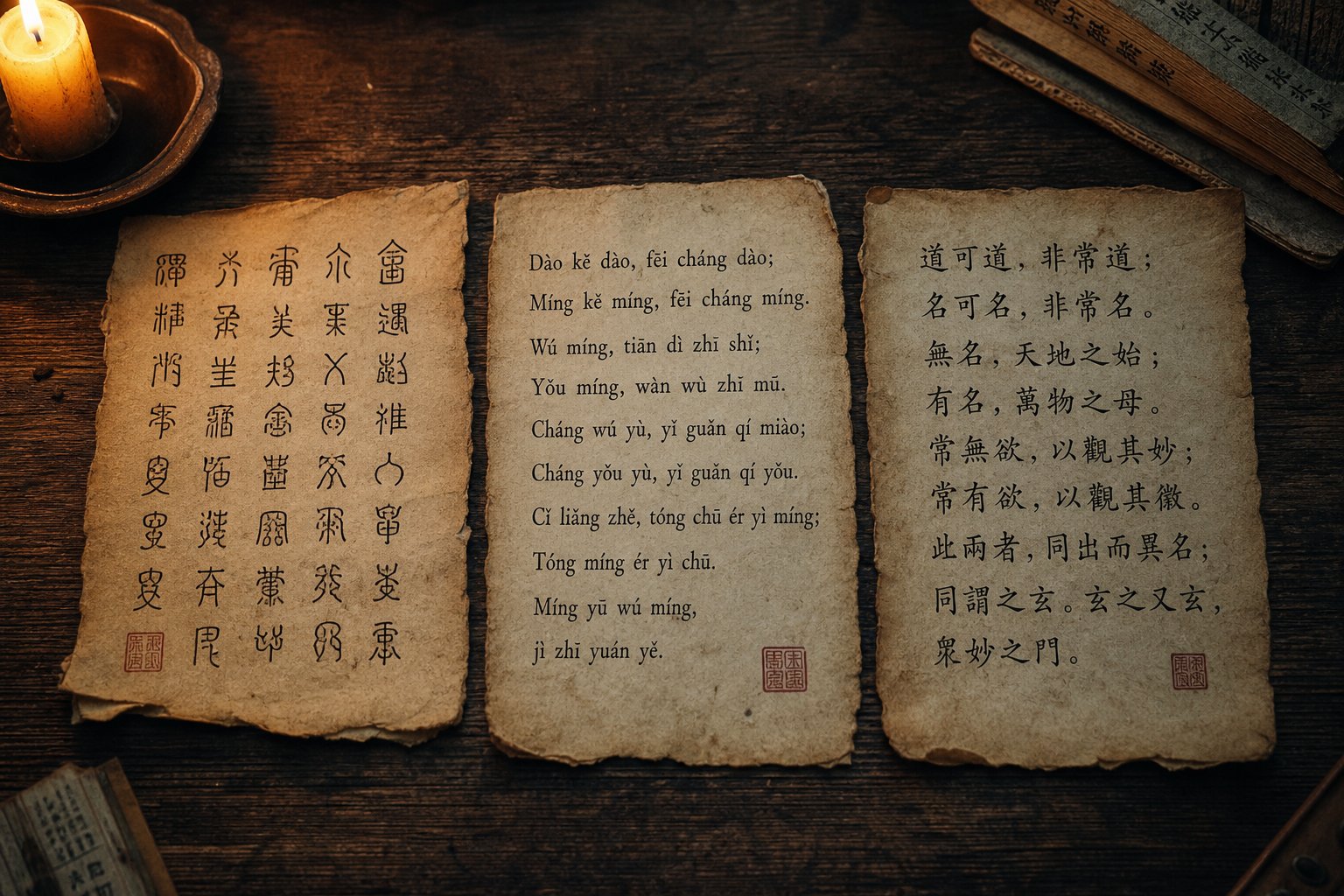
Three different writing systems. One person's name. That is the reality facing the Zhuang, whose names can be rendered in an ancient indigenous script, a mid-twentieth-century romanization, or standard Chinese characters, each version capturing something different and losing something else. Understanding how zhuang minority names travel across these scripts reveals just how much cultural information gets compressed, distorted, or erased depending on which system does the recording.
Sawndip Script and Indigenous Name Representation
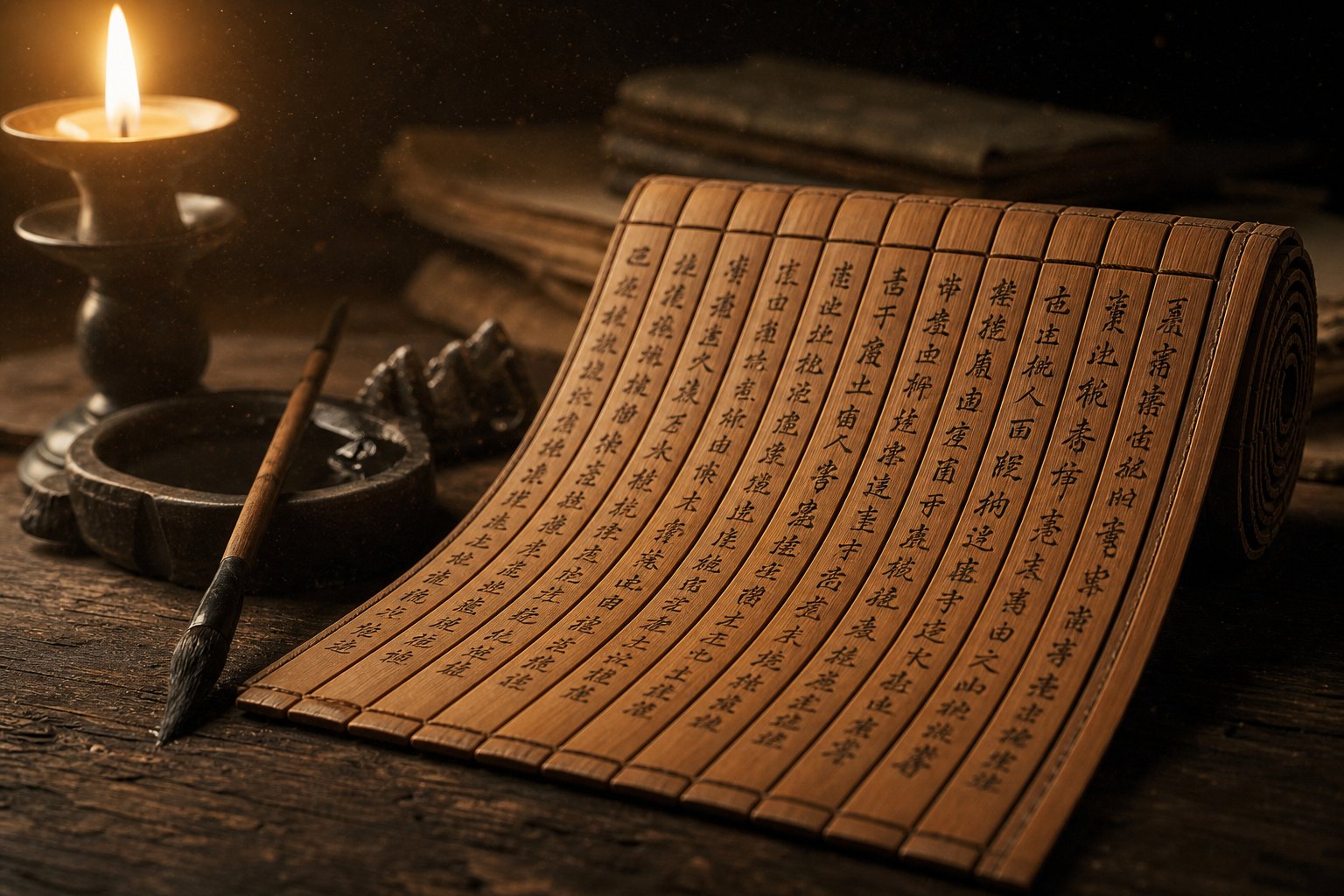
Sawndip, which literally means "immature characters" in the Zhuang language, is a logographic writing system that has been in use for over one thousand years, likely originating during the Tang Dynasty or earlier. The script combines Chinese characters, Chinese-like invented characters, and unique symbols to represent Zhuang sounds and meanings. When a Zhuang name is written in Sawndip, it preserves the indigenous phonetic values of the Tai-Kadai language in ways that no other system can replicate.
How does Sawndip work for names? The script uses several character-formation strategies. Some characters borrow Chinese components purely for their sound, ignoring the original Chinese meaning entirely. Others combine a semantic radical indicating meaning with a phonetic element indicating pronunciation, similar to Chinese phono-semantic compounds but built for Zhuang syllables. For example, the Sawndip character for "bya" (mountain) is often written as the compound character containing the ideographic element 山 (mountain) paired with the phonetic element 巴 (ba). A name element meaning "person" (vunz) might appear as a character combining the radical 亻 with the phonetic 云.
The challenge with Sawndip for personal names is that the script was never standardized. Research comparing characters across 45 locations in Guangxi found substantial regional variation, with the same word sometimes written using entirely different characters depending on the village. A person named in one district might see their Sawndip name rendered differently by a scribe from another area. Despite this, Sawndip remains more widely understood at the grassroots level than the official romanized script. Surveys in two dialect areas found that roughly one-third of respondents understood Sawndip, compared to only one-sixth who understood the romanized system.
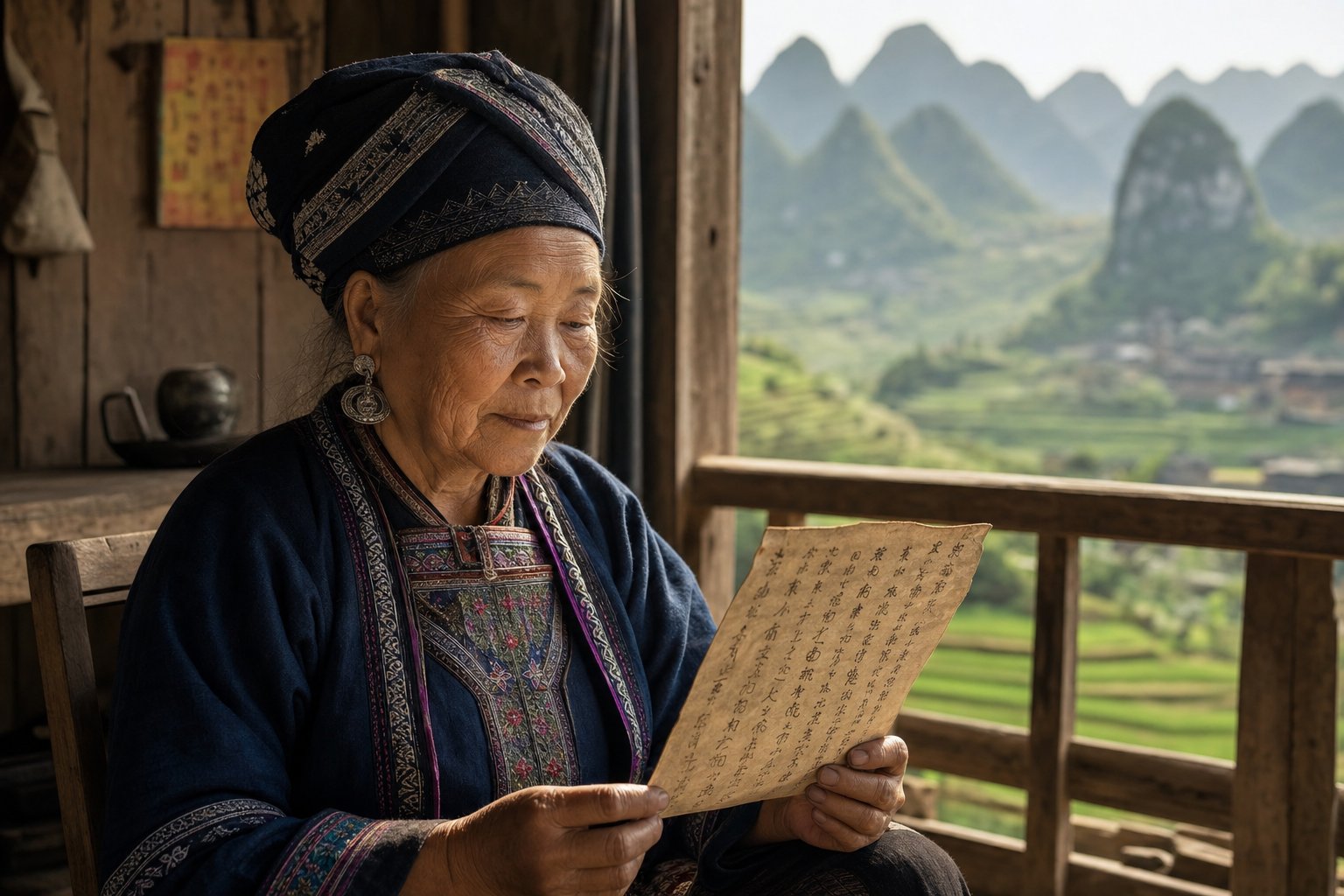
For family genealogies, folk songs, and ritual documents where names appear frequently, Sawndip has been the primary recording medium for centuries. Shamans and singers used it to preserve lineage records, and many Zhuang families still possess handwritten genealogical texts in Sawndip that trace clan names back generations. The character 僮, an older Chinese term historically used to refer to the Zhuang people themselves, appears in classical texts and reflects how outsiders labeled the group before the modern standardized character 壮 replaced it.
Romanized Zhuang and Chinese Character Transliteration
In 1957, the Chinese government introduced an official romanized script for the Zhuang language, creating what is now called the Zhuang alphabet. Based on the Latin script and modeled on the Wuming dialect of northern Guangxi, this system uses tone markers to capture the precise tonal contours that give Zhuang syllables their meaning. A revised version in 1982 replaced some non-standard letters with standard Latin characters and numerical tone markers, making it more accessible for printing and digital use.
When a Zhuang name is written in the romanized system, you get something no other script provides: an explicit record of tone. The name element "daengz" (red) carries its tonal marker right in the spelling, distinguishing it from syllables that would otherwise look identical. For linguists and language preservationists, this precision is invaluable. For everyday Zhuang speakers, however, the system feels foreign. It was designed around a single dialect, and because major phonetic and lexical differences exist between Zhuang dialect groups, speakers from southern Guangxi or Yunnan often find the standard romanization does not match their pronunciation.
Chinese characters represent the third and most consequential layer for Zhuang Chinese identity documents. When a Zhuang person registers their name with the government, applies for school, or obtains an ID card, the name must be recorded in Chinese characters. This is where meaning gets sacrificed for administrative convenience. Officials or parents select Chinese characters that approximate the sound of the Zhuang name, often with little regard for what those characters mean in Mandarin. A name element meaning "mountain" in Zhuang might be written with a Chinese character that sounds similar but means something unrelated, like "eight" or "grasp."
This phonetic approximation creates a peculiar situation: the official written version of a Zhuang person's name, the one on every legal document they will ever use, frequently carries no semantic connection to the name's actual indigenous meaning. Imagine your name means "strong river" in your mother tongue, but your passport reads characters that translate to "grasp willow" simply because those syllables sounded close enough to a registration clerk.
The table below illustrates how the same Zhuang names appear across all three systems:
| Romanized Zhuang | Sawndip Representation | Chinese Characters (Official) | English Approximation of Meaning |
|---|---|---|---|
| Byaij Ndaej | Phono-semantic compound: 山 radical + phonetic for "byaij"; 得-derived character | 白代 (bai dai) | "Mountain-able" or "capable peak" |
| Naemj Fwngz | Water radical 氵 + phonetic element; flower radical 艹 + phonetic | 南凤 (nan feng) | "Water-flower" or "flowing blossom" |
| Lwg Haeux | 子 (child) component + grain-related semantic element | 陆好 (lu hao) | "Child of grain" or "rice offspring" |
| Dah Mbwn | 大-derived character for "big"; sky/heaven semantic compound | 达文 (da wen) | "Great sky" or "vast heaven" |
Notice the pattern: the Chinese character versions bear almost no semantic relationship to the original Zhuang meanings. "南凤" (nan feng) in Mandarin suggests "southern phoenix," which sounds poetic but has nothing to do with water or flowers. "达文" (da wen) implies "reaching literature," a far cry from "great sky." These are not translations. They are sound-matching compromises forced by an administrative system that only accepts one script.
This three-script reality means that Zhuang names exist in a state of permanent partial translation. The Sawndip version preserves indigenous meaning but varies by region and is unreadable to outsiders. The romanized Zhuang alphabet captures precise pronunciation but remains unfamiliar even to many Zhuang speakers. The Chinese character version achieves universal legibility at the cost of stripping away the name's original significance. For a people whose names encode connections to landscape, lineage, and language, that loss is not merely administrative. It is cultural.
These script-level differences do not affect all Zhuang communities equally. Across the dozen-plus recognized sub-groups, from the Buzhong of the north to the Bunong of the west, naming conventions and their relationship to writing systems vary in ways that reflect deep internal diversity within what outsiders often treat as a single ethnic category.
Regional Variations in Naming Across Zhuang Sub-Groups
Outsiders often speak of "the Zhuang" as though 19 million southern China people share a single culture. The reality is far messier. The Zhuang encompass over a dozen recognized sub-groups, each with its own dialect, ceremonial traditions, and naming preferences. A name that sounds perfectly natural in a Yongbei-speaking village north of the Yong River might strike a Zuojiang speaker near the Vietnamese border as foreign. These are not minor accent differences. They reflect a linguistic split so deep that northern and southern Zhuang varieties are more closely related to other Tai languages than to each other.
Northern Versus Southern Zhuang Naming Differences
The Yong River in Guangxi Zhuang Autonomous Region serves as the rough dividing line. North of it, approximately 8.5 million speakers use Northern Zhuang dialects. South of it, around 4.2 million speak Southern Zhuang varieties. This is not just a geographic split. It is a phonological one that directly shapes how names sound.
Consider one key difference: Southern Zhuang dialects retain aspirated stops (sounds like "ph," "th," "kh") that Northern Zhuang varieties have lost entirely. A name element beginning with an aspirated consonant in a southern community simply cannot be pronounced the same way by a northern speaker. The sound does not exist in their phonological inventory. Add to this the fact that Zhuang tonal systems range from 5 to 11 tones depending on the specific variety, and you begin to see why a single "Zhuang name" is really a family of related but distinct phonetic identities.
Northern Zhuang naming tends to draw from vocabulary shared with Bouyei, a closely related Northern Tai language spoken across the border in Guizhou Province. Guangxi people in the northern highlands often choose name elements that would be mutually intelligible with Bouyei speakers, reflecting centuries of cross-border kinship. Southern Zhuang naming, by contrast, shares vocabulary and phonetic patterns with the Tay and Nung languages of northern Vietnam. A Zuojiang Zhuang name from Longzhou County might sound almost identical to a Nung name from Cao Bang Province across the border, because these communities form a single dialect continuum that political boundaries have artificially divided.
Standard Zhuang, the official codified form based on the Yongbei dialect of Wuming, was designed as a unifying standard. But for naming purposes, most families ignore it. Parents choose names that sound right in their local variety, not in the standardized form broadcast from Nanning. This means the same semantic intention, say naming a child after flowing water, produces audibly different names depending on whether the family speaks Guibei Zhuang in the northeast or Dejing Zhuang in the southwest.
Sub-Group Identity Reflected in Personal Names
Zhang Junru's landmark 1999 study of Zhuang dialectology identified 13 distinct varieties. Later research by the Summer Institute of Linguistics expanded this to 16 separate language codes, each representing a community whose speech is not mutually intelligible with its neighbors without prior exposure. These are not abstract linguistic categories. They are living communities where naming conventions diverge in measurable ways.
Here are the major Guangxi Zhuang sub-groups and how their naming traditions differ:
- Yongbei (邕北, ~1.45 million speakers): The prestige dialect group centered around Wuming. Names tend toward monosyllabic given names with clear tonal distinctions. Surname Huang dominates. Naming ceremonies closely follow the protective childhood-name tradition described in earlier sections.
- Guibei (桂北, ~1.29 million speakers): Northeastern Guangxi highlands. Names show stronger Han Chinese influence due to centuries of proximity to Dong and Miao communities. Generational naming markers are particularly rigid here, with clan elders maintaining strict syllable sequences.
- Hongshui He (红水河, ~2.82 million speakers): The largest single dialect group, spanning the Red River basin. Contains at least three mutually unintelligible sub-varieties. Surname Wei is especially concentrated here. Names frequently incorporate river and water imagery reflecting the geographic identity of these communities.
- Youjiang (右江, ~732,000 speakers): Western Guangxi along the Youjiang River. Nong and Huang surnames dominate. Naming practices retain strong connections to tusi-era clan traditions, with some families still following chieftain-lineage naming sequences.
- Guibian (桂边, ~827,000 speakers): Border region between Guangxi and Yunnan. Also called Yei Zhuang. Names show influence from both Northern Zhuang and Yunnan minority traditions. Disyllabic given names are more common here than in other northern groups.
- Yongnan (邕南, ~1.47 million speakers): Southern Zhuang group south of Nanning. Aspirated consonants in names create a distinctly different phonetic texture. Naming ceremonies incorporate more elaborate spirit-protection rituals than northern counterparts.
- Zuojiang (左江, ~1.38 million speakers): Southwestern Guangxi near the Vietnamese border. Names share vocabulary with Vietnamese Nung and Tay communities. Cross-border kinship means some families maintain naming traditions that span two countries.
- Dejing (得靖, ~979,000 speakers): Contains both Yang Zhuang and Min Zhuang, two mutually unintelligible varieties. Min Zhuang was only recently documented by linguists, and its naming conventions remain the least studied of any Zhuang sub-group.
- Nong Zhuang (硯广/Yanguang, ~308,000 speakers): Southern Guangnan and Yanshan areas of Yunnan. The Nong surname is overwhelmingly dominant. Names preserve archaic Tai vocabulary that has disappeared from other Zhuang varieties.
- Dai Zhuang (文麻/Wenma, ~95,000 speakers): Wenshan Prefecture, Yunnan. The smallest major sub-group. Naming traditions show the strongest divergence from Guangxi norms, with unique ceremonial practices tied to local animist beliefs.
- Lianshan (连山, ~33,200 speakers): An isolated pocket in Guangdong Province, far from the Guangxi heartland. Names reflect heavy Cantonese influence due to geographic separation from other Zhuang communities. Many families have shifted entirely to Cantonese-style naming.
- Qiubei (丘北, ~122,000 speakers): Yunnan Province. Classified as Northern Zhuang despite geographic location. Names retain features shared with Bouyei speakers in Guizhou rather than with neighboring Southern Zhuang groups.
What emerges from this diversity is a clear pattern: naming is local. A Zhuang family's naming choices are shaped far more by their specific sub-group identity, their dialect's phonological inventory, and their regional clan history than by any pan-Zhuang standard. The label "Zhuang" itself is partly an administrative convenience, grouping together communities whose linguistic distance from each other can be greater than the distance between, say, Spanish and Portuguese.
This internal fragmentation did not develop in isolation. It was shaped, accelerated, and sometimes forcibly reorganized by centuries of imperial Chinese governance, which alternately tolerated indigenous naming autonomy and pressured Zhuang communities toward Han conformity.
Historical Evolution of Zhuang Names Under Imperial Rule
Imperial governance did not simply observe Zhuang naming from a distance. It actively shaped which names survived, which were suppressed, and which were forced into Han-style molds. Across more than a thousand years of dynastic rule, the Guangxi Zhuang Autonomous Region China we know today was a contested frontier where indigenous identity and central authority collided repeatedly, and personal names became one of the quieter battlegrounds.
The Tusi System and Autonomous Naming Traditions
Before the Song Dynasty formalized the arrangement, Zhuang communities governed themselves through clan-based chieftains whose authority was rooted in kinship, territory, and spiritual legitimacy. Names during this pre-imperial period followed purely indigenous logic: Tai-Kadai vocabulary, nature-based imagery, protective childhood names, and generational markers determined by clan elders. No external authority dictated what a Zhuang child could be called.
The tusi system changed the political framework without immediately disrupting naming autonomy. Beginning in the Tang Dynasty (618-907) and expanding through the Song (960-1279) and Yuan (1271-1368), the imperial court appointed local Zhuang chieftains as hereditary officials. These leaders received Chinese titles and reported nominally to the nearest military post, but within their domains they retained near-total cultural authority. The arrangement was pragmatic: the court gained tribute and border stability, while chieftains kept control over civil affairs, including naming practices, marriage customs, and ritual life.
Under tusi governance, Zhuang naming traditions actually flourished in a protected space. Chieftain families maintained elaborate genealogical records, often in Sawndip script, that tracked clan naming sequences across generations. The Nong, Cen, and Huang chieftain lineages in western Guangxi preserved naming conventions that encoded political legitimacy. A chieftain's name was not merely personal. It signaled dynastic continuity within the clan, connecting the living ruler to ancestors who had held the same territory for centuries. Ordinary families within a tusi domain followed naming customs set by the chieftain's clan, creating a self-contained cultural ecosystem where indigenous naming rules went unchallenged by outside authority.
This autonomy had limits, of course. Chieftains themselves adopted Chinese-style courtesy names for use in official correspondence with the imperial court. A tusi leader might carry an indigenous Zhuang name within his community while using a Han-style name on documents sent to provincial capitals. This early form of dual naming, centuries before it became widespread among ordinary Zhuang families, was a survival strategy: present a legible Chinese identity outward while preserving indigenous identity inward.
Imperial Assimilation Pressures on Zhuang Identity
The balance held for centuries, but it was never stable. Each dynasty pushed a little harder toward cultural conformity. The Song Dynasty's military suppression of Zhuang uprisings in Guangdong and Guangxi brought increased Han settlement and administrative oversight. The Ming Dynasty (1368-1644) intensified pressure by launching the first systematic gaitu guiliu reforms, replacing some hereditary chieftains with centrally appointed officials. Where chieftains were removed, the new administrators brought Han naming conventions, Confucian education requirements, and registration systems that demanded Chinese-character names.
The Yongzheng Emperor's gaitu guiliu campaign of the 1720s represented the most aggressive assault on indigenous governance in southwest China's history, dismantling hereditary chieftainships across Guangxi, Guizhou, Yunnan, and Sichuan and replacing them with appointed officials who enforced Han administrative norms, including naming and registration practices.
The Qing Dynasty (1644-1911) delivered the decisive blow. When the Yongzheng Emperor (r. 1723-1735) empowered officials like Ortai to abolish native chieftainships across the southwest, the cultural infrastructure that had protected Zhuang naming traditions collapsed. Ortai's campaign was not subtle. Contemporary officials described it as "wantonly destructive of life and property," and critics labeled its architects "reckless opportunists" inciting disturbances among indigenous peoples to further their careers. One influential official pleaded for the emperor to "resume the strategy of peaceful assimilation initiated during previous reigns" rather than continue the violent dismantling of tusi governance.
The consequences for naming were indirect but profound. With chieftains removed, Zhuang communities lost the institutional authority that had maintained indigenous naming systems. New appointed officials established schools teaching Confucian curriculum in Chinese, registered populations using Chinese characters, and administered civil examinations that required Han-style names for participation. A Zhuang family that wanted their son to advance through the imperial examination system, or even to register land ownership, needed a name that fit Chinese bureaucratic expectations.
Yet assimilation was never total. The Zhuang autonomous region's mountainous terrain, limited road access, and sheer population density meant that imperial control remained thin in many areas. Villages in the remote karst highlands of western Guangxi continued using indigenous names internally while presenting Chinese-character versions only when forced to interact with government officials. The dual-naming pattern that defines modern Zhuang life did not emerge suddenly in the twentieth century. It grew organically across centuries of negotiation between a Chinese minority community determined to preserve its identity and an imperial state determined to standardize it.
By the time the Qing collapsed in 1911, the naming landscape for Zhuang communities existed in a layered state: indigenous names persisted in homes and villages, Chinese-character names dominated official records, and the gap between the two had become a permanent feature of Zhuang cultural life. The twentieth century would add new pressures, from Republican-era nationalism to Communist ethnic policy, but the fundamental tension between indigenous naming and state registration had already been set in place by imperial rule.
That tension did not resolve with the end of dynastic governance. It simply transformed, taking on new dimensions as urbanization, intermarriage, and official minority recognition policies reshaped what it means to carry a Zhuang name in contemporary China.

Dual Names and Modern Zhuang Naming Trends
A Zhuang university student in Nanning might introduce herself as "Li Wei" to classmates and professors, then answer her grandmother's phone call as "Naemj-fwngz." Two names, two languages, two social worlds, one person. This dual-naming reality is not a quirk or an exception. It is the default experience for millions of Zhuang individuals navigating life in Guangxi Zhuang China, where indigenous identity and Han administrative systems coexist in every family's daily routine.
When Zhuang People Use Their Zhuang Name Versus Han Name
The split is not random. It follows a clear social logic. The Zhuang name, often the childhood name or a Tai-Kadai given name chosen by elders, operates in intimate spaces: family gatherings, village festivals, conversations with older relatives, and community rituals. It carries emotional weight, ancestral connection, and linguistic identity. The Han Chinese name, registered on ID cards and diplomas, functions in institutional spaces: schools, hospitals, workplaces, banks, and government offices.
Think of it as code-switching, but for identity itself. A Zhuang farmer in a remote Hechi village might go an entire week hearing only his indigenous name. A Guangxi Chinese professional working in Shenzhen might go months without anyone using hers. The two names do not compete. They serve different audiences and different purposes. But the balance between them is shifting, and not always in favor of the indigenous form.
Older generations tend to use Zhuang names as the primary identifier, with the Han name reserved strictly for paperwork. Among younger Zhuang people, especially those educated in Mandarin-medium schools from age six onward, the Han name often becomes the dominant identity. Their Zhuang name may feel like a relic, something grandparents use, rather than a living part of daily self-expression. This generational drift is subtle but measurable: fewer young parents in urban areas bother selecting a traditional Zhuang name at all, opting instead for a single Han-style name that works across all contexts.
Urbanization and the Future of Zhuang Naming Traditions
Several forces are reshaping how Zhuang families approach naming. Urbanization pulls young people away from the village communities where indigenous names carry social currency. Intermarriage with Han Chinese partners introduces families where only one parent speaks Zhuang, making a Tai-Kadai name feel impractical. Mandarin-language media, education, and digital communication create environments where a Zhuang name simply does not appear on screen.
Here are the key factors driving modern naming choices among Zhuang families:
- Urban migration: Young Zhuang workers relocating to Nanning, Guangzhou, or Shenzhen find that indigenous names invite confusion or mispronunciation in Mandarin-speaking environments, pushing them toward exclusive use of their Han registration name.
- Intermarriage rates: As marriages between Zhuang and Han families increase, mixed households often default to Han naming conventions since both parents can pronounce and write them without difficulty.
- Education system pressure: Schools operate entirely in Mandarin, and children's social identities form around their registered Chinese-character names from first grade onward.
- Digital identity: Social media accounts, online banking, and e-commerce platforms all require Chinese-character names, making the Han name the functional identity in digital life.
- Cultural revitalization movements: Zhuang language preservation programs, university-based research initiatives, and grassroots social media campaigns encourage parents to select distinctly Zhuang names and register them alongside Han names.
- Ethnic minority policy benefits: China's official recognition of the Zhuang as a minority group provides certain educational and employment advantages, motivating some families to maintain visible ethnic identity through naming.
- Cross-border cultural exchange: Growing awareness of shared heritage with the Tay and Nung peoples of northern Vietnam, who speak closely related Tai languages, has inspired some Zhuang families to reclaim naming traditions that connect them to a broader transnational Tai identity.
The Vietnamese connection deserves particular attention. The Tay and Nung of Vietnam's northern highlands share linguistic roots with Southern Zhuang communities, and before modern borders hardened, these groups formed a single cultural continuum. Vietnamese Tay and Nung developed their own naming traditions under French colonial and later Vietnamese state influence, diverging from their Guangxi relatives. Yet the underlying Tai-Kadai vocabulary for names, the nature imagery, the protective childhood-name customs, remains recognizably similar. Zhuang scholars and cultural activists increasingly point to these cross-border parallels as evidence that their naming traditions belong to a broader Tai heritage, not merely a local Chinese tribe custom that can be absorbed into Han norms.
Revitalization efforts remain modest but growing. Zhuang-language social media accounts share traditional name elements and their meanings. University departments in Guangxi publish research on indigenous naming practices. Some parents now deliberately choose names that work phonetically in both Zhuang and Mandarin, a creative compromise that preserves indigenous sound patterns while remaining legible on official documents. A name like "Daengz" (red, vitality) might be registered as the Chinese character 登 (deng, "to ascend"), capturing both the approximate sound and a positive meaning in Mandarin.
Whether these efforts can reverse decades of assimilatory pressure remains an open question. The dual-naming system itself is not disappearing. What is changing is which name carries weight. For grandparents, the Zhuang name was the real one and the Han name was bureaucratic fiction. For some urban grandchildren, the equation has flipped entirely. The future of zhuang minority names may depend on whether the generation in between can convince their children that carrying two names is not a burden but a bridge, connecting them to a Tai-Kadai heritage that predates every dynasty that ever tried to erase it.
Frequently Asked Questions About Zhuang Minority Names
1. What are the most common Zhuang surnames and where do they come from?
The most common Zhuang surnames include Nong, Huang, Wei, Mo, Tan, Lu, Liang, and Cen. Unlike Han Chinese surnames from the Hundred Family Surnames tradition, these originated from hereditary chieftain clans under the tusi system. Each surname is tied to specific geographic territories in Guangxi. For example, Nong dominates western Guangxi near the Yunnan border, Huang concentrates in the Youjiang River basin, and Wei is prevalent in central Guangxi around Hechi and Laibin. Some surnames like Huang appear in both Zhuang and Han communities but trace entirely different genealogical paths and etymologies.
2. How do Zhuang names differ from Han Chinese names?
Zhuang names differ from Han Chinese names in several fundamental ways. They draw vocabulary from the Tai-Kadai language family rather than Sino-Tibetan, favoring monosyllabic given names over the two-character standard in Mandarin. Zhuang names prioritize how they sound when spoken aloud in the local dialect rather than how they look when written. They rely heavily on nature imagery like rivers, mountains, rice, and birds rather than Confucian virtues. Additionally, Zhuang people often carry multiple names across their lifetime, including protective childhood names and formal adult names, whereas Han Chinese typically maintain one name from birth.
3. Why do Zhuang people have two different names?
Most Zhuang individuals maintain a dual-naming system out of practical necessity. Their Zhuang name, rooted in Tai-Kadai vocabulary and chosen by family elders, is used in intimate settings like family gatherings, village festivals, and community rituals. Their Han Chinese name, registered in Chinese characters on official documents, functions in institutional spaces such as schools, workplaces, hospitals, and government offices. This dual system evolved over centuries as imperial and modern administrative requirements demanded Chinese-character registration while communities preserved indigenous naming traditions internally.
4. What writing systems are used for Zhuang names?
Zhuang names can be written in three distinct scripts. Sawndip is an ancient logographic system over a thousand years old that preserves indigenous phonetic values but varies by region. The romanized Zhuang alphabet, introduced in 1957 and revised in 1982, captures precise tonal pronunciation using Latin letters and tone markers. Chinese characters serve as the official registration script but typically only approximate the sound of the original Zhuang name without preserving its meaning. A name meaning 'water-flower' in Zhuang might appear on an ID card as characters translating to 'southern phoenix' in Mandarin, purely because the sounds matched.
5. Are Zhuang naming traditions disappearing?
Traditional Zhuang naming practices face significant pressure from urbanization, intermarriage with Han Chinese, Mandarin-medium education, and digital platforms that only accept Chinese characters. Younger generations in cities increasingly rely solely on their Han registration name. However, cultural revitalization efforts are growing. Zhuang-language social media accounts share traditional name elements, university researchers document indigenous practices, and some parents now choose names that work phonetically in both Zhuang and Mandarin. Cross-border awareness of shared heritage with Vietnam's Tay and Nung peoples has also inspired families to reclaim distinctly Tai naming traditions.