What Chinese People Actually Call Sticky Rice
When you search for the Chinese name for sticky rice, most results hand you a single term and move on. But anyone who has ordered dim sum in Guangzhou, shopped at an Asian grocery store, or listened to a Hokkien-speaking grandmother talk about her zongzi recipe knows the truth: this one ingredient goes by dozens of names. The term changes depending on who is speaking, what dialect they grew up with, which dish they are making, and even what time of year it is.
What Is Sticky Rice Called in Chinese
The standard Mandarin term for sticky rice is 糯米. You will see it printed on packaging at Chinese grocery stores, listed on restaurant menus, and referenced in cookbooks across mainland China, Taiwan, and Singapore.
糯米 (nuòmǐ) — literally "glutinous rice" or "sticky rice." The character 糯 describes the sticky, waxy quality of the grain, while 米 simply means rice.
This is the textbook answer. But in practice, Chinese speakers rarely use 糯米 in isolation. They are far more likely to say the name of a specific sticky rice dish — lo mai gai, zongzi, tangyuan, nian gao — and let context do the rest. Each dish name functions as its own nickname for the ingredient, shaped by region, season, and tradition.
Why One Ingredient Has So Many Names
Chinese is not one language. It is a family of dialect groups — Mandarin, Cantonese, Hokkien, Teochew, Hakka, Shanghainese — each with its own pronunciation and sometimes its own vocabulary for the same grain. Cantonese speakers at a dim sum restaurant call it "lo mai." A Hokkien speaker in Fujian province uses an entirely different sound. And as scholars studying Chinese food translation have noted, the country's rich and layered culinary history means that even a single ingredient carries cultural weight that resists simple one-to-one translation.
Beyond dialect, Chinese naming conventions layer meaning onto sticky rice through festival symbolism, cooking method, and even modern internet slang. The round shape of tangyuan carries reunion symbolism. The word "nian gao" puns on prosperity. Online, calling someone 糯糯的 (nuonuo de) describes a soft, gentle personality. One ingredient, dozens of identities.
This guide maps every Chinese nickname sticky rice carries — from the formal Mandarin term through regional dialects, dish-based shorthand, festival names, and contemporary slang. Think of it as a linguistic and cultural tour rather than a recipe resource. By the end, you will recognize these names on menus, in conversation, and across the Chinese-speaking world.
The Character 糯 and Its Linguistic Origins
The Chinese writing system does something remarkable with sticky rice: it encodes the ingredient's defining physical property directly into the character used to name it. If you can read the building blocks of 糯, you already understand what makes this grain different from every other type of rice on the shelf.
Breaking Down the Character 糯
Look at 糯 (nuò) and you will notice it splits into two halves. On the left sits 米 — the radical for rice, grain, or anything milled from a cereal crop. This tells you immediately that the character belongs to the rice family. On the right sits 需 (xū), which functions as the phonetic component and contributes to the character's pronunciation. But 需 carries meaning too. As SilkStory's character analysis explains, 需 evokes the idea of softness — like facial hair made smooth by rain. Combined with the rice radical, 糯 literally communicates "the soft, sticky rice."
This is not accidental. Chinese characters built with semantic-phonetic compounds often layer meaning and sound together, and 糯 is a textbook example. The character itself is a tiny definition: rice that is soft and clings together.
Sticky rice did not always go by this name, though. In classical Chinese texts, glutinous rice appeared as 秫 (shú), a term found in agricultural records dating back over two thousand years. As the written language standardized over centuries, 糯米 gradually replaced older terms and became the dominant written form across Chinese food culture. Today, whether you are reading a recipe for chinese style sticky rice or scanning ingredient lists on chinese sticky rice brands at the supermarket, 糯米 is the term you will encounter most consistently.
How Nuomi Differs from Jingmi and Dami
Here is where things get confusing for non-Chinese speakers. Walk into any Asian grocery store and you will find bags labeled with different rice characters. Three terms appear constantly, and mixing them up means bringing home the wrong grain entirely.
| Characters | Pinyin | Literal Meaning | Rice Type | Key Trait |
|---|---|---|---|---|
| 糯米 | nuòmǐ | Sticky/glutinous rice | Glutinous (waxy) rice | Very sticky when cooked; opaque, white grain |
| 粳米 | jīngmǐ | Japonica rice | Short-grain non-glutinous rice | Slightly sticky; translucent grain; everyday table rice in northern China and Japan |
| 大米 | dàmǐ | Big rice / general rice | Umbrella term for non-glutinous milled rice | Catch-all category; can refer to long-grain, short-grain, or jasmine varieties |
The distinction matters because sticky rice chinese food relies on is a fundamentally different grain at the molecular level. 糯米 contains almost entirely amylopectin starch, which is what gives it that dense, chewy cling. 粳米 and other varieties grouped under 大米 contain a mix of amylopectin and amylose, producing a fluffier, less adhesive texture when cooked.
Imagine picking up a bag labeled 大米 expecting to make lo mai gai or zongzi. You would end up with loose, separated grains instead of the cohesive, slightly translucent mass that defines chinese food sticky rice dishes. The characters on the package are your first clue — look for 糯 and you know you have the right grain.
This three-way distinction also explains why translations get messy in English. "Rice" covers all three categories with a single word, forcing English speakers to rely on qualifiers like "sticky," "glutinous," or "sweet" to specify what Chinese accomplishes with a single character swap. The precision built into the Chinese naming system — one radical change, one entirely different grain — gets lost in translation.
Sticky Rice Names Across Chinese Dialects
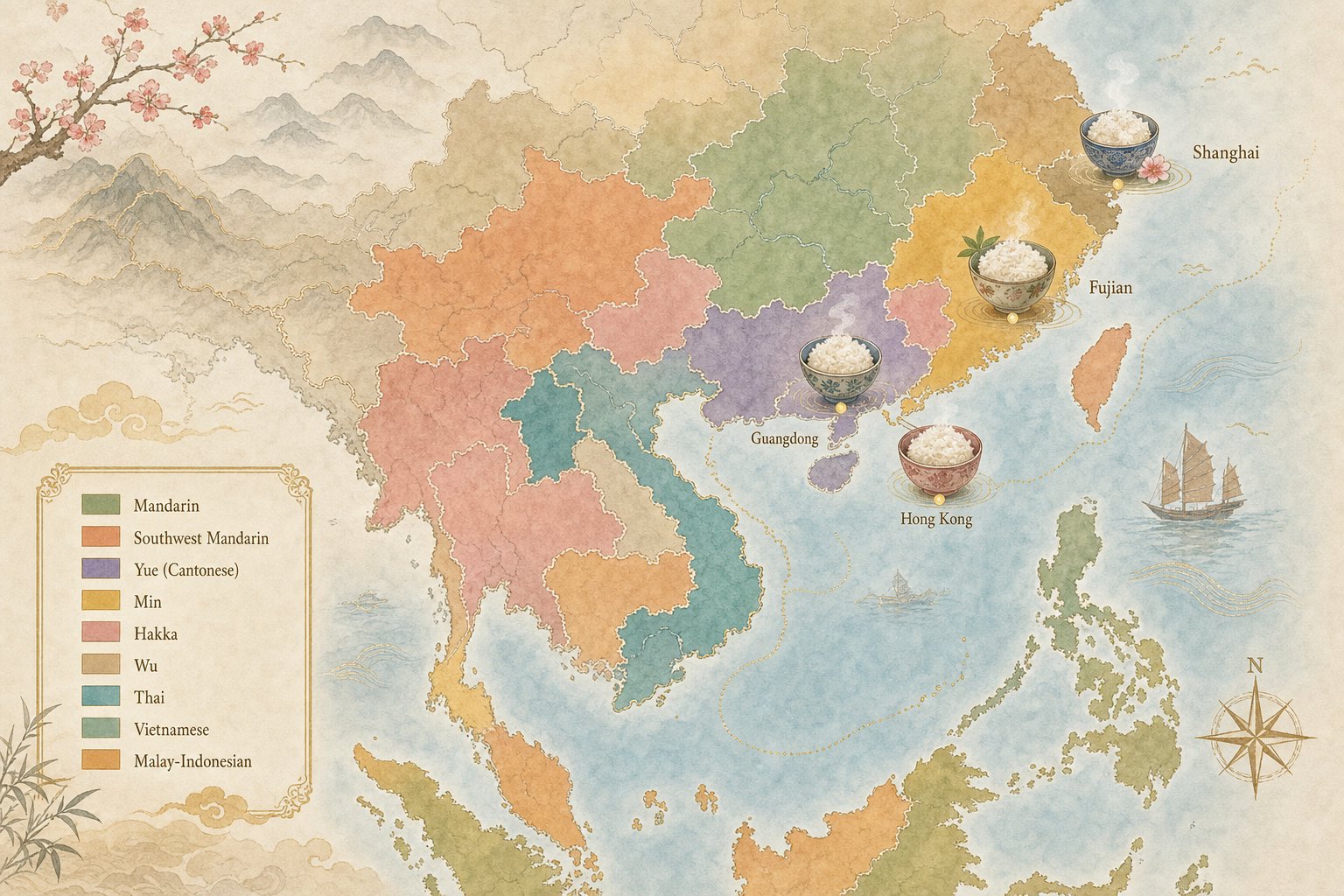
That single-character precision built into 糯米 only tells part of the story. Speak the word aloud and you immediately reveal where you grew up, which family dialect shaped your palate, and which regional food culture you carry with you. Sticky rice sounds completely different depending on whether you are sitting in a Cantonese teahouse, a Hokkien hawker stall, or a Shanghainese kitchen — and each pronunciation carries its own history.
Mandarin Versus Cantonese Sticky Rice Terms
In Mandarin, the standard pronunciation is nuòmǐ. Clean, two syllables, universally understood across mainland China, Taiwan, and most formal Chinese-language media. But step into a dim sum restaurant anywhere from Hong Kong to San Francisco's Chinatown, and you will hear something different: lo mai.
Here is where it gets interesting. The Cantonese dictionary pronunciation for 糯 is actually "no" (no4 in Jyutping romanization), making the technically correct Cantonese term "no mai." So why does everyone say "lo mai"? The answer is a well-documented linguistic phenomenon called Cantonese lazy pronunciation, or 懶音 (laan5 jam1). Over the past century-plus, many Cantonese speakers have shifted initial "n" sounds to "l" sounds in casual speech. The same pattern turns 你 (nei5, "you") into the more commonly heard lei5. It is not sloppiness — it is natural language evolution happening in real time across generations.
The result? "Lo mai" became the dominant spoken form in Cantonese communities worldwide, even though "no mai" remains technically correct by prescriptivist standards. You will find both on menus and vocabulary cards, but lo mai is what you will actually hear people say when ordering chinese sticky rice dim sum at a bustling teahouse.
Regional Dialect Names from Hokkien to Shanghainese
Cantonese and Mandarin get most of the international attention, but China's other major dialect groups each have their own pronunciation for this grain. If you have ever wondered why the same ingredient sounds completely unrecognizable across different Chinese communities, this table breaks it down:
| Dialect Group | Romanization | Characters | Region | Usage Context |
|---|---|---|---|---|
| Mandarin | nuòmǐ | 糯米 | Mainland China, Taiwan, Singapore (official) | Standard written and spoken term; used in formal contexts, cookbooks, packaging |
| Cantonese | lo mai / no mai | 糯米 | Guangdong, Hong Kong, Macau, overseas Chinatowns | Dim sum menus, daily speech; "lo mai" dominates due to lazy pronunciation |
| Hokkien | tsut-bí | 秫米 | Fujian, Taiwan, Southeast Asia | Home cooking, market shopping; retains the classical character 秫 |
| Teochew | lug-bí | 糯米 | Chaoshan region, Thailand, Cambodia | Street food contexts, family recipes; strong Southeast Asian diaspora presence |
| Hakka | nuk-mi | 糯米 | Guangdong (inland), Taiwan, Malaysia | Festival foods, mochi-style snacks; Hakka cuisine emphasizes pounded sticky rice |
| Shanghainese (Wu) | noh-mi | 糯米 | Shanghai, Zhejiang, Jiangsu | Breakfast items, sweet rice cakes; softer consonants reflect Wu dialect phonology |
Notice something? Hokkien speakers often use the character 秫 rather than 糯 — the same classical term that appeared in ancient agricultural texts. This is not unusual. Southern Chinese dialects frequently preserve older vocabulary that Mandarin has since replaced, acting as living fossils of earlier Chinese language stages.
Teochew and Hakka pronunciations sit somewhere between Cantonese and Hokkien, reflecting their geographic and linguistic positions in southern China. And Shanghainese softens everything, turning the hard "n" of Mandarin into a gentler, more nasal "noh" that matches the Wu dialect's overall melodic quality.
How Dim Sum Spread Cantonese Terminology Worldwide
You might wonder why "lo mai" is the version most non-Chinese speakers recognize, rather than the official Mandarin "nuomi." The answer lies in migration patterns and restaurant culture. Cantonese-speaking immigrants from Guangdong and Hong Kong established the earliest and most visible Chinese restaurant communities in North America, Europe, and Australia. Their teahouses and dim sum parlors became the primary point of contact between Chinese food and Western diners.
When English speakers encounter chinese sticky rice in lotus leaf on a dim sum menu, the dish card reads "lo mai gai" — Cantonese romanization, not Mandarin pinyin. Dim sum glossaries list it as "lo mai gai (糯米雞)," describing sticky glutinous rice steamed in a lotus leaf and filled with chicken, mushroom, and Chinese sausage. That chinese sticky rice leaf wrapping infuses the grain with an earthy, herbaceous aroma that has become iconic in Cantonese cuisine worldwide.
This Cantonese dominance in international food vocabulary means that someone in London, Sydney, or Vancouver is far more likely to recognize "lo mai" than "nuomi," even though Mandarin has roughly ten times as many native speakers. Dim sum culture effectively globalized one dialect's pronunciation while the others remained local. A Hokkien speaker in Penang still says "tsut-bi" at the morning market, and a Hakka grandmother in rural Guangdong still calls it "nuk-mi" when preparing festival snacks — but neither term made it onto international menus the way Cantonese did.
The practical takeaway? When you see chinese sticky rice wrapped in leaves at a dim sum restaurant, the terminology on the menu almost certainly follows Cantonese conventions. When you read a recipe blog or a mainland Chinese cookbook, expect Mandarin pinyin. And when you sit down with family across dialect lines, you might hear three different names for the same grain in a single conversation — each one correct, each one carrying its own regional identity.
How Chinese Dish Names Double as Sticky Rice Nicknames
Three different names for the same grain in a single conversation — and yet, in everyday life, Chinese speakers often skip the generic term entirely. Instead of saying "I want sticky rice," they name the dish. The dish name becomes the nickname. It is a linguistic shortcut baked into how Chinese food vocabulary works, and it explains why sticky rice seems to have an endless list of aliases.
Imagine asking a Cantonese family what they want for breakfast. Nobody says "I want glutinous rice." They say "lo mai gai" or "lo mai fan" — and everyone at the table instantly knows the exact preparation, texture, and flavor profile being requested. The ingredient disappears behind the dish, and the dish name takes over as the de facto way to reference sticky rice in that specific form.
Lo Mai Gai and the Ingredient Plus Protein Pattern
Chinese dish naming follows predictable structural patterns that cognitive linguistics researchers have documented extensively. The most common formula is simple: ingredient + protein, or ingredient + cooking method. Sticky rice dishes follow this logic cleanly:
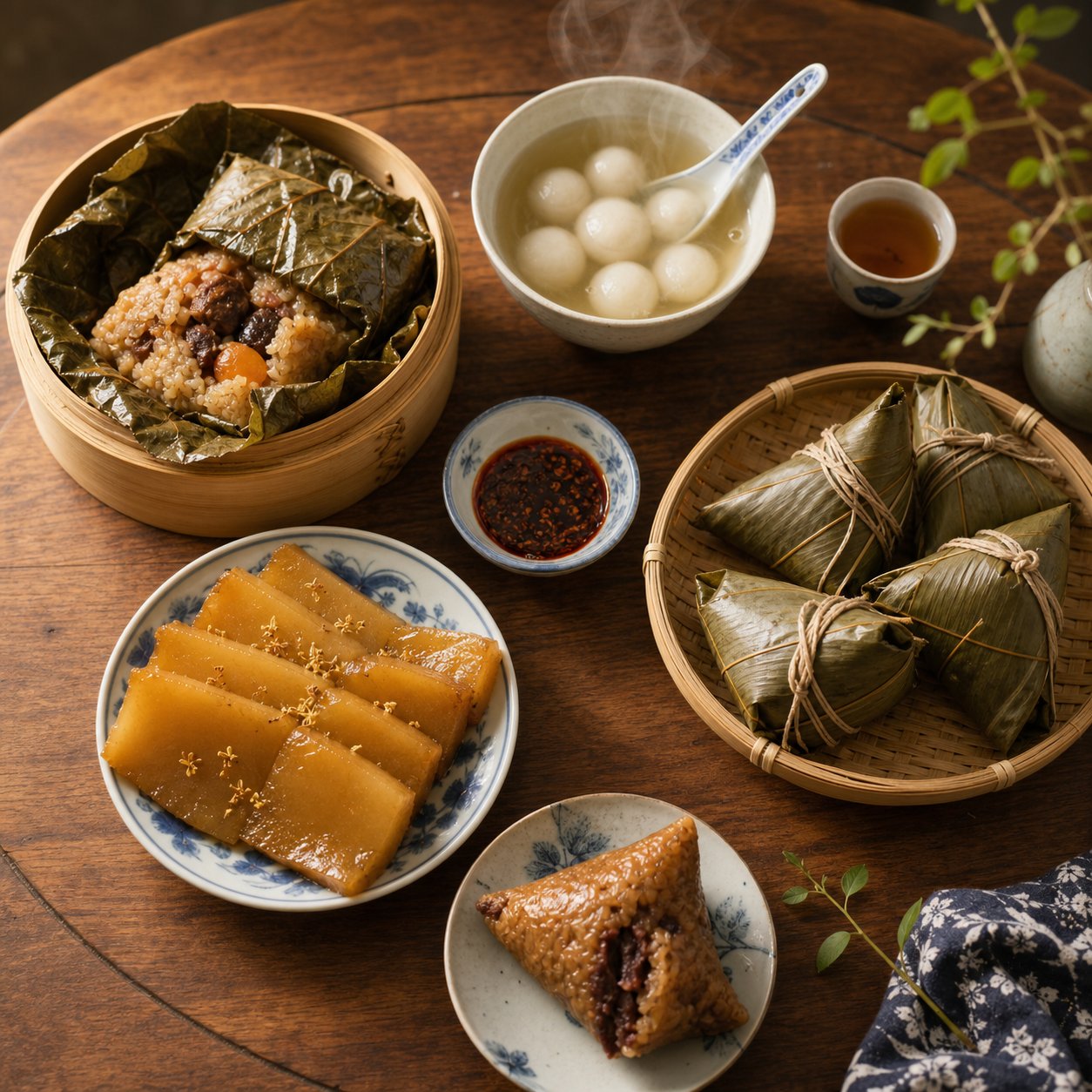
- 糯米雞 (lo mai gai) — glutinous rice + chicken. The iconic chinese sticky rice chicken wrapped in lotus leaves, steamed until the grain absorbs the savory juices from chicken, mushroom, and sausage.
- 糯米飯 (lo mai fan) — glutinous rice + meal/cooked rice. A broader term for any prepared sticky rice dish, often stir-fried with chinese sausage sticky rice style, incorporating lap cheong, dried shrimp, and shiitake mushrooms into a one-pan meal.
- 糯米燒賣 (lo mai siu mai) — glutinous rice + open-topped dumpling. A dim sum staple where sticky rice replaces the usual pork filling inside the wrapper.
- 糯米腸 (nuòmǐ cháng) — glutinous rice + sausage casing. Taiwanese sticky rice sausage, where the grain itself is stuffed into a casing and grilled.
Each name tells you exactly what you are getting. The structure is so consistent that once you recognize the pattern, you can decode unfamiliar sticky rice dishes on sight. See 糯米 followed by a protein or vessel? You know the base ingredient and the main accompaniment in two characters.
Lo mai fan deserves special attention because it is the dish most people picture when they think of chinese sticky rice with chinese sausage. Red House Spice describes it as a Cantonese classic crafted with glutinous rice, Chinese sausages (lap cheong), shiitake mushrooms, dried shrimp, and essential seasonings — all stir-fried together in a single pan. The sticky rice chinese sausage combination is so fundamental to this dish that many Cantonese families consider it incomplete without those sweet, smoky slices of lap cheong rendering their fat into the grain.
Zongzi and Ci Fan as Sticky Rice Shorthand
Not every sticky rice nickname follows the ingredient-plus-protein formula. Some dishes earn standalone names that completely replace any reference to the grain itself:
- 粽子 (zòngzi) — wrapped sticky rice, typically in bamboo leaves, filled with pork, salted egg yolk, mushrooms, or sweet bean paste depending on region. The name refers to the wrapping method, not the rice. When someone says "I want zongzi," they mean the entire chinese sticky rice dumpling — leaf, filling, and all. Nobody says "I want sticky rice wrapped in leaves with pork and egg yolk inside."
- 糍粑 (cíbā) — pounded sticky rice, shaped into cakes or balls. Common in Sichuan, Guizhou, and Hunan provinces. The name describes the preparation technique (pounding) rather than the ingredient.
- 糍飯 (cí fàn) — a Shanghai breakfast staple where sticky rice is pressed flat, filled with a fried dough stick (油條), rolled up, and eaten on the go. Again, the dish name functions as complete shorthand.
- 湯圓 (tāngyuán) — sticky rice balls served in sweet soup. The name translates to "soup rounds," emphasizing shape and serving method. These chinese sticky rice balls carry deep symbolic meaning during festivals, but in daily speech, "tangyuan" is simply what you call this particular form of the grain.
Notice the pattern? Each name encodes a different piece of information — wrapping method, pounding technique, shape, or serving vessel — while the sticky rice base goes unmentioned. The grain is assumed. It is the constant that does not need stating.
How Dish Names Replace the Generic Term
This naming system creates a situation where the generic term 糯米 functions more like a category label than an everyday word. You see it on packaging, in ingredient lists, and in formal writing. But in spoken Chinese — at the dinner table, in the market, shouting an order across a busy kitchen — people reach for the dish name instead.
Think of it this way: English speakers rarely say "I want ground beef formed into a patty and grilled." They say "I want a burger." Chinese sticky rice naming works the same way, except the system is far more granular. Each preparation method, each regional variation, each festival context generates its own distinct name that carries more information than the generic term ever could.
A single phrase like "lo mai gai" tells a listener: this is sticky rice, it is Cantonese style, it involves chicken, it is wrapped in lotus leaf, and it is steamed. Six pieces of information compressed into three syllables. That density is why dish names win over generic terms in real conversation — they are more efficient, more specific, and more evocative.
The chinese sticky rice in leaf preparation alone spawns multiple names depending on the leaf used, the filling inside, and the regional tradition behind it. Zongzi uses bamboo leaves. Lo mai gai uses lotus leaves. Each wrapping creates a different flavor profile, a different texture, and a different name — even though the core ingredient remains identical.
This layered naming system means that sticky rice effectively wears a different identity in every context it appears. The grain stays the same. The name shifts to match the dish, the dialect, and the occasion. And those occasion-specific names carry symbolic weight that goes far beyond simple food labeling — particularly when festivals enter the picture.
The Glutinous Rice Naming Confusion Explained
Chinese dialects and dish names give sticky rice dozens of identities, but each one communicates something accurate about the grain. English, on the other hand, managed to saddle this ingredient with a name that actively misleads people about what it contains. If you have ever stared at a bag labeled "glutinous rice" and wondered whether it is safe for someone avoiding gluten, you are not alone — and the confusion traces back to a Latin word that predates modern nutrition science by centuries.
Why Glutinous Does Not Mean Contains Gluten
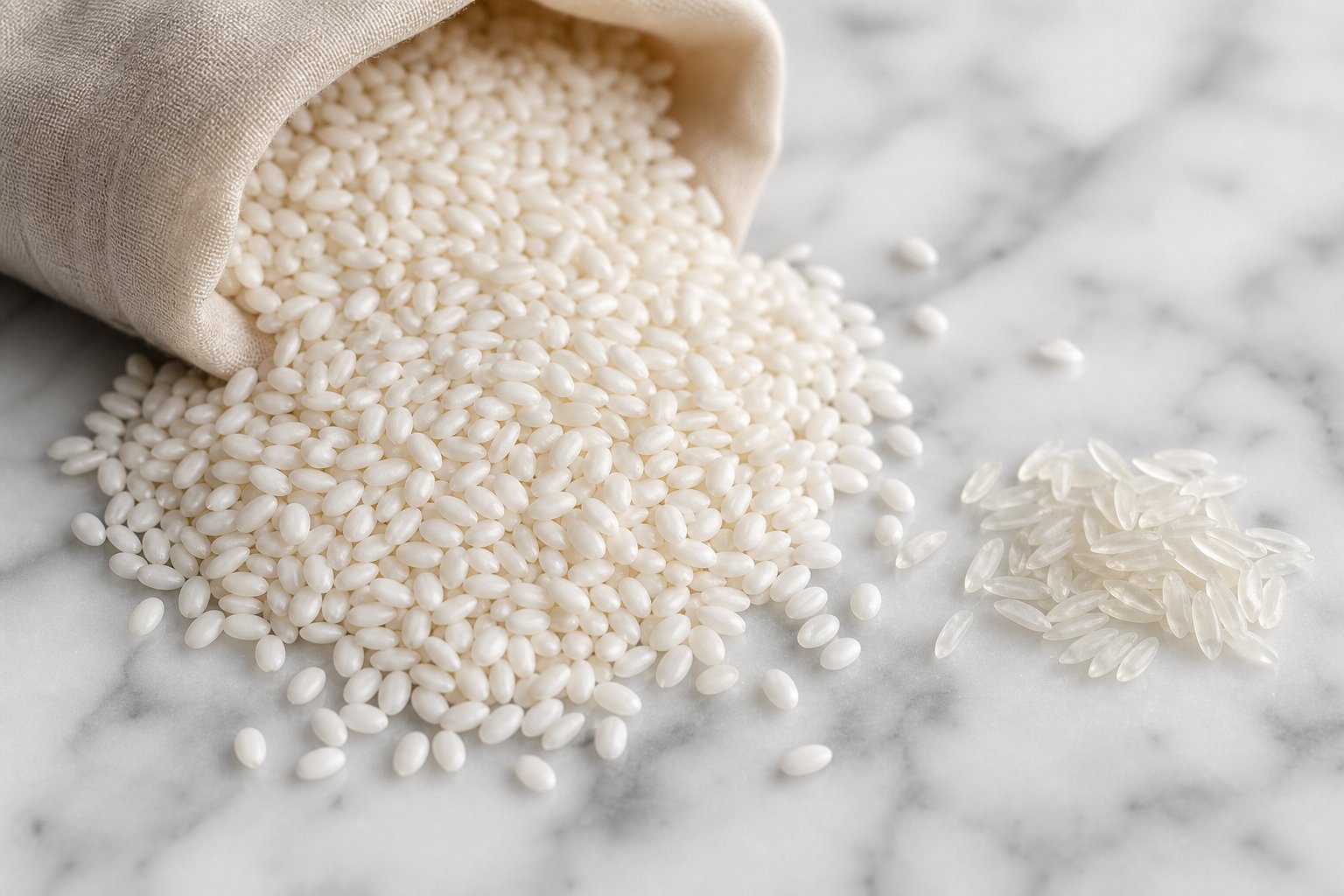
The word "glutinous" comes from the Latin glutinosus, meaning viscous, gluey, or sticky. It describes texture, not protein content. Anything with a thick, adhesive consistency can technically be called glutinous — honey is glutinous, wet clay is glutinous, and so is cooked sticky rice. The protein network we call gluten takes its name from the same Latin root because of its elastic, stretchy properties. Two words, one ancient ancestor, completely different meanings in modern English.
As Chowhound explains, "glutinous" and "glutenous" might sound identical, but their meanings are critically distinct. The protein gluten is indeed glutinous (sticky and elastic), but the word "glutinous" does not mean a food contains gluten. Rice never naturally contains gluten — no variety does, whether white, brown, black, or sticky. That means people with celiac disease or gluten sensitivity can eat glutinous rice safely.
The real risk is not the rice itself but cross-contamination. If sticky rice is processed in a facility that also handles wheat or barley, trace amounts of gluten could be present. Reading labels for allergen warnings remains important, but the grain in its natural state is entirely gluten-free.
Sticky rice (糯米) is naturally gluten-free. The English name "glutinous rice" describes its glue-like texture, not its protein content. The term comes from Latin glutinosus, meaning sticky — not from the dietary protein gluten.
This is where the Chinese term proves more linguistically honest. 糯 encodes stickiness and softness without implying anything about protein composition. A Chinese speaker reading 糯米 on a package receives accurate information: this is the sticky variety of rice. An English speaker reading "glutinous rice" receives a false signal that triggers legitimate dietary concern. The Chinese naming system, for all its complexity across dialects and dishes, never creates this particular confusion.
Alternative English Names and When to Use Them
Partly because of this confusion, English has developed several alternative names for the same grain. You will encounter different terms depending on whether you are reading a Thai cookbook, scanning a grocery shelf, or browsing a food science paper:
- Sticky rice — the most intuitive and widely understood term in casual English. Dominant in Southeast Asian food contexts, particularly Thai and Lao cuisine. Bon Appetit notes that terms like "sticky rice," "sweet rice," and "glutinous rice" are manufacturers' best attempts to describe the grain in English, but they remain too broad and generic to distinguish between specific varieties.
- Sweet rice — common on packaging from Japanese and Korean brands. The name refers to a subtle sweetness in flavor compared to regular rice, not added sugar. You will see this term on bags of mochigome (Japanese sticky rice) and on glutinous rice flour used for mochi and chinese sticky rice dessert preparations.
- Waxy rice — the preferred term in food science and agricultural research. It refers to the waxy appearance of the raw grain's endosperm, which looks opaque and chalky white rather than translucent. This term is precise but rarely appears on consumer packaging.
- Pearl rice — occasionally used in older English-language texts, referencing the small, round, pearl-like shape of short-grain glutinous rice varieties. Less common today and sometimes confused with other short-grain types.
Which term should you use? For clarity and accuracy, "sticky rice" works best in everyday conversation. It describes the defining characteristic without implying gluten content or sweetness that might confuse someone unfamiliar with the grain. If you are shopping for chinese sticky rice vegetarian recipes or calculating calories in chinese sticky rice dishes, the packaging might say any of these names — but the characters 糯米 on a Chinese brand will always confirm you have the right product.
The calorie profile, incidentally, stays consistent regardless of what the label calls it. Chinese sticky rice calories run roughly 170 to 200 per cooked cup depending on preparation method, comparable to regular white rice. The starch composition differs (almost pure amylopectin versus a mix of amylopectin and amylose), but the caloric density does not change dramatically. What changes is texture, cooking behavior, and the cultural universe of dishes this grain unlocks.
English borrowed a Latin word and accidentally created a dietary scare. Chinese built a character that describes exactly what the grain does. That gap between the two naming systems — one misleading, one precise — mirrors the broader pattern running through every nickname sticky rice carries. Names are never neutral. They encode assumptions, histories, and sometimes errors that persist for generations. The festival names Chinese speakers assign to this grain encode something far more intentional: symbolism, wordplay, and centuries of cultural meaning layered onto a single ingredient.
Festival Names and Their Symbolic Power
Names that encode assumptions, histories, and wordplay — that is exactly what happens when Chinese festivals get involved. During major holidays, sticky rice stops being a pantry staple and transforms into something charged with meaning. It earns entirely new names tied to specific celebrations, and those names carry wishes, puns, and centuries of tradition compressed into a few syllables. The grain itself does not change. Its identity does.
Chinese is a tonal language rich in homophones, and Chinese culture exploits this feature relentlessly during festivals. A food's name can sound like a blessing, a prayer, or a prophecy — and that phonetic coincidence elevates the dish from mere sustenance to ritual object. Sticky rice, with its malleable texture and neutral flavor, becomes the perfect canvas for this kind of symbolic reinvention.
Nian Gao and the Prosperity Pun
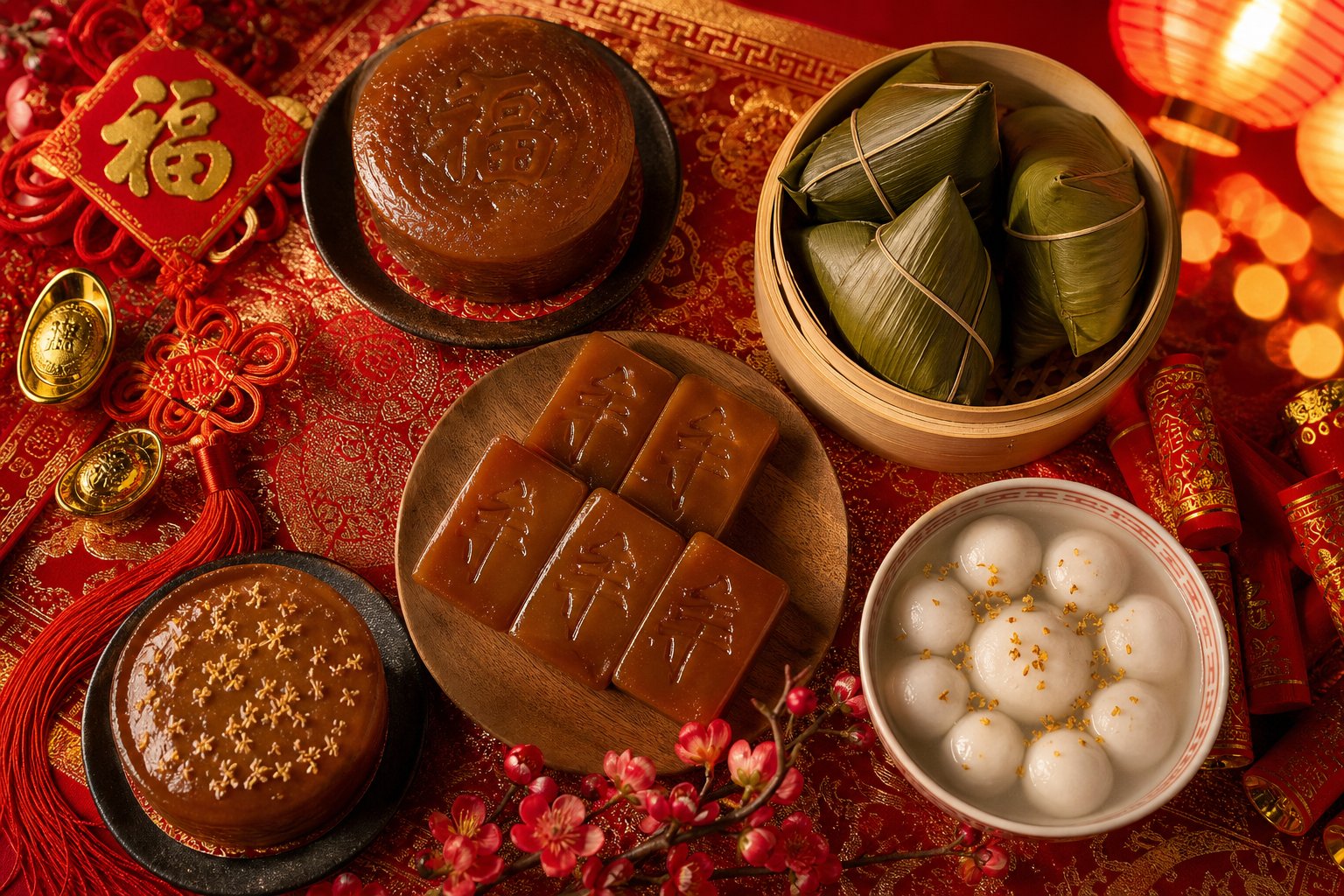
The most famous chinese new year sticky rice cake is nian gao (年糕). The name breaks down simply: 年 means "year" and 糕 means "cake." But say it aloud and you hear something else entirely — 年高, meaning "year higher." That homophone is the whole point. Eating nian gao during Lunar New Year expresses the wish to rise higher each year, to advance in career, wealth, and status. The auspicious saying 年年高升 (nian nian gao sheng), meaning "rise to greater heights year after year," is the mantra behind every slice.
Traditionally, this sticky rice cake chinese families prepare is made from glutinous rice flour, water, and sugar, steamed for hours until it caramelizes into a dense, dark brown mass. The result looks unassuming — somewhere between English toffee and a brick of molasses — but what nian gao lacks in visual appeal, it delivers in taste and cultural weight. Sliced, dipped in egg batter, and pan-fried until crispy on the outside and molten on the inside, it becomes one of the most anticipated treats of the holiday season.
Regional variations expand the category further. Shanghai produces a white, savory variant. Southeast Asian versions are wrapped in banana leaves before steaming, absorbing a fragrant, herbaceous quality. Some families sandwich slices of nian gao between sweet potato rounds, batter the whole thing, and deep-fry it. A popular chinese sticky rice cake dessert version features a filling of chinese sticky rice cake red bean paste, where the earthy sweetness of red bean complements the chewy, caramelized rice cake. Every variation carries the same symbolic payload: prosperity, growth, and upward momentum for the year ahead.
The origins of nian gao trace back to pre-Imperial China, around 480 BC, when legend holds that a general named Wu Zixu built city walls using blocks of sticky rice cake as hidden emergency rations. Whether historically accurate or not, the story cemented nian gao's association with survival, foresight, and communal resilience — themes that still resonate during the Lunar New Year.
Dragon Boat Festival Zongzi Traditions
When the fifth day of the fifth lunar month arrives, sticky rice takes on a completely different identity. It becomes zongzi (粽子) — glutinous rice wrapped tightly in bamboo or reed leaves, filled with savory or sweet ingredients, and boiled or steamed until the grain turns translucent and fragrant. The name no longer references prosperity. It references memory, loyalty, and grief.
The tradition commemorates the poet Qu Yuan (c. 340-278 BC), a scholar of the Chu kingdom during the Warring States period. After falling from political favor and witnessing his kingdom's defeat, Qu Yuan drowned himself in the Miluo River on the fifth day of the fifth month. Villagers rushed out in boats to search for him, beating drums to frighten fish away from his body. When they could not recover him, they threw rice-filled bamboo stems into the water — offerings to feed his spirit and distract the fish. That act of mourning became dragon boat racing and zongzi.
What makes zongzi fascinating from a naming perspective is how it fractures across dialects. Mandarin speakers say zongzi. Cantonese speakers call them "chung." Hokkien and Taiwanese communities use "ba-tzang" or "bacang" — a pronunciation that traveled with diaspora communities throughout Southeast Asia. Each name refers to the same wrapped sticky rice dumpling, but each carries the phonetic fingerprint of a different regional tradition.
Fillings vary just as dramatically. Northern Chinese zongzi tend toward sweet — plain sticky rice dipped in sugar, or filled with red bean paste and jujubes. Southern versions go savory with pork belly, salted duck egg yolk, mushrooms, and chestnuts. The sticky rice cakes chinese families in different regions prepare for this festival can be so distinct that a Cantonese zongzi and a Shanghainese zongzi barely resemble each other beyond the leaf wrapping.
Tangyuan and the Symbolism of Reunion
If nian gao encodes ambition and zongzi encodes remembrance, tangyuan (湯圓) encodes togetherness. These small, round sticky rice balls — served in warm sweet soup — appear during the Lantern Festival (the fifteenth day of the first lunar month) and again during Dongzhi, the Winter Solstice.
The symbolic power lives in the shape and the name simultaneously. 圓 (yuan) means "round," but it sounds identical to 團圓 (tuanyuan), meaning "reunion" or "coming together as a family." Eating something round, named with the sound of reunion, while sitting with your family on the longest night of the year — the symbolism is layered and deliberate. As Chinese cultural traditions note, tangyuan symbolize family reunion and harmony, with a popular saying: "Eat tangyuan on Winter Solstice, wealth and happiness will follow."
The balls themselves are made from glutinous rice flour kneaded into a smooth dough, then shaped around fillings of black sesame paste, crushed peanuts, or red bean. Unfilled versions exist too — small, plain rounds bobbing in ginger-infused syrup or fermented rice wine broth. Either way, the act of making tangyuan is often communal. Families gather around the kitchen table, rolling dough between their palms, turning the preparation itself into the reunion the food symbolizes.
Here is a quick reference connecting each major festival to its sticky rice identity:
- Lunar New Year — Nian gao (年糕). Symbolizes rising prosperity through the homophone pun with 年高 ("year higher"). Sticky rice cake chinese new year traditions date back over 2,500 years.
- Lantern Festival — Tangyuan (湯圓). Round shape and pronunciation echo 團圓 (reunion). Eaten on the fifteenth day of the first lunar month to close out New Year celebrations.
- Dragon Boat Festival — Zongzi (粽子). Commemorates the poet Qu Yuan. Wrapped in bamboo leaves, with fillings varying by region from sweet to intensely savory.
- Winter Solstice (Dongzhi) — Tangyuan again. Marks the return of longer days. Particularly important in southern China, where families gather to eat sticky rice balls and honor ancestors.
- Mid-Autumn Festival — While mooncakes dominate, some regions serve sticky rice cakes or tangyuan as secondary offerings, reinforcing the reunion theme shared with the full moon.
Each festival strips away the generic identity of 糯米 and replaces it with something emotionally specific. You do not eat "sticky rice" during these celebrations. You eat prosperity, remembrance, or reunion — shaped, named, and served in forms that have carried meaning for millennia. The grain is the same one sitting in your pantry. The name it wears, and the feelings it carries, shift entirely with the calendar.
These festival nicknames operate within a shared cultural grammar that every Chinese speaker absorbs from childhood. But sticky rice has also picked up names in spaces far removed from traditional holidays — in internet culture, identity politics, and the slang of younger generations who repurpose food vocabulary for entirely new purposes.
Modern Slang and Pop Culture Uses of Sticky Rice
Festival names draw on centuries of shared tradition. But sticky rice has also been claimed by communities and subcultures that operate far outside the calendar of official holidays. In contemporary Chinese and Asian American culture, the term has taken on meanings that have nothing to do with cooking — and everything to do with identity, personality, and belonging.
Sticky Rice as Identity Slang
In LGBTQ+ Asian American communities, "sticky rice" carries a specific meaning: it describes a gay Asian man who is primarily attracted to other Asian men. The term positions itself against labels like "potato queen" (an Asian man who prefers white partners) and "rice queen" (a white man who prefers Asian partners). Where those terms reference cross-racial desire, "sticky rice" signals intraracial intimacy — Asian men choosing each other.
The metaphor works on multiple levels. Sticky rice grains cling to one another rather than separating. They hold together. The image is both playful and pointed, pushing back against stereotypes that frame Asian men as perpetually desiring whiteness or existing only as objects of others' desire.
Cynthia Wu's 2018 academic study Sticky Rice: A Politics of Intraracial Desire examines this term through the lens of Asian American literature, exploring how male same-sex bonds in canonical works blur boundaries among the homosocial, the homoerotic, and the homosexual. Wu argues that the "sticky rice" identity challenges multiple normativities simultaneously — both the heteronormativity of mainstream culture and the racial hierarchies embedded within gay communities themselves.
This slang usage has circulated in queer Asian spaces since at least the 1990s, appearing in personal ads, community forums, and later on dating apps. It remains an insider term — one you are unlikely to encounter on a restaurant menu but might hear in conversation within LGBTQ+ Asian American circles. The food metaphor makes it approachable, even humorous, while carrying real political weight about who gets to desire whom.
糯糯的 as a Personality Descriptor in Modern Chinese
Back in mainland China and Taiwan, sticky rice has spawned a different kind of slang — one rooted in texture rather than identity politics. Calling someone 糯糯的 (nuonuo de) means they have a soft, gentle, slightly clingy personality. Think warm, yielding, comforting to be around. The way a chinese sticky rice ball feels in your mouth — tender, giving, with no hard edges — becomes a metaphor for human temperament.
You will find this descriptor across Chinese social media, particularly on platforms like Xiaohongshu and Douyin. A singer's voice can be 糯糯的. A child's way of speaking can be 糯糯的. A partner who texts you constantly and wants to be close is 糯糯的. The term carries affection rather than criticism — it is endearing, not dismissive.
This pattern fits a broader trend in Chinese internet culture where food vocabulary doubles as personality language. Someone can be 又甜又糯 (you tian you nuo) — "sweet and soft" — the same phrase you would use to describe a perfectly roasted sweet potato or a well-made chinese sticky rice dessert. The boundary between describing food and describing people dissolves entirely. A chinese dessert sticky rice treat and a gentle person share the same adjective because the sensory experience maps onto emotional experience: warmth, softness, comfort.
Neither of these modern usages — the LGBTQ+ identity term or the personality descriptor — appears in any standard dictionary entry for 糯米. They live in spoken communities, online spaces, and subcultural vocabularies that evolve faster than reference books can track. Yet they demonstrate something consistent about how this ingredient functions in Chinese language: it is never just food. It is always available as metaphor, always ready to describe something about how people relate to each other — whether that means desire, affection, or the simple comfort of being soft in a hard world.
Navigating Sticky Rice Names on Menus and in Stores
Metaphors and slang give sticky rice a life beyond the kitchen. But at some point, you need to actually buy the stuff, order it at a restaurant, or follow a family recipe that uses a term you have never seen before. All the linguistic layers covered so far — dialects, dish names, festival identities, modern slang — converge in three everyday situations: reading a menu, scanning a grocery shelf, and decoding what your relatives are actually asking you to cook.
Reading Sticky Rice Names on Menus and Packaging
The first thing to know: the terminology on a menu depends almost entirely on which dialect tradition the restaurant follows. Dim sum menus at Cantonese teahouses use Cantonese romanization. A dish like lo mai gai — sticky rice and meats wrapped in lotus leaves, often including Chinese sausage — appears under that Cantonese spelling rather than the Mandarin "nuomi ji." Northern Chinese restaurants, Sichuan spots, and Taiwanese eateries default to pinyin: nuomi fan, nuomi tang, cifan. If you are scanning a menu and see "lo mai" anything, you are in Cantonese territory. If you see "nuomi" anything, the kitchen speaks Mandarin.
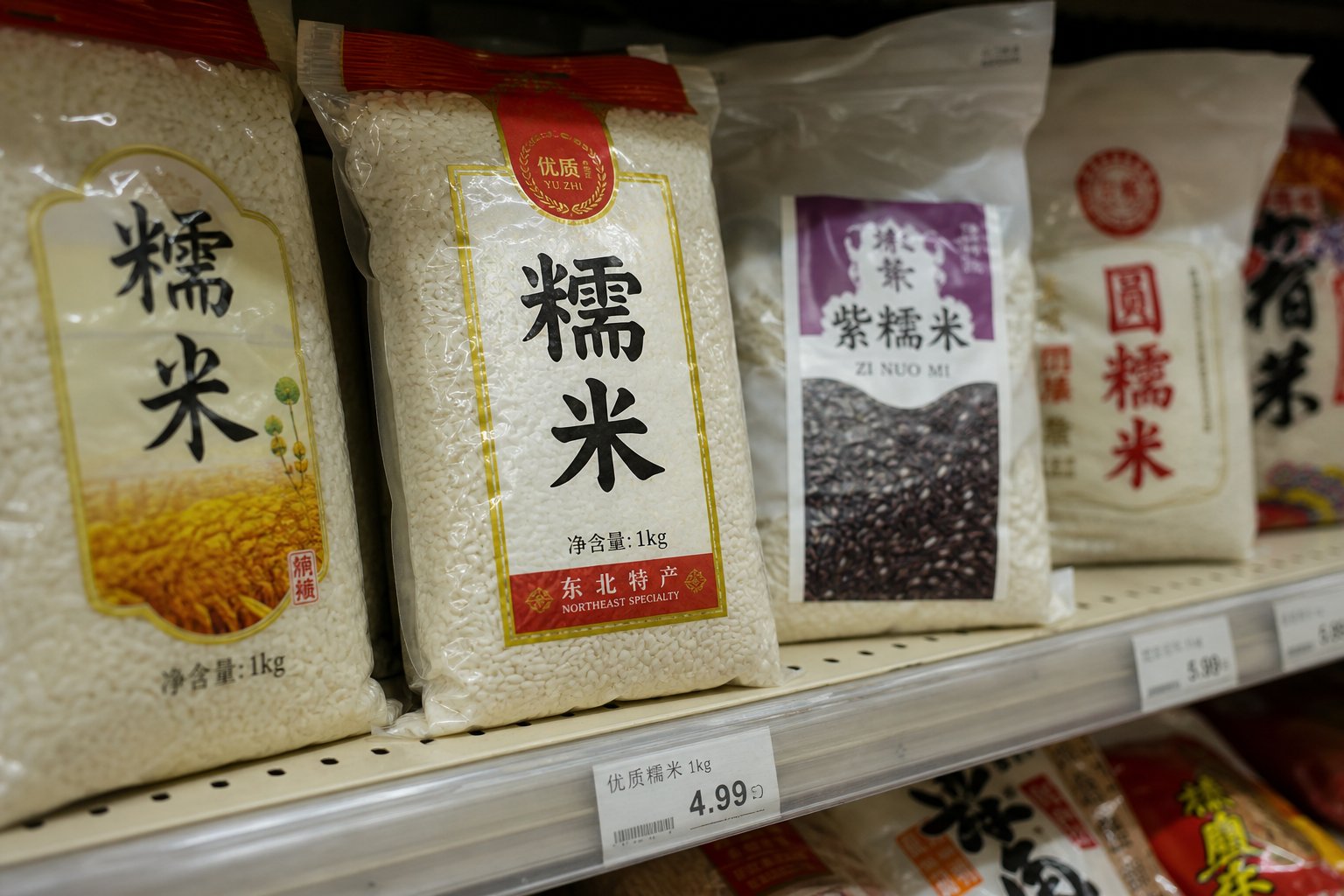
At the grocery store, packaging splits along similar lines. Chinese-language brands print 糯米 on the front — look for that character 糯 with the rice radical on the left. English-language labels vary wildly. You might see "glutinous rice," "sweet rice," "sticky rice," or even "waxy rice" on the same shelf, all referring to the identical grain. Japanese brands often say "mochigome" or "sweet rice." Thai brands typically go with "sticky rice" or "glutinous rice." The characters 糯米 remain your most reliable identifier regardless of what the English text says.
Here is a quick-reference list of common terms you will encounter when ordering or shopping:
- Lo mai gai (糯米雞) — Cantonese dim sum; sticky rice with chicken in lotus leaf
- Lo mai fan (糯米飯) — Cantonese; stir-fried sticky rice, often a one pot recipe with sausage and mushrooms
- Nuomi fan (糯米飯) — Mandarin; same dish, different romanization
- Zongzi (粽子) — Mandarin; sticky rice dumplings wrapped in bamboo leaves
- Tangyuan (湯圓) — Mandarin; sticky rice balls in sweet soup
- Nian gao (年糕) — Mandarin; sticky rice cake, especially during Lunar New Year
- Ci fan (糍飯) — Shanghainese breakfast; sticky rice roll with fried dough inside
- Ba-tzang / bacang — Hokkien/Southeast Asian; same as zongzi, different dialect pronunciation
- Sweet rice flour / glutinous rice flour (糯米粉) — the milled powder form, used for tangyuan, mochi, and nian gao
Bridging Dialect Gaps in Family and Restaurant Settings
The diaspora experience adds another layer. You might be following chinese sticky rice recipes written in English by a Cantonese American food blogger who uses "lo mai fan," then switching to a Mandarin-language cookbook from Taiwan that calls the same dish "nuomi fan," then calling your Hokkien-speaking grandmother who uses a term that sounds nothing like either one. Same grain, same dish, three completely different words.
This is normal. It is not a sign that you misheard or that someone is wrong. Chinese food vocabulary is inherently multilingual even within a single family. The practical move is to anchor yourself to the characters (糯米) as the constant, then treat each spoken form as a dialect-specific pronunciation of the same written word. If you can recognize 糯 on a package or menu, you will never grab the wrong rice — regardless of whether the person helping you calls it nuomi, lo mai, nuk-mi, or tsut-bi.
For home cooking, the same flexibility applies. Whether you are looking up how to make chinese sticky rice in a rice cooker or searching for a chinese sticky rice recipe that works as a weeknight dinner, the method stays consistent across dialect lines. Soak the grain for several hours, adjust your water ratio down from regular rice, and steam or use the glutinous rice setting if your machine has one. A rice cooker chinese sticky rice method works identically whether the recipe was written by a Cantonese home cook or a Shanghainese food blogger — because the grain does not care what you call it. It only cares about water ratio and time.
Many modern chinese sticky rice rice cooker recipes simplify the traditional steaming process into a single appliance. The sticky rice chinese food one pot recipe approach — where you layer soaked glutinous rice with lap cheong, dried shrimp, and mushrooms directly in the pot — has become a weeknight staple for diaspora families who want the flavor of lo mai fan without the multi-step wok technique. The rice cooker handles the steam, the ingredients meld together, and the result tastes like the dish your grandmother made, even if she would never have used that particular appliance.
Ultimately, every name this grain carries — from the formal 糯米 through dialect pronunciations, dish-specific shorthand, festival identities, and modern slang — points back to the same small, opaque, starchy kernel. The names multiply because the contexts multiply. Chinese culture does not simplify where richness is possible. It names each version separately because each version means something different: a different region, a different memory, a different relationship to the people eating together. Learning the names is not just vocabulary practice. It is learning how one ingredient holds an entire culture's worth of meaning in its many, many aliases.
Frequently Asked Questions About Chinese Sticky Rice Names
1. What is sticky rice called in Chinese?
The standard Mandarin term is 糯米 (nuomi), where 糯 describes the sticky, waxy quality and 米 means rice. However, Chinese speakers rarely use this generic term in daily life. They typically refer to sticky rice by its dish name instead — such as zongzi, tangyuan, or lo mai gai — letting context communicate that sticky rice is the base ingredient. In Cantonese, the same characters are pronounced 'lo mai' due to a well-documented lazy pronunciation shift from 'n' to 'l' sounds.
2. Is glutinous rice the same as sticky rice?
Yes, glutinous rice and sticky rice are the same grain. The confusing English name 'glutinous' comes from the Latin word glutinosus, meaning glue-like or viscous — it describes the rice's sticky texture, not its protein content. Sticky rice contains zero gluten and is naturally safe for people with celiac disease or gluten sensitivity. Other English names for the same grain include sweet rice, waxy rice, and pearl rice, each used in different culinary or scientific contexts.
3. Why does sticky rice have so many different names in Chinese?
Multiple factors create this abundance of names. First, Chinese encompasses several major dialect groups (Mandarin, Cantonese, Hokkien, Hakka, Teochew, Shanghainese), each with its own pronunciation. Second, Chinese naming conventions turn dish names into shorthand for the ingredient — lo mai gai, zongzi, and tangyuan each function as sticky rice nicknames tied to specific preparations. Third, festivals assign symbolic identities to the grain, such as nian gao for prosperity at New Year or tangyuan for reunion at Winter Solstice.
4. What is the difference between lo mai and nuomi?
Lo mai and nuomi refer to the same ingredient — 糯米 (sticky rice) — pronounced in two different Chinese dialects. Nuomi is the Mandarin pronunciation used across mainland China, Taiwan, and formal written contexts. Lo mai is the Cantonese pronunciation dominant in Hong Kong, Guangdong province, and overseas Chinatowns. Lo mai became more internationally recognized because Cantonese immigrants established the earliest Chinese restaurant communities in Western countries, making dim sum terminology like 'lo mai gai' familiar worldwide.
5. What does sticky rice symbolize in Chinese culture?
Sticky rice carries different symbolic meanings depending on the festival and preparation. As nian gao (年糕) during Lunar New Year, it symbolizes rising prosperity through a homophone pun with 年高 (year higher). As tangyuan (湯圓) during Winter Solstice and Lantern Festival, its round shape echoes 團圓 (reunion), representing family togetherness. As zongzi during Dragon Boat Festival, it commemorates the poet Qu Yuan and represents loyalty and remembrance. The grain's malleable texture makes it a perfect canvas for cultural reinvention across the calendar.