Writing Your Name in Chinese Calligraphy From Translation to Brushwork
Imagine holding a brush loaded with ink, poised above rice paper, ready to transform your name into an art form that spans over 3,000 years of history. Writing your name in Chinese calligraphy is not a simple letter-by-letter swap. It requires two distinct steps: translating your name into Chinese characters and then rendering those characters with deliberate, expressive brushwork.
That dual nature is exactly what draws so many people to the practice. It sits at a rare intersection where language meets visual art.
Chinese calligraphy is both a linguistic translation and an artistic practice. When you write your name in Chinese, you are not just converting sounds into symbols. You are creating a piece of art shaped by centuries of tradition.
Why People Want Their Name in Chinese Calligraphy
The appeal cuts across backgrounds. Language learners ask how to write my name in Chinese as one of their first personal milestones. Tattoo seekers want characters that look striking and carry genuine meaning, not random symbols pulled from an unreliable generator. Cultural enthusiasts see chinese name calligraphy as a way to connect with one of UNESCO's recognized forms of Intangible Cultural Heritage. Hobbyists simply enjoy the meditative rhythm of brush on paper. Whatever the motivation, the process rewards anyone willing to learn how it actually works.
What You Will Learn in This Guide
This guide walks you through the full journey, from understanding how your English name becomes Chinese characters, to choosing between phonetic and meaning-based translation, to selecting a script style and picking up a brush. You will learn the translation logic behind saying my name is in Chinese, explore five calligraphy scripts, practice foundational strokes, and understand the cultural etiquette that keeps your work respectful and authentic. By the end, you will have the knowledge to approach this art form with confidence rather than guesswork.
Every name tells a story. The characters you choose and the way you paint them determine how that story reads.
How Your English Name Becomes Chinese Characters
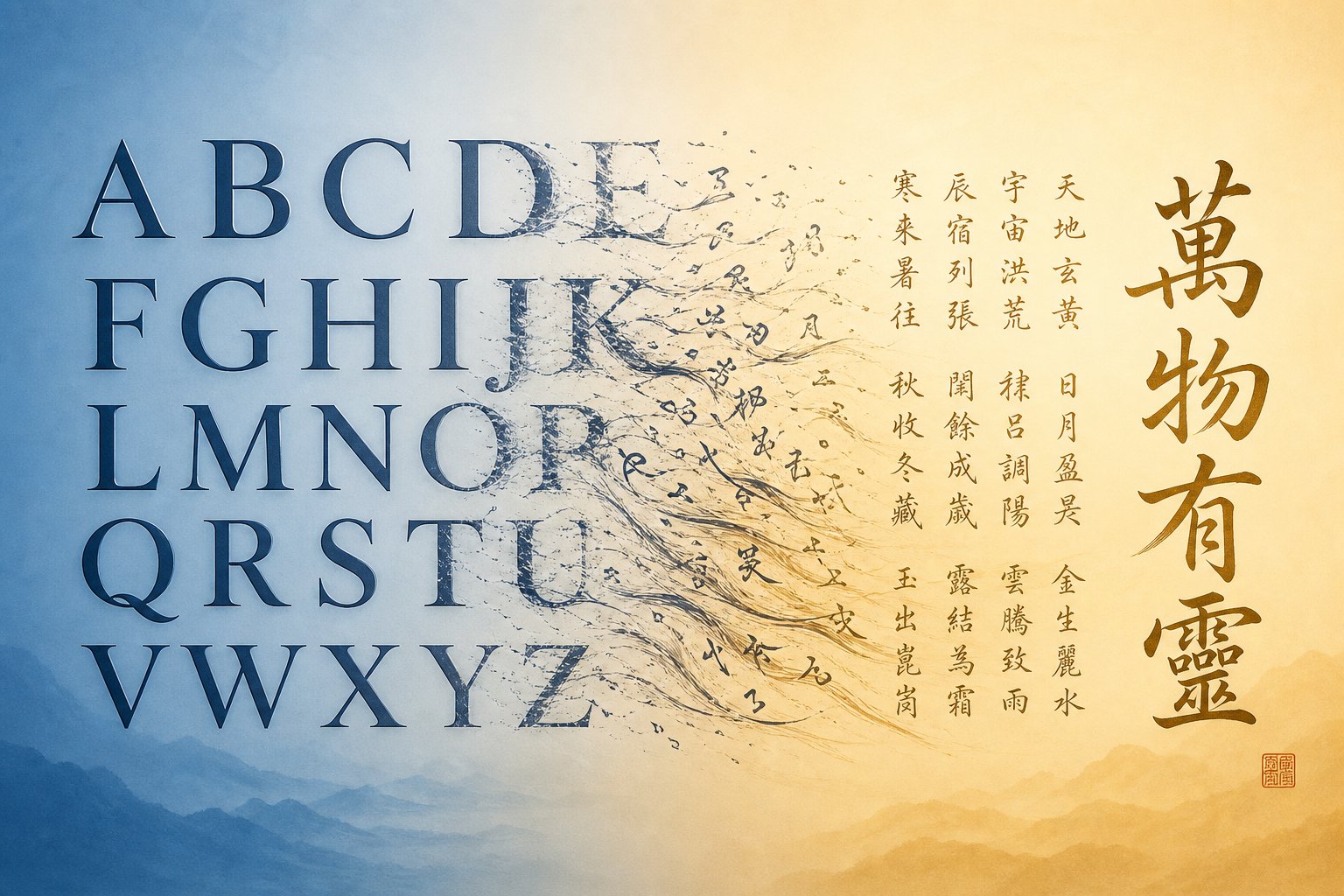
When you convert a name english to chinese, you are not decoding letters into equivalent symbols. English uses an alphabet; Chinese uses logograms where each character represents a syllable with its own meaning. That fundamental difference is why chinese name translation is more of a creative matching process than a mechanical conversion.
How Phonetic Transliteration Works for Foreign Names
The standard method for translating english names to chinese is called phonetic transliteration, or yinyi in Mandarin. The idea is straightforward: break your name into its component sounds, then find Chinese characters whose pronunciations come close to those sounds. Think of it like fitting puzzle pieces that are similar in shape but never identical.
Mandarin has roughly 412 possible syllables spread across five tones. English, by contrast, uses thousands of distinct syllable combinations, including consonant clusters like "str" or "nk" that simply do not exist in Chinese. Those foreign sounds must be broken apart or approximated. The name "Jack," for example, becomes two syllables in Chinese: jie ke (杰克). "Thomas" stretches into three: tuo ma si (托马斯). The result sounds close to the original but never perfectly mirrors it.
Here is the step-by-step process that translators follow when converting an english name to mandarin characters:
- Break the name into syllables. Divide the English name into its phonetic building blocks. "Christopher" becomes something like Kris-to-fer.
- Match each syllable to Chinese characters with similar pronunciation. For each sound chunk, identify characters from the available Mandarin syllable inventory that approximate the original.
- Select characters with positive or neutral meanings. Since every Chinese character carries meaning, translators avoid characters with negative or embarrassing connotations. For the syllable si, a translator might choose 斯 (a neutral grammatical particle) over 死 (death).
- Check tonal harmony across the full name. A name where every character shares the same tone can sound flat or awkward. Skilled translators vary the tonal pattern so the name flows naturally when spoken aloud.
Why the Same Name Can Have Multiple Chinese Versions
Imagine you need a character that sounds like "ka." In Mandarin, roughly 120 characters share any given pinyin reading. That means for every single syllable in your name, a translator has dozens of valid options. Multiply those choices across a two- or three-syllable name, and the possible combinations grow quickly.
This is why you might chinese translate name tools and get different results each time. The name "Michael" can appear as 迈克尔, 麦克尔, or other variations depending on the source. None of these is wrong. They simply reflect different character selections from the same pool of sound-alike options.
In mainland China, the Xinhua News Agency publishes an official reference guide, the Names of the World's Peoples, which standardizes transliterations for media and government use. Embassies and news outlets follow these tables closely. Artistic calligraphy, however, operates with more freedom. A calligrapher creating a chinese name from english name for display or a gift can choose characters that not only sound right but also carry visual elegance and auspicious meaning, making the final piece more personal and intentional.
That flexibility is a gift, but it also introduces a critical decision point. Should you prioritize how your name sounds, or what it means?
Phonetic Sound vs Meaning-Based Translation for Names
That question, sound or meaning, is the single most important choice you will face when you translate name into chinese for calligraphy. Both approaches are legitimate. Both produce real Chinese characters. But they follow completely different logic, and the results look and feel nothing alike on paper.
Phonetic Transliteration Preserves Your Name's Sound
Phonetic transliteration keeps your name recognizable. When someone reads the characters aloud, the sound approximates your original English name. A person named Grace might become 格蕾丝 (ge lei si), three characters chosen purely because their pronunciation echoes the English syllables. The meaning of each individual character is secondary. It still matters enough to avoid negative connotations, but the driving priority is sonic resemblance.
This approach works well when personal identity recognition is the goal. Friends, colleagues, and family members can still hear "your" name in the Chinese version. For official documents, business cards used in bilingual settings, and any context where people need to connect the Chinese characters back to you specifically, phonetic chinese name conversion is the standard choice.
Meaning-Based Translation Creates a True Chinese Name
Meaning-based translation takes a different path entirely. Instead of mimicking how your name sounds, it captures what your name means or the qualities it represents. Grace, for example, carries connotations of elegance and divine favor. A meaning-based chinese mandarin name translation might render it as 雅恩 (ya en), where 雅 means elegance and 恩 means grace or kindness. The result sounds nothing like "Grace" when spoken aloud, but it carries the same spirit in a way that feels native to Chinese.
This method produces names that read naturally to Chinese speakers. The characters work together semantically, the way a name chosen by Chinese parents would. For people who want their calligraphy to feel culturally integrated rather than obviously foreign, meaning-based translation offers that depth.
| Dimension | Phonetic Transliteration | Meaning-Based Translation |
|---|---|---|
| Method | Matches sound of original name | Captures meaning or spirit of original name |
| Result type | Foreign-sounding Chinese characters | Natural-sounding Chinese name |
| Best for | Identity recognition, official use | Artistic display, cultural integration |
| Example ("Grace") | 格蕾丝 (ge lei si) - sound match | 雅恩 (ya en) - elegance + grace |
| Character count | Often 3-5 characters | Usually 2-3 characters |
| Common use cases | Business cards, passports, news media | Calligraphy art, tattoos, personal seals |
Which Approach Works Best for Calligraphy
When you convert name into chinese specifically for brush calligraphy, the visual dimension matters as much as the linguistic one. Meaning-based names tend to produce fewer characters, each carrying deliberate significance. Fewer characters means each one gets more space on the page, more visual weight, and more room for expressive brushwork. The chinese symbols and meanings align intentionally, creating a cohesive piece rather than a string of phonetic approximations.
Phonetic versions, on the other hand, can run to four or five characters for a single given name. That length is not a flaw, but it does change the composition. A longer name requires tighter spacing or a larger format, and some of the characters chosen for sound alone may have high stroke counts that crowd the layout.
For tattoos and wall art, many calligraphers recommend meaning-based translation because the result tends to be more visually balanced and carries layered significance that rewards closer reading. For personalized gifts where the recipient needs to recognize their own name, phonetic transliteration keeps that immediate connection intact. A skilled chinese name translator can help you weigh both options against your specific purpose.
Whichever path you choose, the characters you settle on will determine everything that follows: the script style, the stroke complexity, and the overall composition of your finished piece.
Five Calligraphy Scripts and Choosing the Right One for Your Name
Your characters are chosen. The translation approach is locked in. The next question shapes how your chinese calligraphy name will actually look on paper: which script style do you write it in?
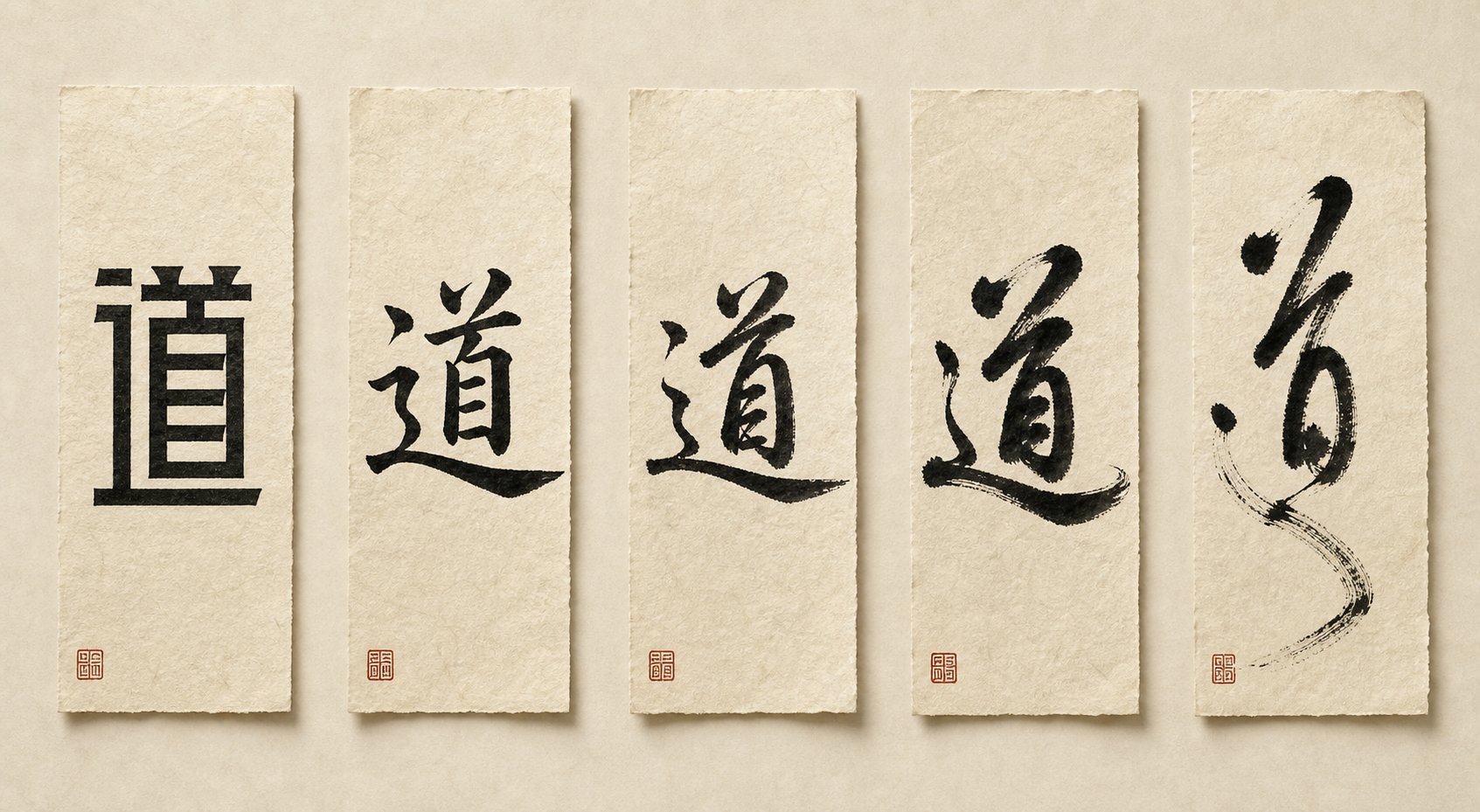
Chinese calligraphy is not a single visual language. It encompasses five major script types that evolved over more than 3,000 years, each offering a different balance of structure, speed, and expression. Picking the right one for your name is like choosing a typeface for a logo, except the stakes feel higher because you are writing it by hand.
The Five Major Calligraphy Scripts Explained
Think of these five scripts as a spectrum. On one end sits maximum structure and formality. On the other, maximum expression and abstraction. Every script occupies a distinct position along that line.
Zhuanshu (Seal Script) is the oldest surviving style, solidified during the Qin dynasty (221-207 BCE). Characters appear rounded, symmetrical, and geometric, with strokes of uniform thickness. You will recognize it from traditional name stamps and carved stone inscriptions. It carries a sense of authority and permanence.
Lishu (Clerical Script) emerged during the Han dynasty as a faster alternative to seal script. Characters sit wider and flatter, with distinctive flaring horizontal strokes that give the writing a grounded, dignified rhythm. It reads like something you would see on a museum plaque.
Kaishu (Regular Script) reached its peak during the Tang dynasty and remains the standard for printed Chinese today. Each stroke has a clear beginning and ending, proportions are balanced, and the characters are immediately legible to any Chinese reader. If you have ever seen Chinese text in a book or on a sign, you have seen kaishu.
Xingshu (Running Script) blends the clarity of kaishu with the fluidity of cursive. Strokes connect more naturally, the brush lifts less often, and the overall feel is lively and personal. It became the preferred script of Song dynasty calligraphers who valued individual expression without sacrificing readability.
Caoshu (Cursive Script) is the most expressive and abstract of all five. Characters can merge into one another, strokes simplify dramatically, and speed drives the brush. Historically favored by master calligraphers and Chan Buddhist monks, caoshu prioritizes energy and emotion over legibility.
| Script | Visual Character | Difficulty Level | Readability | Best Use for Names |
|---|---|---|---|---|
| Zhuanshu (Seal) | Rounded, symmetrical, geometric | High (requires precision) | Low for modern readers | Personal seals and stamps |
| Lishu (Clerical) | Wide, flat, stylized endings | Moderate | Moderate | Formal certificates, plaques |
| Kaishu (Regular) | Balanced, clear, structured | Beginner-friendly | Highest | Tattoos, gifts, first attempts |
| Xingshu (Running) | Flowing, connected, personal | Moderate | Good | Wall art, scrolls, display pieces |
| Caoshu (Cursive) | Abstract, merged, expressive | Most difficult | Low (often unreadable) | Pure artistic expression only |
Which Script Style Suits Name Calligraphy Best
For most people creating chinese calligraphy for the first time, kaishu is the clear starting point. Its structured strokes make it forgiving for beginners, and the result remains legible to anyone who reads Chinese. If you are getting a tattoo, legibility is not optional. You want a native speaker to glance at your arm and read your name without squinting or guessing. Kaishu delivers that.
Xingshu is the sweet spot for wall art and personalized gifts. It carries more visual energy than kaishu, the connected strokes feel more artistic, and yet the characters remain recognizable. When you want to create chinese calligraphy that looks like it was written by a practiced hand rather than printed from a textbook, running script offers that balance.
Caoshu tempts people with its dramatic, sweeping beauty. But here is the honest reality: cursive script can render your name completely unreadable to most Chinese speakers. If the goal is communication or identity, caoshu works against you. Reserve it for situations where pure visual impact matters more than meaning.
What about digital previews? A calligraphy generator chinese tools offer online can help you visualize how your name characters look in different scripts before you commit to brush and ink. A chinese writing generator or chinese character generator will not replace the nuance of hand-brushed work, but it gives you a useful starting reference for comparing script styles side by side. Use these tools for exploration, not as final artwork.
Choosing your script is really choosing your audience and your purpose. A name meant to be read needs kaishu or xingshu. A name meant to be felt can venture into caoshu or zhuanshu. Either way, the script you select determines which brush strokes you will need to master, and every script builds from the same foundational set of movements.
Basic Brush Strokes That Build Every Chinese Character
Every mandarin character, no matter how intricate it appears, breaks down into a combination of just eight fundamental strokes. The character 永 (yong, meaning "eternal") is famous in calligraphy circles because it contains all eight stroke types in a single character. Master these eight movements, and you hold the key to writing any character you will ever encounter, including every character in your name.
When you look at your name in chinese characters for the first time, the shapes might feel overwhelming. But strip away the complexity, and you will find the same handful of motions repeated in different combinations. Learning these strokes is like learning scales on a piano. They are not the music itself, but nothing sounds right without them.
Eight Essential Brush Strokes for Chinese Characters
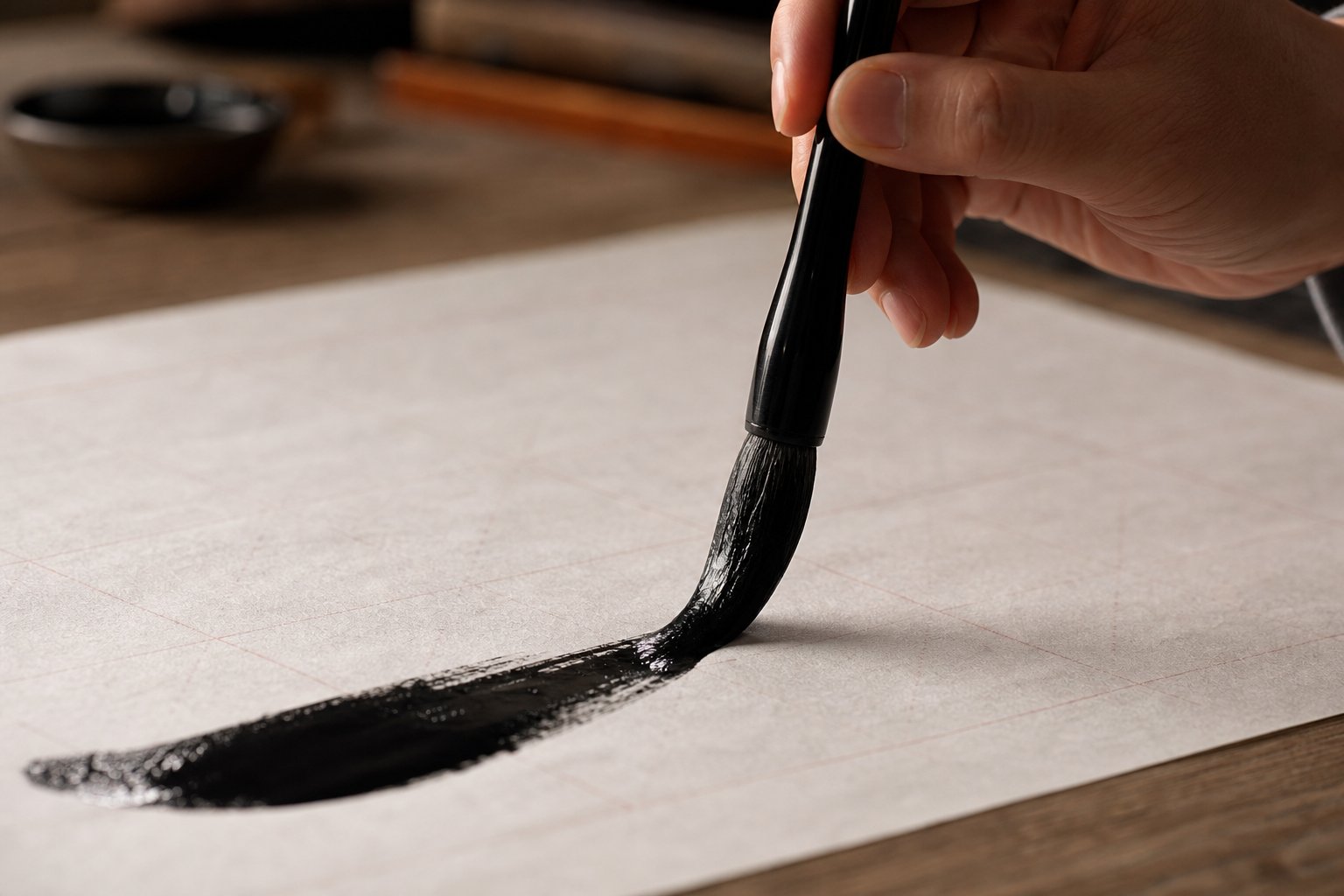
Each stroke has a specific direction, pressure pattern, and rhythm. Here is the complete set, ordered from simplest to most complex:
- Heng (横) - Horizontal stroke. Move the brush from left to right. Start with a slight downward press to anchor the beginning, maintain even pressure through the middle, and end with a gentle lift that creates a subtle taper. Think of it as drawing a steady horizon line. The character 一 (yi, "one") is literally a single horizontal stroke, making it the perfect first practice target.
- Shu (竖) - Vertical stroke. Pull the brush straight down from top to bottom. Begin with a light press at the top, keep the stroke straight and stable like a pillar, and end naturally without a sharp stop. The character 十 (shi, "ten") pairs a horizontal and vertical stroke, showing how these two foundational movements interact.
- Pie (撇) - Left-falling stroke. Sweep the brush from upper right to lower left. Start with firm pressure at the top and gradually lighten as you move downward, letting the stroke taper to a fine point. The motion should feel like a gentle sweep, not a rigid diagonal line. You will see this stroke in 人 (ren, "person").
- Na (捺) - Right-falling stroke. Move from upper left to lower right, doing the opposite of pie. Begin lightly, gradually increase pressure as you descend, and finish with a strong, broad "foot" at the bottom. The ending should be the thickest part of the stroke. Together with pie, this stroke creates the balanced structure of characters like 大 (da, "big").
- Dian (点) - Dot stroke. A quick press-and-release motion that creates a small teardrop or rounded mark. Despite its size, the dot carries real weight in character recognition. The character 心 (xin, "heart") uses dot strokes that add essential detail and personality.
- Ti (提) - Rising stroke. Start with pressure at the lower left and flick upward to the right, lifting the brush as you go. The stroke should feel like it is launching something into the air. You will find it in characters like 打 (da, "hit") and 地 (di, "earth").
- Gou (钩) - Hook stroke. This stroke never appears alone. It attaches to the end of other strokes as a sharp, decisive turn, adding strength and completion. A vertical hook appears in 小 (xiao, "small"), while a horizontal hook shows up in 买 (mai, "buy"). The hook should be crisp and clear, not rounded or mushy.
- Zhe (折) - Turning stroke. A smooth change of direction within a single continuous motion, most commonly a horizontal-to-vertical turn. The key is maintaining consistent pressure through the corner without breaking the stroke. The character 口 (kou, "mouth") demonstrates turning strokes that create an enclosed frame.
These eight strokes, known collectively as the Eight Principles of Yong (永字八法), combine in countless ways to form all Chinese characters. Once you can execute each one with control, converting your name to chinese characters on paper becomes a matter of sequencing familiar movements rather than inventing new ones.
Practicing Stroke Order for Name Characters
Stroke order is not optional decoration. It directly affects how your finished characters look, how the ink flows between strokes, and whether the proportions feel balanced. Chinese stroke order follows six core rules: top to bottom, left to right, horizontal before vertical, left-falling before right-falling, center before sides in symmetrical characters, and outside to inside with frames closed last.
Why does this matter for your chinese name in chinese characters? Imagine writing a character out of order. The wet ink from one stroke interferes with the next. The natural rhythm breaks. The proportions shift because your hand expects a certain spatial relationship between consecutive strokes. Calligraphy written in correct stroke order simply looks better, even to untrained eyes, because the internal logic of the character holds together.
Before you practice any character in your name, look up its correct stroke order. Dictionary apps like Pleco provide stroke-by-stroke animations. Websites such as HanziStroke offer interactive demonstrations where you can watch each stroke being drawn in sequence. Write the character in the air first, following the animation, before you touch brush to paper. This builds muscle memory for the correct sequence without wasting ink or paper on early mistakes.
A practical approach: isolate each character in your chinese name in chinese letters and practice it individually 10 to 20 times before attempting the full name as a composed piece. Characters with higher stroke counts need more repetitions. A two-stroke character like 人 requires far less drilling than a twelve-stroke character like 雅.
Tools You Need to Get Started
You do not need an expensive setup to begin practicing. Here is what works for each stage:
- Brush. A medium-sized Chinese calligraphy brush (兼毫, mixed hair) offers the best control for beginners. Hold it vertically, perpendicular to the paper, gripping it between your thumb and first two fingers about one-third of the way up the handle. This vertical grip allows full range of motion for pressure changes.
- Ink. Bottled Chinese ink (墨汁) is convenient for practice. The consistency should be smooth and opaque, not watery. If the ink drips freely from the brush tip, it is too thin. If it clumps or skips, it is too thick. Aim for a consistency similar to heavy cream.
- Paper. Start with gridded practice paper (米字格 or 田字格) rather than rice paper. Grid paper helps you maintain consistent character size and proportion. Each square guides your spatial awareness. Once your strokes feel confident and controlled, graduate to rice paper (宣纸), which absorbs ink differently and reveals every hesitation or speed change in your brush movement.
- Felt pad. Place a felt mat beneath your paper to absorb excess ink and prevent bleed-through onto your work surface.
- Water practice cloth. A reusable water-writing cloth lets you practice brush movements endlessly without consuming ink or paper. The strokes appear dark when wet and fade as they dry. Useful for drilling stroke order before committing to permanent practice sheets.
With these basics in hand, you can begin transforming your name to chinese characters through deliberate, stroke-by-stroke practice. Start slow. Speed comes from confidence, and confidence comes from repetition. Each stroke you master brings you closer to a finished piece, but how those characters sit together on the page introduces another layer of decisions entirely: spacing, orientation, and visual balance across the full composition.
Artistic Composition and Layout for Name Calligraphy
Individual strokes build characters, but composition is what turns those characters into a cohesive piece of art. When you arrange your name in chinese letters on a page, every decision about spacing, orientation, and proportion shapes how the viewer experiences the work. A beautifully brushed character can still look awkward if it sits in the wrong position relative to its neighbors.
Balancing Characters With Different Stroke Counts
Here is a common challenge: your name contains one character with four strokes and another with fifteen. If you write both at the same physical size, the simple character looks sparse and the complex one looks cramped. The solution is not to make them different sizes. In traditional calligraphy, balance means visual stability, not mechanical equality. You maintain consistent character dimensions while adjusting internal spacing. The simpler character gets slightly bolder strokes or wider internal gaps so it fills its allotted space with presence rather than emptiness. The complex character uses slightly thinner strokes and tighter internal spacing to avoid feeling crowded. The result: both characters carry equal visual weight despite their structural differences.
Vertical vs Horizontal Layout for Name Display
Traditional Chinese calligraphy reads top to bottom, right to left. For name display, vertical orientation remains the most natural and visually striking choice. A name written vertically on a hanging scroll or framed piece echoes centuries of calligraphic tradition and gives each character room to breathe along the vertical axis.
Horizontal layout works too, especially for modern contexts like desk plaques or door signs. When writing horizontally, contemporary convention reads left to right. The key difference is proportion: vertical compositions tend to feel more formal and ceremonial, while horizontal arrangements suit casual or functional settings. If your chinese name letters total two or three characters, vertical layout creates an elegant, compact column. Names with four or more characters may benefit from horizontal arrangement to avoid an overly tall, narrow composition.
Composition Tips for Wall Art and Gifts
Whether you are framing your work or gifting my name in chinese letters to someone, these principles keep the composition grounded:
- Maintain consistent character size. Regardless of stroke count, each character should occupy the same imaginary square. This creates rhythm and order across the piece.
- Leave equal spacing between characters. The gap between characters should be roughly half the width of one character. Too tight and the name feels compressed; too loose and it reads as separate elements rather than a unified name.
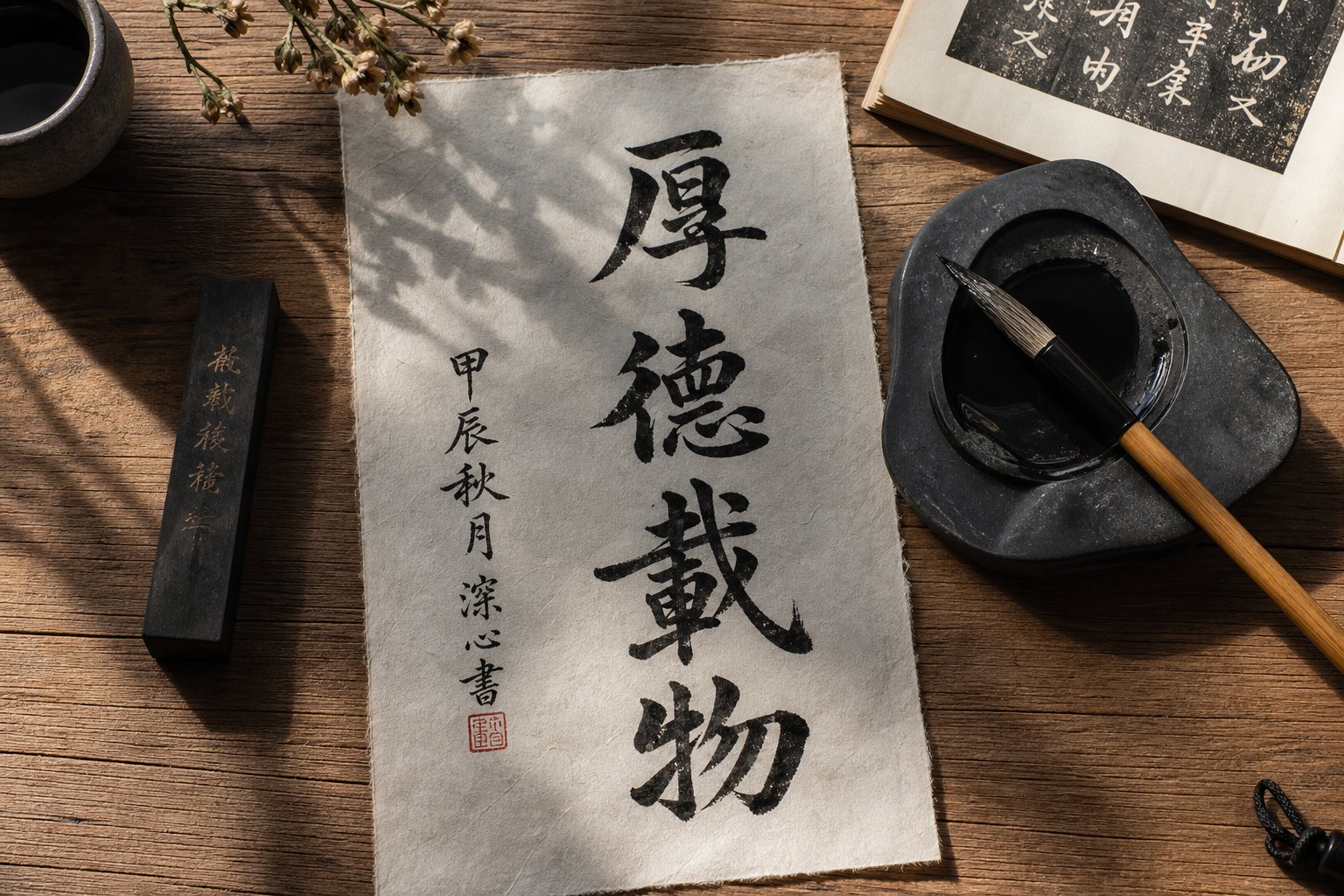
- Add a red seal stamp (chop) for authenticity. A small name seal or leisure seal placed below or beside the last character completes the composition. The red accent against black ink creates visual punctuation that signals a finished work. Limit yourself to one or two seals; over-stamping breaks harmony.
- Use appropriate margins. Traditional spatial philosophy calls for the top margin (sky) to be slightly larger than the bottom margin (earth). Never crowd the edges. White space is not wasted space; it gives the characters room to breathe.
- Consider the number of characters. A two-character name naturally suits a square format or short vertical scroll. Three characters work beautifully in a tall, narrow hanging scroll. Four or more characters may call for a wider format or a horizontal banner to avoid an overly elongated shape.
One practical note: if you find chinese letters for names through online tools or generators, remember that chinese letters copy and paste from a screen will show you the raw characters but not the composition. Digital text stacks characters with uniform machine spacing. Real calligraphy requires you to make deliberate layout decisions that no copy-and-paste output can replicate. The composition is where your artistic voice enters the work.
A well-composed piece looks intentional and complete. But even the most beautiful layout cannot save a piece built on flawed character choices, and that is where many people stumble without realizing it.
Common Mistakes to Avoid With Chinese Name Calligraphy
You have your characters chosen, your script selected, and your composition planned. Everything looks ready. But before brush touches paper, or worse, before a tattoo needle touches skin, you need to know where people consistently go wrong. The mistakes below are not rare edge cases. They happen constantly, and most of them are entirely preventable.
Machine Translation Pitfalls and How to Verify
The first question many people type into a search engine is "how do i write my name in chinese?" The fastest answer comes from automated tools, and that speed is exactly the problem. A name translator in chinese that runs on algorithms alone cannot account for cultural connotation, tonal flow, or visual aesthetics. It gives you characters that approximate your name's sound, but it cannot tell you whether those characters would make a native speaker wince.
Consider what happened when Mercedes-Benz entered the Chinese market using characters that phonetically sounded like "Benz" but literally translated to "rush to die." If a global corporation with professional translators can stumble this badly, imagine what a free online chinese name converter might produce for your personal name without any human review.
The fix is simple: always verify automated results with at least two native Chinese speakers before committing to anything permanent. Show them the characters without context and ask what they read. Their unfiltered reaction tells you more than any algorithm can.
Characters With Unintended or Negative Meanings
Every Chinese character carries meaning. When you translate my name to chinese using phonetic transliteration, you are selecting characters primarily for their sound. But readers still see the meaning. A character that sounds perfect might carry associations with death, illness, poverty, or something embarrassing. Real-world tattoo fails illustrate this vividly: people who wanted "free" (as in freedom) ended up with characters meaning "free of charge," or those seeking "spirit" got a character associated with ghosts and demons.
The underlying issue is that English words often have multiple meanings, and Chinese characters map to very specific ones. When you convert my name to chinese, each syllable might have dozens of character options. Picking the wrong one turns a meaningful name into an unintentional joke.
Ignoring Tonal Harmony and Visual Balance
Beyond meaning, two more layers trip people up: how the name sounds when spoken aloud and how it looks when written. Here is a consolidated list of the most common errors and how to prevent each one:
- Relying solely on automated translators. Free tools give you a starting point, not a final answer. Always cross-reference results with a native speaker or professional calligrapher who can evaluate connotation and context.
- Choosing characters with embarrassing or negative connotations. Before finalizing any character, look up its full range of meanings in a comprehensive dictionary. Ask a native speaker to tell you the first thing that comes to mind when they see it.
- Selecting overly complex characters that lose legibility at small sizes. A character with 20+ strokes might look elegant on a large scroll but becomes an unreadable blob on a wrist tattoo. If you plan to use your name at small scale, favor characters with moderate stroke counts.
- Mixing simplified and traditional character sets. Simplified characters (used in mainland China) and traditional characters (used in Taiwan and Hong Kong) should never appear in the same piece. Pick one system and stay consistent. Mixing them is the calligraphic equivalent of switching between British and American spelling mid-sentence, except more jarring.
- Ignoring tonal pattern across the full name. A name where every character sits on the same tone (say, four fourth-tone characters in a row) sounds harsh and monotonous. Vary the tones so the name flows naturally when read aloud.
- Neglecting visual weight balance between characters. If one character has three strokes and the next has eighteen, the piece looks lopsided unless you adjust internal spacing and stroke thickness deliberately.
The common thread across all these mistakes? They happen when people skip human verification. If you are wondering how to spell my name in chinese correctly, the answer is not just finding the right sounds. It is finding characters where sound, meaning, visual weight, and tonal flow all work together. A name to chinese name converter can start that process, but only a knowledgeable person can finish it.
For anything permanent, whether a tattoo, an engraved gift, or a framed piece you will display for years, invest the time to english name convert to chinese with professional guidance. The cost of a consultation is trivial compared to the cost of living with characters that say something you never intended.
Getting the characters right protects you from embarrassment. But there is another dimension that many people overlook entirely: the cultural weight of what you are creating and the etiquette around how you display or share it.
Cultural Context and Etiquette for Chinese Name Calligraphy
Knowing how to produce beautiful characters is one thing. Understanding the cultural weight those characters carry is something else entirely. When you ask what is your name in chinese language, you are stepping into an art form that Chinese culture has revered for thousands of years. Treating it with awareness and respect elevates your work from a novelty into something genuinely meaningful.
Cultural Significance of Calligraphy in Chinese Tradition
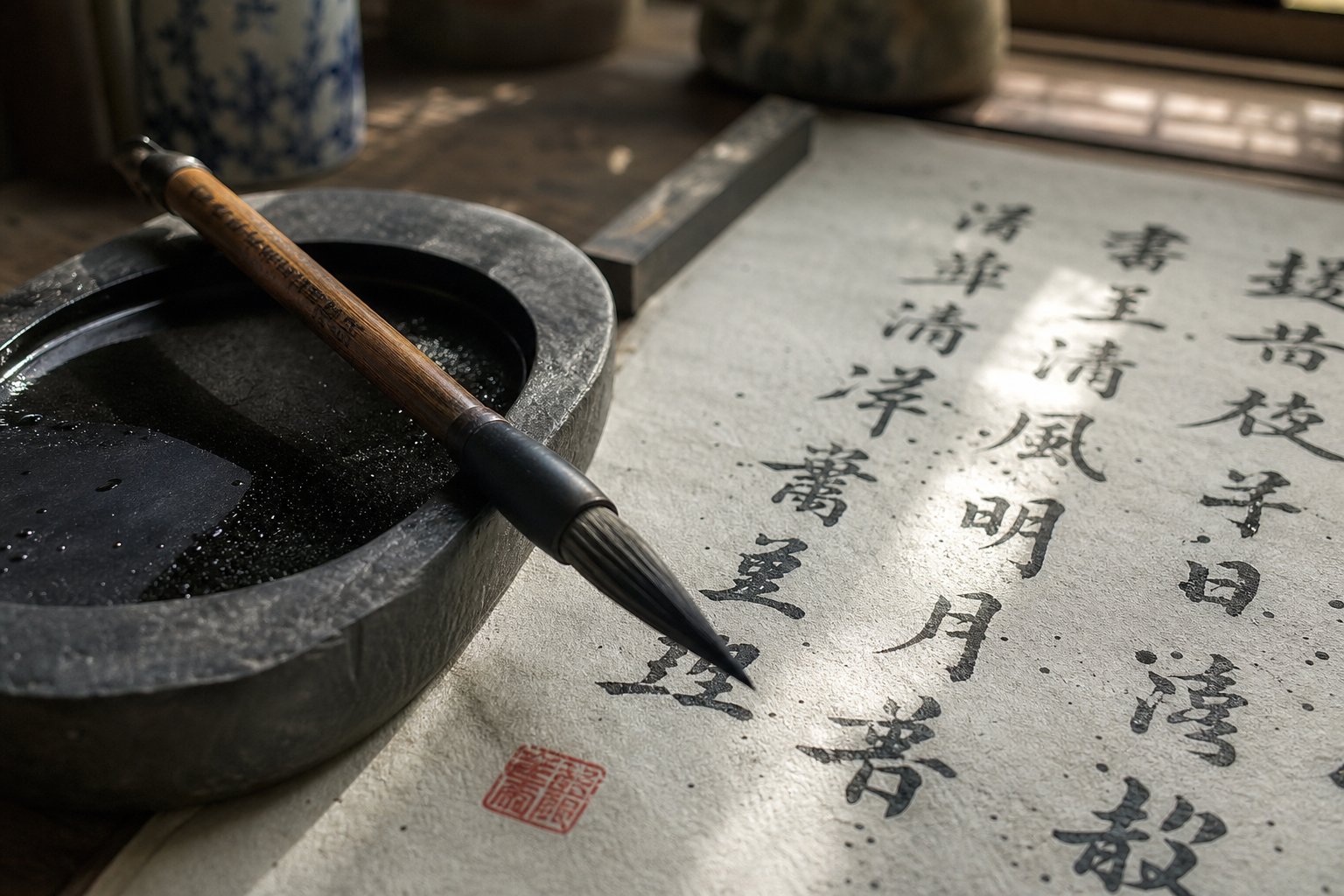
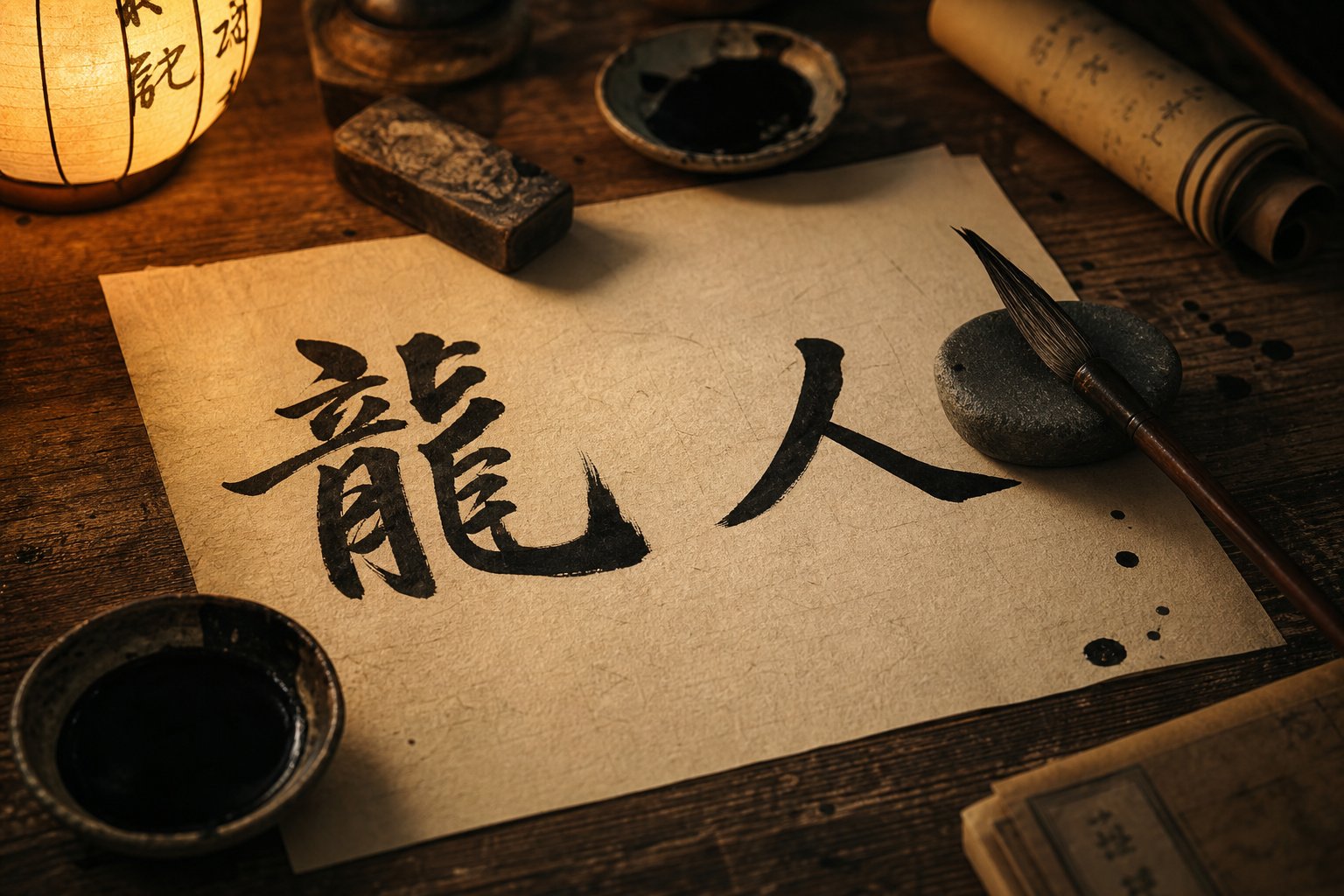
Calligraphy holds a singular place in Chinese civilization. The tools used to practice it, the brush, ink stick, ink stone, and paper, are known as The Four Treasures of the Scholar's Study. Writing was so valued that owning beautiful implements for the art signaled deep respect for learning and culture itself. For centuries, calligraphy served as a measure of a person's education, discipline, and character. When you create my name in chinese language through brushwork, you are participating in that same tradition, however modestly.
Etiquette for Displaying and Gifting Name Calligraphy
Whether you frame your own work or gift someone their name rendered in brush and ink, a few cultural principles keep the gesture respectful and appropriate:
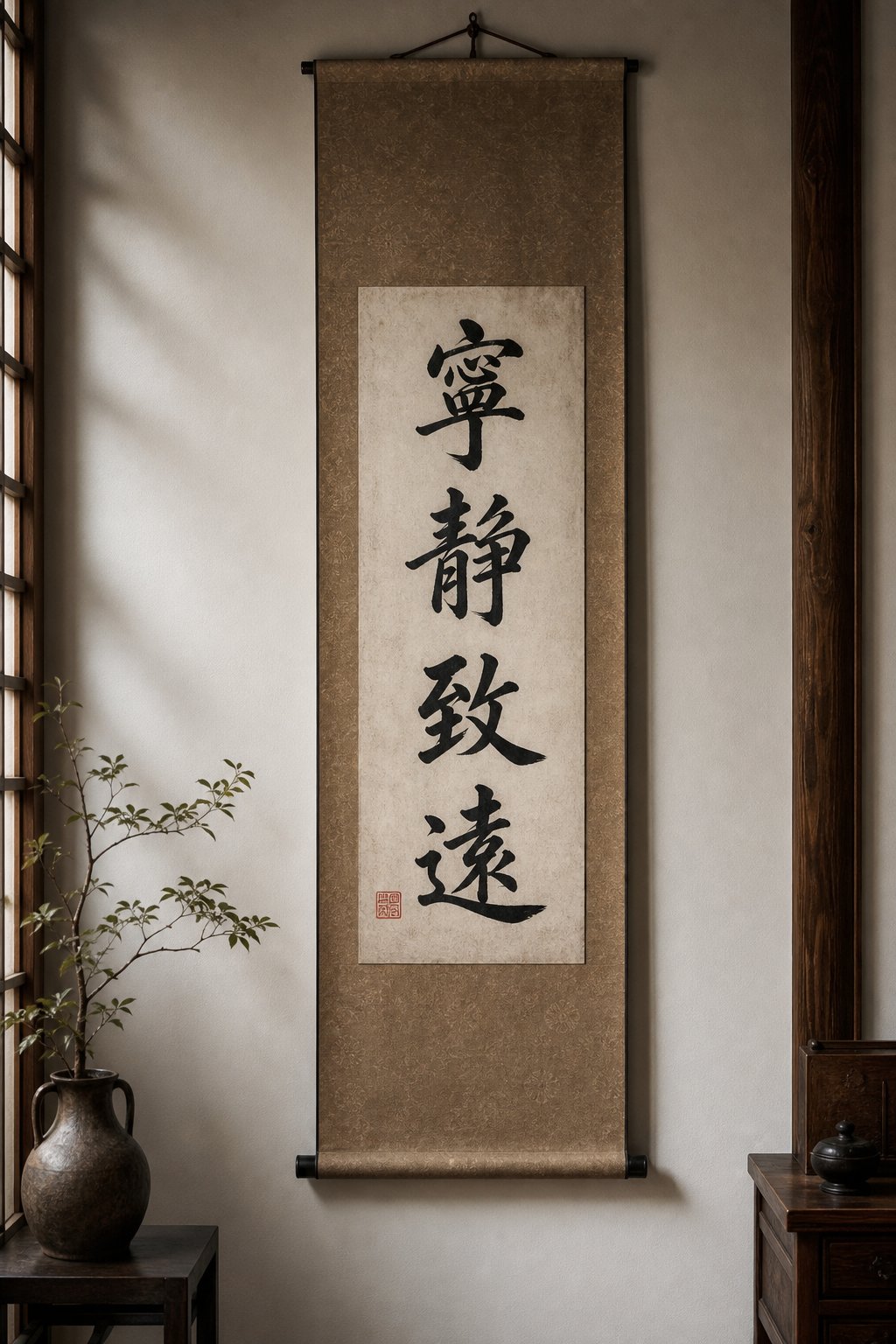
- Displaying calligraphy in your home signals appreciation for Chinese art. Hanging a calligraphy piece in a living space or study follows a tradition that stretches back to the Tang dynasty. Position it at eye level in a place of honor, not tucked away in a hallway.
- Gifting calligraphy is meaningful, especially for milestones. In Chinese culture, gift-giving builds and maintains relationships. A hand-brushed name piece for a wedding, birthday, or graduation carries personal effort that mass-produced gifts cannot match. Present it with both hands as a sign of respect.
- Red ink carries specific cultural associations. Writing someone's name in red ink is generally considered taboo in Chinese culture because it historically associated with the names of the deceased or condemned. The exception is wedding invitations, where red symbolizes good fortune. For calligraphy display pieces, stick with black ink unless you understand the context fully.
- Proper framing and mounting shows respect for the art. Traditional Chinese calligraphy is mounted on silk-bordered scrolls or matted with generous margins. A cheap frame with no matting diminishes the work. If you invest time in brushing my mandarin name or someone else's, invest equally in how you present it.
- Reciprocity matters. If you gift calligraphy to someone familiar with Chinese customs, they may feel moved to reciprocate. Understand that your gesture carries social weight beyond decoration.
You might wonder what is my name in chinese language and whether your attempt at writing it could seem presumptuous. It will not, as long as your approach comes from genuine curiosity rather than casual appropriation. Even native Chinese speakers spend years, sometimes decades, refining their calligraphy. The art rewards patience and humility. Your first attempts will look rough. That is expected and honest.
Approach the practice the way you would approach learning any respected craft: with a growth mindset, cultural awareness, and willingness to keep improving. What is your chinese name? Whatever characters you choose, and however you render them, the act of learning this process connects you to one of humanity's oldest continuous art forms. That connection, built stroke by stroke, is worth far more than a perfect finished piece.
Frequently Asked Questions About Writing Your Name in Chinese Calligraphy
1. How do I translate my English name into Chinese characters for calligraphy?
Your English name gets converted into Chinese through phonetic transliteration, where each syllable is matched to a Chinese character with a similar sound. The process involves breaking your name into syllables, finding characters that approximate those sounds, selecting options with positive meanings, and checking tonal harmony. Multiple valid translations exist for any name because dozens of characters can share the same pronunciation. For permanent applications like tattoos, always verify your translation with at least two native Chinese speakers before committing.
2. Should I use phonetic or meaning-based translation for my name in Chinese calligraphy?
Phonetic transliteration preserves how your name sounds when read aloud, making it recognizable to people who know you. Meaning-based translation captures the spirit or definition behind your name, producing fewer characters that feel native to Chinese. For calligraphy art and tattoos, meaning-based translations often create more visually balanced compositions with layered significance. For gifts where the recipient needs to recognize their own name, phonetic transliteration maintains that immediate personal connection.
3. Which Chinese calligraphy script style is best for writing names?
Kaishu (regular script) is the best starting point for name calligraphy because it offers maximum legibility and structured strokes that beginners can learn. For wall art and display pieces, xingshu (running script) provides a balance of artistic flow and readability. Caoshu (cursive script) looks dramatic but can make names completely unreadable to most Chinese speakers. Choose kaishu for tattoos where legibility is essential, and xingshu when you want your piece to look more expressive while remaining recognizable.
4. What are the most common mistakes people make with Chinese name calligraphy?
The most frequent errors include relying solely on automated translators without native speaker verification, choosing characters that sound correct but carry embarrassing meanings, mixing simplified and traditional character sets in the same piece, selecting overly complex characters that become illegible at small sizes, and ignoring tonal harmony across the full name. Writing names in red ink is also a cultural misstep, as red ink on names carries associations with death in Chinese tradition. Professional consultation before any permanent application prevents these issues.
5. Can I write my own name in Chinese calligraphy as a beginner?
Yes, beginners can write their own name in Chinese calligraphy by mastering the eight fundamental brush strokes that form all Chinese characters. Start with gridded practice paper and a medium-sized mixed-hair brush, then isolate each character in your name and practice it individually 10 to 20 times before attempting the full composition. Look up correct stroke order using dictionary apps or animation tools before practicing, since writing strokes in the wrong sequence affects the final appearance. Expect your early attempts to look rough, as even native speakers spend years refining their calligraphy.